Top 20 Natural Monuments around Beuda
Natural monuments around Beuda offer diverse landscapes in the Garrotxa region of Catalonia, Spain. The area is characterized by its mountainous terrain, river valleys, and unique geological formations. Visitors can explore significant natural landmarks, including prominent summits and protected river ecosystems. This region provides opportunities to experience varied natural environments and historical sites.
Best natural monuments around Beuda
- The most popular natural monuments is Llierca Bridge, a bridge that is 28 meters above the water and stretches 52 meters. This Romanesque bridge, built between the 13th and 14th centuries, is a notable historical and architectural landmark.
- Another must-see spot is Castellfollit de la Roca, a settlement standing on a basaltic cliff 50 meters high. Visitors can explore the medieval village and enjoy panoramic views of the surrounding valley, formed by the Fluvià river.
- Visitors also love Puig de Bassegoda, a summit reaching 1,373 meters high. Its characteristic pointed shape and isolated position provide excellent 360º views, making it a prominent landmark in the region.
- Beuda is known for its summits, river valleys, and unique geological formations. The area offers a variety of natural monuments to see and explore, from ancient bridges to volcanic landscapes.
- The natural monuments around Beuda are appreciated by the komoot community, with more than 100 upvotes and over 60 photos shared.
Last updated: May 4, 2026
Llierca Bridge
Highlight • Bridge
Tip by

Castellfollit de la Roca
Highlight • Settlement
Translated by Google •
Tip by

Sign up now to discover places like this
Get recommendations on the best single tracks, peaks, & plenty of other exciting outdoor places.
Sign up for free
Puig de Bassegoda
Highlight • Summit
Translated by Google •
Tip by

Alta Garrotxa (Partial Nature Reserve of the Muga-Albanyà)
Highlight • Natural Monument
Some of the most notable places within the Muga-Albanyà Partial Nature Reserve include:
The town of Albanyà: A small rural town surrounded by unspoilt nature and trails to explore.
The Muga River: A river with crystal clear waters that meanders through the reserve, offering opportunities for fishing, hiking and enjoying nature.
The Serra de Lliens: A mountain range with impressive panoramic views and hiking trails that allow you to explore the natural beauty of the region.
El Puig de Bassegoda: An emblematic mountain that offers incomparable panoramic views of the Alta Garrotxa and the Pyrenees.
The Hermitage of Santa Bàrbara: A hermitage located in a spectacular natural enclave, which offers a place of tranquility and contemplation.
Translated by Google •
Tip by

Rector's Spring
Highlight • Natural Monument
Translated by Google •
Tip by

Sign up for free to discover even more natural monuments around Beuda.
Sign up for free
Already have an account?
Start today with a free account
Your next adventure awaits.
Login or Signup

Tips from the Community

The area east of the bridge is not particularly suitable for gravel bikes. The bridge is definitely worth a visit.
0
0

A Romanesque bridge worth seeing. Be sure to take a detour there and take a look. You can easily walk across it.
3
0

The Llierca Bridge, also called Pont de Sadernes, is a bridge 28 m high, 52 m long and 3 m wide. With a single, very slender arch, it crosses the Llierca river between Tortellà and Sadernes. Romanesque in style, although we do not know the date of its construction, there is evidence of its use since at least the 14th century, when it is documented that a toll was paid to cross it. The bridge was probably built by order of the barons of Sales, to facilitate trade between the farmhouses located west of the Llierca river with the towns of Tortellà and Besalú.
0
0


Within Alta Garrotxa is the Muga-Albanyà Partial Nature Reserve, which covers an area of approximately 5,000 hectares. This reserve is especially notable for its biodiversity and the presence of very diverse natural habitats, which include oak and holm oak forests, alpine meadows, crystal-clear rivers and unique geological formations. Some of the most notable places within the Muga-Albanyà Partial Nature Reserve include: The town of Albanyà: A small rural town surrounded by unspoilt nature and trails to explore. The Muga River: A river with crystal clear waters that meanders through the reserve, offering opportunities for fishing, hiking and enjoying nature. The Serra de Lliens: A mountain range with impressive panoramic views and hiking trails that allow you to explore the natural beauty of the region. El Puig de Bassegoda: An emblematic mountain that offers incomparable panoramic views of the Alta Garrotxa and the Pyrenees. The Hermitage of Santa Bàrbara: A hermitage located in a spectacular natural enclave, which offers a place of tranquility and contemplation.
2
0

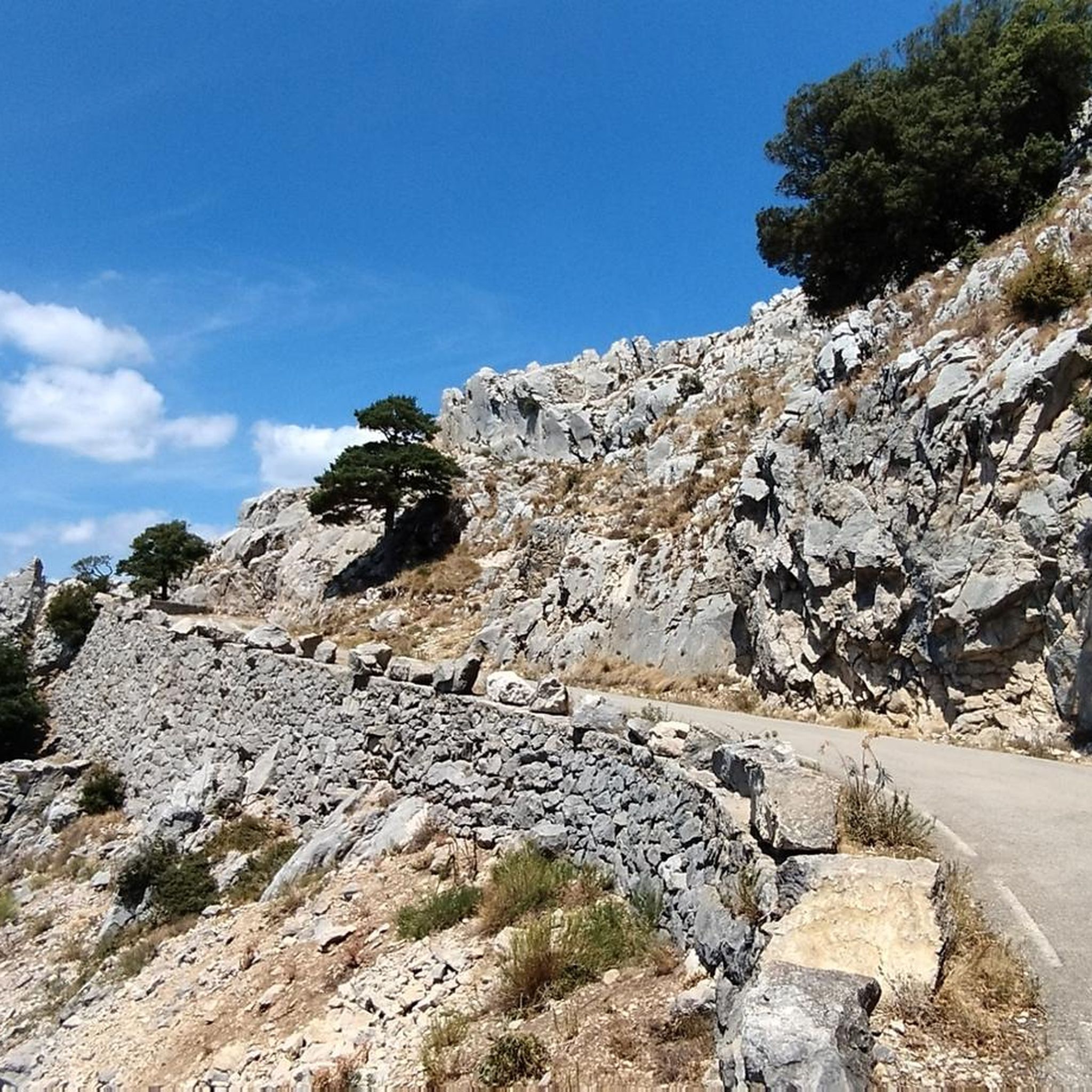
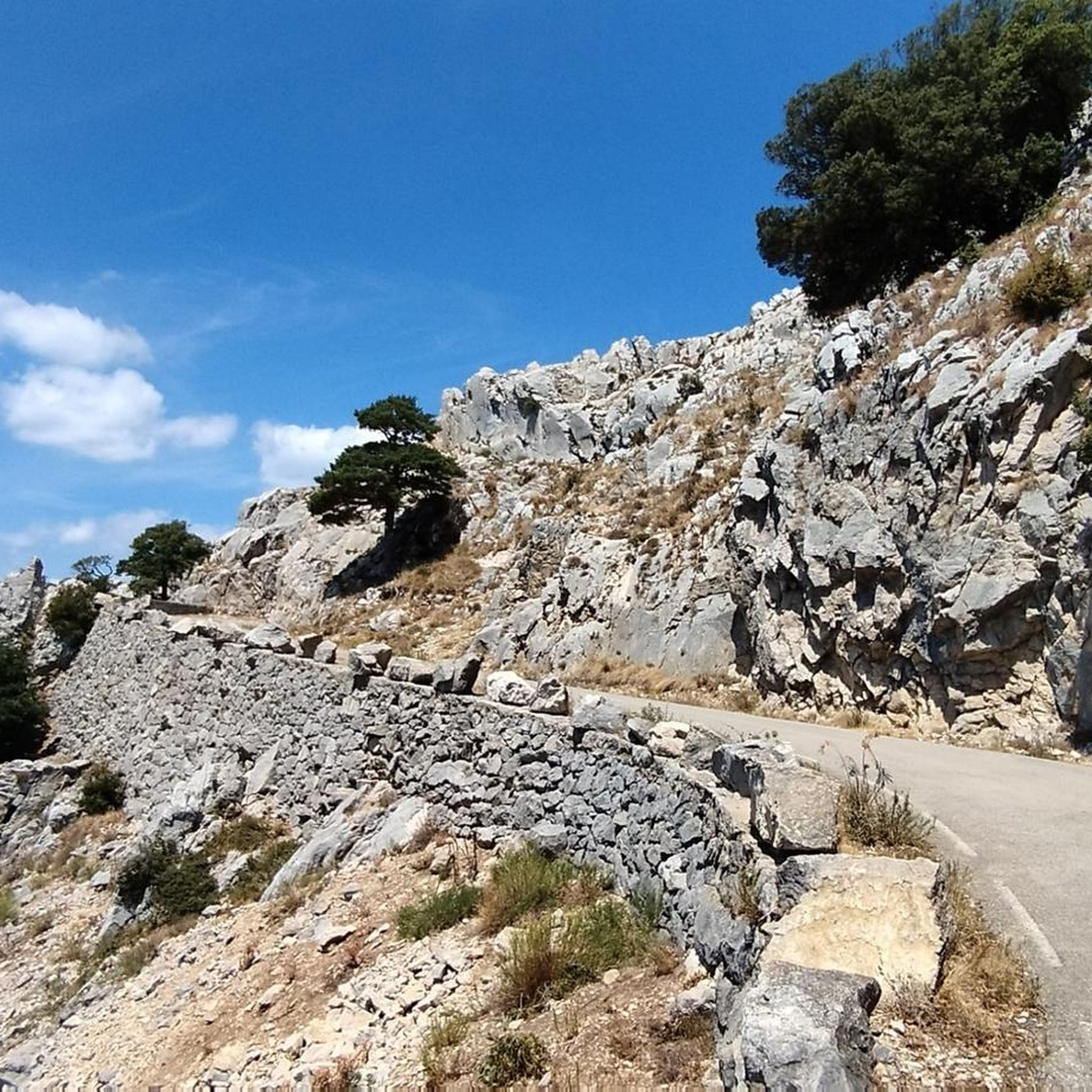
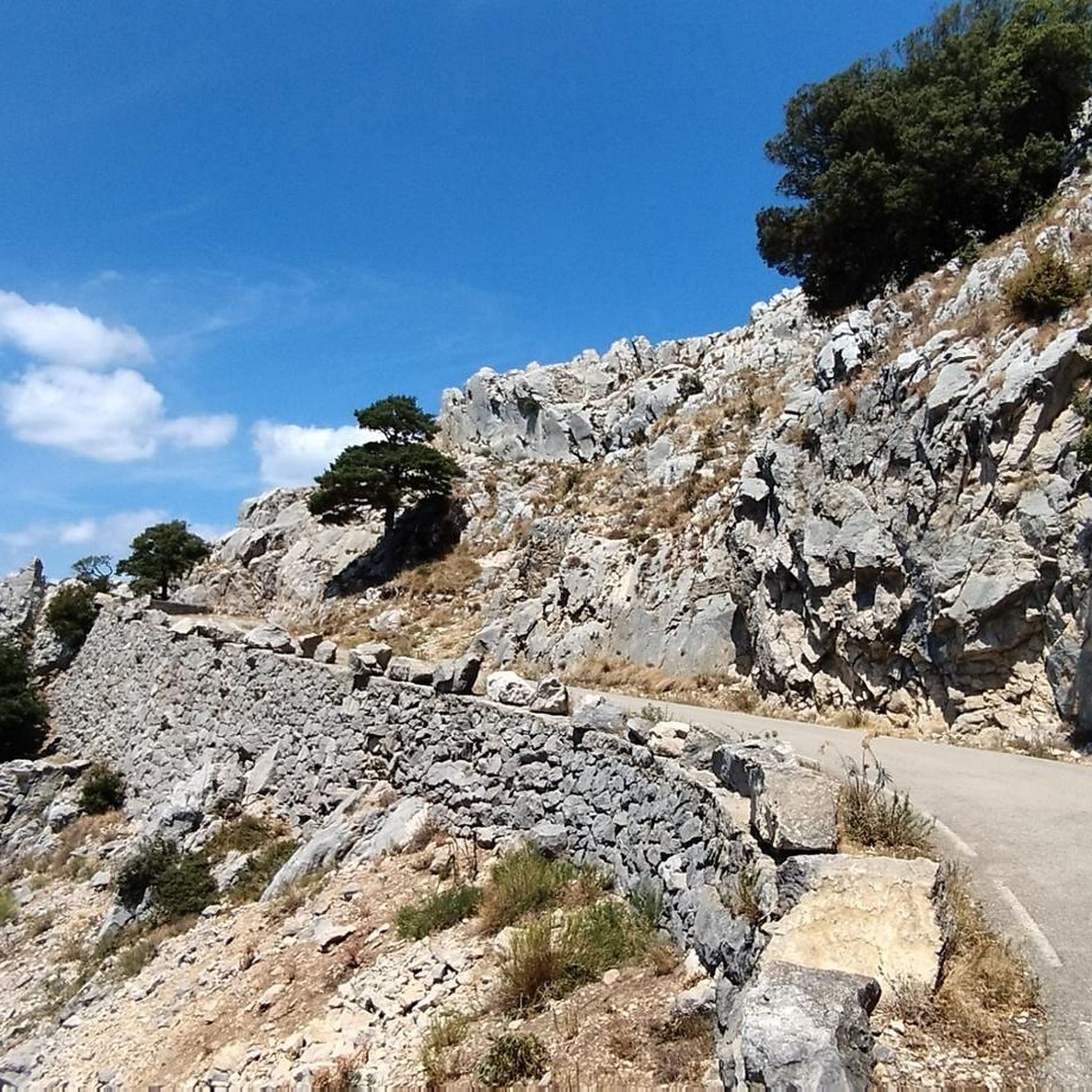
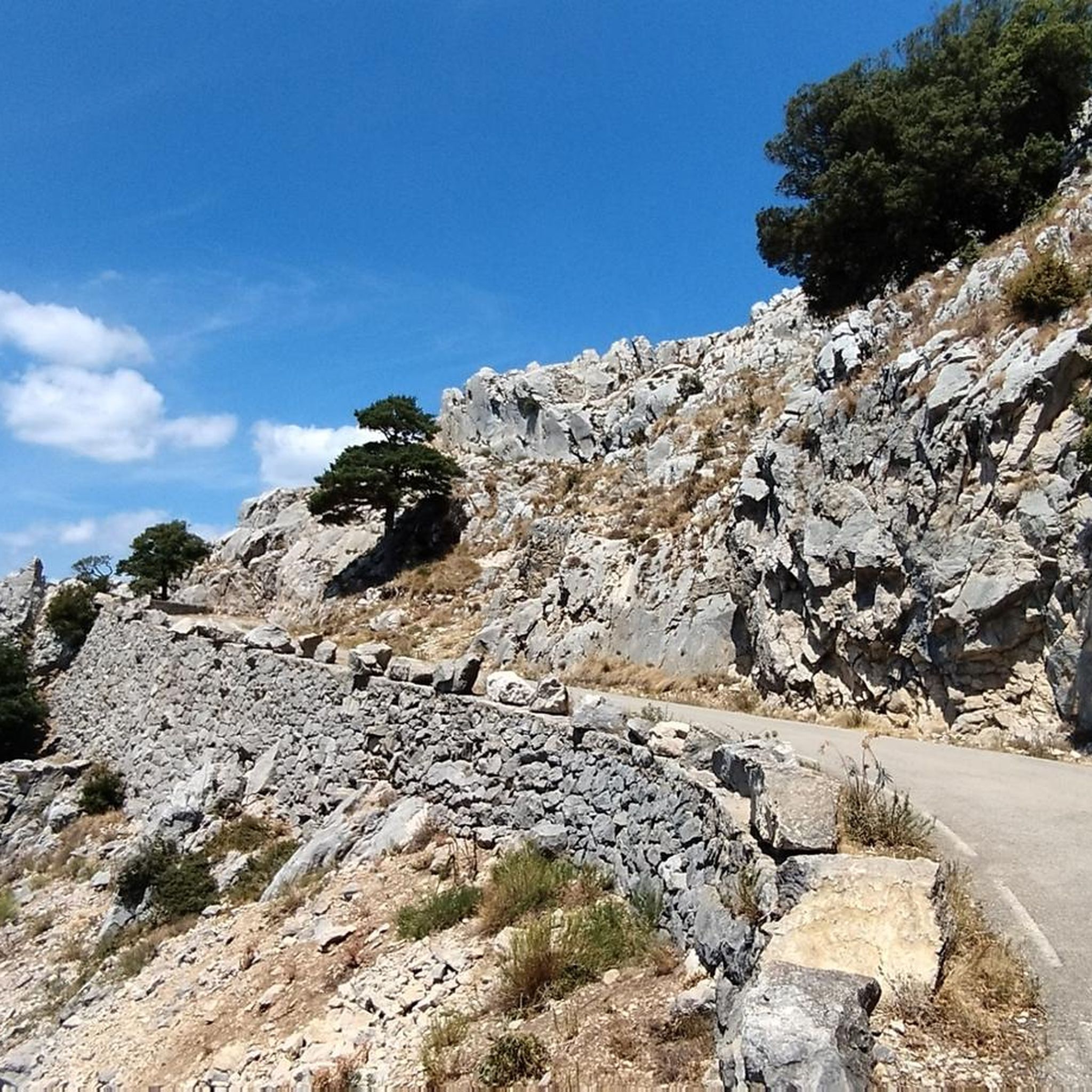
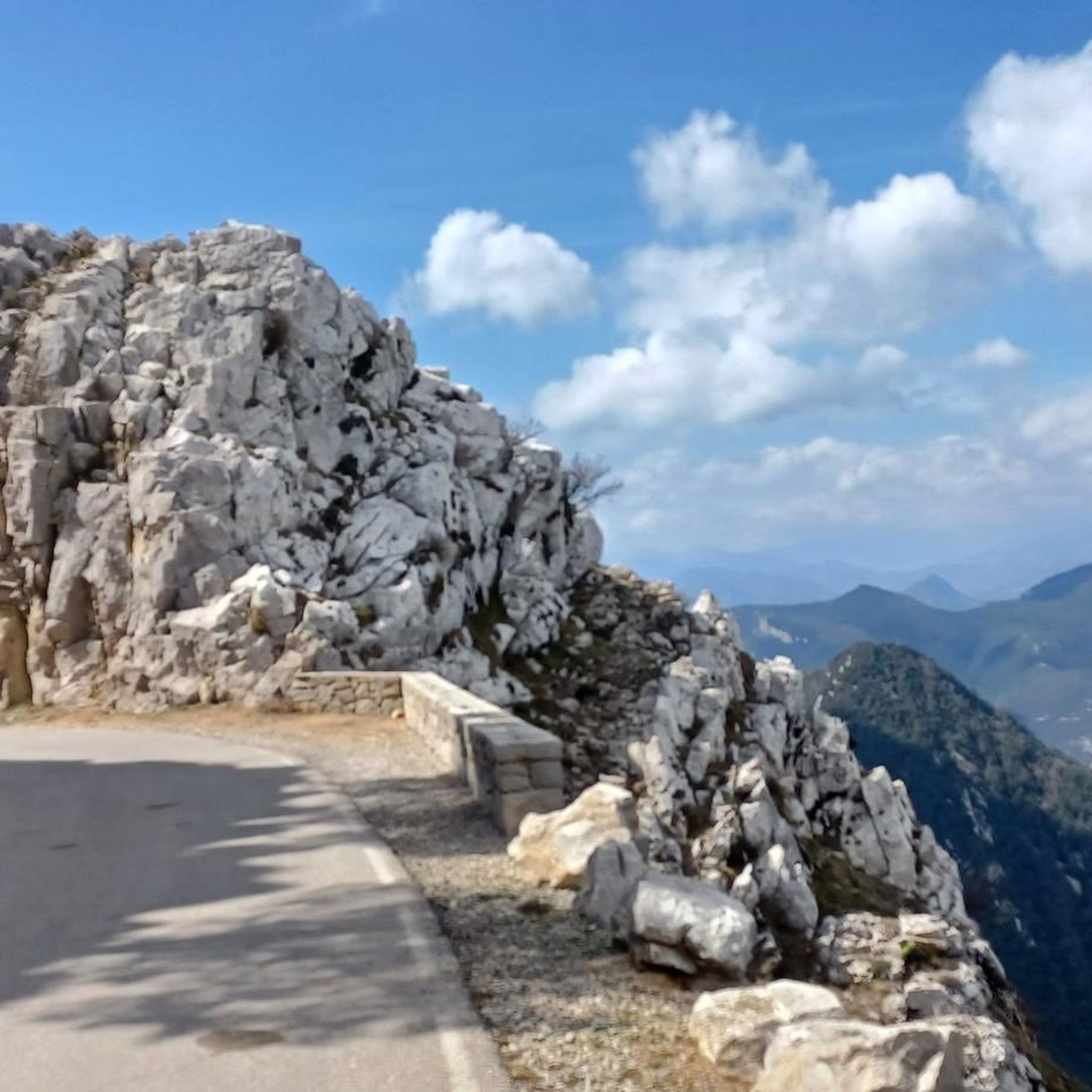
At 1,373 meters high, the Puig de Bassegoda is located on the border between the regions of La Garrotxa and Alt Empordà. The climb accumulates a lot of positive unevenness in a short distance. For this reason, in the last section it has staples and chains to help itself.
2
1

Around the Font is one of the few protected plants in the natural area of the Lake. It is a small fern (Thelypteris palustris) that grows next to the pond in this area. To avoid damaging the fern, the space has been adapted so that people do not step on or access the edges of the Pond around the Fountain. It is recommended not to leave the marked areas. Iberian remains have also been found that would indicate human presence in this area between the 5th and 2nd centuries BC
0
1
We must warn you that during the summer or when the corn fields are irrigated, the surface aquifer dries up and the source dries up, so we will not always be able to enjoy the freshness of this water. As it is not chlorinated, it is considered unsuitable for human consumption. The Source is located in the Coromina area until a few years ago used as a recreation and picnic area. Currently, a leafy riparian forest has been recovered and the Fountain has been included in a beautiful setting.
0
1
Frequently Asked Questions
What are some prominent natural landmarks and viewpoints around Beuda?
The Beuda area, situated in the Garrotxa region, offers several notable natural landmarks. You can visit the impressive Llierca Bridge, a Romanesque structure spanning 52 meters over a river. Another significant landmark is Puig de Bassegoda, a summit reaching 1,373 meters with excellent 360º views. Additionally, the unique settlement of Castellfollit de la Roca, perched on a 50-meter high basaltic cliff, offers panoramic views of the Fluvià river valley.
What kind of natural features can I expect to see in the Beuda area?
The natural monuments around Beuda showcase diverse landscapes. You'll find mountainous terrain, deep river valleys, and unique geological formations. Features include ancient bridges, volcanic landscapes, and dense forests. The region is characterized by woodlands of cork oak, holm oak groves, and majestic beech forests at higher elevations, particularly around the Mare de Déu del Mont summit.
Are there any hidden natural gems or less-known spots worth exploring near Beuda?
Beyond the well-known sites, the Baumes de Caixurma offer a unique experience. These are a complex system of labyrinthine galleries and narrow cracks hidden by dense vegetation, located south of Castellfollit de la Roca. While exploring, it's important to be mindful of the protected cave-dwelling invertebrates and bats that inhabit these areas.
What opportunities are there for wildlife spotting near Beuda's natural monuments?
For wildlife enthusiasts, the Resclosa de Serinyà i illa del Fluvià Nature Reserve, near Serinyà, is a haven for diverse fauna, especially birds. This reserve, with its well-structured riverside forest, provides an undisturbed environment where you can observe species like grey herons, night herons, little egrets, kingfishers, moorhens, and mallards.
What hiking trails are available near the natural monuments around Beuda?
The Beuda area offers a variety of hiking trails. For challenging routes, consider the 'Mare de Déu del Mont – Castellot Area loop from Beuda' or the 'Rocapastora Cliff – Mare de Déu del Mont loop from Beuda'. A moderate option is the 'Castellot de Falgars – Jacint Verdaguer's Room loop from Monestir de Sant Llorenç del Mont'. You can find more details and routes in the Hiking around Beuda guide.
Are there other outdoor activities besides hiking near these natural monuments?
Yes, the region around Beuda is excellent for cycling. You can explore road cycling routes like 'Surrounding the Fluvià river and its towns - Circular from Besalú' or 'Castellfollit de la Roca loop from Besalú'. For gravel biking, options include 'Gravel route from Besalù via the sanctuary of the Mother of God of the Mount'. Discover more routes in the Road Cycling Routes around Beuda and Gravel biking around Beuda guides.
What cultural or historic sites are located near Beuda's natural monuments?
Beyond natural beauty, the area boasts significant historical sites. The Llierca Bridge itself is a Romanesque structure dating back to the 13th-14th centuries. The medieval village of Castellfollit de la Roca, with its old church of Sant Salvador from the 13th century, offers a glimpse into the past. Additionally, the Serinyà Prehistoric Cave Park, one of Europe's most important Paleolithic sites, is nearby and provides insights into early human history.
What is the best time of year to visit the natural monuments around Beuda?
The Beuda area is generally pleasant for outdoor activities. Spring and autumn offer mild temperatures, making them ideal for hiking and cycling. During these seasons, the landscapes are vibrant with new growth or rich autumnal colors. Summer can be warm, especially at lower elevations, but higher areas like Mare de Déu del Mont provide cooler conditions. Winter offers a different, often quieter, experience, though some higher trails might be more challenging.
Are there family-friendly natural monuments or trails near Beuda?
While specific 'family-friendly' categories aren't listed for all highlights, areas like the Resclosa de Serinyà i illa del Fluvià Nature Reserve offer tranquil settings suitable for families to enjoy nature and birdwatching. When planning, consider the difficulty ratings of trails; many moderate routes can be enjoyed by families with older children. Always check specific route details for suitability.
What should I know about accessibility or public transport to these natural monuments?
Access to many natural monuments in the Garrotxa region often involves personal transport due to their rural locations. While Beuda is a small municipality, it serves as a gateway. For specific highlights, parking is usually available nearby. Public transport options might be limited, so planning your journey in advance, especially for remote trails or summits, is advisable. Always check local transport schedules if relying on buses.
What do visitors enjoy most about the natural monuments around Beuda?
Visitors frequently praise the stunning panoramic views, especially from summits like Puig de Bassegoda and Mare de Déu del Mont, which can encompass the Pyrenees and even the Costa Brava on clear days. The unique geological formations, like the basaltic cliff of Castellfollit de la Roca, and the historical charm of structures like the Llierca Bridge, are also highly appreciated. The tranquility and rich biodiversity of areas like the Resclosa de Serinyà i illa del Fluvià Nature Reserve are also big draws.
Where can I find accommodation or places to eat near the natural areas of Beuda?
Beuda and its surrounding municipalities in the Garrotxa region offer various options for accommodation and dining. You'll find rural tourism establishments, small hotels, and local restaurants in nearby towns. These often provide a chance to experience local Catalan cuisine and hospitality. It's recommended to check local listings or booking sites for specific options in and around Beuda, Serinyà, or Besalú.
Most popular attractions around Beuda

Get inspired with the komoot mobile app


Explore more
Extend your search for the best caves by checking out these guides of the top ones around Beuda:
