Top 20 Natural Monuments around Aiguaviva
Best natural monuments around Aiguaviva showcase the region's diverse natural landscape, characterized by volcanic formations, river systems, and ancient forests. Aiguaviva, situated in the province of Girona, Catalonia, Spain, is surrounded by natural features that contribute to its appeal for outdoor activities. The area's geology includes an extinct volcano and various waterways, offering opportunities for exploration. These natural attractions provide insight into the local environment and its historical significance.
Best natural monuments around Aiguaviva
- The most popular natural monument is…
Last updated: July 1, 2026
Caldes de Malavella
Highlight • Settlement
Translated by Google •
Tip by

Crosa Volcano
Highlight • Volcano
Translated by Google •
Tip by

Sign up now to discover places like this
Get recommendations on the best single tracks, peaks, & plenty of other exciting outdoor places.
Sign up for free
Font de les Núvies
Highlight • Natural Monument
Translated by Google •
Tip by

Devesa Park
Highlight • Forest
Translated by Google •
Tip by

Font d’en Coromines
Highlight • Natural Monument
Tip by
Sign up for free to discover even more natural monuments around Aiguaviva.
Sign up for free
Already have an account?
Start today with a free account
Your next adventure awaits.
Login or Signup
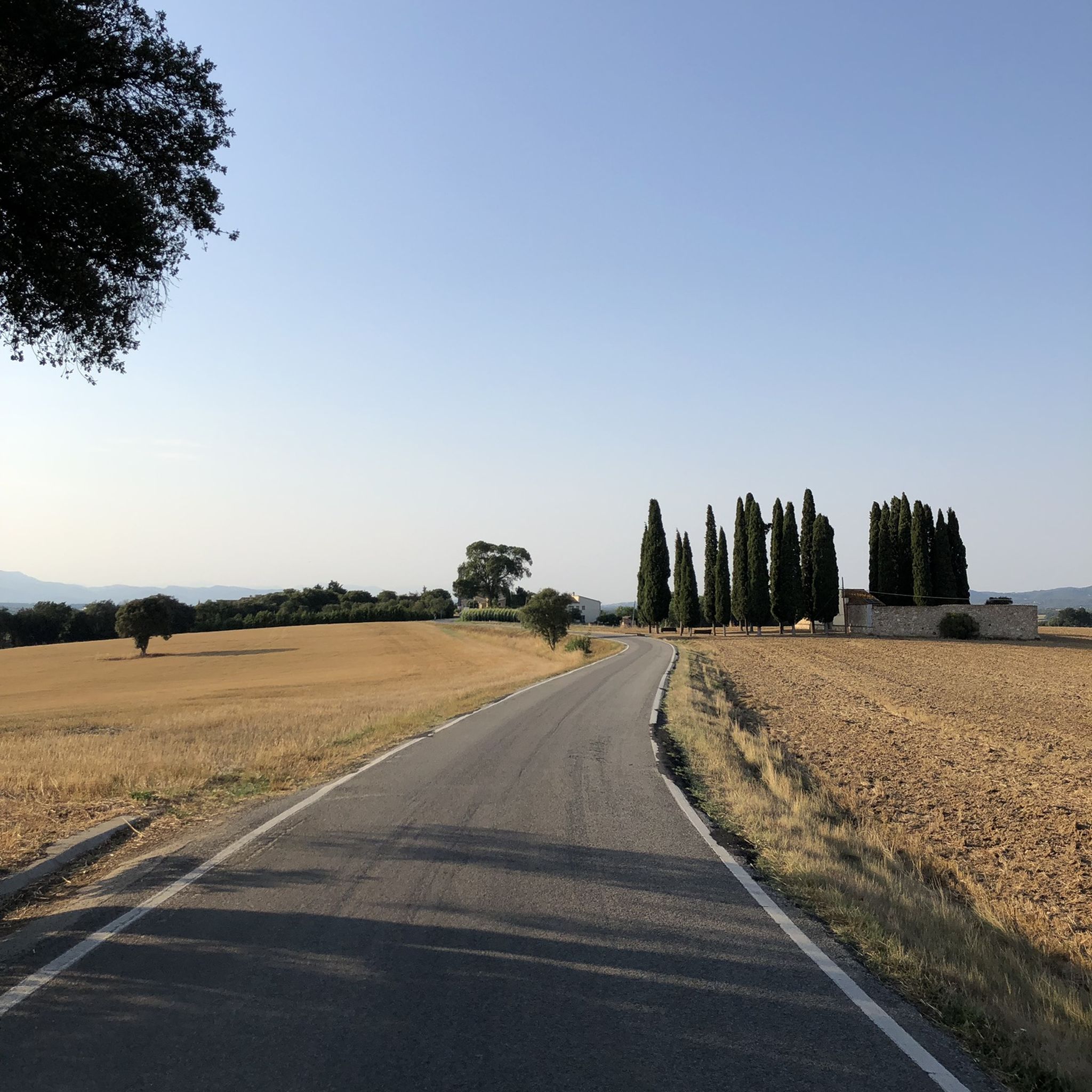
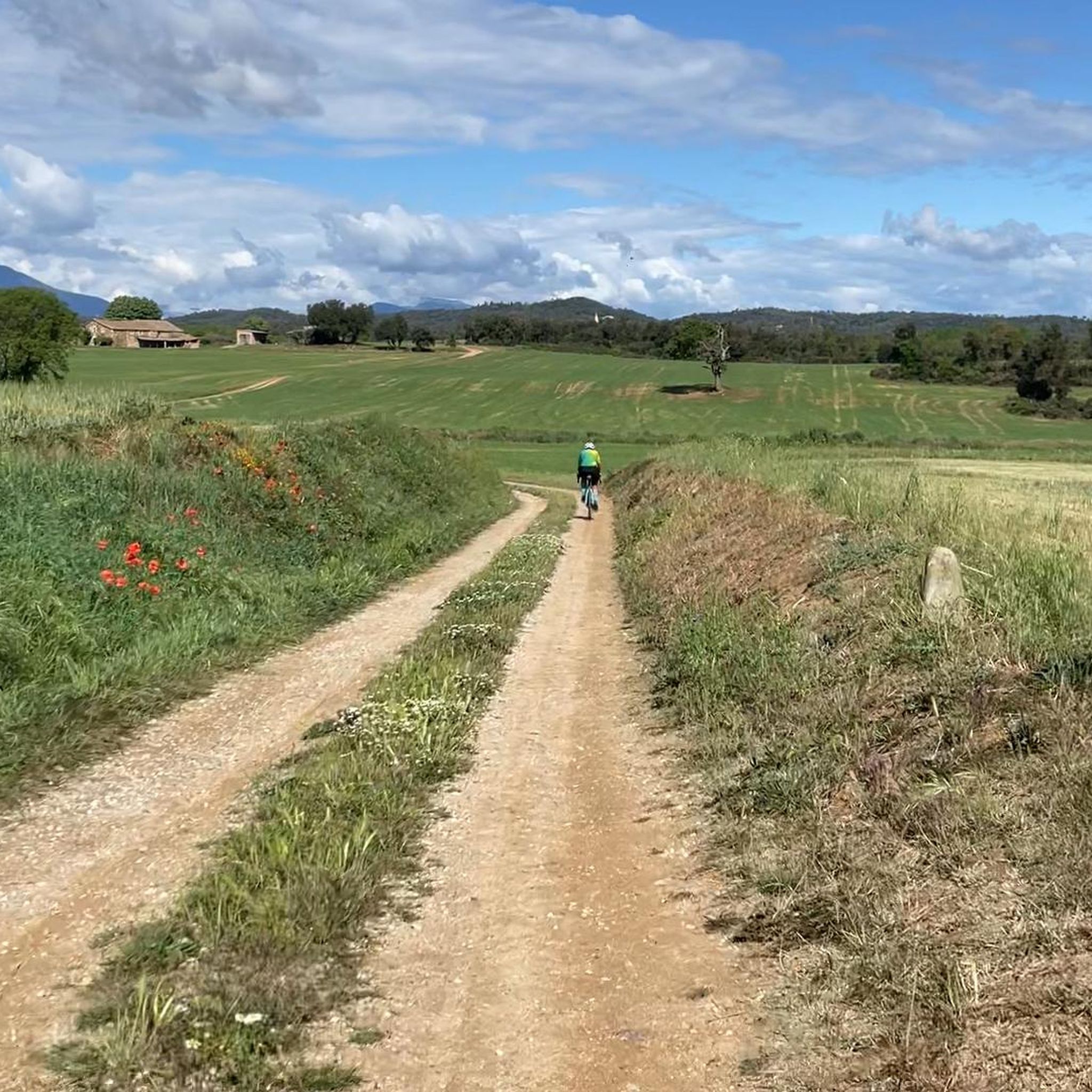
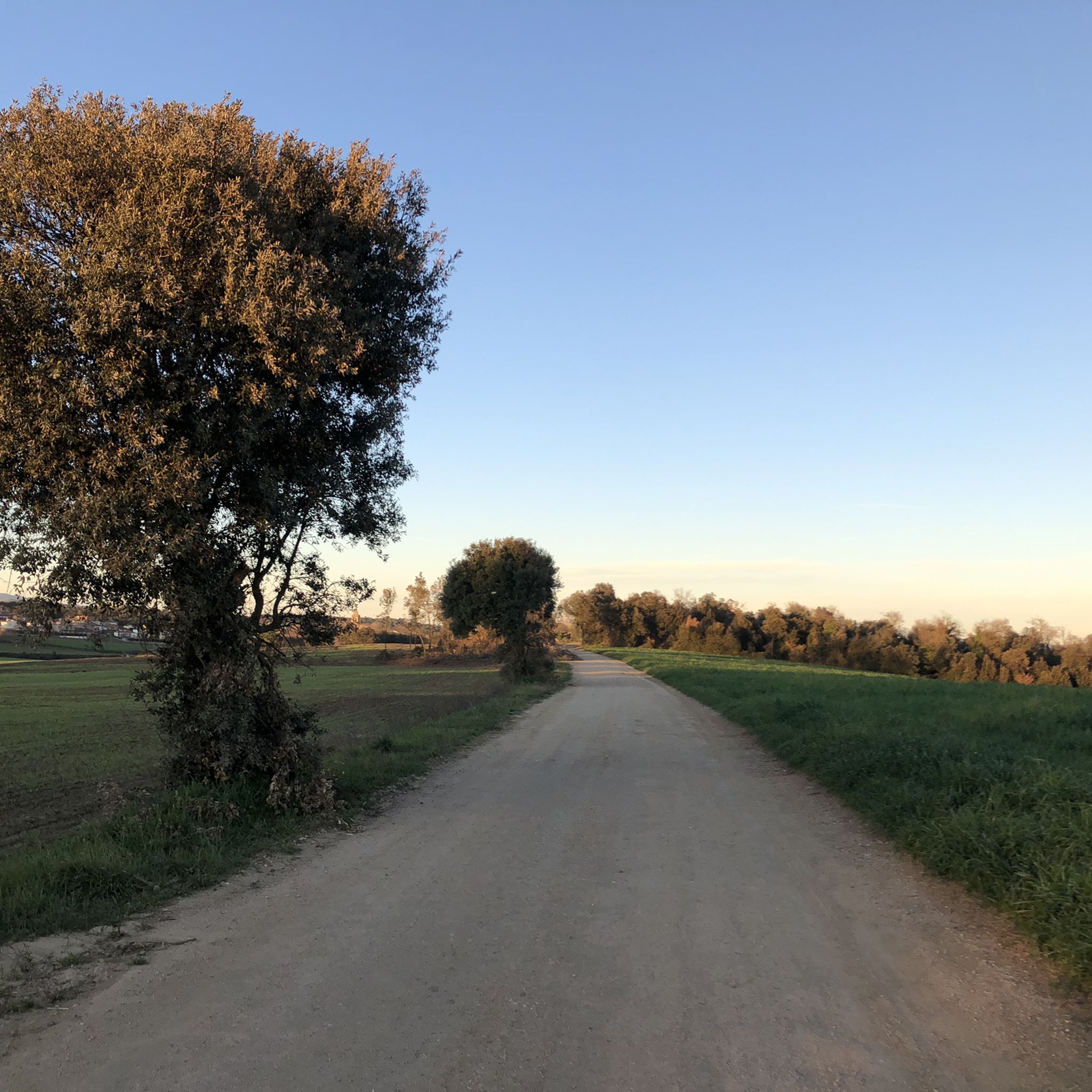
Tips from the Community

Water was once bottled in the building, of which only the four outer walls and the entrance steps remain. Unfortunately, I couldn't find any more precise information. Inside, spring water bubbles irregularly from a kind of round fountain. The water has a high iron content. It's a shame there's no information panel.
0
0

Large town, with all services.
3
0

Caldes de Malavella is a Spanish municipality in the La Selva region in the province of Gerona, autonomous community of Catalonia. The population has three spas that take advantage of the thermal waters of the municipality. These waters spring up at a temperature that oscillates between 80 and 120 °C. The main economic activity is in the service sector (hotels, restaurants, golf) and in the industry dedicated to bottling thermal waters. There are four companies with bottling plants within the municipal term that employ almost half of the population. https://es.m.wikipedia.org/wiki/Caldas_de_Malavella
18
0


Font retrona nuvies or font de la nuvia is located a little to the west of font d'en soldat, next to Can Marcó del Clot. Its name comes from a small story: in the past, everything was done on foot. Including weddings. It is said that at one of these weddings, they walked so much that the bride fainted from exhaustion and they redid her in this spring. Hence the name “retrona nuvies”: The fountain of the bride is located in the fetgera valley, so named because of the healing properties that water was believed to have to cure liver ailments.
0
1

It is the largest urban park in Catalonia, located west of the historic center of the city of Girona. Cataloged as a cultural asset of national interest, it has an area of 40 hectares, of which nine are shaded walks. In 1850 more than 2,500 plane trees were planted, so, at more than 170 years old, many exceed 60 meters in height.
4
1

155 meter high volcano located between the municipalities of Vilobí de Onyar, Aiguaviva and Bescanó. With a diameter of 1,250 meters, Crosa is the volcano with the largest crater on the peninsula.
5
0

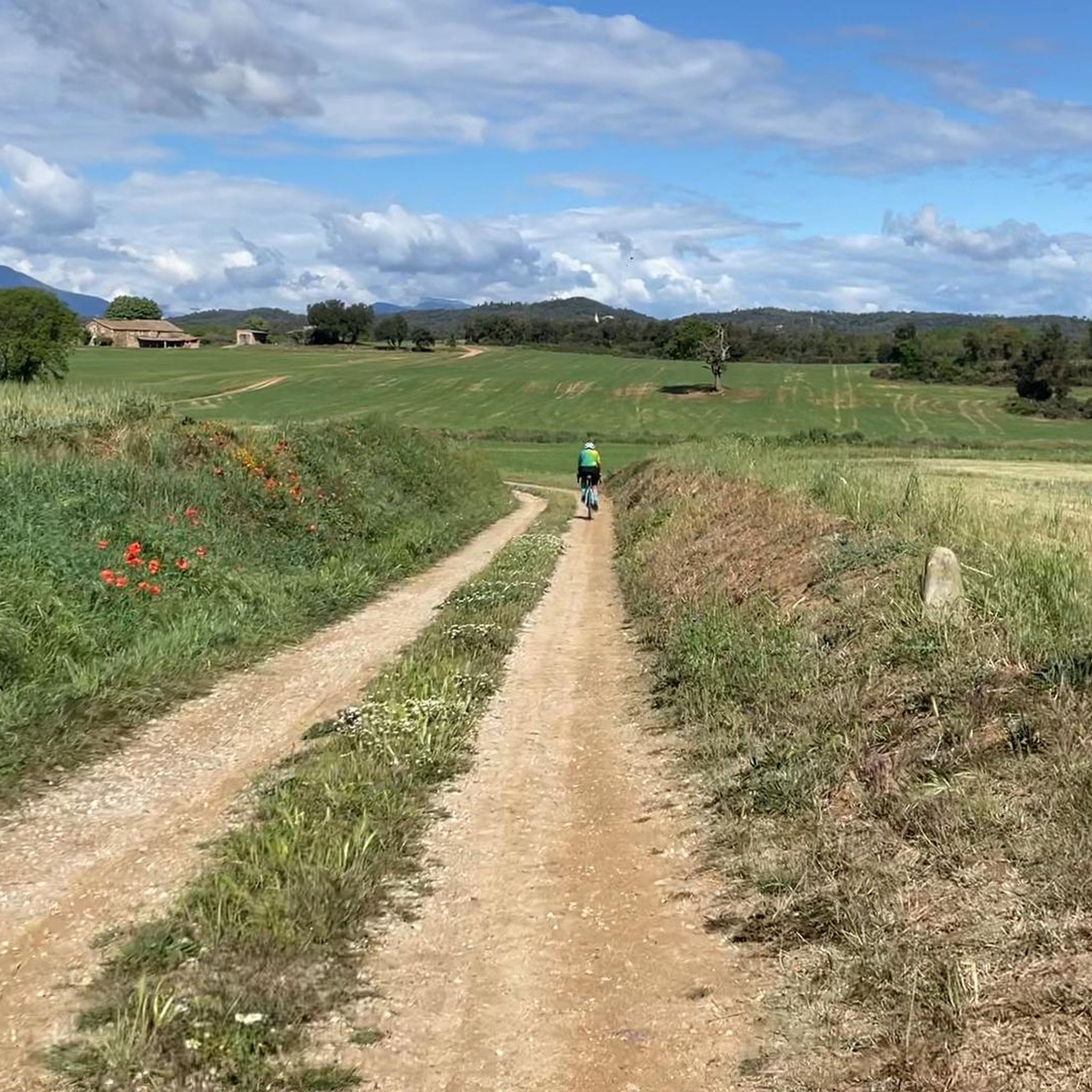
The different paths converging into the old crater make it look like a comunications "hub". So you can reach Girona by road and a lot of nice villages by rural paths. The crater per se it's fun to visit and an excelent place to take your kids walking or by bike.
4
0
Frequently Asked Questions
What are the most prominent natural features to explore around Aiguaviva?
The region around Aiguaviva is known for its diverse natural landscape. Key features include the Crosa Volcano, which boasts the largest crater on the Iberian Peninsula, and Devesa Park, Catalonia's largest urban park with over 2,500 ancient plane trees. You can also find scenic spots like the Salt del Timbarro waterfall.
Are there family-friendly natural monuments in the Aiguaviva area?
Yes, several natural sites are suitable for families. The Crosa Volcano area offers easy, accessible paths, making it great for walks with children. Devesa Park is also a large, family-friendly urban park perfect for strolls and picnics.
What kind of outdoor activities can I do near these natural monuments?
The area offers a variety of outdoor activities. You can enjoy hiking and nature observation around the Crosa Volcano. For cycling enthusiasts, there are numerous routes for road cycling, touring, and gravel biking. You can find detailed routes and guides for Road Cycling, General Cycling, and Gravel Biking around Aiguaviva.
Is the Crosa Volcano accessible for all fitness levels?
Yes, the Crosa Volcano is known for its easily-accessible paths, making it an easy hike suitable for nearly any fitness level. It's a popular spot for walking and even cycling with kids.
Where can I find parking when visiting the Crosa Volcano?
An interpretation center at Les Guilloteres, an former volcanic clay exploitation site near the Crosa Volcano, provides a parking lot for visitors. This is a convenient starting point for exploring the volcano and its surroundings.
Are there any historical or cultural sites near the natural monuments?
While primarily focused on natural beauty, the region does have historical elements. For example, Caldes de Malavella, a nearby settlement, is known for its thermal waters and spas, with a history dating back to Roman times. Additionally, Font d’en Coromines features resting walls from an old watermill and a ferrous water source, hinting at past industrial use.
What is the best time of year to visit the natural monuments around Aiguaviva?
The natural monuments around Aiguaviva can be enjoyed throughout the year. Spring and autumn generally offer pleasant temperatures for hiking and outdoor activities. Summer can be warm, but the shaded areas of Devesa Park or early morning visits to the Crosa Volcano are still enjoyable. Winter offers a quieter experience, though some paths might be damp.
Can I bring my dog to the natural monuments?
Many natural areas around Aiguaviva, including trails around the Crosa Volcano, are generally dog-friendly. However, it's always advisable to keep dogs on a leash and clean up after them to respect the natural environment and other visitors.
What other natural waterways can be found in the Aiguaviva municipality?
Beyond the volcanic landscape, Aiguaviva is traversed by several waterways. The Río Onyar flows nearby, offering recreational areas, and the Güell River and Masrocs Mountain Stream also contribute to the municipality's natural landscape. The Font de Can Bosch in Vilobí d'Onyar is an emblematic fountain linked to natural springs.
What do visitors appreciate most about the natural monuments in this region?
Visitors frequently highlight the unique geological formations, particularly the impressive crater of the Crosa Volcano, and the tranquility of the ancient forests like Devesa Park. The accessibility of many trails and the opportunity for diverse outdoor activities are also highly valued.
Are there any hidden natural gems worth discovering near Aiguaviva?
While not officially designated, the area's network of rivers and springs, such as the Font d’en Coromines with its unique ferrous water source and historical remnants, offer a sense of discovery. Exploring the less-traveled paths around the Crosa Volcano can also reveal serene spots and viewpoints away from the main routes.
Most popular routes around Aiguaviva
Most popular attractions around Aiguaviva

Get inspired with the komoot mobile app


Explore more
Extend your search for the best caves by checking out these guides of the top ones around Aiguaviva:
