Top 7 Natural Monuments around Atapuerca
Best natural monuments around Atapuerca are primarily recognized for their extraordinary archaeological significance within ancient cave systems and geological formations. This UNESCO World Heritage site offers a unique window into human evolution in Europe, providing invaluable data on early human communities. The region's natural features, including caves and geological cuts, have preserved evidence of hominid presence dating back over 1 million years. These sites collectively represent a critical reserve of information for understanding prehistory and the origins of humankind.
Best…
Last updated: July 1, 2026
Atapuerca Archaeological Site
Highlight • Historical Site
Translated by Google •
Tip by

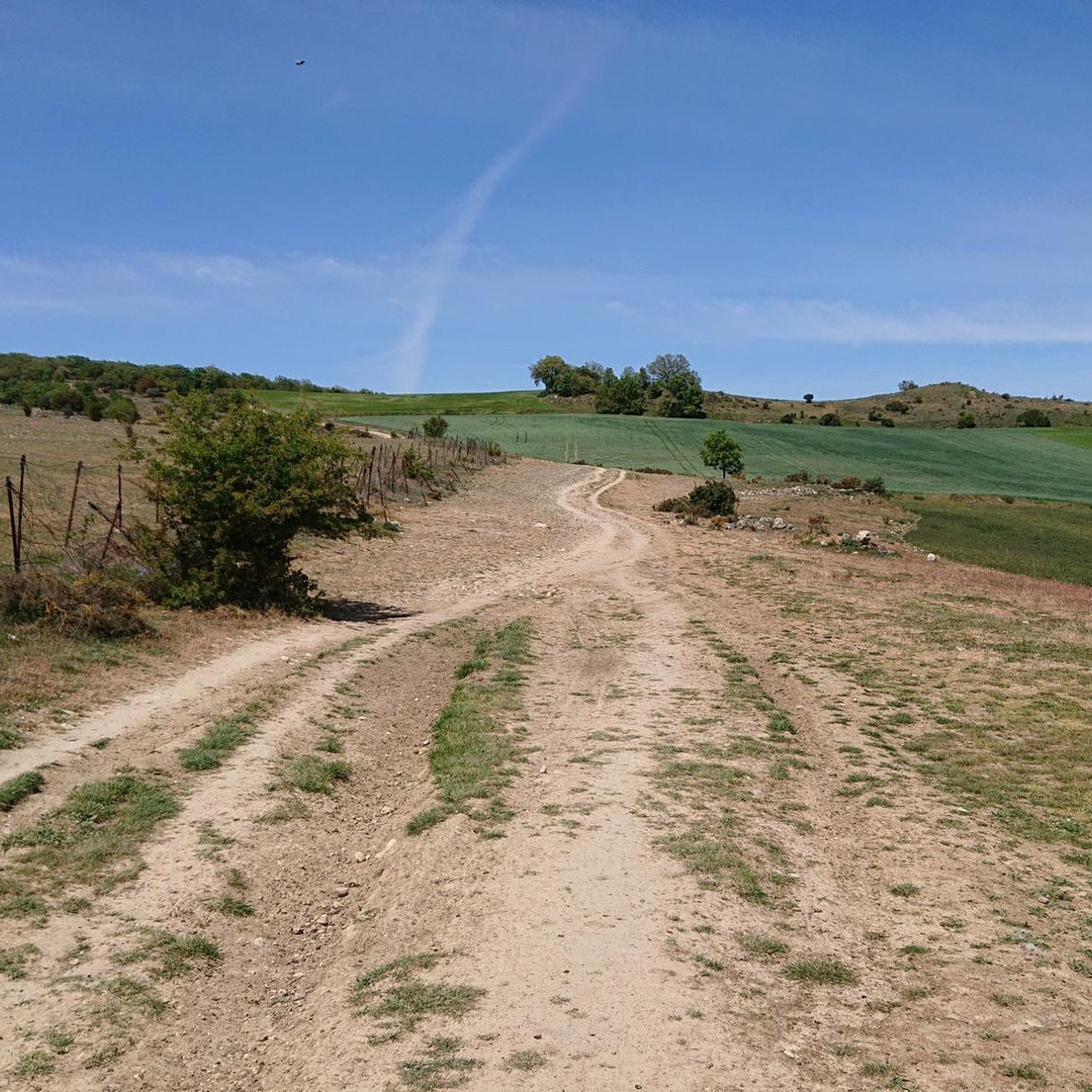
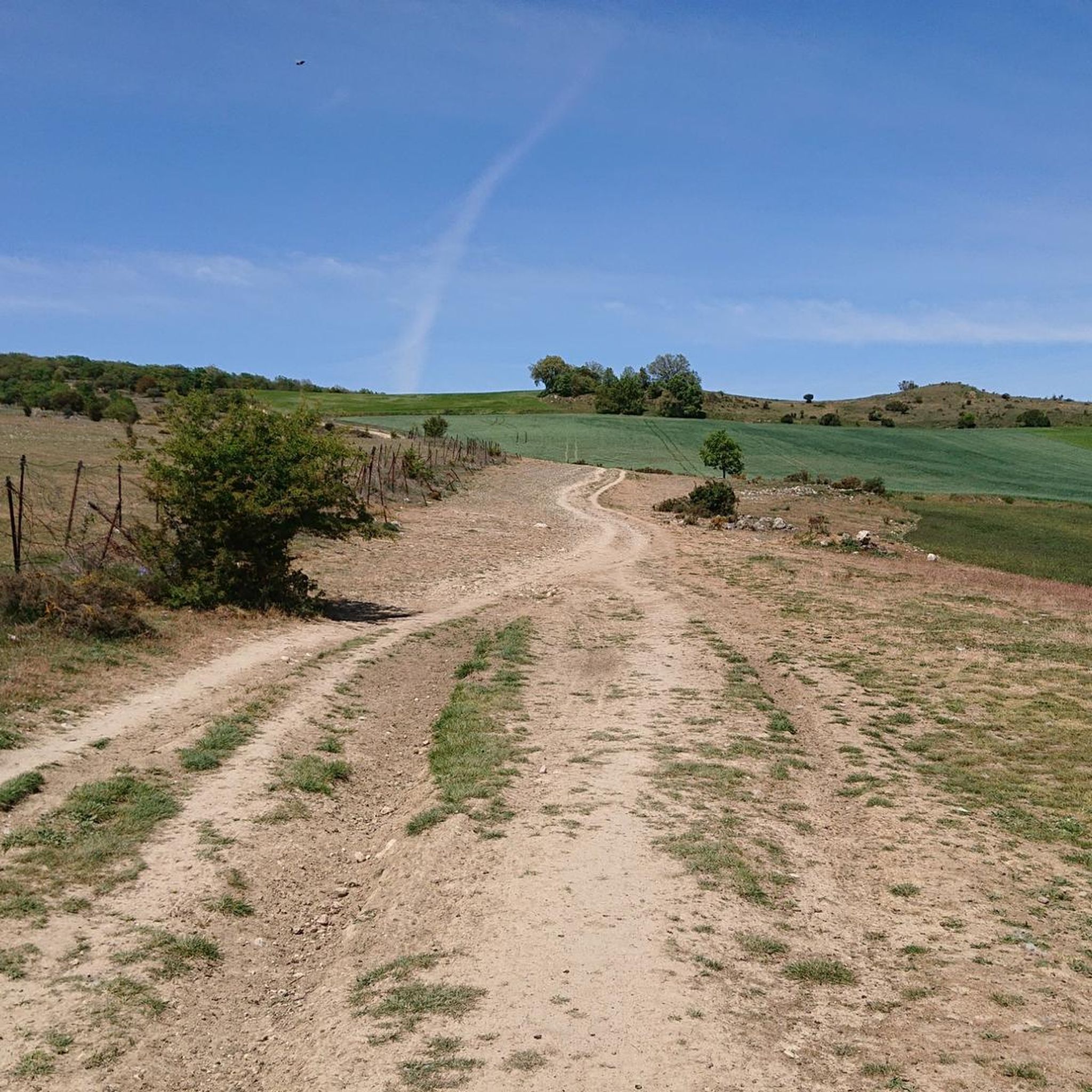
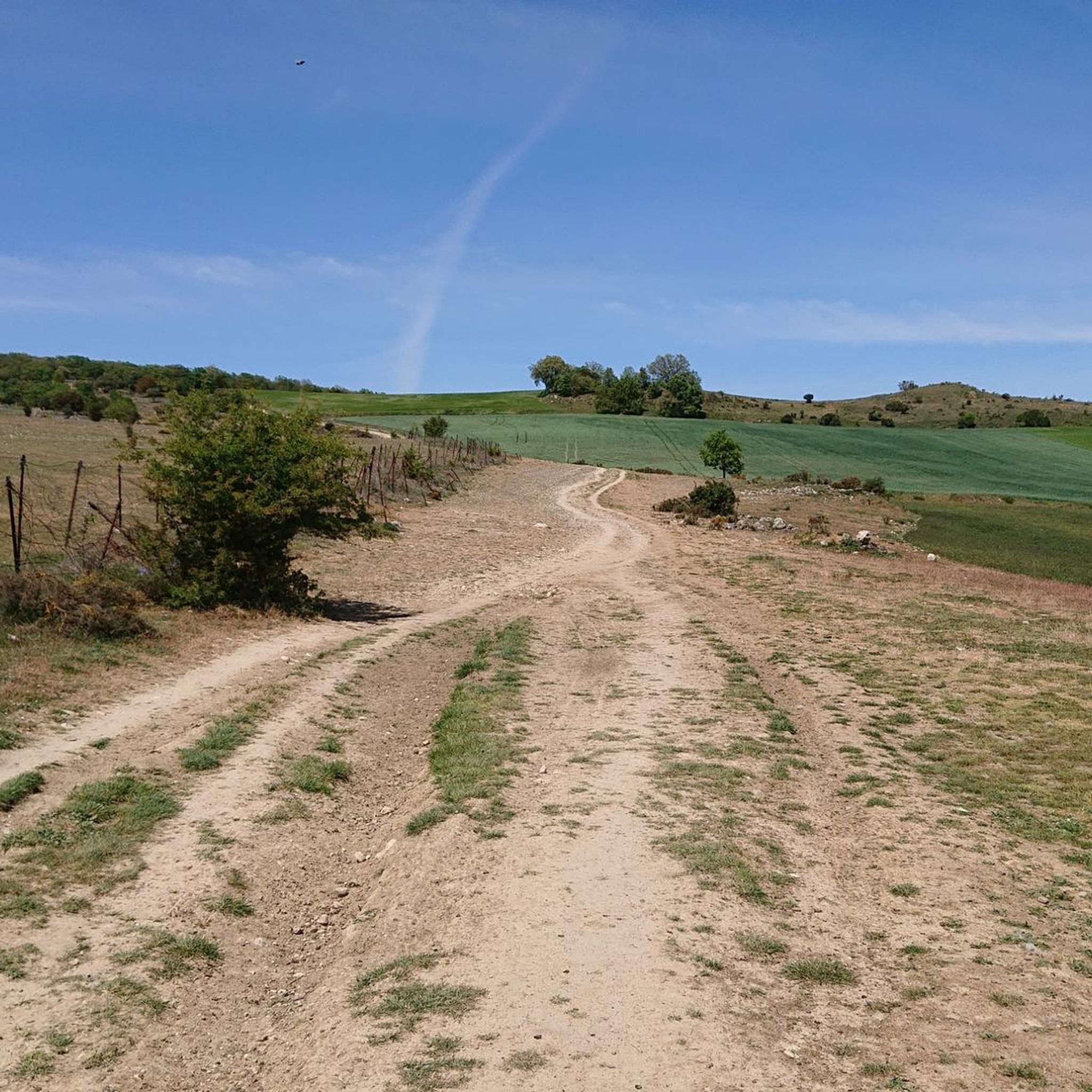
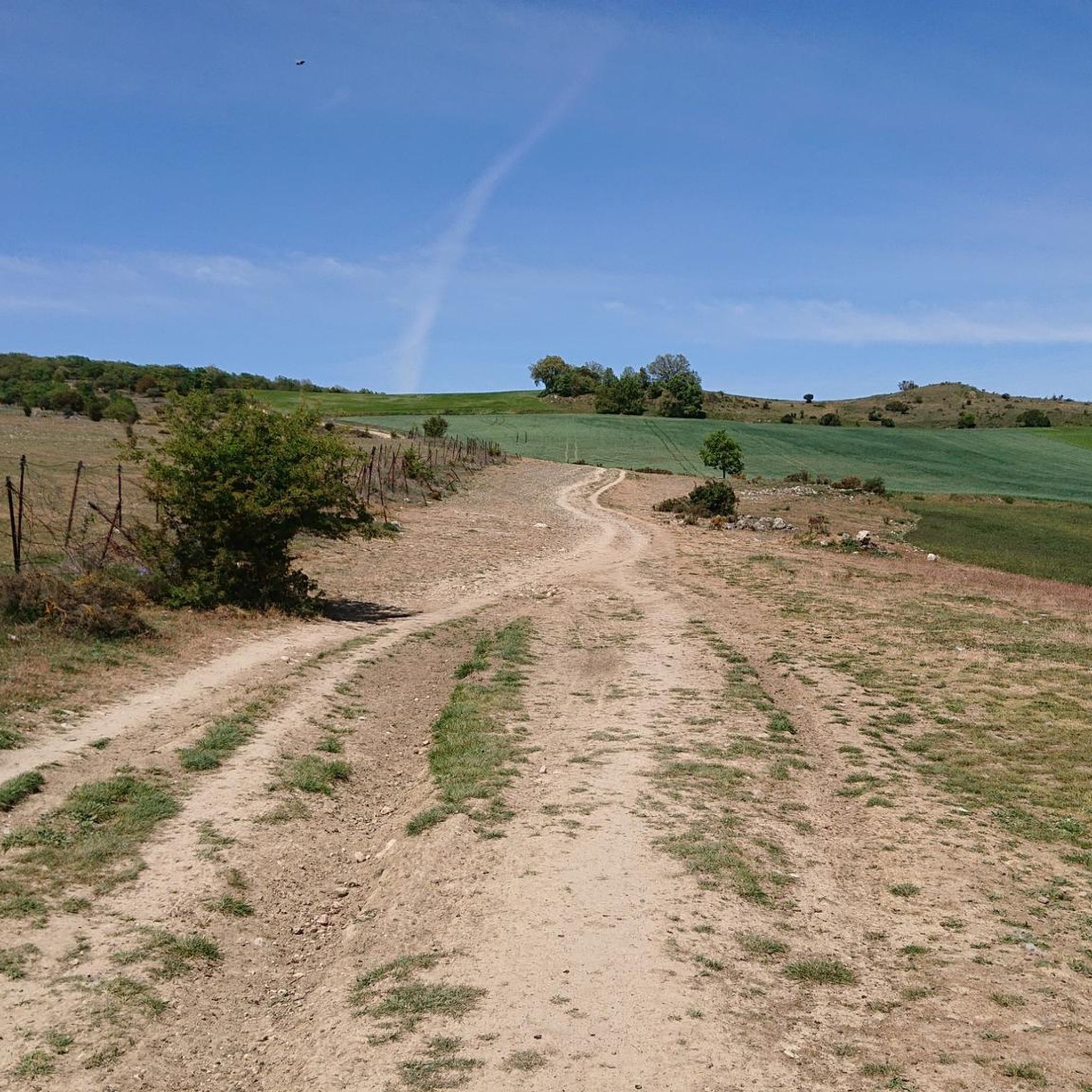
Castilian landscape
Highlight • Historical Site
Tip by

Sign up now to discover places like this
Get recommendations on the best single tracks, peaks, & plenty of other exciting outdoor places.
Sign up for free
Beginning of human being in Europe
Highlight • Historical Site
Translated by Google •
Tip by

Carcedo Lagoons
Highlight • Lake
Translated by Google •
Tip by

Cave of the Spring
Highlight • Cave
Translated by Google •
Tip by

Sign up for free to discover even more natural monuments around Atapuerca.
Sign up for free
Already have an account?
Start today with a free account
Your next adventure awaits.
Login or Signup

Tips from the Community

A very beautiful cave with a spring
0
0

A small wetland near Carcedo, ideal for a quick stop, enjoying the scenery, and birdwatching.
0
0
The beautiful cave welcomes travelers; the spring that gives the town its name and provides drinking water to its population.
0
0


One of the best-known names in Spain because this town is known for the set of prehistoric excavations that are unique in southern Europe.
0
0

Atapuerca is a World Heritage site with its famous Paleolithic excavations, which can also be visited by prior arrangement. The Gran Dolina is famous, place where the Homo antecessor (probably H.erectus - experts are not yet sure whether it is a human species of its own) dates to > 850,000 a. A UK remnant was found in the Sima del Elefante that was even older and is estimated at > 1 million a. In the Sima de los Huessos (Bone Cave) 29 complete H.Heidelbergensis skeletons (>400000 a old) were found. (i.e. 80% of all fossil human finds) They are the ancestors of the Neanderthals (200000-40000 a), who in turn lived approx. 40000 a , replaced by H.sapiens (d.s. we), became extinct. To emphasize the importance of this site, it is the cradle of the European natives, here are the testimonies of the first people who immigrated from Africa and therefore they have also been rightly named a UNESCO World Heritage Site. The skeleton finds can be seen in the Museo de la Evolución Humana in Burgos (located in the middle of the old town of Burgos and is a hot tip)
0
0

On the N-120 between Villafranca Montes de Oca and Burgos there is a fork on the right that leads (heading north-west on the BU-V-7012 road) to Atapuerca. In this municipality there is an archaeological site of primary importance, containing a large quantity of hominid bones dating back to over 400,000 years ago. For this reason the site has been included among the World Heritage sites. The archaeological park can be visited from Monday to Friday (from 9 to 17), Saturdays and public holidays (from 9 to 14)
5
0

honestly? Here the Way of St. James runs on asphalt and that day I just thought ... do a museum tour? Neanderthals look - so through and away - that day I met 2 Italians - one of them I later gave my straw hat, which I bought in Sicily because he got away - so a piece of home against the heat.
3
0
Frequently Asked Questions
What makes the natural monuments around Atapuerca unique?
The natural monuments around Atapuerca are globally recognized for their extraordinary archaeological significance, primarily within ancient cave systems and geological formations. This UNESCO World Heritage site offers an unparalleled window into human evolution in Europe. Sites like Sima de los Huesos, Sima del Elefante, and Gran Dolina have yielded crucial evidence of early human presence and behavior, dating back over a million years.
Which specific archaeological sites are considered natural monuments in Atapuerca?
The most significant sites include Sima de los Huesos, known for its vast collection of Middle Pleistocene human remains; Sima del Elefante, which holds the earliest evidence of humans in Western Europe; Gran Dolina, where Homo antecessor was discovered; the Galería Complex, offering insights into early hunting techniques; and The Railway Trench, the geological cut that exposed many of these crucial layers.
Are there family-friendly natural monuments to visit in the Atapuerca area?
Yes, the broader Castilian landscape, which encompasses the archaeological site, is considered family-friendly. While the archaeological sites themselves require guided tours and may be more engaging for older children, the general area offers opportunities for families to explore the natural environment. The Carcedo Lagoons, a small tranquil wetland, is also a family-friendly spot for enjoying scenery and birdwatching.
What kind of natural features can I expect to see around Atapuerca?
Beyond the archaeological significance, the region features a diverse natural environment. You'll encounter the characteristic Castilian landscape, which includes rolling hills and agricultural plains. The archaeological sites are nestled within ancient cave systems and geological formations, offering a glimpse into the natural processes that preserved these invaluable human remains. Additionally, the Carcedo Lagoons provide a wetland habitat.
What outdoor activities can I do near the natural monuments of Atapuerca?
The Atapuerca area is excellent for various outdoor activities. You can find numerous routes for hiking, mountain biking, and gravel biking. For hiking, consider trails like the 'Camino de Santiago — circular by San Juan de Ortega' or the 'Yacimiento de Atapuerca — circular through the Montes de Oca'. You can explore more options in the Hiking around Atapuerca guide. For cycling, check out the MTB Trails around Atapuerca or Gravel biking around Atapuerca guides.
What is the best time to visit the natural monuments in Atapuerca?
While specific archaeological site visits are often indoors or in sheltered areas, the overall experience of exploring the region is best enjoyed during milder weather. Spring (April-June) and Autumn (September-October) typically offer pleasant temperatures for outdoor activities and comfortable conditions for visiting the sites. Summers can be hot, and winters can be cold, so plan accordingly if visiting during these seasons.
How long should I plan for a visit to the Atapuerca natural monuments?
To fully appreciate the significance of the Atapuerca archaeological sites, it's recommended to dedicate at least half a day, or even a full day, especially if you plan to take a guided tour of the excavations. The archaeological park, including the Atapuerca Archaeological Site and its Cave Entrance, offers a deep dive into human history. If you also wish to explore the surrounding natural landscape or nearby routes, you might consider extending your visit to a full day or even a weekend.
What do visitors enjoy most about the Atapuerca Archaeological Site?
Visitors are consistently amazed by the profound historical significance of the Atapuerca Archaeological Site. It's renowned for its unique prehistoric excavations, which have yielded an incredible concentration of Paleolithic findings, including human remains and tools. Many find it to be the 'cradle of European natives,' offering tangible evidence of the first people who immigrated from Africa. The sheer volume and age of the discoveries, particularly the Homo antecessor and H. Heidelbergensis skeletons, leave a lasting impression.
Are there any specific tips for visiting the Atapuerca Archaeological Site?
When visiting the Atapuerca Archaeological Site, it's highly recommended to arrange a visit in advance, as access to some excavation areas is often by prior arrangement. The site is a UNESCO World Heritage site, and its importance is best understood through guided tours. Remember to bring water, especially if you plan to walk around the broader area, as some parts of the Camino de Santiago pass through here. For a deeper understanding, consider visiting the Museo de la Evolución Humana in Burgos, which houses many of the finds.
Where can I find the earliest evidence of humans in Europe within Atapuerca?
The earliest evidence of humans in Western Europe can be found at the Sima del Elefante site within Atapuerca. This location has yielded fragments of a jawbone and teeth dating back 1.1 to 1.2 million years, with even a 1.4 million-year-old jawbone discovered more recently. It provides critical data for understanding the initial peopling of the continent and the early stages of human technological development.
What is the significance of the 'Pit of the Bones' (Sima de los Huesos)?
The Sima de los Huesos, or 'Pit of the Bones,' is one of the most significant sites in Atapuerca. It contains one of the largest concentrations of Middle Pleistocene human remains, with over 1,600 human fossils, including several nearly complete skulls. These remains, aged at least 300,000 years and potentially up to 600,000 years old, provide crucial insights into the physical nature and way of life of early human communities, particularly those related to Neanderthals. Evidence of early cultural practices, possibly including burial rites, has also been suggested here.
Can I visit the Atapuerca Archaeological Site Cave Entrance?
Yes, the Atapuerca Archaeological Site Cave Entrance is a key part of the experience. This location is significant for holding a large quantity of hominid bones dating back over 400,000 years, marking it as a site where the first hominids in Europe were found. The archaeological park, including this entrance, can typically be visited from Monday to Friday (from 9 to 17) and on Saturdays and public holidays (from 9 to 14). It's advisable to check current opening hours and tour availability.
Most popular routes around Atapuerca
Most popular attractions around Atapuerca

Get inspired with the komoot mobile app


Explore more
Extend your search for the best caves by checking out these guides of the top ones around Atapuerca:
