Top 8 Mountain Passes around Les Planes D'Hostoles
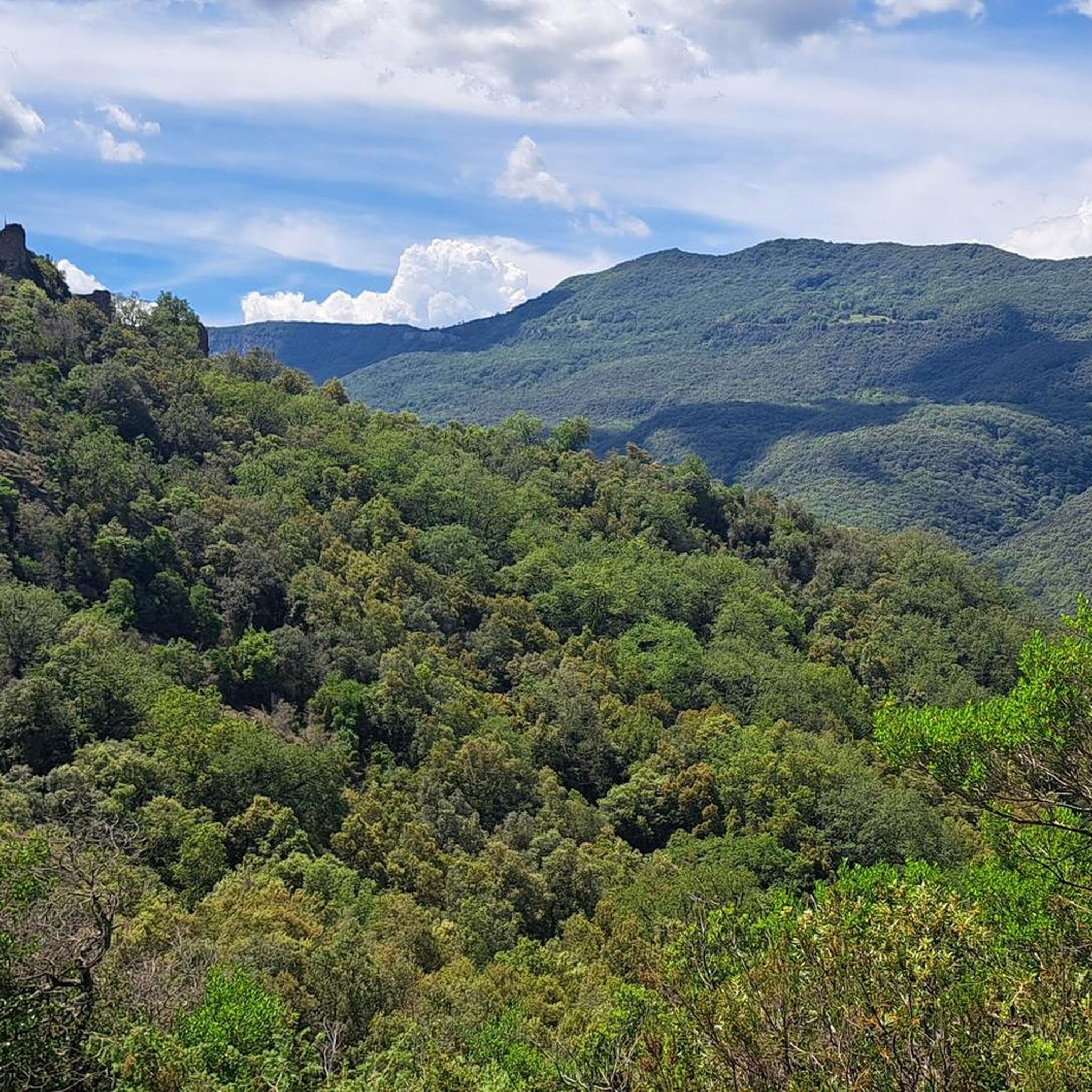
Best mountain passes around Les Planes D'Hostoles are situated in the Garrotxa region of Catalonia, Spain, characterized by its diverse landscape of rivers, valleys, and mountain ranges. The area borders the Natural Park of the Garrotxa Volcanic Zone, offering varied terrain for outdoor activities. This region provides numerous routes for exploring its natural beauty, including significant mountain passes that are part of broader cycling and hiking itineraries.
Best mountain passes around Les Planes D'Hostoles
- The most popular mountain passes is…
Last updated: May 4, 2026
Coll de Condreu
Highlight • Mountain Pass
Tip by

Col de Bas
Highlight • Mountain Pass
Translated by Google •
Tip by

Sign up now to discover places like this
Get recommendations on the best single tracks, peaks, & plenty of other exciting outdoor places.
Sign up for free
Sant Martí Sacalm
Highlight • Mountain Pass
Translated by Google •
Tip by

Collet de Cabrera
Highlight • Mountain Pass
Translated by Google •
Tip by

Sant Martí Sacalm
Highlight • Climb
Tip by

Sign up for free to discover even more mountain passes around Les Planes D'Hostoles.
Sign up for free
Already have an account?
Start today with a free account
Your next adventure awaits.
Login or Signup

Tips from the Community


Side road to avoid the tunnel. Recommended route for cyclists.
0
0
Use this road to avoid the tunnel on the main road. It is steep, though.
0
0

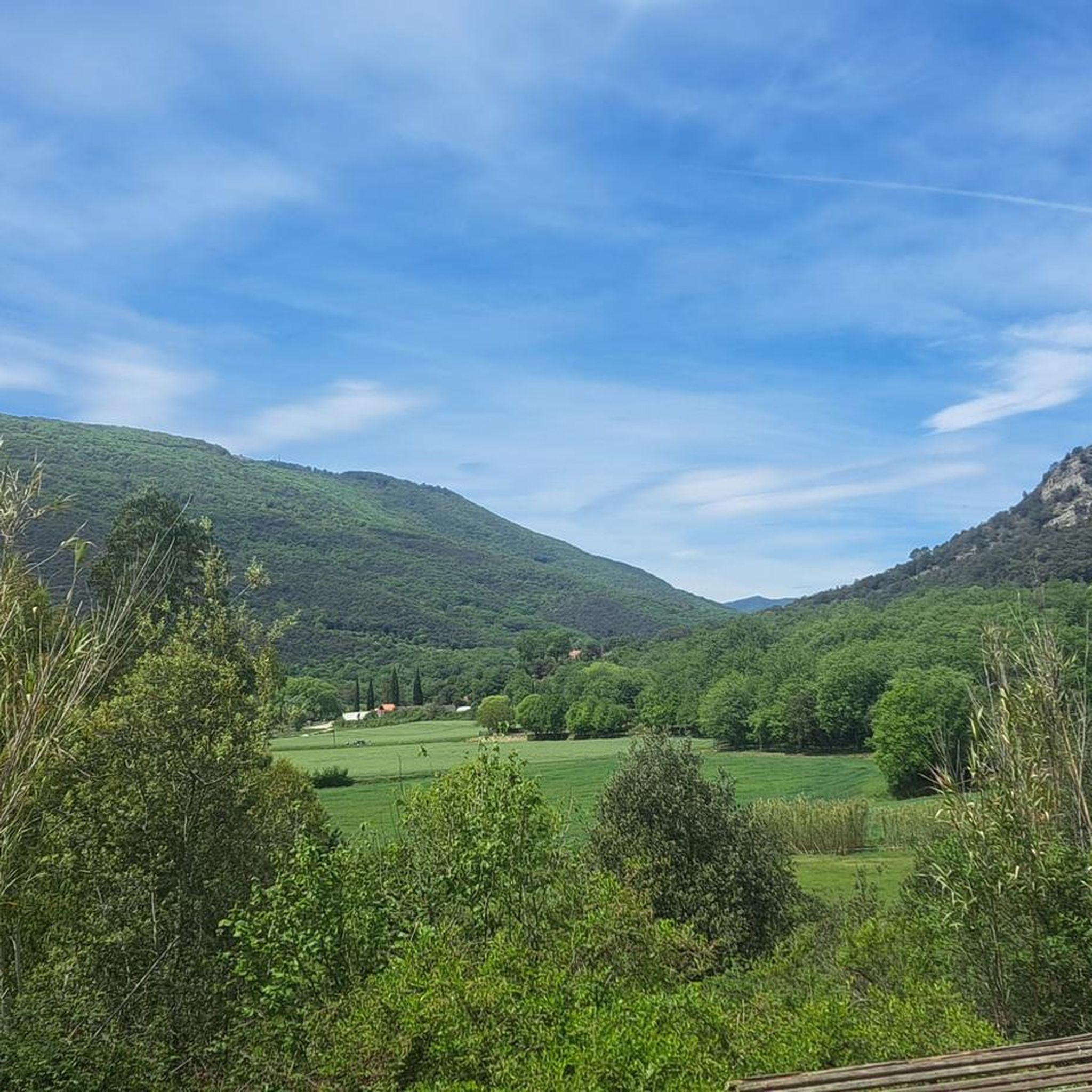
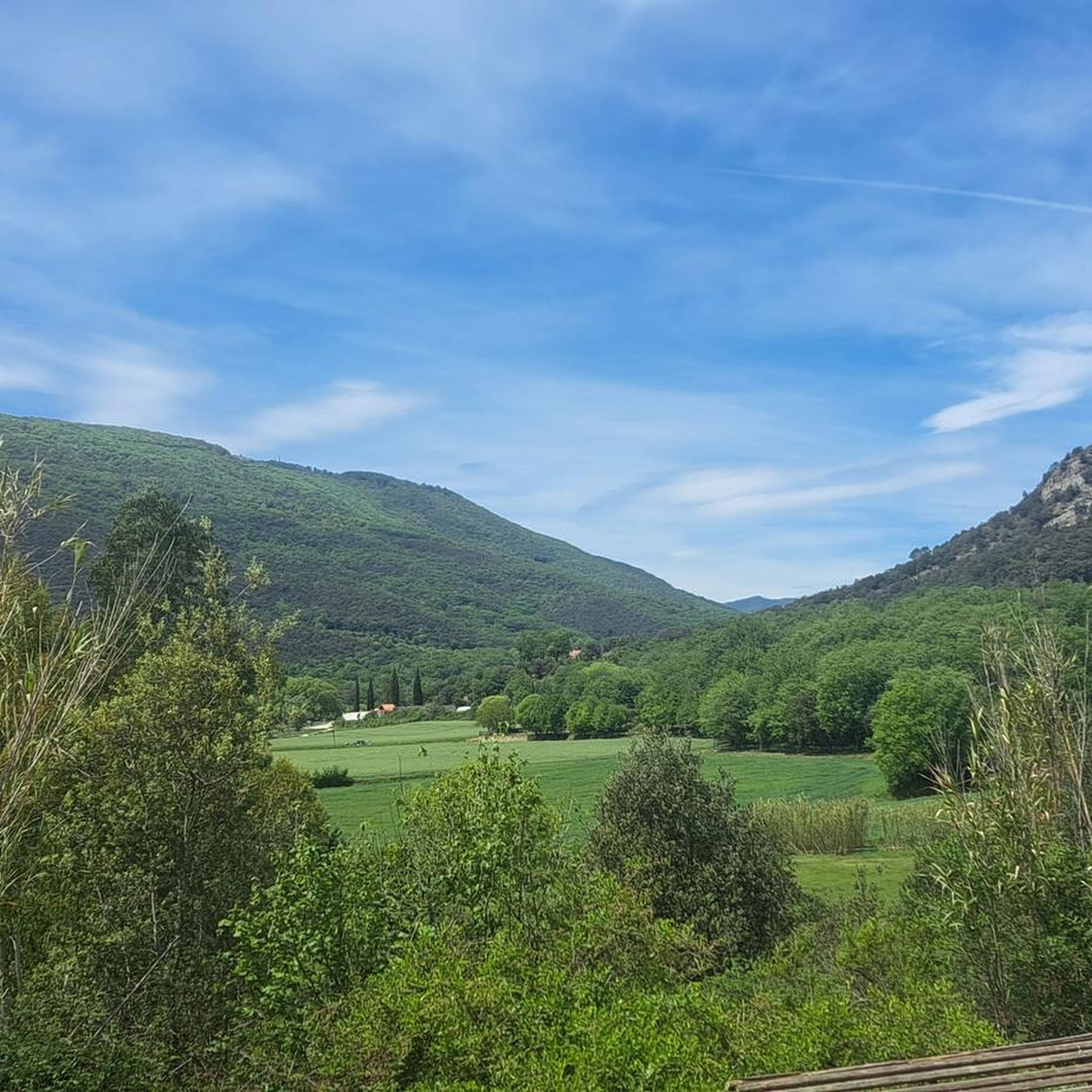
It is a very pleasant port on both sides since it is very bearable, always with ramps of around 5%. I like it better on the southern slope, the one that starts from The 2 slopes are very different, not only in length, but also in the type of landscape. The southern slope is 31.9km from Roda de Ter. It is used in the Terra de Remences march. It has 2 rest areas. It is an open climb, with mostly panoramic views. At first, a lot of views on the Plan de Vic. The northern slope, which starts from the Vall d'en Bas, is 11 km long and has hardly any views, almost always in the shadow of the vegetation and the gorge through which the road climbs. It has several horseshoe curves that give it the appearance of more of a mountain pass. I leave you the link of the altimetry published by @cyclingcols, the best on these topics --> http://www.cyclingcols.com/col/Condreu
0
0

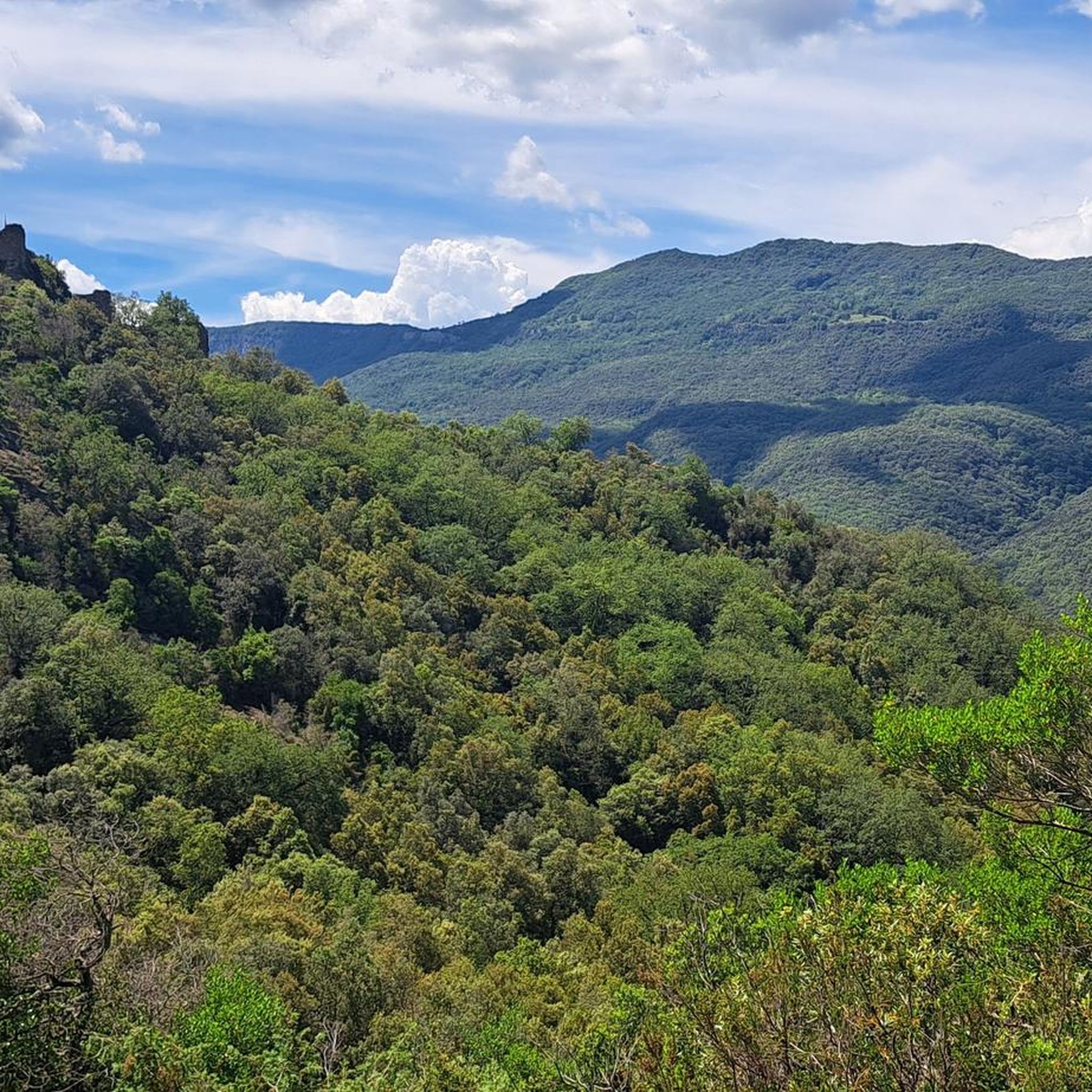
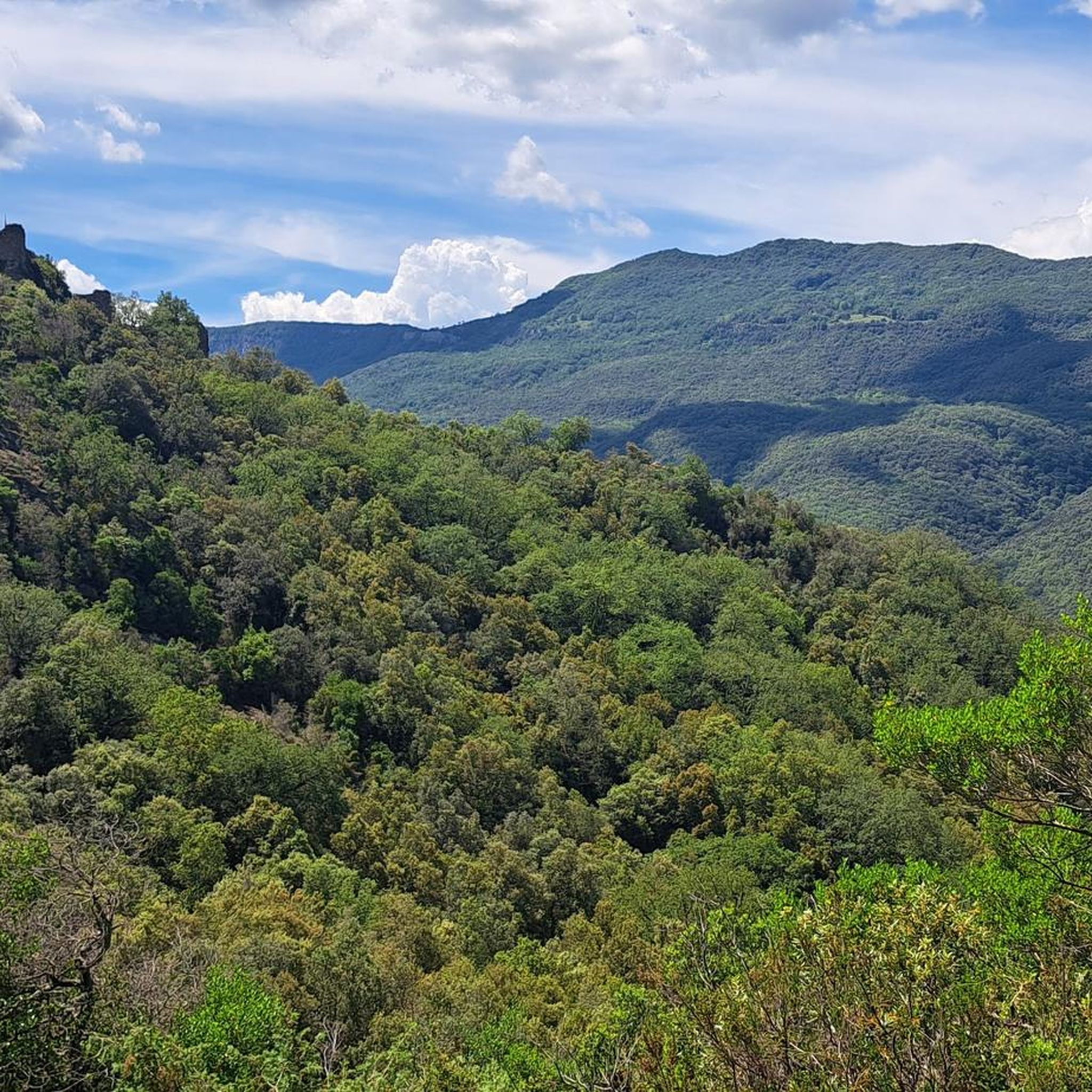
The Col de Bas is a very small pass, the descent to Olot is magnificent. It peaks at 597m above sea level and marks the entrance to the Garrotxa volcanic zone natural park.
2
0

the Collet de Cabrera (1171m) or Coll de Bram, is an important crossroads, including the GR 151.1 (variant of the path of the bishop and Abbot Oliva that leaves Tavertet passing through Rupit, Pruit, Sant Julià de Cabrera, Coll de Bracons, Vidrà, Vallfogona de Ripollès and connecting with the main road to Sant Joan de les Abadesses). From this point you go up to the Sanctuary of Cabrera by the stairs. We find an information panel on the Collsacabra Protected Natural Area.
0
0

It is not really a very difficult port. It starts in Sant Esteve d'en Bas with a first climb that crosses the town, then goes down and up again, now, to the Bas tunnel. Always gently. You can continue along the old road that leads to the real Coll de Bas.
0
1

A small mountain pass where the Via Verda runs from Olot to Girona. Going down towards the Olot side, you can see spectacular views of the Puigsacalm and the surrounding mountains.
1
0
Frequently Asked Questions
What makes Coll de Condreu a popular mountain pass for cyclists?
Coll de Condreu is highly regarded by cyclists for its well-maintained, smooth road and consistent gradient, typically between 5% and 7%. Reaching an altitude of 1,020 meters with a 570-meter ascent, it offers a challenging yet manageable climb. Visitors also appreciate the incredible views, especially with a detour to the Santuari del Far. You can find more details about this pass here: Coll de Condreu.
What are the main features of Col de Bas?
Col de Bas, peaking at 597 meters above sea level, is notable as it marks the entrance to the Garrotxa Volcanic Zone Natural Park. It's primarily integrated into various popular cycling loops that showcase the region's natural beauty. The pass offers scenic views, particularly when descending towards Olot, where you can see the Puigsacalm and surrounding mountains. Learn more about it here: Col de Bas.
Are there any mountain passes with cafes or resting spots at the top?
Yes, Sant Martí Sacalm is a scenic mountain pass with an 8-kilometer climb and an average gradient of around 7 percent. At the top, you'll find a small café where you can enjoy a coffee and reward yourself with great views after the ascent.
What kind of views can I expect from the mountain passes in this region?
The mountain passes around Les Planes D'Hostoles offer diverse and rewarding views. From Coll de Condreu, you can enjoy expansive vistas, especially if you take a detour to the Santuari del Far. Col de Bas provides spectacular views of the Puigsacalm and the surrounding mountains when heading towards Olot. Many passes, like Sant Martí Sacalm and Collet de Cabrera, are also known for their scenic viewpoints.
What outdoor activities can I do near these mountain passes?
The area around Les Planes D'Hostoles is excellent for various outdoor activities. Cycling is particularly popular, with numerous routes incorporating these passes. You can also find many running trails. For more detailed information on routes, check out the guides for Cycling around Les Planes D'Hostoles, Road Cycling Routes around Les Planes D'Hostoles, and Running Trails around Les Planes D'Hostoles.
Are there challenging cycling routes that include these mountain passes?
Yes, the region offers several challenging cycling routes. For instance, the 'Coll d'en Bas – Coll de Condreu loop' from Les Planes D'Hostoles is a difficult road cycling route spanning over 53 km. Sant Martí Sacalm is also known for its consistent 8 km climb, often used by professional cyclists for training. You can explore these and other challenging options in the Road Cycling Routes around Les Planes D'Hostoles guide.
What is the best time of year to visit the mountain passes around Les Planes D'Hostoles?
The Garrotxa region generally offers pleasant conditions for outdoor activities for much of the year. Spring and autumn are ideal, with milder temperatures and beautiful natural scenery. Summers can be warm, especially at lower altitudes, but the higher passes offer some relief. Winters are generally mild, though higher elevations might experience cooler temperatures. Always check local weather forecasts before your visit.
Are there any historical or cultural points of interest near the mountain passes?
Yes, the area has historical significance. For example, beneath Coll de Condreu, on the northern slope of the Puig de Moro mountain range, lies Sant Pere Sacosta, a historic parish dating back to 1207. Additionally, Collet de Cabrera is an important crossroads, including the GR 151.1, a variant of the path of the bishop and Abbot Oliva, and provides access to the Sanctuary of Cabrera.
What do visitors enjoy most about the mountain passes in Les Planes D'Hostoles?
Visitors frequently praise the scenic beauty and the quality of the cycling routes. Many appreciate the well-maintained roads and consistent gradients, making for enjoyable rides. The stunning views from passes like Coll de Condreu and the opportunity for a coffee stop at Sant Martí Sacalm are also highlighted. The komoot community has given the mountain passes around Les Planes D'Hostoles 53 upvotes and shared 12 photos, reflecting their positive experiences.
Are there any mountain passes that are part of the Garrotxa Volcanic Zone Natural Park?
Yes, Col de Bas is particularly notable as it marks the entrance to the Garrotxa Volcanic Zone Natural Park. This integration means that routes through Col de Bas often provide excellent opportunities to experience the unique volcanic landscape of the region.
Can I find mountain passes suitable for gravel or mountain biking?
Yes, while many passes are popular for road cycling, some also offer options for gravel or mountain biking. For instance, the ascent to Coll de Palomera from Sant Aniol de Finestres involves a long ascent on gravel, with some sectors reaching slopes of 10% or more, making it suitable for mountain biking. The terrain is generally good for such activities.
Are there circular routes that incorporate these mountain passes?
Yes, many of the mountain passes are part of circular routes, especially for cycling. For example, the 'Coll d'en Bas – Coll de Condreu loop' is a popular circular road cycling route. There are also moderate mountain bike rides like the 'View of Sant Miquel de Pineda – Col de Bas loop' and the 'Sant Feliu de Pallerols – Col de Bas loop'. You can find more circular options in the Cycling around Les Planes D'Hostoles guide.
Most popular routes around Les Planes D'Hostoles
Most popular attractions around Les Planes D'Hostoles

Get inspired with the komoot mobile app


Explore more
See even more epic mountain passes by checking out these guides around Les Planes D'Hostoles:
