Top 20 Natural Monuments around Nerja
Best natural monuments around Nerja include a diverse range of geological formations and coastal landscapes. The region features dramatic cliffs, ancient cave systems, and river gorges, offering varied natural experiences. These areas are characterized by their unique ecosystems and significant geological history. Nerja's natural monuments provide opportunities to explore the Mediterranean coastline and the foothills of the Sierras de Tejeda, Almijara y Alhama Natural Park.
Best natural monuments around Nerja
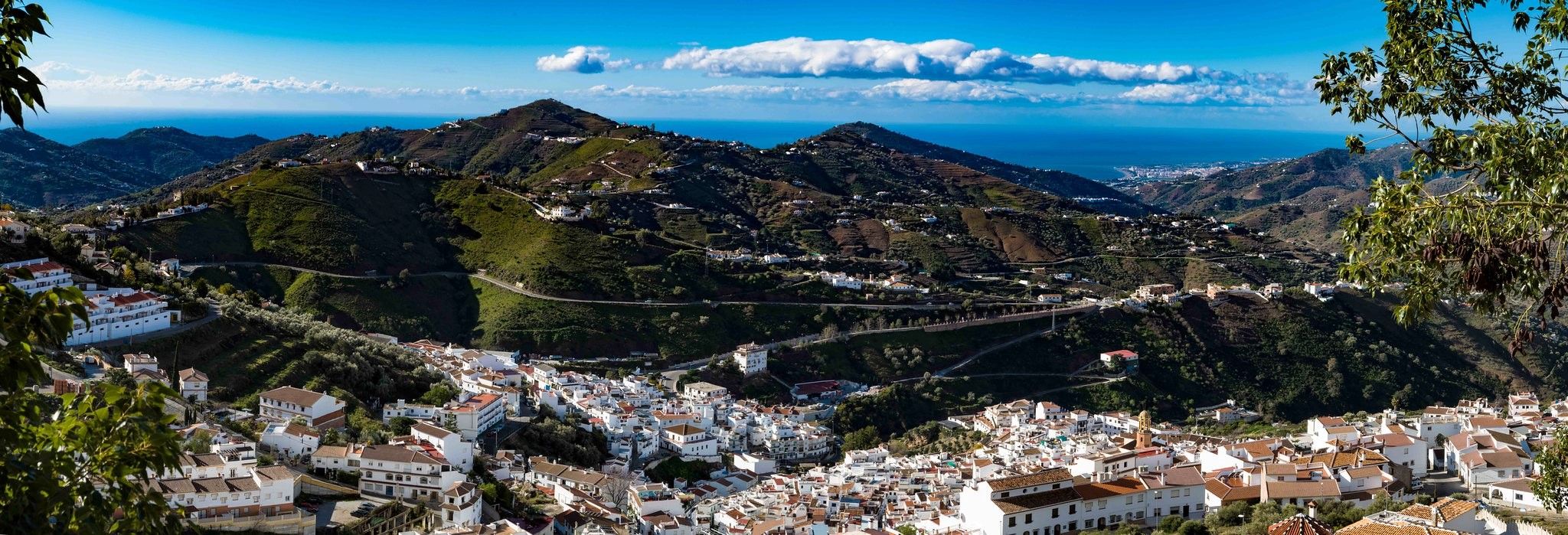
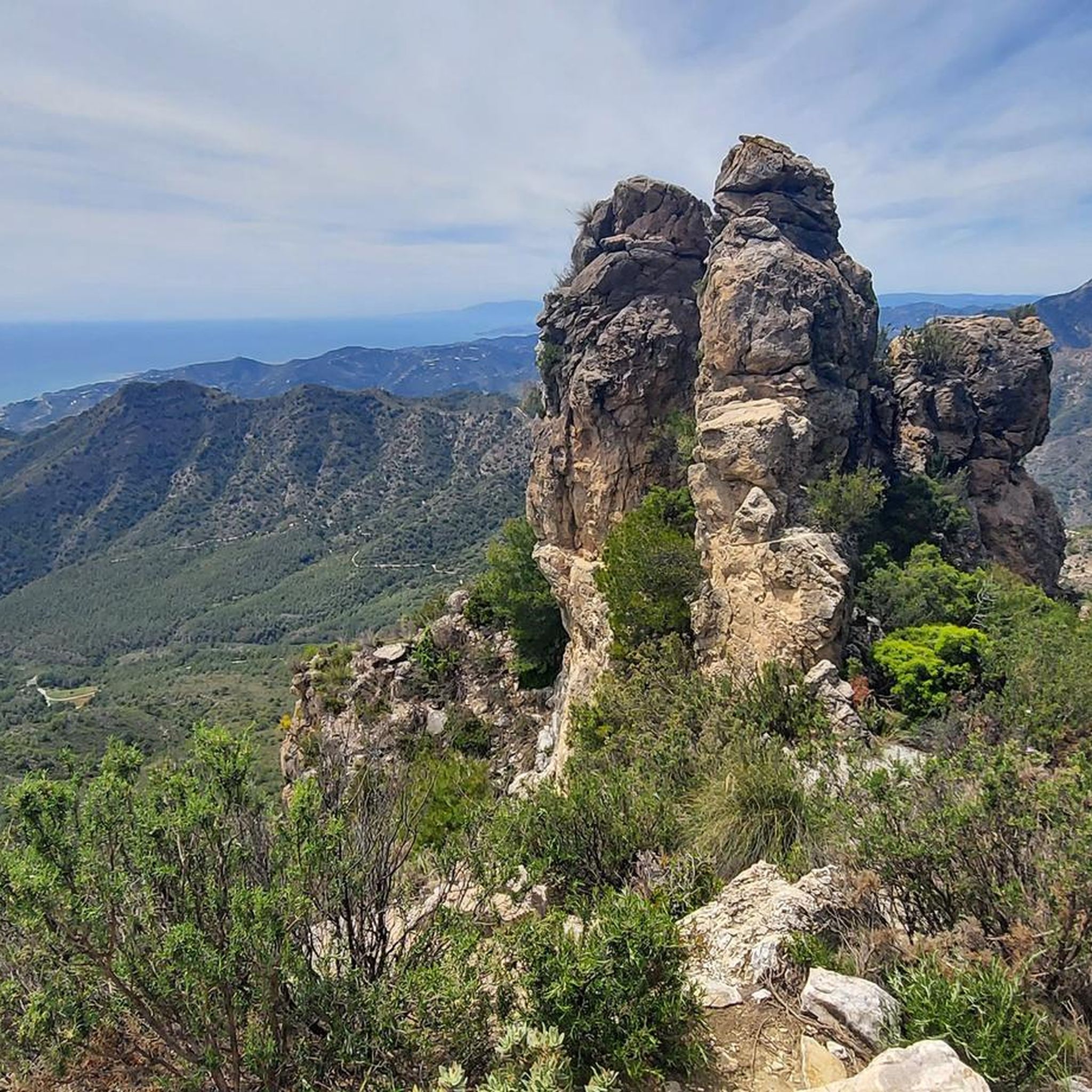
- The most popular natural monuments is Cruz de Pinto Shrine, a religious building and viewpoint that offers panoramic views as far as Nerja and the Mediterranean coast. This spot is known for its wild landscape and expansive vistas.
- Another must-see spot is Cahorros Bajos del Río Higuerón, a gorge and trail. Visitors can expect an adventure walk through a narrow gorge, which is considered the highlight of the tour.
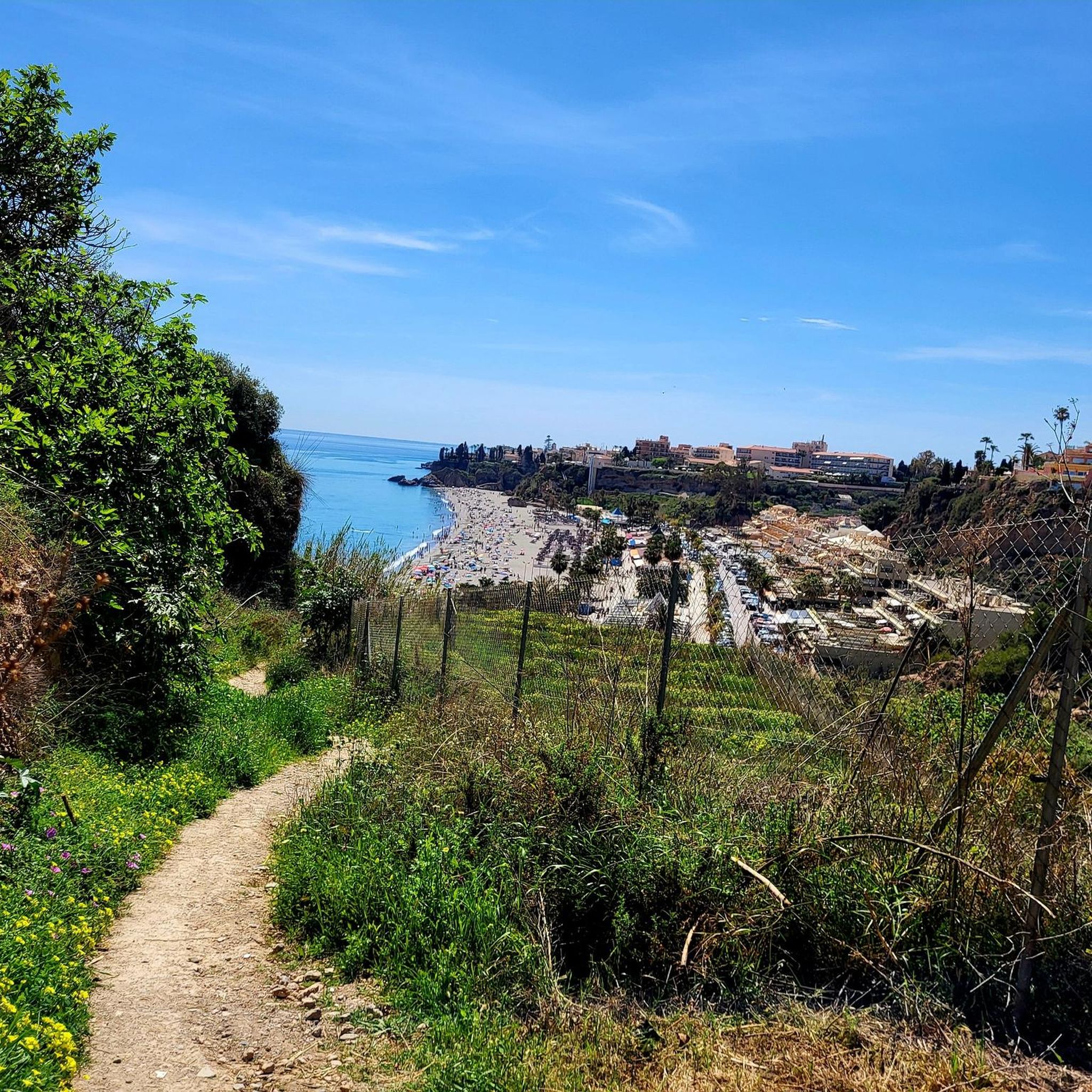
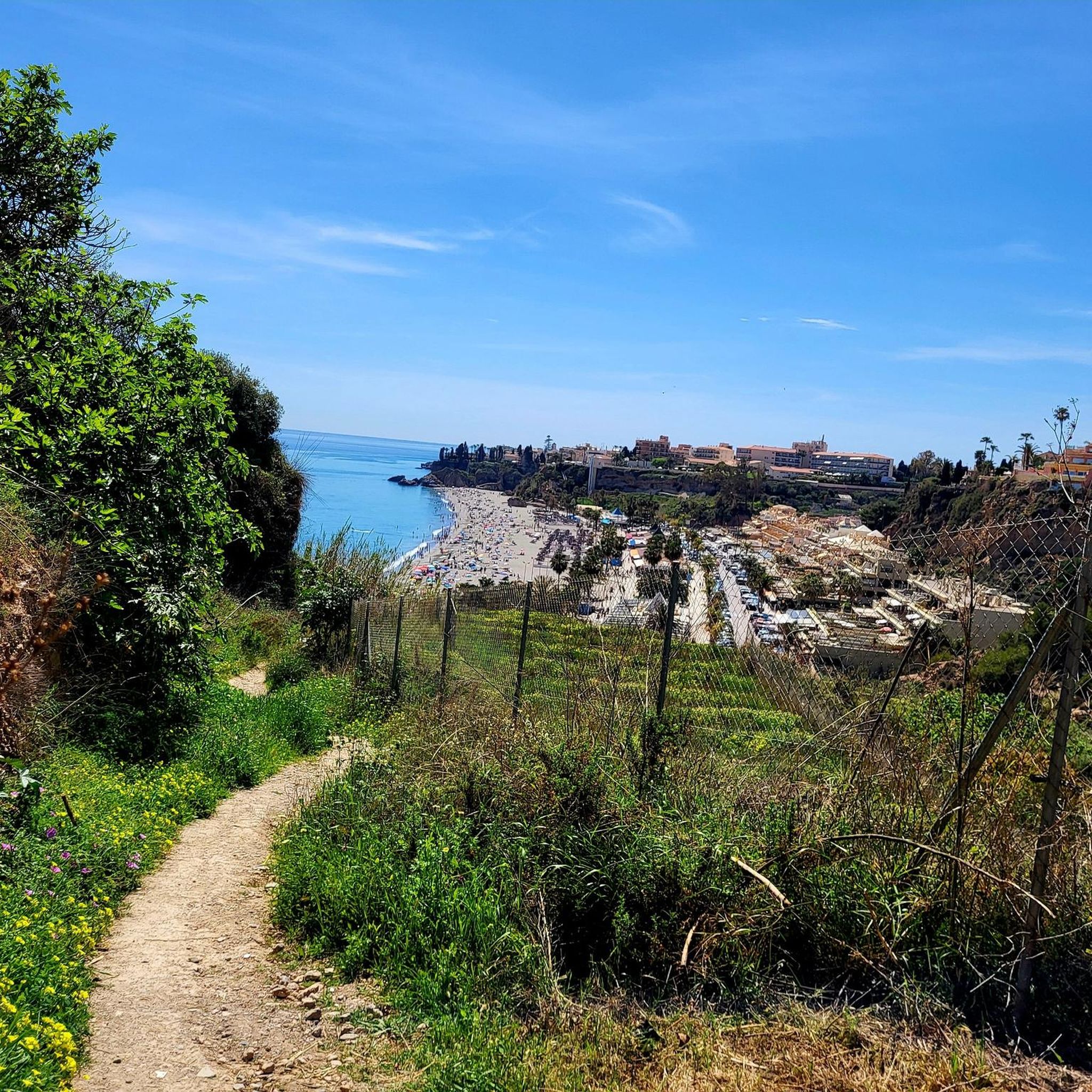
- Visitors also love Cala del Pino 🏖️ Maro Cliffs, Almuñécar, a beach and natural monument. This hidden cove is located within the Acantilados de Maro-Cerro Gordo nature reserve, known for its steep cliffs, pristine beaches, and clear waters.
- Nerja is known for its caves, gorges, and coastal cliffs. The area offers a variety of natural monuments to see and explore, from ancient underground formations to dramatic seaside landscapes.
- The natural monuments around Nerja are appreciated by the komoot community, with more than 375 upvotes and 85 photos shared across 9 highlights.
Last updated: July 1, 2026
Enginal Pass, Sierras de Tejeda, Almijara and Alhama Natural Park
Highlight • Mountain Pass
Translated by Google •
Tip by

Cahorros Bajos del Río Higuerón
Highlight (Segment) • Gorge
Translated by Google •
Tip by

Sign up now to discover places like this
Get recommendations on the best single tracks, peaks, & plenty of other exciting outdoor places.
Sign up for free
Cruz de Pinto Shrine
Highlight • Religious Site
Translated by Google •
Tip by

Nerja Cave
Highlight • Cave
You have to book in advance for a VIP visit. The normal sightseeing tour has an audio guide in the language of your choice.
Translated by Google •
Tip by

Cala del Pino 🏖️ Maro Cliffs, Almuñécar
Highlight • Beach
Tip by

Sign up for free to discover even more natural monuments around Nerja.
Sign up for free
Already have an account?
Start today with a free account
Your next adventure awaits.
Login or Signup

Other adventures around Nerja

Tips from the Community

Amazing what five boys found in 1959. The Great Hall was found a little later after they dared to venture further inside. For an entrance fee of €18, you get to see a very impressive cave. Additionally, an audio guide, but some don't know how to use it properly - they move around the cave with their phones at full volume.
2
0

In front of this small sacred monument called the "Cruz de Pinto Shrine," the following thoughts from Pope Francis – who died on Easter Monday 2025 – may be helpful to those who linger on the summit after the ascent: + "In the Resurrection of Christ, each of our destinies finds its place in the infinite horizon of eternity. Only from his death and resurrection does the certainty arise that nothing will be able to separate us from the love of God [as the Apostle Paul writes in his Letter to the Romans, chapter 8]. From this great hope comes every other glimmer of light with which we can overcome life's trials and obstacles. And not only that: the Risen One also walks with us and becomes our companion, as with the disciples on the road to Emmaus."
1
0

This hike is fun even for teenagers! A great canyon, with numerous small stream crossings, and stunning views. Shoes with treads are highly recommended, and keep in mind: there are two ascents and two descents: down into the canyon, up the mountain, back down into the canyon, and up to the village. Overall, a varied hike.
0
0

We really enjoyed the tour up the riverbed and back along the aqueduct. We did the tour on April 2, 2025. You can find the tour dates in my profile. Just enter SPAIN 🇪🇸 in the search bar.
2
0
In March 2025 there was a lot of water flowing, a trip is then only possible with suitable water shoes. We did not have that and returned.
0
1

Cala del Pino is a hidden cove located in the Acantilados de Maro-Cerro Gordo nature reserve between Málaga and Nerja. This protected area stretches along the coast between the towns of Nerja and Almuñécar and is known for its steep cliffs, pristine beaches and crystal clear waters. As access is not easy, the cove often remains deserted. Getting to Cala del Pino by bike is possible, but the last few meters are challenging.
3
0
The caves were discovered by chance in 1959 by a group of five young people and are now one of the most famous sights in the region. The Cuevas de Nerja are a perfect combination of natural wonders and cultural history and are one of the most important attractions in Andalusia. For a special experience, we recommend a guided tour, which also offers deeper insights into the lesser-known areas of the caves.
12
0

The riverbed of the Rio Higueron, which dries up in summer, is a wonderful place to walk in summer. It is shaded in long sections by huge oleander bushes, which are particularly beautiful when they are in bloom. In the Frigiliana area, there is a large difference in height of around 10 m. There is a staircase there, but it is not immediately visible, so keep your eyes open.
1
1
Frequently Asked Questions
What are some of the most popular natural monuments to visit around Nerja?
Among the most popular natural monuments are the Cruz de Pinto Shrine, which offers panoramic views of Nerja and the Mediterranean coast, and Cahorros Bajos del Río Higuerón, known for its adventurous walk through a narrow gorge. Visitors also highly rate Cala del Pino 🏖️ Maro Cliffs, Almuñécar, a secluded beach within the Acantilados de Maro-Cerro Gordo nature reserve.
Are there any family-friendly natural monuments in the Nerja area?
Yes, the Nerja Cave is a fantastic family-friendly option. It offers a unique combination of natural wonders and cultural history, with impressive stalactite and stalagmite formations. The adventurous walk through the gorge at Cahorros Bajos del Río Higuerón is also considered a great adventure for families with children.
What kind of geological formations can I expect to see in Nerja's natural monuments?
Nerja is renowned for its diverse geological features. The Nerja Cave system boasts spectacular stalactites and stalagmites, including one of the world's largest known columns. The coastal areas, particularly the Maro-Cerro Gordo Cliffs, feature dramatic steep cliffs plunging into the Mediterranean, interspersed with hidden coves and unique marine ecosystems.
What outdoor activities can I do near these natural monuments?
The region offers a variety of outdoor activities. You can explore numerous hiking trails, including the popular Rio Chillar Trail or routes within the Acantilados de Maro-Cerro Gordo. For cycling enthusiasts, there are road cycling routes like the 'Natural Site Cliffs of Maro - Cerro Gordo via EuroVelo 8' and mountain biking trails such as the 'Nerja Cave – El Pinarillo Recreation Area loop'. You can find more details on these activities in the Hiking around Nerja, Road Cycling Routes around Nerja, and MTB Trails around Nerja guides.
Are there any natural monuments suitable for hiking with dogs?
While specific dog-friendly designations for all natural monuments are not always clear, many natural trails and outdoor areas around Nerja are generally accessible for dogs on a leash. For instance, the trails leading to viewpoints like Cruz de Pinto Shrine offer open spaces. Always check local regulations for specific protected areas like the Maro-Cerro Gordo Cliffs Natural Area, as rules can vary.
What is the best time of year to visit the natural monuments around Nerja?
The best time to visit is typically during the spring (April-May) and autumn (September-October) when the weather is mild and pleasant for outdoor activities like hiking and exploring. Summers can be very hot, especially for trails, while winters are generally mild but can have occasional rain. The Nerja Cave is a good option year-round due to its consistent internal temperature.
Are there any hidden gems or less-known natural spots near Nerja?
Beyond the well-known sites, the region offers many secluded spots. Cala del Pino 🏖️ Maro Cliffs, Almuñécar is a beautiful, often deserted cove within the Acantilados de Maro-Cerro Gordo nature reserve, known for its pristine waters and challenging access, which helps keep it less crowded. Exploring the various trails within the Sierras de Tejeda, Almijara y Alhama Natural Park can also lead to discovery of less frequented, wild landscapes.
What amenities are available near the Maro-Cerro Gordo Cliffs Natural Area?
The Maro-Cerro Gordo Cliffs Natural Area is a protected space, so amenities are generally limited to maintain its natural state. You'll find viewpoints and access points to beaches, but extensive facilities like cafes or large parking lots are not common directly within the most pristine sections. It's advisable to bring your own water and snacks. Nearby towns like Maro and Nerja offer a full range of services.
Can I access these natural monuments using public transport?
Public transport options exist for some natural monuments. For instance, you can reach the Nerja Cave via local buses from Nerja. For other sites like the Cruz de Pinto Shrine, you can take a bus from Nerja to Frigiliana and then hike. Access to more remote trailheads or coves within the Maro-Cerro Gordo Cliffs might require a car or taxi.
What makes the Maro-Cerro Gordo Cliffs Natural Area special?
The Maro-Cerro Gordo Cliffs Natural Area is a stunning protected space characterized by dramatic coastal cliffs that plunge into the Mediterranean Sea, interspersed with beautiful, often secluded, pebble beaches and wild coves. It's renowned for its rich marine biodiversity, including orange coral, and offers breathtaking panoramic views. It's an ideal spot for hiking, snorkeling, kayaking, and paddleboarding.
What should I wear when visiting natural monuments in Nerja?
For cave visits like the Nerja Cave, comfortable walking shoes are recommended. For hiking trails, especially those involving riverbeds or uneven terrain like Cahorros Bajos del Río Higuerón, sturdy, waterproof hiking shoes are essential. Layered clothing is advisable for varying temperatures, and sun protection (hat, sunscreen) is crucial for coastal and open-air sites.
Are there any natural monuments with historical significance?
Yes, the Nerja Cave is not only a natural wonder but also a site of immense historical and archaeological importance. It contains some of the oldest known cave art in Europe, with paintings potentially dating back 42,000 years, offering a unique glimpse into prehistoric human activity. Additionally, coastal watchtowers near places like Cala del Pino 🏖️ Maro Cliffs, Almuñécar hint at historical coastal defense.
Most popular attractions around Nerja

Get inspired with the komoot mobile app


Explore more
Extend your search for the best caves by checking out these guides of the top ones around Nerja:
