Top 20 Natural Monuments around Zumaia
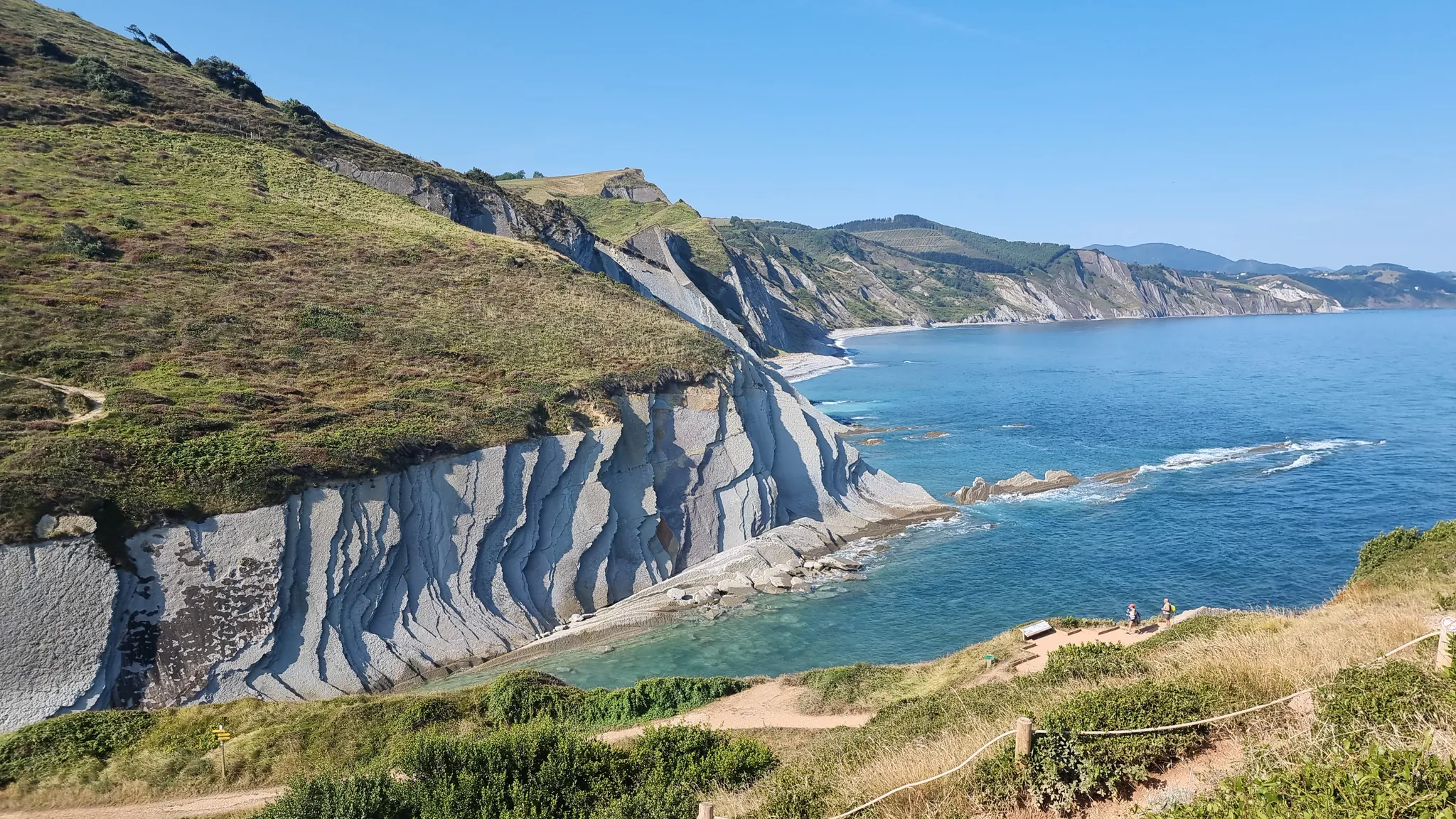
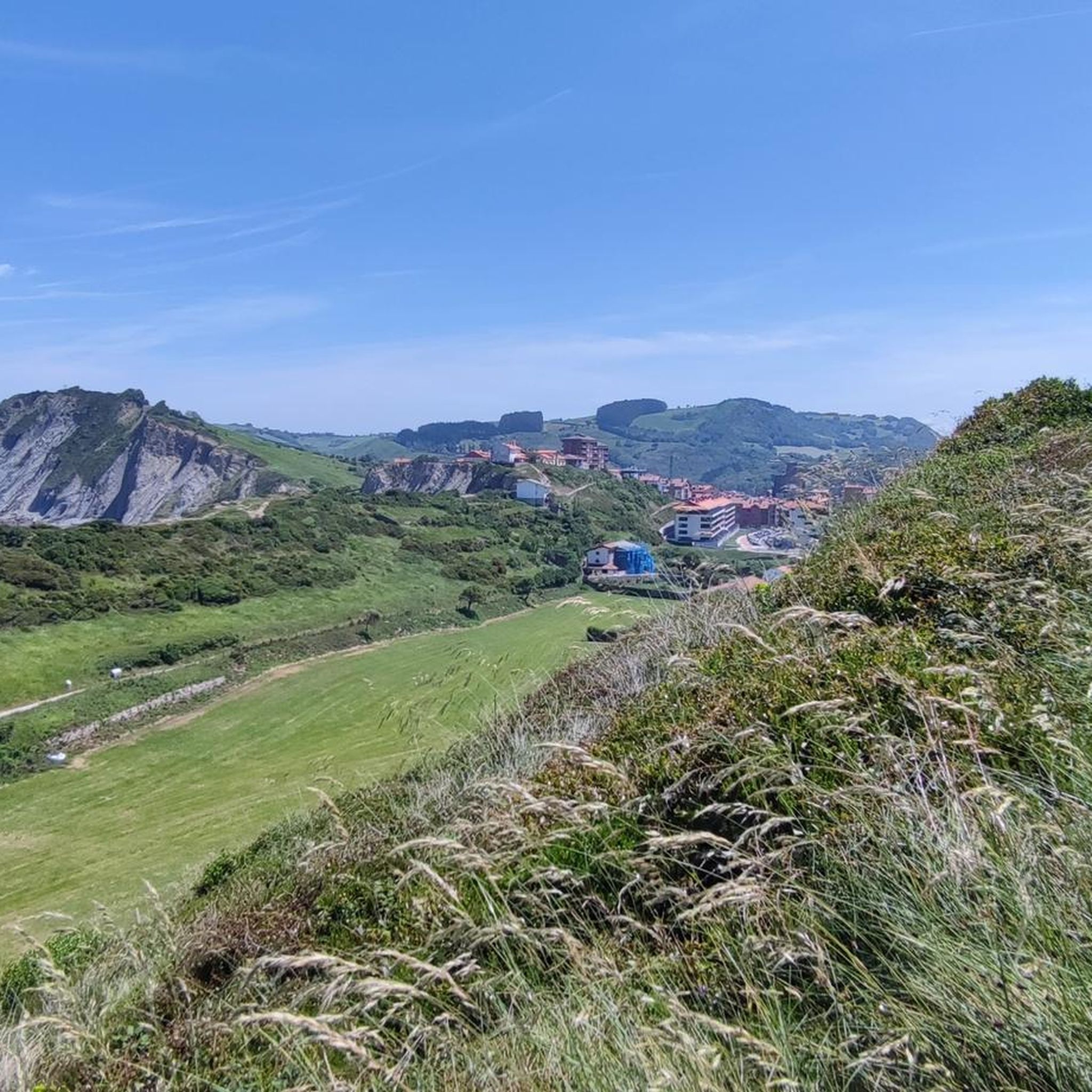
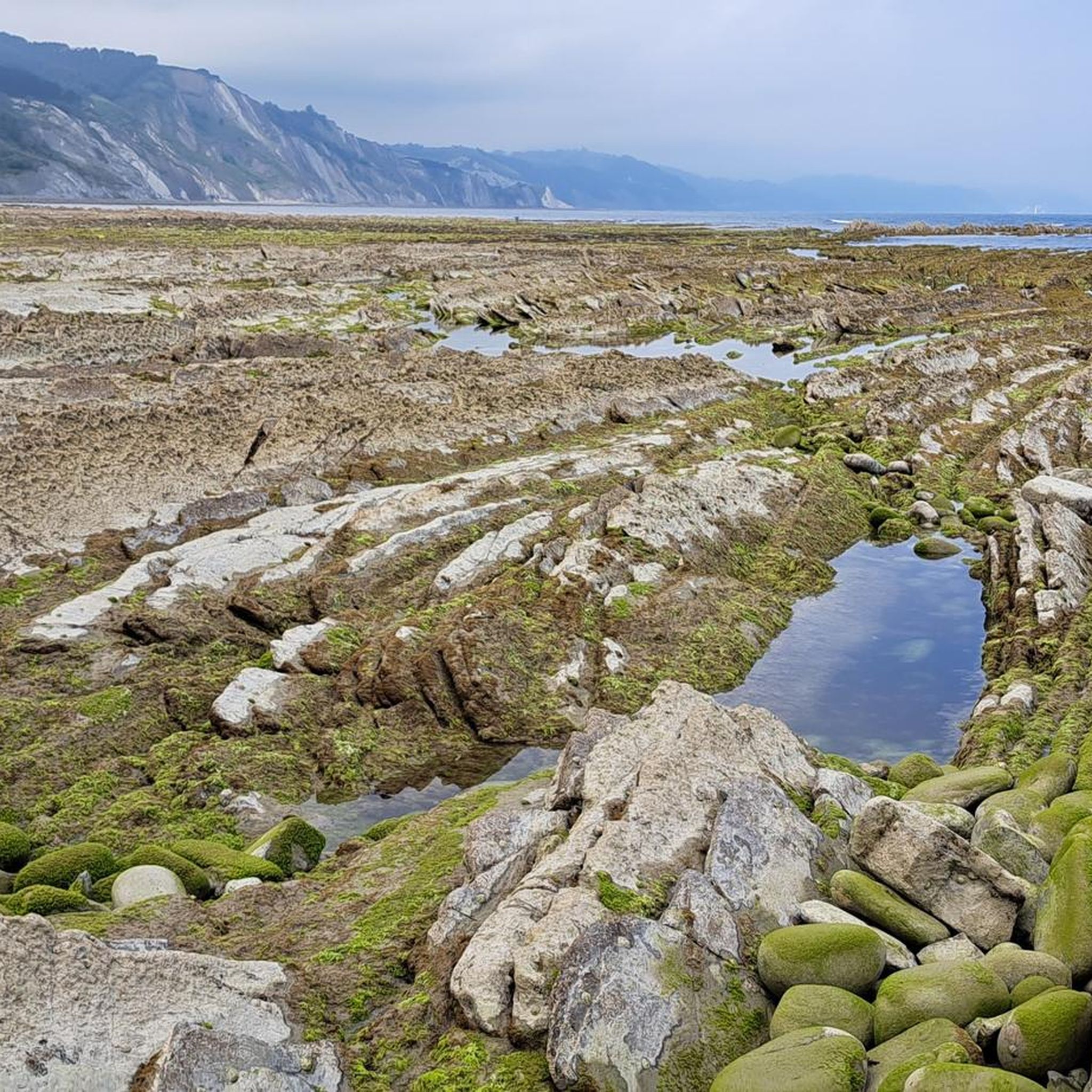
Best natural monuments around Zumaia are centered on the geological marvel of the Flysch, a significant part of the Basque Coast Geopark. This coastal region in the Basque Country is renowned for its unique geological formations, showcasing impressive cliff formations with distinct, alternating layers of hard and soft rock. The area offers a unique window into Earth's history, revealing millions of years of geological events. Zumaia's coastal landscape is characterized by these dramatic cliff faces and diverse ecosystems.
Best natural…
Last updated: July 1, 2026
Algorri Flysch
Highlight • Natural Monument
Translated by Google •
Tip by

San Telmo Hermitage
Highlight • Religious Site
Translated by Google •
Tip by

Sign up now to discover places like this
Get recommendations on the best single tracks, peaks, & plenty of other exciting outdoor places.
Sign up for free
Cretaceous–Paleogene Boundary Cliffs
Highlight • Natural Monument
Attention: Be aware of the tides - the coast cannot be safely crossed during high tides
Translated by Google •
Tip by

Mount San Antón
Highlight • Summit
Translated by Google •
Tip by

Ratón de Getaria
Highlight • Natural Monument
Translated by Google •
Tip by

Sign up for free to discover even more natural monuments around Zumaia.
Sign up for free
Already have an account?
Start today with a free account
Your next adventure awaits.
Login or Signup
Other adventures around Zumaia

Tips from the Community

Super beautiful cliffs! Unfortunately, it was still high tide where we were, so the flysch cliffs were only visible at low tide. Check the tides at tideschart.com.
0
0

The first (or last section if reversing the route) section is absolutely NOT accessible. Possibly only at extreme low tide. We were there an hour before extreme low tide, and it was completely impossible. I would choose to simply follow the route at a higher elevation and skip the "beach" section. Especially since the beach is made up of large stones and rocks, difficult to walk on because you always have to watch your step due to loose stones.
1
0

Mostly the area is windy especially due to topography. Do not forget to carry water with yourself. Enjoy the Bay of Biscay
2
0


Spectacular route along the Cantabrian cornice enjoying the famous flich dating back 50 million years and its small hermitage with 8 Basque surnames.
3
0

Sant Telmo viewpoint where we have spectacular views
2
1
ATTENTION/WARNING: The first or - if you are doing a reversed tour - the last part of the coast is only recommended/possible at absolute low tide. Otherwise it is very dangerous and difficult and definitely not possible with children.
5
0

Depending on the tide, the section at sea level is either accessible, not accessible, or only accessible to a limited extent. But in any case, it's extremely worthwhile.
5
0
Frequently Asked Questions
What geological features can I expect to see at the Zumaia Flysch?
The Zumaia Flysch is renowned for its impressive cliff formations, showcasing distinct, alternating layers of hard and soft rock, primarily shale and sandstone. These layers represent over 60 million years of Earth's history. A notable feature is a thin black layer believed to mark the K/T boundary, providing evidence of the asteroid impact responsible for the extinction of the dinosaurs. At low tide, the abrasion platform reveals extensive communities of marine life in its tidal pools.
Are there specific viewpoints to best appreciate the Zumaia coastline and its natural monuments?
Yes, several spots offer stunning views. The area around Zumaia Flysch Cliffs provides breathtaking vistas, especially from Itzurun Beach. For a different perspective, Mount San Antón, also known as the 'rat' or 'mouse' of Getaria, offers beautiful panoramic views of the Cantabrian coast.
What is the best time to visit the Zumaia Flysch to see its geological formations?
The best time to explore the flysch formations, particularly the intertidal zones and the spectacular rock structures of Algorri Flysch, is at low tide. This allows for safe access to the abrasion platform and a closer look at the exposed layers and marine life. Always check local tide charts before planning your visit.
Are there family-friendly activities or trails around Zumaia's natural monuments?
While some coastal sections require careful timing with tides, there are options for families. The Algorri Interpretation Centre offers educational insights through exhibitions and workshops, making the geological formations more accessible for all ages. For walks, consider easier sections of the Flysch Trail or explore the Santiago Dunes near Santiago Beach. Always check trail difficulty and tide conditions for coastal paths.
What kind of wildlife and biodiversity can be observed in the Zumaia Geopark?
Beyond its geological importance, the Zumaia Geopark supports rich biodiversity. The intertidal zones of the flysch, especially at low tide, are home to extensive communities of seaweed, marine vegetation, mollusks, crustaceans, and small fish in its tidal pools. The Deba-Zumaia Tidal Plain and Bedua Islands and Marshlands are recognized for their ecological value and significant biodiversity, attracting various bird species.
What outdoor activities, such as hiking, are available near Zumaia's natural monuments?
Zumaia offers a variety of outdoor activities, particularly hiking. You can explore routes like the 'Playas de flysch de Zumaia — circular by the Geopark of the Basque Coast' or the 'San Telmo Hermitage – Algorri Flysch loop from Zumaia'. For more options, including running and gravel biking, you can find detailed routes in the hiking guide around Zumaia.
Where can I learn more about the geology of the Zumaia Flysch before or after my visit?
The Algorri Interpretation Centre in Zumaia is dedicated to helping visitors understand the geology and natural environment of the cliffs and tidal plain. It provides valuable context through exhibitions, audiovisual materials, and educational workshops, making your exploration of the flysch even more enriching.
Are there any historical or cultural sites integrated with the natural monuments in Zumaia?
Yes, the San Telmo Hermitage is a notable site located along the coast, offering a blend of cultural heritage and stunning natural surroundings. While primarily a religious building, its coastal location makes it an integral part of the natural monument experience, though access can be tide-dependent.
What should I be aware of regarding accessibility and safety when visiting the coastal natural monuments?
When visiting coastal natural monuments like the Algorri Flysch or Cretaceous–Paleogene Boundary Cliffs, it is crucial to be aware of the tides. Many sections of the coast are only safely accessible at low tide. Attempting to cross during high tide can be dangerous. Always check tide charts beforehand and wear appropriate footwear for uneven, wet terrain.
Are there any other significant natural areas near Zumaia besides the Flysch?
Yes, within the broader Basque Coast Geopark and the Deba-Zumaia Protected Natural Landscape, Zumaia is surrounded by other important natural sites. These include the expansive Deba-Zumaia Tidal Plain, the Santiago Dunes near Santiago Beach, the Artadi Oak Forest offering a contrasting terrestrial ecosystem, and the Bedua Islands and Marshlands, which further enhance the region's ecological diversity.
Can I take guided tours to explore the Zumaia Flysch?
Yes, guided tours are available and highly recommended for a deeper understanding of the flysch. The Algorri Interpretation Centre often serves as a starting point for guided experiences, including both walking tours along the cliffs and boat tours that offer a unique perspective from the sea.
What makes the Cretaceous–Paleogene Boundary Cliffs particularly interesting?
The Cretaceous–Paleogene Boundary Cliffs are geologically exceptional because they expose the precise boundary marking the end of the Cretaceous period and the beginning of the Paleogene period, approximately 65 million years ago. This boundary is directly linked to the mass extinction event that led to the demise of the dinosaurs, making it a site of immense scientific interest.
Most popular attractions around Zumaia

Get inspired with the komoot mobile app


Explore more
Extend your search for the best caves by checking out these guides of the top ones around Zumaia:
