Top 7 Natural Monuments around Avilés
Best natural monuments around Avilés are found within the broader Avilés region and the coastal areas of Asturias. This area is characterized by its diverse natural protected areas, including extensive dune systems and dramatic coastal cliffs. While Avilés itself is known for its industrial and historical character, it serves as a base for exploring significant natural features. The region offers a variety of natural elements, from unique geological formations to serene urban green spaces.
Best natural monuments around Avilés
- The…
Last updated: July 1, 2026
Cabo Peñas Lighthouse
Highlight • Monument
In operation since …
Translated by Google •
Tip by

Monument to Philippe Cousteau
Highlight • Monument
Translated by Google •
Tip by

Sign up now to discover places like this
Get recommendations on the best single tracks, peaks, & plenty of other exciting outdoor places.
Sign up for free
Les Xanes Spring
Highlight • Structure
Translated by Google •
Tip by
Monte Areo VI Burial Mounds
Highlight • Historical Site
Translated by Google •
Tip by
San Pablo Tumulus
Highlight • Historical Site
Translated by Google •
Tip by

Sign up for free to discover even more natural monuments around Avilés.
Sign up for free
Already have an account?
Start today with a free account
Your next adventure awaits.
Login or Signup
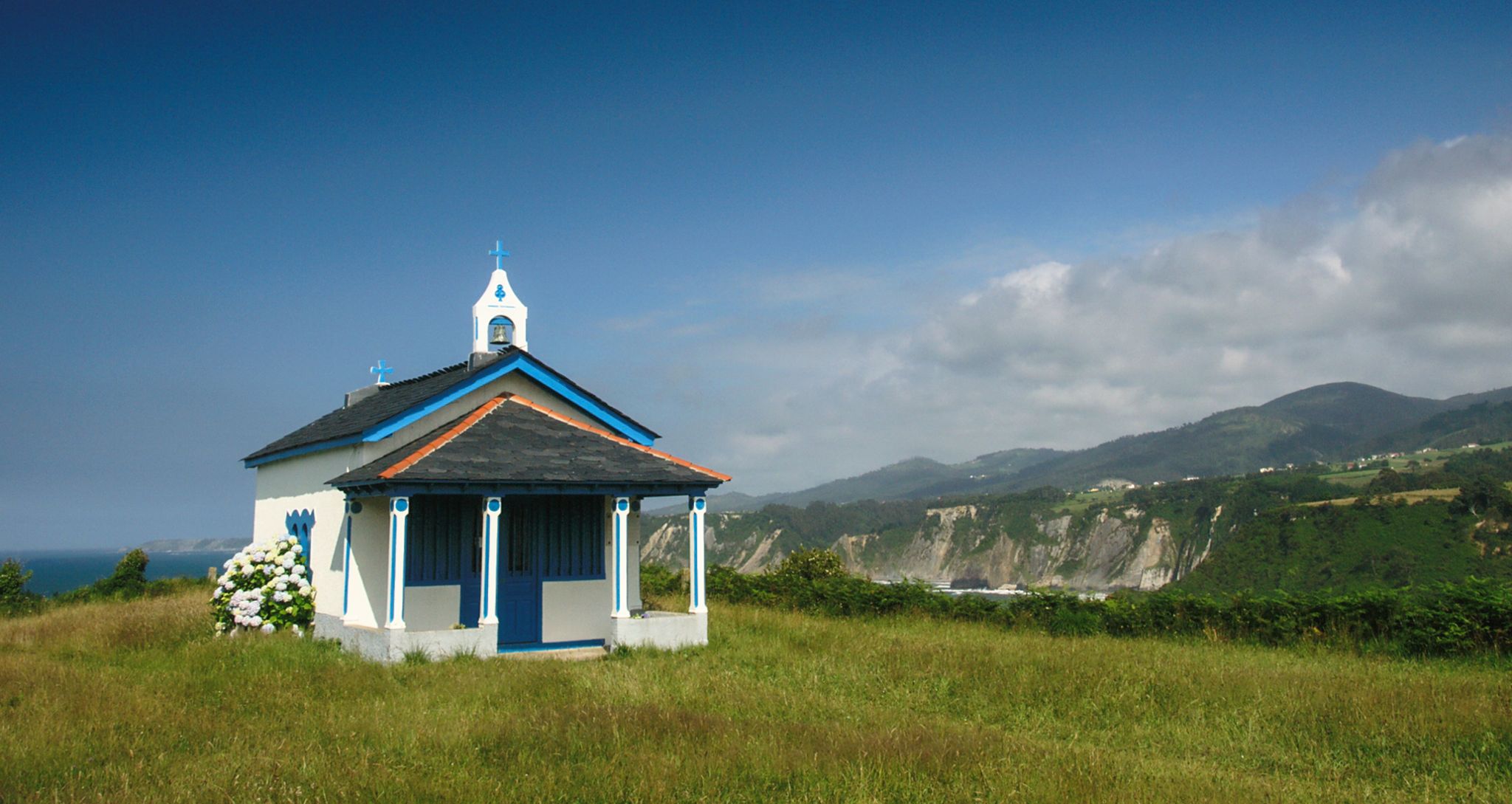
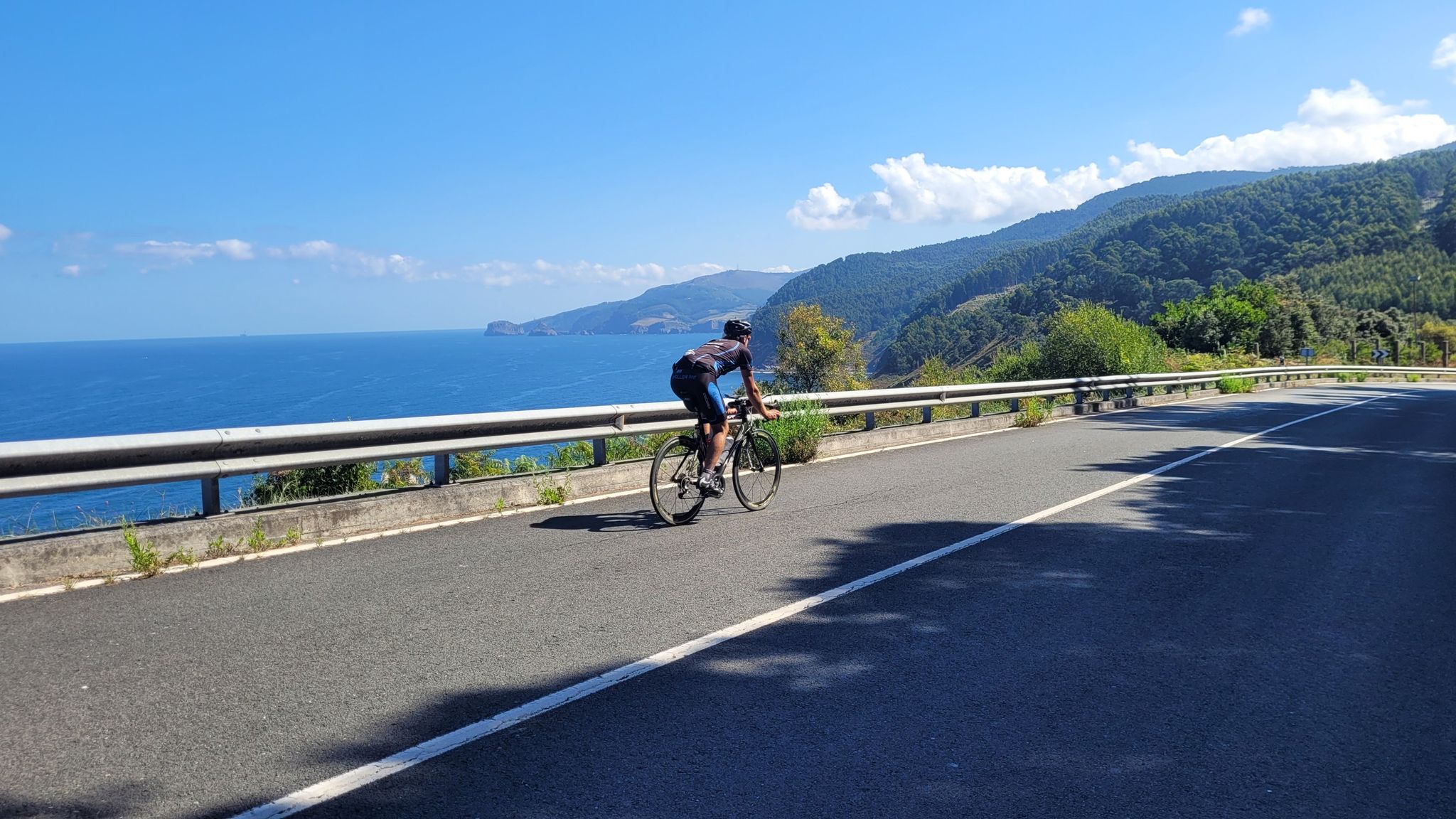
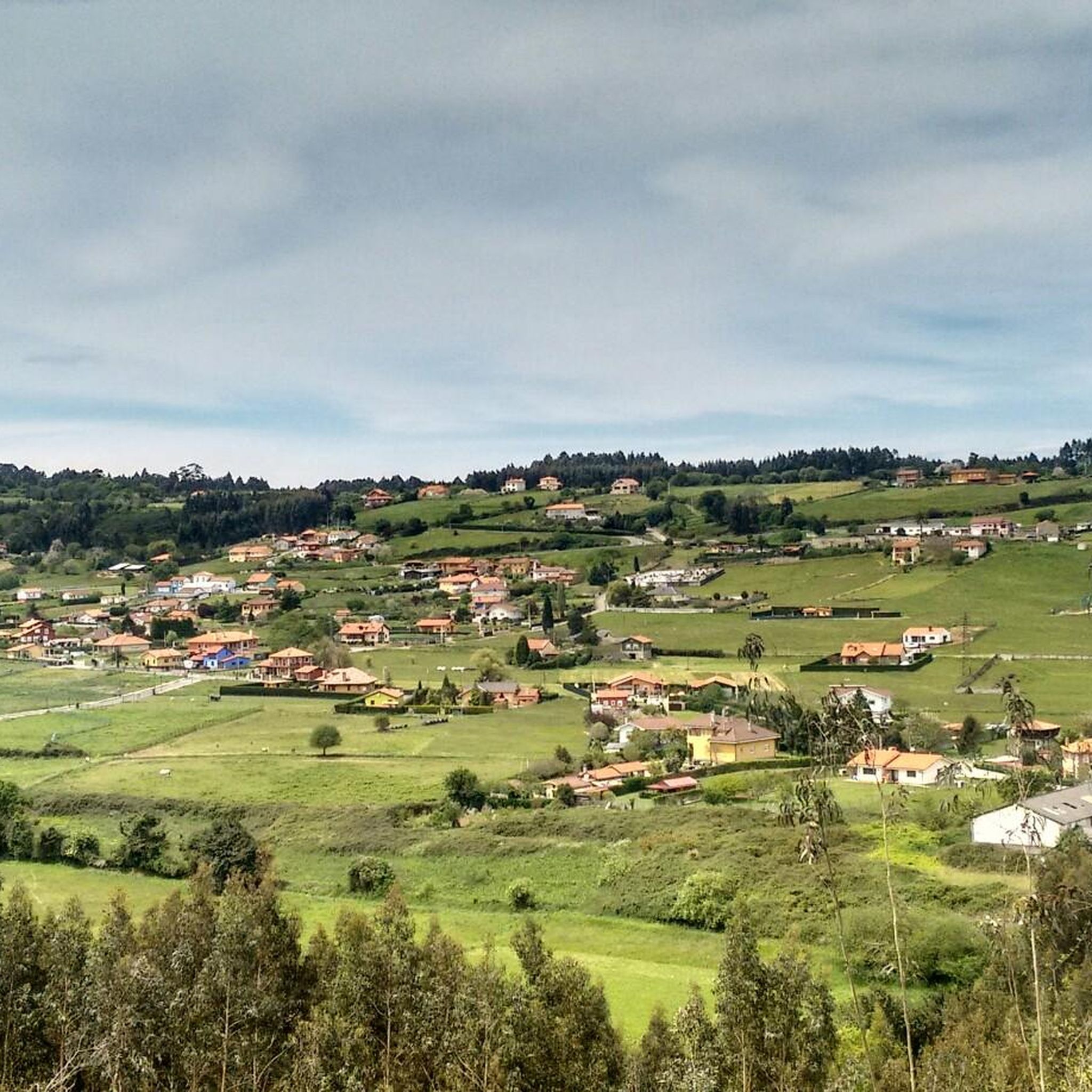
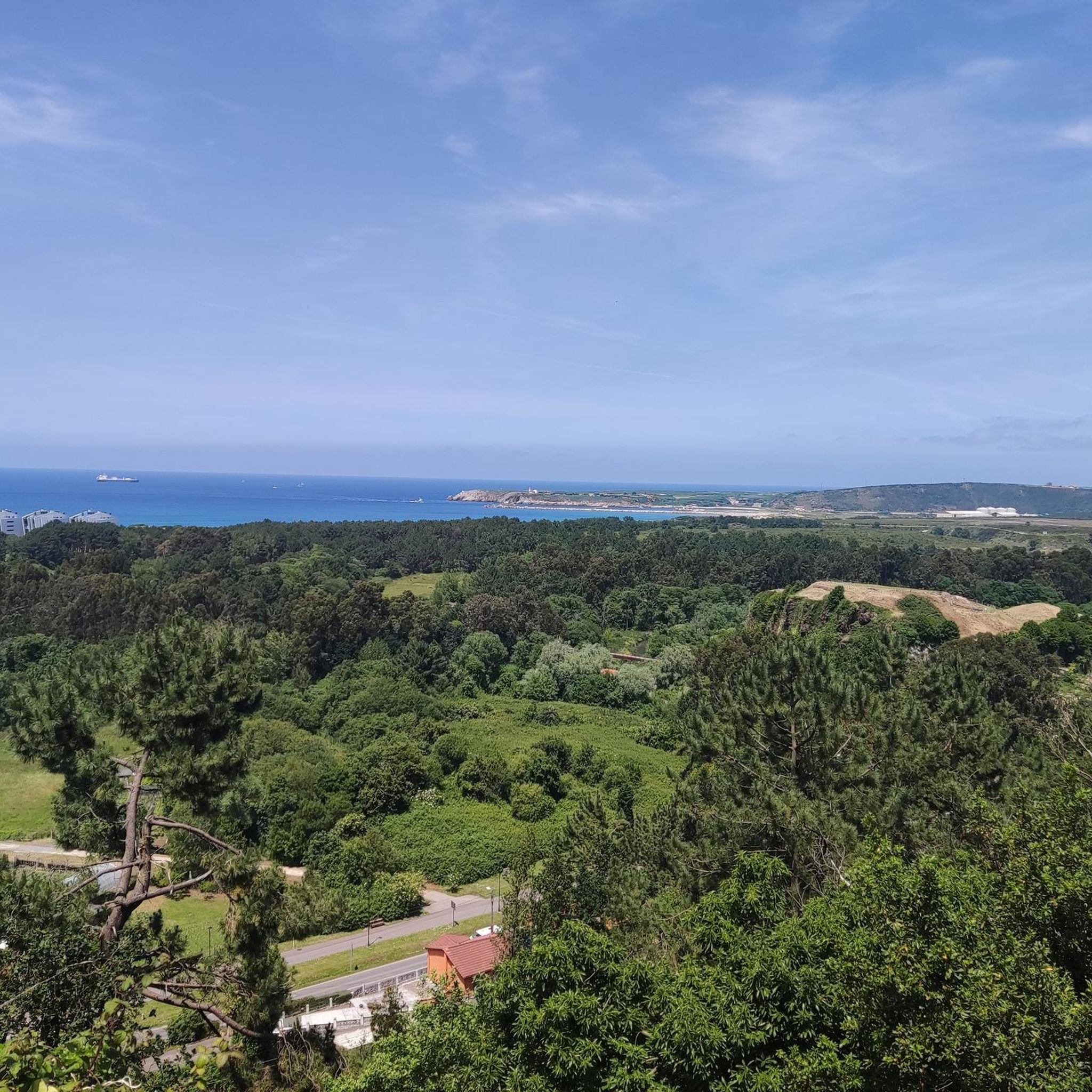



Tips from the Community

The Cabo Peñas Lighthouse is located on the most prominent plateau of Cabo Peñas, 100 meters above sea level and about 60 meters from the cliff. In operation since 1852, it was electrified in 1946. In 1951, a siren was installed that emits the letter "P" in Morse code, which was replaced in 1977. In 1956, a radio beacon was installed, transmitting in Morse code PS, and in 2003 a DGPS station was added. It emits three white flashes every 15 seconds, with a range of 21 nautical miles.
10
0


Here you can still see something from the past. The women from the village had hard work (compared to today), but they also had a place to meet and time for conversation.
1
0

Legend has it that some 'xanas' lived in this fountain who took care of the laundry of the town's neighbors when they left it lying out in the night watch. One of the stones has the name "Herminia" engraved on it.
1
0
Located inside the beautiful Museo de las Anclas (open-air museum). In memory of the late French oceanographer. Before its installation, it was exhibited in the Picasso room of the Unesco headquarters in Paris.
2
0
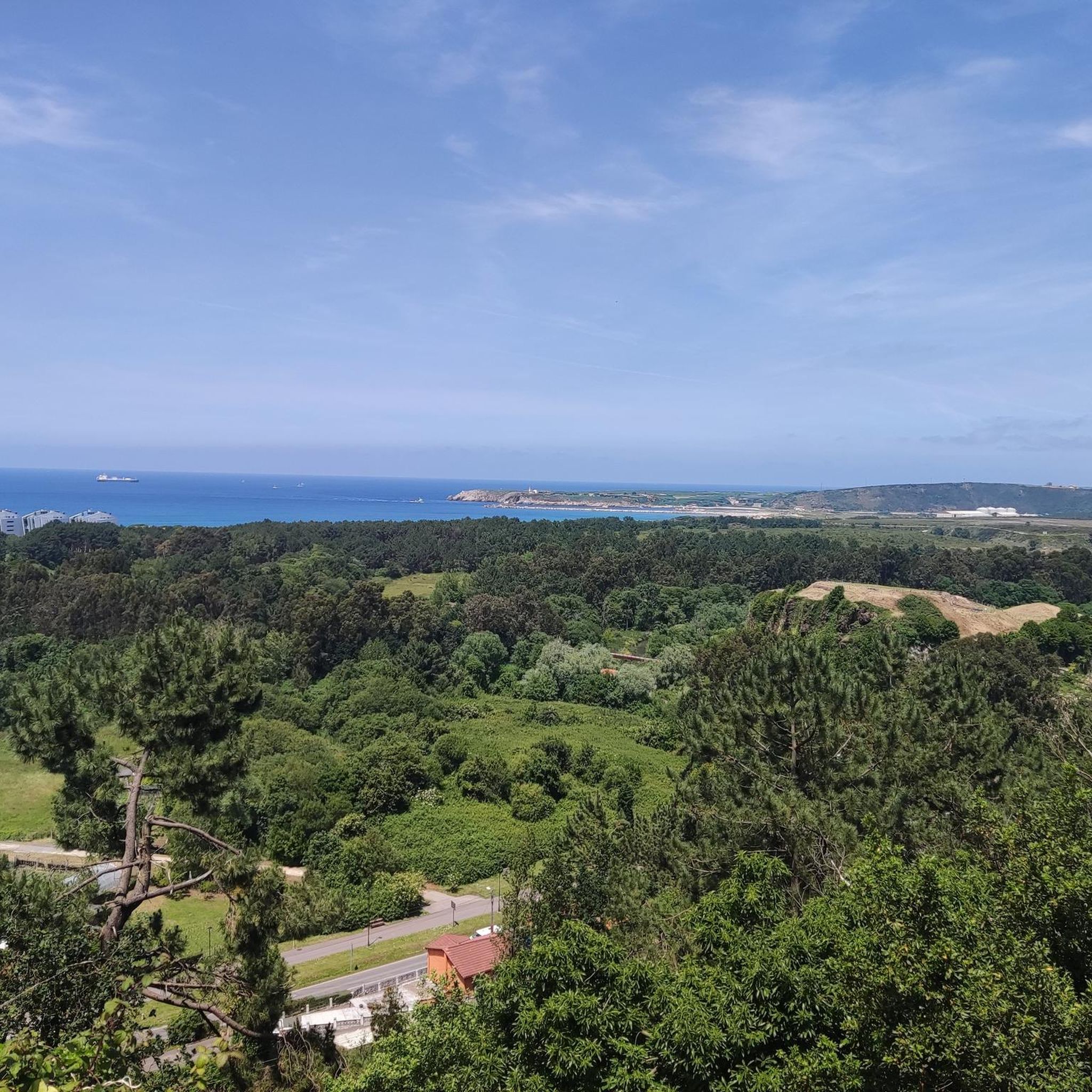
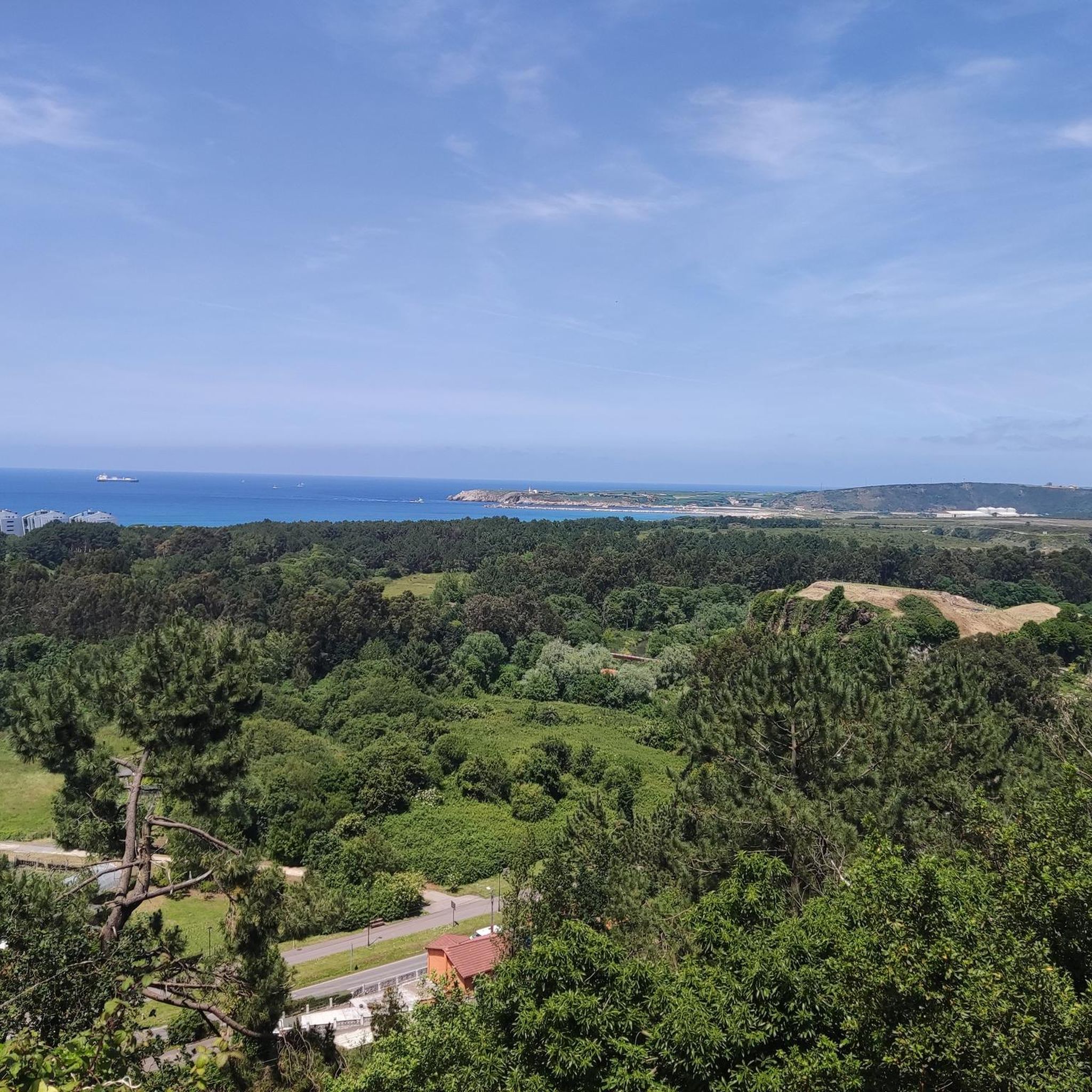
A lighthouse that stands on top of a rocky promontory overlooking the Bay of Biscay. The views from the lighthouse are absolutely stunning, with sweeping views of the coastline and out to sea. There is a small museum located inside the lighthouse, which gives visitors an interesting insight into the history and importance of the lighthouse.
1
1
The green areas of the Mounds are well-kept and have good explanatory signs. Up to 35 burial mounds have been found in the area.
1
0
It currently houses a museum of marine themes on the ground floor of the building.
17
0
Frequently Asked Questions
What are some prominent natural features to explore near Avilés?
The region around Avilés offers diverse natural features. You can explore the extensive dune system at Playa del Espartal, dramatic coastal cliffs and marine birdlife at Cabo de Peñas, or enjoy serene urban green spaces like Parque de las Meanas within Avilés itself. The Cabo Peñas Lighthouse, while man-made, is situated within a significant natural area offering expansive sea views.
Are there any historical sites integrated with the natural monuments around Avilés?
Yes, the region features several historical sites set within natural environments. Notable examples include the Monte Areo VI Burial Mounds, an area with well-kept green spaces and explanatory signs where over 35 burial mounds have been discovered. Another is the San Pablo Tumulus, part of an extensive necropolis offering a natural and pleasant environment for exploration.
Which natural monuments near Avilés are suitable for families?
Several locations are considered family-friendly. The Cabo Peñas Lighthouse area is great for walks and marine interpretation. The Monte Areo VI Burial Mounds and San Pablo Tumulus offer easy exploration in a natural setting. Additionally, La Peñona Viewpoint, accessible via a suspension bridge, provides magnificent panoramic views suitable for all ages.
What kind of wildlife can I expect to see in the natural areas around Avilés?
The coastal areas, particularly around Cabo de Peñas, are excellent for birdwatching, with species like the European shag, yellow-legged gull, peregrine falcon, and Eurasian curlew. The dune system at Playa del Espartal hosts diverse plant species. There's also a chance to spot dolphins along the Asturian coast, which has a high diversity of cetacean species.
Are there good viewpoints to enjoy the coastal scenery near Avilés?
Absolutely. Cabo Peñas Lighthouse offers spectacular views from its prominent plateau 100 meters above sea level. Another excellent spot is La Peñona Viewpoint, which provides a fabulous panoramic view of Salinas and its surroundings from a suspension bridge over the sea.
What outdoor activities can I do near the natural monuments around Avilés?
The area around Avilés is well-suited for various outdoor activities. You can find numerous options for hiking, cycling, and gravel biking. These routes often pass through scenic landscapes, including coastal paths and green areas, allowing you to explore the natural beauty of the region.
Are there specific hiking trails recommended near these natural monuments?
Yes, there are several hiking opportunities. For instance, you can find easy to moderate hiking routes like the 'Church of San Nicolás – Rivero Street, Avilés loop' or the 'San Juan de Nieva Lighthouse – Faro de Avilés loop'. For more options, explore the hiking guide for Avilés, which includes trails that connect to or pass near many natural and historical sites.
What is the best time of year to visit the natural monuments around Avilés?
The natural monuments in the Avilés region, particularly the coastal areas, can be enjoyed year-round. However, late spring, summer, and early autumn generally offer the most pleasant weather for outdoor activities and exploring the beaches and cliffs. During these months, you'll experience milder temperatures and less rain, making it ideal for hiking and sightseeing.
How can I reach these natural monuments using public transport from Avilés?
While Avilés has good public transport connections, reaching some of the more remote natural monuments like Cabo de Peñas or Playa del Espartal might require a combination of bus services and walking, or a car. Local bus services connect Avilés to nearby towns, from where you might find local routes or need to walk to the specific sites. It's advisable to check local bus schedules for routes to areas like Castrillón or Gozón for specific access points.
Are there any amenities like cafes or accommodation near the natural monuments?
Near popular sites like Cabo de Peñas, you can often find amenities such as cafes or restaurants, especially in nearby villages or towns. The lighthouse itself houses a marine interpretation center. For accommodation, Avilés serves as an excellent base, offering a range of options. Smaller towns along the coast may also have guesthouses or rural accommodations.
What do visitors particularly enjoy about the natural monuments in the Avilés region?
Visitors frequently appreciate the stunning coastal views, the tranquility of the natural settings, and the opportunity for leisurely walks. The Cabo Peñas Lighthouse is particularly loved for its expansive vistas of the Cantabrian Sea. The historical sites like the Monte Areo VI Burial Mounds are noted for their well-kept green areas and interesting explanatory signs, offering a pleasant and contemplative experience.
Are there any unique geological formations near Avilés?
Yes, the region is home to unique geological features. Playa del Espartal boasts the most extensive dune system in Asturias, stretching approximately 3 km. Further offshore, the Avilés Canyon System (ACS) is a significant complex of submarine canyons in the Cantabrian Sea, though not directly accessible for visitation.
Can I bring my dog to the natural monuments around Avilés?
Many natural areas and trails in Asturias are dog-friendly, especially if dogs are kept on a leash. However, specific rules can vary for protected areas or beaches during peak seasons. It's always best to check local regulations for each specific natural monument you plan to visit to ensure a pleasant experience for everyone.
Most popular attractions around Avilés

Get inspired with the komoot mobile app


Explore more
Extend your search for the best caves by checking out these guides of the top ones around Avilés:
