Top 20 Natural Monuments around Tuineje
Best natural monuments around Tuineje showcase Fuerteventura's geological and ecological heritage. The municipality on the southeastern coast features diverse landscapes, from ancient volcanic formations to coastal features. These sites offer insights into the island's natural history and provide various outdoor exploration opportunities. Tuineje is home to 5 natural monuments.
Best natural monuments around Tuineje
- The most popular natural monuments is Ajuy Caves (Cuevas de Ajuy), a cave that houses marine life such as stingrays and angel sharks. A path…
Last updated: August 25, 2026
Presa de las Peñitas
Highlight • Monument
Translated by Google •
Tip by

Ajuy Caves (Cuevas de Ajuy)
Highlight • Cave
Translated by Google •
Tip by

Sign up now to discover places like this
Get recommendations on the best single tracks, peaks, & plenty of other exciting outdoor places.
Sign up for free
Ajuy Lime Kilns
Highlight • Monument
Translated by Google •
Tip by
Sanctuary of the Virgin of Tanquito
Highlight • Religious Site
Translated by Google •
Tip by

Gran Montaña Summit
Highlight • Summit
Translated by Google •
Tip by

Sign up for free to discover even more natural monuments around Tuineje.
Sign up for free
Already have an account?
Start today with a free account
Your next adventure awaits.
Login or Signup
Popular around Tuineje
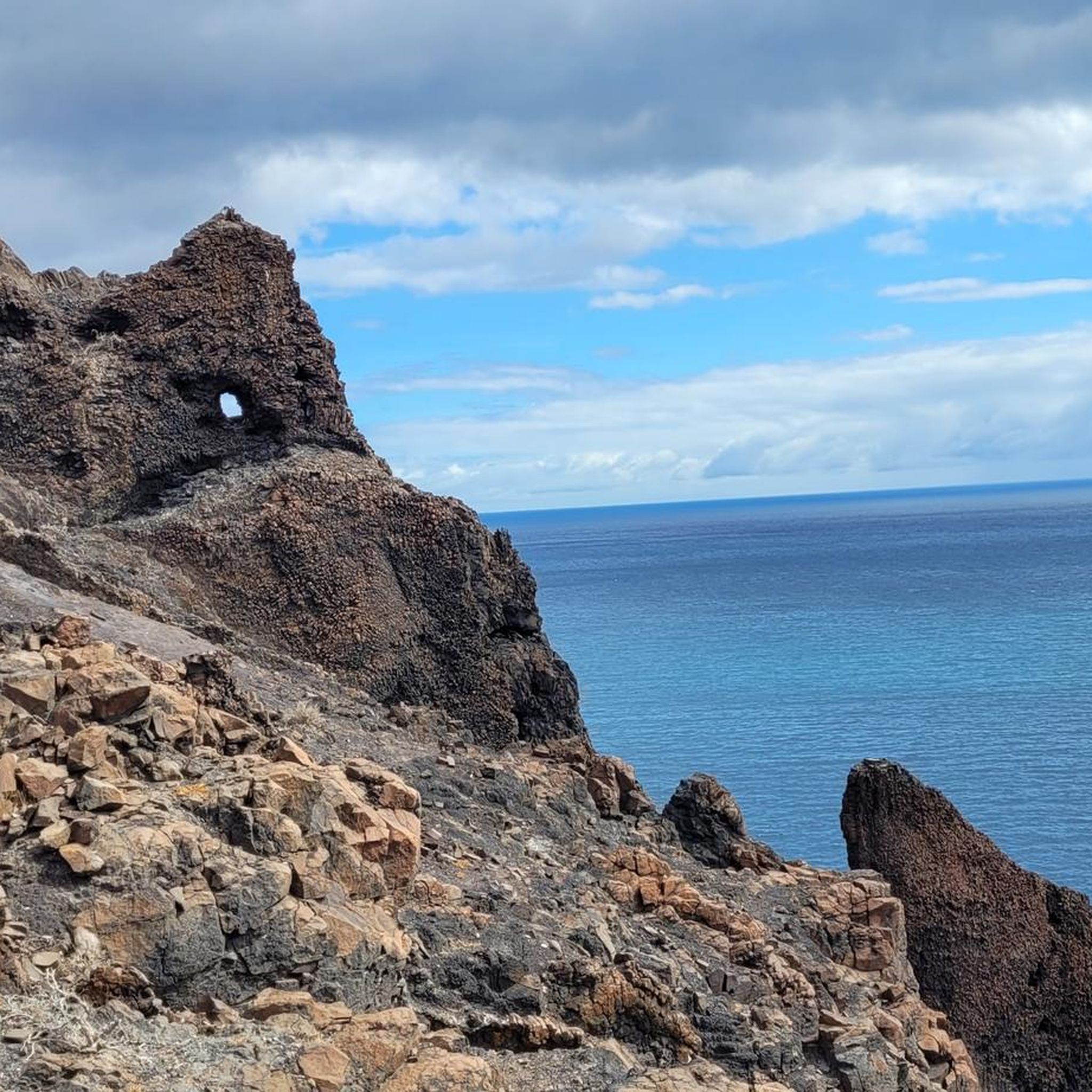
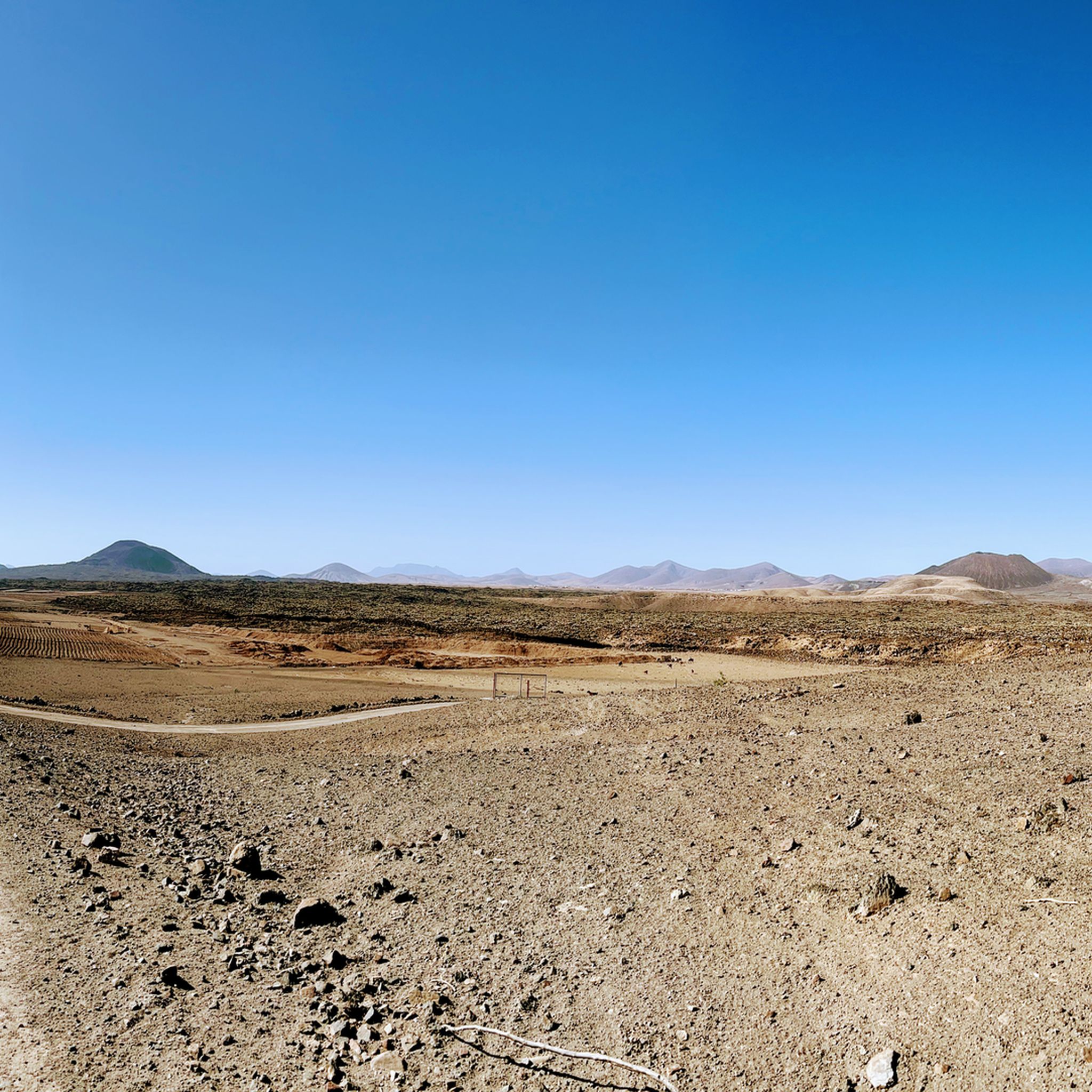
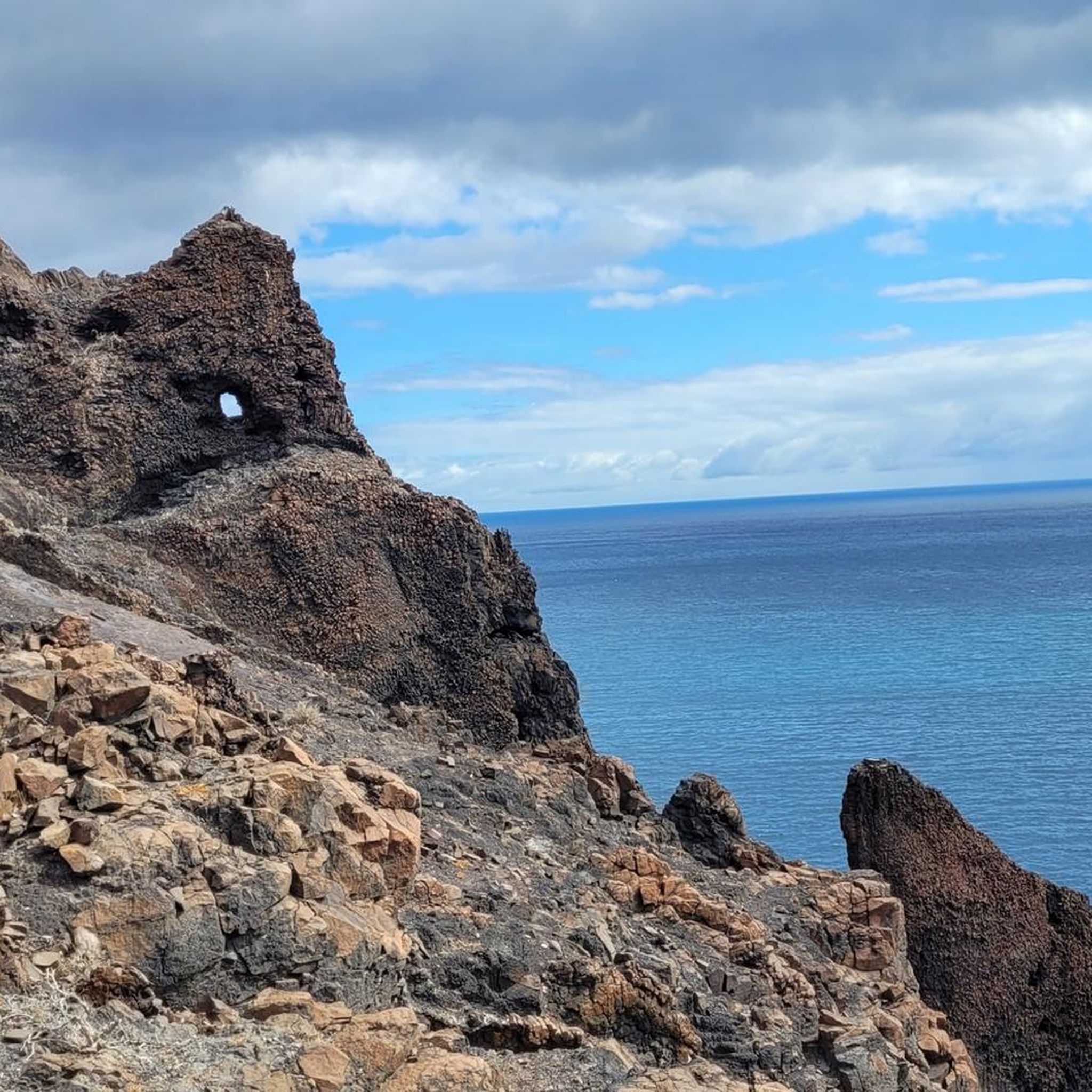
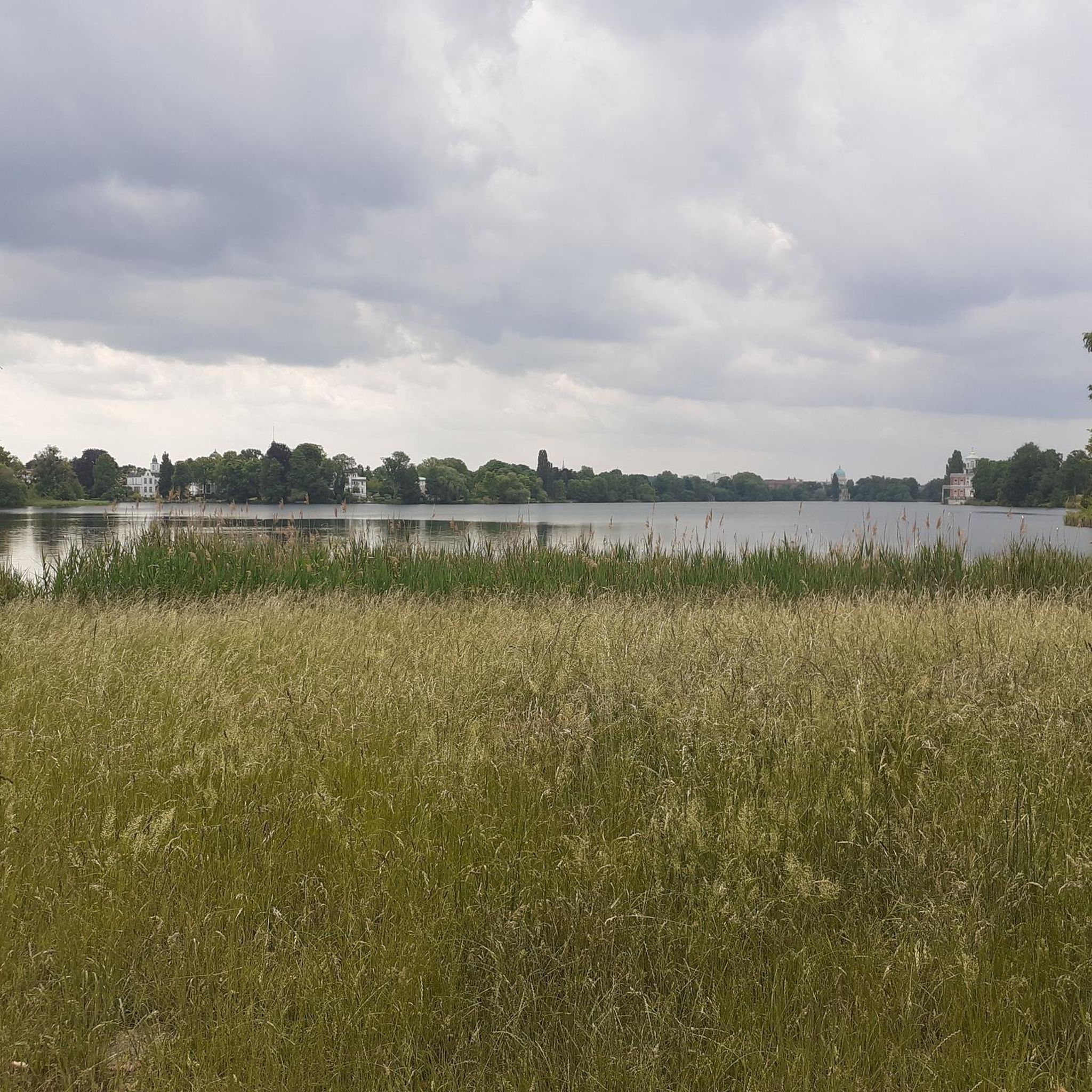


Tips from the Community

The two-story lime kilns were used for burning lime until the second half of the 19th century. The burnt lime was loaded onto ships below the kilns, shipped primarily to Gran Canaria, and for a long time was the island's main source of income. A fire was stoked in the lower part of the kilns, and the resulting heat burned the lime in the upper part.
8
0

At the northern end of the Bay of Ajuy, there is a cliff whose upper layer is made of shell limestone. This cliff was once gradually eroded by human hands. Due to the presence of shell limestone, two lime kilns were dug into the rock. The shell limestone was shoveled into these kilns, one layer of shell limestone and one layer of coal. The required coal was landed by British ships. The finished product, the quicklime obtained, was shipped profitably to Great Britain.
63
0
A path leads from the beach to Caleta Negra (Black Bay), from where a steep staircase leads down to the caves. Tip: Wear sturdy shoes!
42
2
Stingrays and angel sharks, for example, live inside the caves. An overview of the cave formations can be obtained along a path up to the cliff.
57
0

An impressive natural spectacle on the coast of Ayui
6
0

Great view. The short, steep climb is definitely worth it. There is also a slightly more moderate variant from the west
0
0

You will find interesting hiking areas on the island, sturdy shoes are a must
1
0

Frequently Asked Questions
What unique geological formations can I explore in Tuineje?
Tuineje is rich in unique geological formations. You can visit the Ajuy Caves (Cuevas de Ajuy), which contain the oldest rock formations in the Canary Islands, known as the Basal Complex. These caves are accessible from the black sand beach of Ajuy. Another significant site is the Monumento Natural de Caldera de Gairía, a volcanic cone formed by a relatively recent eruption, offering panoramic views of Fuerteventura's volcanic landscape.
Are there any historical or cultural sites among the natural monuments?
Yes, several sites blend natural beauty with historical significance. The Ajuy Caves area is historically linked to pirate landings. Nearby, you'll find the Ajuy Lime Kilns, which are historical sites dug into cliffs where shell limestone was processed. Additionally, the Sanctuary of the Virgin of Tanquito is a religious building and historical site surrounded by local legends.
What are the best natural monuments for birdwatching in Tuineje?
The Monumento Natural de Cuchillos de Vigán is a vital refuge for threatened bird species, including the Egyptian vulture (guirre), osprey, and Barbary falcon. The Presa de las Peñitas reservoir, though man-made, is also now used by numerous bird species, making it another interesting spot for birdwatching.
What outdoor activities can I do near the natural monuments in Tuineje?
You can enjoy various outdoor activities. For hiking, explore trails around the natural monuments, including routes near the Caldera de Gairía and Faro de la Entallada. There are also options for gravel biking and running. You can find more details on routes like 'Faro de la Entallada from La Playitas — round trip' or 'Caldera de Gairía Volcano Trail' in the Hiking around Tuineje guide.
Are there family-friendly natural monuments or walks in Tuineje?
The Ajuy Caves and its black sand beach are generally accessible for families, though sturdy shoes are recommended for exploring the caves. The path to the caves is relatively easy. For walks, consider the 'Caldera de Gairía Volcano Trail' which is rated as easy, making it suitable for families.
What is the best time of year to visit Tuineje's natural monuments?
Fuerteventura generally enjoys a mild climate year-round. The best time to visit Tuineje's natural monuments is typically during the cooler months, from autumn to spring (October to May), when temperatures are more comfortable for hiking and exploring. Summers can be hot, especially inland.
What should I bring when visiting the natural monuments?
When visiting the natural monuments, it's advisable to bring sturdy walking shoes, especially if you plan to explore areas like the Ajuy Caves or volcanic trails. Sun protection (hat, sunscreen), sufficient water, and a camera are also recommended to fully enjoy the landscapes and views.
Can I find viewpoints with panoramic scenery in Tuineje?
Yes, Tuineje offers several stunning viewpoints. The Faro de la Entallada lighthouse, situated on a high cliff, provides expansive panoramic views of the coastline and is the closest point of the Canary Islands to the African mainland. The Monumento Natural de Caldera de Gairía also offers impressive vistas of Fuerteventura's volcanic landscape from its hiking trails.
What is the Paisaje Protegido del Malpaís Grande and what can I see there?
The Paisaje Protegido del Malpaís Grande is a protected landscape characterized by extensive lava fields, a result of ancient volcanic emissions. This rugged terrain offers a stark yet beautiful example of Fuerteventura's volcanic origins, showcasing the island's raw, untamed natural history.
Are there any challenging hikes or climbs near the natural monuments?
For those seeking more challenging routes, the Arco de las Peñitas area offers challenging terrain for climbing and hiking. Some routes in the nearby guides, such as 'La Pared Beach – La Lajita to La Pared Pass loop' for gravel biking, are also rated as difficult, providing options for experienced adventurers.
What do visitors enjoy most about the natural monuments in Tuineje?
Visitors frequently praise the dramatic coastal cliffs and unique geological formations, particularly around the Ajuy Caves. The historical significance of sites like the Ajuy Lime Kilns and the serene beauty of places like Presa de las Peñitas are also highly appreciated. The panoramic views from locations like Faro de la Entallada are a major draw.
How long does it typically take to visit the main natural monuments?
The time required varies by site. For instance, exploring the Ajuy Caves and beach might take 1-2 hours. A hike around the Caldera de Gairía could be 1-3 hours depending on the trail. If you plan to visit multiple sites or combine them with longer hikes, you should allocate a full day or more to fully experience the region's natural heritage.
Most popular attractions around Tuineje

Get inspired with the komoot mobile app


Explore more
Extend your search for the best caves by checking out these guides of the top ones around Tuineje:
