Top 20 Natural Monuments around Almogía
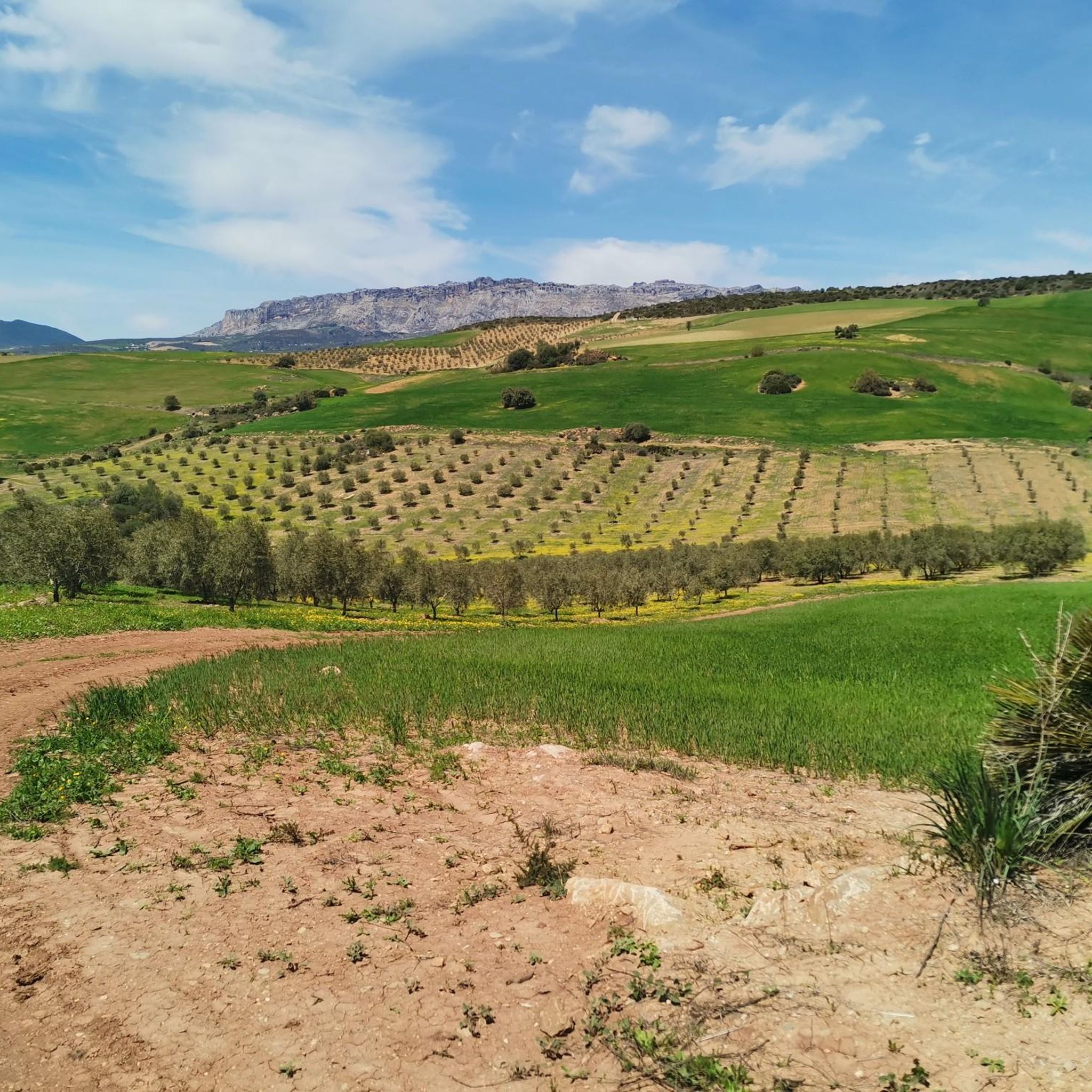
Best natural monuments around Almogía are characterized by the region's diverse natural landscapes, including the adjacent Montes de Málaga Natural Park. This area features expansive forested hills and valleys, providing a verdant environment for outdoor activities. The geology includes unique karst formations and historical natural springs. Almogía's surroundings offer opportunities to explore significant natural landmarks and viewpoints.
Best natural monuments around Almogía
- The most popular natural monuments is The Torcal of Antequera, a natural monument known for its unique…
Last updated: July 1, 2026
The Torcal of Antequera
Highlight • Natural Monument
Translated by Google •
Tip by

The Cathedrals of El Torcal
Highlight • Natural Monument
Translated by Google •
Tip by

Sign up now to discover places like this
Get recommendations on the best single tracks, peaks, & plenty of other exciting outdoor places.
Sign up for free
Montes de Málaga Natural Park
Highlight • Forest
Translated by Google •
Tip by

Queen's Fountain
Highlight • Monument
Translated by Google •
Tip by

Boar Viewpoint
Highlight • Viewpoint
Translated by Google •
Tip by

Sign up for free to discover even more natural monuments around Almogía.
Sign up for free
Already have an account?
Start today with a free account
Your next adventure awaits.
Login or Signup
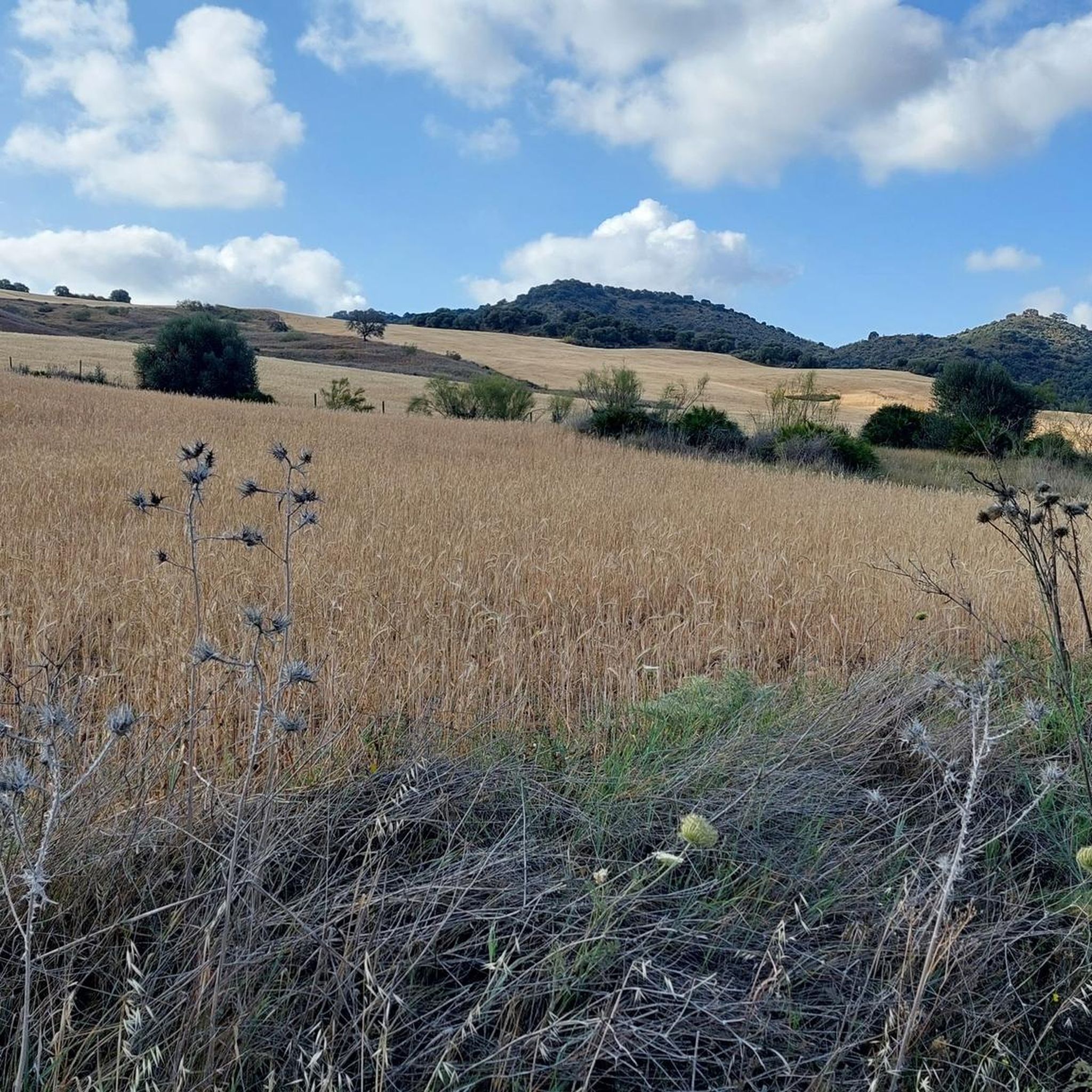
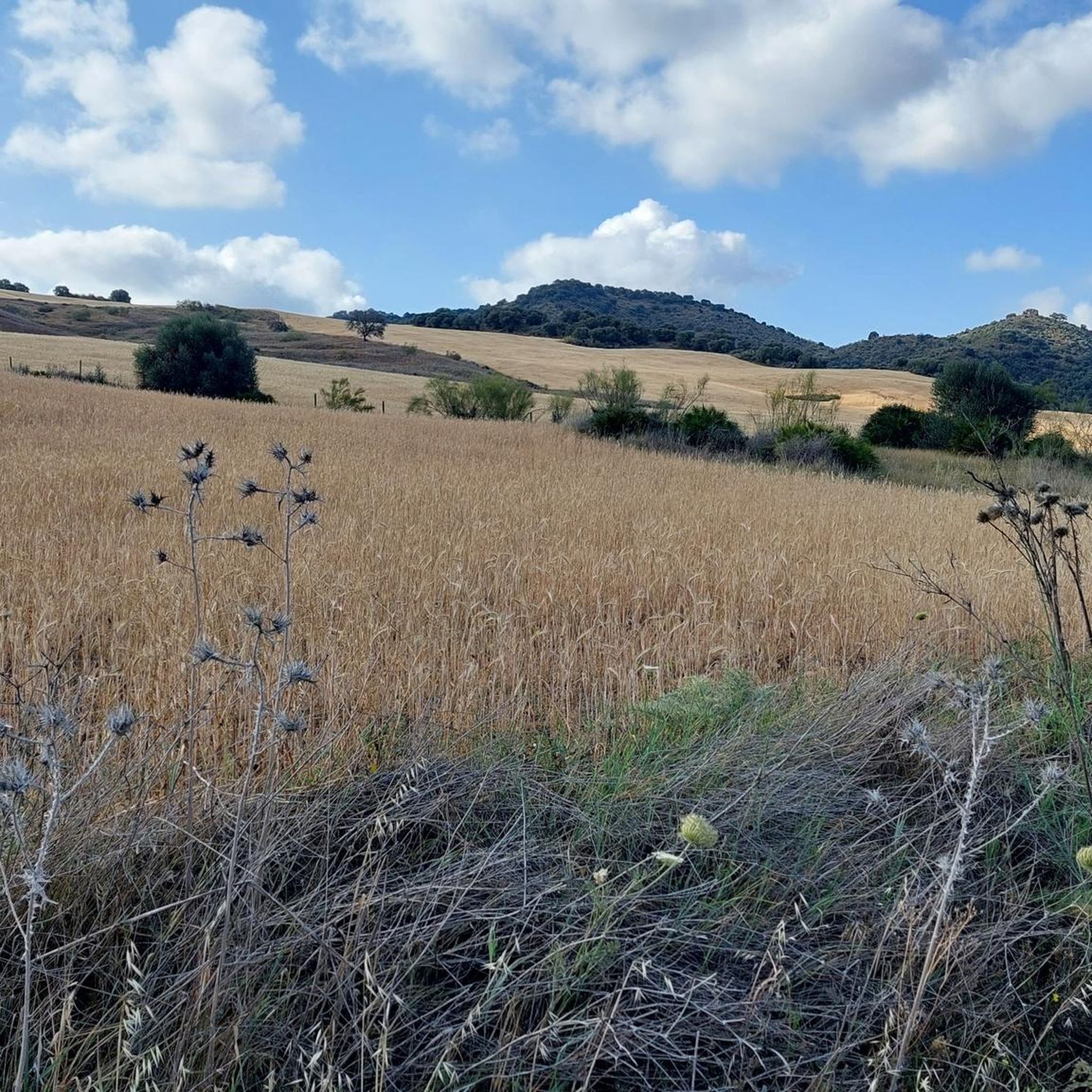
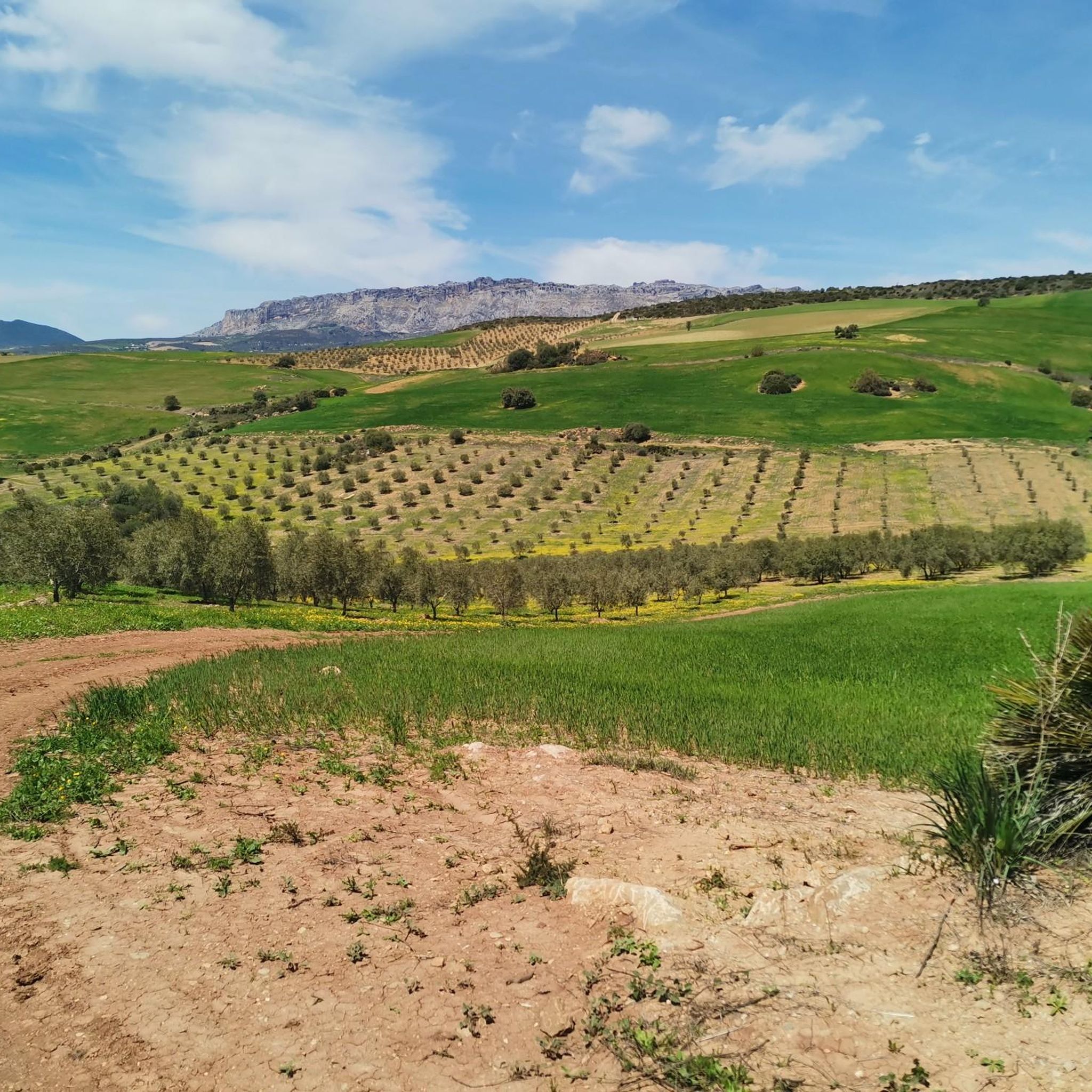
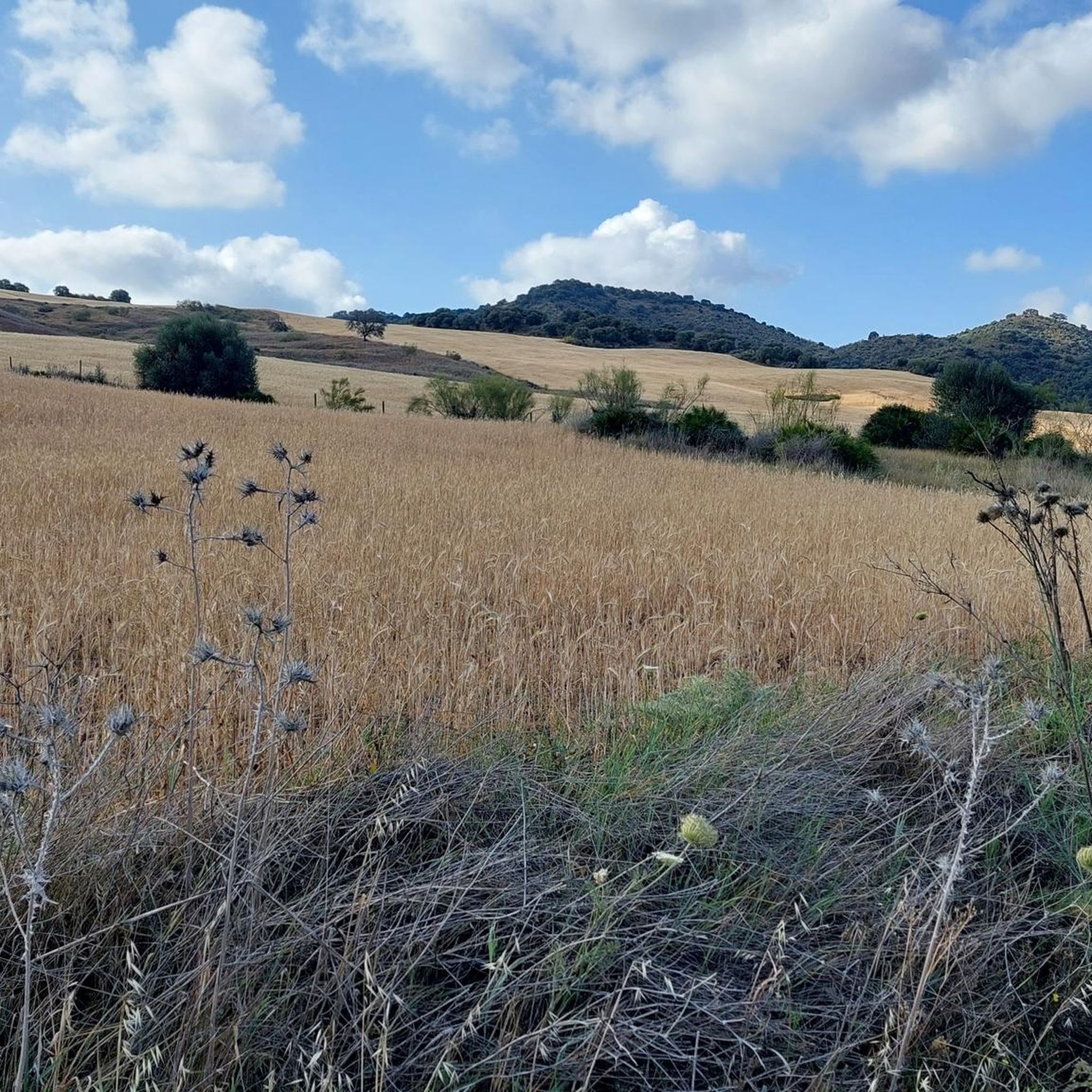

Tips from the Community

Incredible views from Mirador del Cochino. The climb is well worth it to enjoy them.
0
0
A beautiful natural park very close to Malaga that's well worth exploring by mountain bike or gravel bike. Be aware that once inside there are many paths and it's easy to get lost.
0
0

Drinking water from the fountain, cafe/ bar right next door.
0
0


A mythical spot and a must-see, this majestic fountain only carries water in winter, but it's still very beautiful.
3
0

The Fuente de la Reina is located on a winding mountain road, with some steep climbs, that connects Málaga with the Montes de Málaga. It is a popular stop for cyclists as it offers a natural water source. This historic spring has an impressive stone facade with a lion's head from which water flows. It is an ideal place to take a break, fill up with water and enjoy the views of the surrounding nature. The route through the Montes de Málaga is scenic!
10
0
Natural Park with many paths and trails. The main paths are very wide and even allow vehicles to pass in some sections (others have chains to prevent the passage of vehicles, reserved only for emergency cases). Following the paths it is difficult to get lost, but it is always advisable to take a recorded route and follow it with downloaded maps, there are many sections without network coverage. The best time is winter, from October to April at the latest, after that it is very hot and there are hardly any sources to get water.
1
0
A historic spot where you can take a photo and rest after the long climb. If you are lucky enough to find La Venta, which bears the same name, open (it is next to it) you can rest while you have a drink and even eat, it is one of the best places in terms of quality/price to eat well and then continue the route (but already downhill and with a full stomach 😜). The Fuente de la Reina is a "dry fountain", it does NOT have water (in case you were thinking of refilling water at this point). It is a reference point, a crossroads: if you go up from Malaga you can continue by road towards Venta Galwey (another famous Venta and with a crossroads next to it to take different routes). But if instead of continuing straight on the road you decide to turn left on the small paved road that goes up, it will take you to routes within the Parque Natural de los Montes de Málaga (there are several routes) and even by road to the Hotel Humaina and the El Cerrado recreational area, a well-equipped picnic area.
0
0
Frequently Asked Questions
What are the most unique natural features to explore near Almogía?
Near Almogía, you can explore the extraordinary karst landscape of The Torcal of Antequera, known for its bizarrely beautiful rock formations. Within this area, you'll find The Cathedrals of El Torcal, where rock towers resemble cathedral spires, shaped by millions of years of erosion from ancient shell deposits.
Are there expansive natural parks suitable for hiking and cycling near Almogía?
Yes, the Montes de Málaga Natural Park is an expansive natural monument covering nearly 5,000 hectares of forested hills and valleys, directly adjacent to Almogía. It offers numerous trails for hiking and mountain biking, along with panoramic views of the city of Málaga.
Where can I find scenic viewpoints around Almogía's natural monuments?
The Boar Viewpoint within the Montes de Málaga Natural Park offers beautiful panoramic views of the entire park and its surroundings. Additionally, the Santi Petri viewpoint, accessible via hiking trails from Almogía, provides excellent views of the landscape, including almond plantations.
What kind of wildlife can I expect to see in the natural areas near Almogía?
In The Torcal of Antequera, visitors can often spot ibex and various bird species like vultures. The Montes de Málaga Natural Park is home to diverse fauna, including wild boars, foxes, and birds such as the eagle owl. For a spectacular natural show, the Fuente de Piedra Lagoon (a bit further afield) is renowned for hosting the largest population of flamingos in the Iberian Peninsula.
Are there any historical natural springs or unique water features to visit?
Yes, the Queen's Fountain (Fuente de la Reina) is a historic spring located on a winding mountain road connecting Málaga with the Montes de Málaga. It features an impressive stone facade with a lion's head and is a popular stop for cyclists to take a break and enjoy the scenic route.
What do visitors particularly enjoy about the natural monuments around Almogía?
Visitors appreciate the unique geological formations of The Torcal of Antequera, often describing it as an otherworldly landscape perfect for exploration and wildlife spotting. The Montes de Málaga Natural Park is valued for its challenging yet rewarding trails and great views of the city, serving as Málaga's 'green lung'.
Are there family-friendly options among the natural monuments near Almogía?
Many areas within the Montes de Málaga Natural Park, including trails around the Boar Viewpoint, are considered ideal for families. While El Torcal de Antequera offers both shorter and longer routes, sturdy shoes are a must, and some terrain can be challenging, so assess suitability for younger children.
What outdoor activities, besides hiking, can I do near Almogía's natural monuments?
The region around Almogía is excellent for various outdoor activities. You can find numerous road cycling routes, with some challenging climbs, especially towards the Queen's Fountain. There are also many mountain biking trails, particularly within the Montes de Málaga Natural Park.
Are there specific hiking trails recommended for exploring the natural monuments?
Yes, for The Torcal of Antequera, there are both shorter and longer routes to explore the unique rock formations. You can find detailed hiking routes around Almogía, including moderate trails like the 'Paraje Natural Torcal de Antequera – circular to Camorro de Siete Mesas' or loops exploring 'The Cathedrals of El Torcal'.
What is the best time of year to visit the natural monuments around Almogía?
The Montes de Málaga Natural Park is particularly beautiful in spring, autumn, and winter. During these seasons, temperatures are generally milder and more pleasant for outdoor activities like hiking and cycling. While summer can be hot, the higher elevations of areas like El Torcal can be considerably cooler and windier, so layering up is advisable.
Is parking available at the main natural monuments?
Yes, parking facilities are generally available at popular natural monuments. For instance, there is parking near the visitor center for El Torcal de Antequera. Similarly, areas within the Montes de Málaga Natural Park have designated parking spots, especially near trailheads and viewpoints like the Boar Viewpoint.
Are permits required for hiking or visiting the natural monuments?
Generally, permits are not required for general access to the natural monuments like El Torcal de Antequera or the Montes de Málaga Natural Park for hiking. These areas are state-protected nature reserves, and public access to trails is usually free. However, it's always good practice to check for any specific regulations or guided tour requirements if you plan to explore restricted areas.
Most popular routes around Almogía
Most popular attractions around Almogía

Get inspired with the komoot mobile app


Explore more
Extend your search for the best caves by checking out these guides of the top ones around Almogía:
