Top 8 Natural Monuments around Roda De Berà
Natural monuments around Roda De Berà feature diverse natural elements along its coastline and inland areas. The region is characterized by significant natural beauty, including secluded coves and valuable coastal dune ecosystems. These natural formations provide both ecological importance and opportunities for outdoor exploration. Visitors can discover a range of natural sites, from coastal cliffs to elevated viewpoints.
Best natural monuments around Roda De Berà
- The most popular natural monuments is The Mèdol Roman Quarry, a historical site that…
Last updated: July 1, 2026
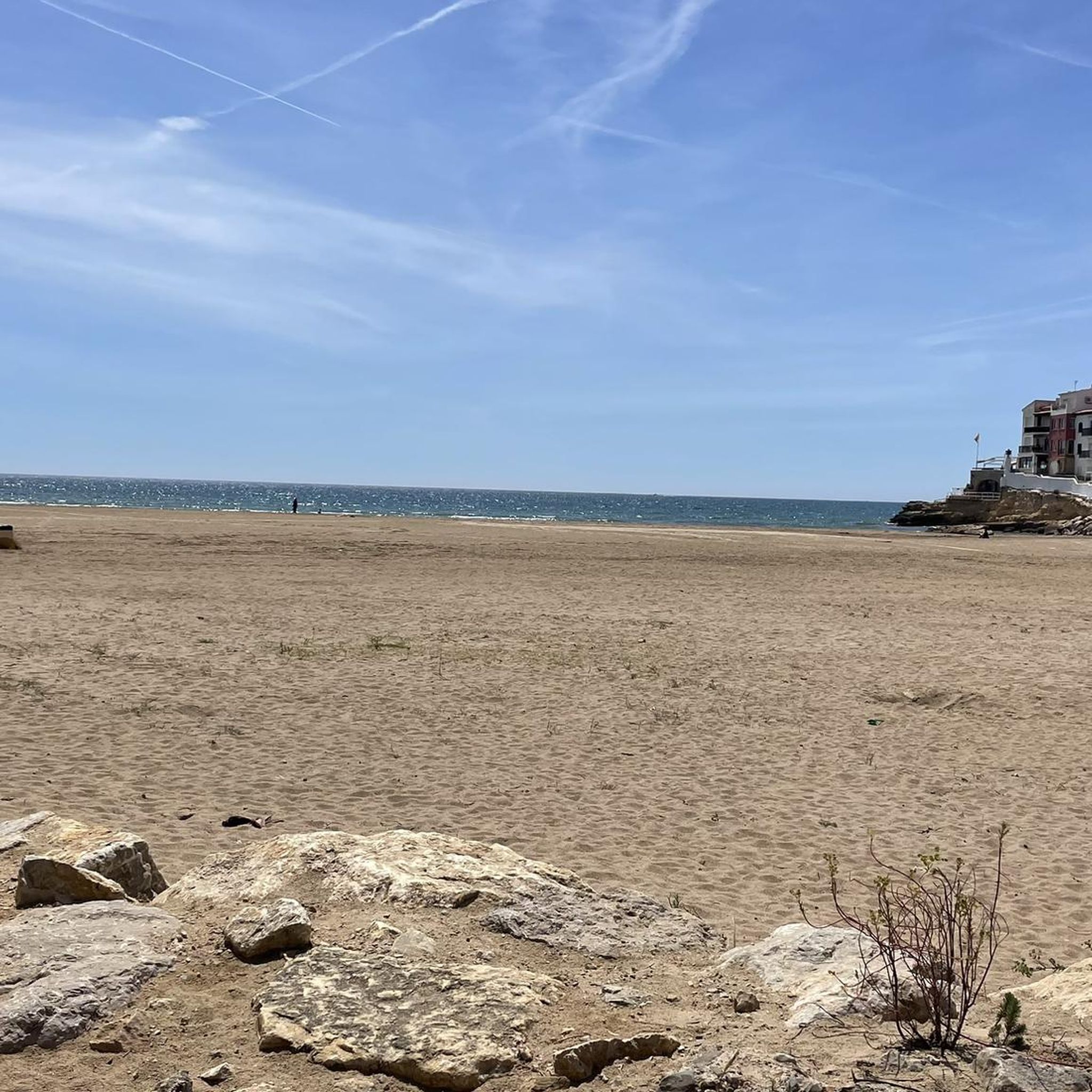
Cala Jovera Beach and Tamarit Castle
Highlight • Beach
Translated by Google •
Tip by

The Mèdol Roman Quarry
Highlight • Historical Site
A circular route with several viewing platforms and informative boards leads around the alley.
Further information: tarragonaturisme.cat/de/denkmal/der-steinbruch-von-medol
Translated by Google •
Tip by

Sign up now to discover places like this
Get recommendations on the best single tracks, peaks, & plenty of other exciting outdoor places.
Sign up for free
La Mola (Highest Point of Tarragonès)
Highlight • Summit
Translated by Google •
Tip by

Small cliff on the Torrenca coast
Highlight • Viewpoint
Translated by Google •
Tip by

La Mola
Highlight • Summit
Translated by Google •
Tip by

Sign up for free to discover even more natural monuments around Roda De Berà.
Sign up for free
Already have an account?
Start today with a free account
Your next adventure awaits.
Login or Signup
Tips from the Community

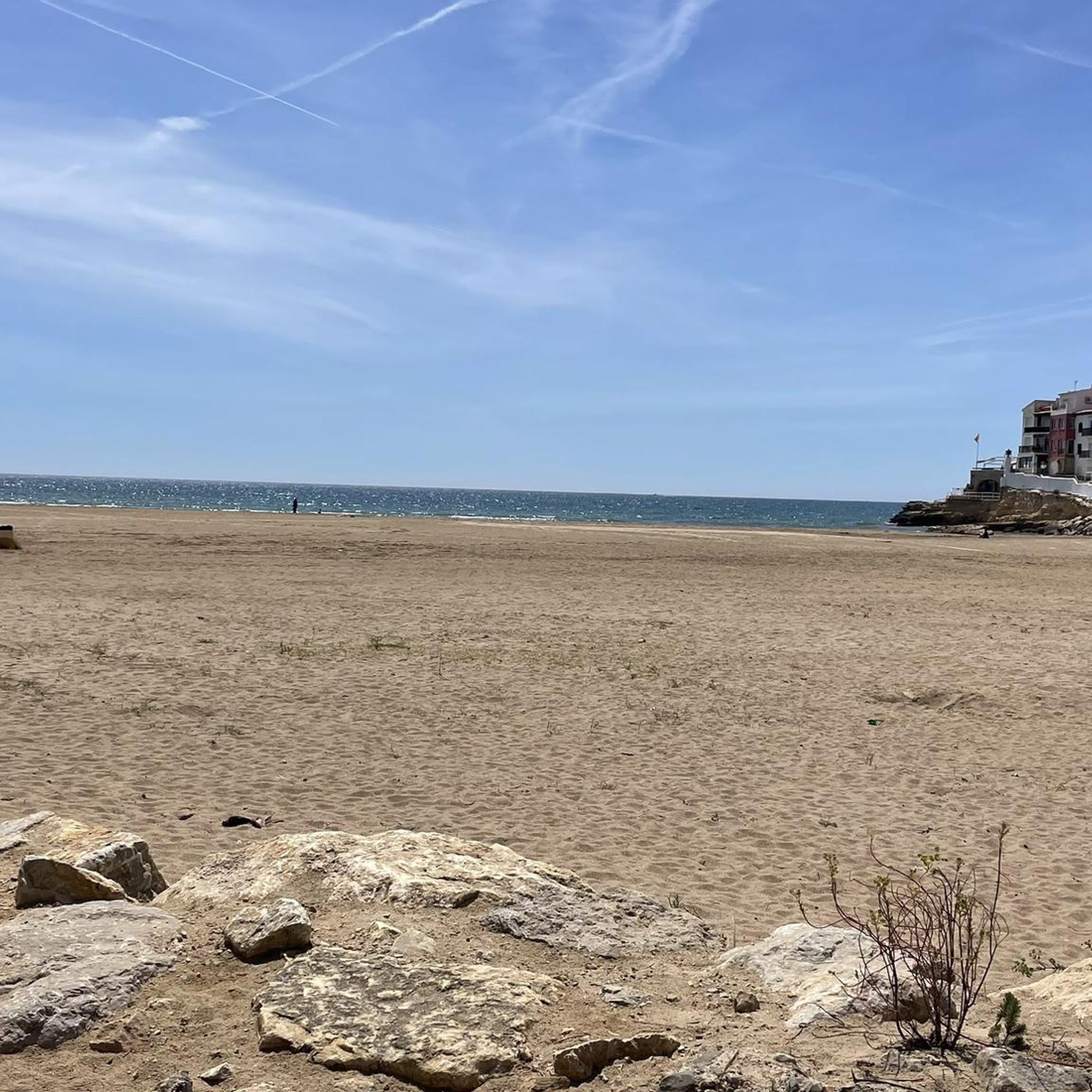
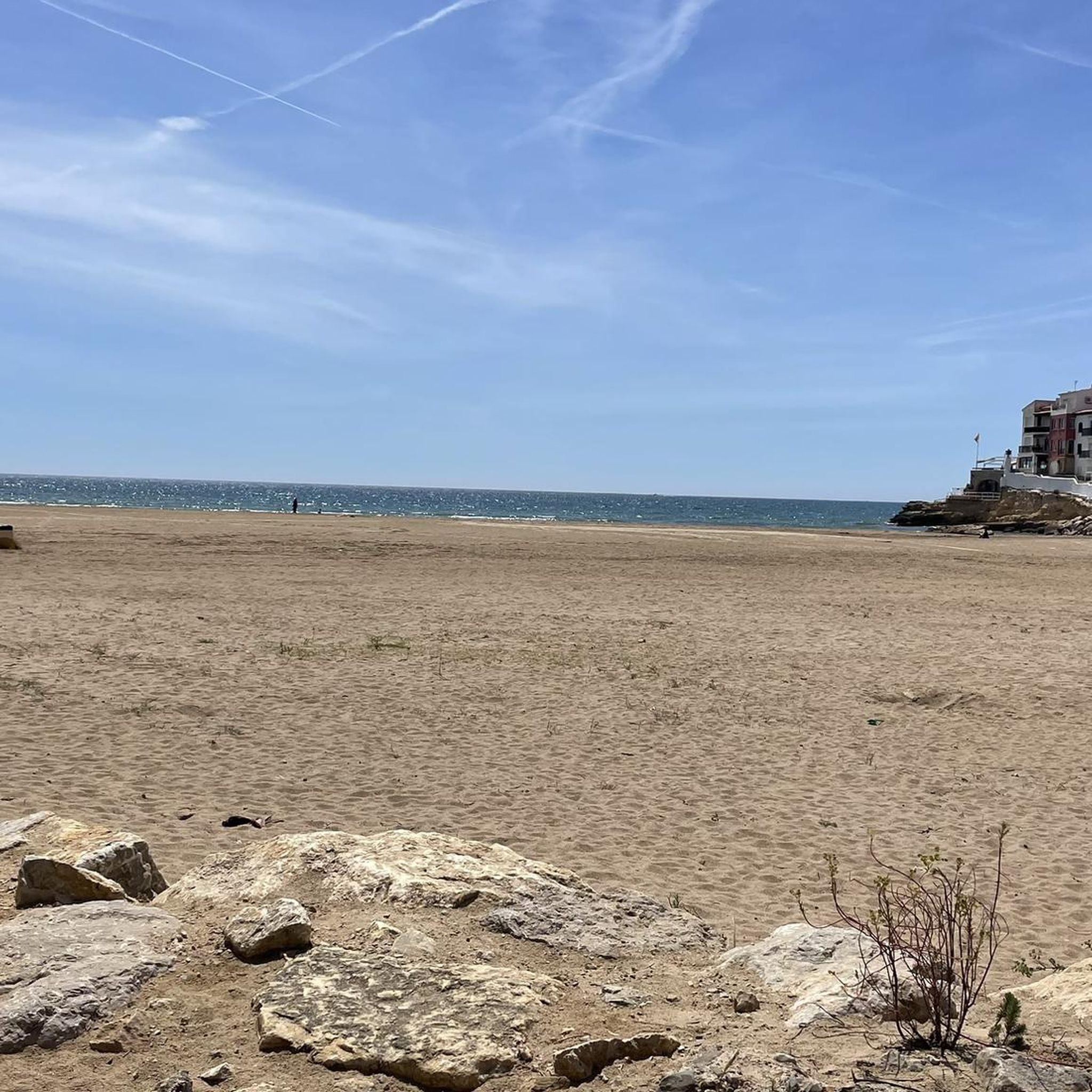
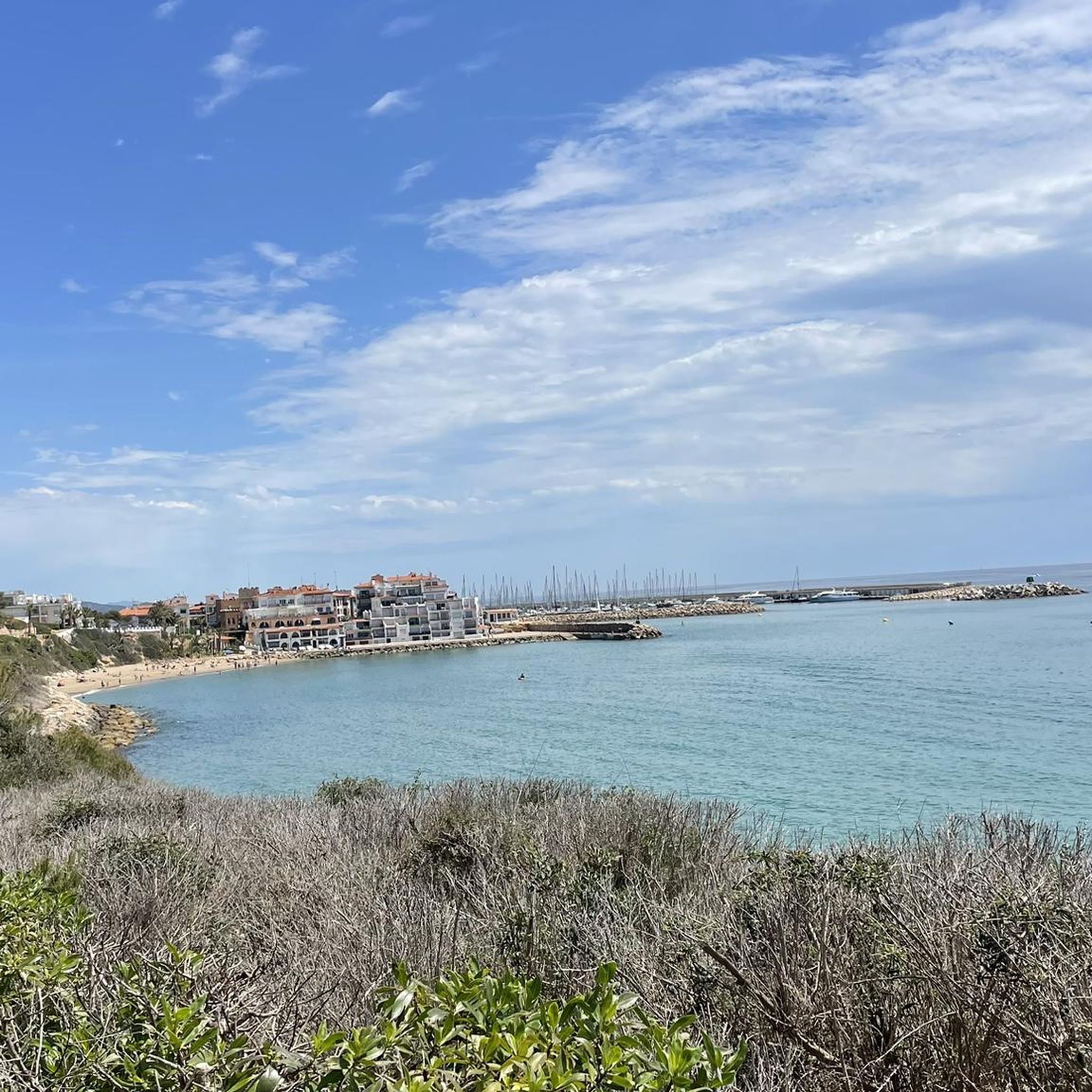
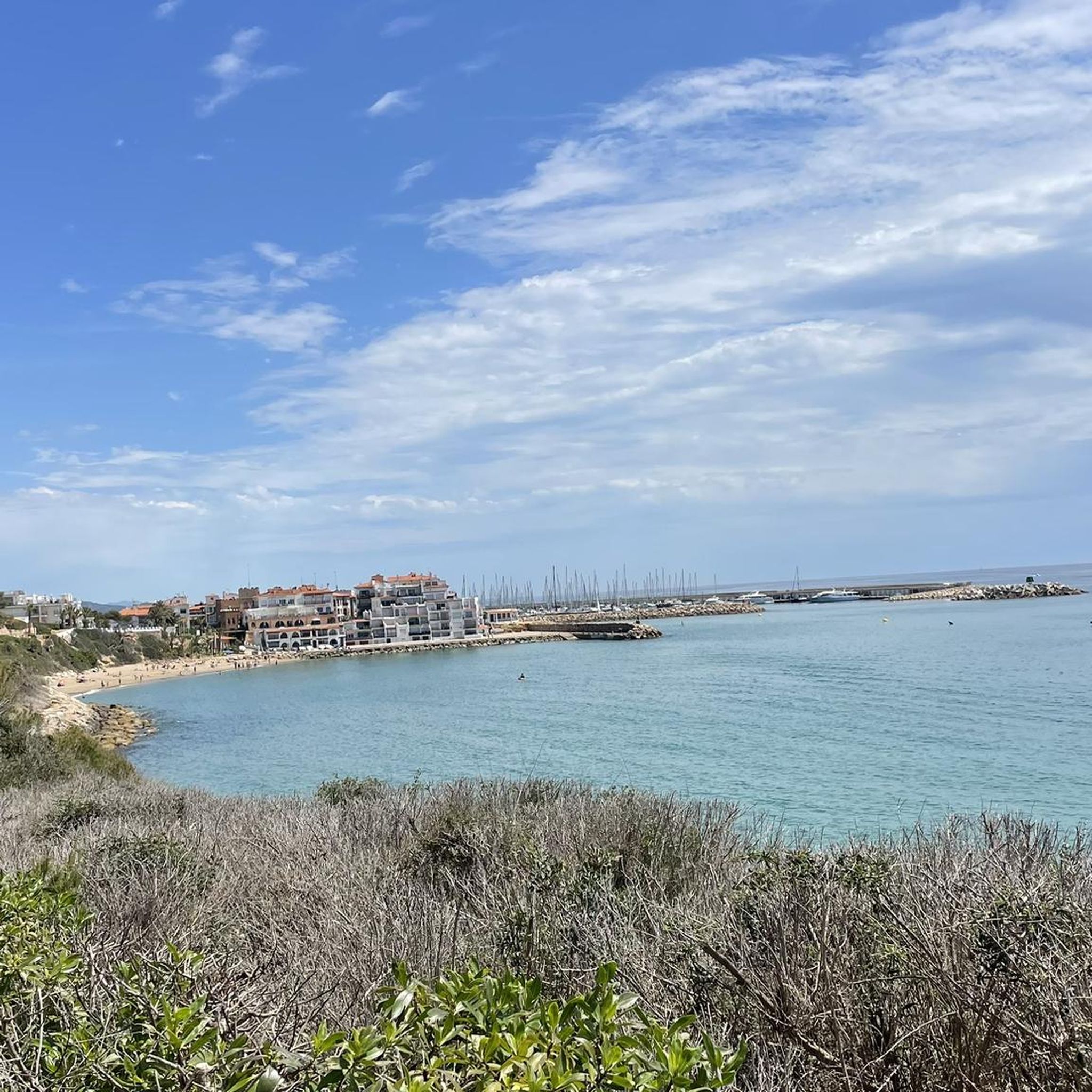
Fantastically beautiful coastal paths, all good for walking with lots of views. Best suited in the morning or evening because of the heat and little shade.
3
0

From up here you have a beautiful view.
0
0


Magnificent views of the coast of Tarragona, Creixell, Torredembarra and Altafulla. The route is ideal for walking or trail running, with stretches of track and very cool trails, the climb to the mola is quite demanding.
1
0

Impressive nature. Very beautiful.
0
0

Documented since the 11th century, it contains defensive and residence elements, with a prison, lookout towers and a Romanesque church. This church, with three naves covered with a semicircular vault and a straight head, constitutes one of the purest and early examples of Romanesque architecture in the municipality of Tarragona. Since 1681, the castle was owned by the Archbishop of Tarragona and the Marquis of Tamarit, until at the beginning of the 20th century it was bought by an American art collector, who had it restored. The surrounding fishing village became depopulated in the 19th century due to malarial fevers generated in the area's marshes. Since 1950 he has been a Tarragona attaché.
1
0

Roman Quarry of Tarragona. Getting to this point by bike is not easy, but it is worth the effort.
0
1

La Mola offers a phenomenal panoramic view. Unfortunately the forest around La Mola suffered terrible fires a couple of years ago.
3
0
Frequently Asked Questions
What are some of the most unique natural monuments to explore around Roda De Berà?
Roda De Berà offers a blend of natural beauty and historical significance. You can explore the impressive The Mèdol Roman Quarry, a historical site with unique rock formations and a circular route with viewing platforms. Another distinctive spot is Cala Jovera Beach and Tamarit Castle, which combines coastal scenery with historical architecture. For a secluded natural experience, consider Cala Roca Plana, an Area of Natural Interest only accessible on foot, known for its clear waters and distinctive yellow rocks.
Are there any natural monuments around Roda De Berà that are particularly family-friendly?
Yes, several natural monuments are suitable for families. The Mèdol Roman Quarry is considered family-friendly, offering an educational and accessible circular route. Cala Jovera Beach and Tamarit Castle also provides a great family outing, combining beach time with historical exploration.
What kind of natural features can I expect to see along the Roda De Berà coast?
The Roda De Berà coastline is rich in natural features. You'll find secluded coves like Cala Roca Plana, characterized by clear, tranquil waters and fine golden sand. The beaches are also home to valuable coastal dunes, which are dynamic natural formations crucial for coastal protection and biodiversity. You can also discover small cliffs, such as the Small cliff on the Torrenca coast, offering elevated views of the sea.
What outdoor activities can I do near the natural monuments in Roda De Berà?
The area around Roda De Berà's natural monuments is excellent for various outdoor activities. You can find numerous hiking trails, including easy coastal paths and more demanding routes to viewpoints. For example, there are several hiking routes like the 'Viewpoint of Roda de Berà – Camí de Ronda Coastal Path loop' which are easy and offer scenic views. You can find more details on these and other routes in the Hiking around Roda De Berà guide.
Are there any good running trails near the natural monuments?
Yes, there are several running trails that allow you to experience the natural beauty of the region. Routes like the 'Platja dels Capellans – Camí de Ronda Coastal Path loop' offer moderate difficulty and coastal scenery. For more options, check out the Running Trails around Roda De Berà guide.
Where can I find panoramic views of the landscape and coastline?
For extensive vistas, head to La Mola (Highest Point of Tarragonès). This summit offers phenomenal panoramic views of the surrounding landscape and coastline, including Tarragona, Creixell, Torredembarra, and Altafulla. Another viewpoint is Small cliff on the Torrenca coast, which offers a place to contemplate the vastness of the sea.
What is the best time of year to visit the natural monuments in Roda De Berà for hiking?
While specific seasonal advice isn't provided, coastal paths and elevated viewpoints are generally best enjoyed in the morning or evening during warmer months to avoid the midday heat, as shade can be limited. Spring and autumn offer pleasant temperatures for exploring the region's natural beauty without extreme heat or cold.
Are there any natural monuments that also have historical significance?
Absolutely. The Mèdol Roman Quarry is a prime example, being an ancient Roman quarry that has become a natural monument over time. Similarly, Cala Jovera Beach and Tamarit Castle combines a beautiful beach with a historic castle, offering both natural and cultural interest.
Can I find mountain biking trails near the natural monuments?
Yes, the region offers mountain biking opportunities. You can find trails that pass through diverse landscapes, such as 'The Mèdol Roman Quarry – View of Castillo de Ferran loop'. More MTB routes are detailed in the MTB Trails around Roda De Berà guide.
What do visitors enjoy most about the natural monuments around Roda De Berà?
Visitors frequently praise the impressive natural beauty and the stunning panoramic views. Many appreciate the tranquility and unspoiled nature of places like Cala Roca Plana. The combination of natural landscapes with historical elements, such as at The Mèdol Roman Quarry, is also a highlight, offering both exploration and educational value.
Are there any hidden natural gems or secluded spots?
Cala Roca Plana (also known as Platja de Becs) is considered a true natural gem. Its secluded nature and access only on foot via a scenic path through a forest contribute to its low occupancy, offering a peaceful and unspoiled escape. It's an Area of Natural Interest known for its clear waters and distinctive yellow rocks.
What is the significance of the coastal dunes in Roda De Berà?
The coastal dunes along Roda De Berà's beaches are not just sand formations; they are a valuable and dynamic natural ecosystem. They play a crucial role in coastal protection by acting as natural barriers against erosion and storms, preserving the shoreline. These dunes also provide a unique habitat for various flora and fauna adapted to sandy coastal conditions, making them important for biodiversity and conservation efforts.
Most popular routes around Roda De Berà
Most popular attractions around Roda De Berà

Get inspired with the komoot mobile app


Explore more
Extend your search for the best caves by checking out these guides of the top ones around Roda De Berà:
