Top 10 Mountain Passes around Tornavacas
Mountain passes around Tornavacas are situated in the westernmost part of the Sierra de Gredos, forming a natural border between the provinces of Cáceres and Ávila. The region is characterized by its mountainous terrain, including the prominent Puerto de Tornavacas at an altitude of 1,275 meters. This area holds historical significance as a natural gateway and a point on the "Imperial Route," traversed by Emperor Charles V. The landscape features diverse habitats, from alpine pastures to dehesa woodlands.
Best mountain…
Last updated: May 4, 2026
Honduras Pass
Highlight (Segment) • Mountain Pass
Translated by Google •
Tip by

Hell's Pass
Highlight • Climb
Translated by Google •
Tip by

Sign up now to discover places like this
Get recommendations on the best single tracks, peaks, & plenty of other exciting outdoor places.
Sign up for free
Hoya Moros
Highlight • Natural Monument
Translated by Google •
Tip by

Viewpoint of the Puerto de Tornavacas
Highlight • Viewpoint
Translated by Google •
Tip by

Travieso Pass
Highlight • Mountain Pass
Translated by Google •
Tip by

Sign up for free to discover even more mountain passes around Tornavacas.
Sign up for free
Already have an account?
Start today with a free account
Your next adventure awaits.
Login or Signup
Tips from the Community

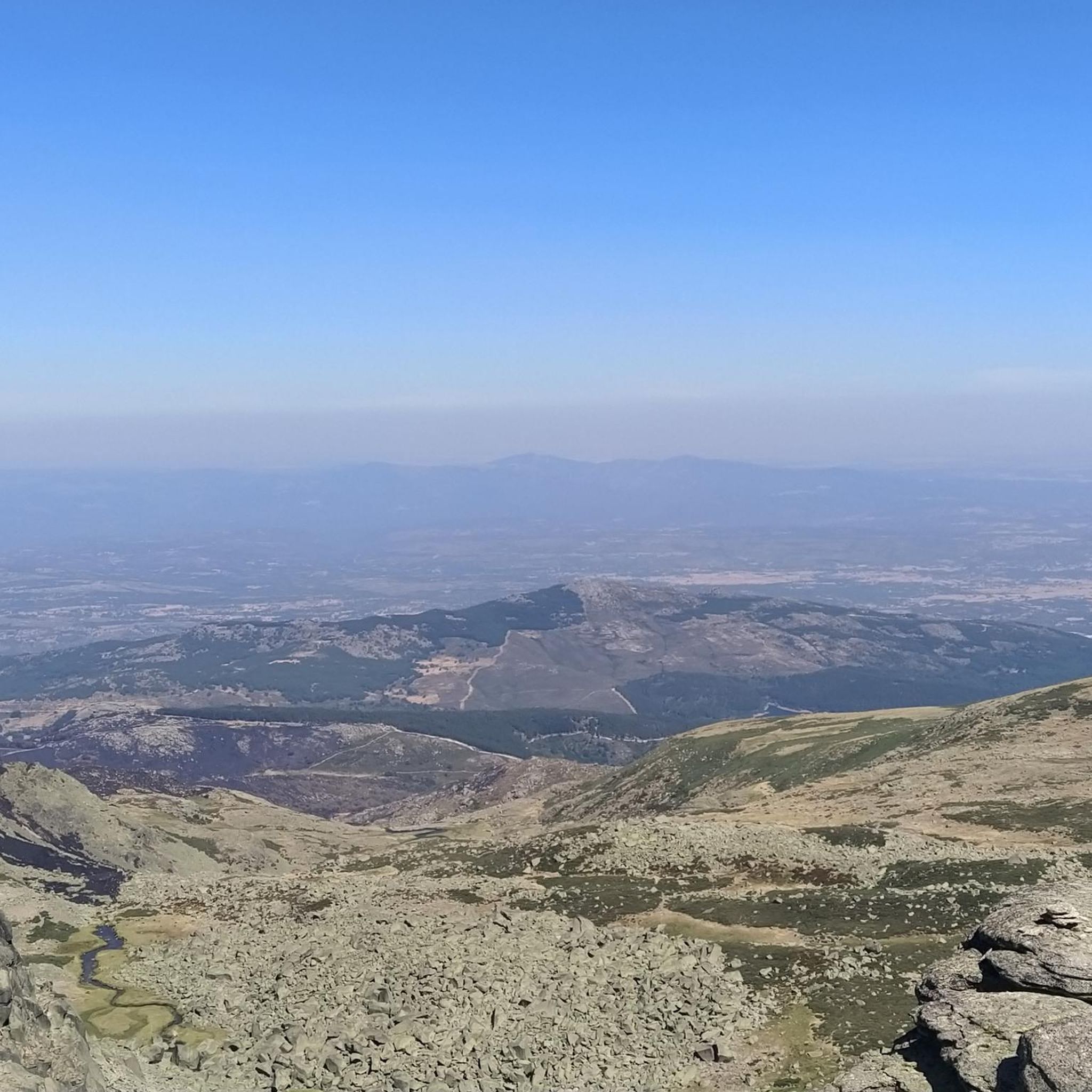
17 kilometers of mountain pass (on both sides, Ambroz Valley from Hervás or Jerte Valley from Cabezuela del Valle). From Cabezuela del Valle, the first 12 kilometers average an average gradient of 7%, with some 10% gradients, and from the 12th kilometer onward, there are some rest stops with wonderful views. This side has a gradient of approximately 900 meters, up to 1,430 meters.
0
0

Beautiful port between the Ambroz Valley and the Jerte Valley with a constant slope of about 6%
0
0

This is one of the best-known mountain passes in the Sierra de Gredos area and is also important as it separates the two most important basins in the Iberian Peninsula, the Duero and the Tagus.
0
0

At a distance of just 2 km from the Collado de Los Buitres mountain pass, a good area to enjoy nature and breathe fresh air.
7
0

Spectacular views from this mountain pass. The Port of Honduras is located at 1440 meters above sea level on the CC-120 highway. The ascent from Hervás has about 17km gaining 920m with an average gradient of 5.2%
1
0
Altimetry: El Alto del Travieso is a port with very constant slopes and hardly any rest. In fact, we have 11 km with average inclines greater than 7%, although we will not find double-digit inclines on average. This is a tough climb, but without a maximum level of demand, which I consider highly recommendable.
0
0

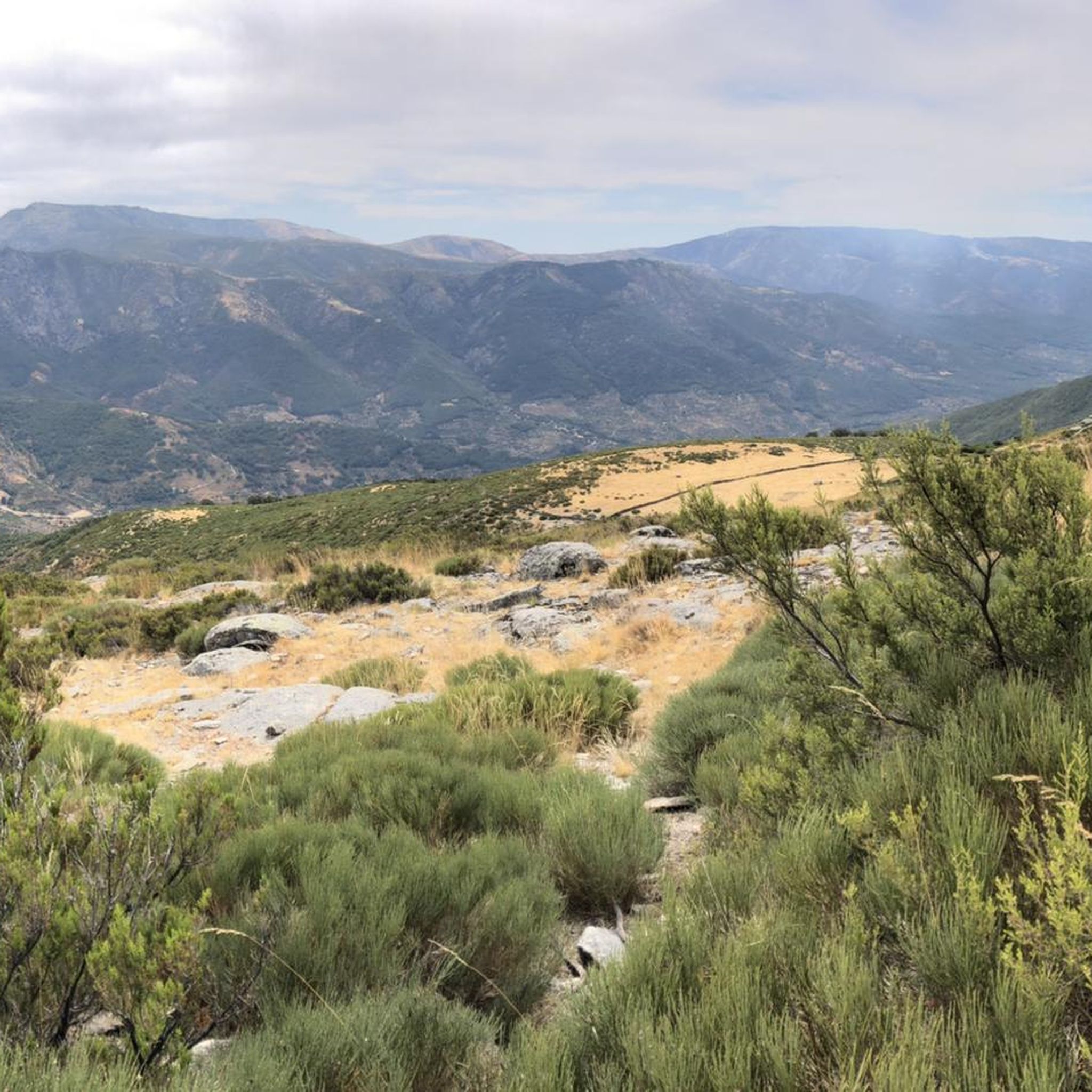
Nice valley in the heart of the Sierra de Candelario with beautiful views. If you are on your way to the top of Torreón from here the journey becomes quite demanding and through technical sectors, go carefully and firmly to enjoy this beautiful place!
2
0
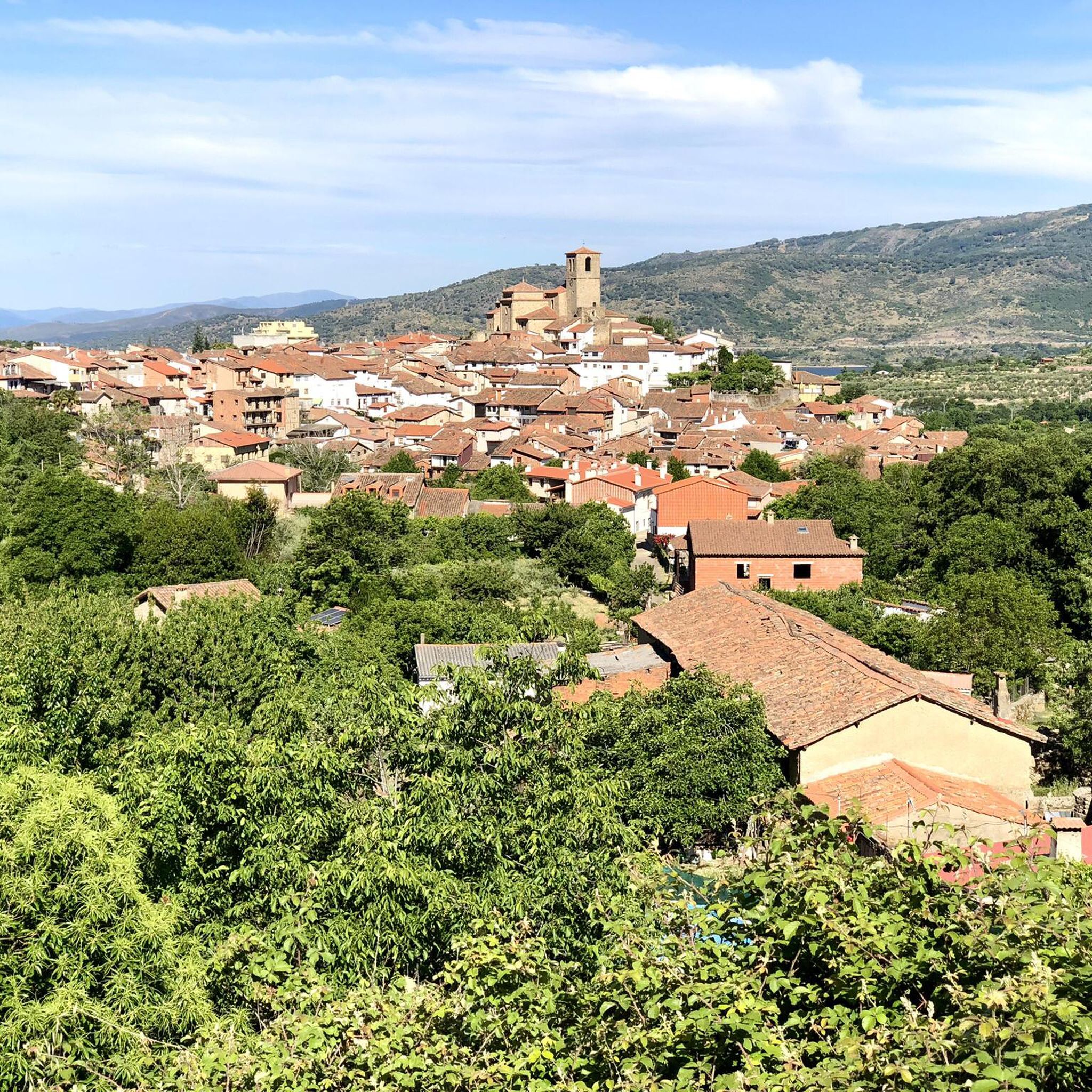
Located at 1,275 meters above sea level, it is recognized as a historic mountain pass in the Sierra de Gredos and represents the physical division point of the Duero and Tagus basins. This site has been the passage of several civilizations. over the centuries and represents a site of great historical importance for the area.
1
1
Frequently Asked Questions
What are some popular mountain passes to visit around Tornavacas?
Among the well-regarded mountain passes in the area, you'll find the Honduras Pass, known for its spectacular views and a consistent average gradient, located at 1440 meters above sea level. Another significant spot is the Viewpoint of the Puerto de Tornavacas, which is not only a historical pass but also offers breathtaking vistas from 1,275 meters, marking the division between the Duero and Tagus basins.
What kind of panoramic views can I expect from the mountain passes around Tornavacas?
The mountain passes, particularly the Puerto de Tornavacas, offer spectacular panoramic views. From its viewpoint, you can appreciate the straight physiognomy of the Jerte Valley, a result of a geological fault. To one side, you'll see the snowy peaks of the Sierra de Gredos, and to the other, the Sierra de Béjar.
What is the best time to visit the mountain passes around Tornavacas?
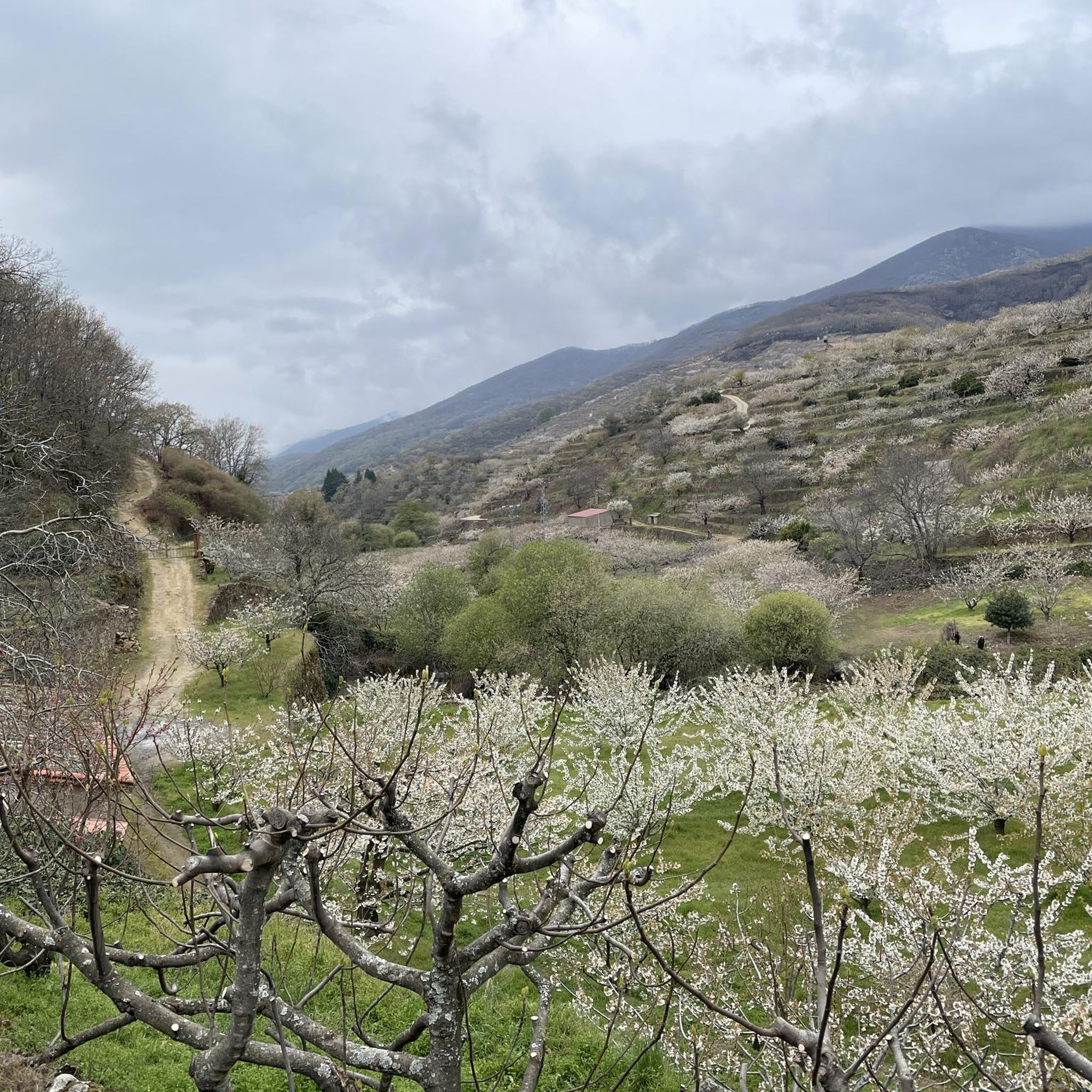
Visiting in late March is highly recommended, especially if you wish to witness the spectacular cherry blossom in the Jerte Valley, which transforms the landscape into a vibrant display of color. The Puerto de Tornavacas serves as an excellent vantage point for this natural phenomenon. While winter offers beautiful snow-capped peaks, it can be very cold, and vehicle chains may be necessary.
Are there any historical sites or significance associated with the mountain passes?
Yes, the mountain passes, especially the Puerto de Tornavacas, hold rich historical significance. It served as a natural gateway from the Kingdom of Castile into Extremadura and was historically used by transhumant livestock herds. It's also a significant point on the 'Imperial Route' or 'Camino Imperial de Yuste,' as Emperor Charles V traversed this pass on his journey to the Monastery of Yuste. Remnants of the ancient Roman road he used can still be seen.
Are there opportunities for birdwatching near the mountain passes?
The Puerto de Tornavacas area is an interesting spot for ornithology enthusiasts. It allows for the observation of numerous alpine bird species directly from the roadside. The diverse habitats, transitioning from alpine pastures to dehesa woodlands, attract various bird species, especially during migratory periods in autumn and spring, and throughout the bustling summer.
What are some challenging mountain passes for experienced hikers or cyclists?
For those seeking a challenge, Hell's Pass is a demanding climb that may require the use of a chain and some skill to navigate. Another challenging option is Hoya Moros, which offers a difficult climb, particularly towards El Calvitero, but rewards with beautiful views.
What outdoor activities can I do near these mountain passes?
The region around Tornavacas offers a variety of outdoor activities. You can explore numerous running trails, such as the 'Hoya Moros and El Torreón Loop' or the 'Trabuquete Trail - Old Castile Path'. For cyclists, there are many road cycling and touring bicycle routes, including the 'Puerto de Honduras – Honduras Pass loop' or the 'Jerte River – Puerto de Honduras loop'. You can find more details on these activities in the Running Trails around Tornavacas, Road Cycling Routes around Tornavacas, and Cycling around Tornavacas guides.
Are there any intermediate mountain passes for those looking for a moderate challenge?
Yes, the Travieso Pass is considered an intermediate mountain pass. It features constant slopes with few resting points, making it a demanding climb without extreme difficulty. It's a highly recommendable route for those looking for a good workout without reaching maximum demand.
What geological features are present in the mountain passes area?
The Puerto de Tornavacas is situated on the divide between the Duero and Tagus river basins, overlying the impressive Plasencia Fault, a major tectonic feature that is visible down the Jerte River. The straight physiognomy of the Jerte Valley itself is a result of this geological fault.
How accessible are the mountain passes, and what are the conditions like in winter?
The Puerto de Tornavacas is easily accessible by road. While the ascent from El Barco de Ávila is considered easy, the climb from the town of Tornavacas can be more challenging. In winter, the views are beautiful with snow-capped peaks, but it can be very cold, and chains may be necessary for vehicles due to snow and ice.
What do visitors enjoy most about the mountain passes around Tornavacas?
Visitors particularly appreciate the spectacular panoramic views, especially over the Jerte Valley, and the historical significance of the passes. The area is also loved for its diverse natural beauty, from alpine pastures to dehesa woodlands, and the opportunity to witness events like the cherry blossom spectacle in spring.
Most popular attractions around Tornavacas

Get inspired with the komoot mobile app


Explore more
See even more epic mountain passes by checking out these guides around Tornavacas:
