Top 20 Natural Monuments around Guixers
Natural monuments around Guixers, a municipality in Catalonia's Solsonès region, offer diverse natural features. The area is characterized by its mountainous terrain, including significant peaks and passes, and provides panoramic views of reservoirs and mountain ranges. These natural landmarks are often integrated into hiking routes, making them accessible for exploration. The region's natural beauty and opportunities for outdoor activities contribute to its appeal.
Best natural monuments around Guixers
- The most popular natural monuments is Bald Hen Peak, a summit…
Last updated: July 1, 2026
Bald Hen Peak
Highlight • Summit
Translated by Google •
Tip by

Abandoned Village of Peguera
Highlight • Settlement
Translated by Google •
Tip by

Sign up now to discover places like this
Get recommendations on the best single tracks, peaks, & plenty of other exciting outdoor places.
Sign up for free
The Capolatell (Busa Prison)
Highlight • Natural Monument
Translated by Google •
Tip by

El Collell Pass
Highlight • Mountain Pass
Translated by Google •
Tip by

La Mola Pass
Highlight • Mountain Pass
Translated by Google •
Tip by

Sign up for free to discover even more natural monuments around Guixers.
Sign up for free
Already have an account?
Start today with a free account
Your next adventure awaits.
Login or Signup


Tips from the Community

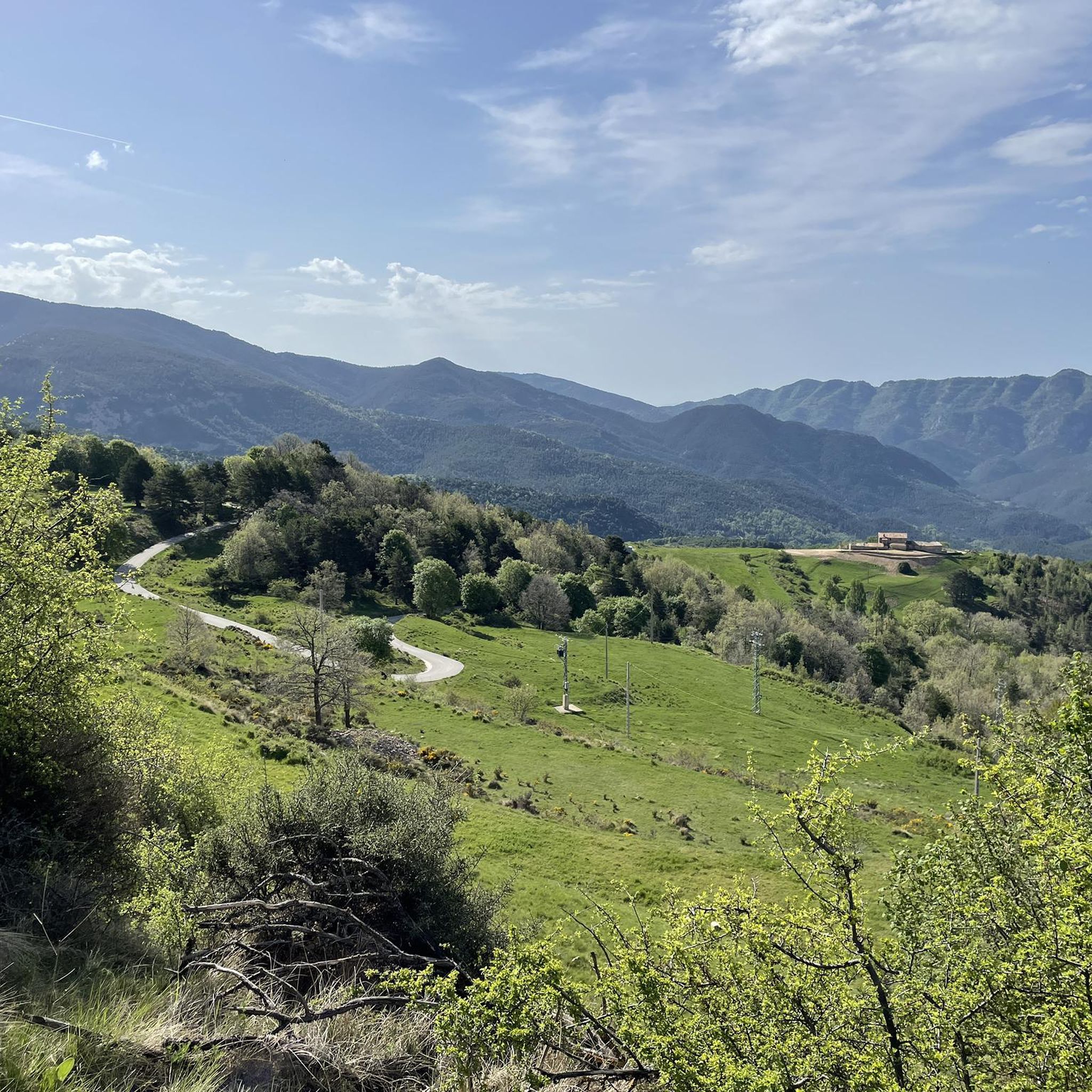
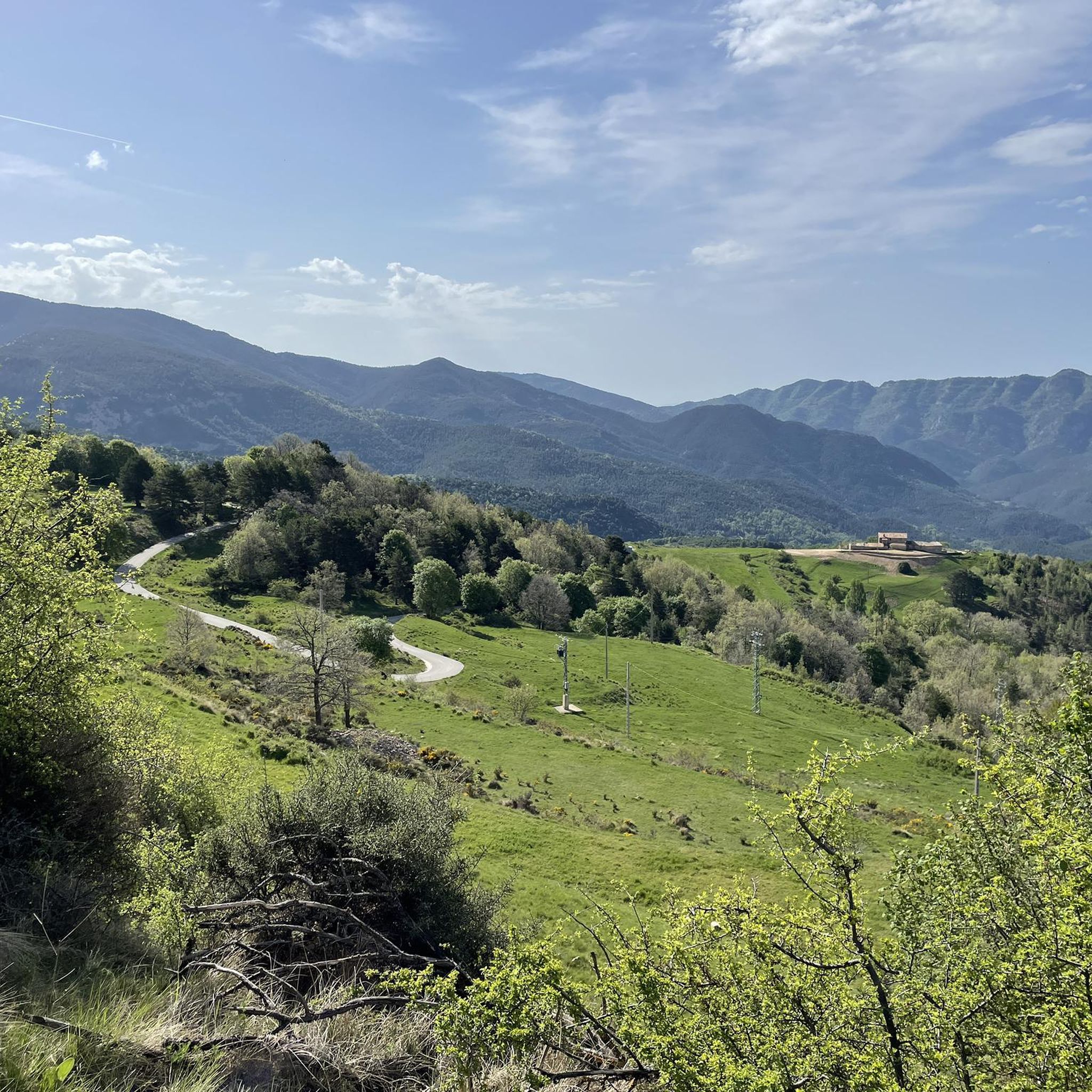
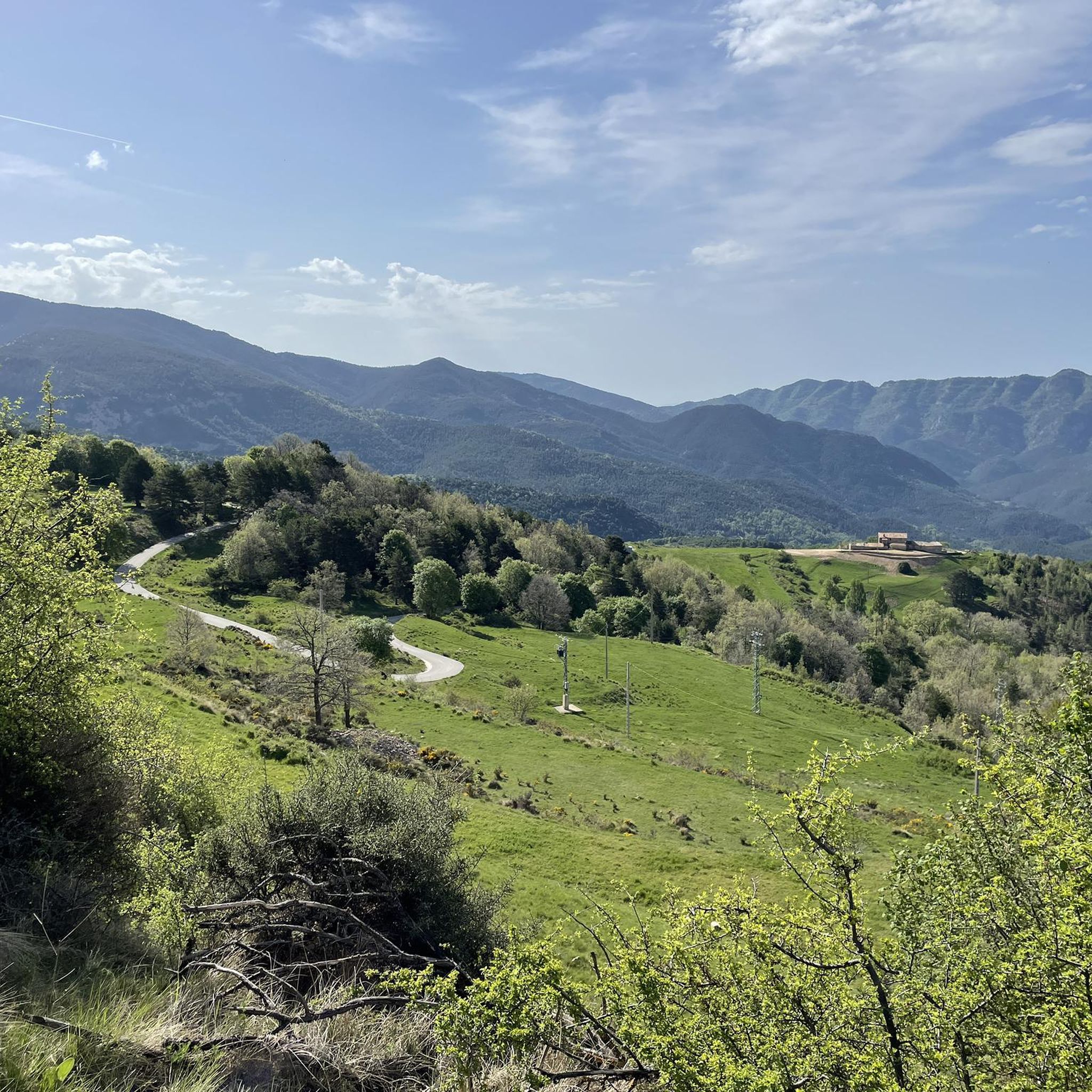
A lonely and windy mountain pass, surrounded by Scots pine forests and high meadows with panoramic views towards Cadí and Pedraforca. It is one of those points where silence weighs heavily and only the wind and the occasional bird can be heard. On a mountain bike, the climb is constant and with sections of loose stone that test technique and patience. Tip: keep a smooth and steady pace, and save your strength for the descent, which is fast and has tight bends that require concentration and a firm hand on the brakes.
0
0

very good summit, it is important to book in advance if you want to sleep in the refuge. Easy climb and beautiful place!
0
0

Located at an altitude of 1,600 meters, Peguera is an abandoned village belonging to the municipality of Fígols. Its peak mining activity was experienced in the late 19th and mid-20th centuries, thanks to the high level of mining activity. The abandonment of the coal mines further depopulated Peguera, leaving it in its current state, where most of the houses are in ruins.
0
0

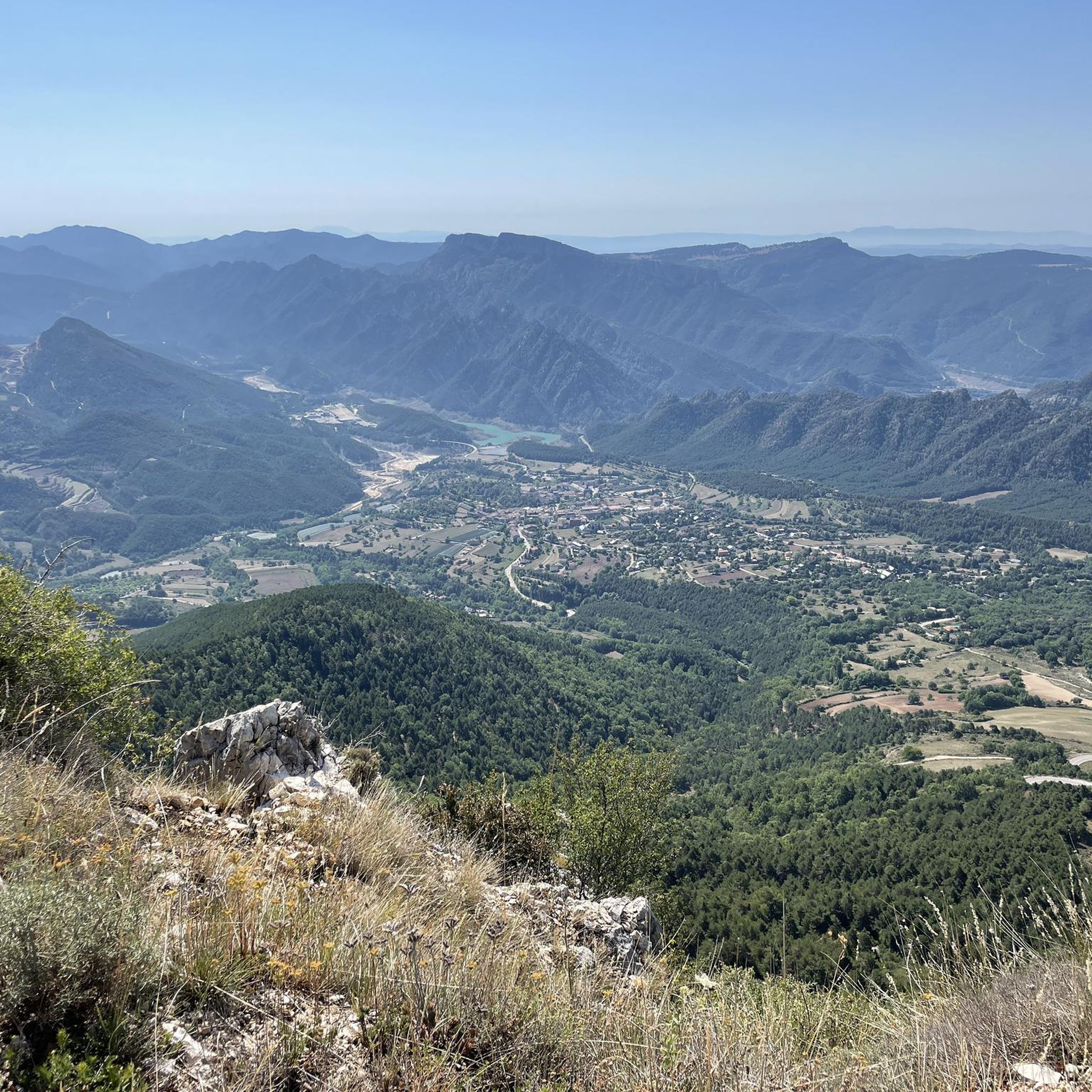
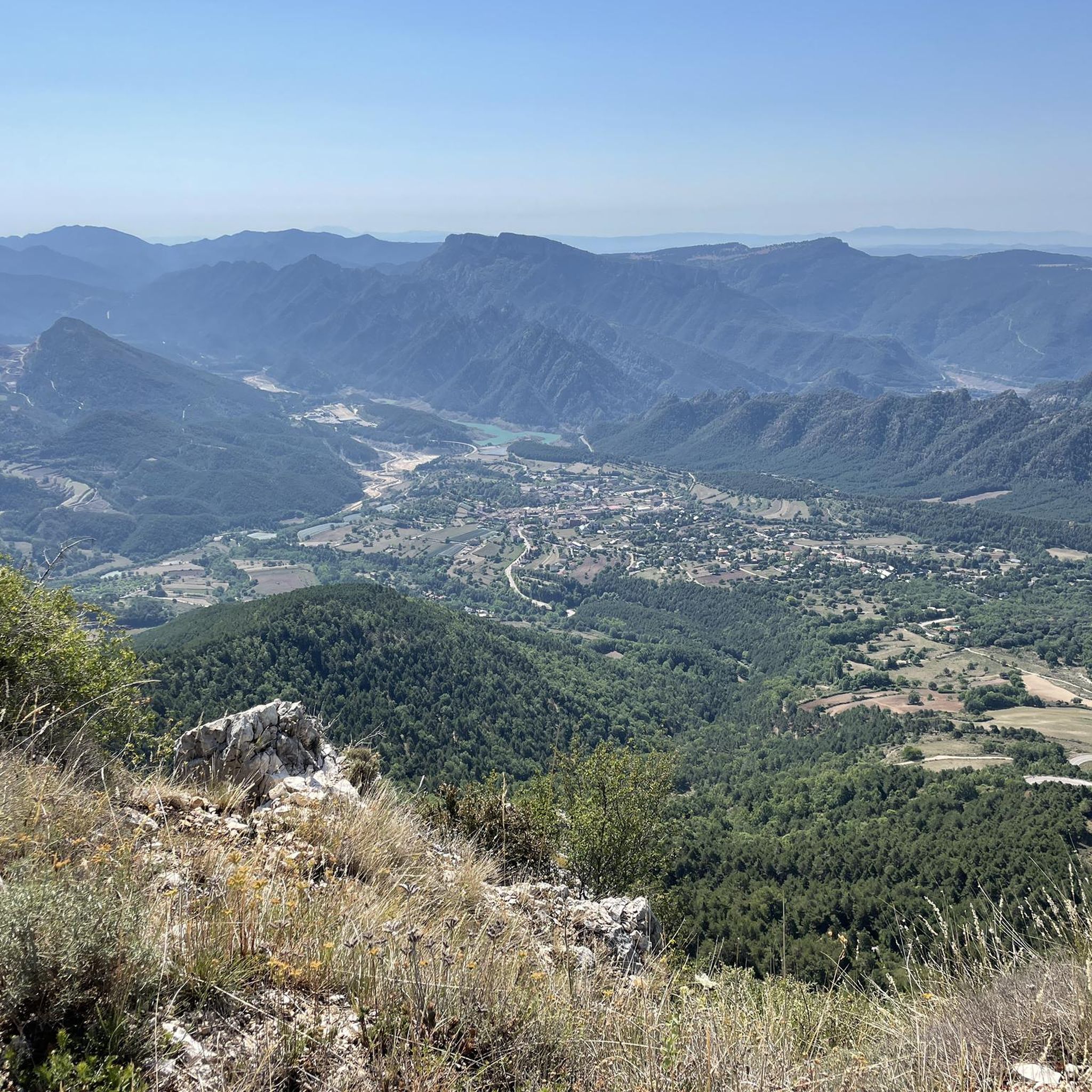
360 Panoramic Views and Pedraforca
0
0

very nice track even in the heat
1
0

Also a good starting point (and car park) for a hike to the Vall d'Els Cortils or to the Costa dels Cabirols.
0
0

good route In winter, you need crampons!
2
0

Abandoned village in Fígols, in the Berguedà region. It is about 1,600 meters above sea level, at the head of the Peguera valley. Its depopulation is due to the abandonment of the Fígols mines. Above the houses is the rock of Peguera, where the castle of Peguera was, which from 1390 was the center of the Barony of Peguera.
0
0
Frequently Asked Questions
What unique natural features can I explore around Guixers?
The region around Guixers offers a variety of impressive natural features. You can discover geological formations like the natural bridge of Pont Cabradís spanning the Aigua de Valls river, or the narrow, erosion-formed Canal de Canalda. The area is also known for its dramatic landscapes, including high peaks and mountain passes.
Are there any natural monuments with historical significance near Guixers?
Yes, the area combines natural beauty with rich history. For instance, the Abandoned Village of Peguera, located at 1,600 meters, offers a unique historical perspective within a natural setting, showcasing the region's past mining activity. Another notable site is The Capolatell (Busa Prison), a natural fortress used as a prison during the French War of Independence, surrounded by cliffs.
What kind of panoramic views can I expect from the natural monuments?
Many natural monuments around Guixers offer breathtaking panoramic views. From Bald Hen Peak, you can enjoy spectacular vistas of the Pedraforca and Serra d'Ensija. The Josep Cases Viewpoint, overlooking the Pantà de la Llosa del Cavall, provides excellent opportunities to appreciate the region's diverse landscape, including reservoirs and mountain ranges.
What outdoor activities can I do near these natural monuments?
The natural monuments are often integrated into various outdoor routes. You can find numerous options for mountain hiking, with trails like the Pollegó Superior Summit loop or the El Collell Pass – Lluís Estasen Refuge loop. For cyclists, there are extensive gravel biking routes, such as the Les Bassotes Pass – Coll de Josa loop, and challenging road cycling routes like the Serra d'Ensija - Circular Tour of the Cadí Moixeró Natural Park. You can explore these and more on the Mountain Hikes around Guixers, Gravel biking around Guixers, and Road Cycling Routes around Guixers guide pages.
Are there any mountain passes that are considered natural monuments?
Yes, the region features significant mountain passes that are recognized as natural monuments and offer access to various trails and viewpoints. El Collell Pass, situated at about 1800 meters, marks the intersection of several well-known routes. Another beautiful pass is La Mola Pass, which offers views over the west side of Pedraforca.
What is the geology and terrain like around Guixers' natural monuments?
The terrain around Guixers is predominantly mountainous, characterized by significant peaks, passes, and dramatic geological formations. The area features Montserrat conglomerates, evident in sites like The Capolatell, which is notched by numerous chasms. Erosion has also shaped unique features like natural bridges and narrow channels, showcasing the powerful natural forces at play in the Solsonès region.
What do visitors enjoy most about the natural monuments around Guixers?
Visitors frequently praise the spectacular views, the diverse landscape, and the integration of historical sites within the natural environment. The komoot community has shared over 30 photos and given more than 30 upvotes, highlighting the appeal of high peaks, scenic passes, and the unique blend of nature and history found in the area.
Are there family-friendly options for exploring natural monuments in Guixers?
While many routes in the mountainous terrain can be challenging, there are often accessible sections or viewpoints that families can enjoy. For example, viewpoints like Josep Cases offer scenic appreciation without requiring extensive hiking. When planning, look for trails described as 'easy walks' or those with shorter distances, which are often integrated into the natural exploration of the area.
What is the best time of year to visit the natural monuments around Guixers?
The best time to visit largely depends on the activities you plan. Spring and autumn generally offer pleasant temperatures for hiking and exploring, with vibrant foliage or blooming wildflowers. Summer can be warm, especially at lower altitudes, but higher peaks and passes provide cooler conditions. Winter offers a different experience, with potential for snow, which can make some routes more challenging but also very picturesque.
Are there any hidden natural gems or less-known spots worth discovering?
Beyond the more prominent highlights, the region is rich with smaller, equally impressive natural features. The narrow Canal de Canalda, for instance, offers an interesting natural formation often part of hiking routes. Exploring local trails can reveal many such unique topographical characteristics and serene spots off the main path.
How long should I plan for a visit to the natural monuments?
The duration of your visit can vary greatly depending on your interests. For a quick scenic stop at a viewpoint like Josep Cases, an hour might suffice. If you plan to hike to a summit like Bald Hen Peak or explore historical sites like the Abandoned Village of Peguera, you should allocate a half-day or a full day, especially if combining it with a longer trail. Many visitors spend several days to fully experience the diverse natural and historical offerings.
Most popular routes around Guixers
Most popular attractions around Guixers

Get inspired with the komoot mobile app


Explore more
Extend your search for the best caves by checking out these guides of the top ones around Guixers:
