Top 20 Natural Monuments around Santa Pau
Natural monuments around Santa Pau are situated within the Parc Natural de la Zona Volcànica de la Garrotxa, showcasing the region's volcanic landscape and ecosystems. This area features geological formations and natural beauty. The landscape is characterized by extinct volcanoes, unique forests, and diverse terrain. It offers opportunities to explore natural features shaped by ancient volcanic activity.
Best natural monuments around Santa Pau
- The most popular natural monuments is Santa Margarida Volcano, a volcano that features a Romanesque hermitage…
Last updated: July 1, 2026
Santa Margarida Volcano
Highlight • Volcano
Translated by Google •
Tip by

Croscat Volcano Scoria Slopes
Highlight • Volcano
Translated by Google •
Tip by

Sign up now to discover places like this
Get recommendations on the best single tracks, peaks, & plenty of other exciting outdoor places.
Sign up for free
Puigsacalm
Highlight • Summit
Translated by Google •
Tip by

Llierca Bridge
Highlight • Bridge
Tip by

Santa Margarida Volcano Crater
Highlight • Volcano
Translated by Google •
Tip by

Sign up for free to discover even more natural monuments around Santa Pau.
Sign up for free
Already have an account?
Start today with a free account
Your next adventure awaits.
Login or Signup

Tips from the Community

Beautiful relaxing place 😀
0
0

The area east of the bridge is not particularly suitable for gravel bikes. The bridge is definitely worth a visit.
0
0

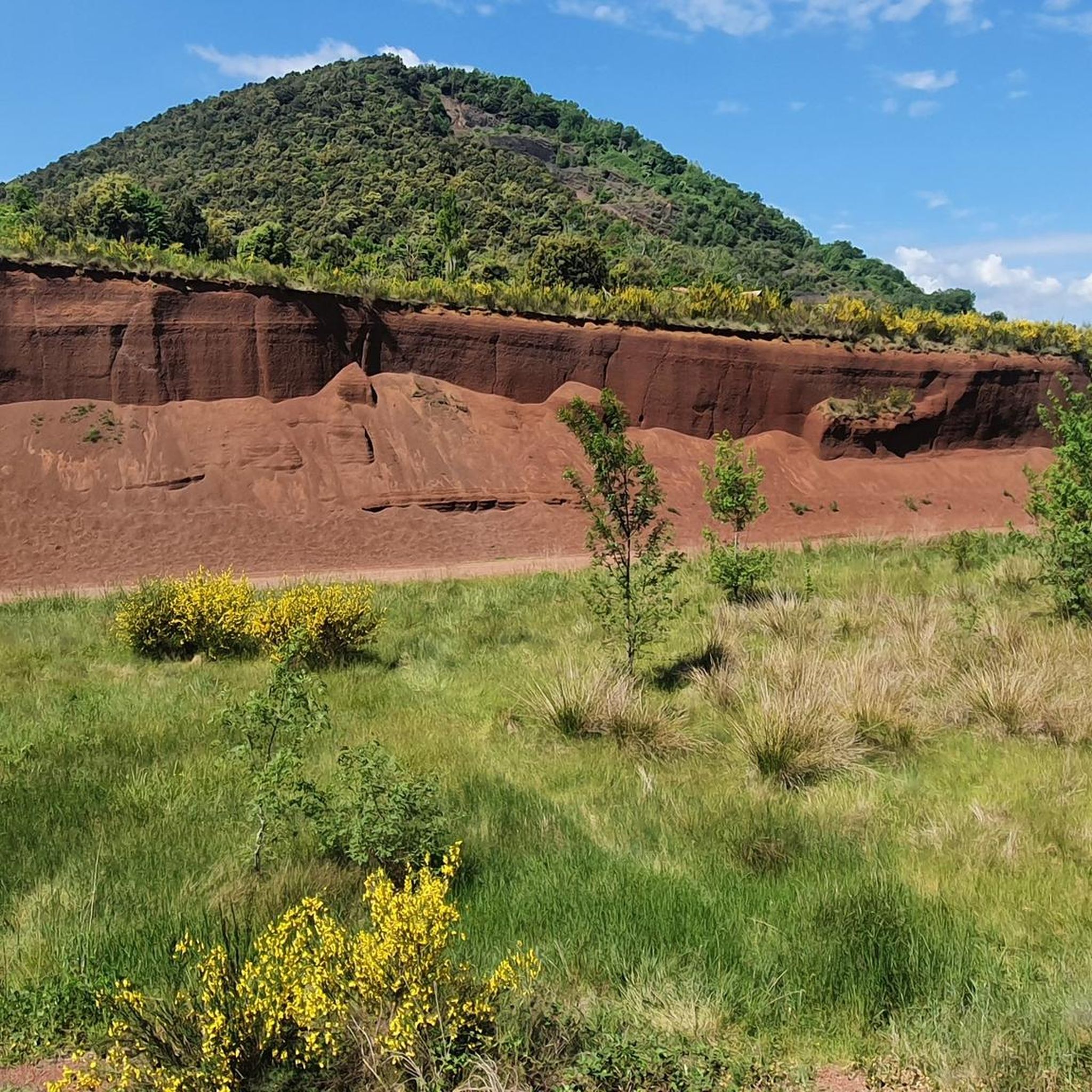
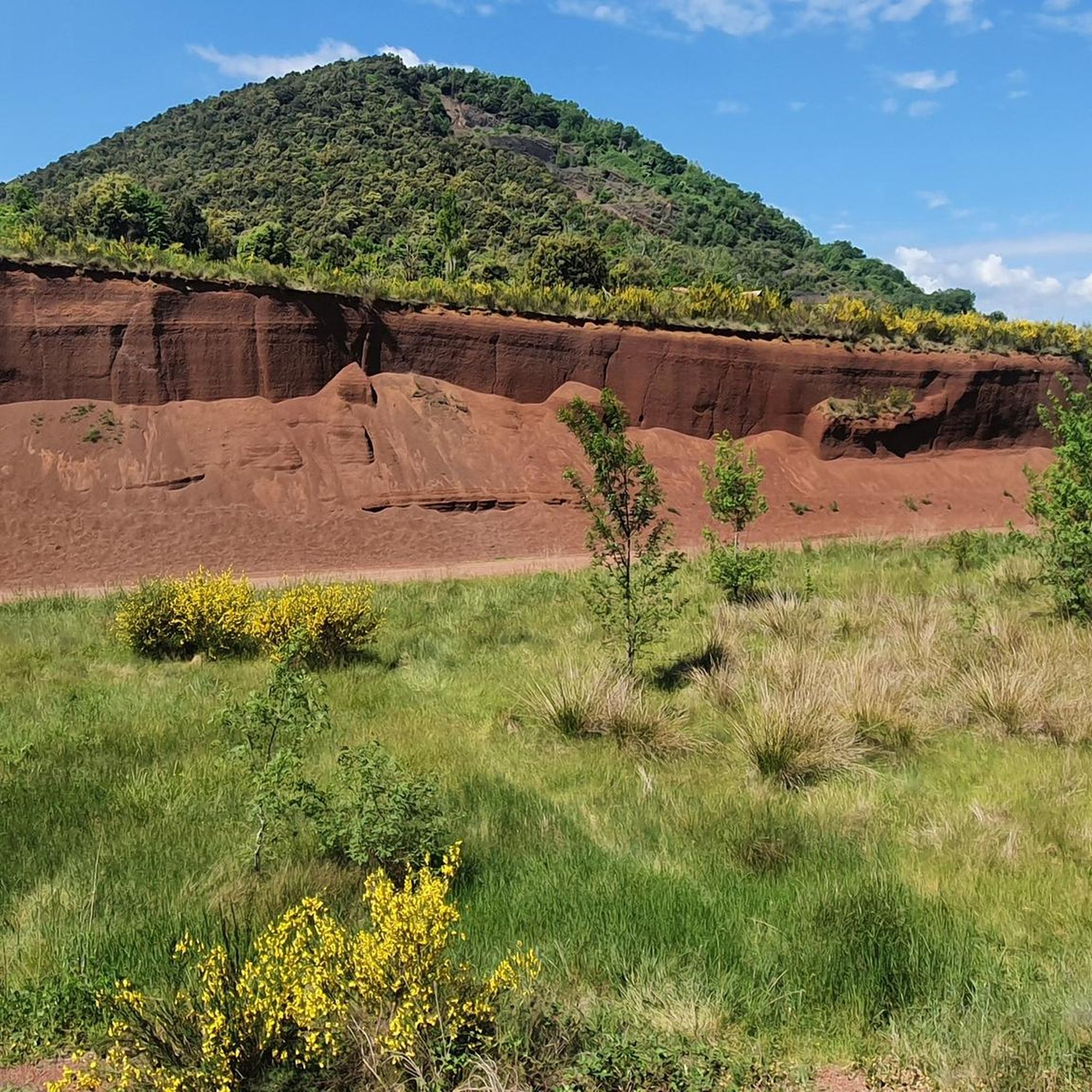
In the Garrotxa Natural Park there are about 40 catalogued volcanoes with 10 well-preserved explosion craters. The Volcá del Croscat is a highly explosive Strombolian volcano. The eruption took place around 9,500 BC. It is the last volcano to erupt in the Garrotxa volcanic area and also in the Iberian Peninsula. Source https://parcsnaturals.gencat.cat/ca/xarxa-de-parcs/garrotxa/inici/
0
1

A Romanesque bridge worth seeing. Be sure to take a detour there and take a look. You can easily walk across it.
3
0

The Llierca Bridge, also called Pont de Sadernes, is a bridge 28 m high, 52 m long and 3 m wide. With a single, very slender arch, it crosses the Llierca river between Tortellà and Sadernes. Romanesque in style, although we do not know the date of its construction, there is evidence of its use since at least the 14th century, when it is documented that a toll was paid to cross it. The bridge was probably built by order of the barons of Sales, to facilitate trade between the farmhouses located west of the Llierca river with the towns of Tortellà and Besalú.
0
0


We visited with a tour guide who explained everything in an interesting and informative way. It's a great place to visit on your own, but with a guide you can really learn a lot.
0
1
This bridge is amazing. It is 28 meters above the water. It stretches 52 meters from one side to the other. It was built between the 13th and 14th centuries and was used to transport goods in the area. Wow!! On the opposite side of the road, the trail is a bit difficult on a gravel bike, but should be fine on a mountain bike. The hard part is only about 50 meters, the rest is easy.
3
1
Frequently Asked Questions
What are the most prominent natural features to explore around Santa Pau?
The region around Santa Pau is defined by its unique volcanic landscape. You can explore extinct volcanoes like the Santa Margarida Volcano, which features a Romanesque hermitage within its crater, and the Croscat Volcano Scoria Slopes, known for its exposed internal geological layers. Additionally, the extraordinary La Fageda d'en Jordà beech forest, growing on an ancient lava flow, offers a magical ambiance.
Are there family-friendly natural monuments to visit near Santa Pau?
Yes, several natural monuments are suitable for families. The Santa Margarida Volcano and the Croscat Volcano Scoria Slopes are both marked as family-friendly. The La Fageda d'en Jordà beech forest is particularly popular for families, offering leisurely strolls and horse-drawn carriage rides through its unique volcanic terrain.
What kind of hiking trails can I find near the natural monuments?
The Garrotxa Volcanic Zone Natural Park offers a variety of hiking trails. You can find moderate routes like the 'Volcán de Santa Margarida and Volcán del Croscat - Circular' or easier options such as the 'Santa Margarida Volcano Crater – Santa Margarida Volcano loop'. For more details and route options, check out the Hiking around Santa Pau guide.
What is the best time of year to visit the natural monuments around Santa Pau?
The natural monuments are beautiful year-round, but autumn is particularly spectacular, especially in La Fageda d'en Jordà, when the beech leaves display vibrant red, orange, and yellow hues. Spring also offers lush greenery and pleasant temperatures for exploring the volcanic landscapes.
Are there any historical or cultural sites integrated with the natural monuments?
Yes, the Santa Margarida Volcano uniquely features a Romanesque hermitage, Santa Margarida de Sacot, nestled within its crater, blending natural and human history. Additionally, the Llierca Bridge, a Romanesque structure from the 13th-14th centuries, is a historical monument set amidst natural river scenery.
Can I bring my dog to the natural monuments and trails?
While specific regulations can vary, generally, the Garrotxa Volcanic Zone Natural Park is dog-friendly. It's always advisable to keep dogs on a leash and ensure you clean up after them to preserve the natural environment for all visitors.
What are the options for cycling or mountain biking near these natural monuments?
The area offers various cycling opportunities. You can find routes like the 'Garrotxa Volcanoes Route' for touring bicycles or more challenging mountain bike trails such as 'El Torn Village – Santa Pau Medieval Village loop'. Explore more options in the Cycling around Santa Pau and MTB Trails around Santa Pau guides.
How long should I plan for a visit to the natural monuments?
The duration of your visit depends on which monuments you wish to see and your activity level. A visit to a single volcano like Santa Margarida or Croscat, including a hike, can take 2-4 hours. Exploring La Fageda d'en Jordà can also be a half-day activity. To see multiple sites, a full day or even a weekend is recommended.
What makes the Croscat Volcano unique compared to other volcanoes in the region?
The Croscat Volcano Scoria Slopes is unique because of a large exposed 'cut' resulting from 25 years of volcanic gravel quarrying. This section provides a rare glimpse into the volcano's internal geological layers, revealing vibrant orange and red hues from oxidized lava, offering an educational insight into its structure.
Are there any viewpoints offering panoramic vistas of the volcanic area?
Yes, the Puigsacalm summit, at 1,515 meters, offers spectacular 360º views over the valley of Bas, Olot, and the eastern Pyrenees. It's an excellent spot for watching sunrises and sunsets over the volcanic landscape.
What do visitors enjoy most about the natural monuments around Santa Pau?
Visitors frequently appreciate the unique blend of geological wonders and serene natural beauty. The striking image of a church within a volcanic crater at Santa Margarida Volcano, the educational insight into the Earth's layers at Croscat Volcano, and the magical ambiance of La Fageda d'en Jordà are often highlighted. The area's diverse trails and picturesque views also receive high praise.
Is public transport available to reach the natural monuments?
While Santa Pau itself is accessible by bus, reaching the specific trailheads for the natural monuments often requires a car or a combination of public transport and walking. It's advisable to check local bus schedules and plan your route in advance, especially for more remote locations within the Garrotxa Volcanic Zone Natural Park.
Most popular routes around Santa Pau
Most popular attractions around Santa Pau

Get inspired with the komoot mobile app


Explore more
Extend your search for the best caves by checking out these guides of the top ones around Santa Pau:
