Top 17 Natural Monuments around Caldes D'Estrac
Best natural monuments around Caldes D'Estrac include a variety of natural features and historical sites. The region, also known as Caldetes, is characterized by its coastal proximity and the presence of the Montnegre i el Corredor Natural Park. It offers diverse landscapes, from Mediterranean forests to significant geological formations and ancient megalithic structures. The area's natural resources, such as its thermal waters, have also shaped its identity.
Best natural monuments around Caldes D'Estrac
- The most popular natural monuments is Dolmen…
Last updated: July 1, 2026
Dolmen de Pedra Gentil
Highlight • Historical Site
Translated by Google •
Tip by

Dolmen de Ca l'Arenes
Highlight • Historical Site
Translated by Google •
Tip by

Sign up now to discover places like this
Get recommendations on the best single tracks, peaks, & plenty of other exciting outdoor places.
Sign up for free
Montalt
Highlight • Summit
Montalt is a mountain that belongs to the Catalan coastal range, within the Corredor mountain range and the …
Translated by Google •
Tip by

Horseshoe Stone
Highlight • Natural Monument
Translated by Google •
Tip by

Rock Formations of Turó de L’Oriola
Highlight • Natural Monument
Translated by Google •
Tip by

Sign up for free to discover even more natural monuments around Caldes D'Estrac.
Sign up for free
Already have an account?
Start today with a free account
Your next adventure awaits.
Login or Signup

Tips from the Community

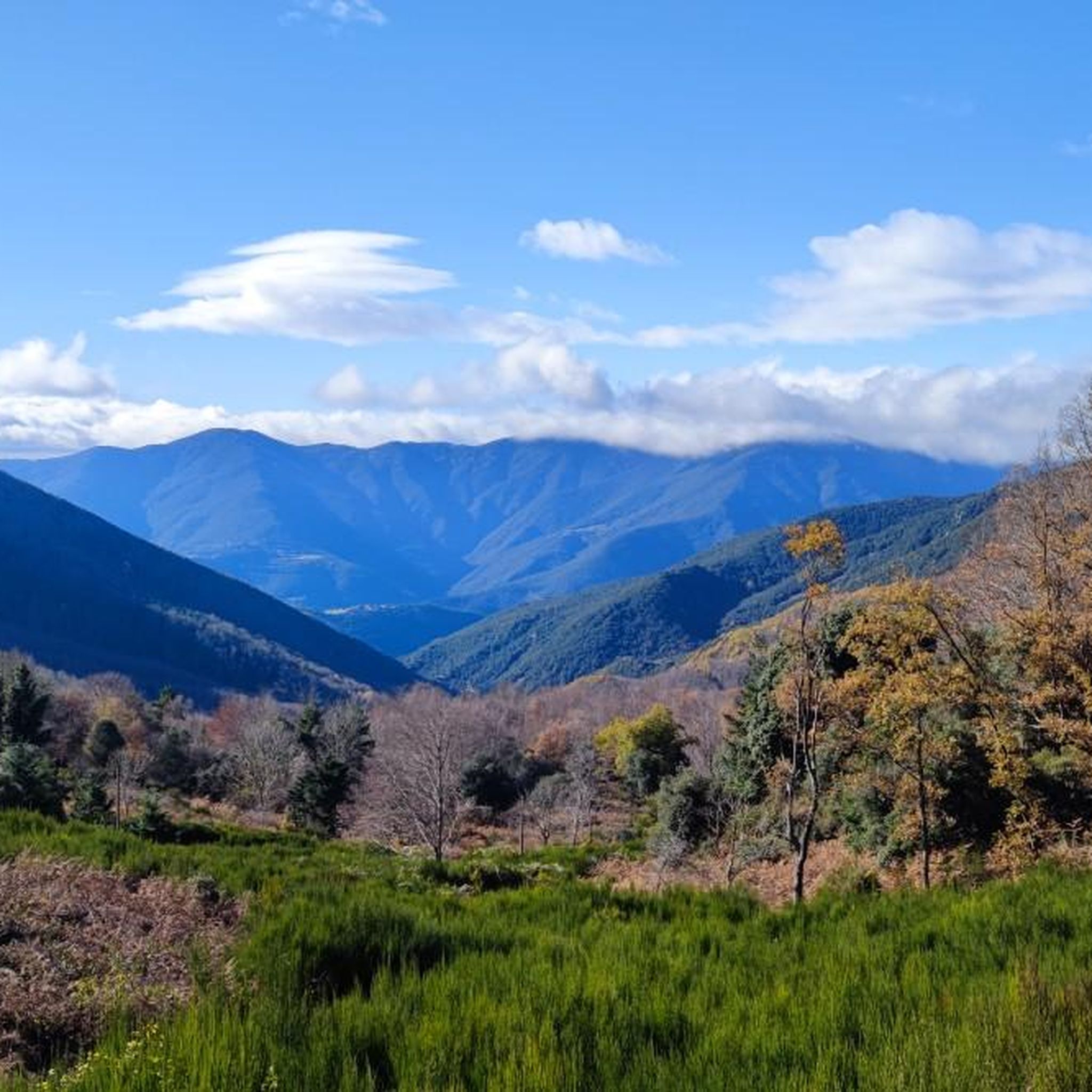
It's a megalithic tomb, approximately 5,000 years old, discovered in 1997 and restored in 2006-2007. Located in the heart of the Montnegre i el Corredor Natural Park, it's easy to miss, but it has a history: it belonged to a Neolithic community that used it as a collective grave. Interestingly, remains of the tumulus that covered it are still preserved, which is unusual, and its orientation seems related to astronomical events, like other dolmens in the area. It's an archaeological rarity in the middle of a prime cycling area, perfect for stopping and reflecting that humans once walked this path... but without helmets.
2
0
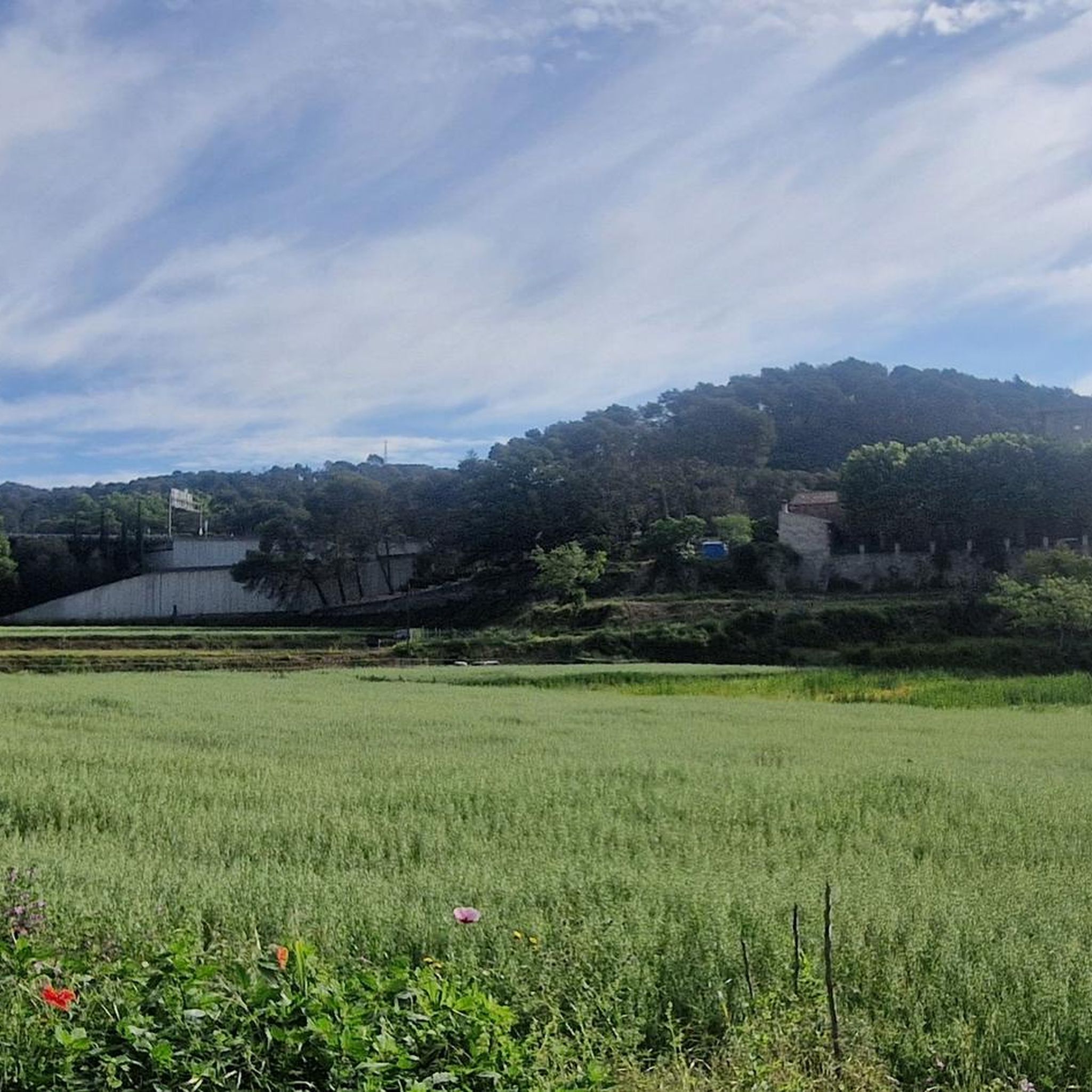
The true epicenter of Maresme enduro. Once you reach the top, it's time to switch gears: you're at the highest point of the system, and a labyrinth of trails and tracks of all levels unfolds before you. There are no rules here: from this central hub, you can drop down towards Sant Vicenç, Llavaneres, Can Boada, Massuet, or wherever your heart desires. Every direction offers a different descent, and all connect to legendary Maresme lines. A word of advice: when you reach Turó de l’Oriola, take a deep breath… and prepare to go wild, because this is one of the few places where you can literally ride down wherever you want.
1
0
The true epicenter of Maresme enduro. Once you reach the top, it's time to switch gears: you're at the highest point of the system, and a labyrinth of trails and paths of all levels unfolds before you. There's no instruction manual here: from this central hub, you can drop down towards Sant Vicenç, Llavaneres, Can Boada, Massuet, or wherever your heart desires. Every direction offers a different descent, and all connect to legendary Maresme lines. A word of advice: when you reach Turó de l’Oriola, take a deep breath… and prepare to go wild, because this is one of the few places where you can literally ride down wherever you want. A perfect spot to get lost—but in a good way.
0
0

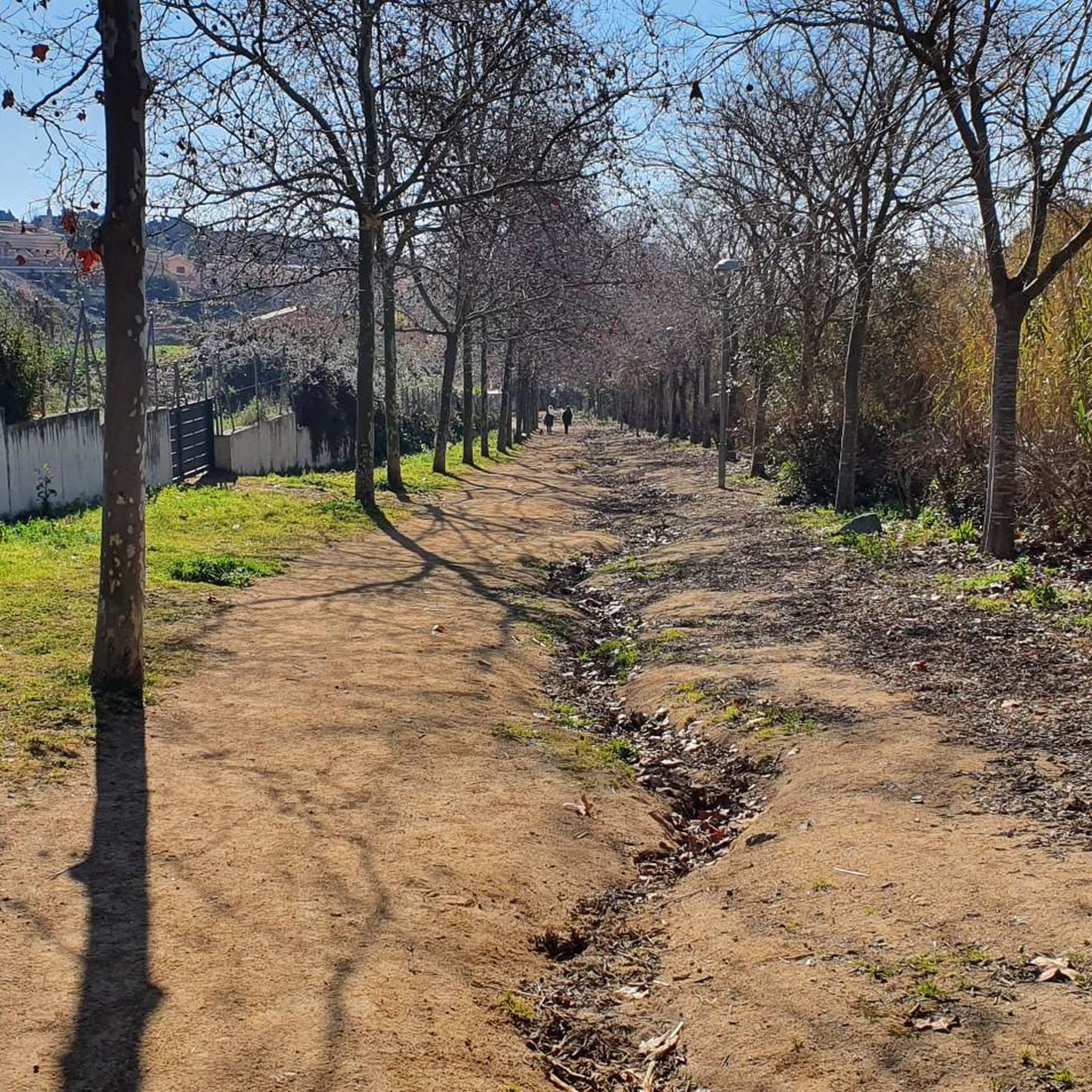
They've now built a staircase to access the Dolmen... With this staircase, just a few meters long... It seems they'll save the site from erosion... Sometimes the conservation and environmental councils are pitiful... It seems the only ones degrading the paths... are hikers and bikers... When we're fed up with seeing how the water destroys the paths to the point where we can't pass... 🙃
0
0
Megalithic structure Rebuilt in 1855, Where the original structure was a 4000 year old DOLMEN, which served As a chamber tomb Simple...🧐
1
0

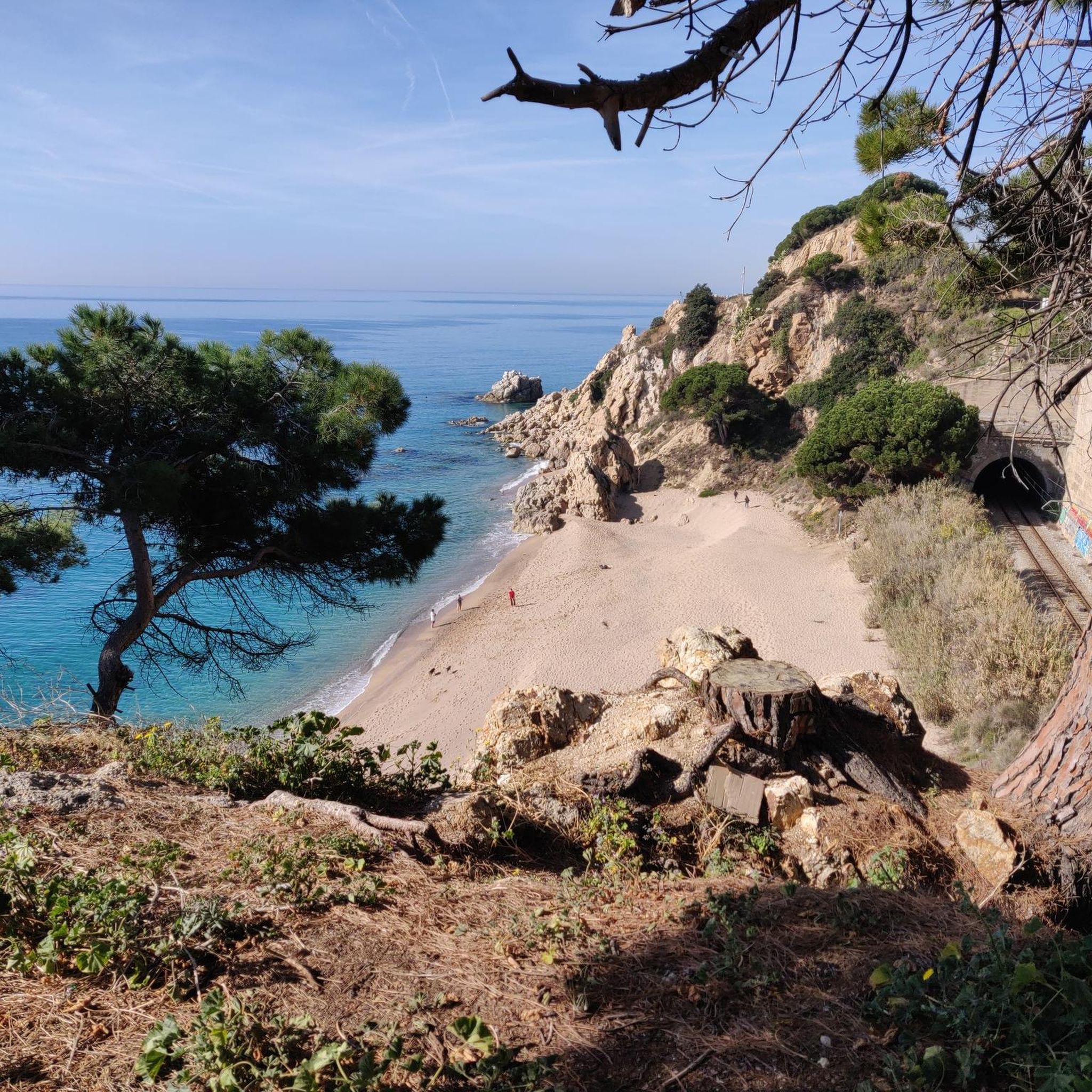
It belongs to the Montnegre Park and almost all the paths can be done either on foot or by bike (the dolmen path is quite broken "stones")
3
0

The peak of Turó de L'Oriola presents rock formations distributed among the trees in the area.
1
0

It is a large granite block located between Turó de Montalt (596 m) and Turó del Mig (550 m), a hill where the municipal limits of Arenys de Munt, Dosrius and Sant Vicenç de Montalt meet. Of the two stones, the smaller one has an engraving that seems to represent a horseshoe, although the meaning is unknown. It could be, for example, a mark to delimit the old parishes. Granite is a hard rock, with a granular texture, which in the Maresme has been used for construction. Fresh granite is known as "snake's eye" as it is made up of a black mica which, in contrast to the other components, is reminiscent of a snake's eye. In this environment and during the next section of the route, we will find small accumulations of granite blocks, disordered, heterometric and rounded, which accumulate in a horizontal or slightly inclined relief. These capricious formations have their origin in weathering. Later, the rainwater dissolves the feldspar and the large initial rock cracks and gives rise to rounded shapes and a kind of sand, called "sauló" in Catalan.
1
0
Frequently Asked Questions
What are the most unique natural monuments to visit in Caldes D'Estrac?
Caldes D'Estrac is known for its blend of historical and natural sites. Don't miss the ancient Dolmen de Pedra Gentil, a megalithic structure believed to be 3500-2000 B.C. Another significant site is the Dolmen de Ca l'Arenes, a 5,000-year-old megalithic tomb. For a different natural experience, the town's thermal waters are a defining feature, renowned for their therapeutic properties and historical significance.
Are there any natural parks or large green spaces to explore?
Yes, the region offers significant natural areas. The Montalt summit is part of the larger Montnegre i el Corredor Natural Park, providing rich Mediterranean forests and diverse landscapes for exploration. Within Caldes D'Estrac itself, Parc de Can Muntanyà offers stunning seafront views, Mediterranean forest, and a tranquil environment for walks.
What kind of historical natural monuments can I find in the area?
Beyond the dolmens, Parc de Can Muntanyà holds the second most important archaeological Iberian remains in the Maresme region after Burriac's settlement, along with the emblematic Tower of the Enchanted. The Horseshoe Stone is another intriguing natural monument with Neolithic origins, historically used as a boundary marker.
Are there family-friendly natural monuments or activities suitable for children?
Parc de Can Muntanyà is ideal for families, offering peaceful walks, benches, and ponds amidst diverse flora. The N'Homs Washhouse Fountain, a restored historical site, is also categorized as family-friendly and provides a glimpse into local history and community life.
What outdoor activities can I do near these natural monuments?
The area around Caldes D'Estrac is excellent for various outdoor activities. You can find numerous hiking trails, including moderate routes like the 'Horseshoe Stone – Montalt loop'. For cycling enthusiasts, there are options like the 'Balí Beach – Scenic Road loop'. Mountain biking is also popular, with routes such as the 'Rupit Cross – Corredor Sanctuary loop'. You can find more details on these activities in the Hiking around Caldes D'Estrac, MTB Trails around Caldes D'Estrac, and Cycling around Caldes D'Estrac guides.
Where can I find the best views of the Maresme coast?
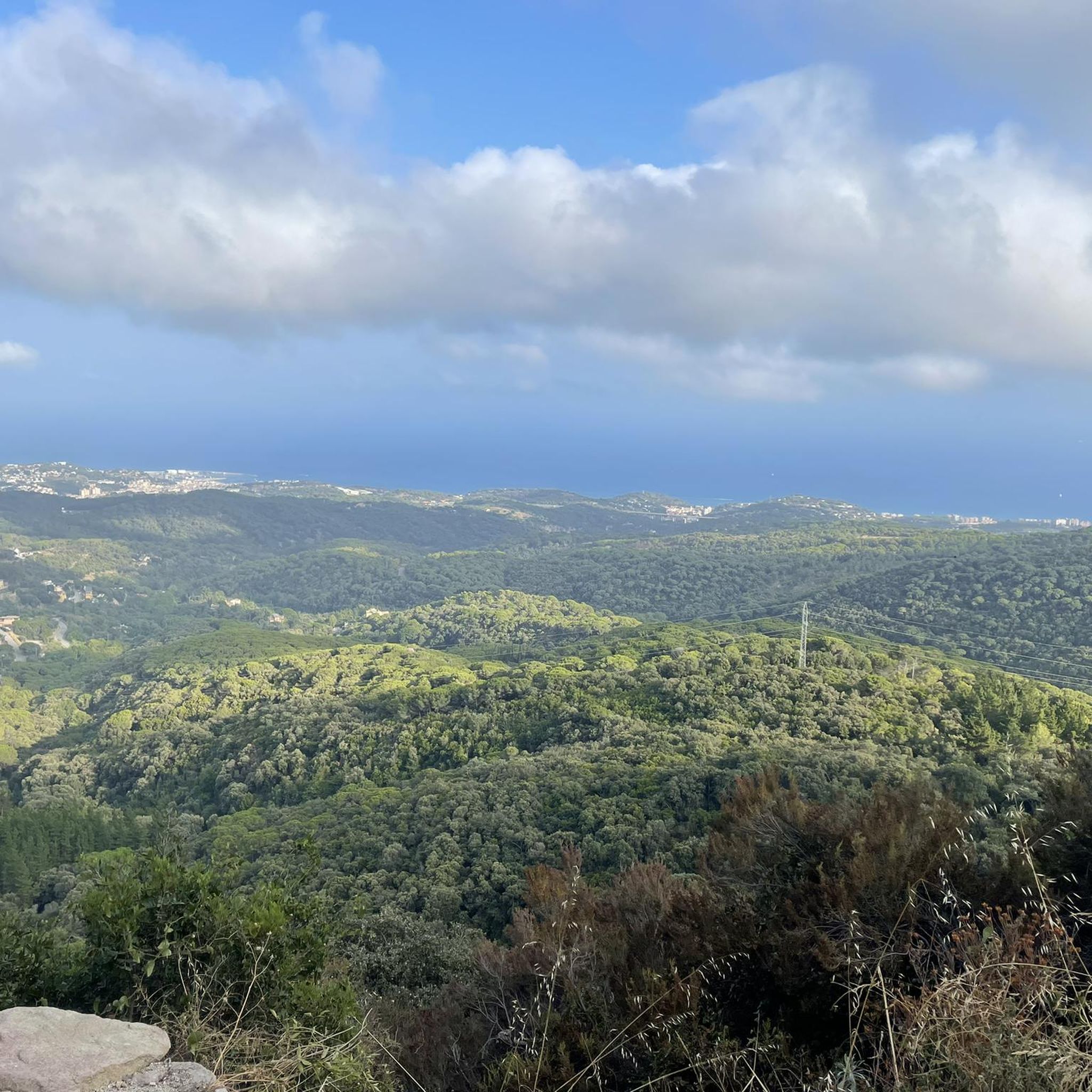
The summit of Montalt offers magnificent views of the entire Maresme coast. While the vegetation can sometimes limit the panoramic scope, it remains a prime spot for coastal vistas. Parc de Can Muntanyà also provides stunning seafront views of the Maresme region.
What are the thermal waters of Caldes D'Estrac, and what are their benefits?
The thermal waters are the defining natural feature of Caldes D'Estrac, giving the town its name. These mineral-medicinal waters emerge from an underground spring at approximately 38 degrees Celsius. They are renowned for therapeutic benefits, particularly for rheumatic conditions, osteoarthritis, and respiratory issues, and are the only publicly owned thermal baths in Catalonia.
What do visitors enjoy most about the natural monuments in Caldes D'Estrac?
Visitors frequently appreciate the blend of natural beauty and historical significance. The ancient megalithic structures like Dolmen de Pedra Gentil are often highlighted for their mystery and historical context. The tranquil environment of places like Parc de Can Muntanyà and the panoramic views from Montalt are also highly valued.
Are there any easy walking trails near the natural monuments?
Yes, for an easy walk, consider the 'Illuminated Mushroom Sculpture loop' from Caldes d'Estrac, which is 6.26 km long. The 'Balí Beach – Caldes d'Estrac Beach loop' is another easy option at 4.52 km. These routes offer accessible ways to experience the natural surroundings. More easy routes can be found in the Hiking around Caldes D'Estrac guide.
What is the best time of year to visit the natural monuments in Caldes D'Estrac?
The Mediterranean climate of Caldes D'Estrac makes it pleasant to visit for much of the year. Spring and autumn generally offer mild temperatures, ideal for hiking and exploring the natural parks. Summer can be warm, but coastal breezes and the shade of the forests in areas like Parc de Can Muntanyà can still make for enjoyable visits.
Can I find any hidden gems or less-known natural spots?
While the main highlights are well-known, exploring the trails within Montnegre i el Corredor Natural Park can lead to quieter spots. The Horseshoe Stone, with its unique granite formations and ancient engravings, offers a fascinating, slightly off-the-beaten-path experience for those interested in geology and local history.
Are there opportunities for wildlife spotting near the natural monuments?
The Montnegre i el Corredor Natural Park, which encompasses areas like Montalt, is rich in Mediterranean forest and diverse landscapes, providing habitats for various local wildlife. While specific sightings are never guaranteed, quiet walks through these natural parks increase your chances of observing local fauna.
Most popular routes around Caldes D'Estrac
Most popular attractions around Caldes D'Estrac

Get inspired with the komoot mobile app


Explore more
Extend your search for the best caves by checking out these guides of the top ones around Caldes D'Estrac:
