Top 20 Natural Monuments around Deià
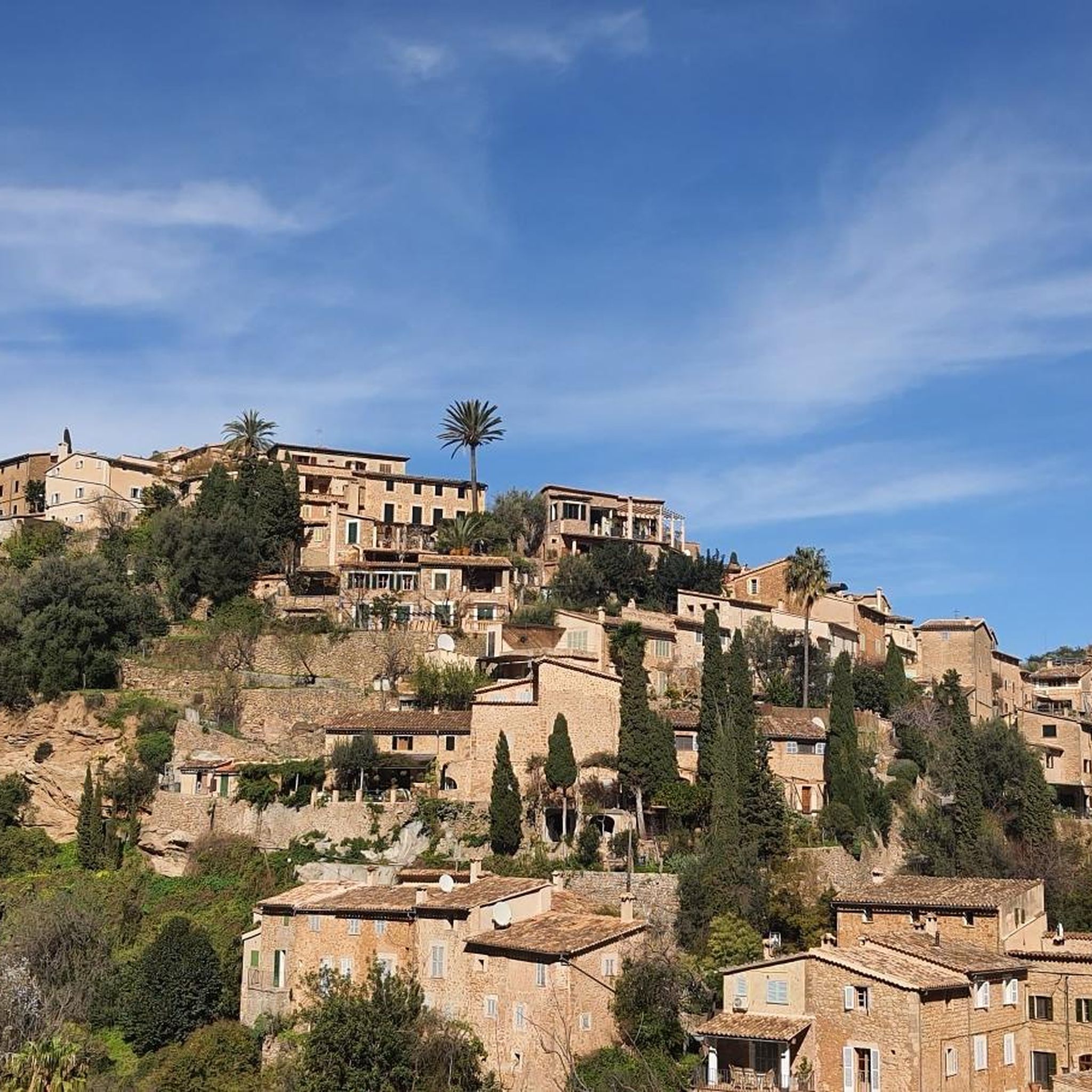
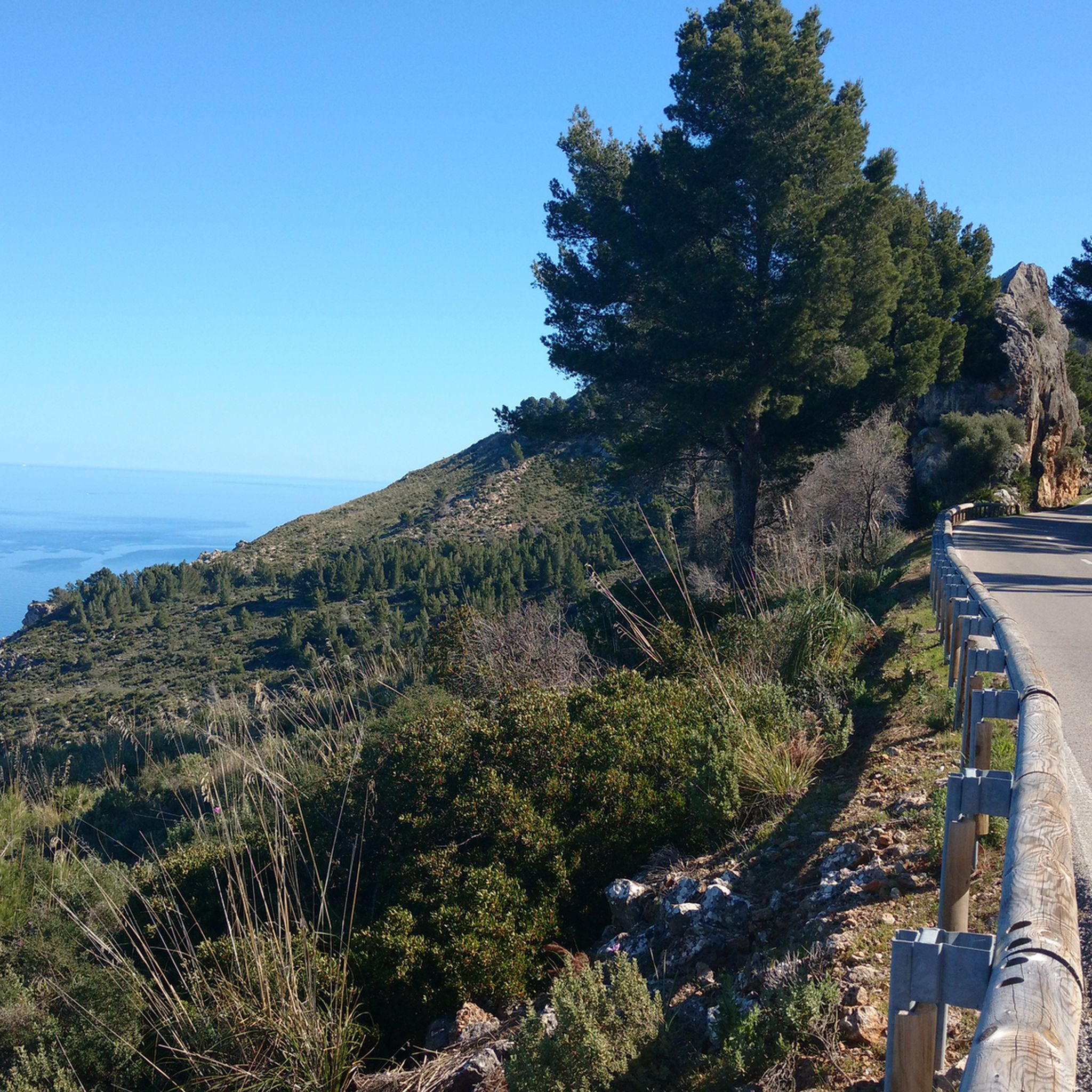
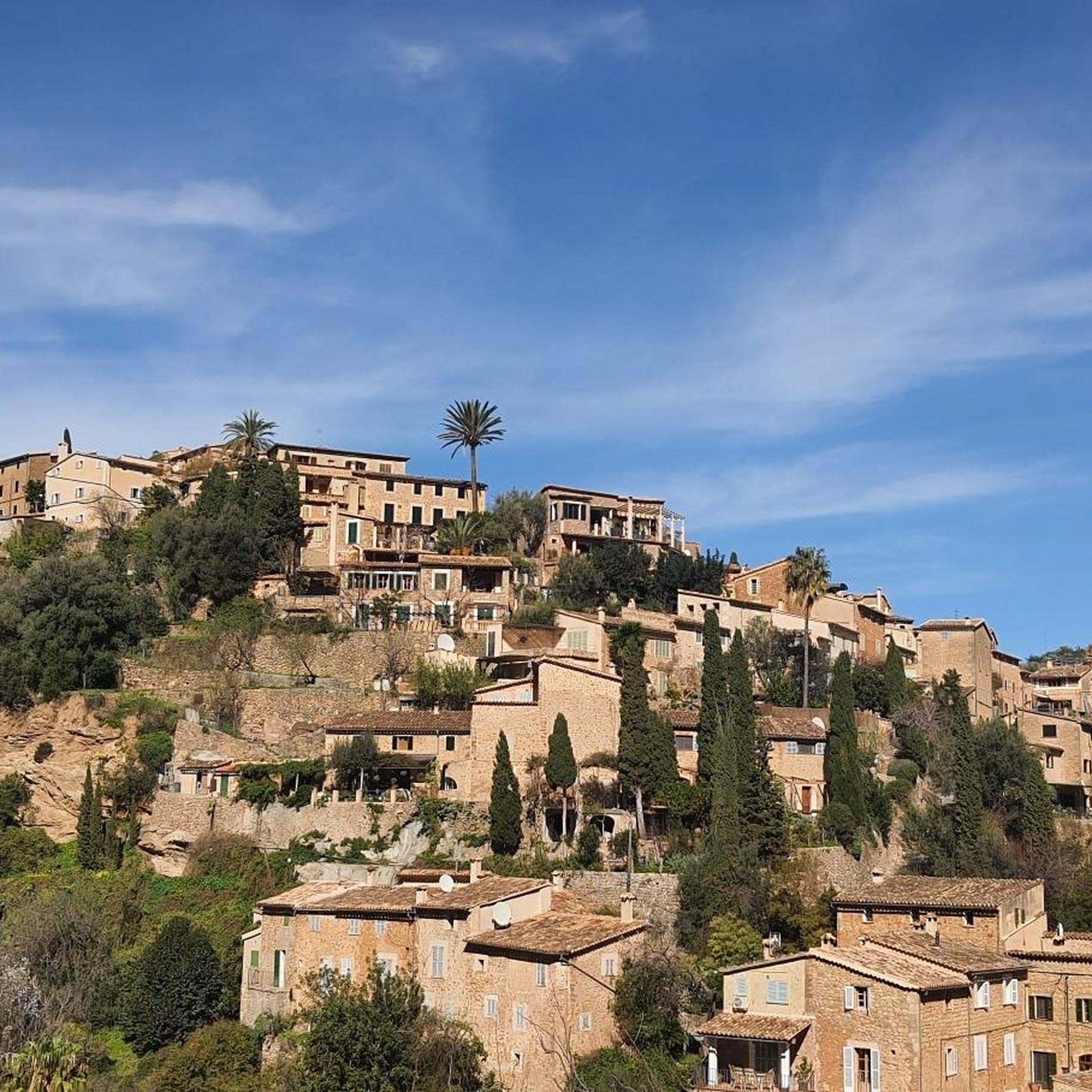
Best natural monuments around Deià are found within the Serra de Tramuntana mountain range, a UNESCO World Heritage cultural landscape on Mallorca. This region is characterized by rugged limestone peaks, dramatic cliffs, and deep valleys, offering diverse ecosystems and unique plant species. Deià's natural attractions showcase the island's coastline, clear waters, and mountainous terrain. The area provides opportunities to explore ancient agricultural traditions and significant geological formations.
Best natural monuments around Deià
- The most popular natural monuments is Puig de…
Last updated: July 1, 2026
Old Olive Tree
Highlight • Natural Monument
Translated by Google •
Tip by

Camí de s'Arxiduc (Archduke's Trail)
Highlight • Trail
Translated by Google •
Tip by

Sign up now to discover places like this
Get recommendations on the best single tracks, peaks, & plenty of other exciting outdoor places.
Sign up for free
Barranc de Biniaraix Stone Path
Highlight (Segment) • Trail
Translated by Google •
Tip by

King Juan Carlos I Gardens, Valldemossa
Highlight • Natural
Translated by Google •
Tip by

Puig de l'Ofre summit
Highlight • Summit
As soon as I was there, a griffon vulture unexpectedly came up about …
Translated by Google •
Tip by

Sign up for free to discover even more natural monuments around Deià.
Sign up for free
Already have an account?
Start today with a free account
Your next adventure awaits.
Login or Signup
Popular around Deià
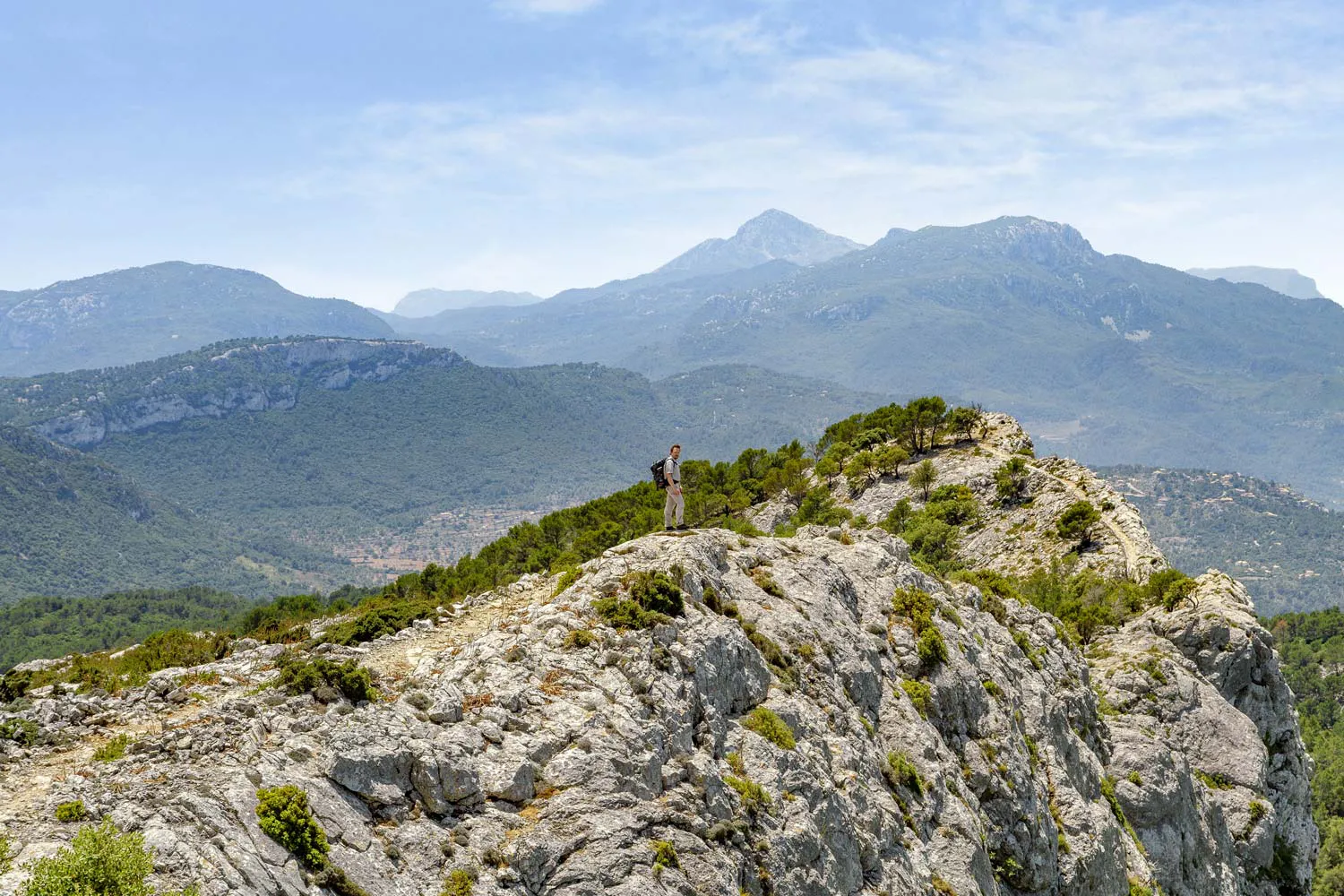
Stoney paths through the Tramuntana Mountains – Ruta de Pedra en Sec (GR221)
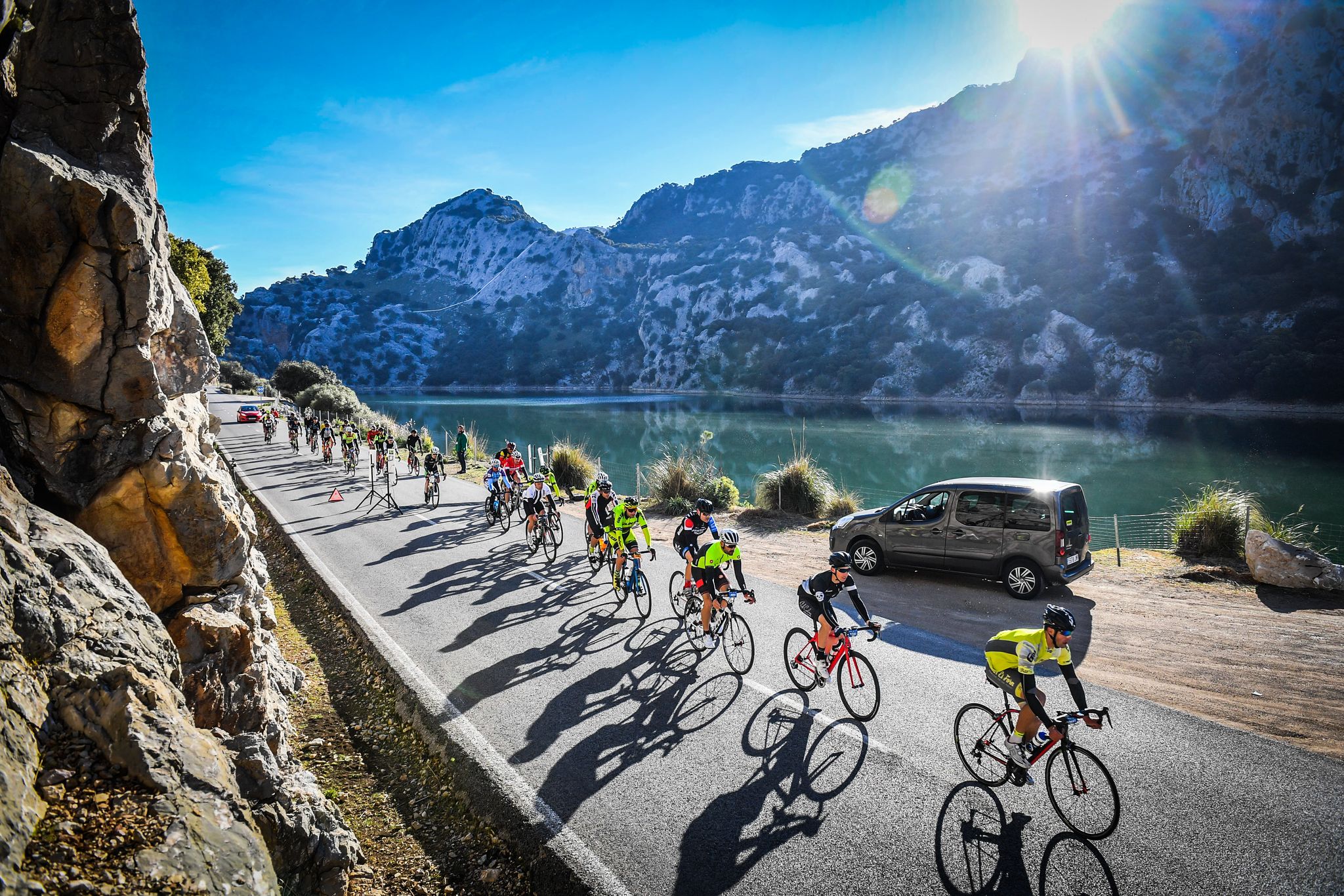
Road rides to beaches and summits – Mallorca 312
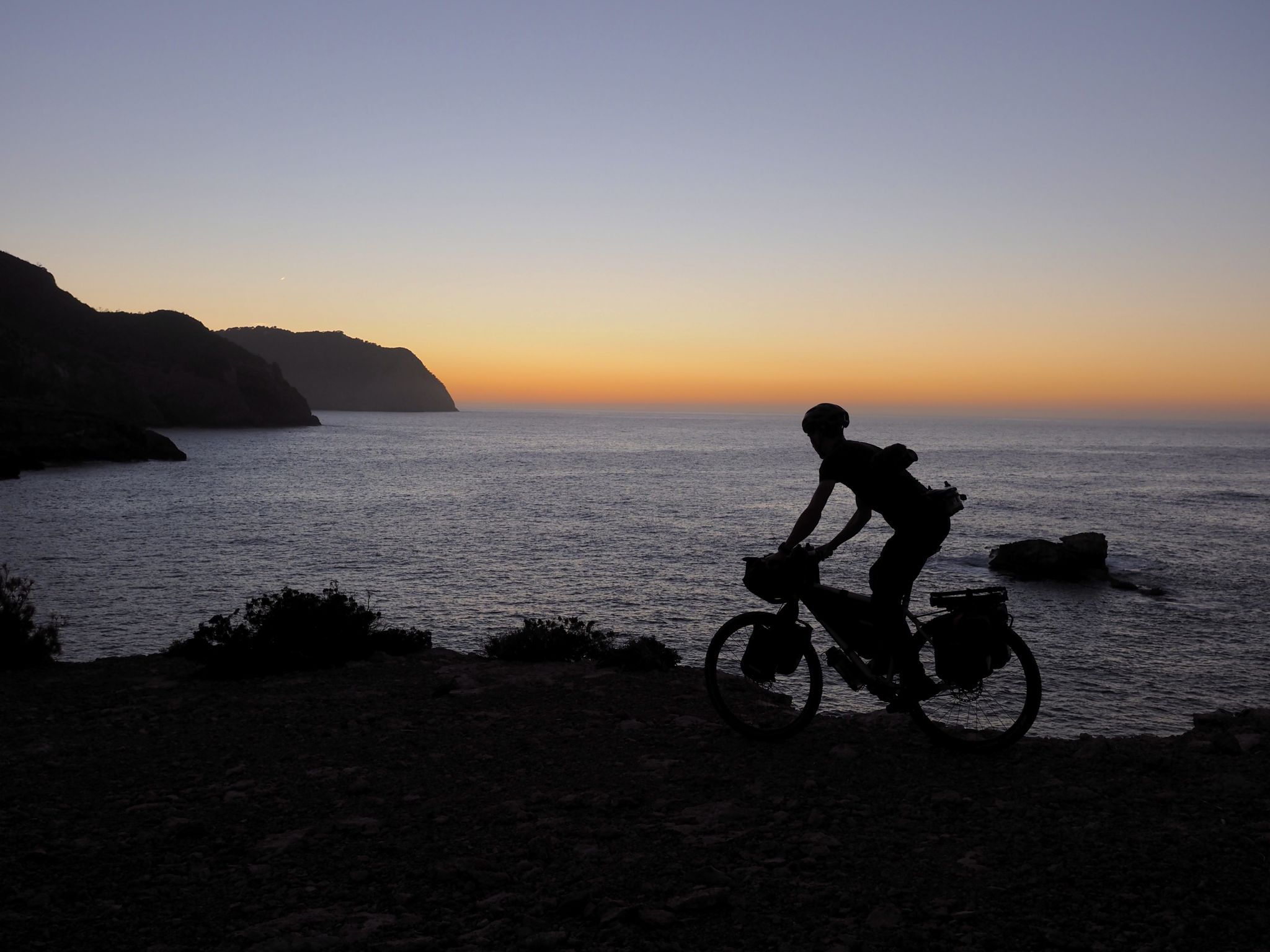
Island hopping in the Spanish Balearic Islands — the TransBaleares
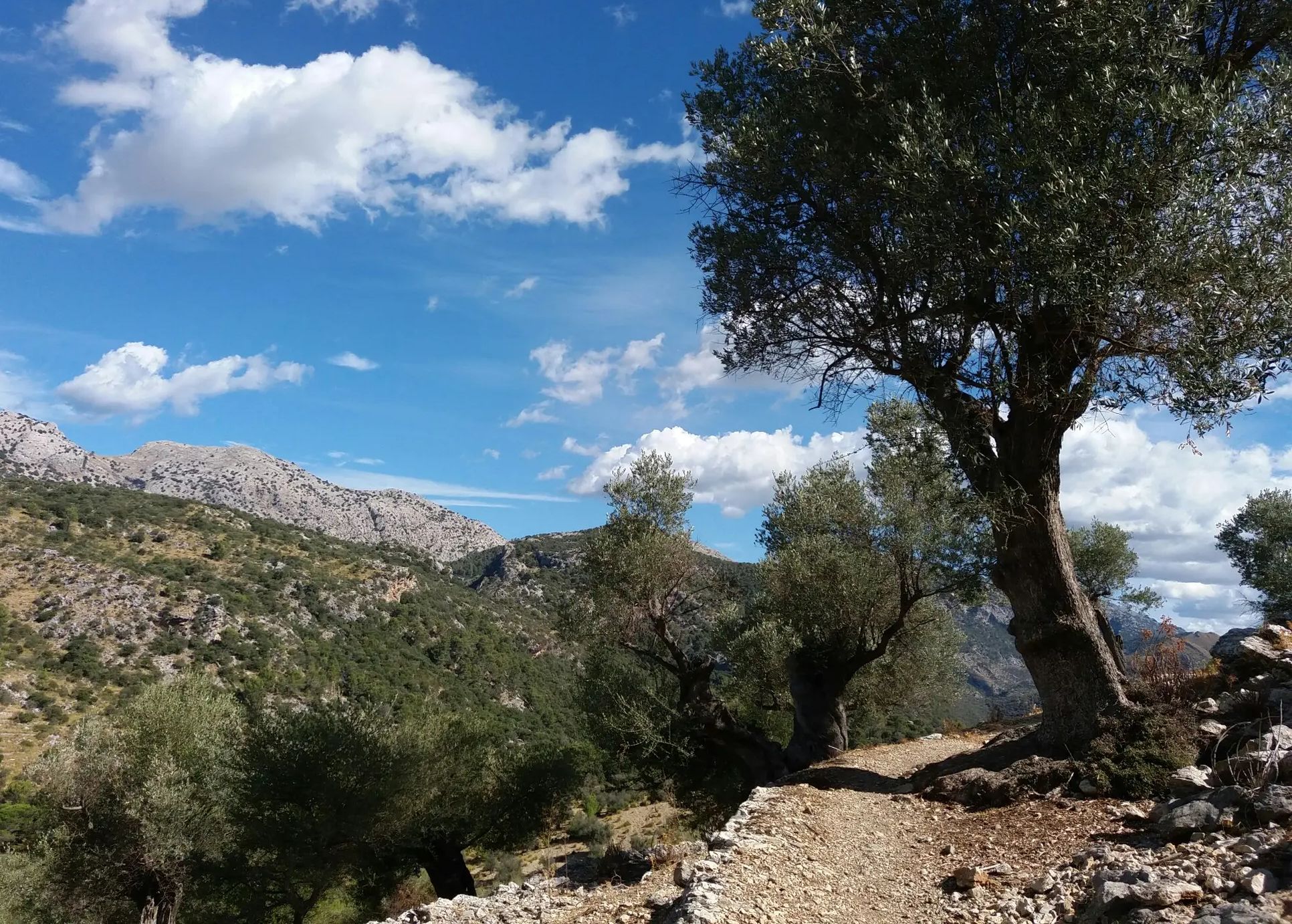
Mallorca with a difference — rocky peaks and lonely coastal paths
Hiking around Deià
Road Cycling Routes around Deià
Cycling around Deià
Running Trails around Deià
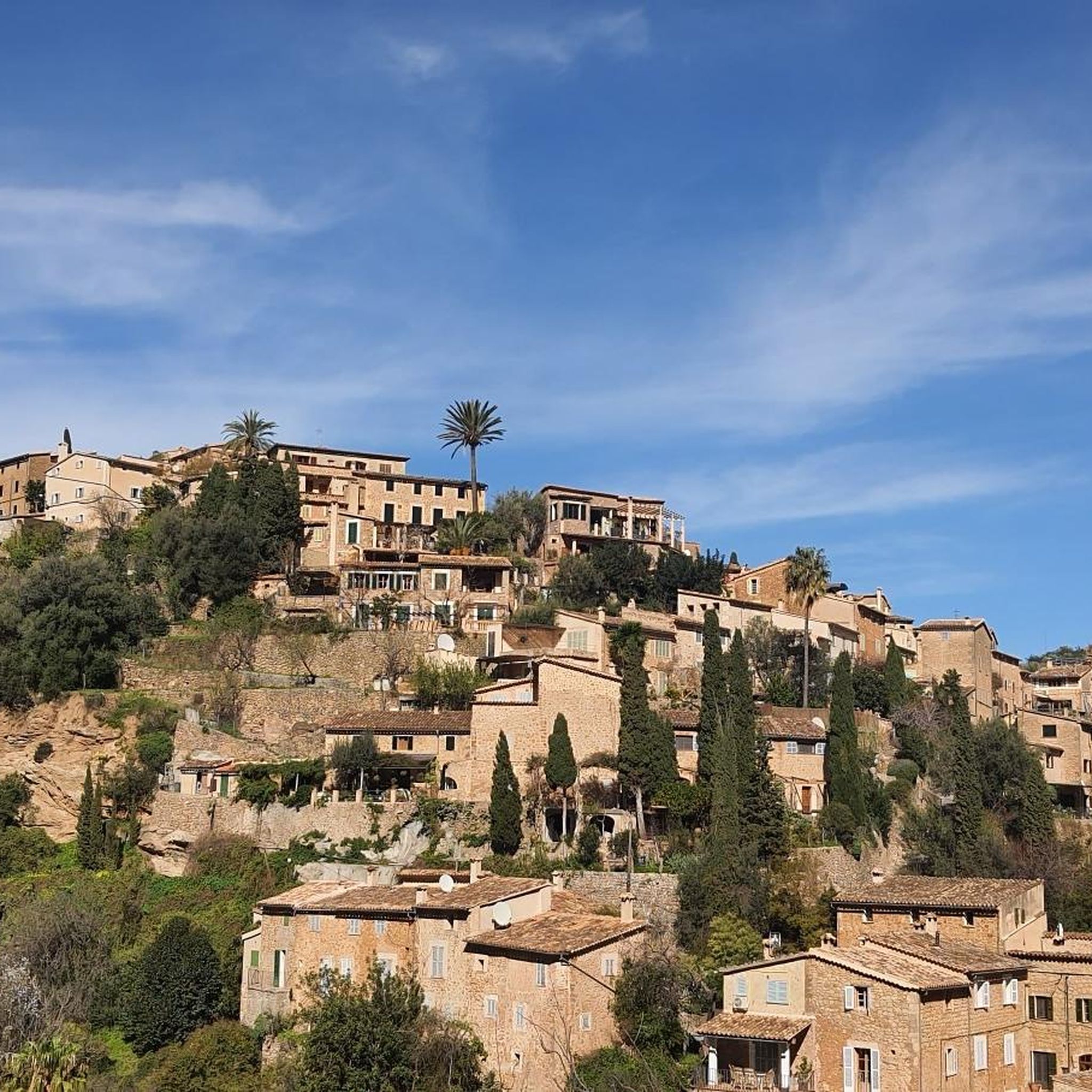
MTB Trails around Deià
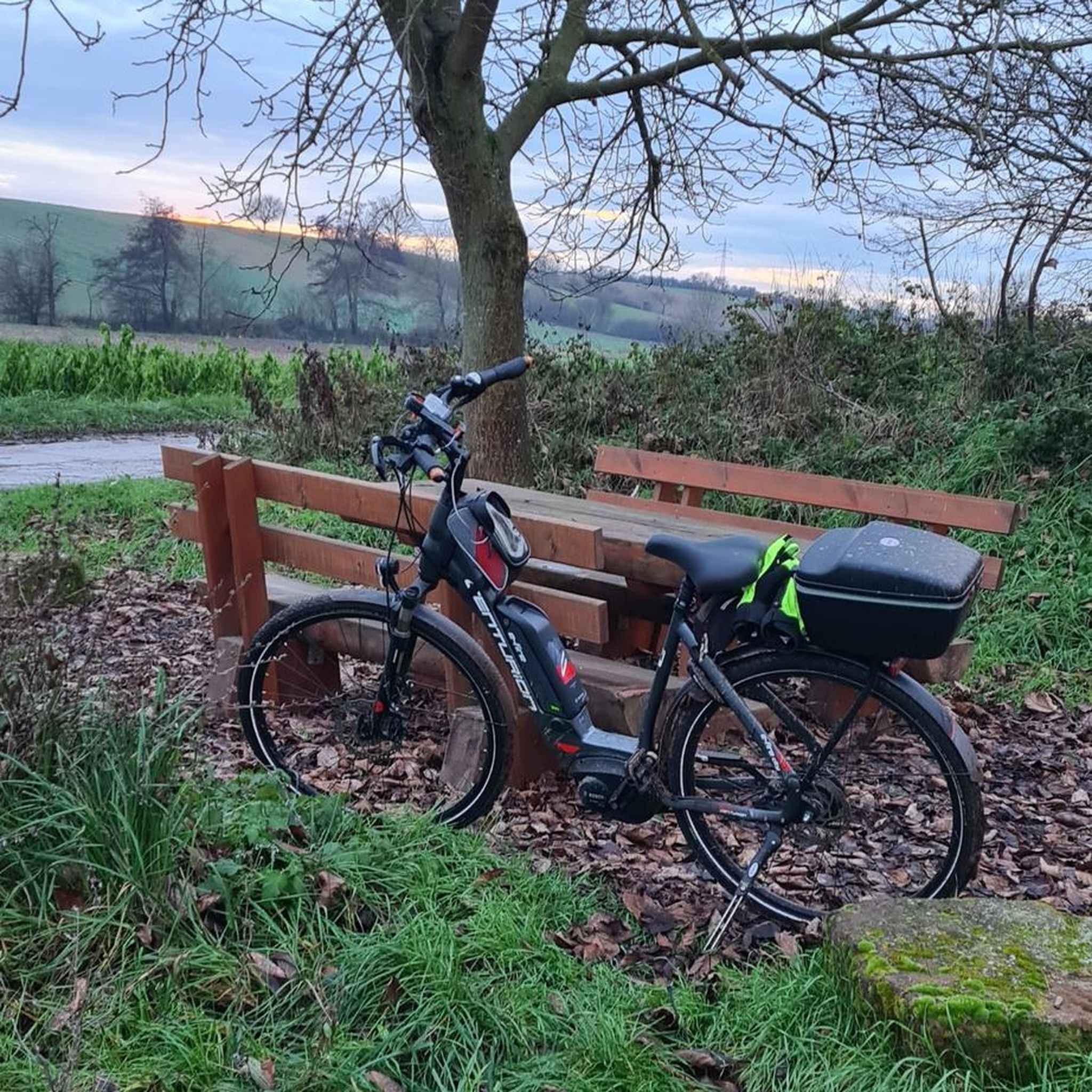
Mountain Hikes around Deià
Other adventures around Deià


Tips from the Community

The path from Biniaraix up to the Cuber reservoir takes you through countless serpentines through a sometimes very narrow gorge... The ascent is mostly paved and the steps are not too high and therefore pleasant to walk on
3
0

The garden, located right next to the Charterhouse in 1983, was named after King Juan Carlos and opened to the public in 1993. Between the large, old cypresses, palm trees and oleander plants there is also a bust of Chopin, who spent the winter here with George Sand in 1838/39. The garden is not too big, but invites you to linger.
6
2

Nice little garden with some seating
5
5

One of the "classics". Great! A must for every Mallorca hiking lover - magnificent nature, magnificent views! The starting point of our hike was the Cuber reservoir. After 90 minutes of relaxed hiking you reach Coll L'Ofre. Then it's steeper but shorter to the summit (cairns and blue splashes of color throughout). You can then descend via the easier path towards Puig de na Franquesa.
6
3
The centuries-old olive trees in Mallorca, especially in the Tramuntana, were introduced by the Phoenicians a thousand years ago. The Romans expanded cultivation, and the Arabs later developed oil extraction. For a long time, the farmers in the Tramuntana lived off the "gold of the Sierra". Even the steepest slopes were terraced in order to use them for olive cultivation. The olive tree ensures its longevity through the bizarre shapes it assumes over time and is one of the longest-lived trees of all. Even at the age of several 100 years, it still bears fruit.
12
1

A dream for every hiking season
3
5

You should bring sure-footedness if you want to go up here. The path is sometimes good and sometimes bad. No signs, but the cairns show the way. Took a wrong turn once, otherwise it was obvious. At the top I would rate the stone slabs as a danger in wet weather - quite doable in dry weather. The view is fantastic and makes up for everything!
5
2

The beautiful garden is dominated by the Carthusian monastery, which is one of the classic destinations in Mallorca. Writer George Sand and composer Frederic Chopin spent a winter here.
8
1
Frequently Asked Questions
What are some of the most popular natural monuments to visit around Deià?
Visitors frequently enjoy the Camí de s'Arxiduc (Archduke's Trail), known for its magnificent views of the coast and the Tramuntana mountains. Another highly appreciated site is the Ancient Olive Groves of the Serra de Tramuntana, where you can see centuries-old trees with unique, gnarled shapes, representing a rich agricultural history.
Are there any natural monuments around Deià that are particularly good for families?
Yes, the King Juan Carlos I Gardens in Valldemossa, while a landscaped park, is considered a natural monument and is very family-friendly. It offers a beautiful setting dominated by the historic Carthusian monastery, providing a pleasant and accessible experience for all ages.
What kind of natural features can I expect to see when exploring Deià's natural monuments?
The natural monuments around Deià showcase a diverse range of features. You'll encounter rugged limestone peaks, dramatic cliffs, and deep valleys characteristic of the Serra de Tramuntana. Specific highlights include the crystal-clear waters and rocky shores of coves like Cala Deià, the distinctive hole in the cliff face at Sa Foradada, and ancient, gnarled olive trees that are centuries old.
Are there opportunities for wild swimming near Deià's natural monuments?
Absolutely. Cala Deià is a renowned spot for swimming and snorkeling with its transparent waters. Another unique option is Es Canyaret (Llucalcari Beach), which features natural springs that create pools, perfect for a refreshing dip or even a natural mud bath, believed to be good for the skin.
What is the best time of year to visit the natural monuments around Deià?
The Serra de Tramuntana, where Deià is located, offers beautiful experiences year-round. However, for hiking and outdoor activities, spring (April-May) and autumn (September-October) are ideal, as the weather is milder and the landscapes are lush. Summer can be very hot, making early morning hikes advisable, especially in shadeless sections of the olive groves.
What are some notable viewpoints for panoramic scenery in the Deià area?
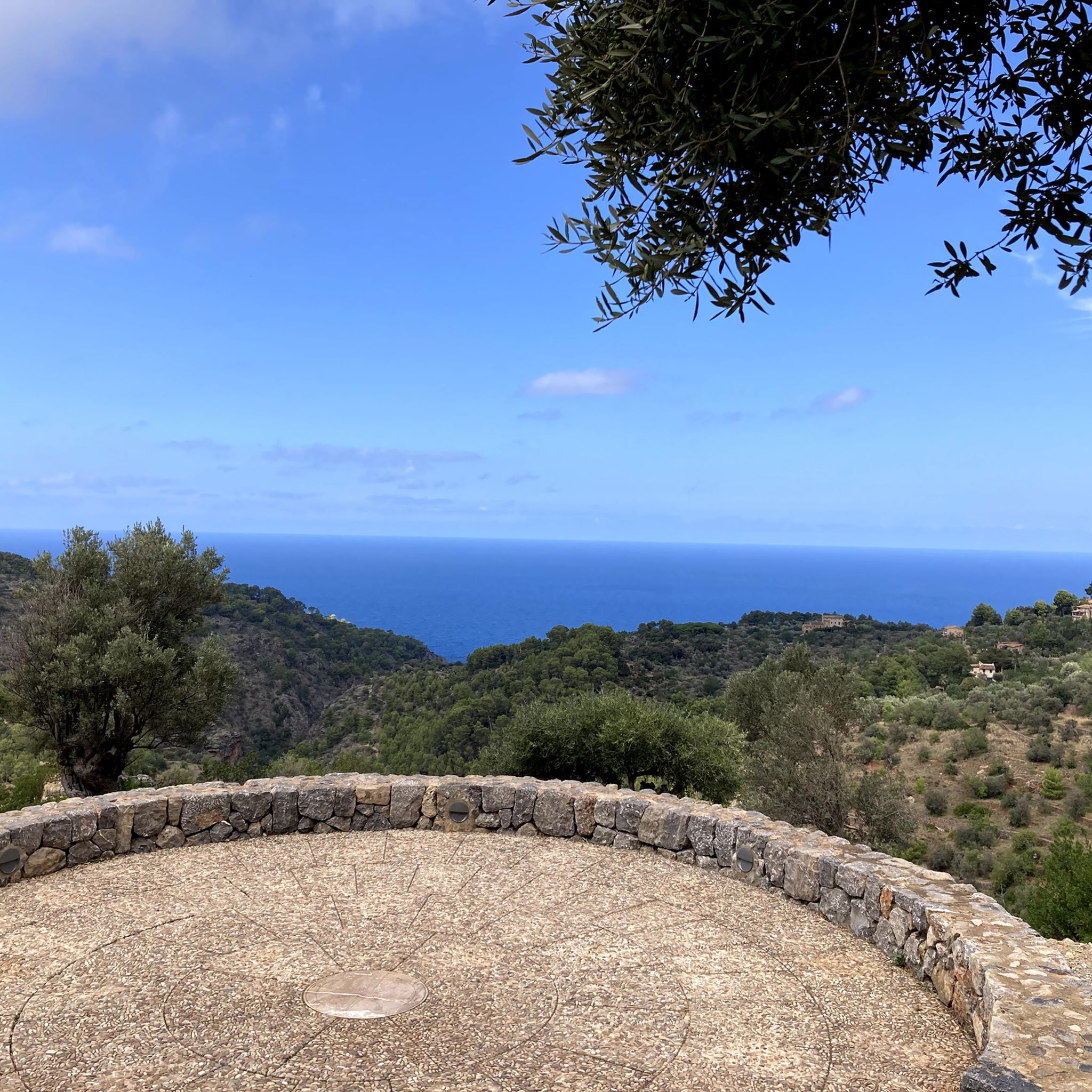
The Camí de s'Arxiduc (Archduke's Trail) offers magnificent views of the coast and the Tramuntana mountains. Another prime destination for spectacular panoramic views, especially at sunset, is Sa Foradada, instantly recognizable by its distinctive rock formation.
Are there any historical or cultural sites integrated with the natural monuments?
Yes, the entire Serra de Tramuntana mountain range is a UNESCO World Heritage cultural landscape, reflecting centuries of human interaction with the natural environment. You'll find ancient olive groves, historic terraced landscapes, and traditional fishing boat shelters (escars) at places like Cala Deià, all contributing to the rich cultural heritage of the region.
What kind of outdoor activities can I do near these natural monuments?
The region around Deià is excellent for various outdoor activities. You can find numerous road cycling routes, including challenging climbs like the 'Climb to Puig Major', and gravel biking options. For runners, there are trails such as the 'Muleta Refuge – Cap Gros Lighthouse loop'. You can explore more options on the Road Cycling Routes around Deià, Gravel biking around Deià, and Running Trails around Deià guide pages.
What is the difficulty level of hiking trails leading to Deià's natural monuments?
Trails vary in difficulty. The Camí de s'Arxiduc is considered intermediate, requiring surefootedness and good shoes. The walk down from Deià village to Cala Deià is moderate, offering spectacular coastal vistas. Some paths, like the Barranc de Biniaraix Stone Path, can be exhausting due to their ascent, but offer rewarding mountain panoramas.
Are there any unique natural formations or 'hidden gems' in the Deià area?
Es Canyaret (Llucalcari Beach) is a secluded spot known for its natural springs and mud baths, offering a tranquil escape. Sa Foradada, with its distinctive hole in the cliff face, is a unique geological formation. The Old Olive Tree highlight also points to ancient olive trees with bizarre, sculptural shapes that are truly unique.
Can I find food or refreshments near the natural monuments?
Yes, some natural monuments offer dining options. Cala Deià hosts two well-known restaurants, Ca's Patró March and Ca'n Lluc, famous for seafood. There's also a restaurant at Sa Foradada, known for its paella cooked over a wood fire, providing an exceptional dining experience with unbeatable views.
What do visitors particularly enjoy about the natural monuments around Deià?
Visitors frequently praise the magnificent views, especially along the Archduke's Trail and at Sa Foradada. The historical significance of the ancient olive groves and the unique, bizarre shapes of the Old Olive Tree are also highly appreciated. The tranquil and unspoiled nature of spots like Es Canyaret provides a peaceful escape.
Most popular routes around Deià
Most popular attractions around Deià

Get inspired with the komoot mobile app


Explore more
Extend your search for the best caves by checking out these guides of the top ones around Deià:
