Top 4 Natural Monuments around Cabeza La Vaca
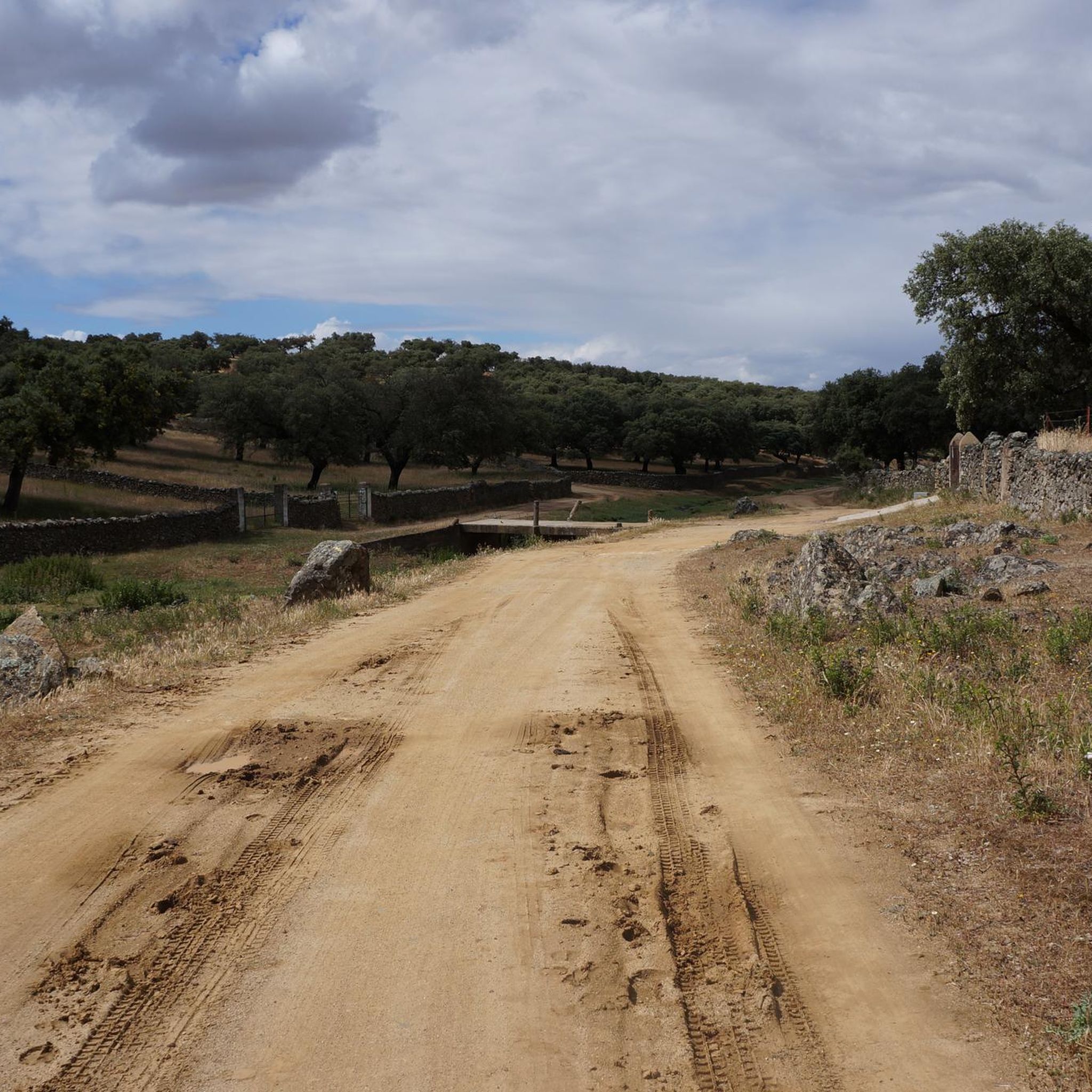
Natural monuments around Cabeza La Vaca are found in the southern part of the province of Badajoz, within the Sierra Morena foothills. This region features a mountainous terrain with elevations exceeding 1,000 meters, characterized by diverse ecosystems. The landscape includes extensive dehesas of holm oaks, cork oaks, and chestnut trees, alongside valleys with numerous streams. Its high elevation contributes to a microclimate that supports rich vegetation.
Best natural monuments around Cabeza La Vaca
- The most popular natural monuments is Bonales…
Last updated: July 1, 2026
Bonales Summit (1,055 m) – Highest Point of Huelva
Highlight • Summit
Translated by Google •
Tip by

Bonales Oriental Summit
Highlight • Summit
Translated by Google •
Tip by

Sign up now to discover places like this
Get recommendations on the best single tracks, peaks, & plenty of other exciting outdoor places.
Sign up for free
Laguna de Cañaveral de León
Highlight • Lake
Translated by Google •
Tip by

Tentudía Summit
Highlight • Summit
Translated by Google •
Tip by

Caves of Fuentes de León
Highlight • Cave
Translated by Google •
Tip by
Start today with a free account
Your next adventure awaits.
Login or Signup
Tips from the Community

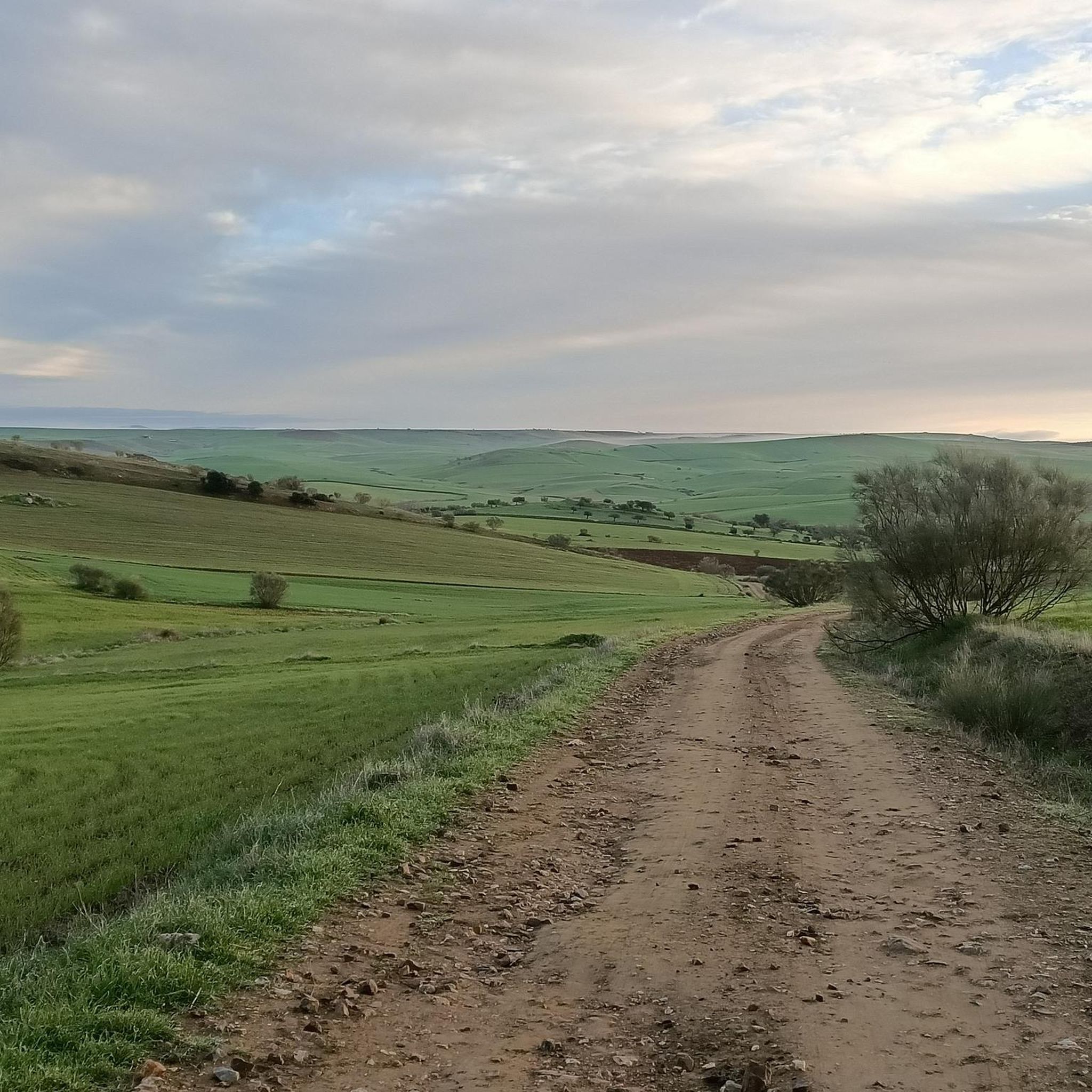
Bonales Oriental is one of the most outstanding peaks of the Sierra de Tentudía, located in Calera de León. It is an ideal route for hiking lovers looking to enjoy nature and spectacular views.
6
0

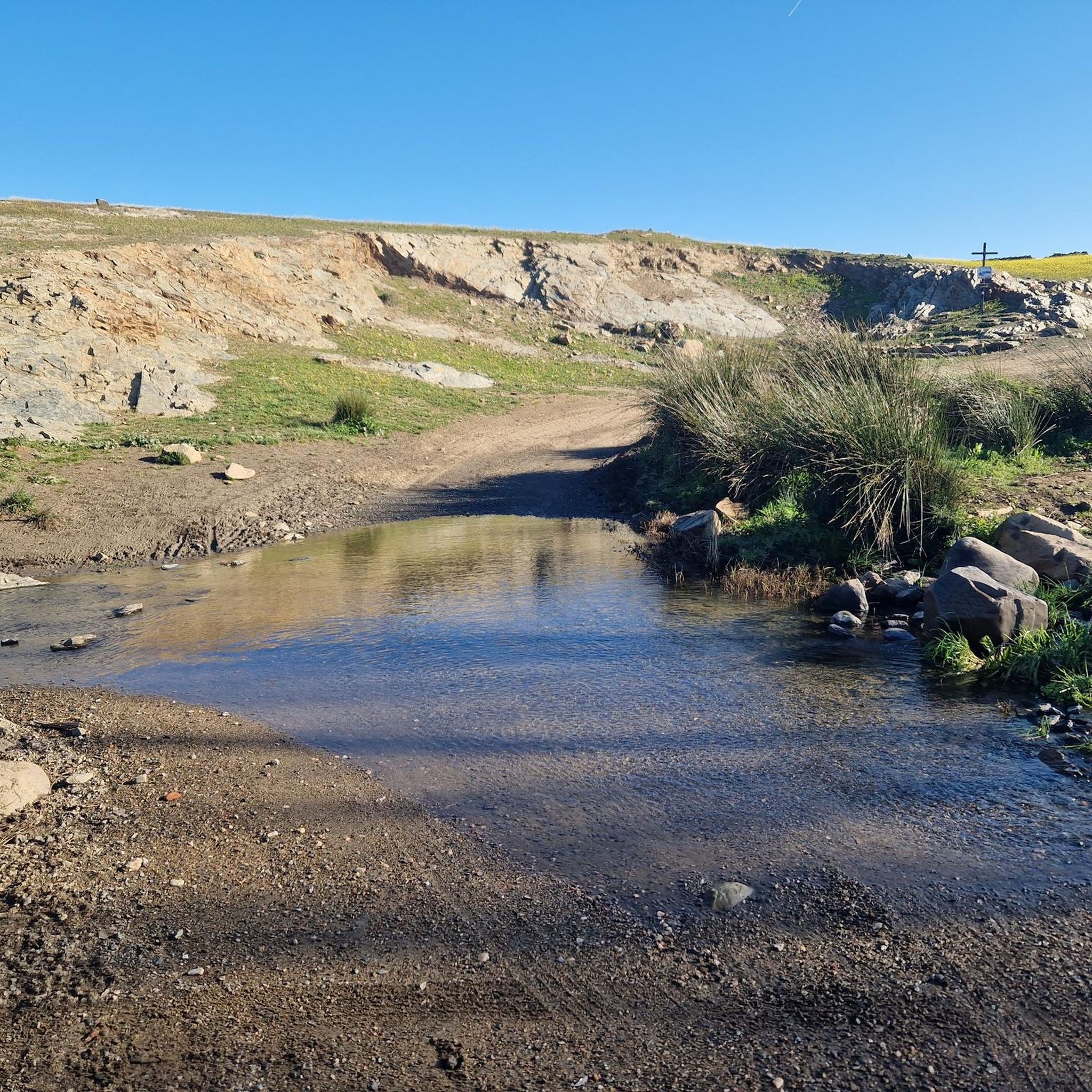
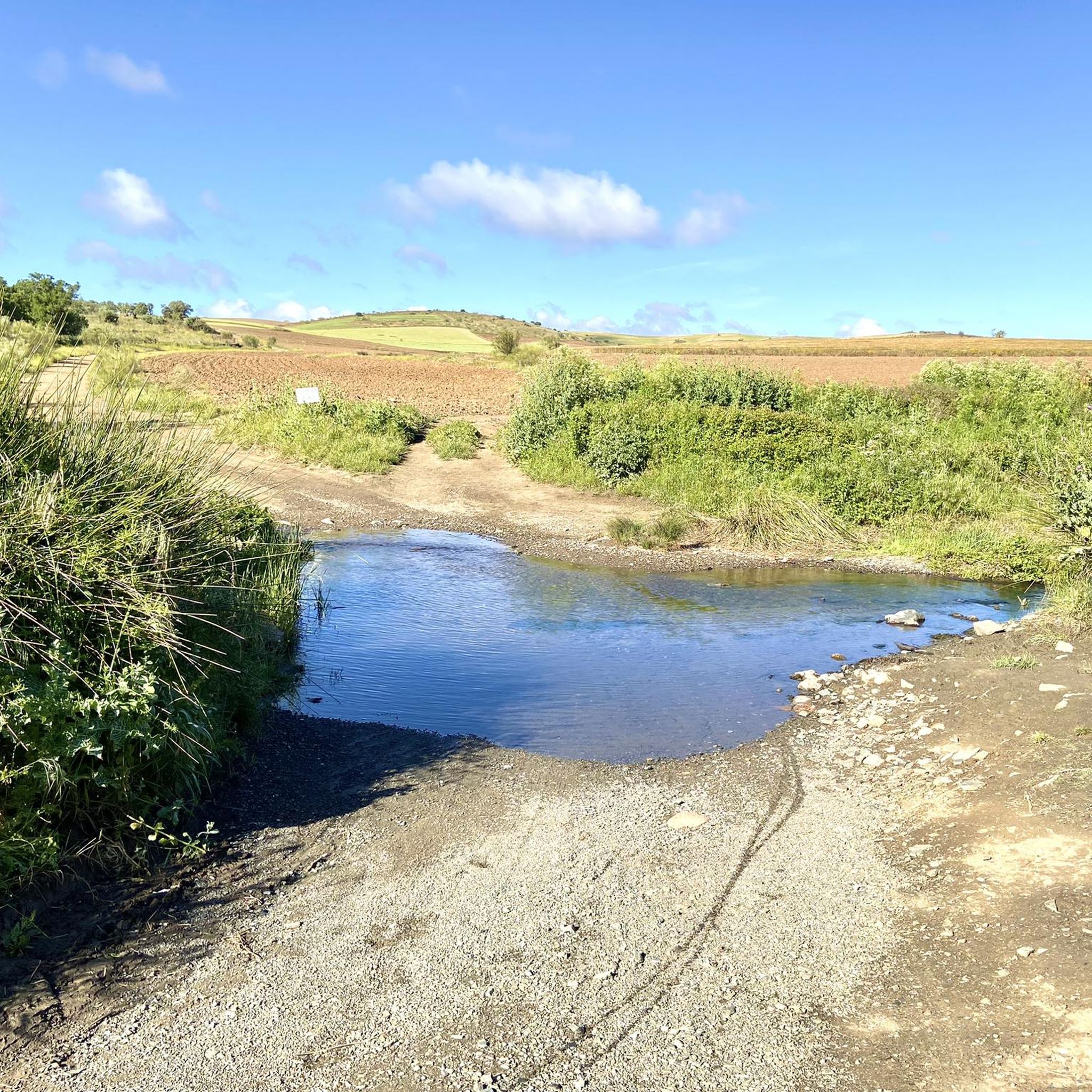
The Cañaveral de León lagoon is a pool that collects groundwater from the Fuente Redonda spring and serves to irrigate the crops in the area. For a few years it has also been conditioned to be the municipal swimming pool of this town. In summer a treatment plant is started up to offer a pleasant bath on the hottest days.
2
0

The Cañaveral de León lagoon is the most valuable jewel of the Sierra de Aracena. It is a pool formed by the accumulation of natural water that is channeled from the spring of the round fountain.
0
0
Mount Bonales (also known as Cerro Bonales or Cumbre Bonales) is, at 1,055 meters, the highest elevation in the Spanish province of Huelva. A fantastic tour of the natural park, enjoying cork oaks, holm oaks, oaks, meadows, and enjoying its flora and fauna.
1
1
The Cañaveral de León Lagoon is the main tourist attraction of this beautiful town in the Sierra de Aracena. La Laguna is a pool formed by the accumulation of natural water that is channeled from the spring of the round fountain. The pool is so big that almost 500 inhabitants of the town could fit together.
1
0

Very close to the town of Fuentes de León is this site that has been declared a Natural Monument and with good reason. It is a karstic set of caves, among which the Cueva del Agua, La Lamparilla, Sima Cochinos, Los Postes, Los Caballos and Cueva Masero stand out, they are between 500 and 540 million years old with great archaeological, geological and tourist value. of the whole area.
4
0
It is the second peak of Pico Bonales located on its eastern margin at 1059 meters above sea level within the province of Badajoz. Very close to here is the Sierra de Aracena y Picos de Aroche Natural Park.
3
1
Also known as the "roof of Huelva" this peak at 1055 masl represents the physical limit between the province of Huelva and Badajoz. The massif has 2 well-marked summits and this one in particular is located in the province of Huelva.
1
0
Frequently Asked Questions
What are the most popular natural monuments around Cabeza La Vaca?
Visitors frequently enjoy the high peaks and unique geological formations. Among the most popular are Bonales Summit (1,055 m), the highest point in Huelva, offering tours through cork and holm oak forests. Another favorite is Bonales Oriental Summit, located in the province of Badajoz, known for its spectacular views. The ancient Caves of Fuentes de León also attract many for their archaeological and geological significance.
Are there family-friendly natural monuments in the area?
Yes, the Laguna de Cañaveral de León is a great option for families. This natural pool, fed by groundwater, serves as a municipal swimming pool in summer and is considered a main tourist attraction in the Sierra de Aracena, offering facilities for a pleasant visit.
What kind of natural features can I expect to see around Cabeza La Vaca?
The region is characterized by its mountainous terrain, part of the Sierra Morena foothills, with elevations exceeding 1,000 meters. You'll find extensive dehesas of holm oaks, cork oaks, and chestnut trees, as well as valleys with numerous streams. Unique features include the ferruginous spring at La Pisá del Caballo and the ancient karstic cave systems of Fuentes de León.
What outdoor activities can I do near these natural monuments?
The area offers a variety of outdoor activities. You can explore numerous hiking trails, such as the 'Monasterio de Tentudía – circular by the Ruta de la Pantanera' or the 'Pico Bonales via the Collado de la Majada del Moral'. For cycling enthusiasts, there are routes like the 'Vía de la Plata Loop from Monasterio' or the 'Monastery of Tentudía – Cerro de Tentudia loop'. You can find more details on these activities in the hiking and cycling guides for Cabeza La Vaca.
Are there specific hiking trails to natural monuments?
Absolutely. For instance, the Tentudía Summit is part of one of the most beautiful and demanding routes in the area, often passing by the Tentudia Reservoir. There's also an easy circular walk around the Natural Monument Caves of Fuentes de León, allowing you to explore this ancient site.
What is La Pisá del Caballo and why is it significant?
La Pisá del Caballo (The Horse's Footprint) is a protected Periurban Park near Cabeza la Vaca, known for its unique microclimate and environmental value. It features a distinctive horseshoe-shaped ferruginous spring and is home to diverse flora and fauna, including black vultures and Iberian imperial eagles. The site also has an 'Aula de la Naturaleza' and an Interpretation Center, enriched by a local legend about the spring's miraculous appearance.
What is the best time to visit the natural monuments around Cabeza La Vaca?
The region's rich vegetation is supported by abundant rainfall due to its high elevation. Autumn is particularly recommended for visiting, especially to experience the 'Ruta El Castañar' (Chestnut Grove Route) when the numerous chestnut trees display their vibrant colors.
Are there any historical or cultural aspects to these natural monuments?
Yes, some natural monuments have historical and cultural ties. The Caves of Fuentes de León are not only geologically ancient (500-540 million years old) but also hold significant archaeological value. Additionally, La Pisá del Caballo is steeped in local legend, with a tale explaining the origin of its unique spring, adding a cultural dimension to its natural appeal.
What kind of wildlife can I observe in the natural monuments?
The diverse ecosystems, including rocky formations, scrubland, and large trees in ravines, support a variety of wildlife. At La Pisá del Caballo, you might spot birds like the black vulture, black stork, and Iberian imperial eagle, as well as other species such as kites and wild boars. The dehesas and waterways also provide habitats for various species.
What makes the landscape around Cabeza La Vaca unique?
The landscape is unique due to its position within the last mountainous foothills of Sierra Morena, featuring elevations over 1,000 meters. This creates a diverse environment with extensive dehesas of holm oaks, cork oaks, and chestnut trees, alongside numerous streams and brooks that flow year-round. The characteristic microclimate, with abundant rainfall, further contributes to its rich and varied vegetation.
Can I find viewpoints with spectacular scenery?
Yes, the mountainous terrain offers several excellent viewpoints. Both Bonales Summit and Bonales Oriental Summit are noted for providing spectacular views of the surrounding natural park and the Sierra de Tentudía. Tentudía Summit also offers scenic beauty along its challenging trails.
Most popular attractions around Cabeza La Vaca

Get inspired with the komoot mobile app


Explore more
Extend your search for the best caves by checking out these guides of the top ones around Cabeza La Vaca:
