Top 4 Mountain Passes around Laspuña
Best mountain passes around Laspuña are situated in the Aragonese Pyrenees, a region characterized by its diverse mountainous environment and river valleys. This area provides access to significant mountain crossings within the Huesca province. The landscape features rugged beauty and varied terrain, offering opportunities for outdoor exploration. Historic routes and natural formations define the passes accessible from Laspuña.
Best mountain passes around Laspuña
- The most popular mountain passes is Cotiella, a summit that involves a tour almost exclusively through…
Last updated: May 4, 2026
Puerto de Arro – Monastery of San Victorián
Highlight (Segment) • Mountain Pass
Legend has it that Saint Victorián arrived in the Pyrenees …
Translated by Google •
Tip by

Cullivert Pass
Highlight • Mountain Pass
Translated by Google •
Tip by

Sign up now to discover places like this
Get recommendations on the best single tracks, peaks, & plenty of other exciting outdoor places.
Sign up for free
Cotiella
Highlight • Summit
Translated by Google •
Tip by

Ascent to Collada de la Cruz
Highlight (Segment) • Mountain Pass
Translated by Google •
Tip by
La Collada
Highlight • Mountain Pass
Showing Translation
Tip by

Start today with a free account
Your next adventure awaits.
Login or Signup

Tips from the Community

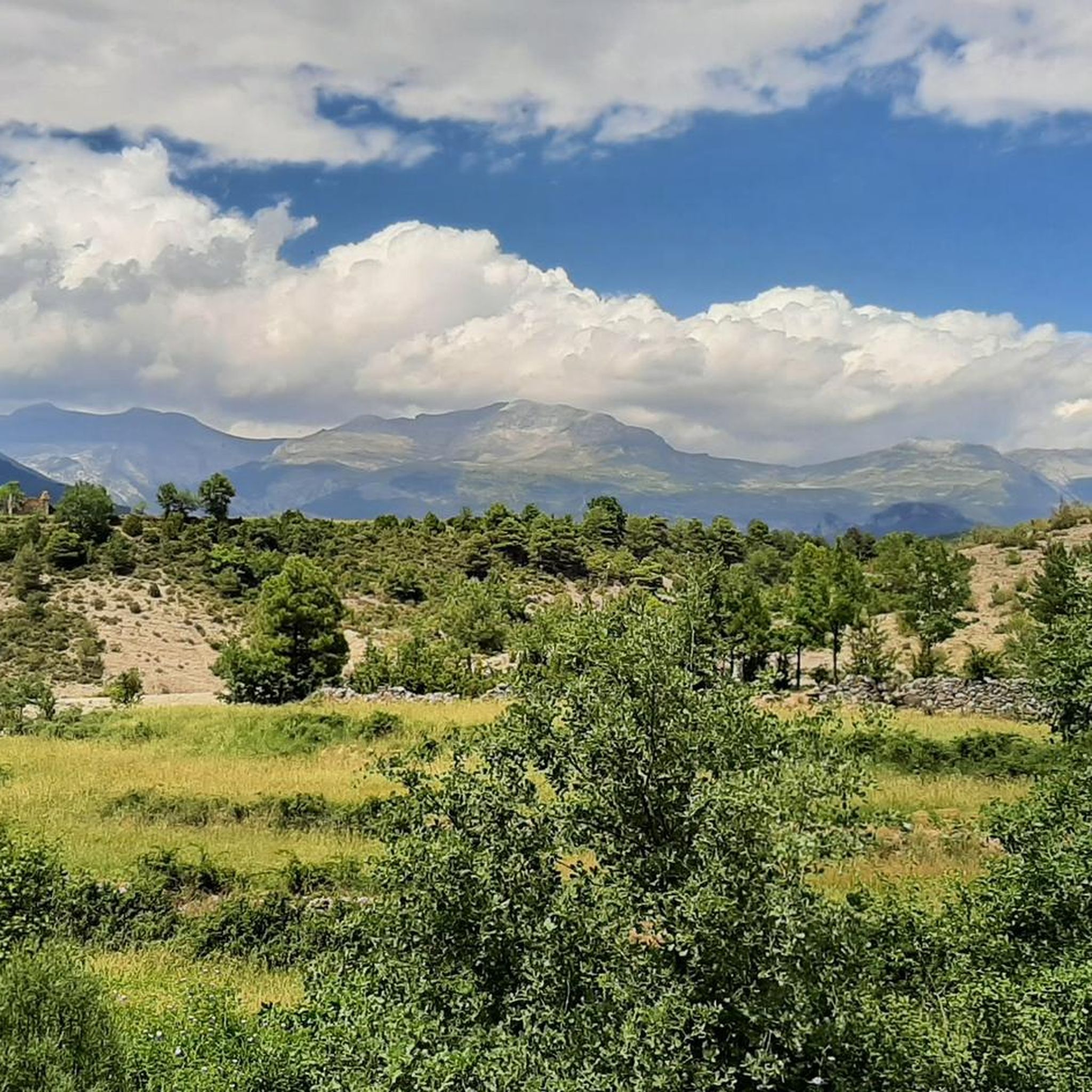
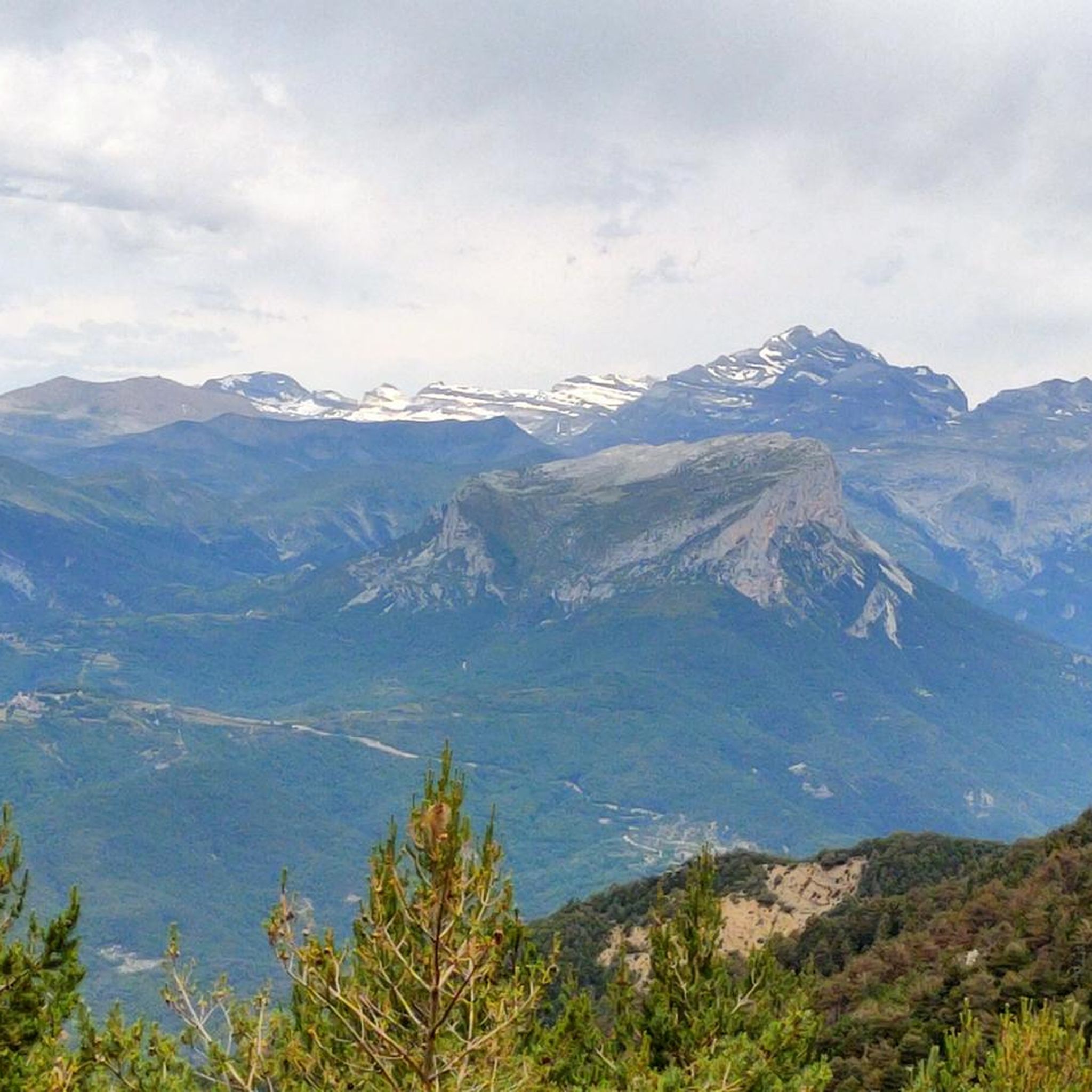
La Collada, at an altitude of 1548m, is the pass between the Cinca valley and the Ésera valley on the North face of Peña Montañesa. Impressive views to the West of the entire Cinca valley: Ainsa, Labuerda, Escalona... While to the East, we find the Cotiella massif.
0
0
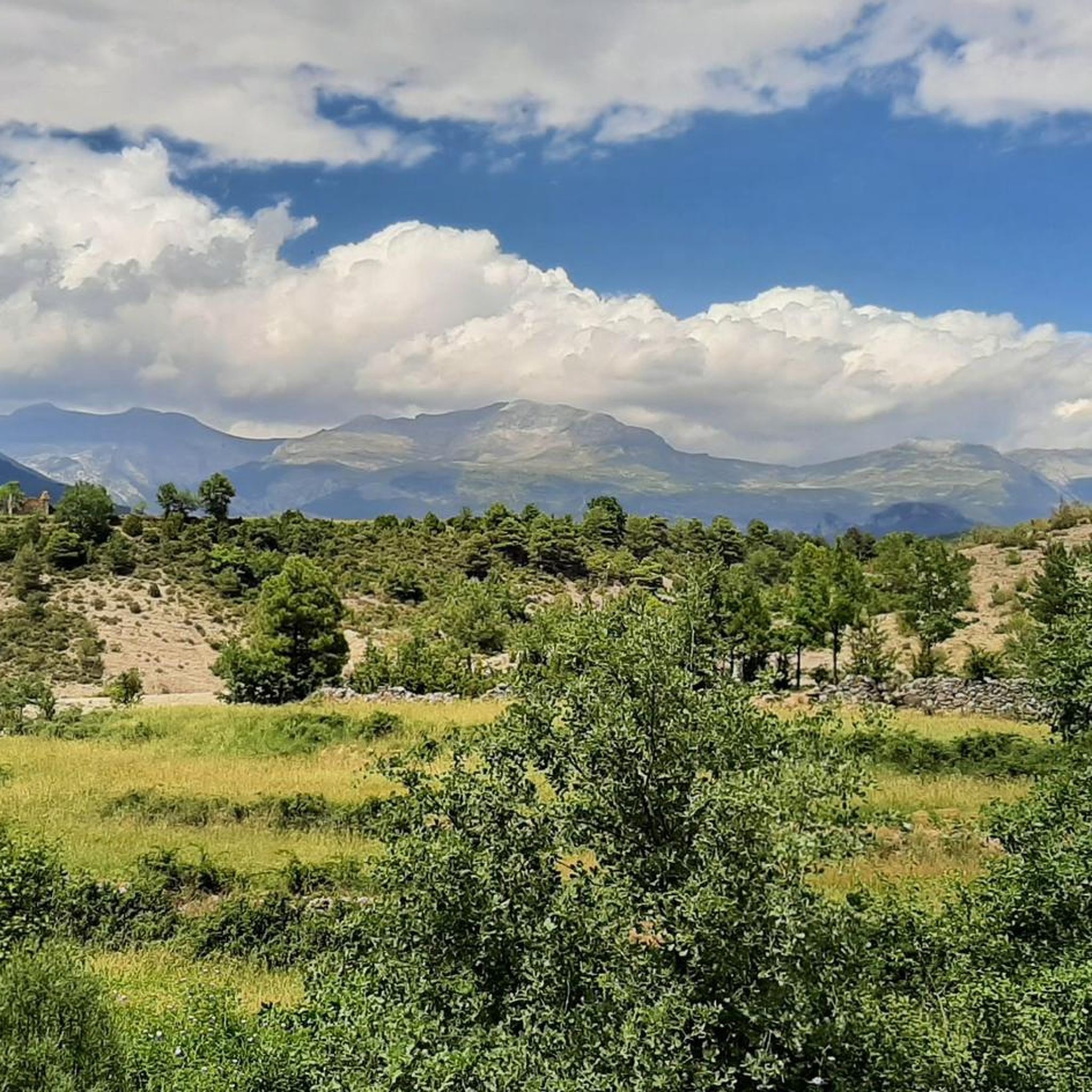
An idyllic meadow in the middle of the forest, located on the North face of Peña Montañesa
0
0
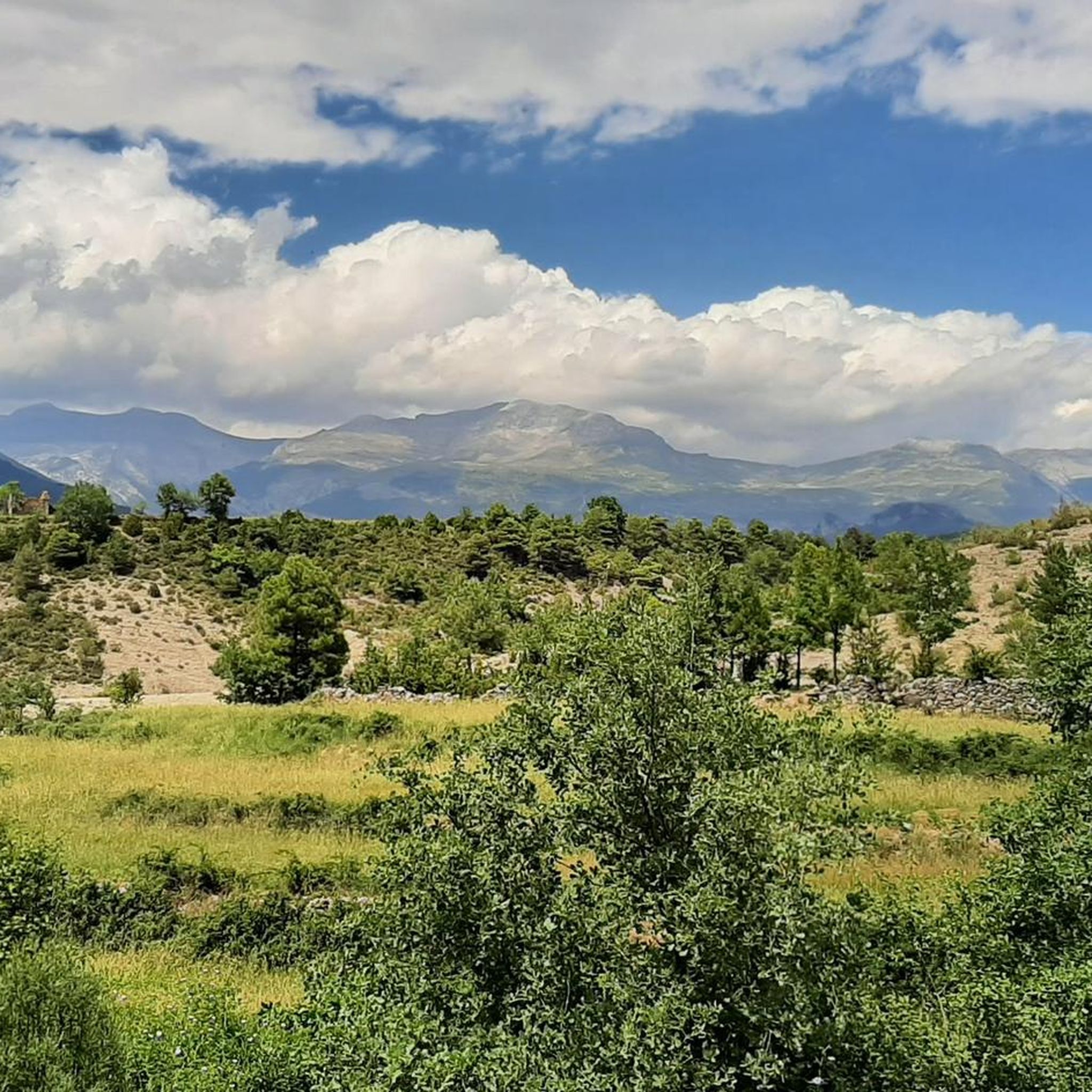
A very enjoyable climb. No steep inclines, a narrow but well-maintained road. The finish at the foot of Peña Montañesa has its charm.
0
0

Climb from Plan to the Collada de la Cruz. Plan is located in the vicinity of the Posets-Maladeta natural park and is the main nucleus of the Val de Chistau. Bordered by the Cinqueta River (a tributary of the Cinca) and escorted to the south by the Peñas de las Diez, Once and Mediodía. The track begins at the bridge over the Cinqueta River, next to the town swimming pools. The surface is perfect for both MTB and gravel.
0
0
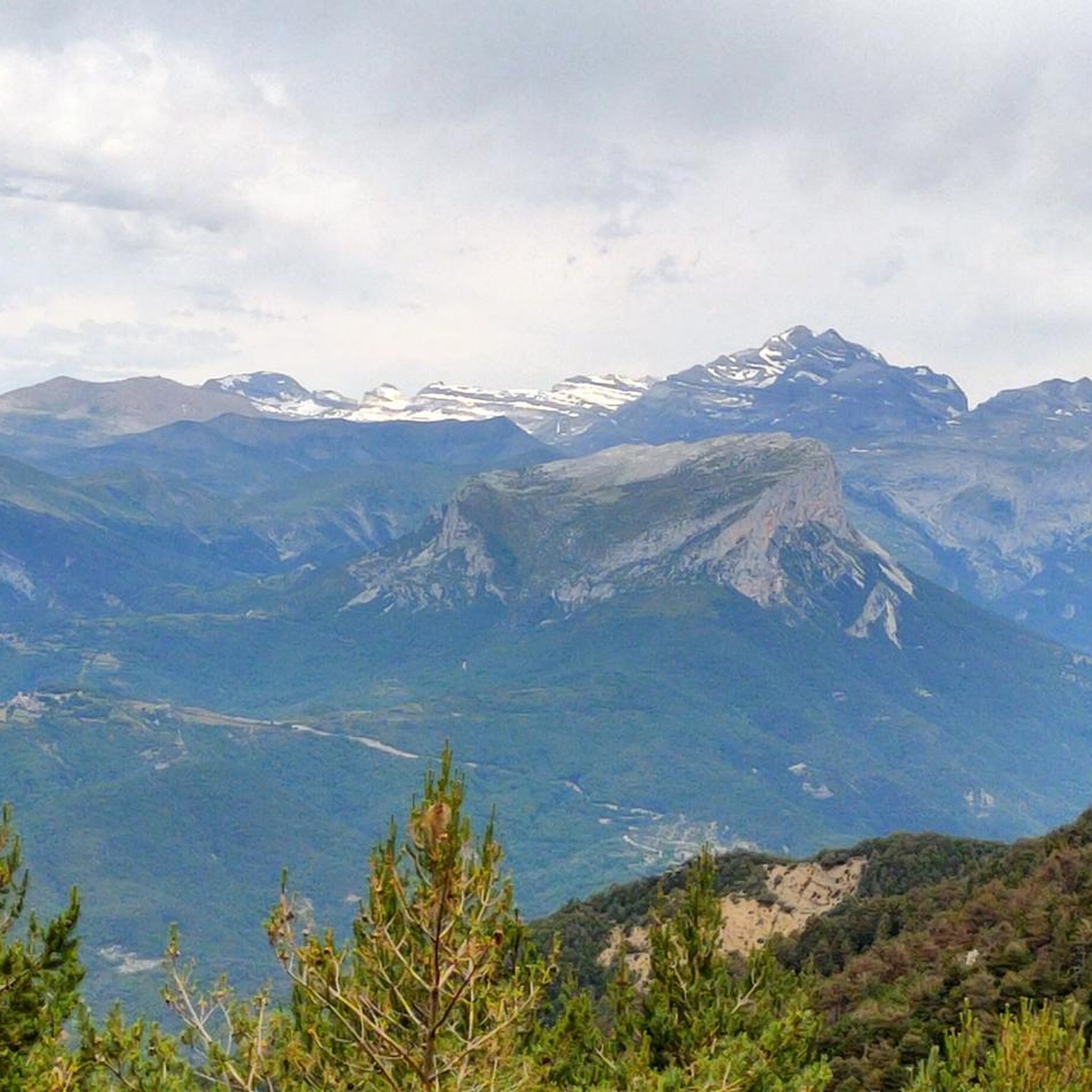
Collado de Cullivert is the link between the Cotiella massif (2912 m), Sierra Ferrera and the Peña Montañesa (2291 m). Natural passage between the regions of Ribagorza and Sobrarbe, separation line of the slopes of the Ésera and Cinca rivers. Access to the Cullivert pass (1,471 m) is via a demanding but beautiful track of almost 6 km that goes up the Ravine of Viu.
0
0

The port of Arro leads to the Monastery of San Victorián, from the 6th century, considered the oldest in Spain. Legend has it that Saint Victorián arrived in the Pyrenees fleeing from earthly temptations. After a life as a hermit in the Cueva de la Espelunga and realizing great prodigies, he was appointed abbot of the monastery, which was originally called San Martín de Asán. Some time later, in the 11th century, the monastery took its name and was renamed San Victorian or San Beturián.
0
0

Length 11 km, difference in altitude 560 m, average gradient 4.6%, maximum gradient 13.5%. Very nice road and scenic a dream.
0
0
Don't know the real name of the track (ZonaZero). Is super developed and signposted. At regular intervals you get the missing altitude announced. The route first "rolls" through a valley and then climbs steadily to the crossroads. From there it becomes permanently steeper up to a maximum of 13%. Highly recommended!! The whole landscape is in a dream and on the route (Tuesday) hardly any traffic. Tip: there is a fountain at the crossroads. 😜
0
0
Frequently Asked Questions
What are some of the most notable mountain passes to explore around Laspuña?
The region around Laspuña offers several remarkable mountain passes. Beyond local highlights like Puerto de Arro – Monastery of San Victorián, which leads to Spain's oldest monastery, you can explore the dramatic Cullivert Pass, connecting major massifs. Further afield, consider the legendary Roland's Breach, the high-altitude Port de Vénasque, or the historically significant Somport Pass.
Are there any mountain passes with historical significance near Laspuña?
Yes, several passes in the broader region hold historical importance. The Puerto de Arro – Monastery of San Victorián is notable for leading to a monastery dating back to the 6th century. The Somport Pass, located on the border between France and Spain, has historically served as a crucial crossing point and a European gateway to the Way of St. James.
What kind of views can I expect from the mountain passes around Laspuña?
The mountain passes in this region offer breathtaking panoramic views. From La Collada, you can enjoy impressive vistas of the Cinca and Ésera valleys, including the Cotiella massif. Passes like Port de Vénasque provide magnificent high-altitude panoramas on both the French and Spanish sides of the Pyrenees.
Are there mountain passes suitable for cycling near Laspuña?
Absolutely. The Puerto de Arro – Monastery of San Victorián is highly recommended for cyclists, featuring a scenic and challenging climb with sections up to 13.5% gradient. Collado de Foradada also offers diverse routes for cyclists, while the Ascent to Collada de la Cruz is perfect for both MTB and gravel bikes.
What natural features can I discover when exploring mountain passes in the area?
You'll encounter diverse natural beauty. Roland's Breach is a unique geological formation, a 40-meter-wide natural gateway. The Cullivert Pass features an idyllic meadow nestled within a forest. Puerto de Oza offers a picturesque journey through a hidden valley, including the stunning Boca del Infierno gorge.
What is the best time of year to visit the mountain passes around Laspuña?
Generally, late spring through early autumn (May to October) offers the most favorable conditions for exploring mountain passes in the Pyrenees, with milder weather and less snow. However, conditions can vary significantly with altitude, so always check the local weather forecast before heading out, especially for higher passes like Port de Vénasque or Cotiella.
What outdoor activities can I do near these mountain passes?
The region is excellent for various outdoor activities. You can find numerous hiking trails, including ascensions of peaks like Peña Montañesa. For cycling enthusiasts, there are challenging routes like the Puerto de Sahún. Additionally, you can explore many running and cycling routes around Laspuña. For more details, check out the Hiking around Laspuña, Cycling around Laspuña, and Running Trails around Laspuña guides.
Are there any challenging mountain passes for experienced hikers or cyclists?
Yes, for experienced adventurers, the region offers several challenging options. Port de Vénasque is a demanding yet rewarding destination for hikers and mountaineers. For cyclists, the Puerto de Sahún presents a challenging climb with an average gradient of 8% over 11.7 km, leading to unspoiled high-mountain scenery. The tour to Cotiella (2912 m) is also described as challenging and leads almost exclusively through stony terrain.
What makes the mountain passes around Laspuña unique?
The mountain passes around Laspuña are unique due to their combination of stunning natural beauty, rich history, and diverse terrain. From the mythical Roland's Breach to the ancient Monastery of San Victorián accessible via Puerto de Arro, each pass offers a distinct experience. The region's passes also serve as natural gateways between valleys and countries, providing incredible viewpoints and challenging routes for all types of outdoor enthusiasts.
Can I find tranquil and less-trafficked mountain passes in the area?
Yes, if you're seeking tranquility, Puerto de Oza offers a picturesque journey through a hidden valley with a long but gentle ascent on a solitary and narrow road. Similarly, the Puerto de Sahún, while challenging, is noted for its solitary nature and minimal traffic, providing an authentic Pyrenean adventure away from the crowds.
Most popular routes around Laspuña
Most popular attractions around Laspuña

Get inspired with the komoot mobile app


Explore more
See even more epic mountain passes by checking out these guides around Laspuña:
