Top 5 Mountain Passes around Cuenca
Best mountain passes around Cuenca are found within the Serranía de Cuenca mountain range in Spain, an area characterized by diverse routes and natural features. This region offers a range of experiences, from scenic drives to hiking trails, with viewpoints and unique geological formations. The landscape includes river canyons, rock formations, and high-altitude areas. These routes provide access to the natural environment of the Cuenca province.
Best mountain passes around Cuenca
- The most popular mountain passes is El Cubillo Pass…
Last updated: July 1, 2026
El Cubillo Pass
Highlight • Mountain Pass
Translated by Google •
Tip by

Puerto de Cabrejas
Highlight • Mountain Pass
Translated by Google •
Tip by

Sign up now to discover places like this
Get recommendations on the best single tracks, peaks, & plenty of other exciting outdoor places.
Sign up for free
Puerto Muela de San Juan
Highlight • Summit
Translated by Google •
Tip by

Collado de la Cañada
Highlight • Mountain Pass
Translated by Google •
Tip by
Start today with a free account
Your next adventure awaits.
Login or Signup
Popular around Cuenca
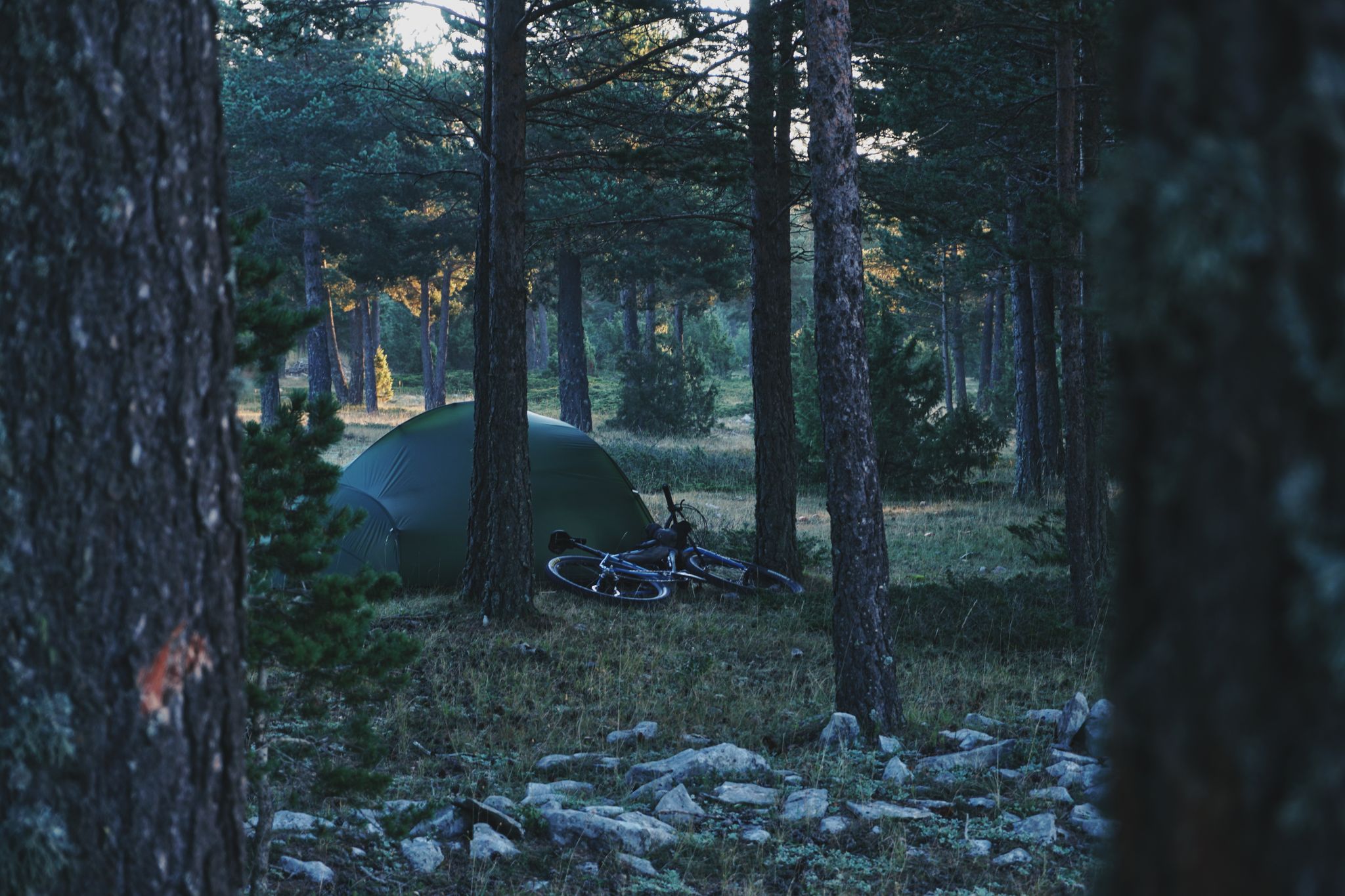
MontañasVacías official — bikepacking across the Spanish Lapland
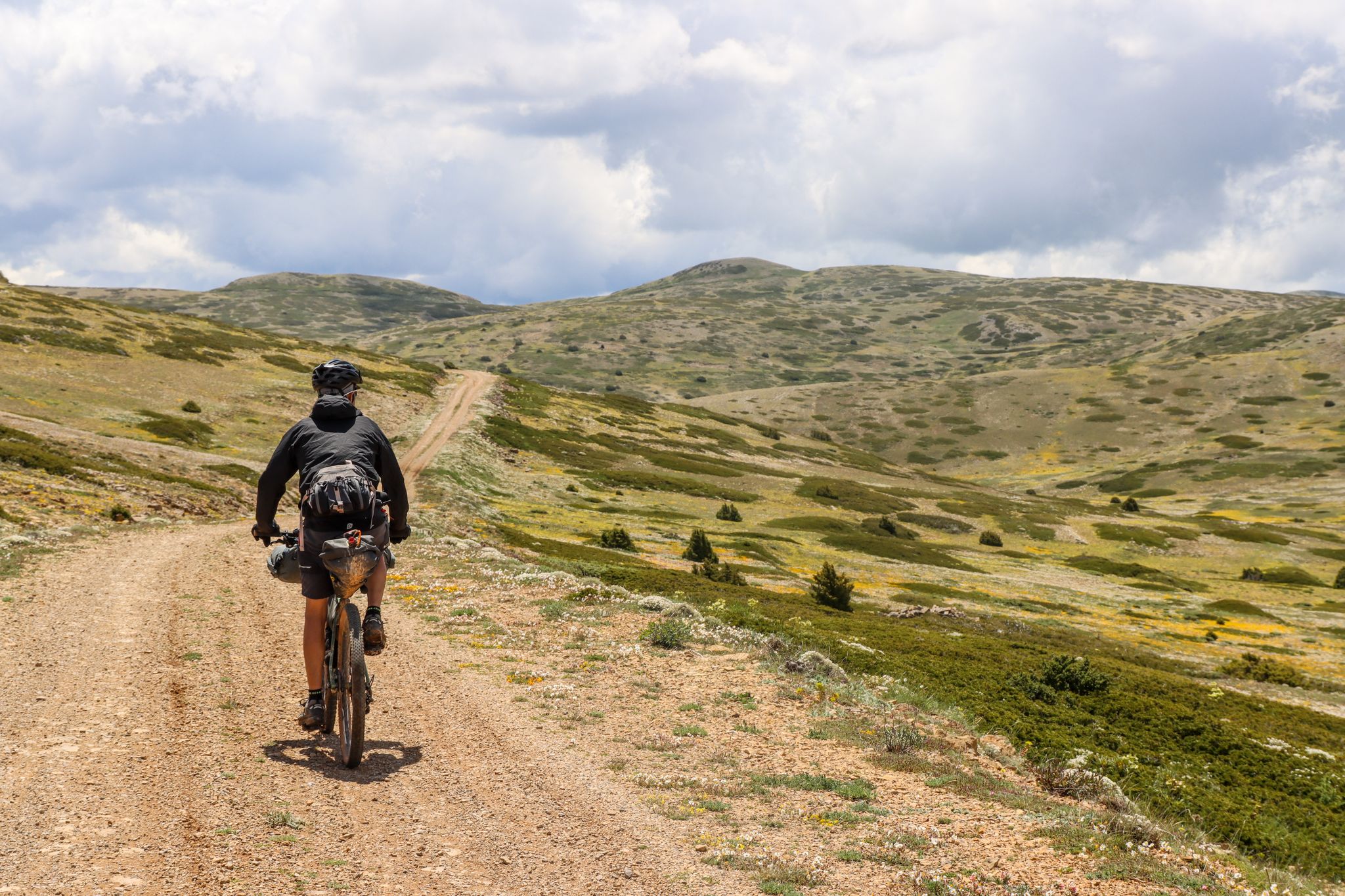
Montañas Vacías — bikepacking the wild and remote 'Empty Mountains'
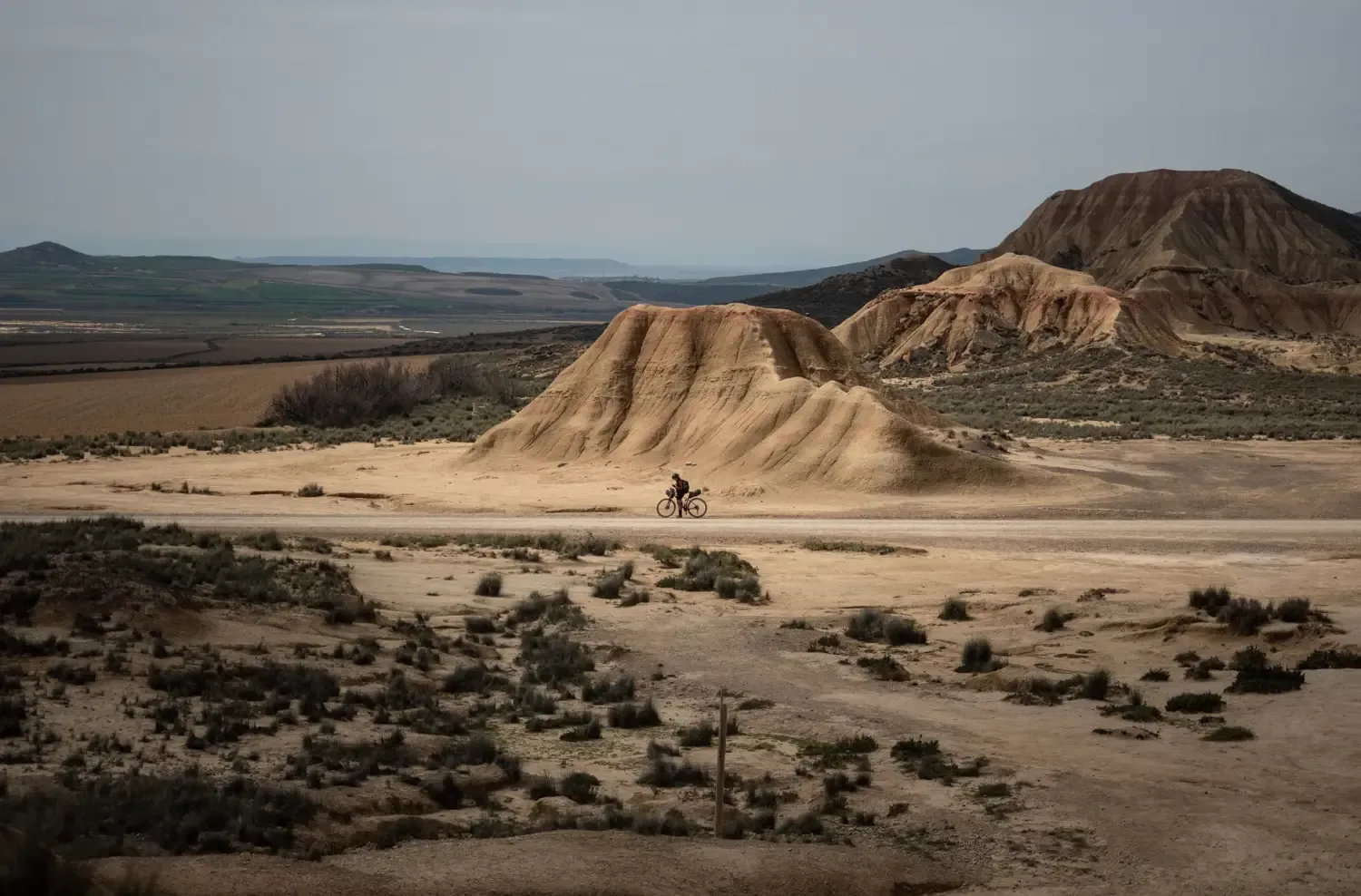
9 mountain biking routes in undiscovered Spain
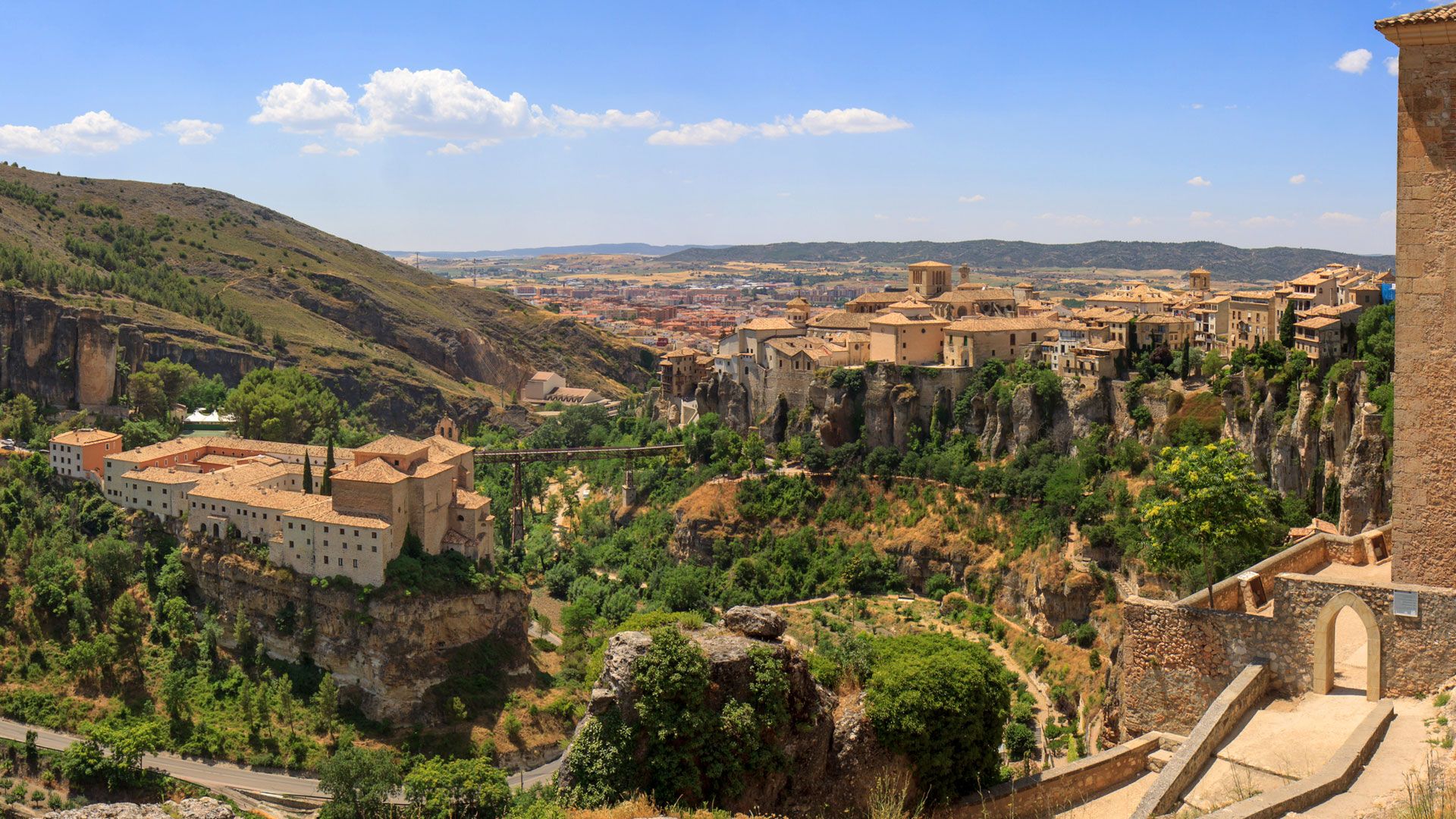
Levante to Castile – Ruta de la Lana Gravel Route
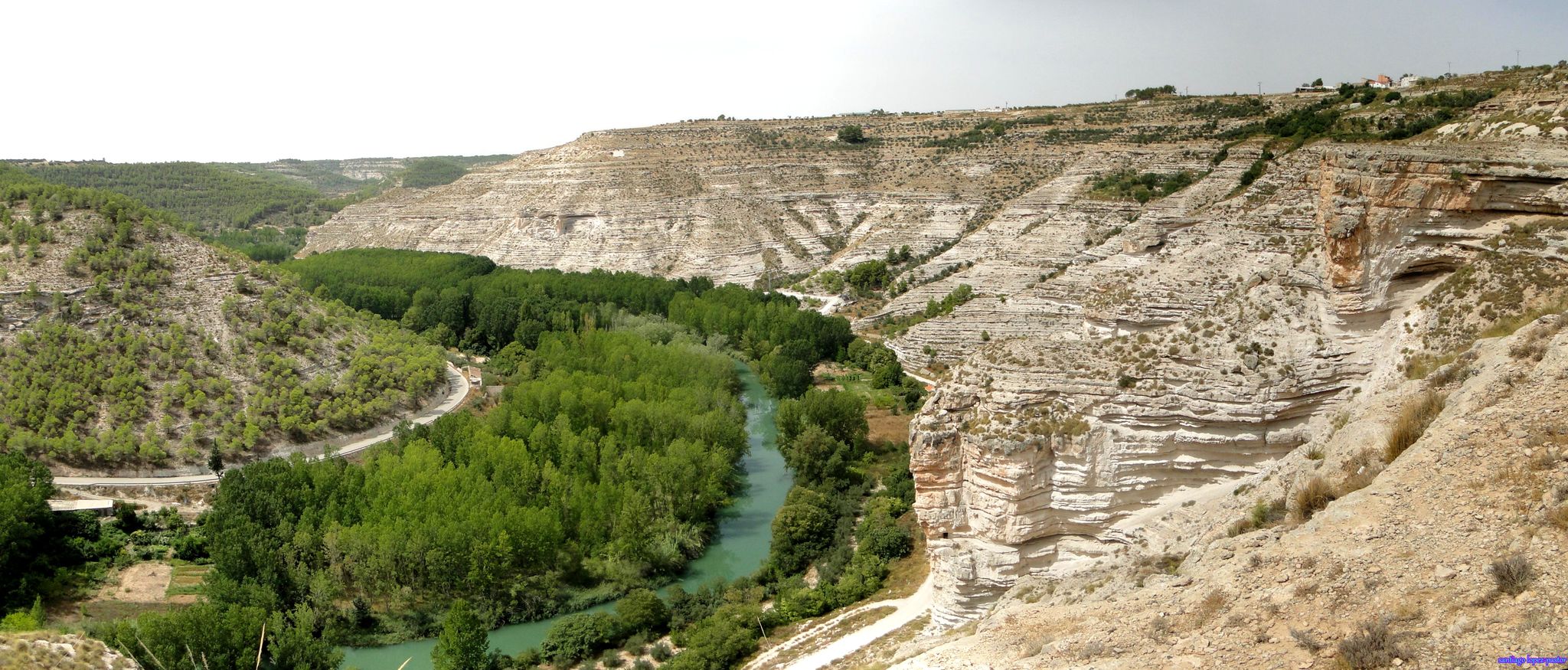
Explore Spain’s Júcar River by bike
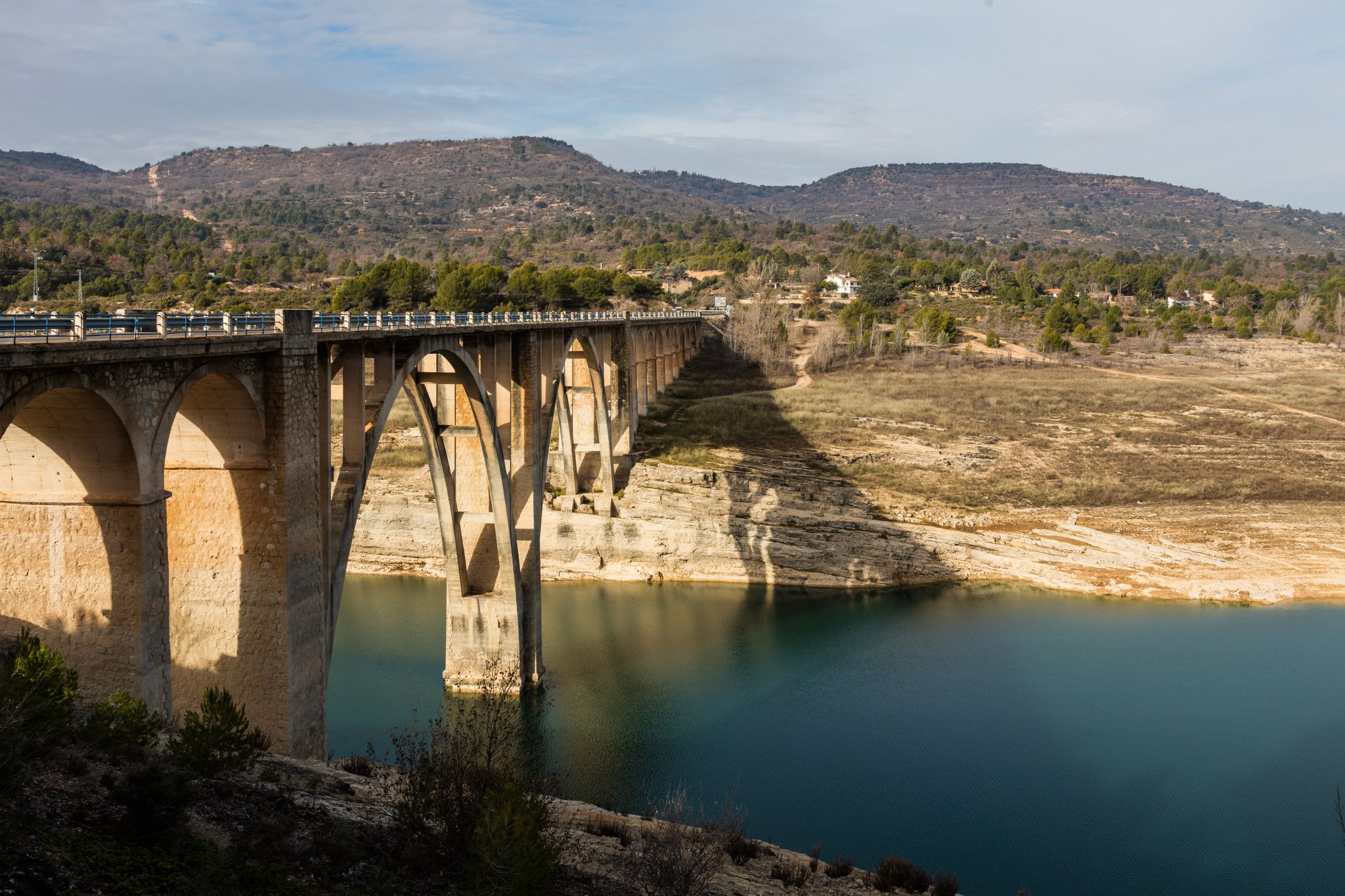
A journey on the Iberian Peninsula – Tagus Nature Trail
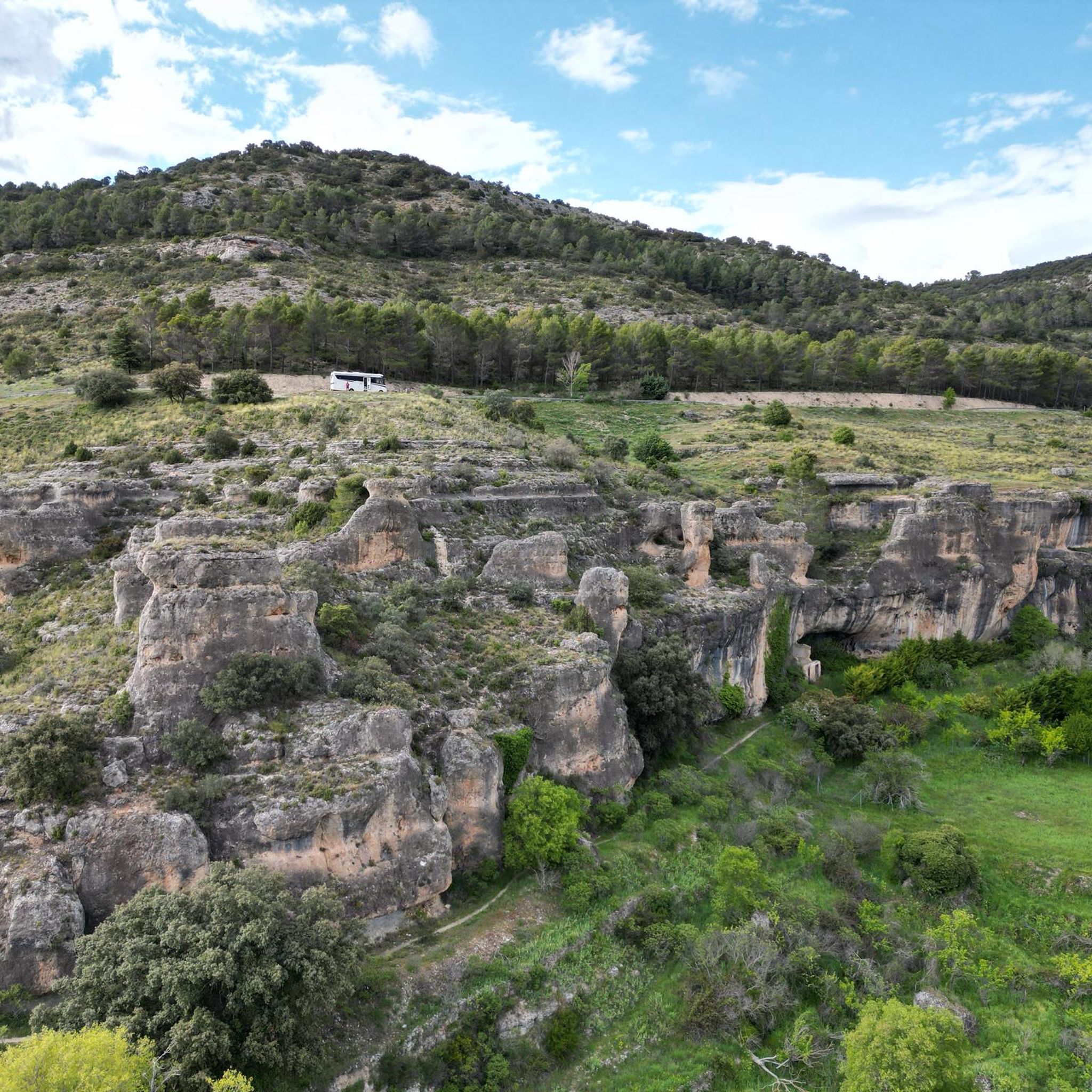
MTB Trails around Cuenca
Gravel biking around Cuenca
Other adventures around Cuenca


Tips from the Community

Puerto del Cubillo is located in the Serranía Alta de Cuenca mountain range, a mountainous region known for its natural beauty and hiking trails. One of the most notable routes is the one that leads to Pico Mogorrita, the highest point in the Serranía de Cuenca mountain range at 1,864 meters. This route begins at Puerto del Cubillo and offers stunning views and the chance to see local wildlife such as deer and roe deer.
29
0
The Port of Cabrejas, located in Abia de la Obispalía, in the province of Cuenca, is a beautiful town that stands out for its enviable natural surroundings. Surrounded by mountains and valleys, this picturesque port captivates its visitors with its green meadows and lush forests. The crystal-clear waters of the rivers that flow through the area create a calm and serene atmosphere, perfect for those looking to escape the hustle and bustle of the city.
2
0

A hill that comes from the Barranco del Horcajo in the direction of the town of Masegosa with an altitude that exceeds one thousand five hundred meters. This offers a very cold harbor in the winter where, at times, you are likely to see snow!
0
0

Just 17 km from Cuenca, it is a fairly easy pass to climb, although there are some ramps of up to 12%, but the most difficult part is barely 3 km. Good idea to start the season.
4
0
Nordic ski resort located at the top of the Santa Bárbera mountain, located more than 1800 meters high. From this point you can see a panoramic view of the town of Griegos.
0
0

Located in the Montes Universales, the port of El Cubillo is a very beautiful port, with a winding road, stuck between trees almost all the time and with the right dose of hardness. Its summit serves as the limit between Aragón and Castilla la Mancha.
6
0
Frequently Asked Questions
What are some of the most notable mountain passes and viewpoints in the Serranía de Cuenca?
The Serranía de Cuenca offers several remarkable spots. Among them are El Cubillo Pass, which serves as a starting point for routes to Pico Mogorrita, and Puerto Muela de San Juan, a summit over 1800 meters high offering panoramic views. Another popular spot is Puerto de Cabrejas, known for its green meadows and forests. Beyond specific passes, the region features natural viewpoints like Ventano del Diablo (Devil's Window) with views of the Júcar River canyon, and the unique rock formations of Ciudad Encantada.
Are there easy mountain passes or trails suitable for beginners in the Cuenca region?
Yes, there are options for various skill levels. Puerto de Cabrejas is considered a fairly easy pass to climb, despite some ramps. For more general trails, the area around the Source of the Cuervo River offers picturesque paths along waterfalls and pools, which are generally accessible. The Mirador del Cerro del Socorro also provides extensive views and can be reached by car or on foot, offering a less strenuous option.
What kind of natural features can I expect to see around the mountain passes of Cuenca?
The Serranía de Cuenca is rich in diverse natural features. You'll encounter river canyons, unique limestone rock formations sculpted by erosion (like those at Ciudad Encantada), lush forests, green meadows, and crystal-clear rivers with waterfalls, such as at the Source of the Cuervo River. High-altitude areas like El Cubillo Pass also offer opportunities to observe local wildlife like deer and roe deer.
What is the best time of year to visit the mountain passes in Cuenca, Spain?
The best time to visit the mountain passes and mountainous regions of Cuenca, Spain, is generally during spring (April to June) and autumn (September to October). During these seasons, the weather is typically mild and pleasant for hiking and outdoor activities. Summer can be hot, while winter can bring cold temperatures and snow, especially at higher elevations like Collado de la Cañada, where snow is likely.
Are there opportunities for mountain biking near the mountain passes in Cuenca?
Yes, the Cuenca region offers various routes suitable for mountain biking. You can find a range of trails, from moderate to difficult, that explore the diverse landscapes. For more detailed information and specific routes, you can check out the MTB Trails around Cuenca guide, which includes routes like the 'Cuenca: Júcar and Huécar Gorges Loop'.
Can I find gravel biking routes around the mountain passes of Cuenca?
Absolutely. The area around Cuenca is well-suited for gravel biking, with routes that take you through scenic landscapes. The Gravel biking around Cuenca guide provides options such as the 'Júcar Riverside Walk – Júcar Gorge loop from Cuenca' and other routes exploring the river views and gorges.
What is the 'Ruta de las Caras' and where is it located?
The Ruta de las Caras (Route of the Faces) is a unique trail in the Serranía de Cuenca that combines nature with art. It features giant sculptures carved into rock faces, creating a striking contrast with the surrounding landscape. It's a popular spot for hikers and nature enthusiasts looking for something different.
Is public transport available to reach hiking areas like Ciudad Encantada or the Source of the Cuervo River?
While specific public transport routes directly to all trailheads can be limited, some areas are more accessible. Ciudad Encantada and the Source of the Cuervo River are popular attractions, and there are often bus services or organized tours from Cuenca city that can take you to these locations. It's advisable to check local transport schedules for the most up-to-date information.
Are there any viewpoints offering panoramic views of Cuenca city and its surroundings?
Yes, the Mirador del Cerro del Socorro, located at an altitude of 1,130 meters, offers extensive panoramic views of the city of Cuenca and its surrounding mountains. It's an easily accessible spot that provides one of the most awe-inspiring scenic views in the area.
What is unique about the <a href="https://www.komoot.com/highlight/5166914" target="_blank" rel="noopener">El Cubillo Pass</a>?
El Cubillo Pass is notable for being a key starting point for routes leading to Pico Mogorrita, the highest point in the Serranía de Cuenca. It's situated in the Serranía Alta de Cuenca mountain range and offers stunning views, along with opportunities to observe local wildlife like deer and roe deer. Its summit also marks the boundary between Aragón and Castilla la Mancha.
What kind of terrain can I expect on trails around the mountain passes in Cuenca?
The terrain around Cuenca's mountain passes varies. You can expect a mix of winding roads, forest paths, and trails along river canyons. Some areas, like Puerto de Cabrejas, feature green meadows and lush forests, while others, such as the Ventano del Diablo, involve paths along cliff edges. Higher elevations can present more rugged, mountainous terrain.
Most popular attractions around Cuenca

Get inspired with the komoot mobile app


