Top 6 Mountain Passes around Sant Martí De Llémena
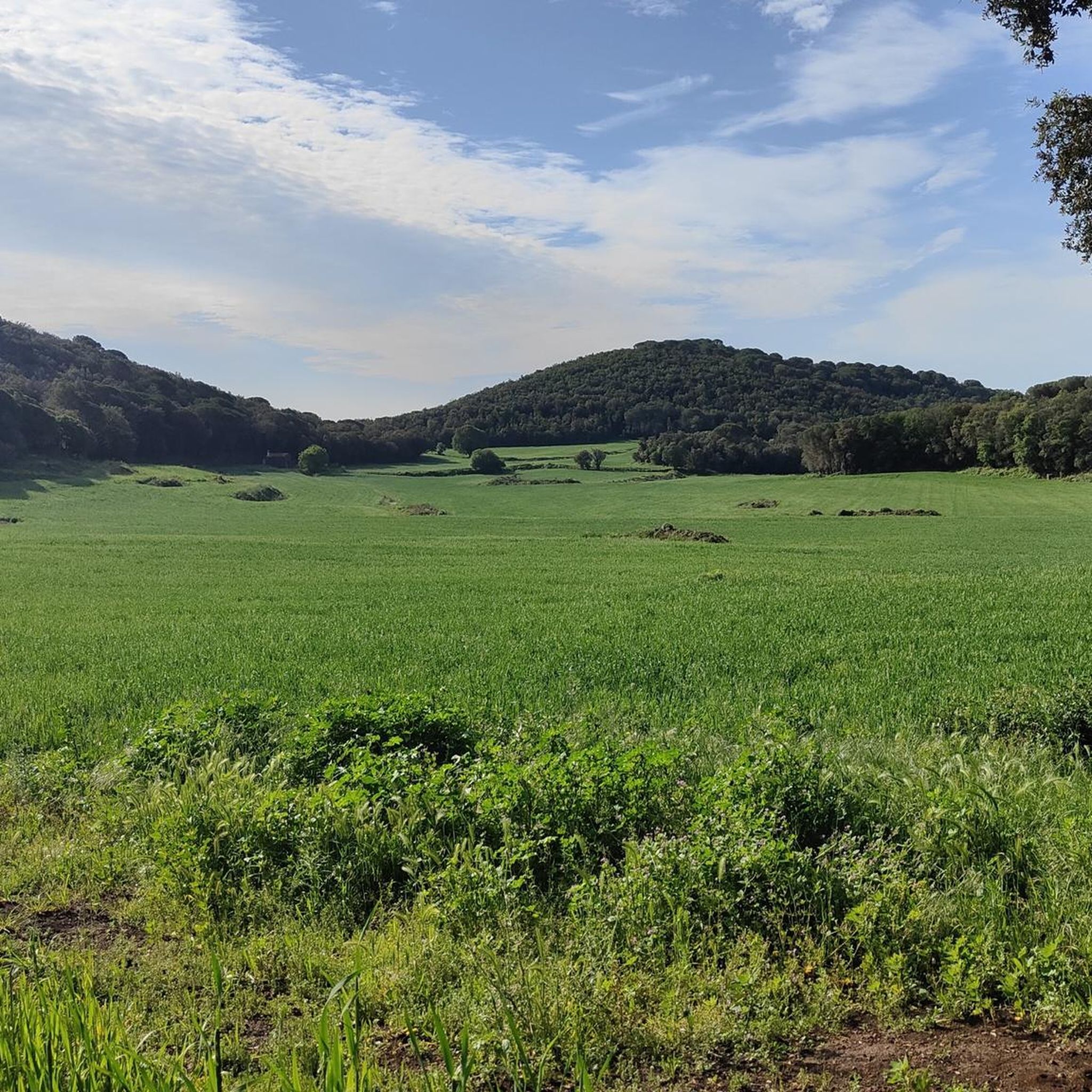
Best mountain passes around Sant Martí De Llémena are characterized by undulating hilly and volcanic terrain in the Gironès region of Catalonia, Spain. The area features elevated points and challenging climbs. These routes offer panoramic views of the Llémena Valley and its natural landscape. The region is known for its unique geographical features, including ancient volcanoes and diverse trails.
Best mountain passes around Sant Martí De Llémena
- The most popular mountain passes is Sant Martí Sacalm, a mountain pass…
Last updated: July 15, 2026
Sant Martí Sacalm
Highlight • Mountain Pass
Translated by Google •
Tip by

Sant Martí Sacalm
Highlight • Climb
Tip by

Sign up now to discover places like this
Get recommendations on the best single tracks, peaks, & plenty of other exciting outdoor places.
Sign up for free
Coll de Ruscall
Highlight • Mountain Pass
Translated by Google •
Tip by

Coll de Palomera
Highlight • Mountain Pass
Translated by Google •
Tip by

Gravel Road Between Coll de Palomera and Sant Aniol
Highlight (Segment) • Trail
Translated by Google •
Tip by

Start today with a free account
Your next adventure awaits.
Login or Signup

Tips from the Community

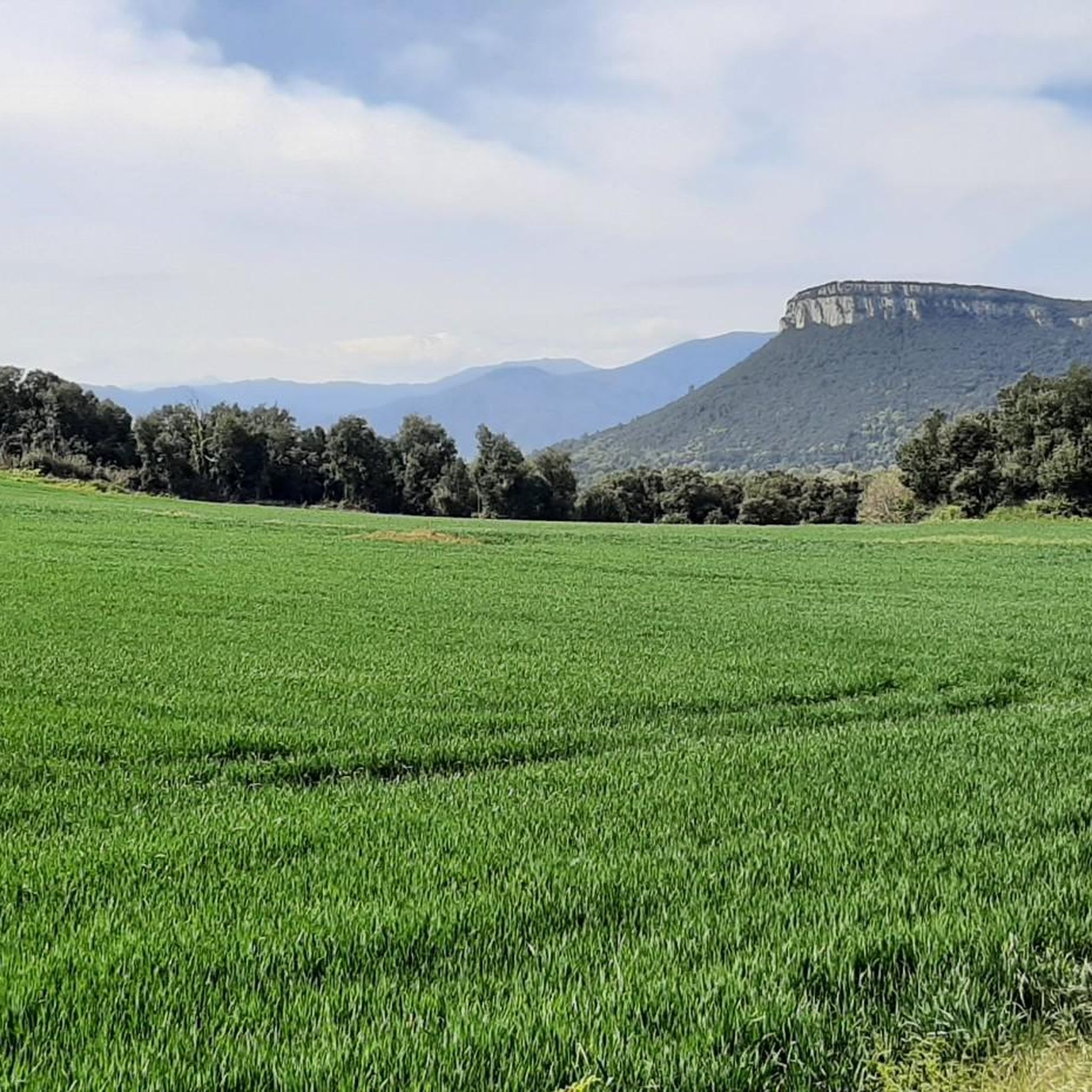
With the start of the ascent from the road of Sant Aniol de Finestres, at the height of Can Tura and taking the detour from the road of Agustins, a long ascent begins for gravel or mountain biking, with some sectors with slopes of 10% or more, with good terrain.
1
0

It is not particularly beautiful, but it is the point of intersection between the track that goes up through Falgons, the path that comes from Sta Pau and the one that goes up from Sant Aniol de Finestres. Mandatory crossing point to follow the ridge between Rocacorba (Banyoles) and Olot.
1
0

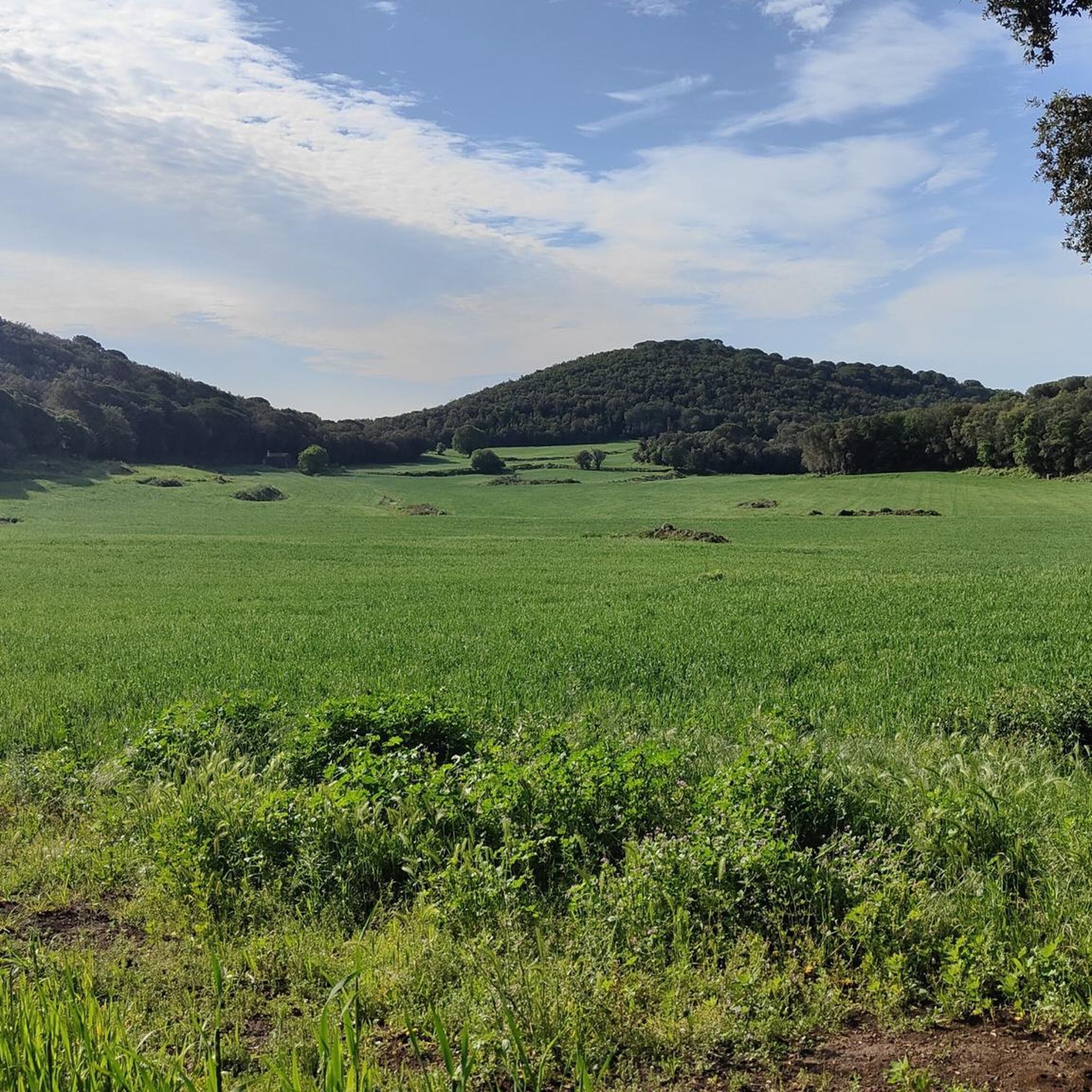
This beautiful gravel road connects Sant Aniol de Finestres and Mieres, passing over the Llémena stream. The route is rather steep, but some counterslopes will make the fortune of those with less trained legs. It's one of many great gravel roads in Garrotxa.
0
0

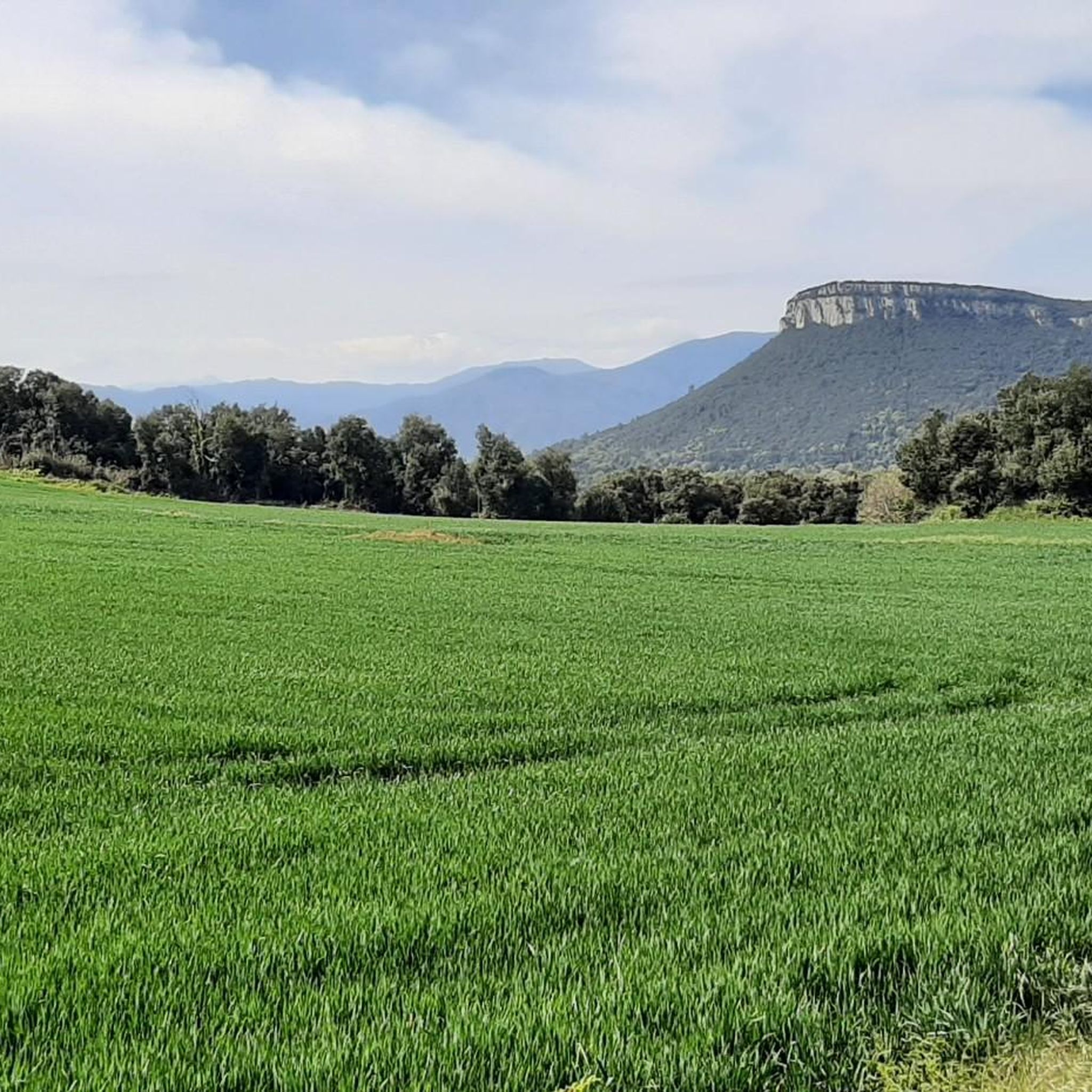
Crossing that is at one end of what is called the Serra de Santa Bárbara, at one of its southern ends of the ridge that goes from the hermitage itself to the sea. The name comes from the farm that is located further north and is located in the small mountain range of Serra Torta.
0
0


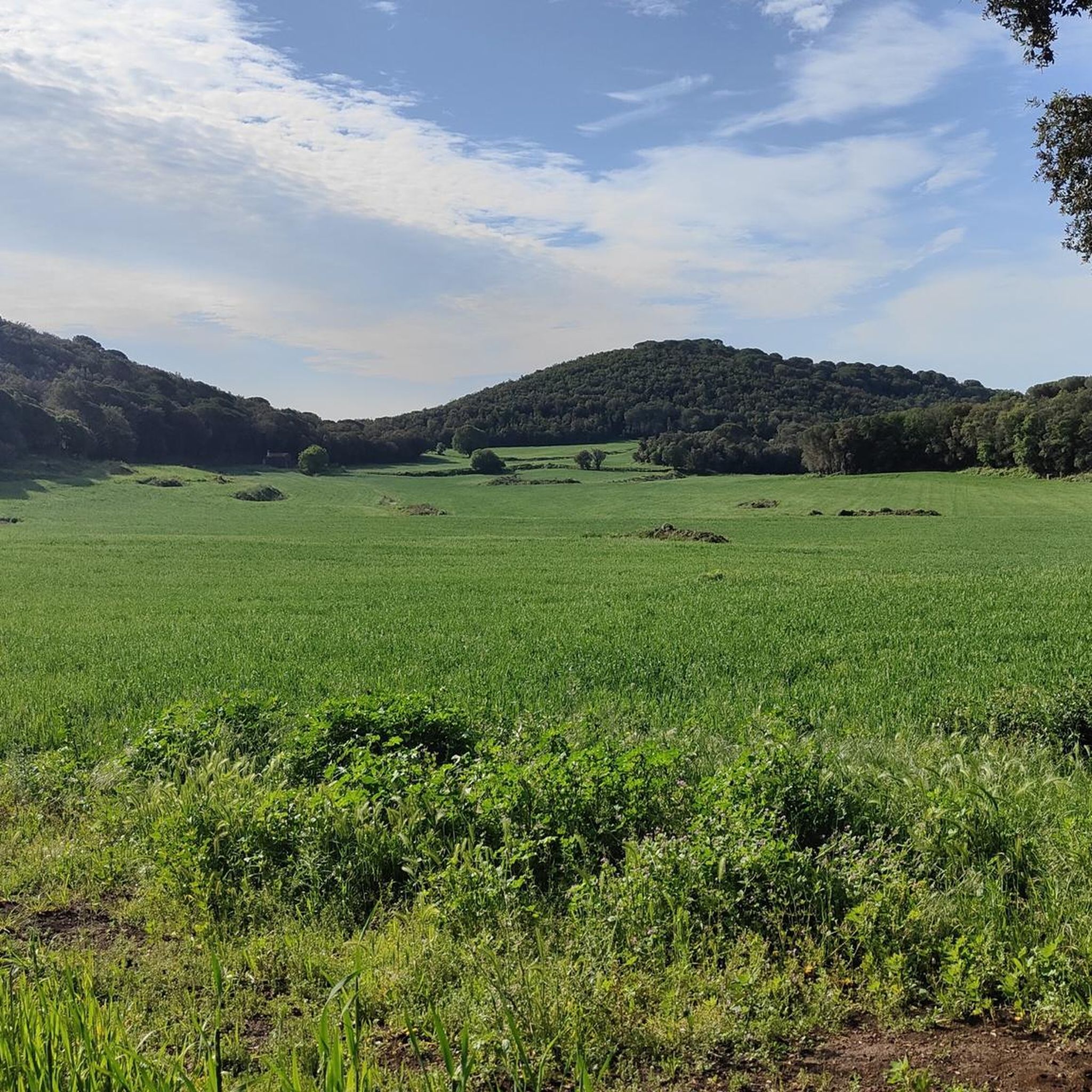
Mountain port with a constant slope of around 7%. Above you can follow ideal tracks for gravel. If you go up by road bike you will have to go down the same place again.
1
0

Over 8km climb with an average 7% incline. From the top, there is a gravel road to Pantano de Susqueda, otherwise, with a road bike, you need to come back the same way down
1
0

A spectacular port for its 8kms without any rest and where all the pros train.
2
0
Frequently Asked Questions
What are some of the most notable elevated points and challenging climbs in the Sant Martí De Llémena area?
While the region is characterized by hilly and volcanic terrain rather than traditional mountain passes, several prominent elevated points offer challenging climbs and breathtaking views. These include Rocacorba, a renowned climb popular with cyclists, Ermita de Santa Bárbara, and the Riscos de Sant Martí and Sant Roc cliffs.
What makes Rocacorba a significant climb for cyclists?
Rocacorba is a challenging Category 1 climb, spanning approximately 9.9 kilometers with an average gradient of 7.4% and sections reaching 11.1%. It's known for its constantly changing gradients and has gained fame as a training ground for professional cyclists. Near the summit, you'll find the 12th-century Sanctuary of Mare de Déu de Rocacorba, adding cultural significance to the physical challenge.
Are there any historical or cultural sites associated with the elevated points?
Yes, the Sanctuary of Mare de Déu de Rocacorba, dating back to the 12th century, is located near the summit of Rocacorba. Additionally, the Ermita de Santa Bárbara, documented from the 13th century, offers superb panoramic views and is a significant site of local devotion, forming part of the 'Route of the 10 Hermitages'.
What kind of views can I expect from these elevated points?
From Rocacorba, you can enjoy spectacular views of the verdant mountains and the serene Lake Banyoles. The Ermita de Santa Bárbara provides expansive vistas of the entire plain of La Selva. Ascending the Riscos de Sant Martí and Sant Roc offers impressive views of the Llémena Valley, ancient volcanoes, and the region's natural splendor.
What are some popular mountain passes for cycling in the region?
Cyclists frequently visit Sant Martí Sacalm, known for its scenic and quiet paved road, making it a popular training ground. Another notable spot is Coll de Palomera, which serves as a mandatory crossing point for following the ridge between Rocacorba and Olot, featuring sections with gradients of 10% or more.
Are there any specific viewpoints or crossings worth noting?
Yes, Coll de Ruscall is a significant crossing point at one end of the Serra de Santa Bárbara, offering views of the ridge. Nafre Pass is another demanding asphalted pass that connects the Ter River through the Susqueda reservoir with the Osor stream valley.
What outdoor activities can I do near these mountain passes?
The area around Sant Martí De Llémena is excellent for various outdoor activities. You can explore numerous gravel biking routes, such as the 'Girona Greenway – Riu Ter Greenway loop from Bonmatí', or challenging cycling routes like the 'Mas Puig (Adri) – Rocacorba Viewpoint loop from Canet d'Adri'. For mountain biking, trails like 'Rocacorba MTB Route 13' offer difficult terrain. Find more details on these activities in the Gravel biking around Sant Martí De Llémena, Cycling around Sant Martí De Llémena, and MTB Trails around Sant Martí De Llémena guides.
Are there hiking opportunities around the mountain passes?
Absolutely. The Riscos de Sant Martí and Sant Roc cliffs are integral parts of various hiking trails, such as the 'Hermitage of Sant Roc and Gorg de les Bruixes - Circular through the cliffs of Sant Roc', which involve considerable elevation changes and offer engaging trekking opportunities to explore the region's distinctive geographical features and volcanic terrain.
What is the best time to visit Sant Martí De Llémena for outdoor activities?
Given the challenging climbs and varied terrain, spring and autumn generally offer the most pleasant weather for cycling and hiking, with milder temperatures. Summer can be warm, but the lush landscapes remain inviting. Winter can also be suitable, though some higher or more exposed routes might require extra preparation.
What do visitors enjoy most about the mountain passes in Sant Martí De Llémena?
Visitors particularly appreciate the challenging nature of the climbs, the scenic routes, and the sense of achievement upon reaching the summits. The quiet, paved roads are ideal for cycling, and the panoramic views of the Llémena Valley, Lake Banyoles, and the plain of La Selva are consistently highlighted as rewarding experiences. The unique volcanic terrain and historical hermitages also add to the appeal.
Are there any gravel routes or less-known alternatives for exploring the area?
Yes, for those seeking a more adventurous route, Rocacorba offers a less-known gravel alternative with an average gradient of 10% over 5 kilometers, reaching maximum gradients of 23%. Additionally, the Gravel Road Between Coll de Palomera and Sant Aniol connects Sant Aniol de Finestres and Mieres, providing a steep but scenic gravel experience through the Garrotxa region.
Most popular routes around Sant Martí De Llémena
Most popular attractions around Sant Martí De Llémena

Get inspired with the komoot mobile app


Explore more
See even more epic mountain passes by checking out these guides around Sant Martí De Llémena:
