Top 12 Natural Monuments around Séville
Natural monuments around Séville offer diverse natural landscapes, from the historic Guadalquivir River to expansive urban parks and unique geological formations. The region features significant green spaces like María Luisa Park and the Gardens of the Alcázar, providing ecological value within the city. Further afield, the Sierra Norte de Sevilla Natural Park hosts waterfalls and karstic landscapes. These areas showcase a blend of natural beauty and historical significance, reflecting the region's varied ecosystems.
Best natural monuments around Séville
- The most…
Last updated: July 1, 2026
Monumental Carob Tree, María Luisa Park
Highlight • Natural Monument
It was inaugurated in 1914 and …
Translated by Google •
Tip by

Murillo Gardens
Highlight • Forest
Translated by Google •
Tip by
Sign up now to discover places like this
Get recommendations on the best single tracks, peaks, & plenty of other exciting outdoor places.
Sign up for free
Murillo Gardens with the Monument to Christopher Columbus
Highlight • Monument
Translated by Google •
Tip by

Frog Fountain, María Luisa Park
Highlight • Monument
Translated by Google •
Tip by
María Luisa Park
Highlight • Natural
Translated by Google •
Tip by

Sign up for free to discover even more natural monuments around Séville.
Sign up for free
Already have an account?
Start today with a free account
Your next adventure awaits.
Login or Signup
Popular around Séville

Triathlon 360 – my journey around the world
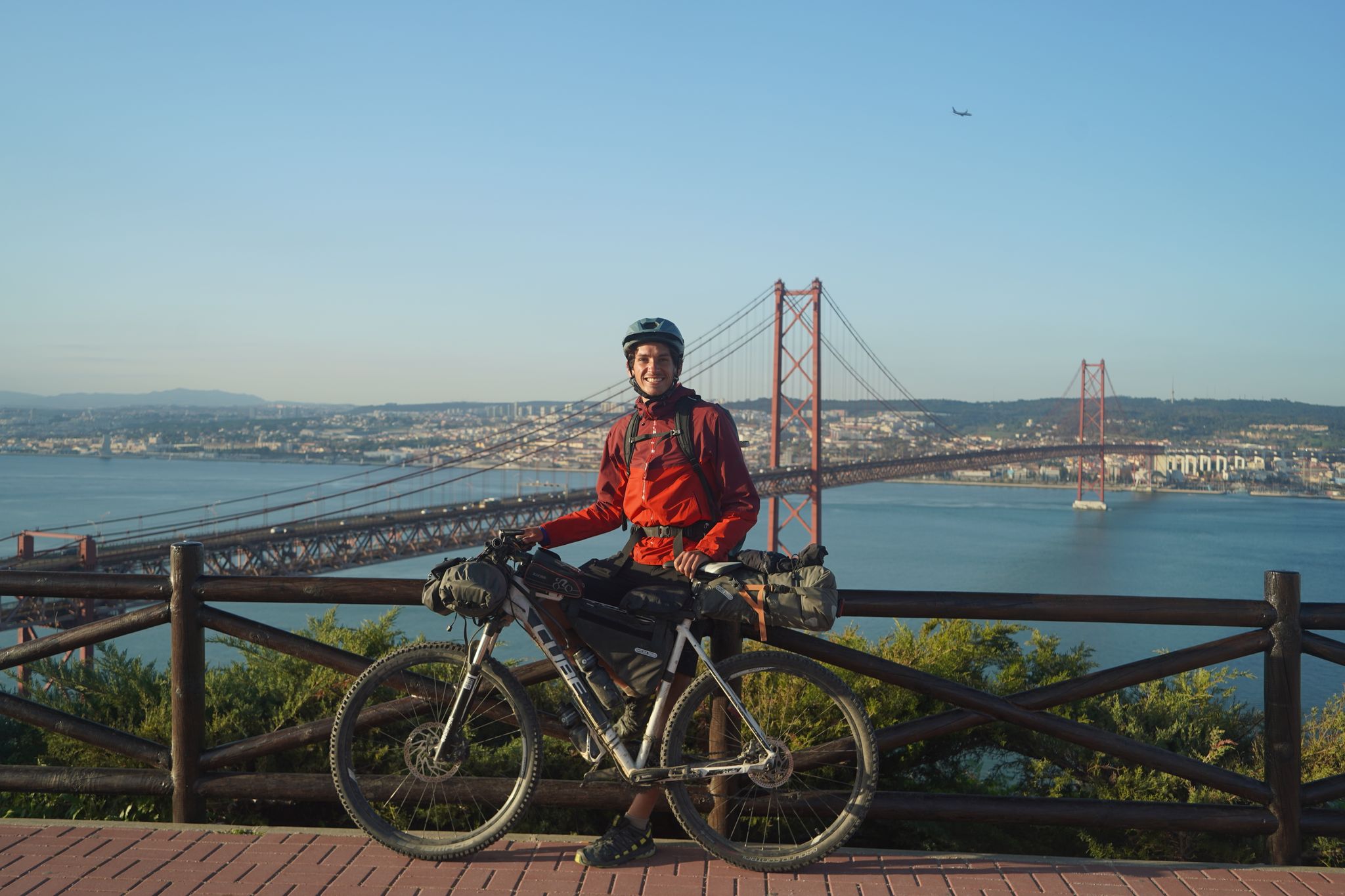
Road to Lisbon – bikepacking the Alps, Pyrenees and Picos de Europa
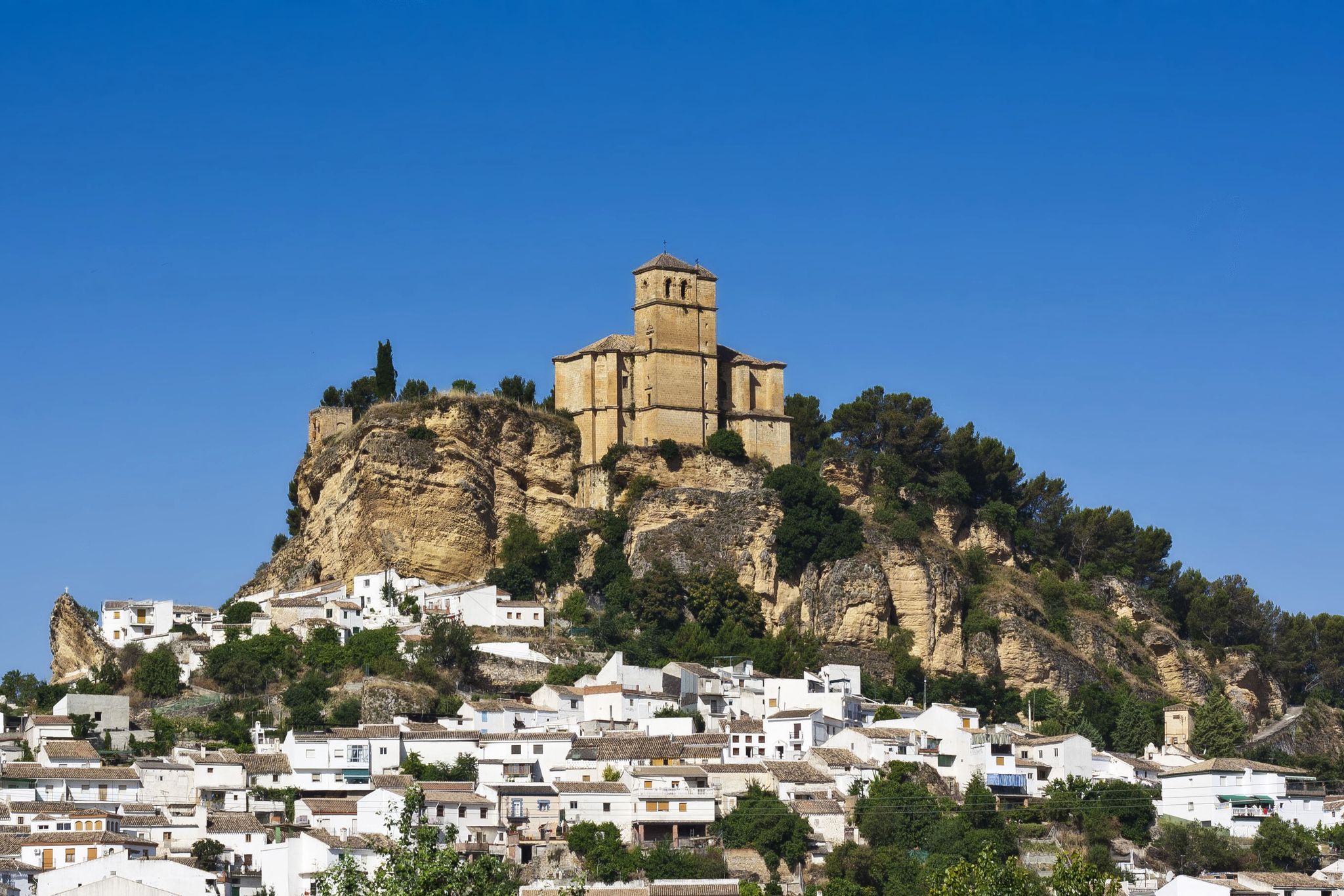
Washington Irving – cycle through the Arab vestiges of Andalusia
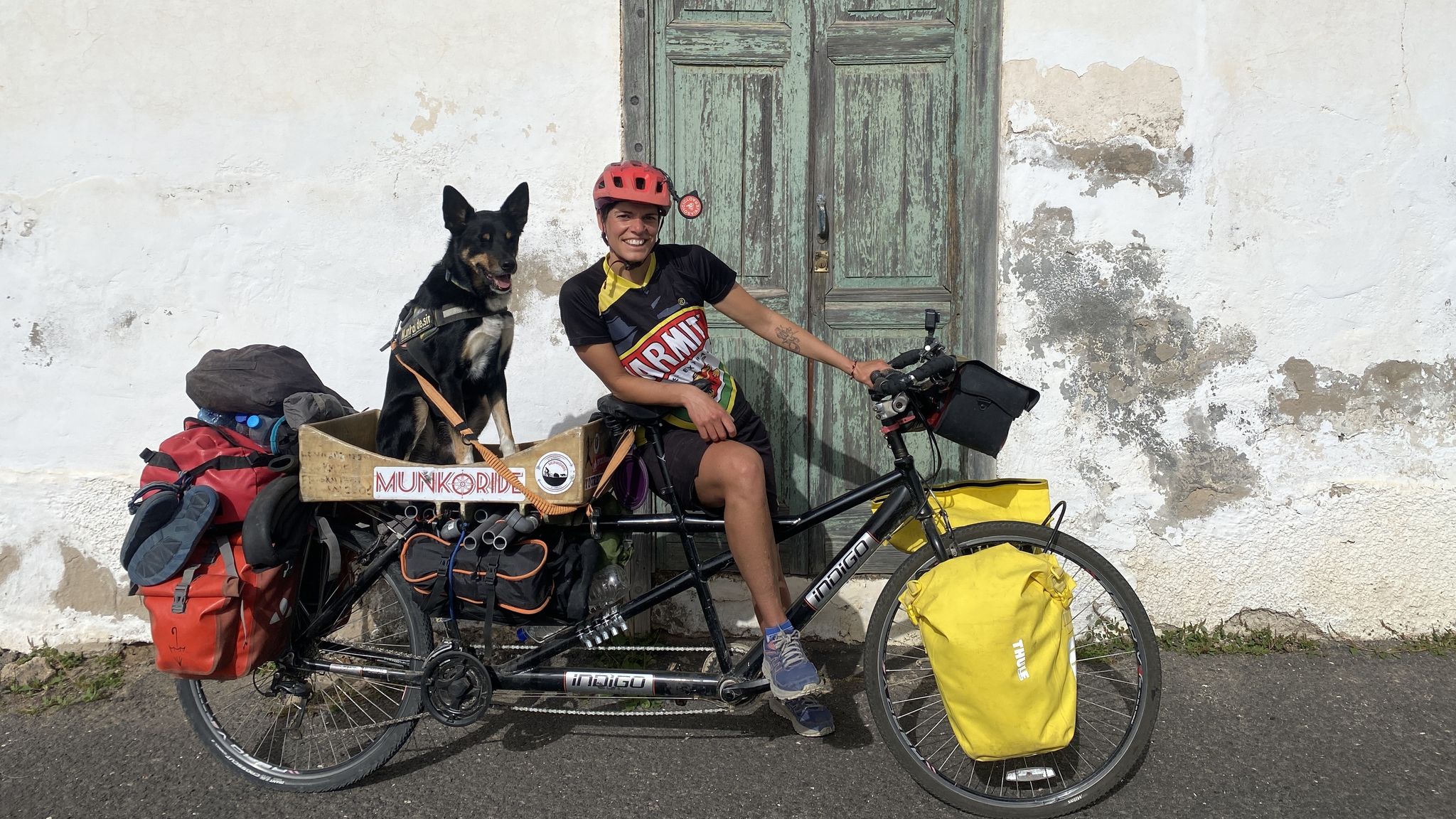
A winter getaway along the greenways of Andalusia in Spain
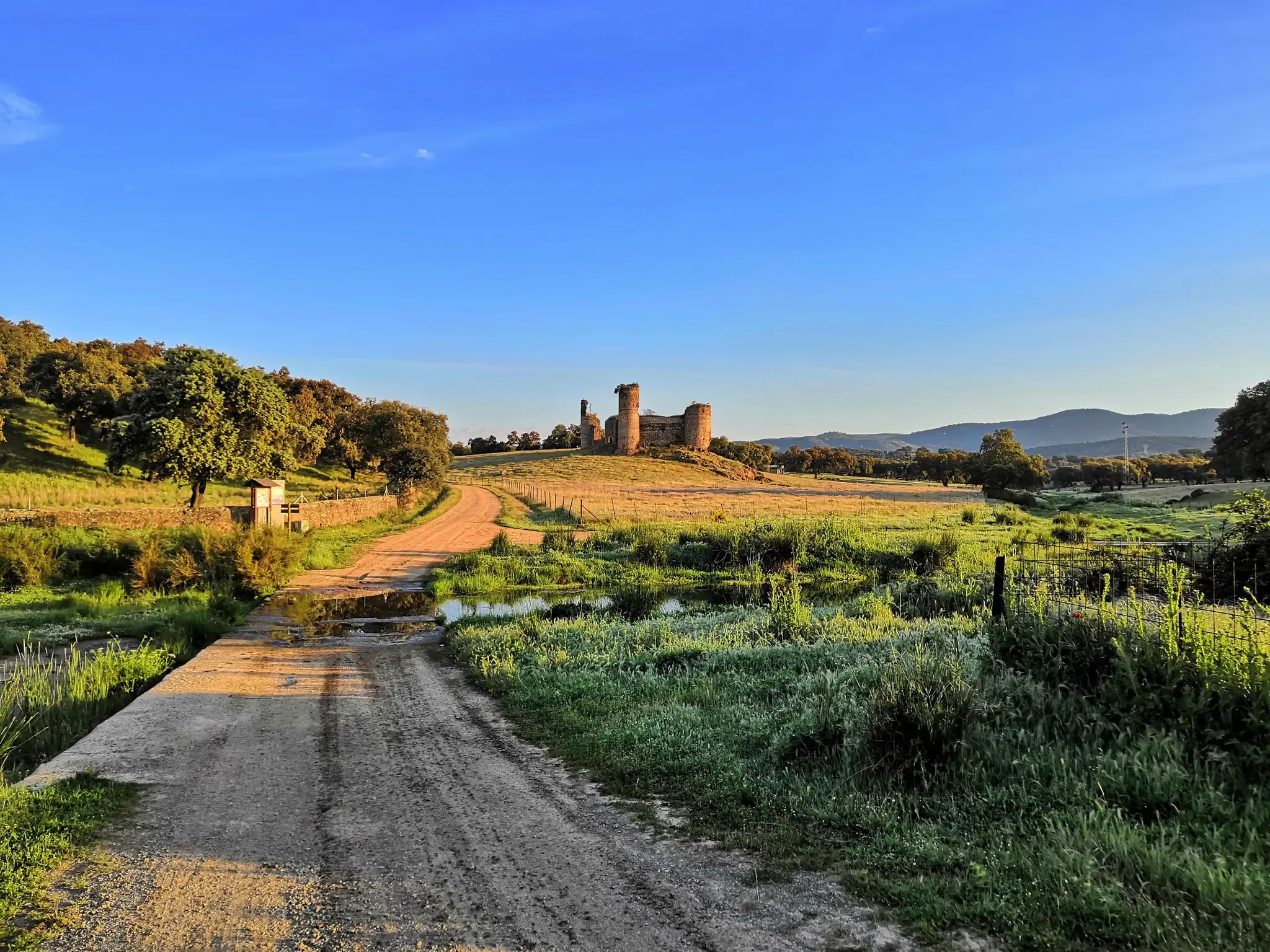
A romantic journey in the footsteps of the Romans – Via de la Plata
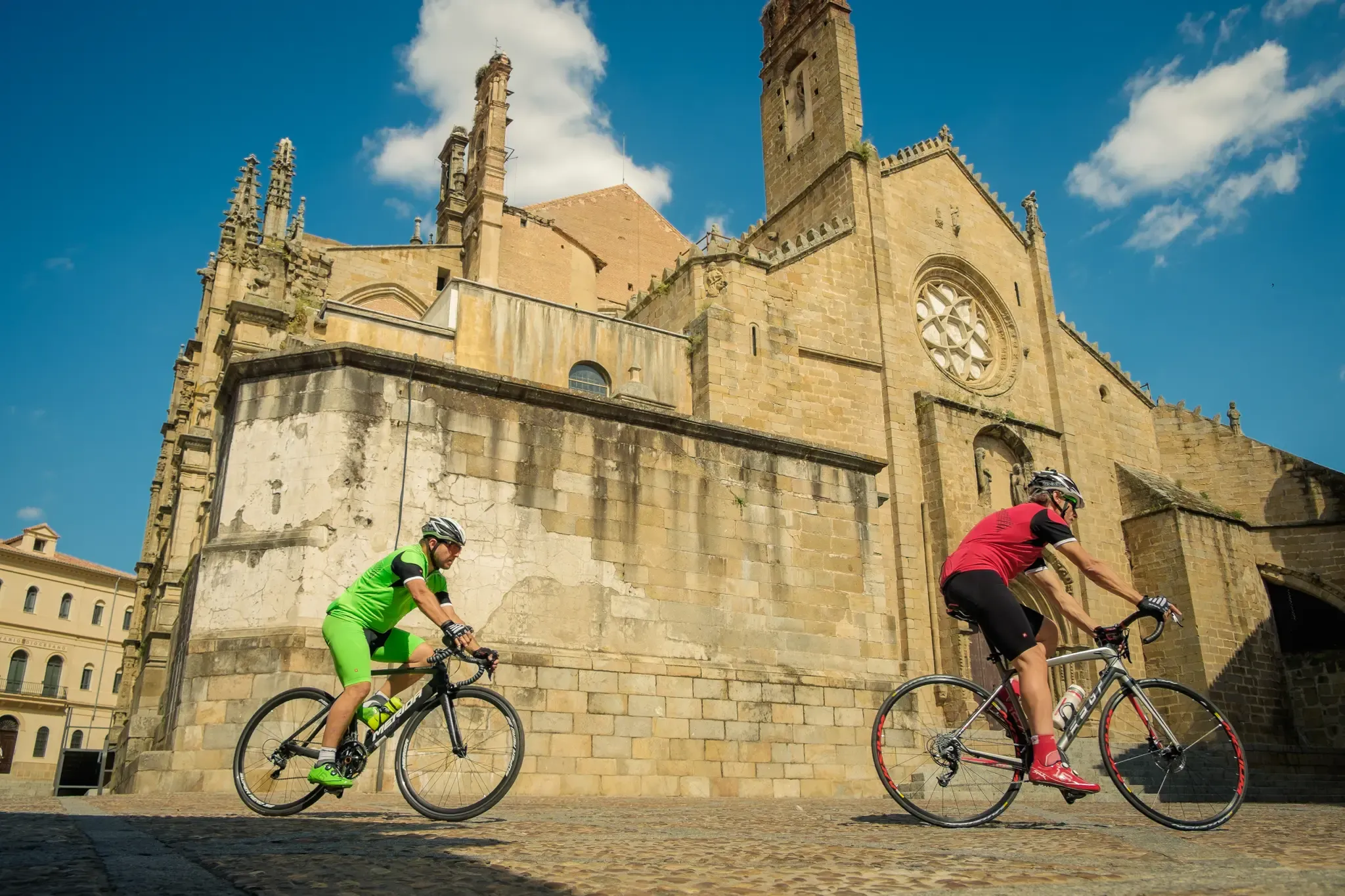
Vía de la Plata – from Seville to Gijón by bike
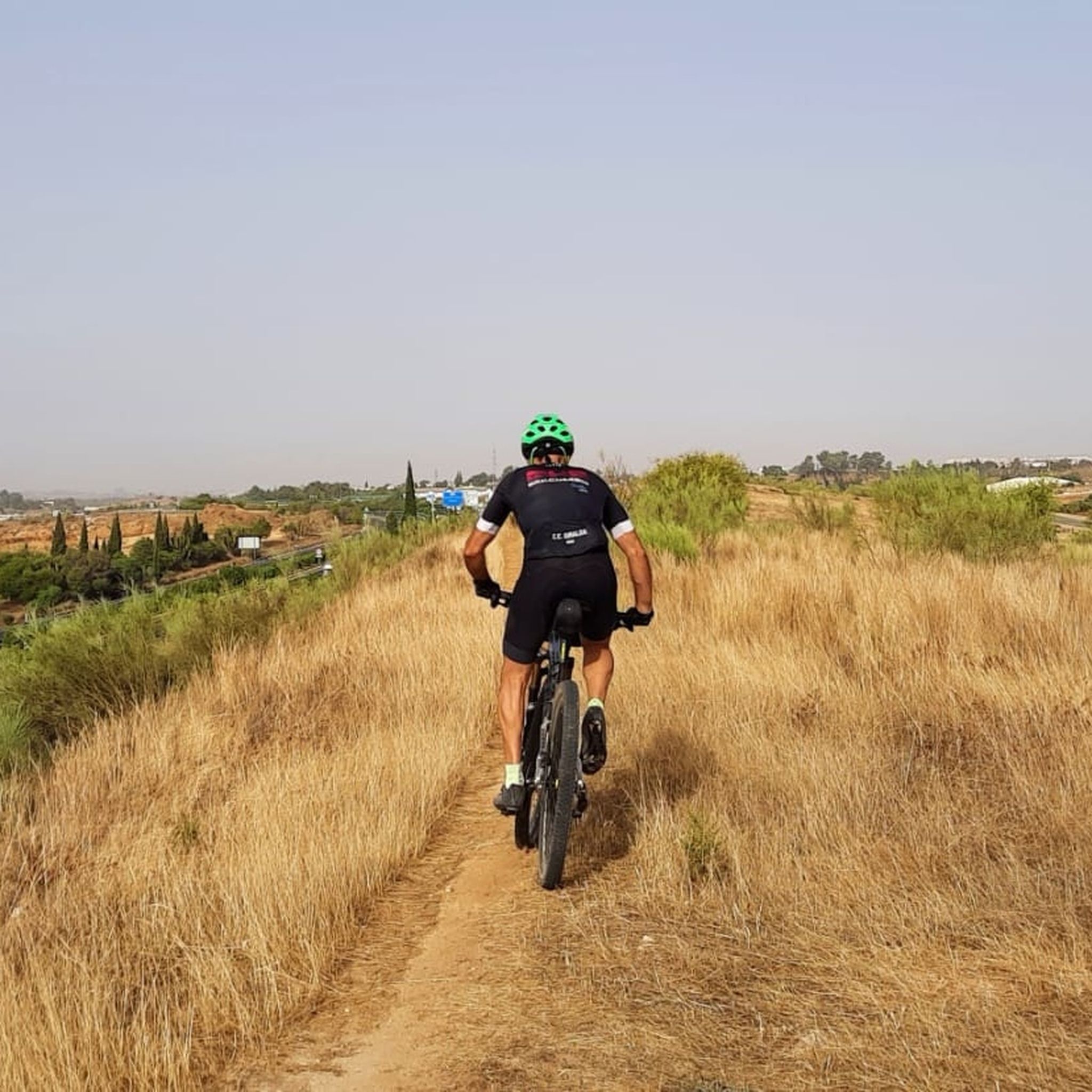
MTB Trails around Séville

Gravel biking around Séville
Other adventures around Séville


Tips from the Community

The green lung of Seville and home to many plants and animals.
0
0


Small park with water features and plenty of shady trees. Plenty of benches invite you to linger.
0
1

The Frog Fountain is a charming and playful fountain, built in the 1920s. The central element is an octagonal basin from which water spouts. Around this basin are eight bronze frogs that also spout water.
3
0
One of the most striking features of Seville is the beauty of its fountains, which are so recurrent to cool off on the hottest days. In the María Luisa Park we find one of the most beautiful fountains in the city, the Fountain of the Frogs. It is the oldest fountain in the entire enclosure, dating back to 1914, when what used to be the San Telmo Gardens began to become a park. It is located between two large ponds, next to the Garden of the Lions and the Isleta de los Patos, and surrounded by lush vegetation. It consists of a circular enclosure, surrounded by the figures of eight frogs and a duck leaning on a turtle in the middle of it. The mouths of the frogs and the beak of the duck expel water, although they are not always in operation, and form one of the most beautiful scenes in the park.
1
0

The Frog Fountain is located in María Luisa Park in Seville and is one of the park's oldest and most iconic fountains. It was designed by ceramist Manuel García-Montalván and inaugurated in 1914.
3
0
The Murillo Gardens in Seville are a beautiful green space located next to the Alcázar wall and the Santa Cruz neighborhood. They were designed by architect Juan Talavera y Heredia in 1911. These gardens offer an intimate setting with lattice paths, central fountains, and tile-decorated benches.
11
0

Nice park with benches in the shade to rest
2
0
Frequently Asked Questions
What are some of the most popular natural monuments around Seville?
Visitors frequently enjoy the Monumental Carob Tree, María Luisa Park, a spacious public park ideal for exploring on foot or by bike. Another favorite is Murillo Gardens, known for its beautiful green spaces, lattice paths, and central fountains. The Murillo Gardens with the Monument to Christopher Columbus also attracts many, offering a pleasant landscaped area with old trees and historical significance.
Are there family-friendly natural monuments in Seville?
Yes, several natural monuments are great for families. María Luisa Park, including the area around the Monumental Carob Tree and the Frog Fountain, is highly recommended. It's a free-access park, spacious and ideal for walking or cycling with children. The Murillo Gardens also provide a peaceful oasis with plenty of space for families to relax.
What kind of natural features can I expect to see in Seville's natural monuments?
Seville's natural monuments offer a diverse range of features. You can explore expansive urban parks like María Luisa Park with its botanical diversity and romantic landscaping, or the historic Gardens of the Real Alcázar with their intricate Moorish and Renaissance designs. The Guadalquivir River provides scenic riverine landscapes. Further afield, the Sierra Norte de Sevilla Natural Park features unique geological sites like the Huéznar Waterfalls with their natural pools and the striking karstic formations of Cerro del Hierro.
What outdoor activities can I do near Seville's natural monuments?
The region offers various outdoor activities. You can enjoy leisurely walks along the banks of the Guadalquivir River or take boat tours. María Luisa Park is perfect for walking, cycling, and picnics. For more adventurous activities, the Sierra Norte de Sevilla Natural Park, home to the Huéznar Waterfalls and Cerro del Hierro, is popular for hiking and rock climbing. You can also find numerous cycling routes, including gravel biking and MTB trails, around Seville. Explore options like the Vía de la Plata or routes along the Río Guadaíra in the Gravel biking around Séville and MTB Trails around Séville guides.
What is the best time to visit Seville's natural monuments?
Seville's natural monuments can be enjoyed year-round, but spring (March to May) and autumn (September to November) offer pleasant temperatures for exploring parks and outdoor sites. During the hot summer months, places like María Luisa Park and the Gardens of the Alcázar provide cool, shaded retreats. The Huéznar Waterfalls are particularly idyllic during summer for enjoying the natural pools.
Are there any natural monuments with historical significance?
Absolutely. The Guadalquivir River has been a vital artery for trade and culture throughout history. María Luisa Park, originally the gardens of the San Telmo Palace, played a significant role in the 1929 Ibero-American Exposition. The Gardens of the Real Alcázar are a blend of Moorish and Renaissance influences, with historical elements dating back to Roman times. Even the Murillo Gardens are historically designed and feature monuments.
Can I reach Seville's natural monuments using public transport or find parking nearby?
Many urban natural monuments like María Luisa Park and the Murillo Gardens are centrally located and easily accessible by public transport or within walking distance from the city center. Parking options may vary, but these areas are well-integrated into the city's infrastructure. For natural monuments further afield, such as those in the Sierra Norte de Sevilla Natural Park, access might require a car, though specific public transport options may exist for certain areas.
What do visitors enjoy most about the natural monuments in Seville?
Visitors appreciate the tranquility and beauty these sites offer as an escape from the city bustle. The romantic landscaping, shaded pathways, and diverse plant life of María Luisa Park are frequently praised. The intimate setting of Murillo Gardens with its lattice paths and tile-decorated benches is also a highlight. Many enjoy the blend of natural beauty with historical and architectural elements, providing a rich cultural and sensory experience.
Are there opportunities for cycling around Seville's natural monuments?
Yes, cycling is a popular activity. María Luisa Park is ideal for cycling, offering spacious paths. The city also has various cycling routes that pass by or near natural monuments and green spaces. For more extensive rides, you can explore gravel biking and MTB trails around Seville, with routes like the 'Vía de la Plata – Guadalquivir River loop' or the 'Río Guadaíra – Realaje Mill loop' detailed in the Gravel biking around Séville guide.
Where can I see unique geological formations near Seville?
For unique geological formations, head to the Sierra Norte de Sevilla Natural Park. Here, you can visit the Huéznar Waterfalls, which feature natural pools created by water flowing over distinctive rock formations. Another remarkable site is Cerro del Hierro, a former iron mine transformed by erosion into a striking karstic landscape, popular for hiking and rock climbing.
What is special about the Guadalquivir River in Seville?
The Guadalquivir River is the only major navigable river in Spain and has been historically crucial for Seville, transforming it into a global trading hub. It sustains a diverse ecosystem and offers visitors opportunities for leisurely walks along its banks, boat tours to see iconic landmarks like the Torre del Oro, and sports such as rowing and canoeing. Its scenic landscapes have inspired countless artists and writers.
Are there any natural monuments that are also botanical gardens?
María Luisa Park functions much like a botanical garden, housing over 140 species of trees from across the globe, including jacarandas, Ginkgo biloba, and various palm trees. The Gardens of the Real Alcázar also feature approximately 170 plant species from around the world, showcasing a rich tapestry of flora within their historic grounds.
Most popular attractions around Séville

Get inspired with the komoot mobile app


Explore more
Extend your search for the best caves by checking out these guides of the top ones around Séville:
