Top 20 Natural Monuments around Ayamonte
Best natural monuments around Ayamonte are found where the Guadiana River meets the Atlantic, forming a landscape rich in wetlands and coastal ecosystems. This region, bordering Portugal, is characterized by extensive marshlands, saltwater lagoons, and sandy beaches. The natural areas offer diverse environments for wildlife observation and outdoor activities.
Best natural monuments around Ayamonte
- The most popular natural monuments is Playa del Hoyo, a beach and natural monument surrounded by pine forest. It is equipped with areas for recreation,…
Last updated: July 1, 2026
Marshes and Saltworks of Isla Cristina 🌿 Via Verde crossing
Highlight • Natural Monument
The coastal biketrail ViaVerde west to Ayamonte is good. To the East …
Tip by

Salt Pans of the Reserva Natural do Sapal de Castro Marim e Vila Real de Santo António
Highlight • Natural Monument
Translated by Google •
Tip by

Sign up now to discover places like this
Get recommendations on the best single tracks, peaks, & plenty of other exciting outdoor places.
Sign up for free
Odiel Marshes
Highlight • Natural Monument
Translated by Google •
Tip by

Playa del Hoyo
Highlight • Beach
Translated by Google •
Tip by

Pernadas Mill
Highlight • Structure
Translated by Google •
Tip by

Sign up for free to discover even more natural monuments around Ayamonte.
Sign up for free
Already have an account?
Start today with a free account
Your next adventure awaits.
Login or Signup

Tips from the Community

The Castro Marim Salt Pans, located in the Castro Marim and Vila Real de Santo António Salt Marsh Nature Reserve, are a historical and ecological landmark of the Algarve, where the artisanal production of salt and fleur de sel remains alive. 👍
1
0

An important natural product is extracted from the sea's saltwater here. Only through the power of the elements, sun and wind, which evaporate the water in the saltworks' shallow basins, does pure salt remain. Even today, you won't find a kitchen without salt to season dishes. But in earlier times, it had an additional significance: It was important for preserving food—making it so precious that salt was called "white gold."
3
0

Alternative to the beach. In summer hot but windy, take water with you. Towards the end nice bar with kind People to have some drink!
1
0

It is equipped with an area with tables, benches and a children's play area, which makes it one of the favorite places to spend a full day at the beach. If you ever visit Isla Cristina, don't hesitate to explore Playa del Hoyo and enjoy its natural beauty and relaxed atmosphere. Have some wonderful coastal adventures! 😊
3
0

In winter it is wonderfully quiet and there are many shells
9
0

Salt mountains spread across the landscape - which could be mistaken for snow if we weren't in the Algarve. The entire area is part of an environmental protection area that has several species of birds, such as Flamingos.
2
1
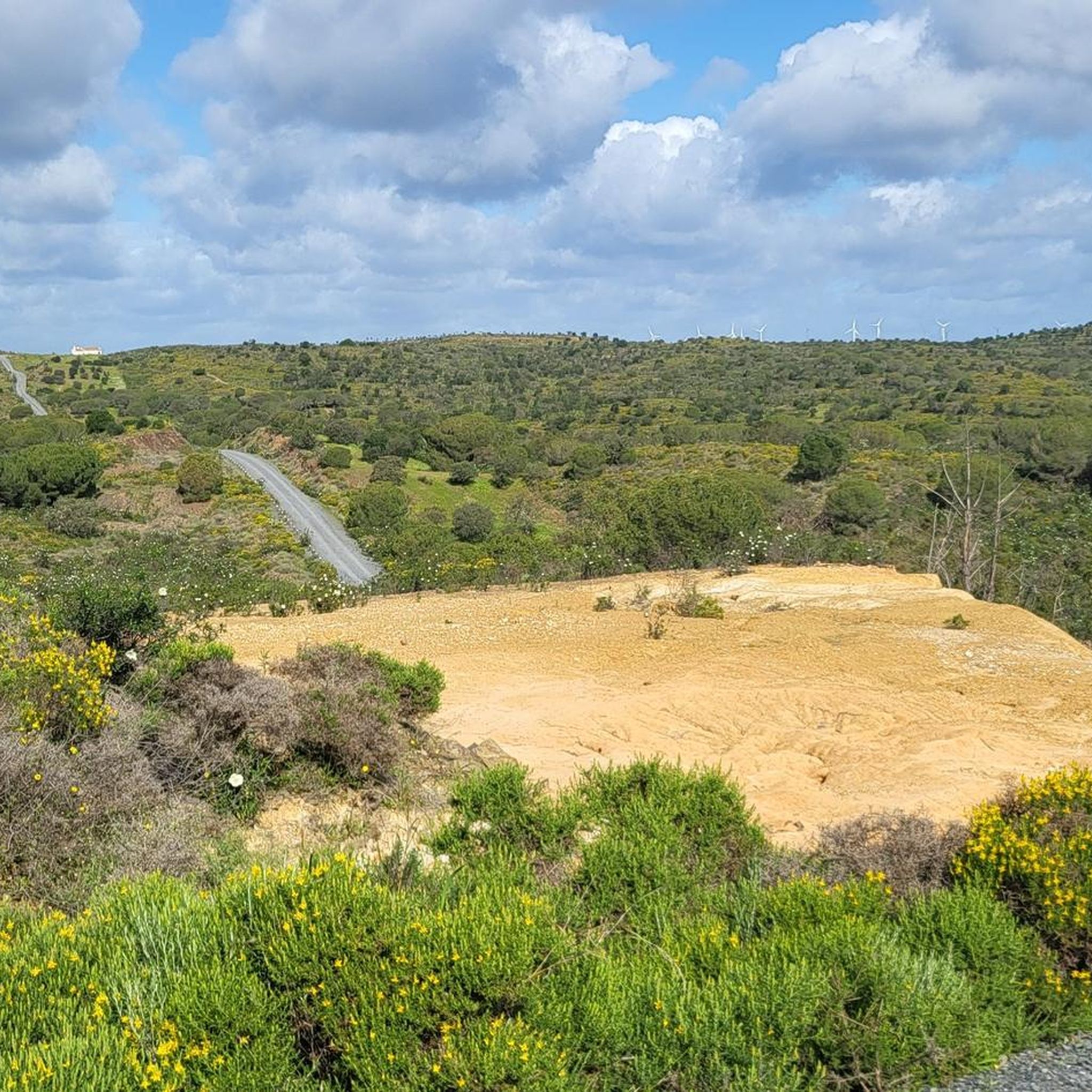
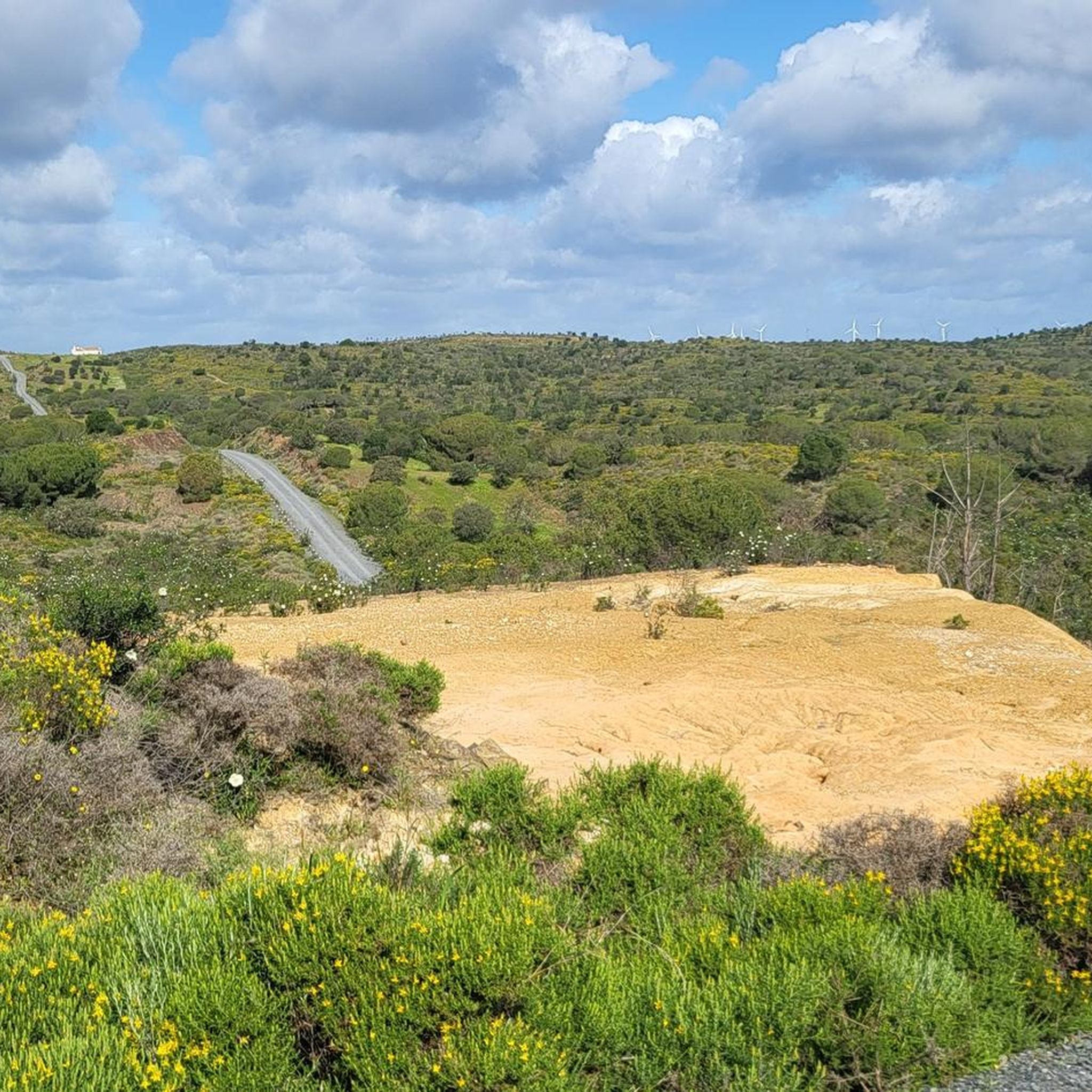
Moinho das Pernadas is located on the right bank of the Odeleite river. It is an old hydraulic mill undergoing rehabilitation by the City Council. The mill was reactivated, after spending many years (since 1980) in oblivion.
2
0
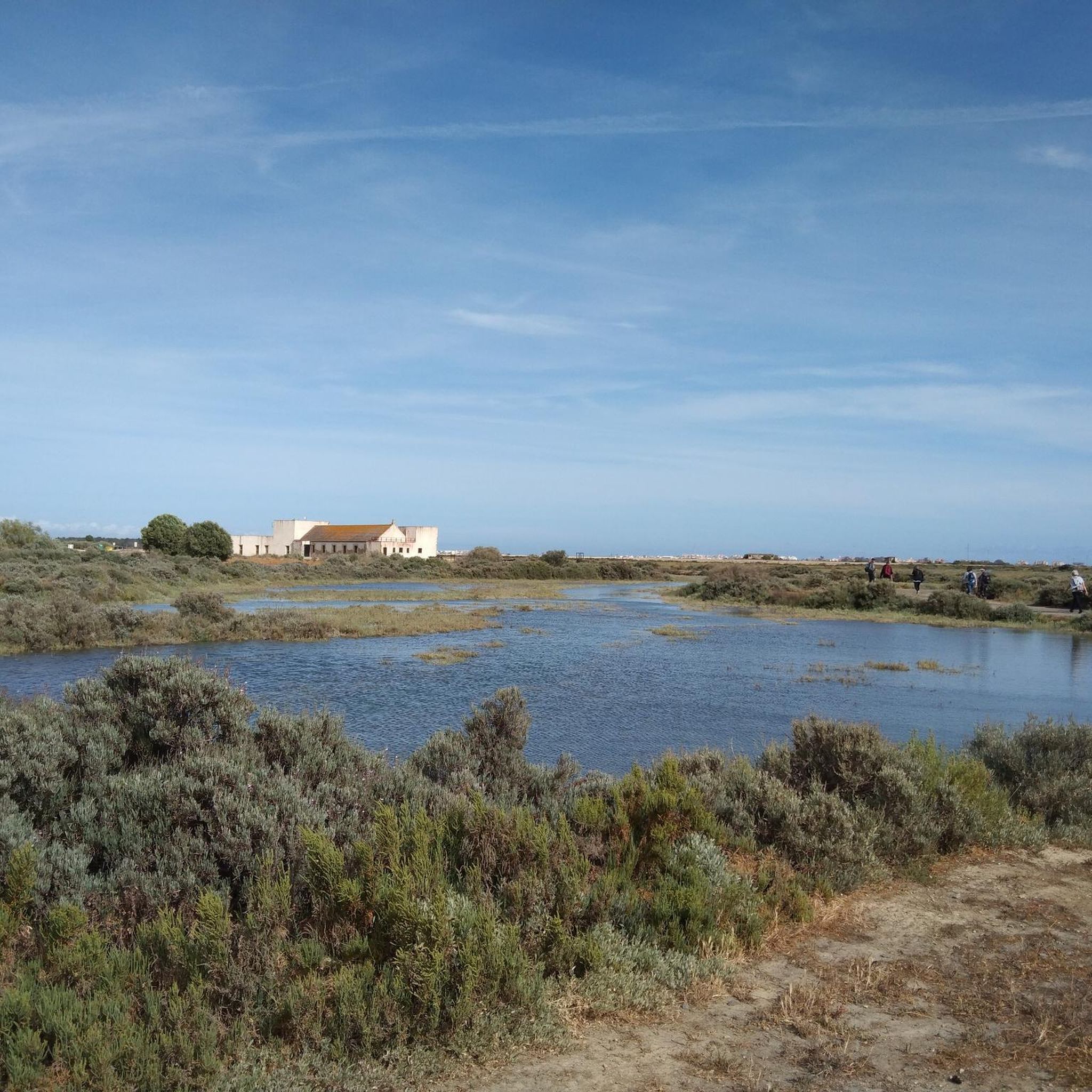
Further on in the swamp area is a huge colony of flamingos.
4
2
Frequently Asked Questions
What kind of natural landscapes can I expect to see around Ayamonte?
Ayamonte is situated at the mouth of the Guadiana River, offering a diverse landscape rich in wetlands, extensive marshlands, saltwater lagoons, and fine sandy beaches. You'll find areas like the Marismas de Isla Cristina Natural Park, characterized by its unique ecosystems, pine forests, and coastal stretches.
Where are the best places for birdwatching near Ayamonte?
The region is a paradise for birdwatchers. Key spots include the Marshes and Saltworks of Isla Cristina, which are vital for migratory and resident species like flamingos and storks. Just across the border in Portugal, the Salt Pans of the Reserva Natural do Sapal de Castro Marim e Vila Real de Santo António are also excellent for observing a wide variety of birds, including large flocks of flamingos. The Odiel Marshes are another significant area, known for hosting over 6,000 flamingos.
Are there any unique natural features or historical sites related to the natural environment?
Yes, the region features active salt pans, particularly at the Reserva Natural do Sapal de Castro Marim e Vila Real de Santo António, where you can observe traditional salt extraction. The Ecomuseo Molino Mareal El Pintado, a renovated 18th-century tidal mill within the Marismas de Isla Cristina, offers insight into the marshland's history and human interaction with the environment.
What outdoor activities can I do near these natural monuments?
The natural areas around Ayamonte are ideal for various outdoor activities. You can enjoy hiking, walking, and cycling on marked trails. For example, the "Coastal Green Road" follows an old railway line through the Marismas de Isla Cristina. There are also numerous routes for gravel biking, mountain biking, and running. You can find more details on routes like "The marshes are rich in birdlife. – Guadiana River loop from Islantilla" or "Isla Canela Tower – Puerto de Ayamonte loop from Ayamonte" in our guides for gravel biking, MTB trails, and running trails around Ayamonte.
Are the natural monuments around Ayamonte suitable for families with children?
Many natural monuments in the area are family-friendly. Playa del Hoyo, for instance, is equipped with recreation areas, tables, benches, and a children's play area, making it a great spot for a full day at the beach. The flat terrain of many trails in the marshlands, such as those in the Marismas de Isla Cristina, are also suitable for family walks or bike rides.
What is the best time of year to visit the natural monuments around Ayamonte?
The region is enjoyable year-round, but for birdwatching, the migratory seasons (autumn and spring) are particularly rewarding. Winter also offers excellent opportunities to see large flocks of flamingos. For hiking and cycling, spring and autumn provide pleasant temperatures, while summer is ideal for enjoying the beaches and coastal areas.
How accessible are the natural monuments, and is parking available?
Many natural areas, especially those with marked trails like the Marismas de Isla Cristina, offer good accessibility for exploration. Coastal areas like Isla Canela and Punta del Moral are easily reachable. Parking is generally available near popular natural sites and trailheads, though specific parking areas may vary. Public transport options might be limited for some remote natural spots, so checking local information is recommended.
Can I bring my dog to the natural monuments and trails?
While many outdoor areas are generally dog-friendly, specific regulations may apply in protected natural parks and reserves. It's always best to check local signage or park guidelines for areas like the Marismas de Isla Cristina Natural Park or the Reserva Natural do Sapal de Castro Marim e Vila Real de Santo António to ensure compliance with leash laws and waste disposal rules.
Are there any easy or circular walking routes available?
Yes, the flat terrain of the marshlands and coastal paths makes for many easy walking and cycling routes. The "Coastal Green Road" through the Marismas de Isla Cristina is a good example. While specific circular routes are abundant, many trails allow for out-and-back or custom loops, especially within the extensive wetland areas and along the Guadiana River estuary.
What kind of wildlife can I expect to see besides birds?
Beyond the abundant birdlife, the diverse ecosystems of the Ayamonte region support various other species. In the wetlands and marshlands, you might encounter amphibians, reptiles, and small mammals adapted to these environments. The coastal areas and pine forests also host different insect species and smaller wildlife. The rich biodiversity is a key feature of these natural monuments.
Are there any viewpoints offering panoramic views of the natural landscapes?
Yes, several viewpoints offer stunning vistas. The coastal paths around Isla Canela and Punta del Moral provide excellent views of the Atlantic Ocean and where the beaches meet the wetlands. Within the marshlands, elevated spots or specific observation points, particularly in the Marismas de Isla Cristina and the Reserva Natural do Sapal de Castro Marim, offer panoramic views of the expansive wetlands and their bird populations.
Where can I find cafes or restaurants near the natural monuments?
While the natural monuments themselves are often pristine, you'll find cafes and restaurants in the nearby towns and villages. Ayamonte, Isla Cristina, and Isla Canela offer a variety of dining options. Along the coast, especially in areas like Isla Canela and Punta del Moral, there are establishments where you can enjoy local cuisine after exploring the natural surroundings.
Most popular routes around Ayamonte
Most popular attractions around Ayamonte

Get inspired with the komoot mobile app


Explore more
Extend your search for the best caves by checking out these guides of the top ones around Ayamonte:
