Top 20 Natural Monuments around Cartagena
Best natural monuments around Cartagena offer diverse natural landscapes along the Mediterranean coast of Spain. This region is characterized by its coastal features, including unique geological formations, protected wetlands, and regional parks. The natural environment provides opportunities to explore varied ecosystems, from eroded sandstone cliffs to salt flats and marine reserves. These sites contribute to the area's ecological significance and offer insights into its geological and biological diversity.
Best natural monuments around Cartagena
- The most popular natural monuments is Bolnuevo…
Last updated: August 25, 2026
Bolnuevo Sandstone Formations
Highlight • Natural Monument
Translated by Google •
Tip by

Plaza de San Francisco
Highlight • Settlement
Translated by Google •
Tip by

Sign up now to discover places like this
Get recommendations on the best single tracks, peaks, & plenty of other exciting outdoor places.
Sign up for free
Marchamalo Salt Flats
Highlight • Natural Monument
At the end …
Translated by Google •
Tip by

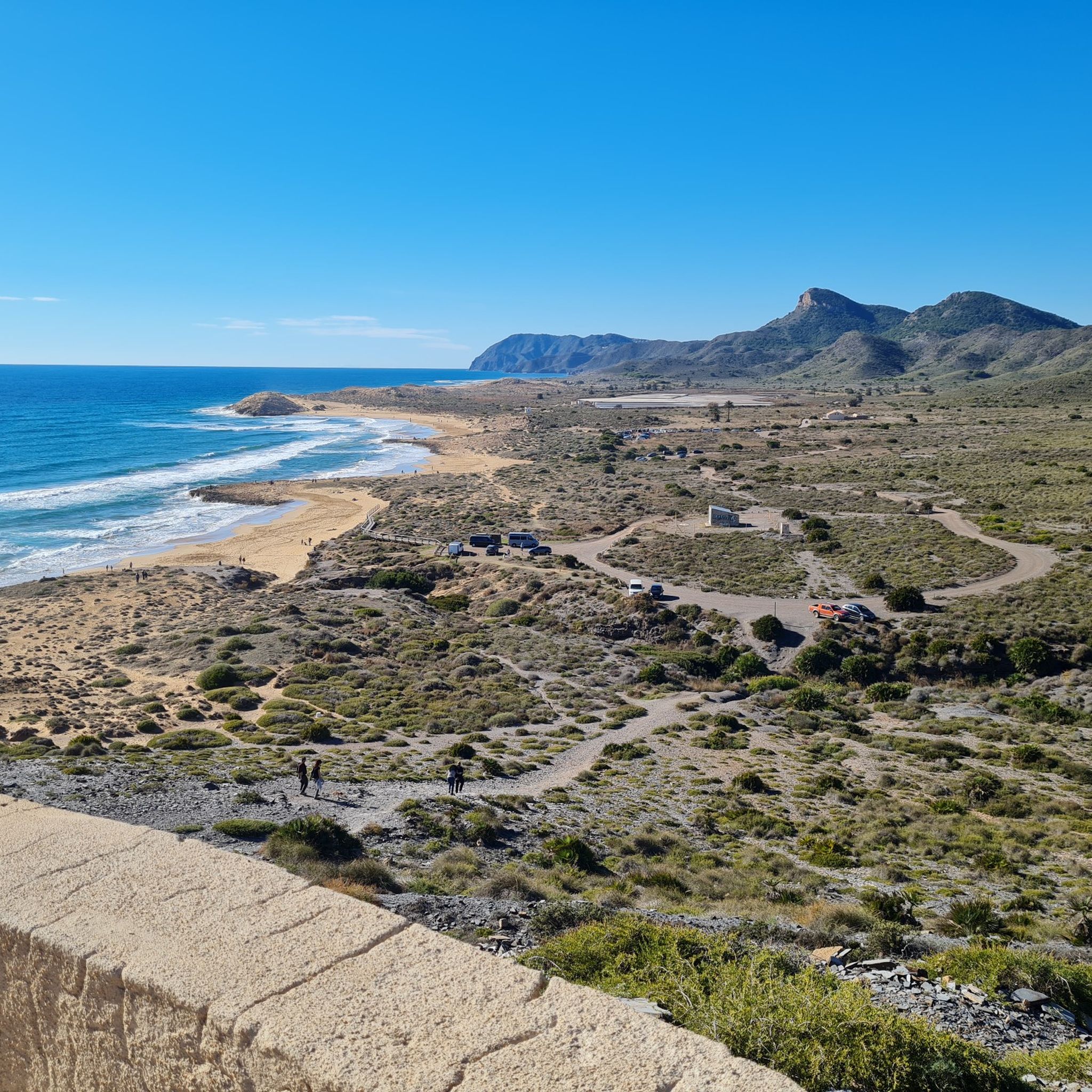
Calblanque, Monte de las Cenizas and Peña del Águila Regional Park
Highlight • Natural Monument
Translated by Google •
Tip by

Peñas Blancas Summit
Highlight • Summit
Translated by Google •
Tip by
Sign up for free to discover even more natural monuments around Cartagena.
Sign up for free
Already have an account?
Start today with a free account
Your next adventure awaits.
Login or Signup
Popular around Cartagena
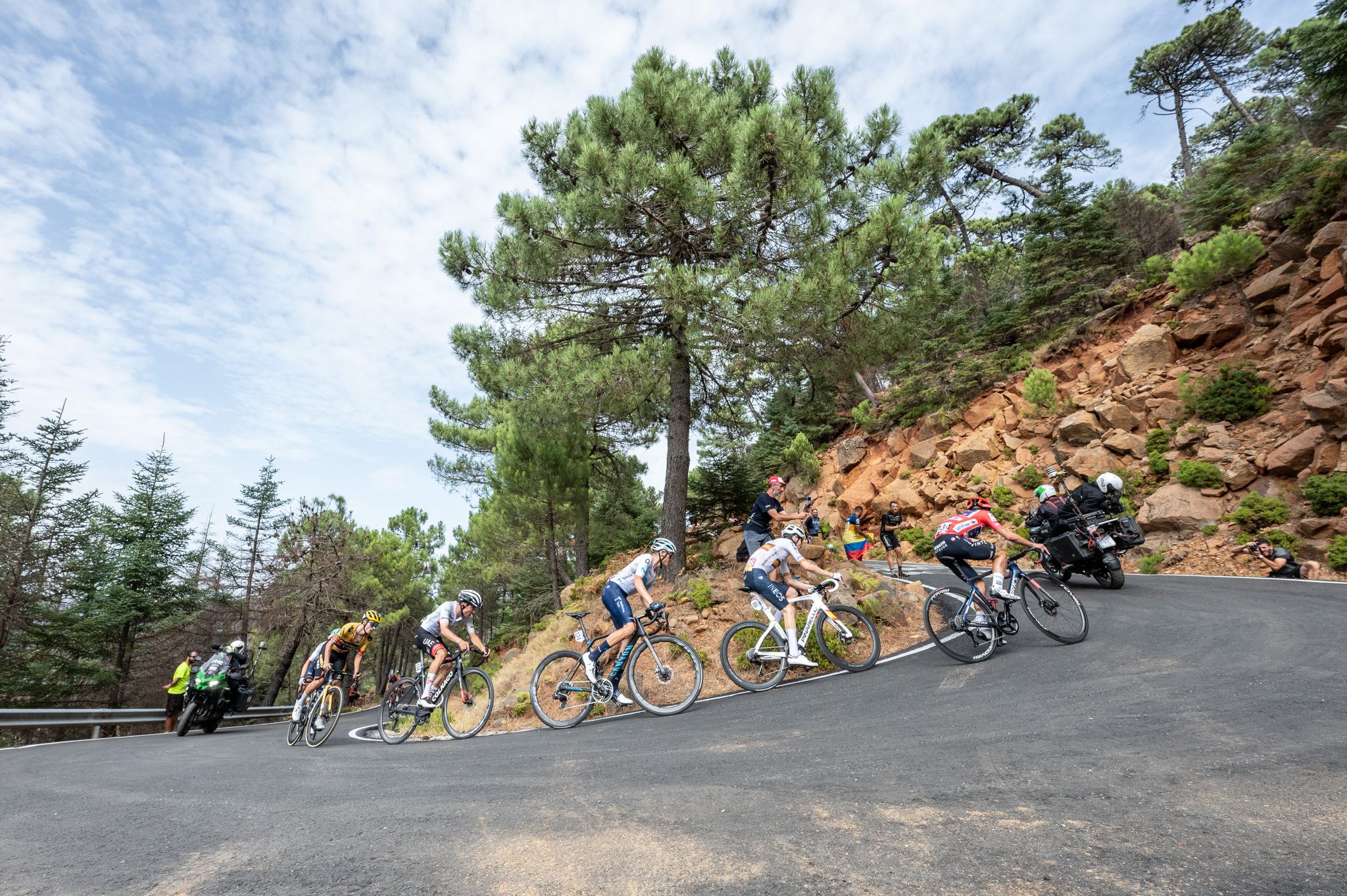
La Vuelta 26 — All Official Stages
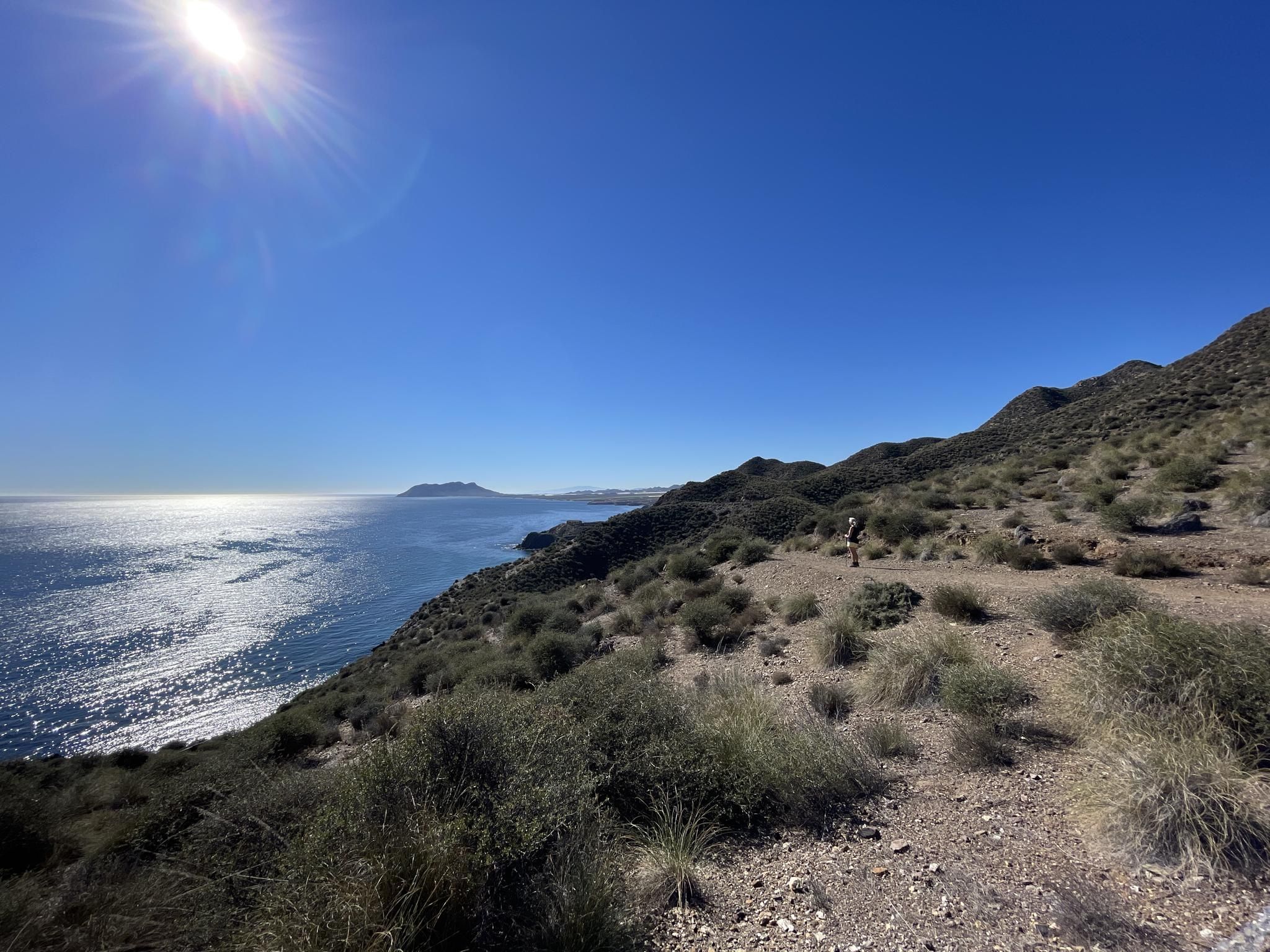
Mediterranean industry and nature – hike the GR 92 in Murcia
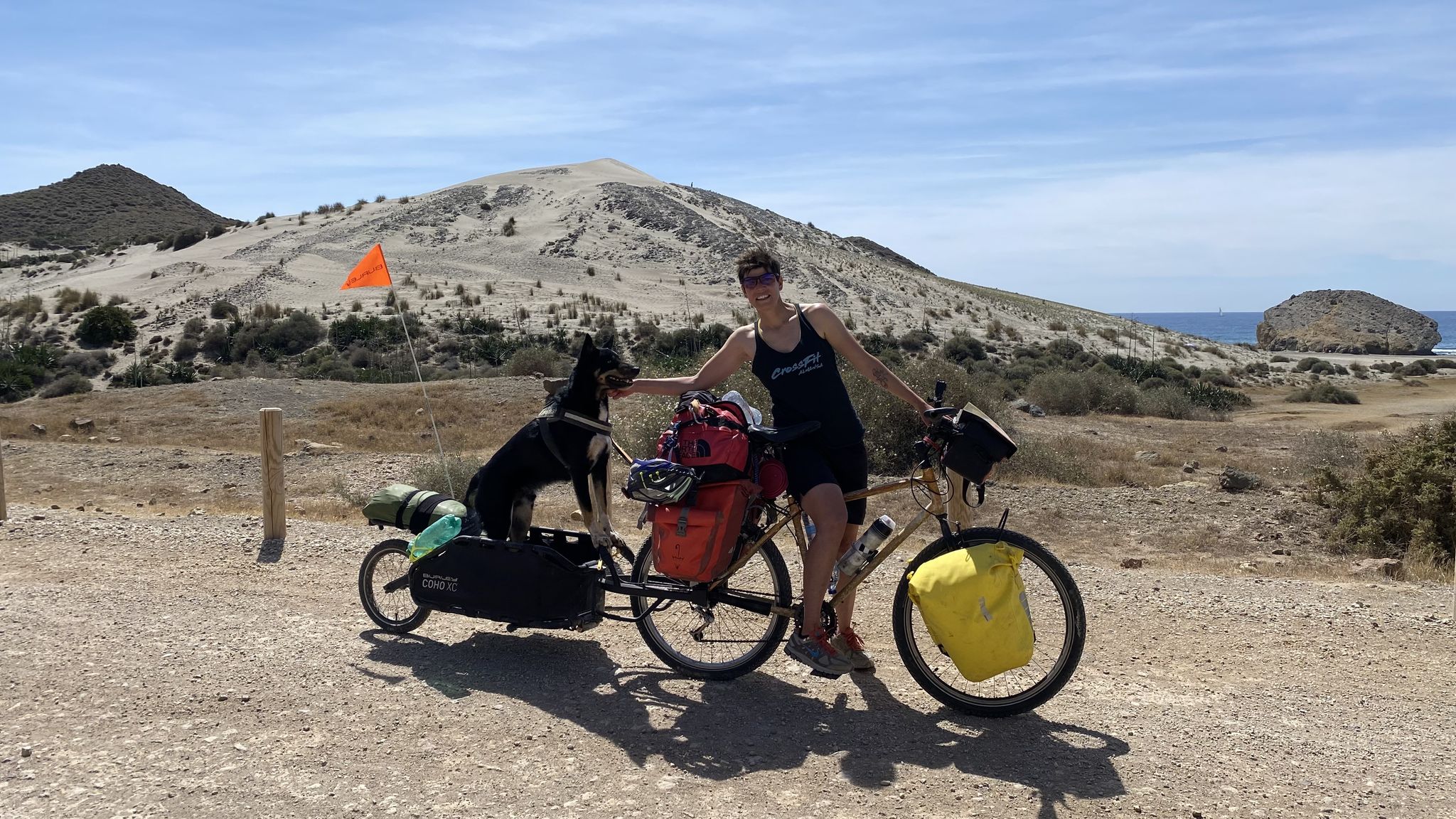
Let’s head south – cycle in Andalusia with me and my dog
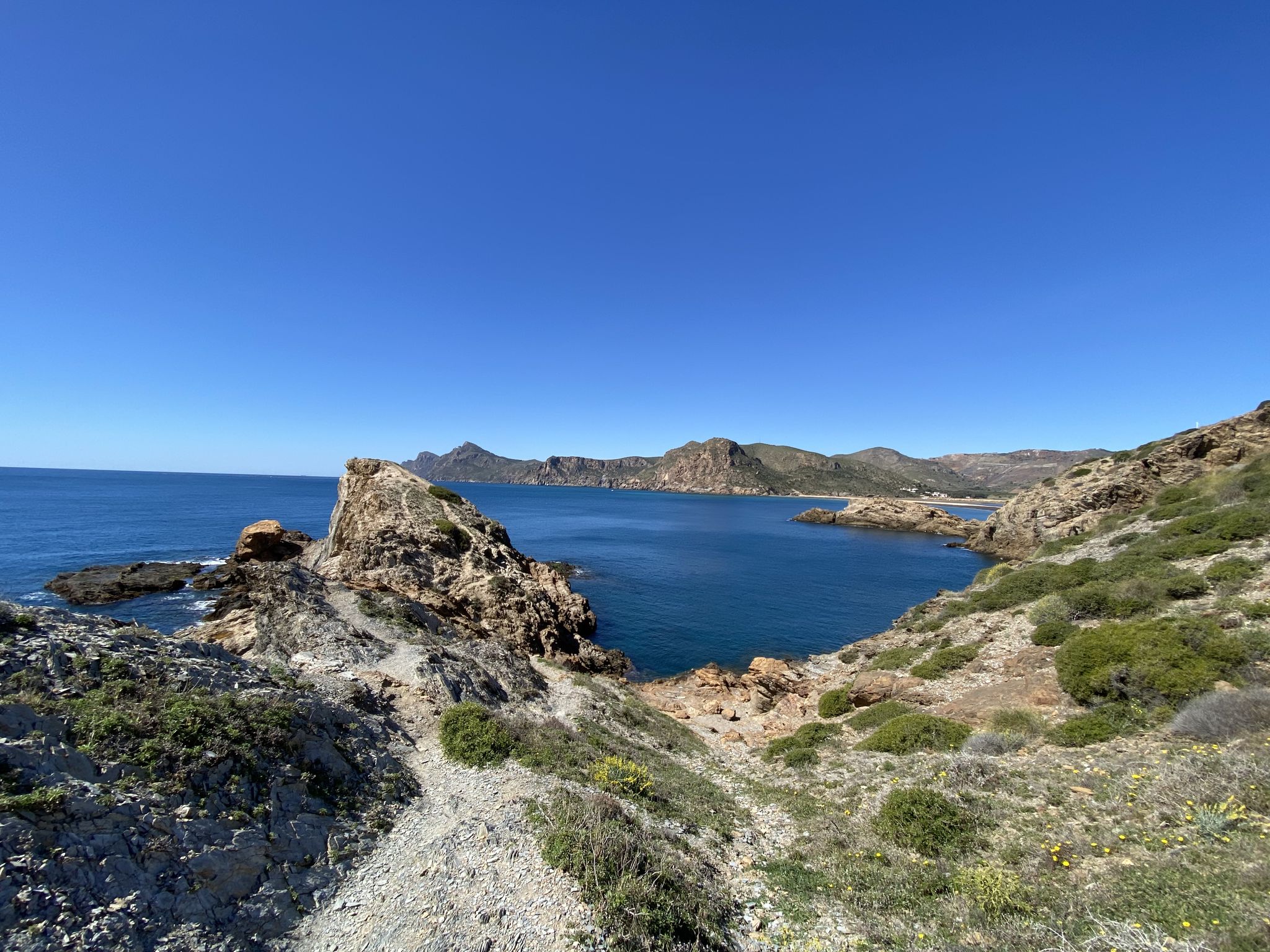
Walk among volcanoes and cliffs – Cape Palos and Calblanque
Hiking around Cartagena
Running Trails around Cartagena
Road Cycling Routes around Cartagena
Cycling around Cartagena
MTB Trails around Cartagena

Gravel biking around Cartagena
Other adventures around Cartagena


Tips from the Community

A natural monument, the enchanting town of Bolnuevo is one of the most beautiful places in the region, so much so that the rock formations, known as "mushrooms," have been declared a natural monument.
14
1

A nice square near the station. With a friendly and good terrace / cafetería
1
0

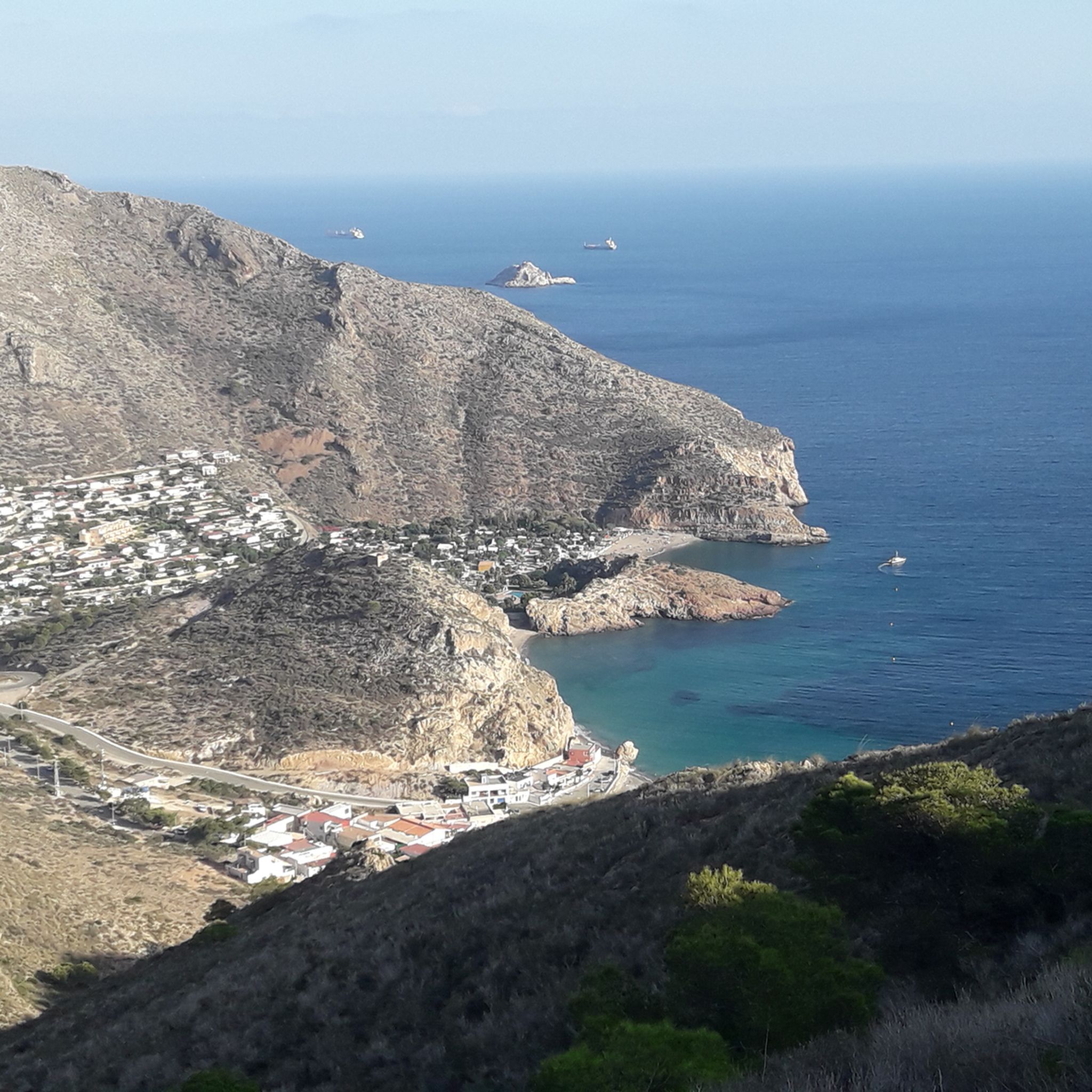
The Calblanque Regional Park is a coastal destination in the Region of Murcia, which has been a protected natural area since 1987 and a nature reserve since 1992. It covers an area of 2,400 hectares and has 13 kilometres of coastline. From the bay of Cala Reona, in Cabo de Palos, to the mining town of Portmán, you can enjoy the very well-preserved environment of Calblanque, a combination of beautiful coves, dunes, sandy areas, salt flats and cliffs. The wildlife reserve of the Parque Natural de Calblanque includes rock formations that run parallel to the sea and descend gently to the flattest area: the Salinas del Rasall. The pristine waters and the spectacular seabed, a favourite of divers, make Calblanque "a paradise at sea with the wildest, most natural side of the Murcian coastline". This nature reserve represents one of the last unspoilt areas along the Mediterranean coast. Its enormous natural wealth is based on the arid mountains, the long, ochre and golden beaches, as well as the solitary coves, the formation of the fossil dunes, the white salt lakes and the mountain ranges, which contrast with the blue sea. There are no facilities here (apart from a few toilets in the visitor centre) so don't forget to pack a picnic! To access the Calblanque Regional Park, take the motorway to La Manga, exit 10 and be ready to enjoy this Murcian gem.
0
0

Made of pressed sand, can change with every rain.
2
0

Crazy what nature paints for us so wonderfully 👑
2
0

These "mushroom rocks" are very impressive and easy to reach. Can also be combined with a beach trip🌞
2
1

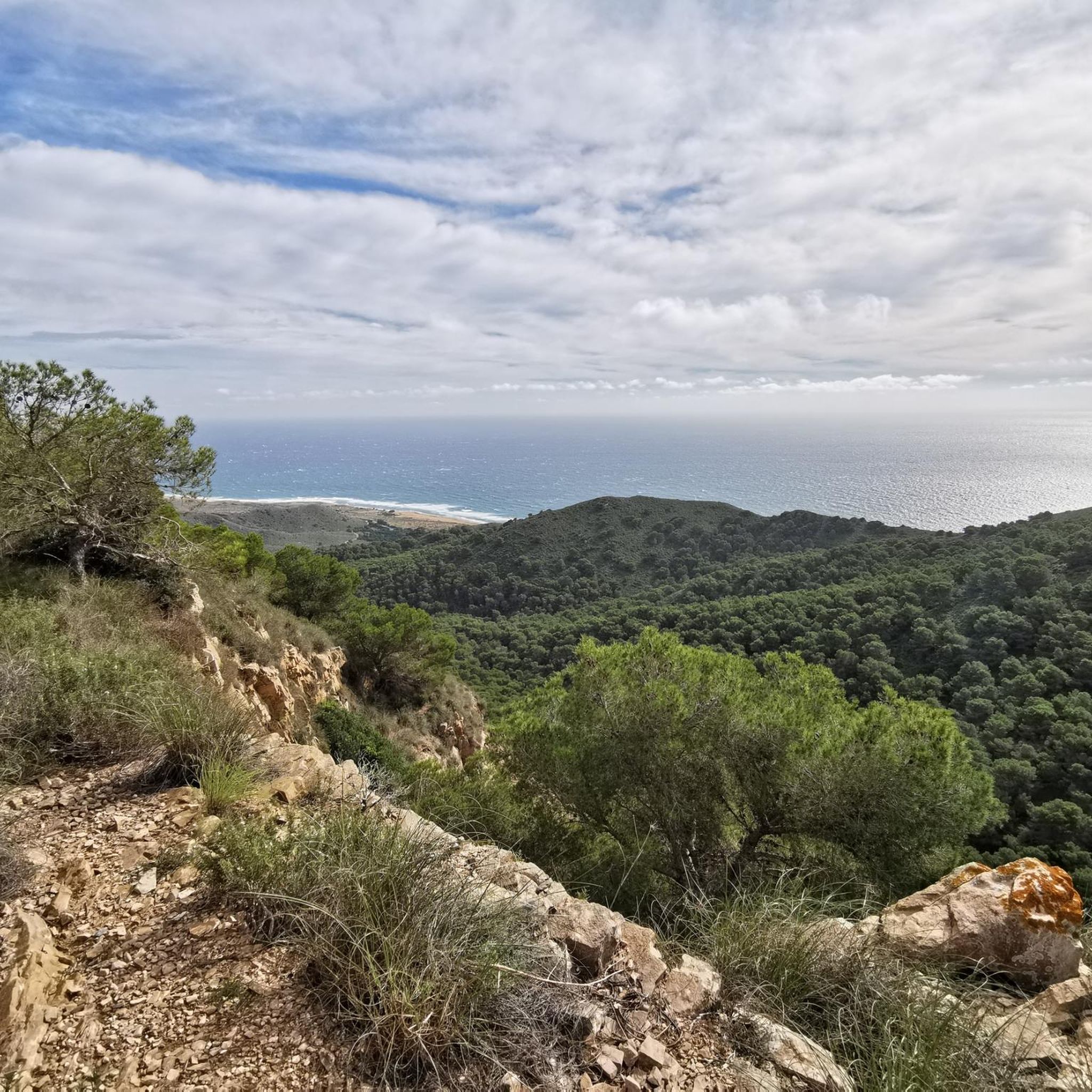
The summit of the Peñas Blancas offers exciting views of the surrounding mountains and the Mediterranean Sea. Hikers are rewarded by silent nature all around, and the nearby Refugio can serve as a place to have a short break before the descent.
0
0

You should not miss it, if you visit Cartagena, an unbeatable walk through its squares and fountains, enjoying its wonderful architecture and its people
1
0
Frequently Asked Questions
What are the most popular natural monuments around Cartagena, Spain?
Among the most popular natural monuments are the Bolnuevo Sandstone Formations, known for their unique "mushroom" shapes sculpted by wind and water. Visitors also highly appreciate the Marchamalo Salt Flats for their historical significance in salt production and birdwatching opportunities. Another favorite is the Calblanque, Monte de las Cenizas and Peña del Águila Regional Park, which offers pristine coastlines, dunes, and coves.
Are there family-friendly natural monuments to visit near Cartagena?
Yes, several natural monuments are suitable for families. The Bolnuevo Sandstone Formations are a great spot for unique photo opportunities and exploring the beach. The Marchamalo Salt Flats also offer an engaging experience for families, where you can learn about salt production history and spot native birds.
What kind of natural features can I expect to see at these monuments?
You can expect a diverse range of natural features. The Bolnuevo Sandstone Formations showcase unique geological erosion patterns. The Marchamalo Salt Flats feature historical salt basins and wetland ecosystems. The Calblanque, Monte de las Cenizas and Peña del Águila Regional Park boasts beautiful coves, dunes, sandy areas, and cliffs along 13 kilometers of unspoilt Mediterranean coastline.
What outdoor activities can I do near the natural monuments around Cartagena?
The region around Cartagena offers various outdoor activities. You can find numerous routes for mountain biking, gravel biking, and hiking. For example, you can explore MTB trails like the Vía Verde de Cartagena, or embark on gravel biking adventures such as the Cabo de Palos Lighthouse loop. If you prefer walking, there are many hiking routes, including the Cabezo de la Fuente Loop Trail.
Are there hiking trails near the natural monuments?
Yes, there are several hiking trails available. For instance, within the hiking guide for Cartagena, you can find trails like the 'Beaches and coves of Cabo de Palos — Circular Tour' or the 'Cuestas del Cedacero - Peñas Blancas Loop' which offers impressive views from the Peñas Blancas Summit.
What is the best time to visit the natural monuments in Cartagena, Spain?
The natural monuments around Cartagena, being on the Mediterranean coast, are generally pleasant to visit during spring (April-June) and autumn (September-October) when the weather is mild and comfortable for outdoor exploration. Summers can be hot, while winters are generally mild but might have more rainfall.
How long should I plan to spend at a natural monument like the Bolnuevo Sandstone Formations?
For the Bolnuevo Sandstone Formations, you might spend anywhere from 1 to 2 hours exploring the unique rock formations and enjoying the beach. For larger areas like the Calblanque Regional Park, you could easily spend half a day or a full day hiking, relaxing on the beaches, and exploring the diverse landscapes.
Can I spot wildlife at the natural monuments?
Yes, wildlife spotting is possible, especially in certain areas. The Marchamalo Salt Flats are known for being a habitat for native birds. The Calblanque Regional Park, with its diverse ecosystems of dunes, salt flats, and cliffs, also supports various species, making it a good spot for nature observation.
Are there any viewpoints offering panoramic views of the natural landscapes?
Absolutely. The Peñas Blancas Summit offers impressive views, combining the vertical white wall of the mountain with the Mediterranean Sea in the background. Many points within the Calblanque Regional Park also provide spectacular coastal vistas.
What do visitors enjoy most about the natural monuments around Cartagena?
Visitors frequently highlight the unique geological formations, such as the "mushroom" shapes at Bolnuevo, and the pristine, unspoilt nature of the coastal regional parks like Calblanque. The opportunity to combine history with nature at sites like the Marchamalo Salt Flats and the rewarding panoramic views from summits like Peñas Blancas are also highly appreciated.
Are there easy trails or accessible options for exploring the natural monuments?
While specific accessibility details vary, many natural monuments offer areas that are relatively easy to explore. For instance, the beach areas near the Bolnuevo Sandstone Formations are generally accessible. Within the hiking guide, you can find 'easy' rated trails like the 'Beaches and coves of Cabo de Palos — Circular Tour' which might be suitable for a more relaxed experience.
Most popular routes around Cartagena
Most popular attractions around Cartagena

Get inspired with the komoot mobile app


Explore more
Extend your search for the best caves by checking out these guides of the top ones around Cartagena:
