Top 20 Natural Monuments around Morata De Tajuña
Best natural monuments around Morata De Tajuña are found within the Tajuña River valley, a region characterized by its unique geological features and diverse ecosystems. This area, part of the Southeast Regional Park, showcases significant natural features such as gypsum walls, riparian forests, and wetlands. The landscape provides a habitat for varied flora and fauna, offering opportunities to observe local biodiversity. These natural monuments near Morata De Tajuña are well-suited for outdoor activities like hiking and cycling, with various trails…
Last updated: July 1, 2026
Jarama Cliffs
Highlight • Gorge
Translated by Google •
Tip by

Hill and Caves of the Southeast Regional Park
Highlight • Cave
Translated by Google •
Tip by
Sign up now to discover places like this
Get recommendations on the best single tracks, peaks, & plenty of other exciting outdoor places.
Sign up for free
Translated by Google •
Tip by

The Chinchón Sinkhole
Highlight • Cave
Translated by Google •
Tip by

Birdwatching Hide at San Juan Lagoons
Highlight • Viewpoint
Translated by Google •
Tip by

Sign up for free to discover even more natural monuments around Morata De Tajuña.
Sign up for free
Already have an account?
Start today with a free account
Your next adventure awaits.
Login or Signup
Popular around Morata De Tajuña
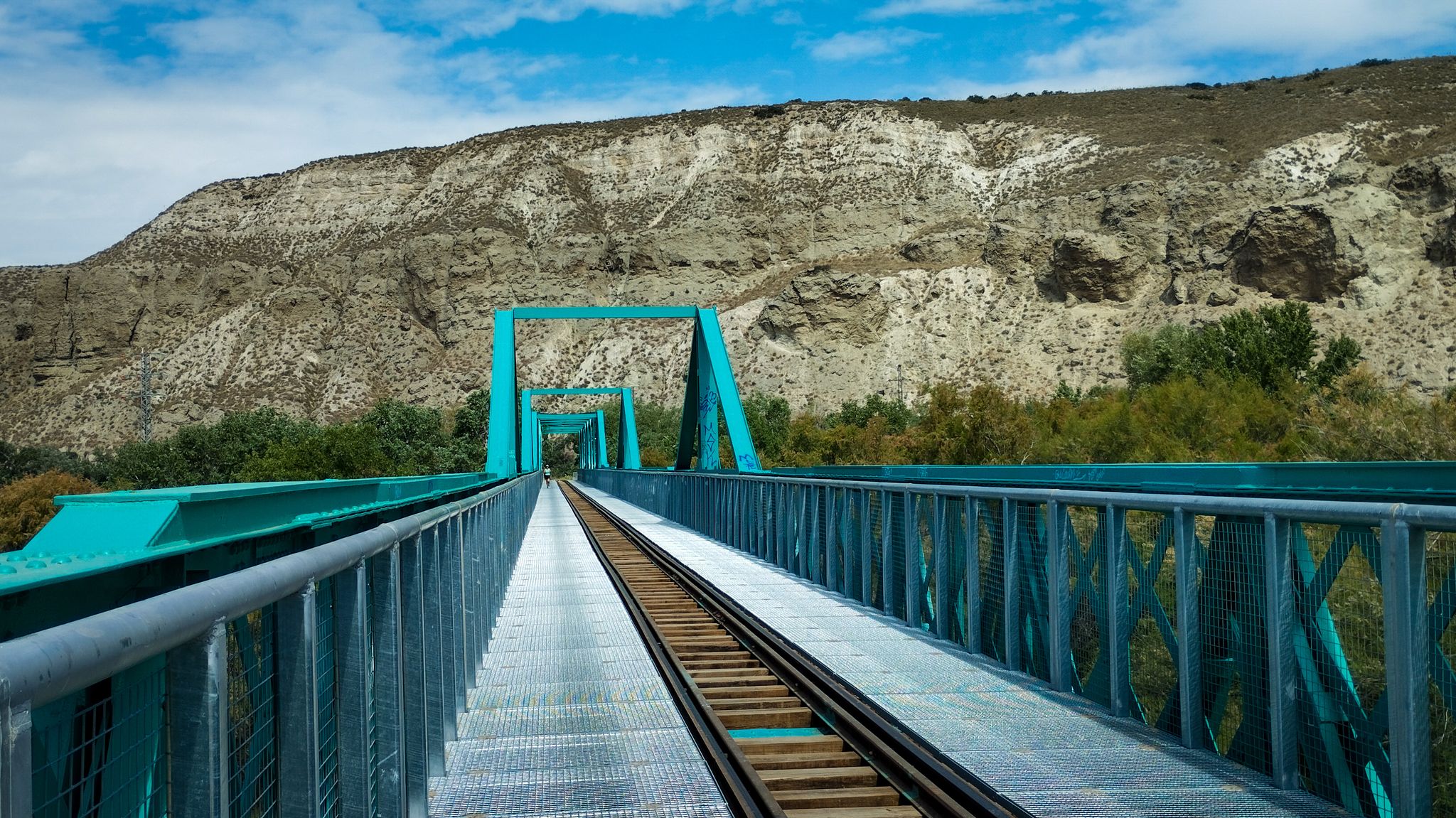
A family ride through Las Vegas de Madrid in Spain – Tajuña Greenway
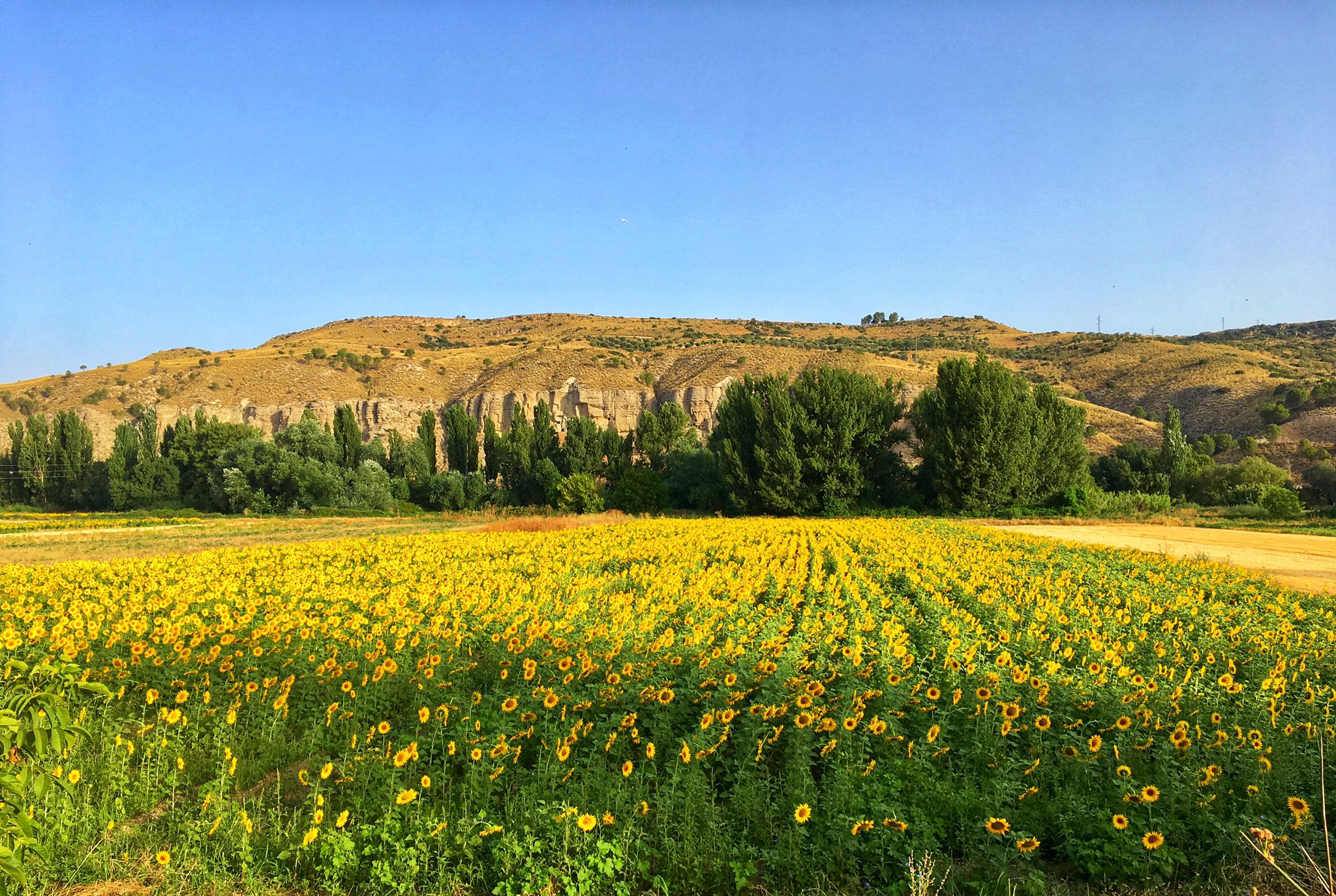
Palaces, rivers and fields — Las Vegas de Madrid gravel tour
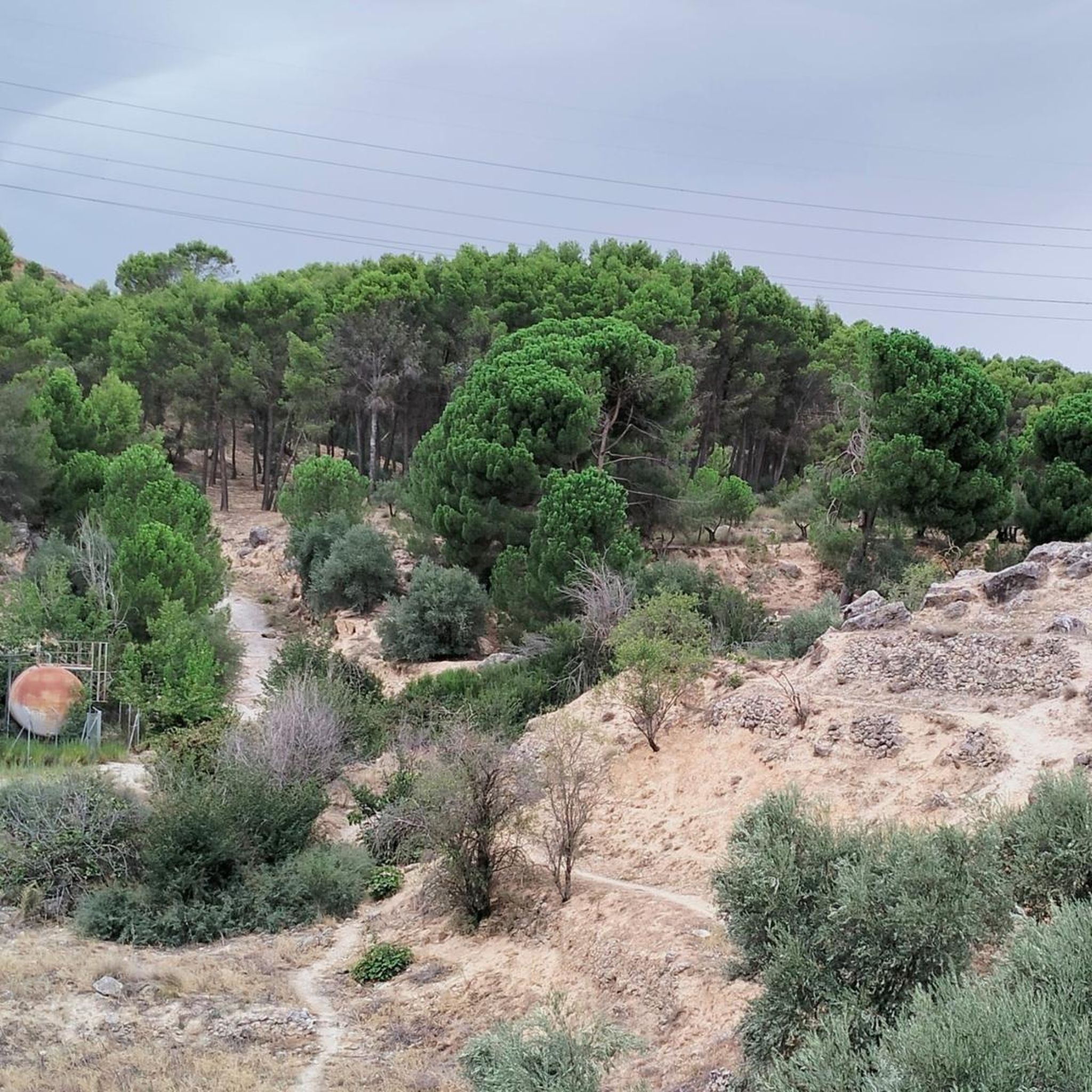
Road Cycling Routes around Morata De Tajuña
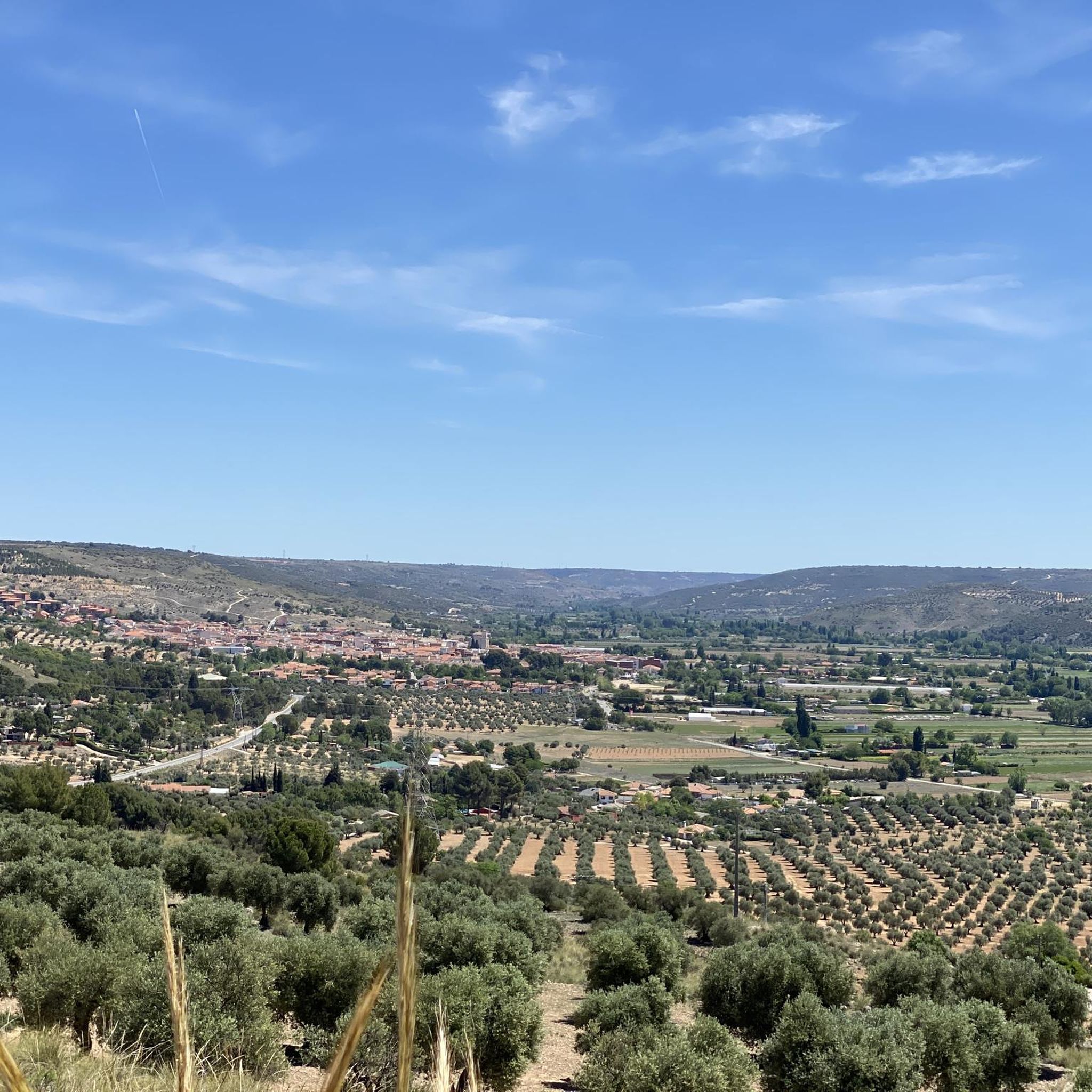
MTB Trails around Morata De Tajuña
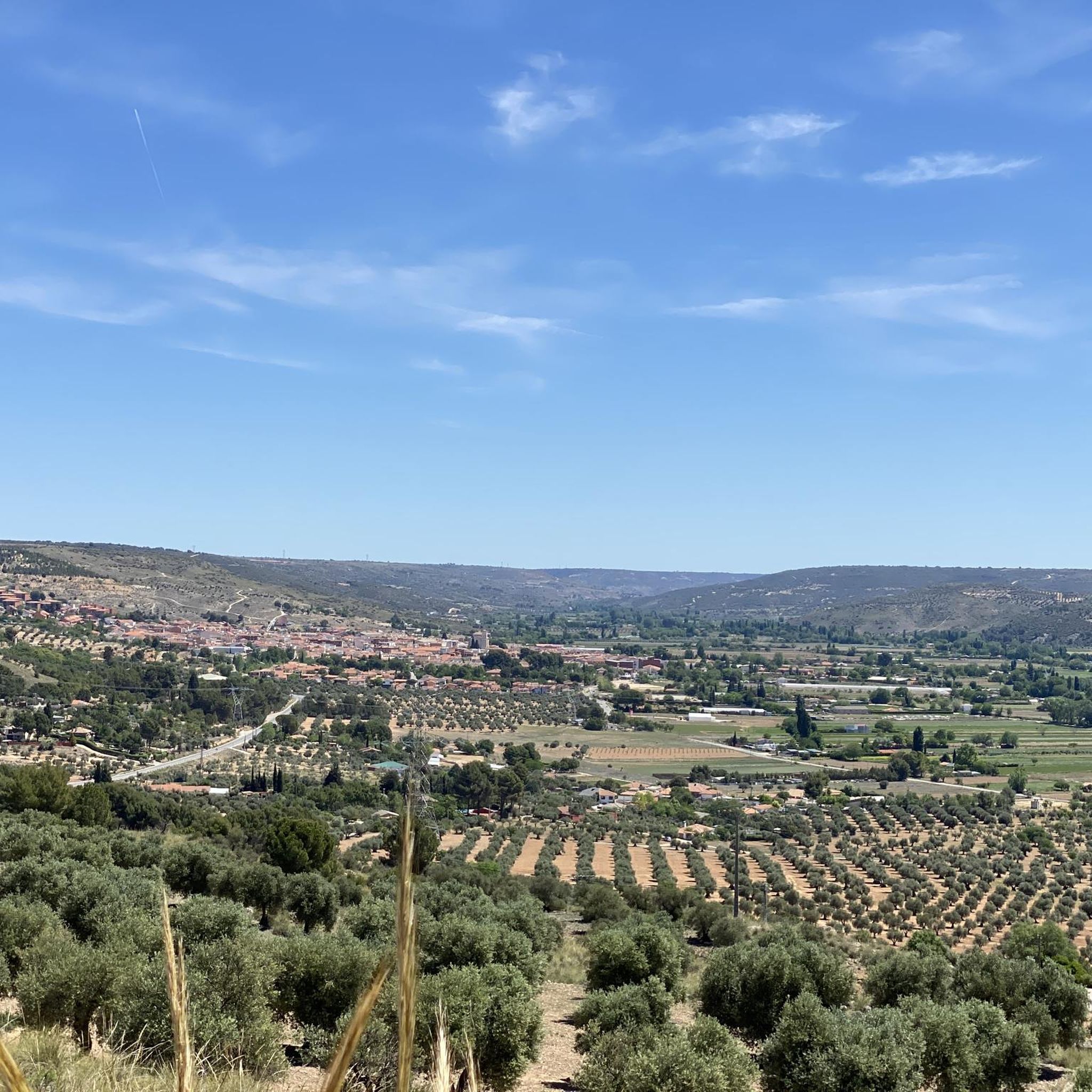
Cycling around Morata De Tajuña
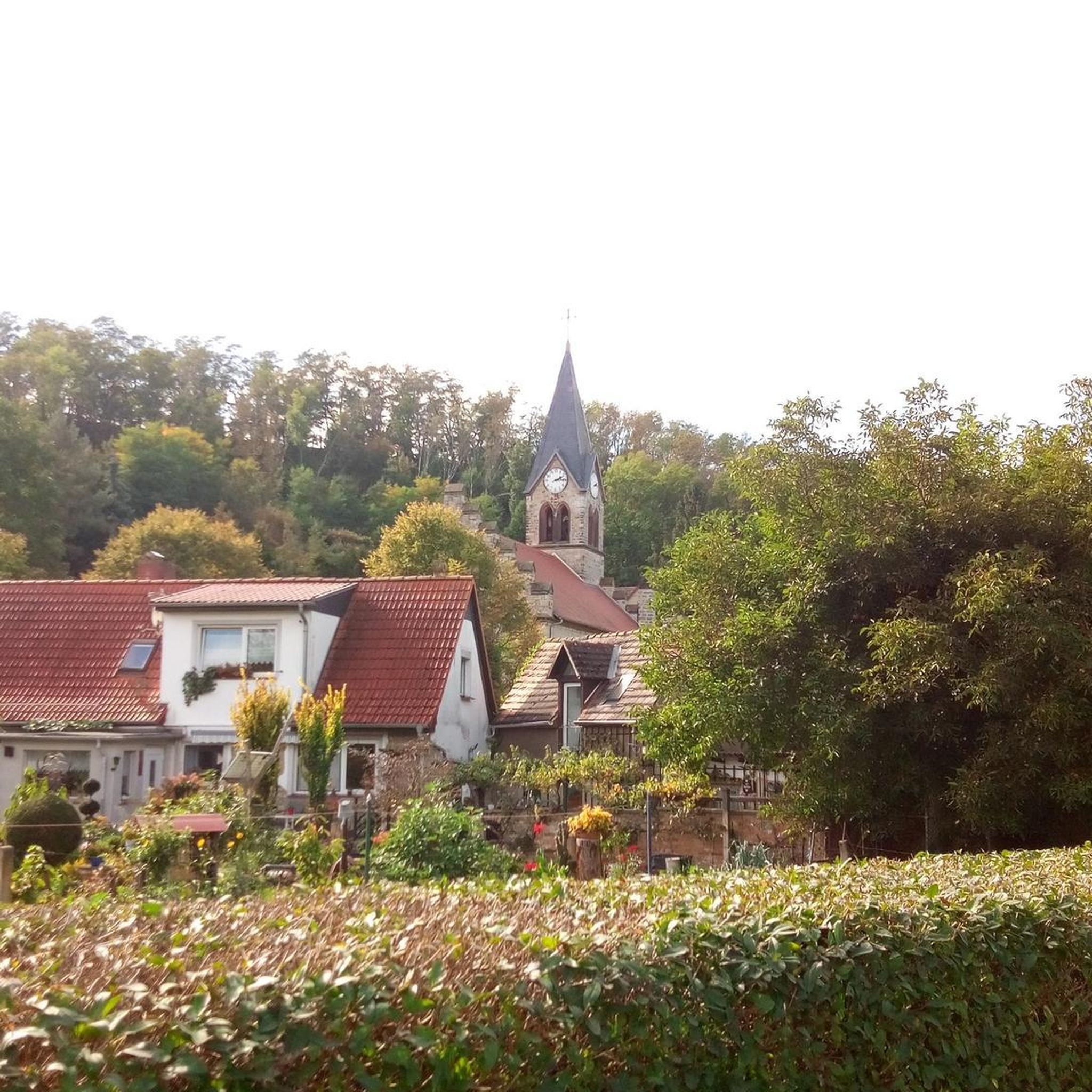
Gravel biking around Morata De Tajuña
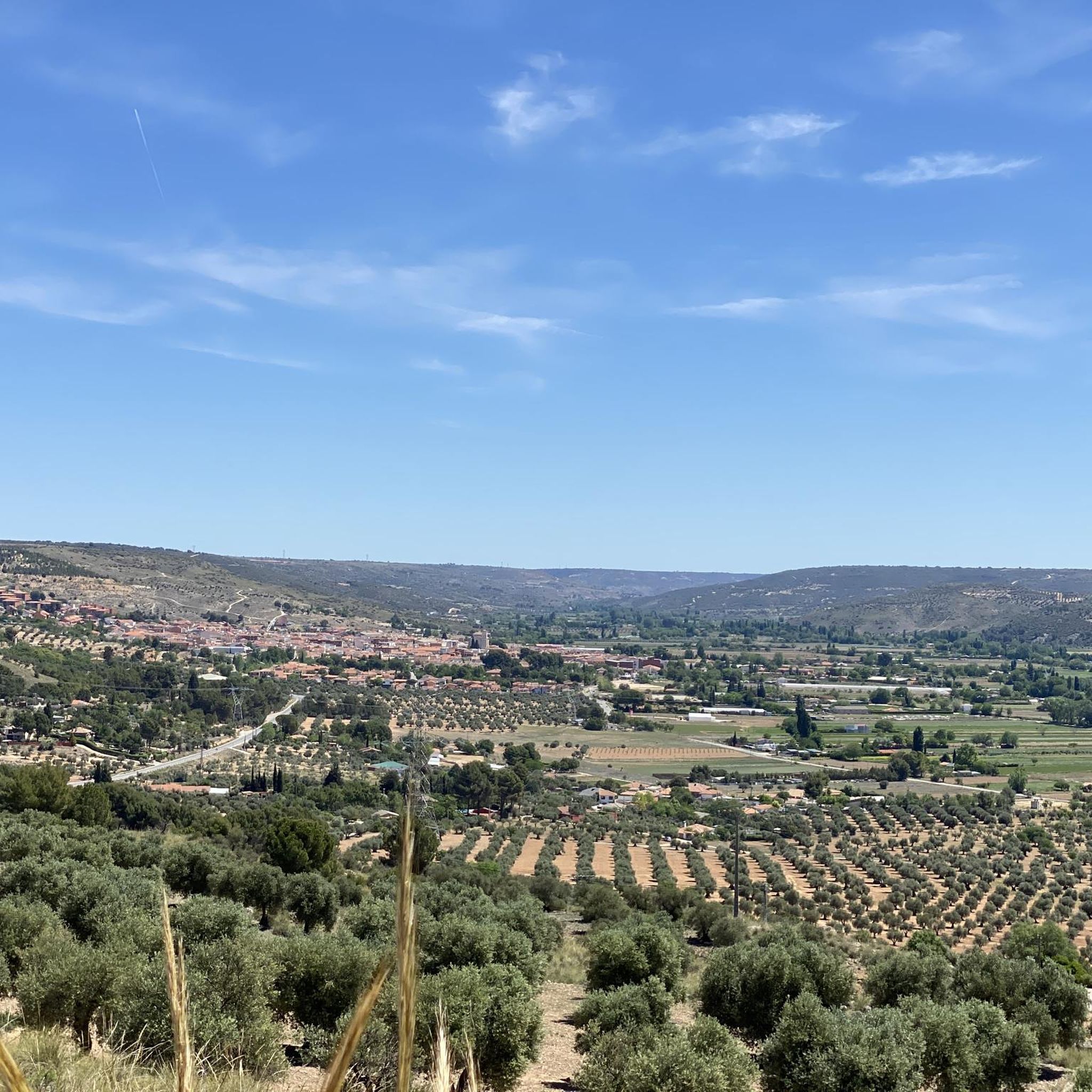
Hiking around Morata De Tajuña
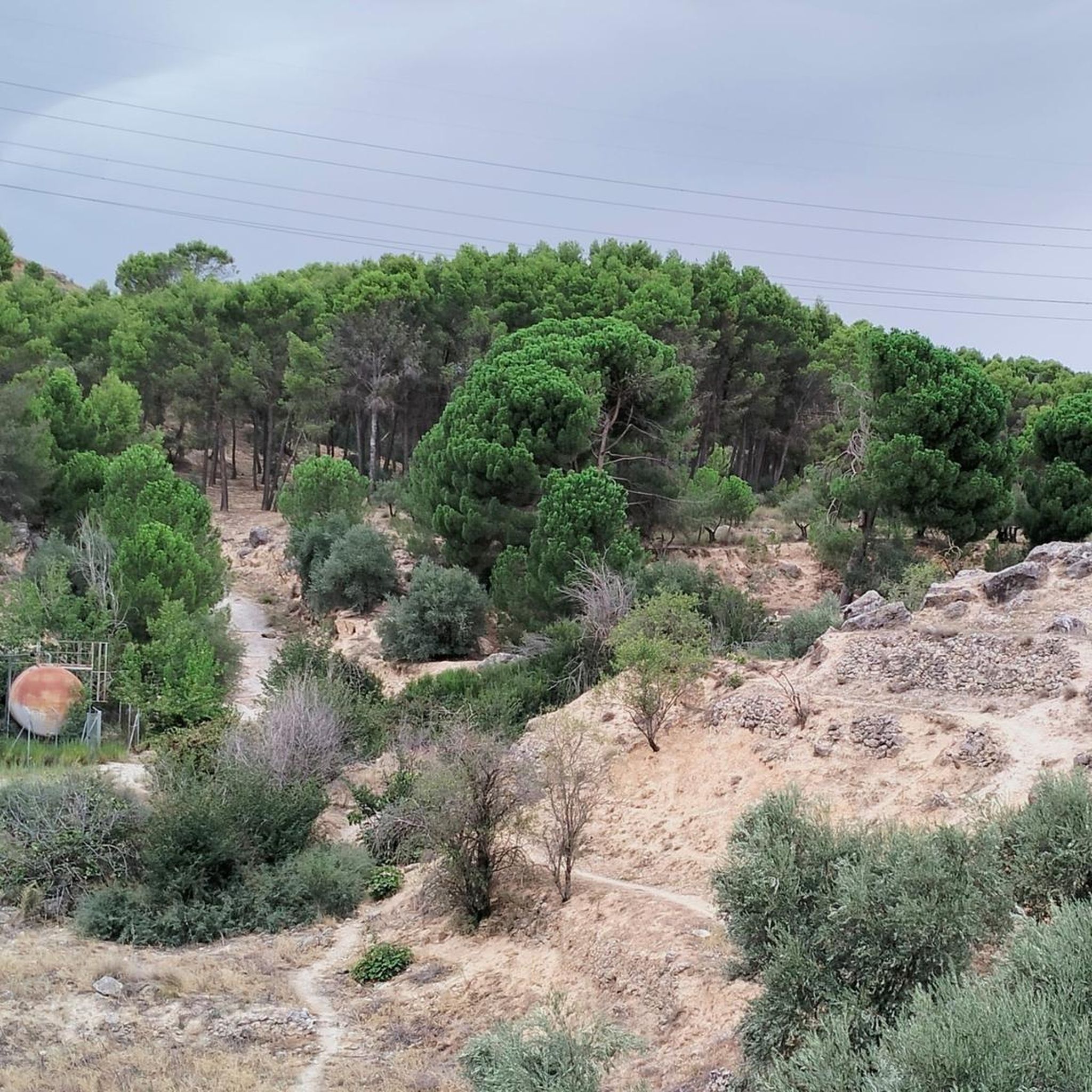
Running Trails around Morata De Tajuña

Tips from the Community

Views of the Jarama River and the cliffs with some machine gun nests from the Civil War.
0
0

Be careful because the recent rains have caused a new landslide next to the previous one, and the road was closed by forest rangers.
1
0

The collapse, despite its few meters, a mix of hiking and carrying that raises the heart rate of even the most experienced, always offers one of the most picturesque views of the Madrid region near the capital: the confluence of the Manzanares and Jarama rivers, the Presa del Rey, a privileged panoramic view over parts of Rivas and Arganda, facing the mountains where much of the Battle of Jarama took place, and of course the cliffs. Having passed by there many times, it never leaves me indifferent.
0
0


An immense collapse of the Rivas cliffs has created a wonderful viewpoint at the confluence of the Manzanares and Jarama rivers. It is worth having to push the bike in this section, since it is impossible to ignore the panorama.
2
0
At this point on the path of La Blanca, at the height of the San Juan lagoons, there is a viewpoint frequented by bird lovers. It is a perfect point to see the fauna that inhabits this seasonal wetland.
0
0
good views of the river and the landscape on one side the dam of the king and on the other side Rivas Vaciamadrid
1
0

The plant cover that adorns the steep earthy slopes of the Jarama Valley is an exhibition of ingenious botanical adaptations to survive in the gypsum aljezares characteristic of the fertile plains of southeastern Madrid. The esparto grass forms large clumps of long, smooth leaves with a very dense and closed stump that retains moisture inside. The austere jabuna has a woody bearing, the stems are very fine and it does not exhibit bright colors that require high energy consumption, except in the flowering period. Another common plant of the cuts is the ontina or mugwort, used in popular medicine as an antidiabetic, vermifuge and invigorating, it develops thorns and discreet colors to avoid excessive perspiration. One of the most striking plants is the reseda, which has long, twisted stems. There are also thyme, scaly rosemary and harmaga, which defend themselves from the xerophytic environment with a reduced foliar surface and scaly leaves.
2
0
Frequently Asked Questions
What are some popular natural features to explore around Morata de Tajuña?
The region around Morata de Tajuña offers diverse natural features. You can visit the Campillo Lagoon, a valuable reserve for waterfowl, or explore the impressive Jarama Cliffs and Rivas Cliffs, known for their unique botanical adaptations to gypsum soils. The Tajuña River and its valley also present significant ecological interest.
Are there family-friendly natural monuments in the area?
Yes, several natural monuments are suitable for families. The Campillo Lagoon offers an easy circular route and birdwatching opportunities. The Rivas Cliffs also feature a green route that is considered easy and suitable for the whole family, often in continuous descent.
What kind of geological features can I expect to see around Morata de Tajuña?
The area is characterized by significant geological formations. You'll encounter striking gypsum walls, particularly along the Via Verde Tajuña and in the Tajuña River valley, which showcase unique botanical adaptations. The Jarama Cliffs and Rivas Cliffs are prominent examples of these formations. Historically, the region also features limestone quarries, providing insight into local geology and resource use.
What outdoor activities can I do near these natural monuments?
The natural monuments around Morata de Tajuña are excellent for various outdoor activities. You can enjoy cycling along the Tajuña Greenway, explore MTB trails, or go hiking. The Campillo Lagoon, for instance, has an easy circular route perfect for peaceful strolls.
Are there specific hiking trails near the natural monuments?
Yes, the Via Verde Tajuña, an old railway line, is a popular route suitable for hiking, offering scenic views of the Tajuña valley. Additionally, there's an easy circular route around the Campillo Lagoon, and the Rivas Cliffs also feature a 13-kilometer easy route.
What is the best time of year to visit the natural monuments around Morata de Tajuña?
Autumn and spring are particularly vibrant seasons to visit, offering pleasant temperatures and colorful landscapes, especially around the Campillo Lagoon for birdwatching. These seasons are generally ideal for outdoor activities like hiking and cycling.
Can I go birdwatching near Morata de Tajuña?
Absolutely. The Campillo Lagoon is a valuable natural reserve known for its rich biodiversity, particularly waterfowl and lake ecosystems. It features designated observatories where you can spot species like the Eurasian Coot, Purple Heron, and Penduline Tit.
Are there any viewpoints offering panoramic views of the natural landscape?
Yes, the area boasts several excellent viewpoints. The View of the confluence of the Jarama and Manzanares rivers from the Cortados de Rivas provides a spectacular panorama. The Rivas Cliffs themselves offer impressive views over the Jarama valley, and the Jarama Cliffs also provide scenic vistas.
What makes the Tajuña River Valley unique?
The Tajuña River Valley, part of the Southeast Regional Park, is unique for its ingenious botanical adaptations to the characteristic gypsum soils (aljezares) of southeastern Madrid. You can observe flora like esparto grass and austere jabuna. The riparian areas are home to diverse species, including black and white poplars, tamarisks, and various fauna such as fish, amphibians, reptiles, and numerous bird species.
What do visitors enjoy most about the natural monuments around Morata de Tajuña?
Visitors particularly appreciate the diverse ecosystems and the opportunities for tranquil escapes. The Campillo Lagoon is loved for its birdwatching and serene atmosphere, while the dramatic Rivas Cliffs and Jarama Cliffs are admired for their unique geological formations and scenic views. The blend of natural beauty and opportunities for active exploration like cycling and hiking is also highly valued.
Are there any hidden natural gems near Morata de Tajuña?
While not strictly 'hidden,' the Hill and Caves of the Southeast Regional Park offer a valuable set of ecosystems including lagoons, wetlands, and steppe hills, providing a rich natural heritage slightly off the main routes. The unique geological formations of the Tajuña River valley, with its gypsum adaptations, also present a less commonly highlighted natural wonder.
Most popular routes around Morata De Tajuña
Most popular attractions around Morata De Tajuña

Get inspired with the komoot mobile app


Explore more
Extend your search for the best caves by checking out these guides of the top ones around Morata De Tajuña:
