Top 7 Natural Monuments around Versailles
Best natural monuments around Versailles include a mix of meticulously designed formal gardens and more naturalistic retreats. This region, renowned for its historic palace, features diverse landscapes from expansive waterways to secluded groves. The area offers a blend of natural elements interwoven with historical significance, providing varied experiences for visitors. These natural features contribute to the region's charm and allure.
Best natural monuments around Versailles
- The most popular natural monuments is Ponds of Parc des Côtes Montbron, a lake that offers an idyllic break in the heart of an exceptional site. This hidden valley reveals its stream and three ponds bordered by meadows and woods.
- Another must-see spot is Menhirs of the Chêne des Missions, a historical site within a forest. This pseudo-megalithic site, built in 1895, is a peaceful haven among ancient trees.
- Visitors also love Bassin de Flore, a man-made monument and historical site. This basin, sculpted by Jean-Baptiste Tuby, symbolizes the first season of the year with its representation of Flora, the Roman goddess of flowers.
- Versailles is known for its formal gardens, historical sites, and natural ponds. The region offers a variety of natural monuments to see and explore, from meticulously designed landscapes to serene forest settings.
- The natural monuments around Versailles are appreciated by the komoot community, with more than 60 upvotes and 10 photos shared by visitors.
Last updated: May 4, 2026
Ponds of Parc des Côtes Montbron
Highlight • Lake
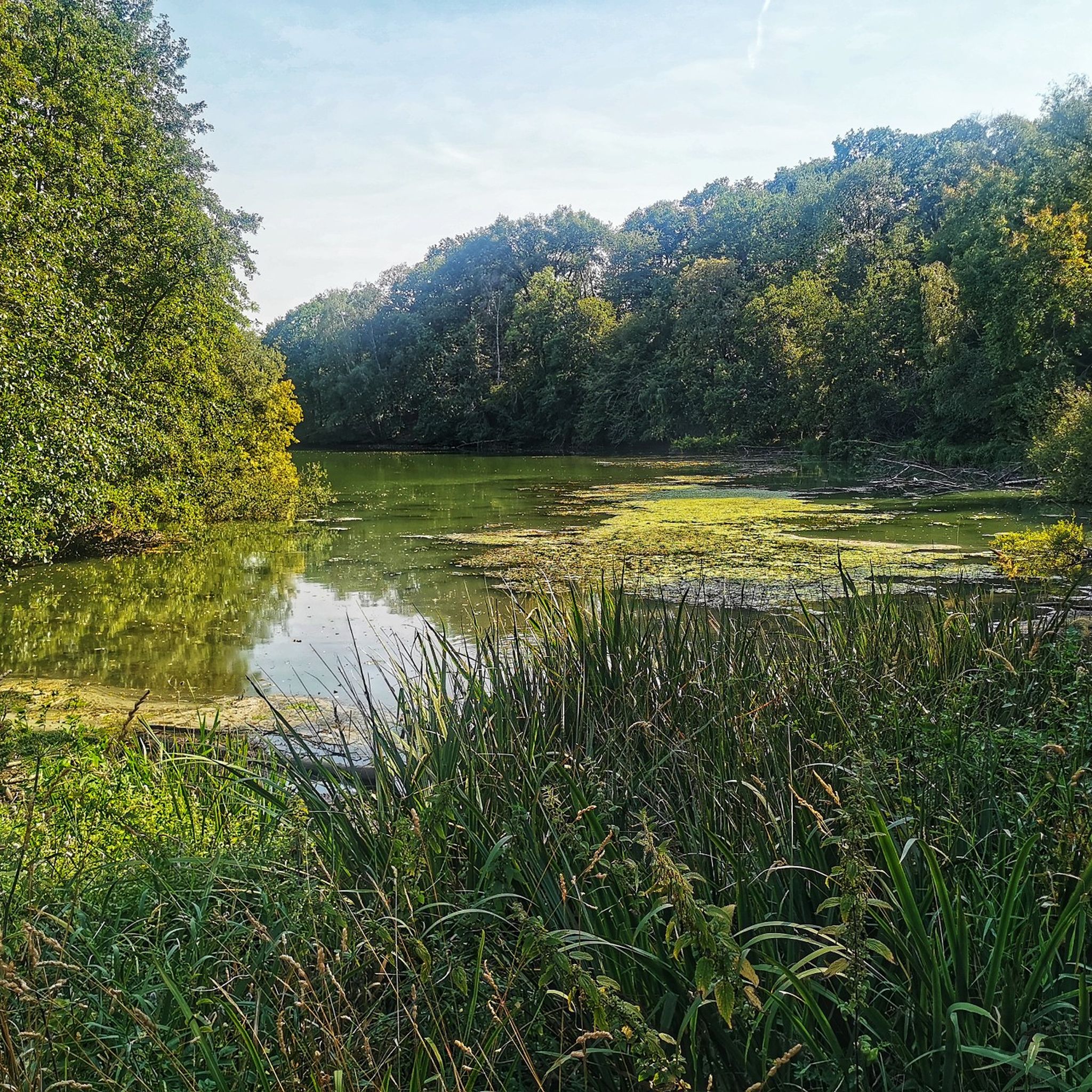
Located in the town of Jouy-en-Josas, the Parc des Côtes Montbron, acquired by the Department for sensitive natural areas, has been open to the public since April 2011. Hikers and nature lovers can enjoy a break idyllic in the heart of this exceptional site.
It was part of the estate of the Château du Parc des Côtes Montbron, which became a center for infantile cardiology in 1952, belonging to the Mallet family, who had the château built between 1872 and 1875. This hidden valley reveals its stream, the Ru Saint, to the walker. Marc, and its three ponds bordered by meadows and woods. This mosaic of natural environments gives it great ecological wealth. It also offers a bucolic setting allowing a total change of scenery, while being located a few kilometers from Paris. It is also accessible by public transport (Petit Jouy station served by line C of the RER).
The Department has created three new entrances, providing access to 2.5 km of trails through the site. The CODERANDO des Yvelines has put in place the markings for the GR® of the Ile de France region which crosses the site. This route is decorated with information panels on the themes of the landscape, flora and aquatic environments.
(yvelines-infos.fr)
Translated by Google •
Tip by

Latona Fountain
Highlight • Monument
latone.chateauversailles.fr/page/le-bassin-de-latone/histoire-du-bassin
Translated by Google •
Tip by

Sign up now to discover places like this
Get recommendations on the best single tracks, peaks, & plenty of other exciting outdoor places.
Sign up for free
Menhirs of the Chêne des Missions
Highlight • Monument
Translated by Google •
Tip by

Bosquet of the Baths of Apollo
Highlight • Monument
bienvenue.chateauversailles.fr/fr/jardins/bienvenue/304_bosquet-des-bains-d-apollon#!panel-46
Translated by Google •
Tip by
Bassin de Flore
Highlight • Monument
bienvenue.chateauversailles.fr/fr/jardins/a-voir/310_bassin-de-flore#!panel-242
Translated by Google •
Tip by
Ballroom Grove
Highlight • Monument
bienvenue.chateauversailles.fr/fr/jardins/a-voir/313_bosquet-de-la-salle-de-bal#!panel-242
Translated by Google •
Tip by
Megaliths of the Missionaries of Meudon
Highlight • Natural Monument
Tip by

Swiss Pond
Highlight • Lake
Translated by Google •
Tip by

The Avenues of the Trianon
Highlight • Forest
Translated by Google •
Tip by

Virgin Oak
Highlight • Natural Monument
Translated by Google •
Tip by

Start today with a free account
Your next adventure awaits.
Login or Signup
Popular around Versailles
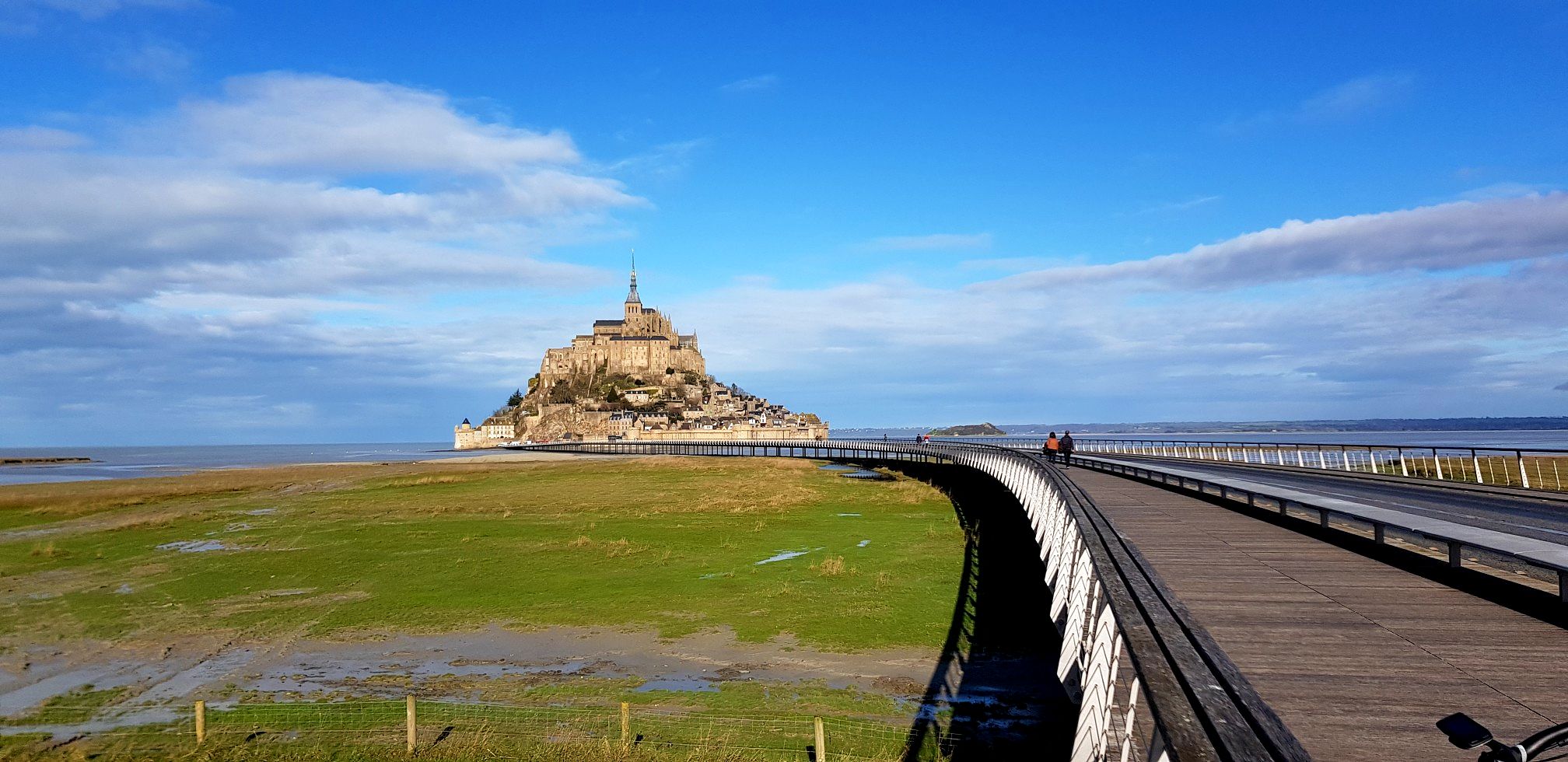
GR 22 to Mont-Saint-Michel – Miquelot's Walk
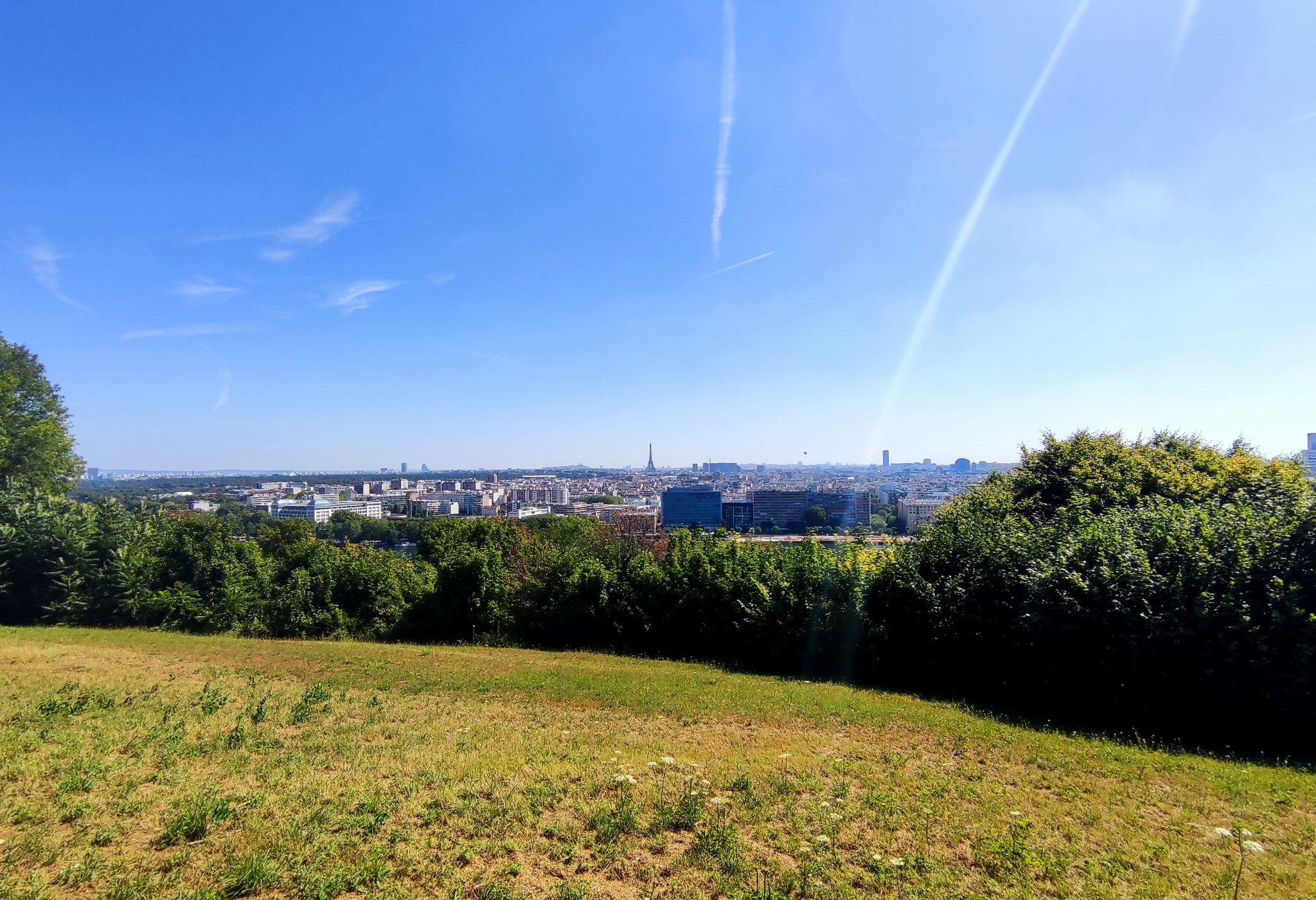
Trails come to Paris – run the Paris Ecotrail
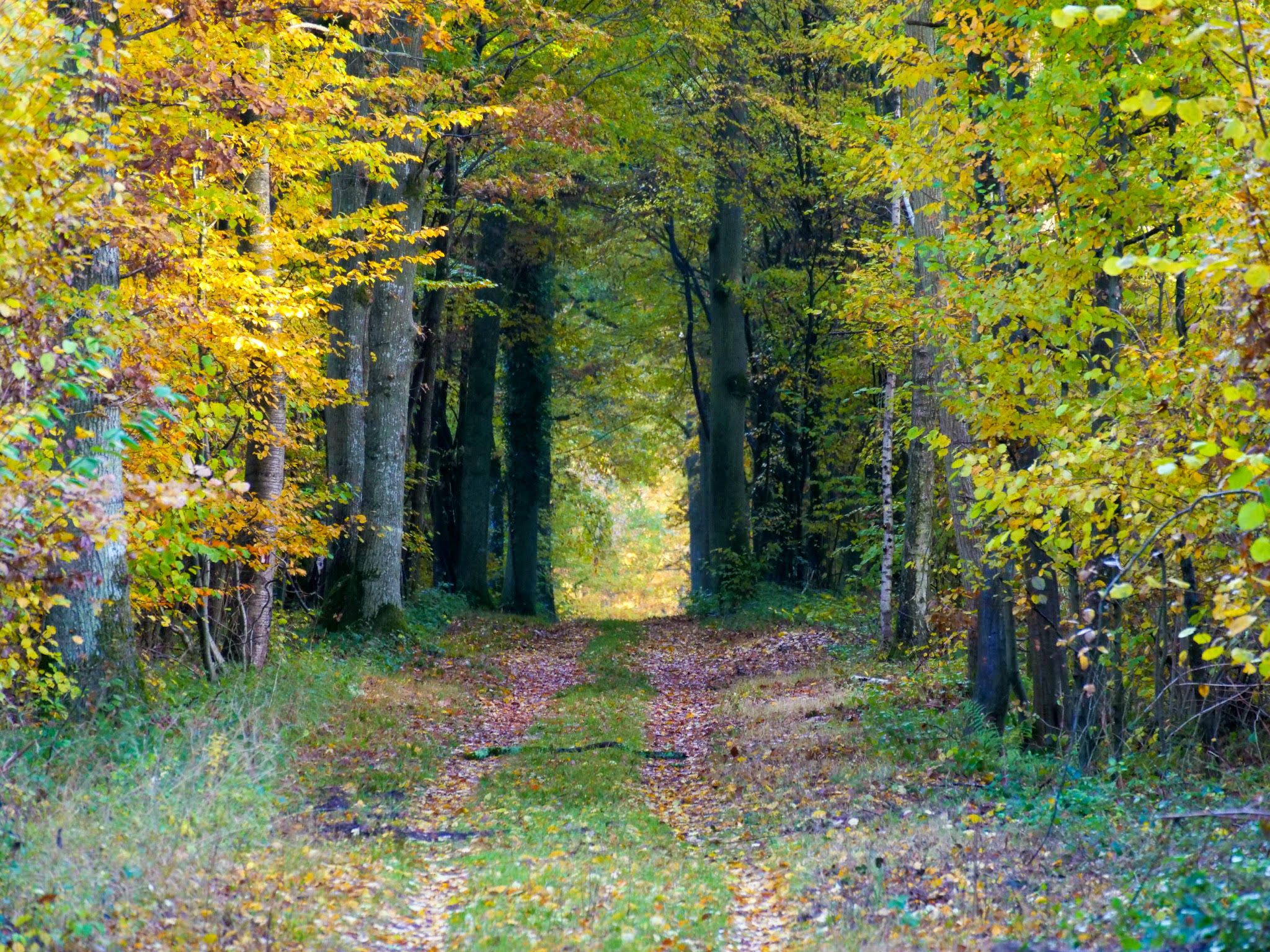
In the heart of Île-de-France — trails around Paris (West)
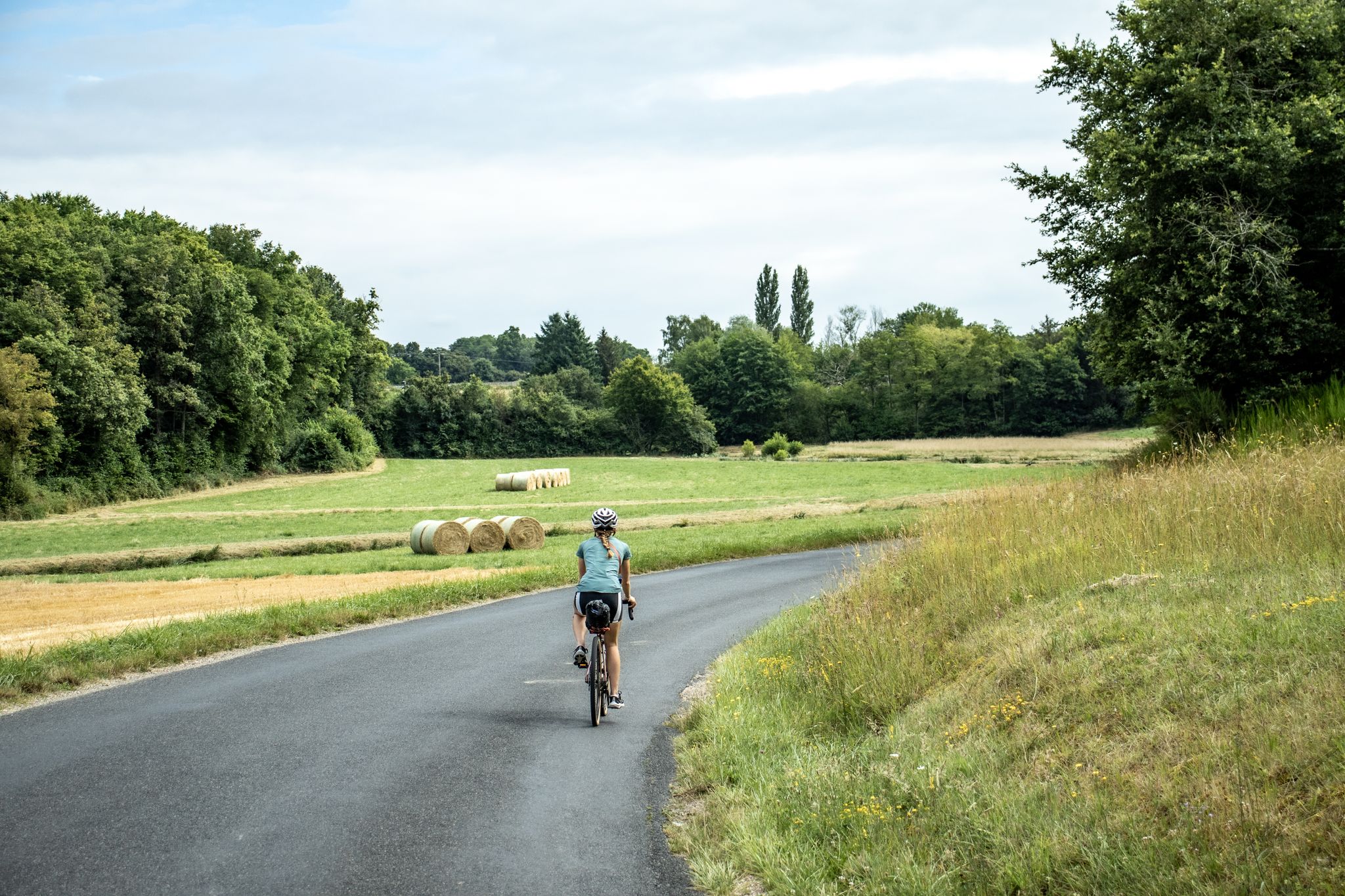
Itinéraires vélo en France accessibles en train — Mollow
Running Trails around Versailles
Hiking around Versailles
Cycling around Versailles
Road Cycling Routes around Versailles
MTB Trails around Versailles

Gravel biking around Versailles
Other adventures around Versailles


Tips from the Community

Viltain Farm then the singletrack further west is a little paradise. Landslide (04/2025) on the way back
0
0
This nature spot is magnificent
0
0

It is located at the corner of Route du Pavé de Meudon. This oak tree dates back to before 1800.
1
0
This oak was discovered by Breton missionaries in 1895. It is surrounded by 4 dolmens and a large menhir. The oak is 32m high. It is one of the most beautiful passages in the Meudon Forest.
1
0
The lake of the Swiss is called the piece of water of the Swiss
0
0

Laid out by André Le Nôtre between 1680 and 1683, the Bosquet de la salle de Bal – also called Bosquet des Rocailles because of the millstones and shells over which the water cascades – hosted an “island” in its centre. made of marble. This served as a stage for dancing, an art in which Louis XIV became famous. https://bienvenue.chateauversailles.fr/fr/jardins/a-voir/313_bosquet-de-la-salle-de-bal#!panel-242
5
0
Located at the crossroads of several groves, including that of the Queen, the basin of Flora, Roman goddess of flowers, gardens and spring, symbolizes the first season of the year. Sculpted by Jean-Baptiste Tuby, she is represented with a wreath of flowers, in the center of the basin. https://bienvenue.chateauversailles.fr/fr/jardins/a-voir/310_bassin-de-flore#!panel-242
5
0
The current grove dates from the reign of Louis XVI, laid out between 1778 and 1781. Its center is occupied by a lake dominated by a huge fake rock embellished with waterfalls and hollowed out with a cave. This hosts the sculptures of the Horses of the Sun placed on either side of the group of Apollo served by the nymphs, created by François Girardon and Thomas Regnaudin. https://bienvenue.chateauversailles.fr/fr/jardins/bienvenue/304_bosquet-des-bains-d-apollon#!panel-46
6
0
Frequently Asked Questions
What are some unique natural monuments to explore around Versailles?
Beyond the well-known gardens, you can discover places like the Ponds of Parc des Côtes Montbron, an idyllic spot with a stream and three ponds bordered by meadows and woods. Another fascinating site is the Menhirs of the Chêne des Missions, a pseudo-megalithic site built in 1895, offering a peaceful haven among ancient trees.
Are there natural monuments around Versailles that are suitable for families?
Yes, many natural monuments in the region are family-friendly. The Ponds of Parc des Côtes Montbron are ideal for a relaxing outing. Additionally, the Swiss Pond offers a large, friendly space for a short break, and the Avenues of the Trianon provide pleasant forest walks for all ages.
What kind of historical natural sites can I find near Versailles?
The region is rich in historical natural sites. The Menhirs of the Chêne des Missions is a pseudo-megalithic site from 1895, nestled in a forest. You can also visit the Megaliths of the Missionaries of Meudon, an impressive set of megaliths among ancient trees, offering a quiet, shady, and peaceful experience.
What are the best natural features to see in the Gardens of Versailles?
The Gardens of Versailles themselves are a masterpiece of natural design. Beyond the formal gardens, explore the numerous 'bosquets' or groves, such as the Bosquet of the Baths of Apollo, known for its romantic style and mythological sculptures. The Bassin de Flore, sculpted by Jean-Baptiste Tuby, symbolizes spring with its representation of Flora, the Roman goddess of flowers.
Are there opportunities for hiking or cycling near the natural monuments?
Yes, the area around Versailles offers various routes for outdoor activities. For gravel biking, you can find routes like the Geneste Pond loop or the Aqueduc de Buc loop. If you prefer hiking, explore waterfall hikes around Versailles, such as the Vaux de Cernay Waterfalls loop. You can find more details on these activities in the Gravel biking around Versailles and Waterfall hikes around Versailles guides.
What are some natural monuments with good viewpoints?
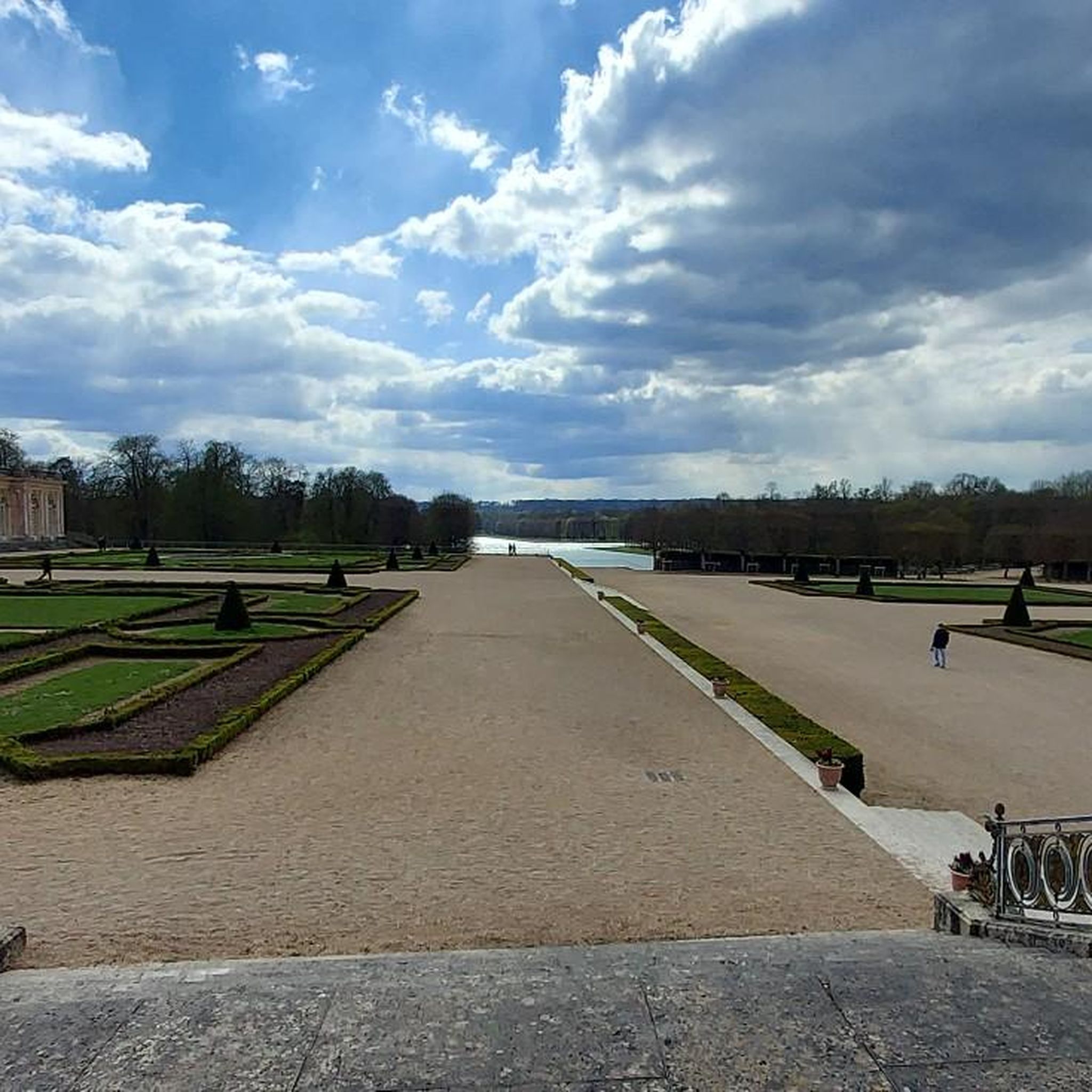
The Latona Fountain in the Gardens of Versailles offers a grand viewpoint over the parterres and the Grand Canal. The Swiss Pond also provides picturesque views, and the Avenues of the Trianon offer scenic forest vistas.
What is the best time to visit the natural monuments around Versailles?
The Gardens of Versailles and its natural monuments are beautiful year-round. Spring and summer (April to September) are ideal for seeing the gardens in full bloom and enjoying the fountains. The Orangery, for example, displays over a thousand potted citrus trees and other exotic plants in its parterre during warmer months. Autumn offers stunning foliage, while winter provides a quieter, more serene experience.
Can I find any ancient or significant trees among the natural monuments?
Yes, the region is home to some notable trees. The Menhirs of the Chêne des Missions are located under a large, ancient oak tree. Additionally, the Virgin Oak is another significant natural monument, offering a connection to the area's long-standing natural heritage.
Are there any natural monuments that are less formal and more rustic?
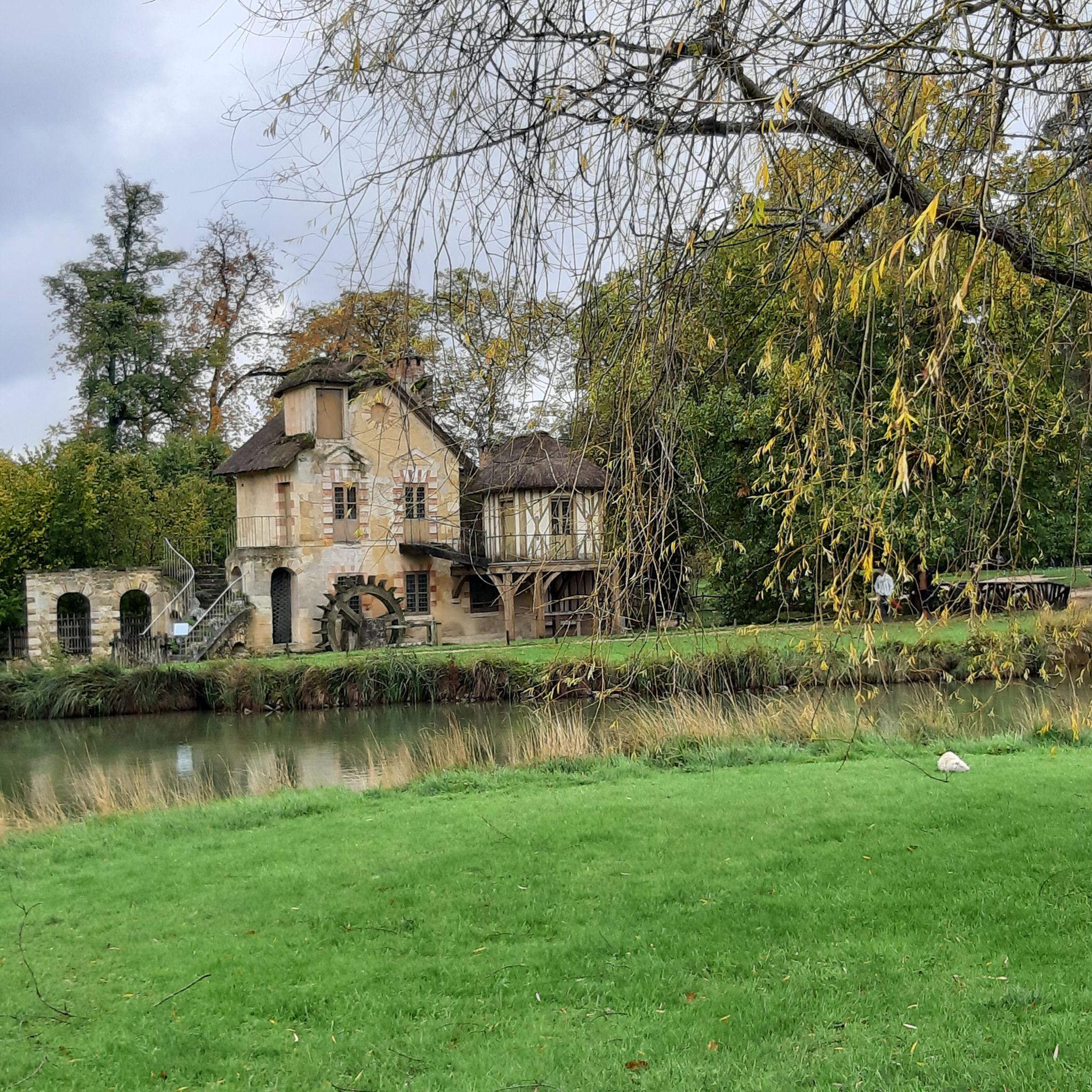
Absolutely. The Hameau de la Reine (Queen's Hamlet), while part of the Versailles estate, offers a fascinating contrast to the formal gardens. It features a more informal, 'natural' garden with winding paths, curving canals, and rustic buildings like a farmhouse and dairy, reflecting an idealized view of country life. It's a charming escape from the grandeur of the main palace.
What do visitors enjoy most about the natural monuments around Versailles?
Visitors appreciate the blend of historical significance with natural beauty. The meticulously designed landscapes, like the Gardens of Versailles, are often described as breathtaking. The secluded groves offer a sense of discovery, while more naturalistic retreats like the Ponds of Parc des Côtes Montbron provide an idyllic break and a total change of scenery, even close to Paris. The unique historical context of sites like the Menhirs of the Chêne des Missions also captivates many.
How can I access the natural monuments around Versailles using public transport?
Many natural sites are accessible by public transport. For instance, the Ponds of Parc des Côtes Montbron are accessible via the Petit Jouy station, served by line C of the RER. The main Gardens of Versailles are also well-connected by train from Paris.
Are there any large water features or lakes to visit?
Yes, the region features impressive water bodies. The Grand Canal in the Gardens of Versailles is a 1.6-kilometer long waterway, offering picturesque views and rowboating opportunities. The Swiss Pond is another significant lake, providing a large, friendly space for relaxation and beautiful natural scenery.
Most popular routes around Versailles
Most popular attractions around Versailles

Get inspired with the komoot mobile app


Didn’t find what you were looking for?
Find even more amazing natural monuments around Versailles by checking out the top Highlights region by region:
Explore more
Extend your search for the best caves by checking out these guides of the top ones around Versailles:
