Top 7 Natural Monuments around Angoulême
Best natural monuments around Angoulême offer diverse landscapes shaped by unique geological features. The region is characterized by limestone plateaus and valleys carved by rivers, providing a rich natural heritage. These sites offer opportunities for outdoor activities and appreciating the local ecology. Many natural monuments in the area are significant sources of drinking water and support diverse ecosystems.
Best natural monuments around Angoulême
- The most popular natural monuments is View over the Touvre Springs, a viewpoint that features resurgent springs, including Dormant, Bouillant, Font de Lussac, and La Lèche. These springs give rise to the Touvre River and are the second-largest resurgence in France, supplying drinking water to the Angoulême agglomeration.
- Another must-see spot is La Grande Fosse, a gorge located in the middle of the woods. This natural pit offers a shaded picnic area, providing a tranquil outdoor experience.
- Visitors also love The Tonne Spring, a natural monument consisting of a line of resurgent springs. This site is a highlight of popular hiking trails along the Charente River and remains supplied even during periods of drought.
- Angoulême is known for its diverse natural monuments, including significant springs, limestone cliffs, and river sections. The area offers a variety of natural sites to explore, from geological formations to protected ecological zones.
- The natural monuments around Angoulême are appreciated by the komoot community, with 17 upvotes and 7 photos shared by visitors.
Last updated: July 1, 2026
View over the Touvre Springs
Highlight • Viewpoint
It is the second resurgence of France, with an average annual flow of 13 cubic meters per second, after the fountain of Vaucluse.
Translated by Google •
Tip by

Sireuil Church and Pilgrims' Fountain
Highlight • Religious Site
But in between, there are 16 kilometers as the crow flies (a little more by land) ... and a lot of possible routes. You are spoiled for choice! This must-have doesn't help.
Translated by Google •
Tip by

Sign up now to discover places like this
Get recommendations on the best single tracks, peaks, & plenty of other exciting outdoor places.
Sign up for free
The Tonne Spring
Highlight • Natural Monument
Translated by Google •
Tip by

La Grande Fosse
Highlight • Gorge
Translated by Google •
Tip by

Overhanging Limestone Rock, Vallée des Eaux Claires
Highlight (Segment) • Natural Monument
Translated by Google •
Tip by

La Dronne
Highlight • River
It is possible to observe, among other things, tree frogs, white-clawed crayfish, otters and mink, kingfishers and larks, and also lampreys.
Translated by Google •
Tip by

Saint-Gilles Fountain
Highlight • Natural Monument
You can get there by bike, but with a mountain bike or Gravel++ type bike, because a 300m descent on dirt and grass is required. Otherwise, it is on foot.
In winter, the grass is wet and the earth loose; you need the right tires for the climb.
Translated by Google •
Tip by

Start today with a free account
Your next adventure awaits.
Login or Signup
Popular around Angoulême
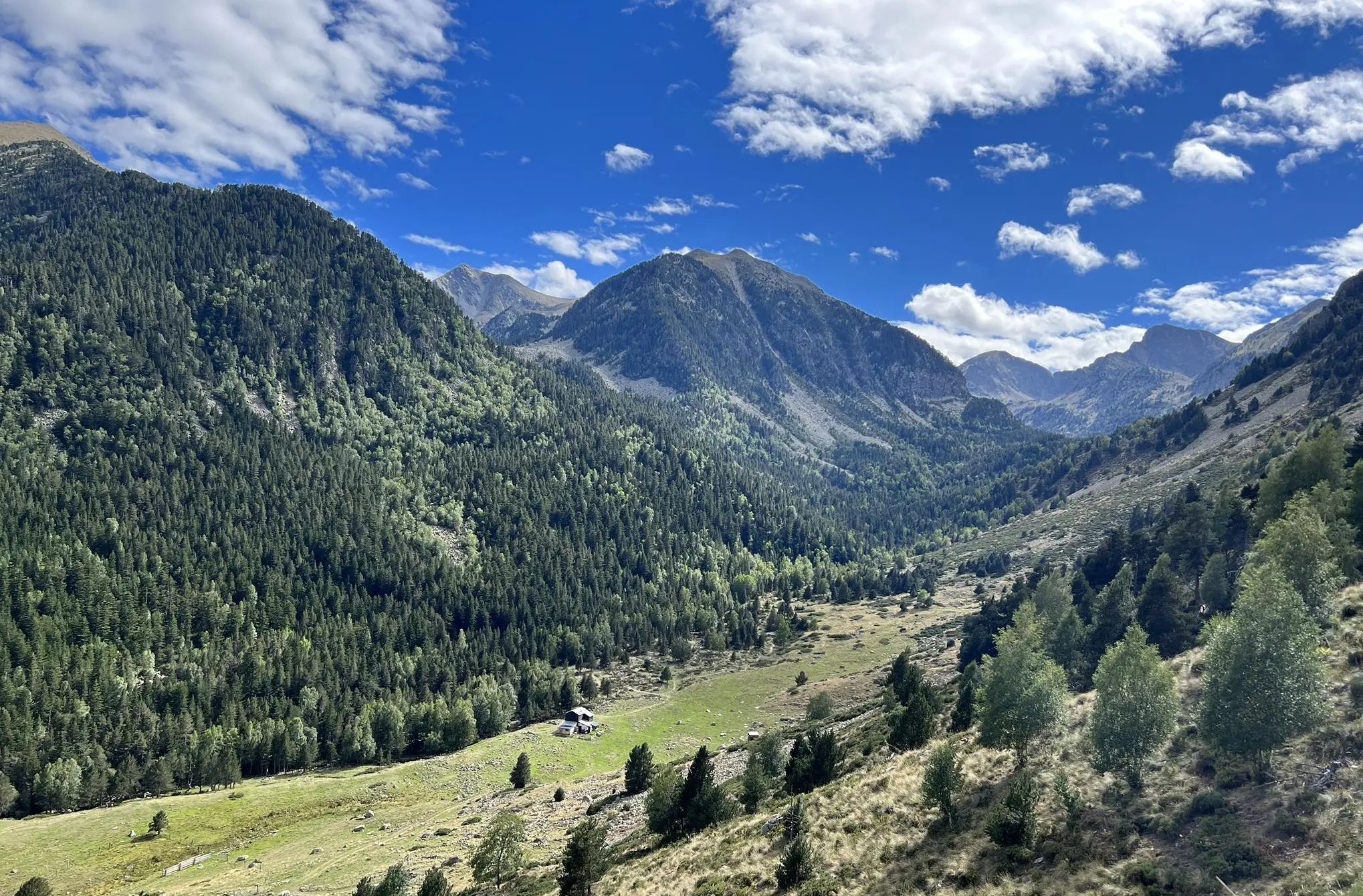
GR 36 long-distance footpath – Cross France from the Channel to the Pyrenees
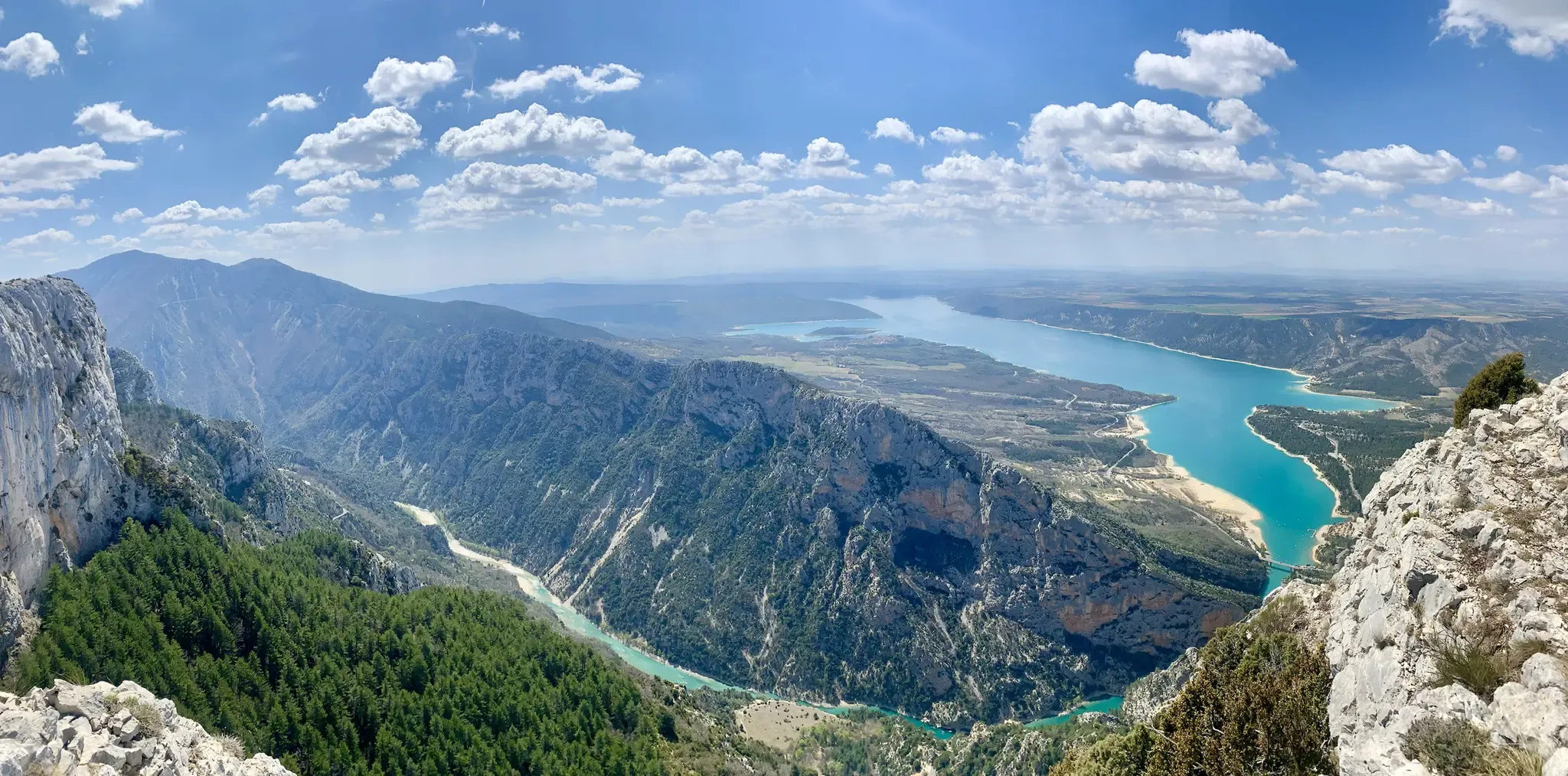
GR 4 – Crossing the south of France from Atlantic Coast to Provence
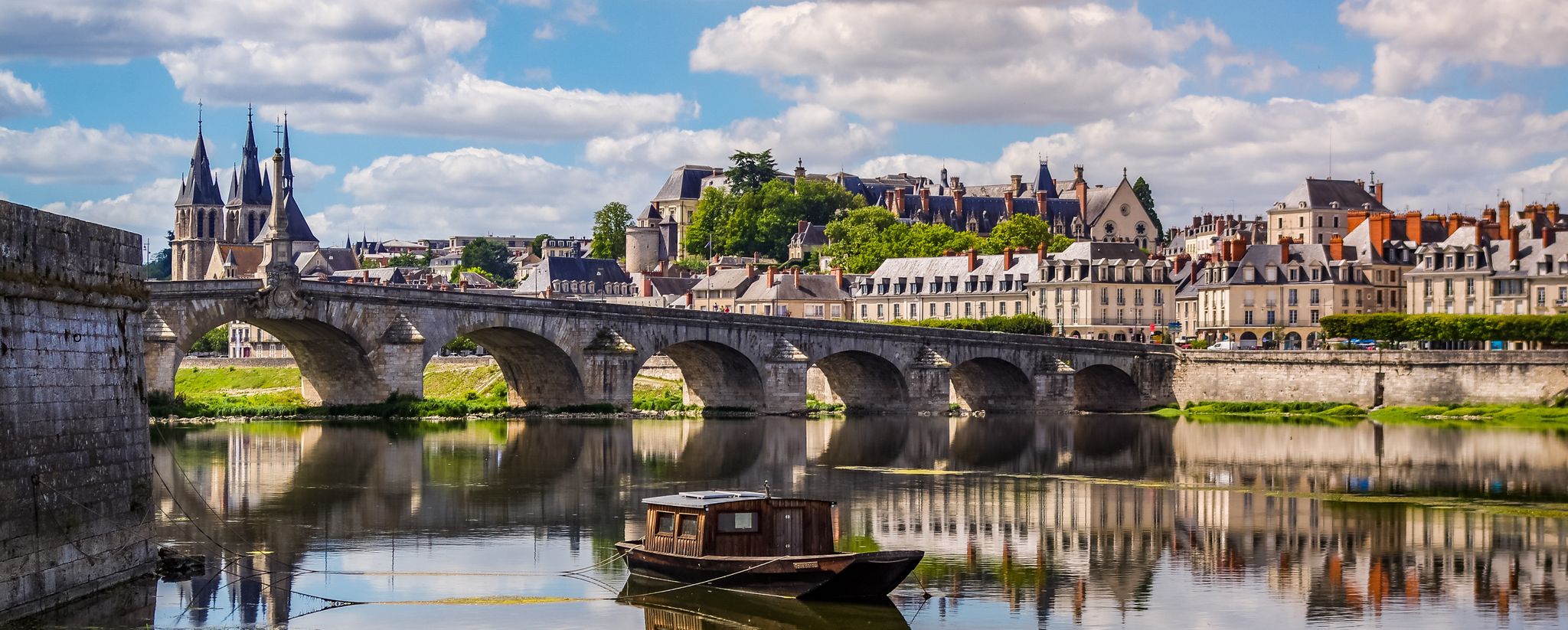
EuroVelo 3 – A cycling pilgrimage from Norway to France
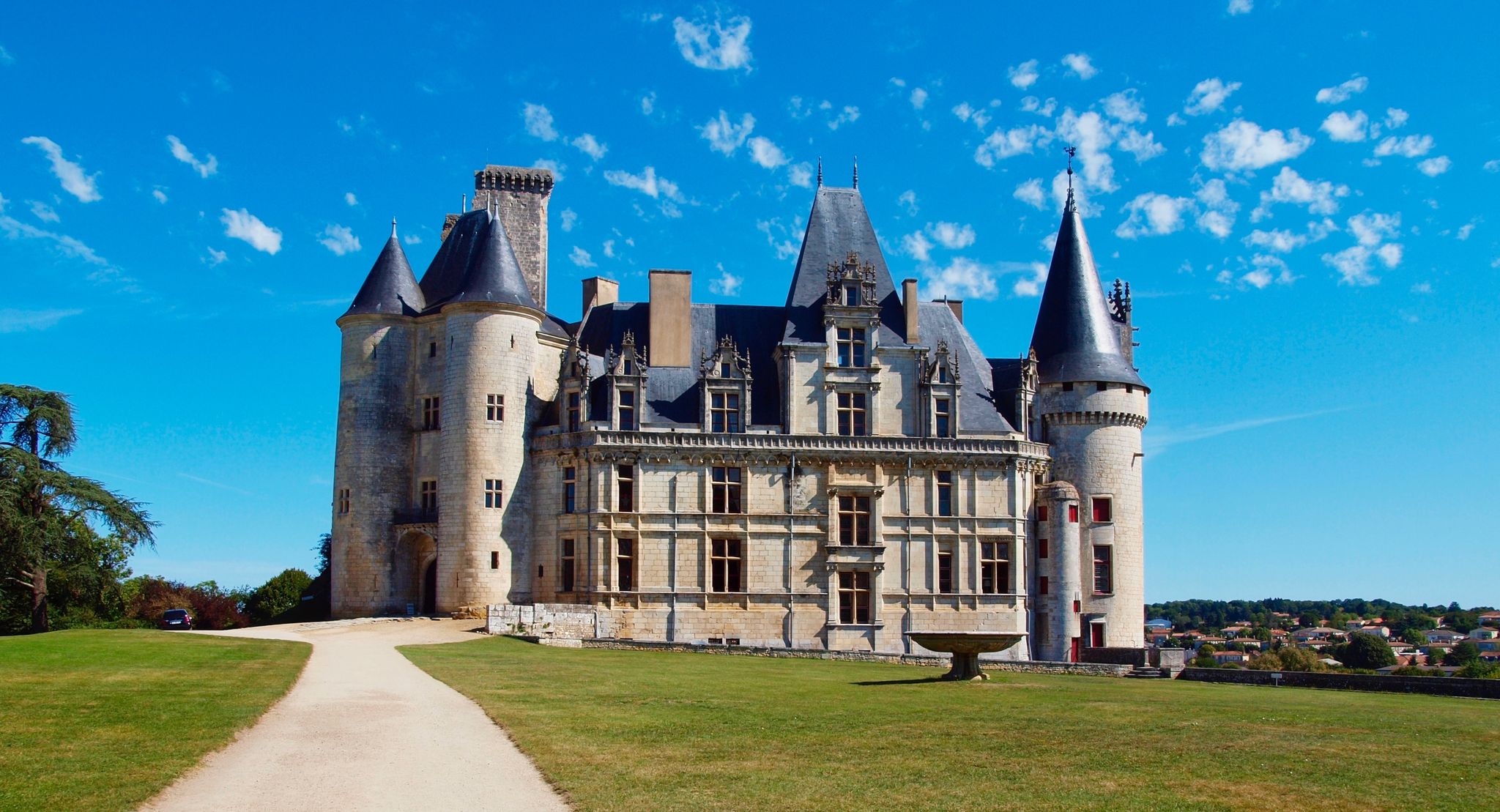
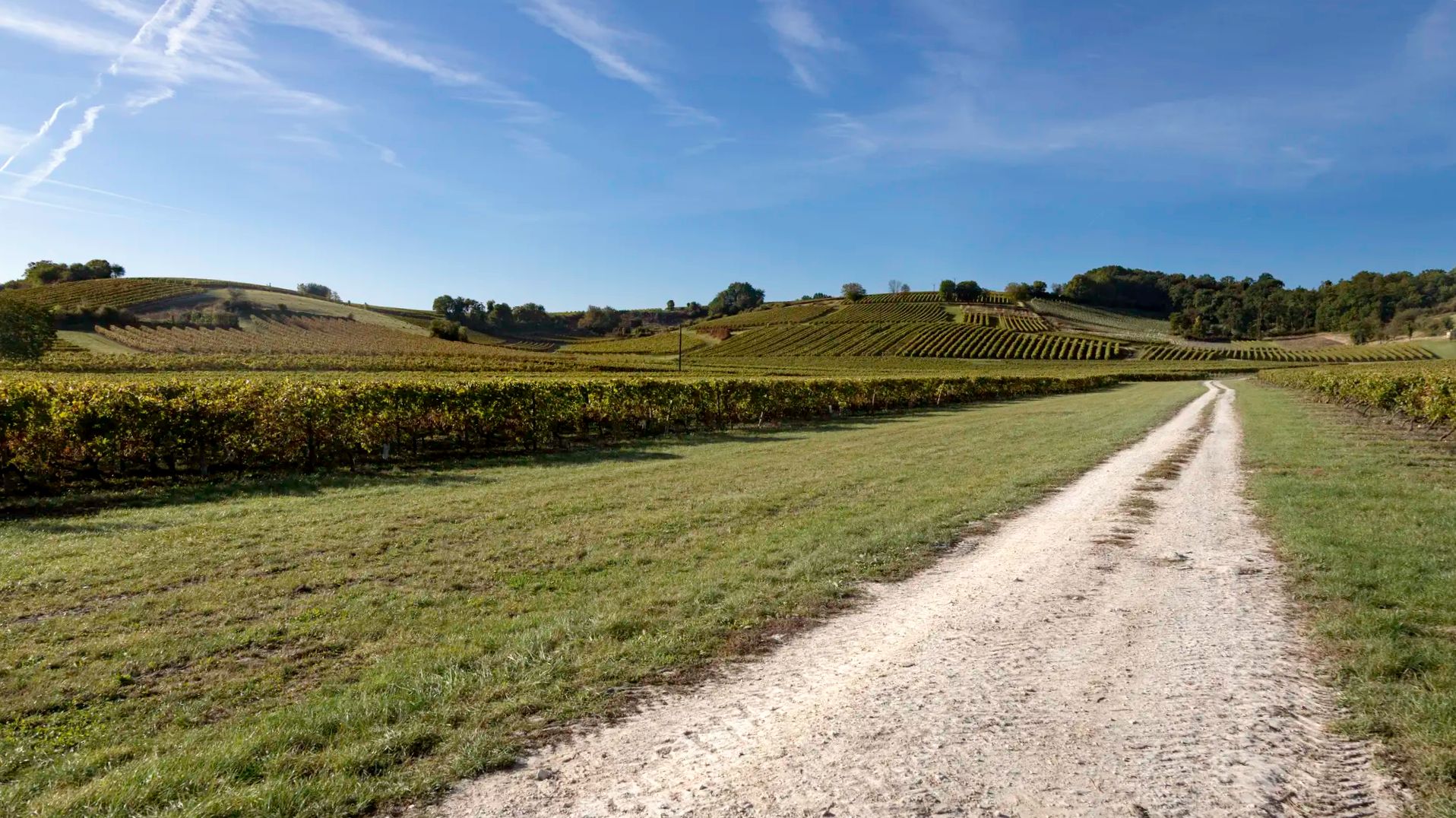
Crossing the Charente by MTB – forests to vineyards
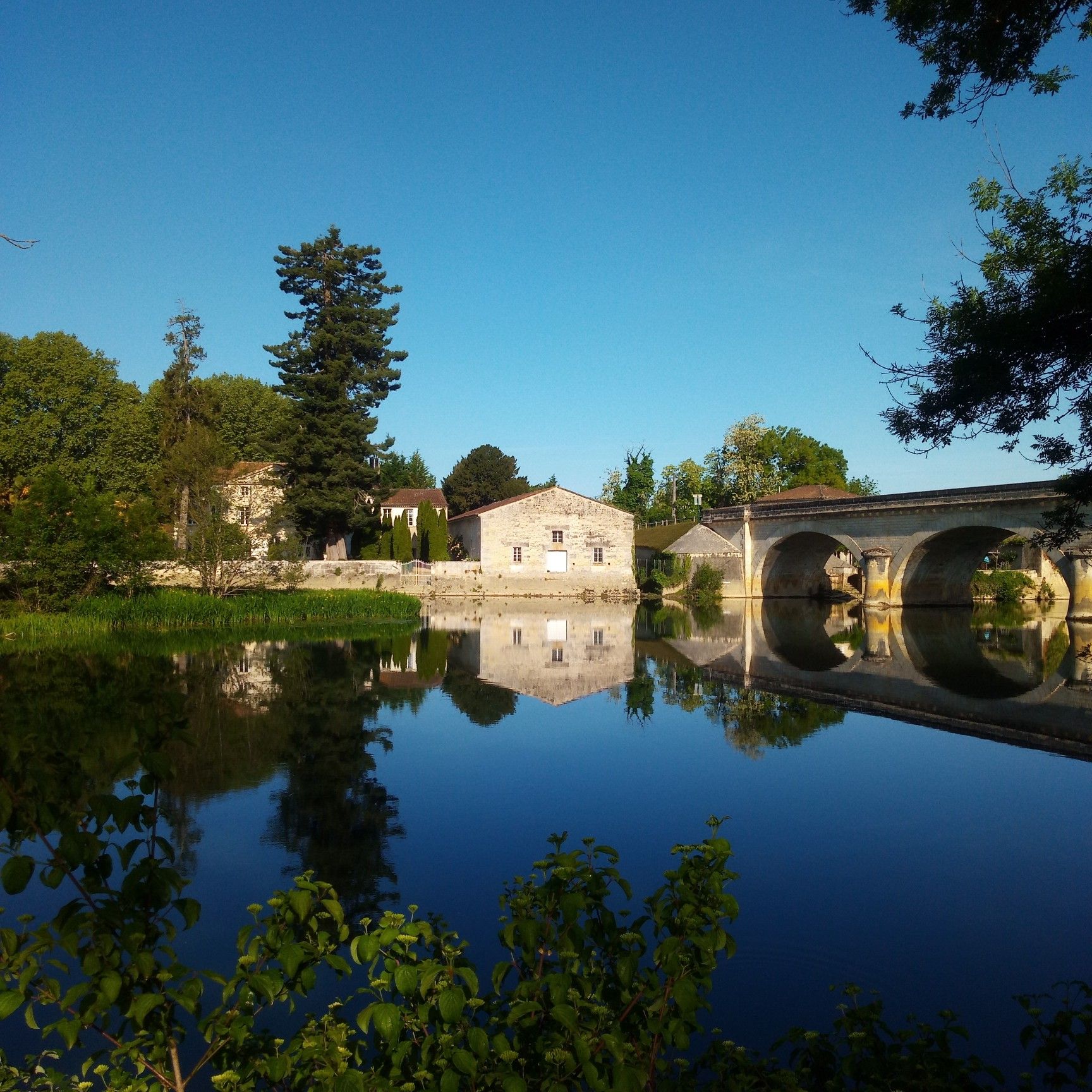
History and local produce – Tour de la Charente MTB
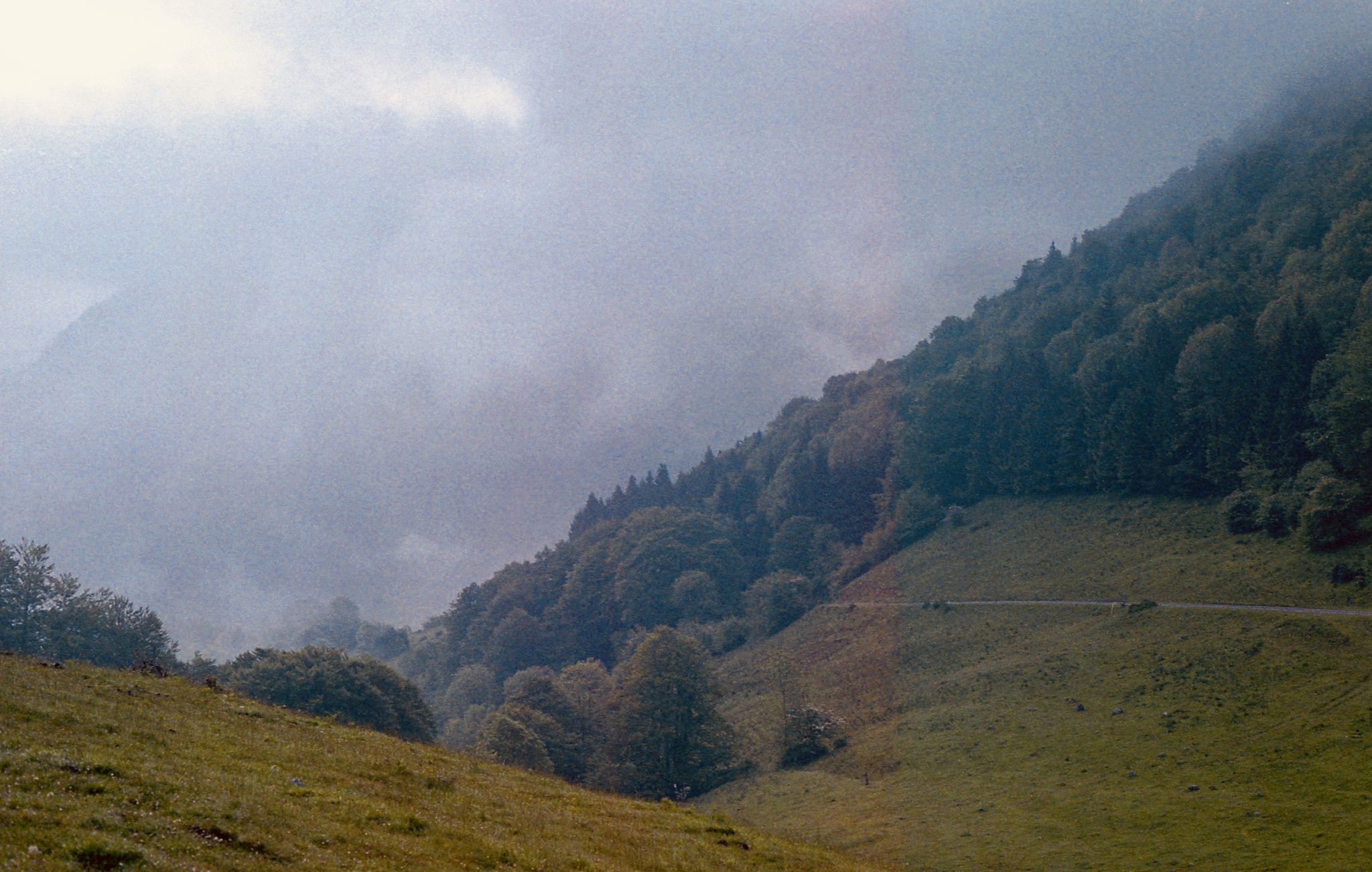
The Flow Vélo – a route that transports you
Tracing your route -- Solo from Paris to the edges of the Pyrenees
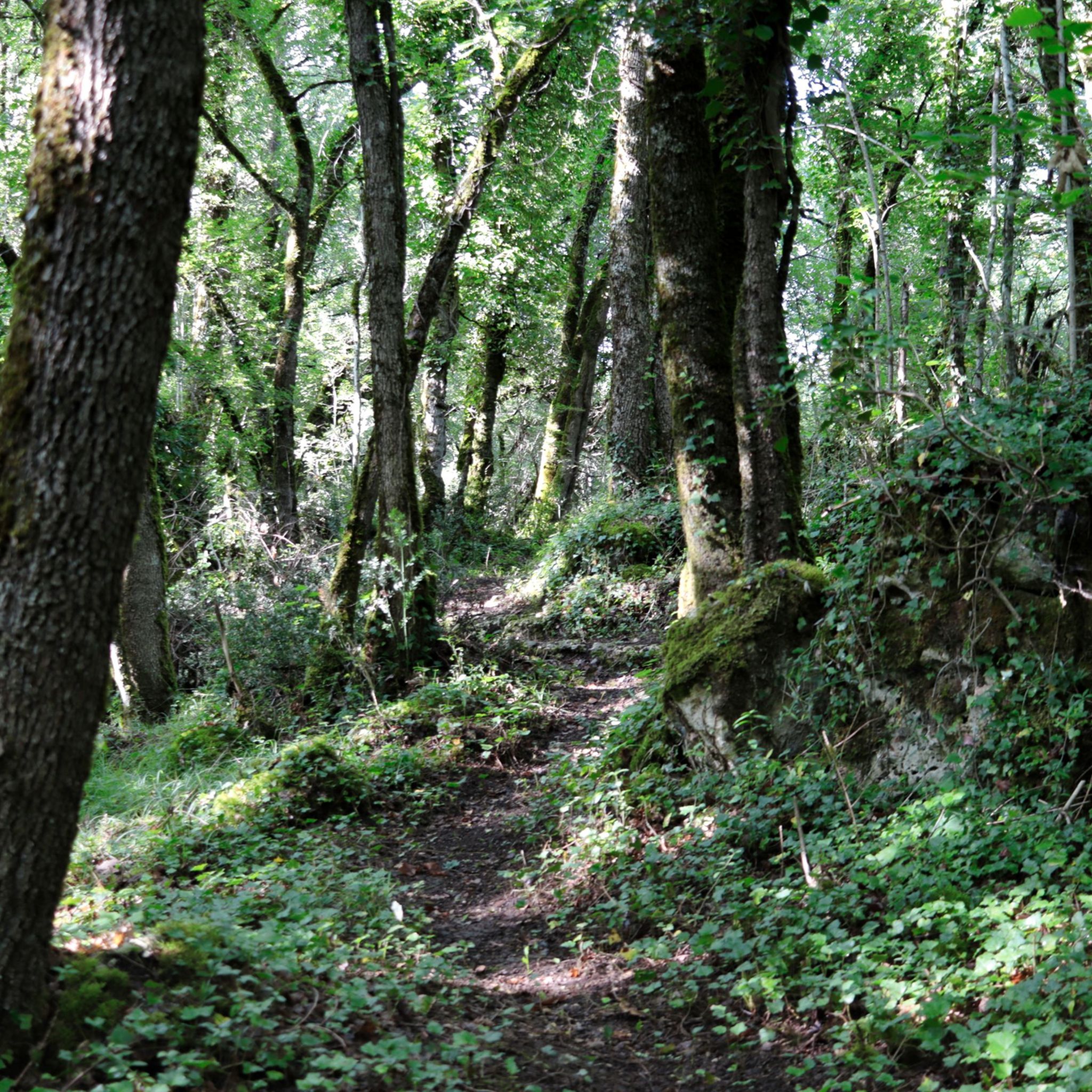
Hiking around Angoulême
Cycling around Angoulême
Running Trails around Angoulême
Other adventures around Angoulême


Tips from the Community

This fountain is really very pretty
1
0
The Tonne Fountain is located in Vindelle, Charente (16), and is a highlight of a popular hiking trail that winds along the banks of the Charente River and through rolling landscapes, offering a refreshing break, often featuring a beautiful sculpted fountain that invites contemplation. Location: In the commune of Vindelle, near Angoulême, it is a popular destination for walks. How to find it: You will find it by following a marked path from the parking area, which passes through hamlets such as Puant and Le Cluzeau. Hiking Trail: The Angoulême Tourist Office offers detailed itineraries for discovering this fountain, often called the Tonne Fountain (and not Tenne), and its surroundings, according to www.angouleme-tourisme.com and www.infiniment-charentes.com. Special feature: It is a sculpted fountain, the work of a local resident, nestled between river and forest, near Mysterra (if we refer to a similar article), which attracts walkers.
0
0

Near the Puypéroux Abbey, in Charente, the Saint-Gilles fountain is located in a lowland. You can get there by bike, but with a mountain bike or Gravel++ type bike, because a 300m descent on dirt and grass is required. Otherwise, it is on foot. In winter, the grass is wet and the earth loose; you need the right tires for the climb.
0
0
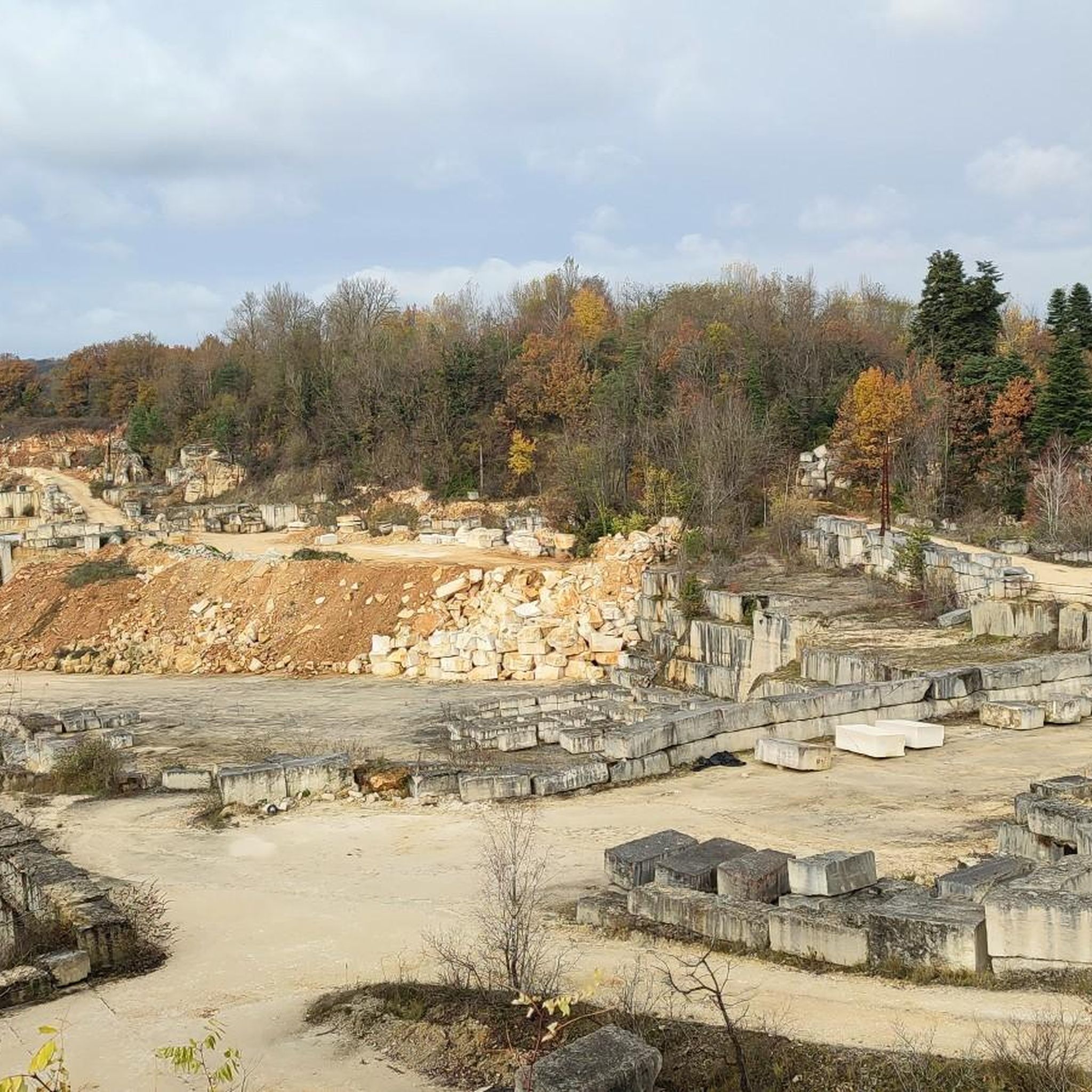
These very special limestone cliffs have been forged over time by past human activity. The trails take you through these remains but also to overlook them, offering an unmissable view of the Eaux Claires valley.
0
0

The course of the Dronne extends over 200 kilometers. At this location, as at others, it is classified as a natural area of ecological, fauna and flora interest. It is possible to observe, among other things, tree frogs, white-clawed crayfish, otters and mink, kingfishers and larks, and also lampreys.
0
0

The natural site of the fountain of Tonne corresponds to a line of resurgent springs that we follow on the slope of the right bank of the Charente valley; they correspond to the outcrop of the base of a bench of clayey limestone from the Upper Jurassic. In the same geological situation, we find the fountain of La Faye, that of Font des rentes, the source of Ladoux in Marsac, the Font Pélerine not far from Bouchauds, as well as further south, the Breuillerie and the Pierre Levée on the commune of Trois-Palis. As in any karstic-type hydrogeology, the water from the fountain arrives in the open air after a long underground journey; even in periods of summer low water or severe drought, the source remains supplied. A narrow: pipe cut in the rock allows to concentrate the waters at the place of their exit. The very high concentration of carbonates in the water causes the precipitation of these in the form of solidification of porous rock which advances into the upper basin of the fountain. The fountain is also a favorable environment for a micro fauna of amphibians, frogs and salamanders, and the embankments that surround it see the appearance of pentecostal orchis purpurea (orchids) every year. The village of Tonne was only connected to running water from 1966, so the fountain was used until that time. It was restored in 1992 by the inhabitants of Vindelle, then in 2001 through an integration project which restored the pavement that surrounds it. The path is listed on a pilgrimage route to Santiago de Compostela.
4
0

The sources are resurgences made up of Dormant, Bouillant, Font de Lussac and La Lèche which appear under the ruins of the Château de Touvre. They give rise to the Touvre, a tributary of the Charente only 11.7 km long and whose flow allows the Charente to be navigable from Angoulême to the ocean. They supply the agglomeration of Angoulême with drinking water. It is the second resurgence of France, with an average annual flow of 13 cubic meters per second, after the fountain of Vaucluse.
1
0

A legend says that a fountain near the church of Sireuil gave strength and courage to pilgrims going to St-Jacques de Compostelle. Possibility to eat in the village and follow the towpaths on either side of the banks of the Charente.
1
0
Frequently Asked Questions
What unique natural features can I explore around Angoulême?
The region around Angoulême is rich in unique natural features, primarily shaped by its limestone geology. You can explore significant karstic springs like the Touvre Springs, which are the second-largest resurgence in France, and The Tonne Spring, known for its continuous flow even during droughts. Additionally, the Overhanging Limestone Rock in the Vallée des Eaux Claires offers impressive geological formations and rich biodiversity.
Are there family-friendly natural monuments to visit near Angoulême?
Yes, several natural monuments around Angoulême are suitable for families. View over the Touvre Springs is a great spot with a beautiful view and a small church nearby. La Grande Fosse offers a shaded picnic area in the woods, perfect for a relaxing family outing. The section of La Dronne near Angoulême is also classified as a natural area of ecological interest, where families can observe diverse wildlife.
What kind of outdoor activities can I do near these natural monuments?
The natural monuments around Angoulême are excellent starting points for various outdoor activities. You can enjoy hiking along the Charente River, explore forest trails, or go gravel biking. For detailed routes, you can check out guides like Easy hikes around Angoulême, Hiking around Angoulême, or Gravel biking around Angoulême.
Where can I find hiking trails that pass by natural monuments?
Many natural monuments are integrated into popular hiking trails. For instance, The Tonne Spring is a highlight of a popular hiking trail along the Charente River. The Vallée des Eaux Claires, home to the Overhanging Limestone Rock, also features trails offering unmissable views. You can find more options in the Hiking around Angoulême guide, which includes routes like the 'Vallee des Eaux Claires – Pumoyen loop'.
Are there any historical or cultural sites near the natural monuments?
Yes, some natural monuments are intertwined with historical significance. The Touvre Springs are located near the ruins of Château de Touvre. Additionally, the Sireuil Church and Pilgrims' Fountain is a site with historical and legendary connections to pilgrims on their way to St-Jacques de Compostelle, offering a blend of natural beauty and cultural heritage.
What kind of wildlife can I spot at these natural sites?
The natural monuments around Angoulême support diverse ecosystems. Along La Dronne, you might observe tree frogs, white-clawed crayfish, otters, mink, kingfishers, and lampreys. The Vallée des Eaux Claires is recognized for its ecological wealth, including rare Mediterranean plants. The area around The Tonne Spring is also a favorable environment for amphibians like frogs and salamanders, and you can spot pentecostal orchis purpurea (orchids) in spring.
What is the best time of year to visit the natural monuments around Angoulême?
Spring and autumn are generally ideal for visiting the natural monuments around Angoulême. In spring, you can witness the spectacular flowering of asphodel in the Forest of Dirac and orchids near The Tonne Spring. The milder temperatures during these seasons are also perfect for hiking and exploring the various sites comfortably.
Are there any natural monuments that are considered 'hidden gems' or less known?
While many sites are popular, Saint-Gilles Fountain, located in a lowland near the Puypéroux Abbey, offers a more adventurous approach, reachable by bike or on foot, making it a quieter natural discovery. La Grande Fosse, a large natural pit in the woods, also provides a tranquil, shaded picnic area away from more crowded spots.
Can I find places to eat or stay near the natural monuments?
While specific cafes or accommodations directly adjacent to every natural monument are not detailed, the region offers options in nearby villages and towns. For example, near the Sireuil Church and Pilgrims' Fountain, there is a possibility to eat in the village. Angoulême itself, being a central hub, provides numerous choices for dining and lodging, with many natural sites just a short drive away.
What are the geological formations like in the Angoulême area?
The Angoulême region is characterized by limestone plateaus and valleys carved by ancient rivers, primarily composed of Turonian limestone deposits. This geology gives rise to distinctive features such as the Overhanging Limestone Rock in the Vallée des Eaux Claires and numerous karstic springs like the Touvre Springs and The Tonne Spring, where water emerges after long underground journeys through the limestone.
Are there any viewpoints offering panoramic views of the natural landscapes?
Yes, the region offers several viewpoints to appreciate its natural beauty. The View over the Touvre Springs provides a beautiful vista of the countryside and the Touvre River from a hill. The Overhanging Limestone Rock in the Vallée des Eaux Claires also offers unmissable views of the valley. Additionally, the Périph' Vert area provides trails with panoramic views of the Charente, L'Échelle, Eaux Claires, and L'Anguienne valleys.
Most popular routes around Angoulême
Most popular attractions around Angoulême

Get inspired with the komoot mobile app


Explore more
Extend your search for the best caves by checking out these guides of the top ones around Angoulême:
