Top 7 Natural Monuments around Montbard
Best natural monuments around Montbard offer serene landscapes and engaging outdoor experiences in Burgundy, France. This region showcases a blend of geological wonders, rich biodiversity, and historical significance. The area's landscape provides a beautiful setting for exploration, featuring diverse natural sites.
Best natural monuments around Montbard
- The most popular natural monuments is Source of the Seine, a river that features a clearing with a grotto and a sculpture. This site offers spacious meadows suitable for picnics and is the…
Last updated: May 4, 2026
Source of the Seine
Highlight • River
Translated by Google •
Tip by

Douix Spring
Highlight • Natural
Translated by Google •
Tip by

Sign up now to discover places like this
Get recommendations on the best single tracks, peaks, & plenty of other exciting outdoor places.
Sign up for free
Parc Buffon
Highlight • Historical Site
Translated by Google •
Tip by
Vercingetorix Monument
Highlight • Monument
Translated by Google •
Tip by

Falaise de Saffres
Highlight • Climb
Translated by Google •
Tip by

Camp de Myard Archaeological Site
Highlight • Historical Site
They blocked the spur with a dry-stone rampart, against …
Translated by Google •
Tip by

Lac de Marcenay
Highlight • Lake
Translated by Google •
Tip by
Start today with a free account
Your next adventure awaits.
Login or Signup
Popular around Montbard
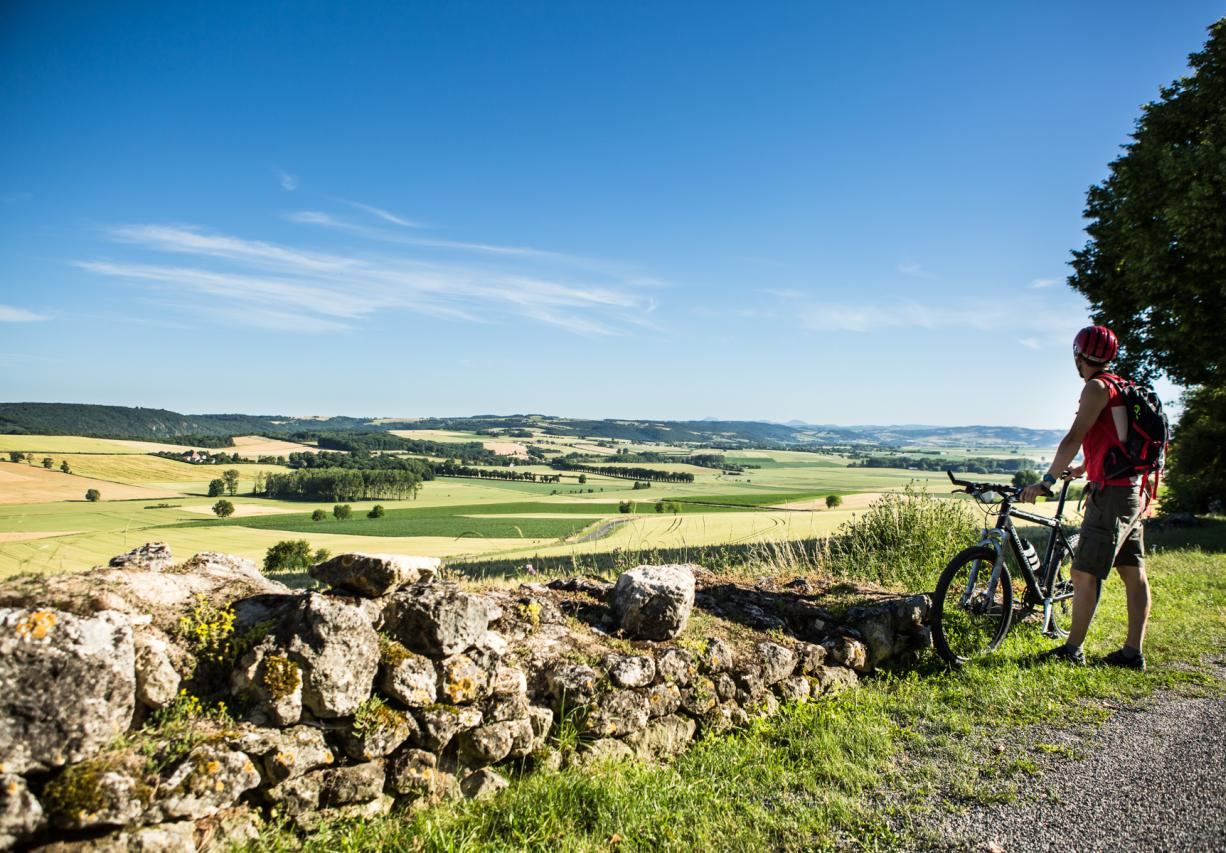
The Grande traversée du Massif Central by gravel bike
Seine River Trail — A cycling adventure from Dijon to Le Havre
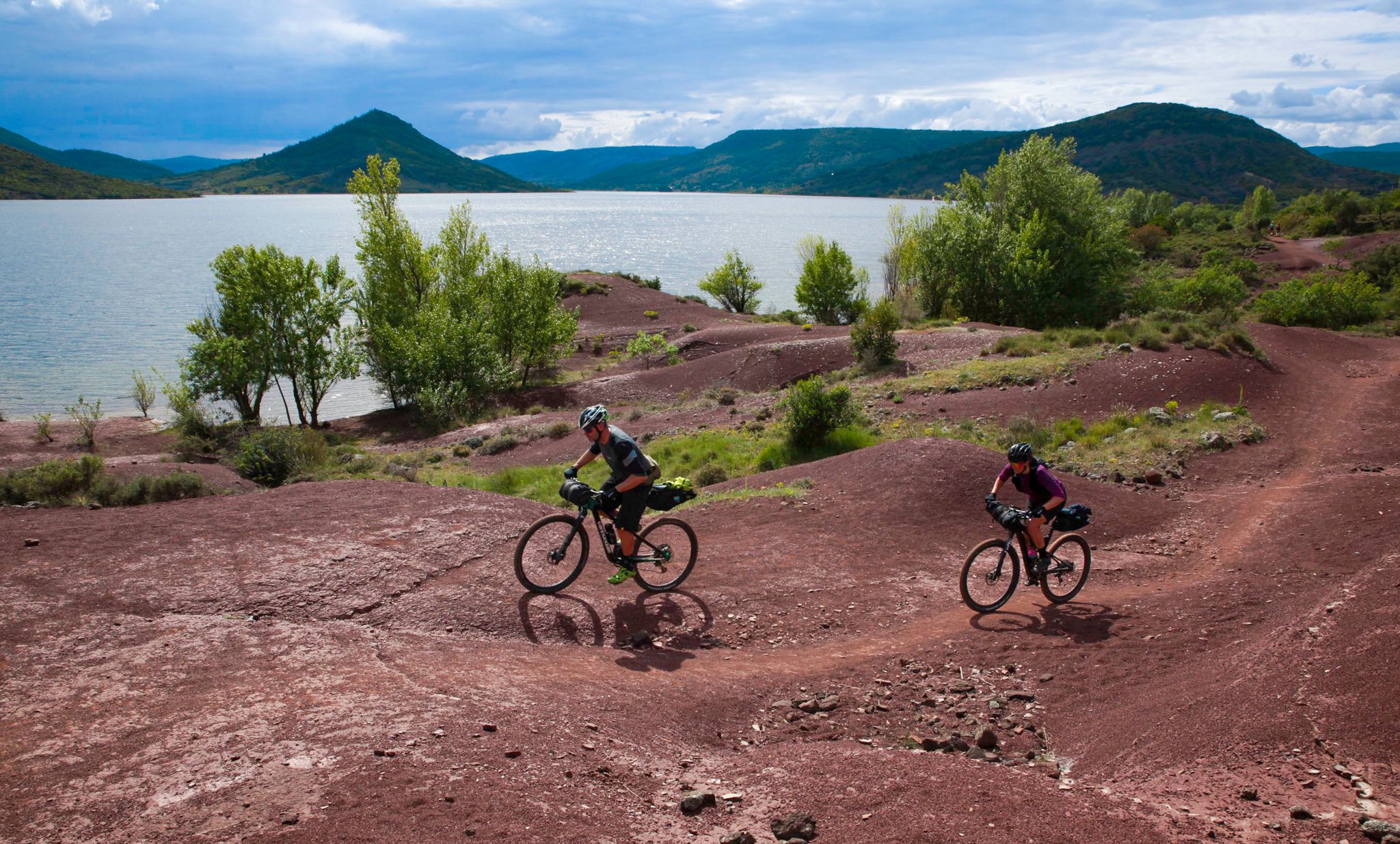
The Great Crossing of France's Massif Central by mountain bike
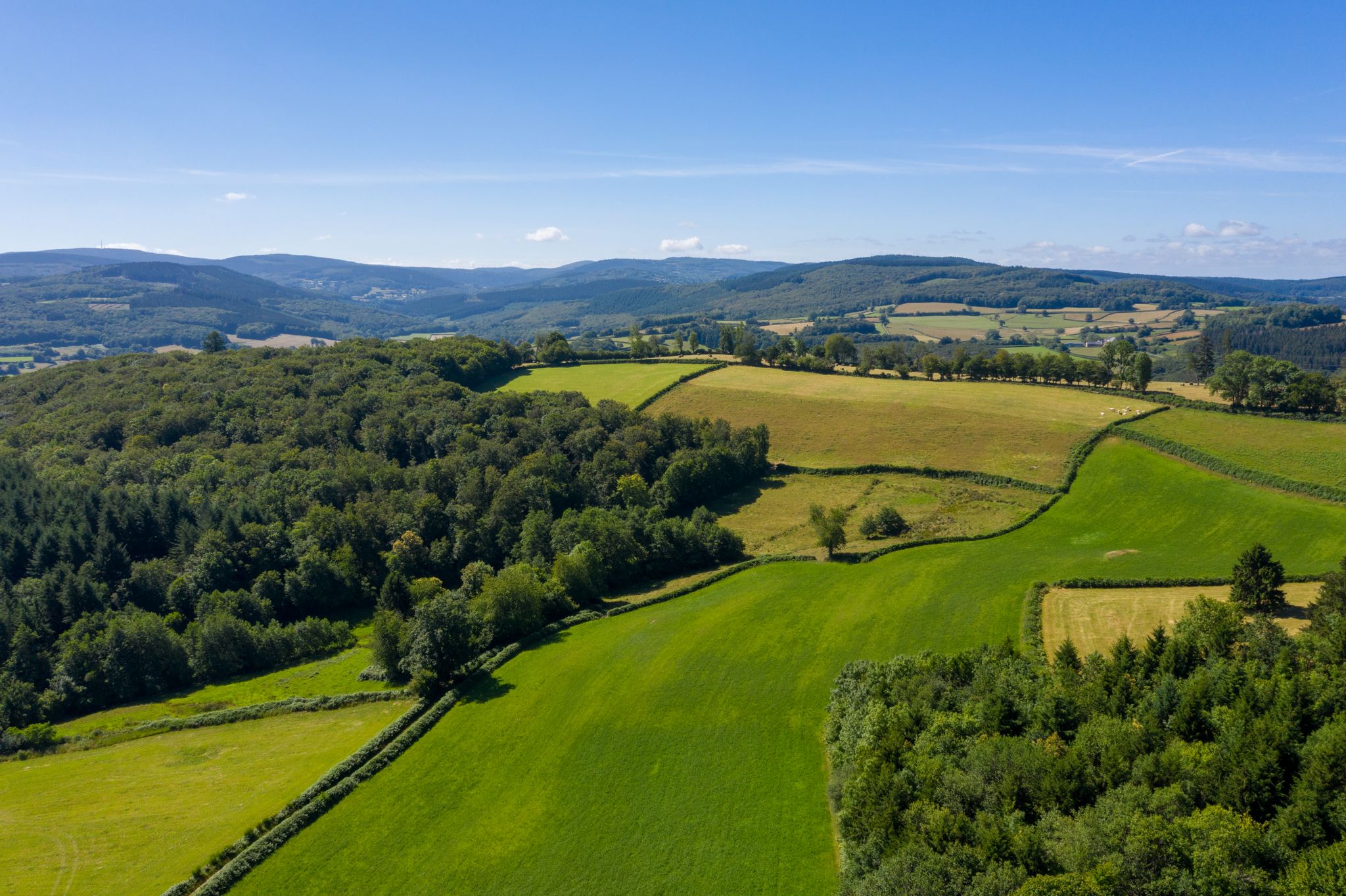
MTB fun in the Massif Central — La Grande Traversée du Morvan
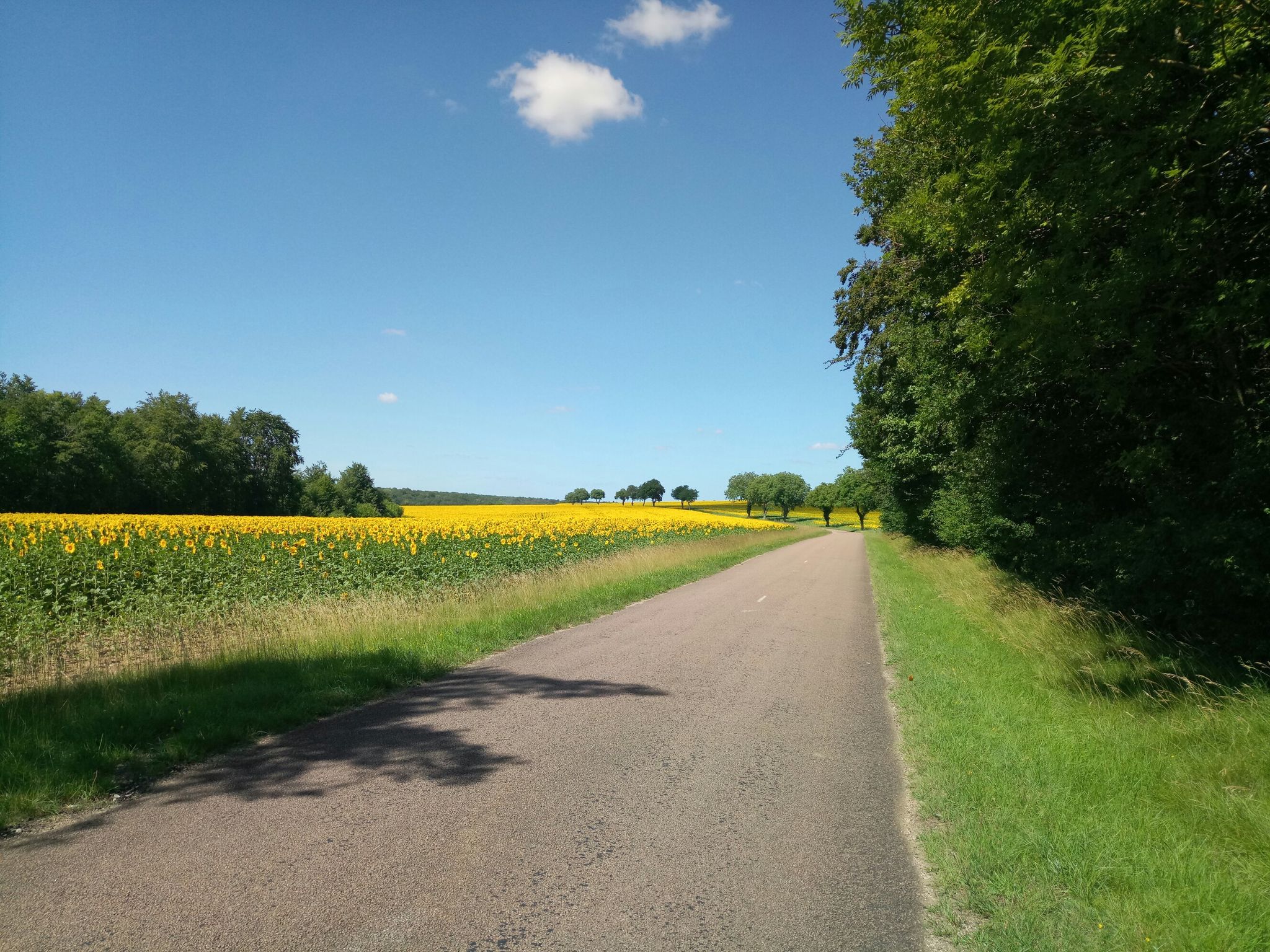
From Haute-Marne to Haute-Saône – discover France’s Forêts National Park
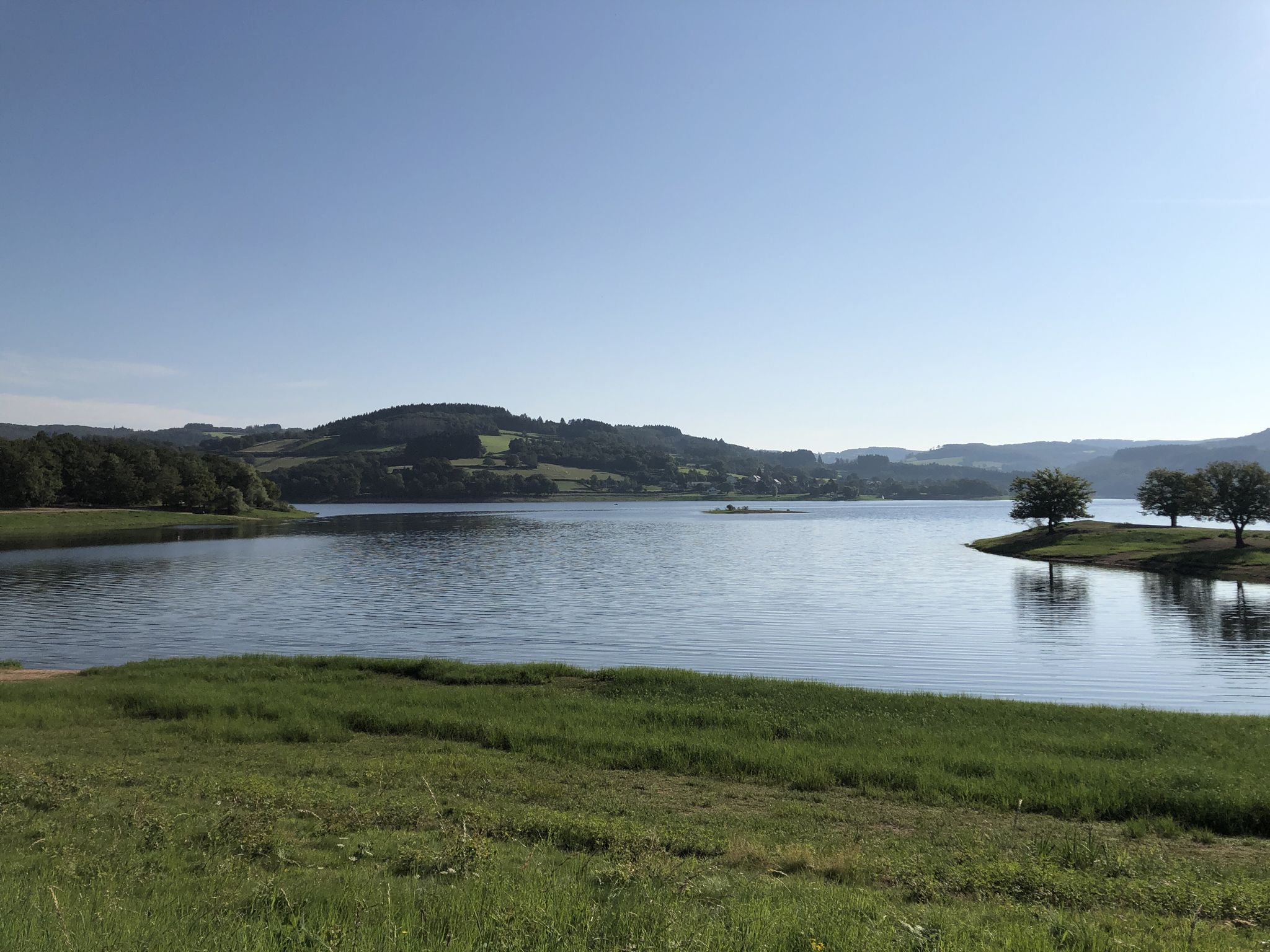
Between summits and big lakes — gravel riding in France’s Morvan park
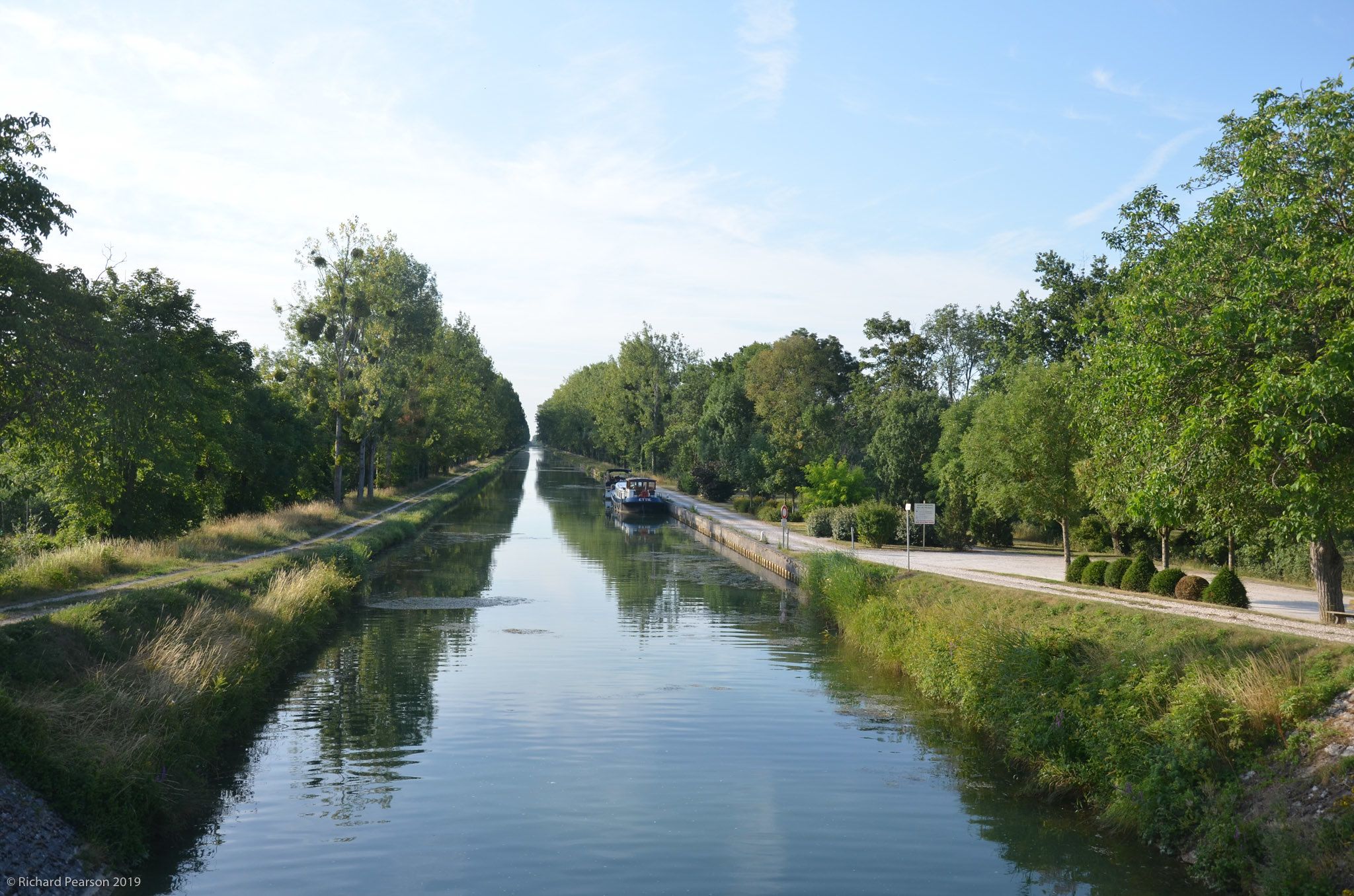
France’s water-rich region — Burgundy's four canals
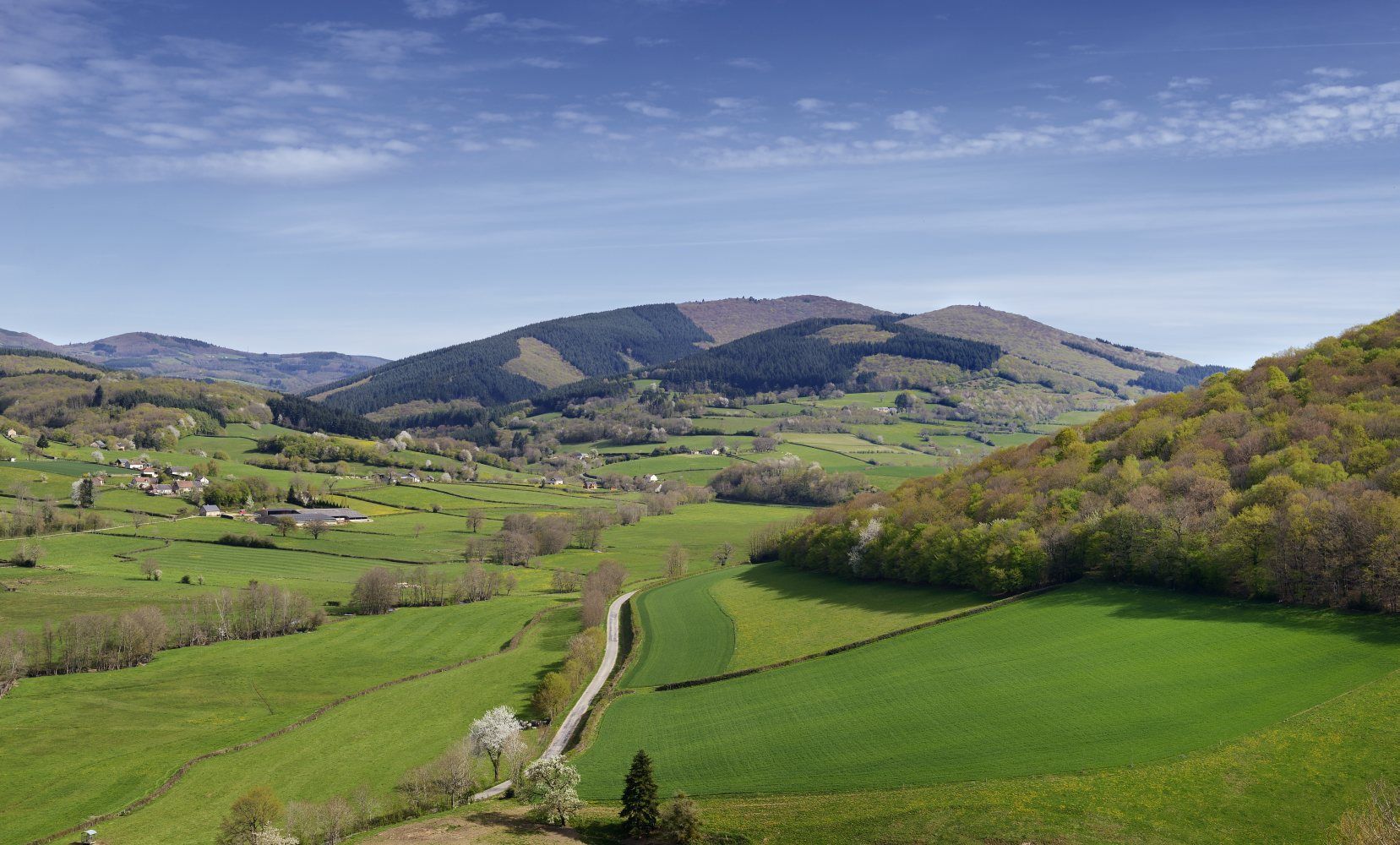
France’s stunning massif in Burgundy — exploring the Morvan by bike
French Divide: the other Tour de France
Hiking around Montbard
Other adventures around Montbard


Tips from the Community

A bucolic, clean, well-maintained, and shaded spot, with tables and trash cans for picnicking. It's officially a Paris commune, but it looks nothing like Paris.
0
0

There's a signposted and very beautiful circular trail that includes the source of the Seine. Learn more on the official website here: https://www.cotedor-randonnee.com/
1
0
6,000 years ago (Neolithic period), the first herders and farmers settled in this area, taking advantage of the plateau's natural defenses. They blocked the spur with a dry-stone rampart, against which they built their homes and agricultural buildings. A violent fire put an end to this occupation around 4,000 years ago. After several centuries of abandonment, the site was reoccupied around 2,800 years ago (late Bronze Age). A new rampart was erected on the ruins of the previous buildings, reinforced by massive towers. This rampart remains one of the oldest architectural remains in Burgundy. It takes about an hour to walk around the archaeological site. Information panels are located at specific locations of this ancient settlement, providing more detailed information.
2
0

A very beautiful spring and a lovely place to unwind and let your soul wander.
1
0

Great view over the surrounding landscape and many smaller and larger caves to explore at the base of the cliff.
3
0

Wikipedia reports: "The source of the Seine is located on the plateau of Langres, 25 km north-west of Dijon in the Côte-d'Or department in the Bourgogne-Franche-Comté region, 470 m above sea level. A special feature is that the sources of the Seine were the property of the city of Paris from 1864 onwards. An artificial grotto was built a year later to protect the main source and a statue of a nymph was erected to symbolize the river. Paris has since returned the property to the region. Near the source are the remains of a Gallo-Roman temple in which a Dea Sequana (Latin goddess of the Seine) was worshipped. The archaeological finds from this are now in the archaeological department of the Musée des Beaux-Arts in Dijon."
2
1

The Douix or Douix de Châtillon is an abundant outflow at the origin of a short river of the same name which feeds the upper course of the Seine. The place is calm and idyllic as desired 👍🏽
1
0

If you like parks, views and old buildings, you shouldn't miss this park.
1
0
Frequently Asked Questions
What are some of the most popular natural monuments to visit around Montbard?
Visitors particularly enjoy the Source of the Seine, known for its spacious meadows perfect for picnics and its symbolic grotto. Another favorite is the Douix Spring, a beautiful karstic spring with crystal-clear waters and a wonderfully green environment. The Parc Buffon also offers stunning views and historical significance.
Are there any natural monuments around Montbard with historical or archaeological significance?
Yes, several natural sites in the region are rich in history. The Douix Spring was an ancient Celtic worship site and Gallo-Roman sanctuary, with votive offerings found there. The Source of the Seine was historically a pilgrimage site. Additionally, the Camp de Myard Archaeological Site showcases remains from Neolithic and Bronze Age settlements, offering insights into early human occupation.
What kind of geological features can I expect to see at the natural monuments near Montbard?
The region boasts diverse geological formations. The Douix Spring is a remarkable karstic spring, where water emerges from underground. The Cascades d'Étufs, mentioned in regional research, feature unique tuff formations created by limestone deposits from flowing water. The Falaise de Saffres offers impressive cliffs and caves, providing magnificent views and opportunities for exploration.
Are there family-friendly natural monuments suitable for children around Montbard?
Absolutely! The Source of the Seine is ideal for families, with spacious meadows perfect for picnics and playing. The Douix Spring offers a peaceful, green environment for walks. The Parc Buffon, with its landscaped terraces and historical elements, is also a great option. For water activities, Lac de Marcenay is a good choice.
What outdoor activities can I do near these natural monuments?
The Montbard area is excellent for outdoor enthusiasts. You can find numerous hiking trails, including moderate routes like the 'Source de la Douix — loop in the PARC NATIONAL DE FORÊTS' or easier options such as the 'Lac de Marcenay loop'. For cycling, there are gravel biking routes like the 'Canal de Bourgogne – Maison du Canal de Bourgogne loop'. You can explore more options on the Hiking around Montbard and Gravel biking around Montbard guide pages.
When is the best time to visit the natural monuments around Montbard?
Many natural monuments are beautiful year-round. For sites like the Cascades d'Étufs, winter or early spring are particularly impressive due to abundant water flow. Generally, spring and autumn offer pleasant temperatures for walking and exploring, with vibrant foliage or blooming nature. Summer is also popular for picnics and enjoying the green landscapes.
Are there any natural monuments that offer panoramic views?
Yes, the Parc Buffon provides wonderful views over Montbard and the Brenne valley from its landscaped terraces. The Falaise de Saffres also offers magnificent views over the surrounding landscape, making it a great spot for hikers and sightseers.
Can I find any forests or large natural areas for extended walks near Montbard?
Beyond the specific monuments, the Vallon de Fontenay, surrounding the historic Abbey of Fontenay, is an exceptionally well-preserved natural environment with over 3,000 acres of woods and meadows, ideal for extensive walking. Further afield, the Arc-en-Barrois State Forest is one of France's largest, offering vast spaces for immersing oneself in nature and observing diverse wildlife.
What do visitors enjoy most about the natural monuments in this region?
Visitors frequently highlight the tranquility and natural beauty of the sites. Many appreciate the clear waters of the Douix Spring and the peaceful atmosphere of the Source of the Seine, which is perfect for picnics. The blend of natural landscapes with rich historical context, such as at the Camp de Myard Archaeological Site, also receives positive feedback.
Are there any natural monuments that are particularly good for wildlife spotting?
The Arc-en-Barrois State Forest, while a bit further from Montbard, is known for its diverse wildlife, including wild boar, deer, and roe deer, making it an excellent destination for nature observation. The Vallon de Fontenay also maintains a high ecological integrity, offering opportunities to observe local flora and fauna in a pristine environment.
Are there any easy walking routes or trails near the natural monuments?
Yes, there are several easy walking routes. For instance, the 'Lac de Marcenay loop from Marcenay' is an easy 4 km trail. The 'Pont Pinard – Ramparts Walk loop from Semur-en-Auxois' is another easy option at around 5 km. These routes are perfect for leisurely strolls and enjoying the natural surroundings. You can find more easy hikes on the Easy hikes around Montbard guide page.
Most popular routes around Montbard
Most popular attractions around Montbard

Get inspired with the komoot mobile app


Didn’t find what you were looking for?
Find even more amazing natural monuments around Montbard by checking out the top Highlights region by region:
Explore more
Extend your search for the best caves by checking out these guides of the top ones around Montbard:
