Top 20 Natural Monuments around Prades
Natural monuments around Prades are found in the Pyrénées-Orientales department of France, offering diverse landscapes. The region features significant peaks, unique geological formations, and varied natural environments. This area provides opportunities to explore mountain terrain, river gorges, and distinctive rock structures.
Best natural monuments around Prades
- The most popular natural monuments is Canigou, a summit that is considered a symbol of Catalonia. It offers panoramic views of the Pyrenees and the Mediterranean from its 2,784-meter peak.
- Another must-see spot…
Last updated: July 2, 2026
Canigou
Highlight • Summit
Translated by Google •
Tip by

Puigmal d'Er Summit
Highlight • Summit
Translated by Google •
Tip by

Sign up now to discover places like this
Get recommendations on the best single tracks, peaks, & plenty of other exciting outdoor places.
Sign up for free
The Organ Pipes of Ille-sur-Têt
Highlight • Gorge
Translated by Google •
Tip by

Summit of Pic Carlit
Highlight • Summit
Translated by Google •
Tip by

Pic de la Pena
Highlight • Summit
Tour to the highlight: komoot.de/tour/340851629?ref=itd
Translated by Google •
Tip by

Roca Colom summit
Highlight • Summit
Translated by Google •
Tip by
Pic de la Fossa del Gegant
Highlight • Summit
Translated by Google •
Tip by
Puigpedrós Summit (2,911 m)
Highlight • Summit
Translated by Google •
Tip by
Pic de Finestrelles
Highlight • Summit
Translated by Google •
Tip by
Viver Lake
Highlight • Lake
Translated by Google •
Tip by

Sign up for free to discover even more natural monuments around Prades.
Sign up for free
Already have an account?
Start today with a free account
Your next adventure awaits.
Login or Signup
Popular around Prades
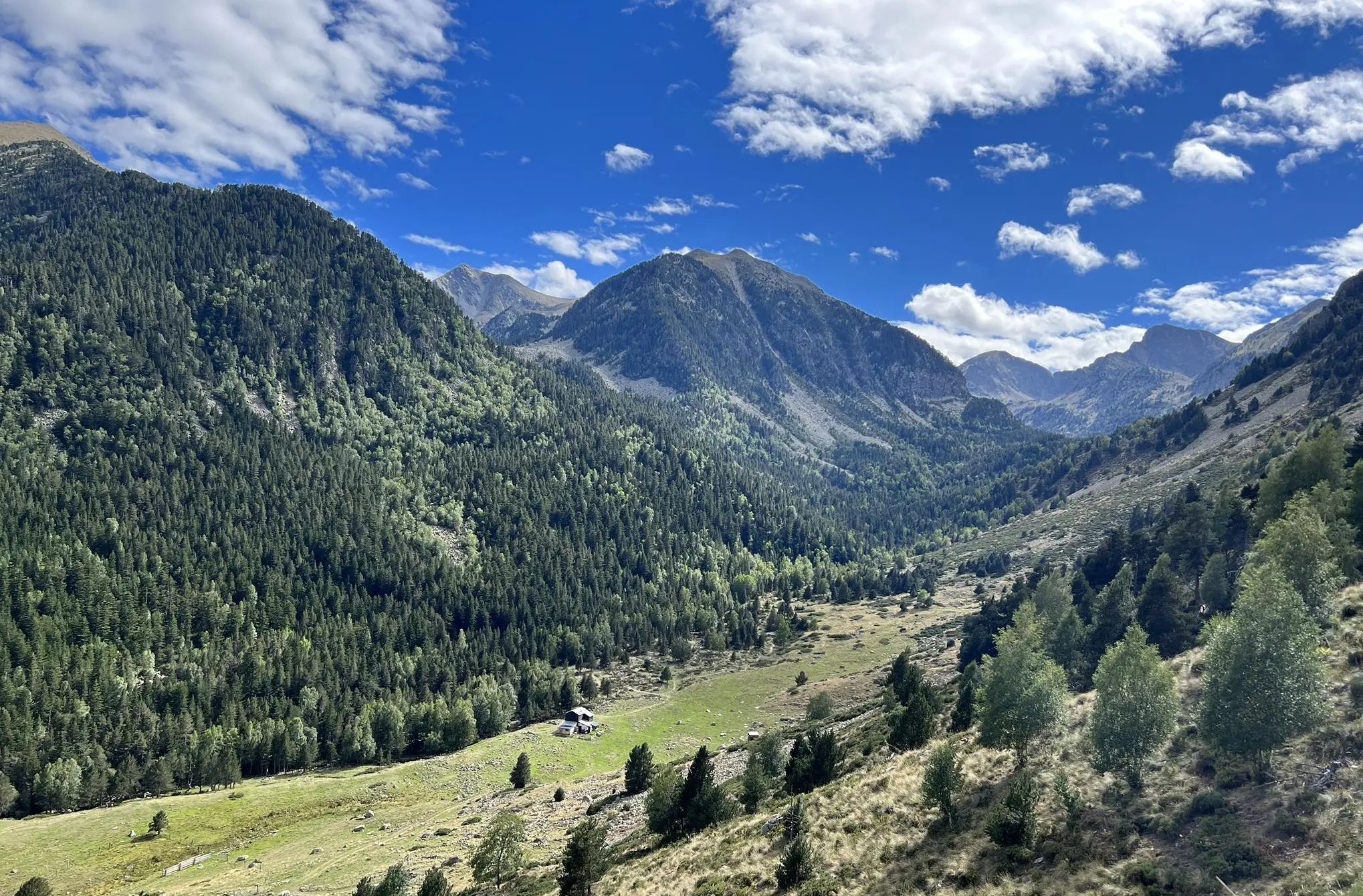
GR 36 long-distance footpath – Cross France from the Channel to the Pyrenees
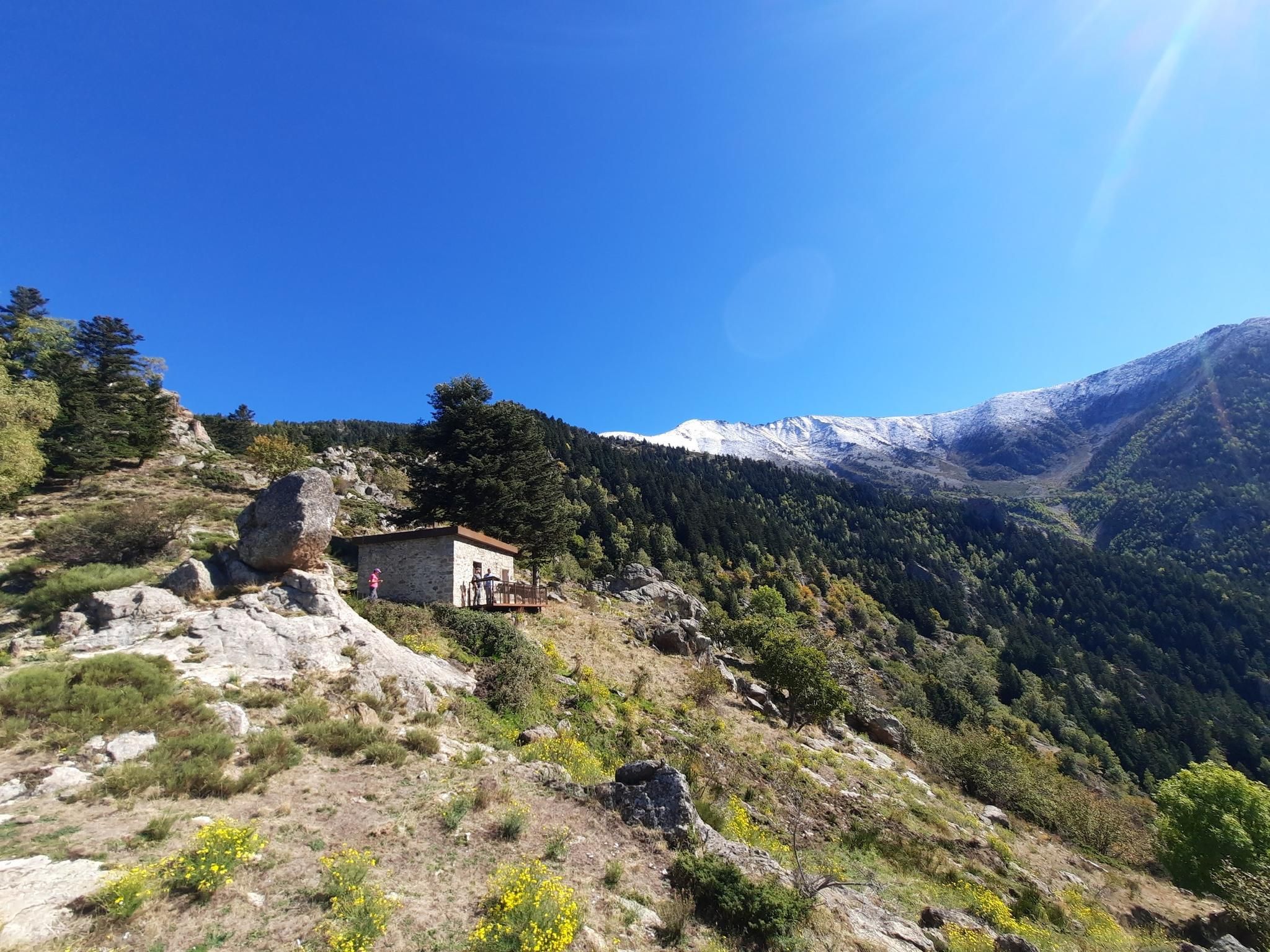
The Crossing of the Pyrenees via the GR 10 — Eastern Pyrenees
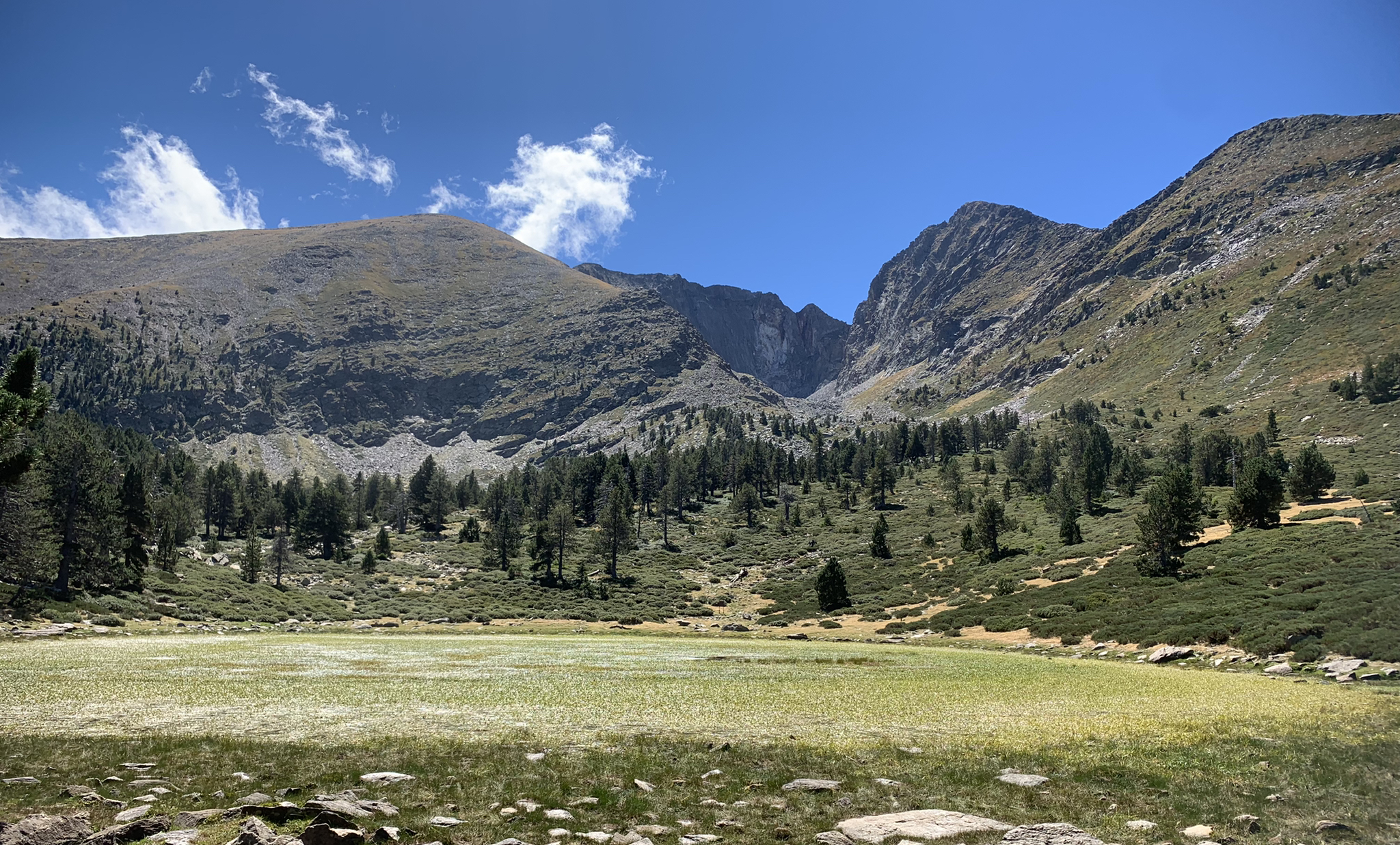
Tour du Canigou – Through the heart of the Mediterranean Pyrenees
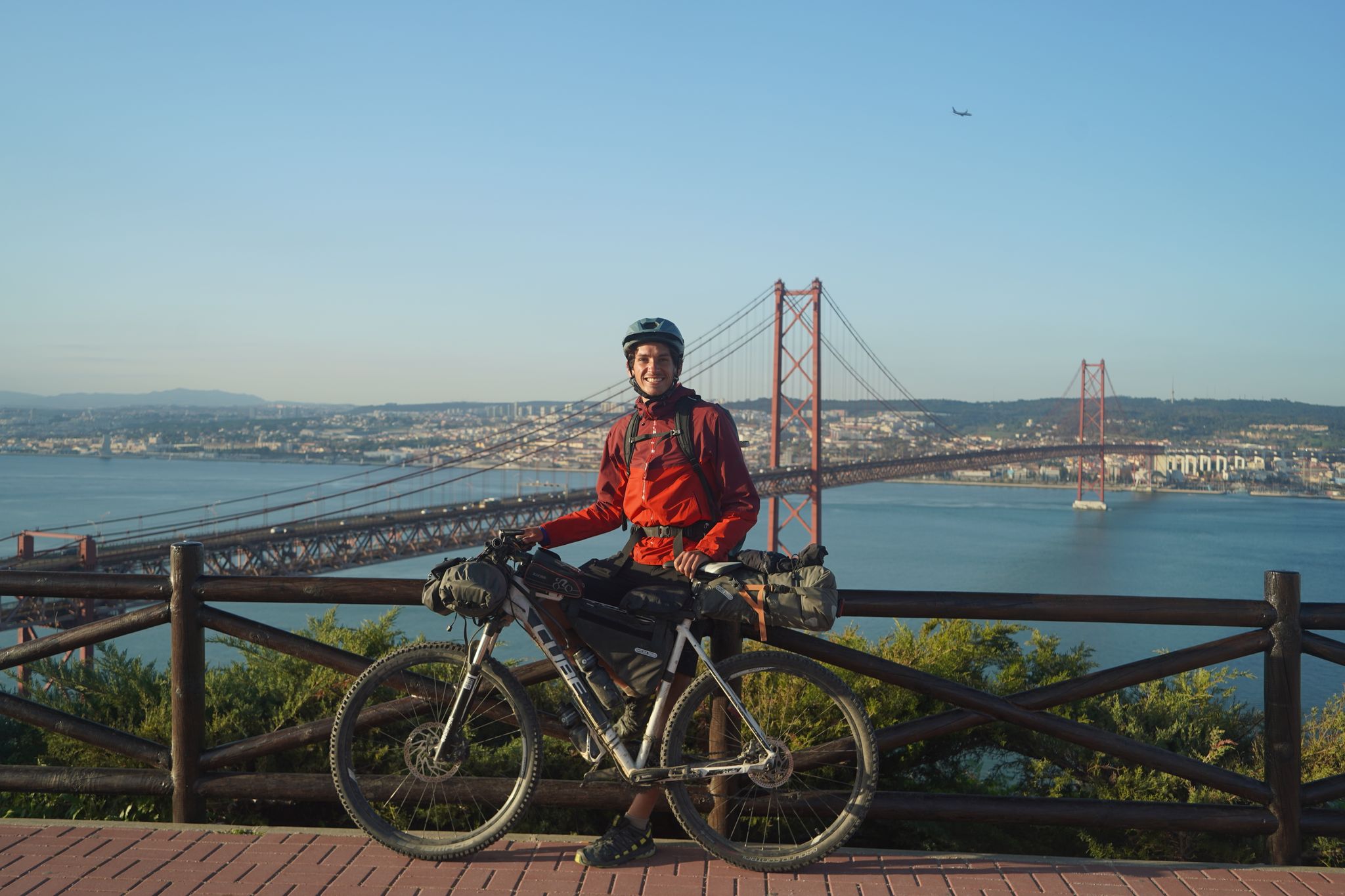
Road to Lisbon – bikepacking the Alps, Pyrenees and Picos de Europa
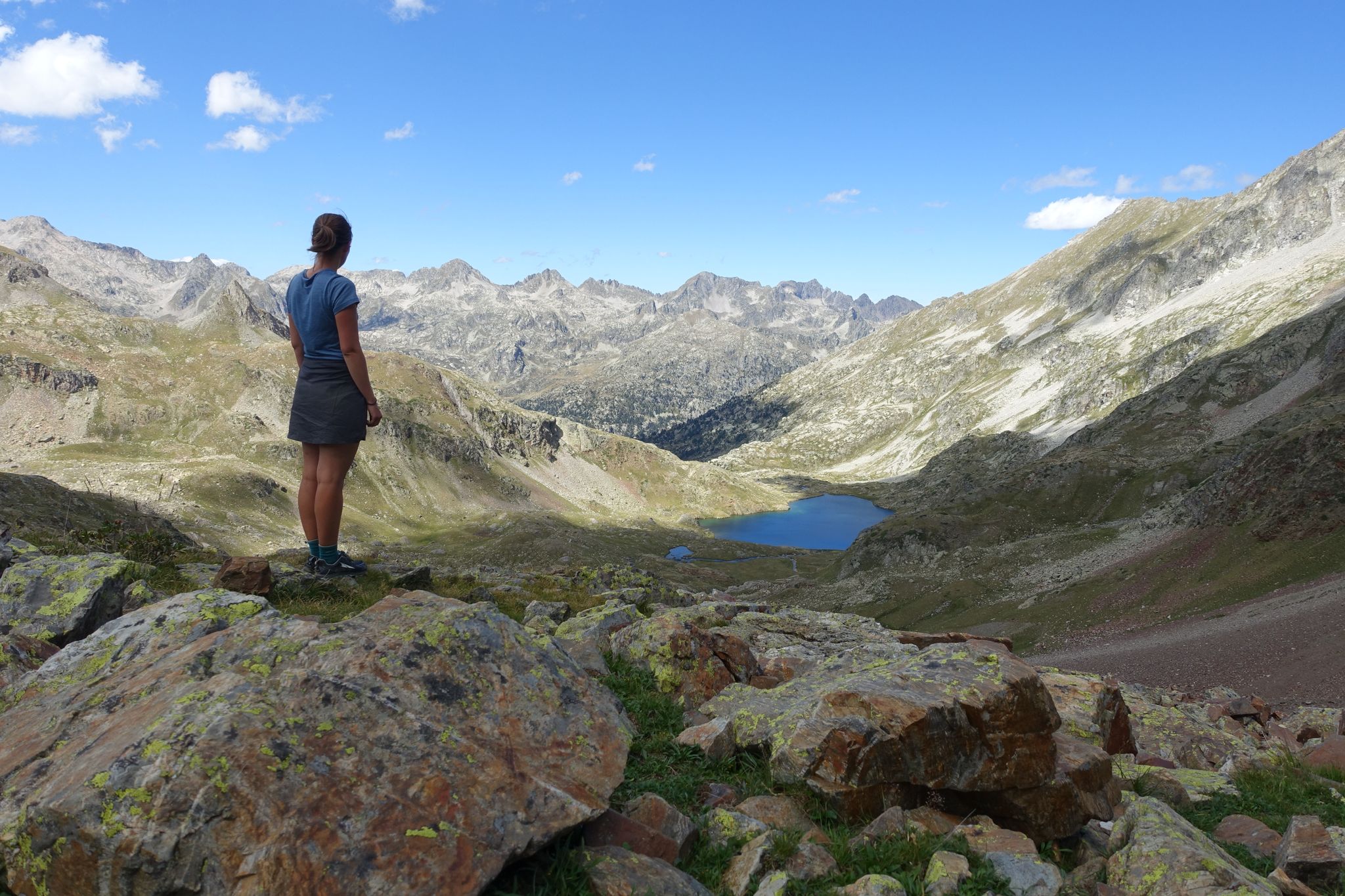
Haute Route Pyrénéenne – Pyrenees Crossing
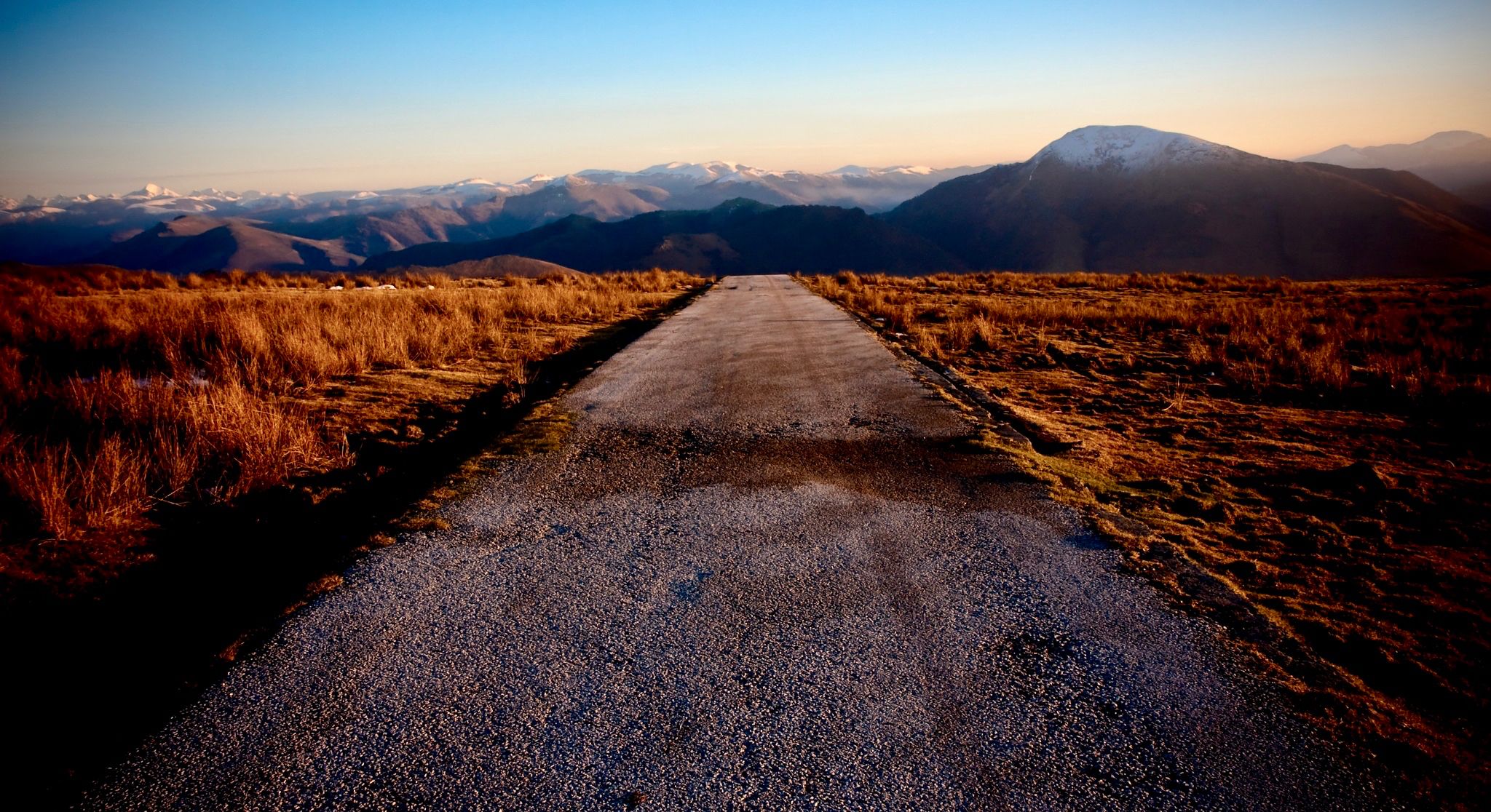
Coast to coast across the Pyrenees on your road bike
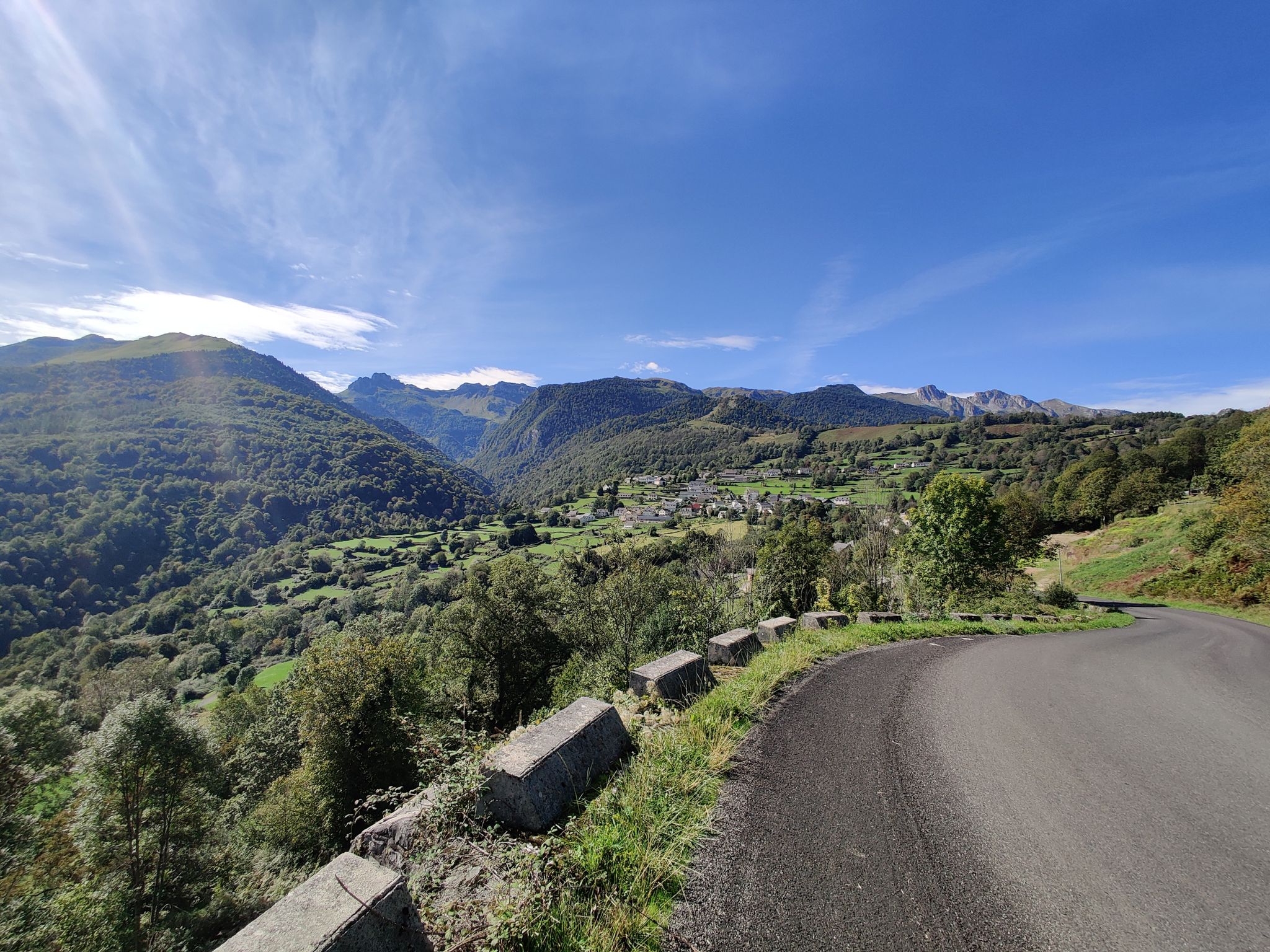
From the Atlantic to the Mediterranean – Route des Cols in the Pyrénées
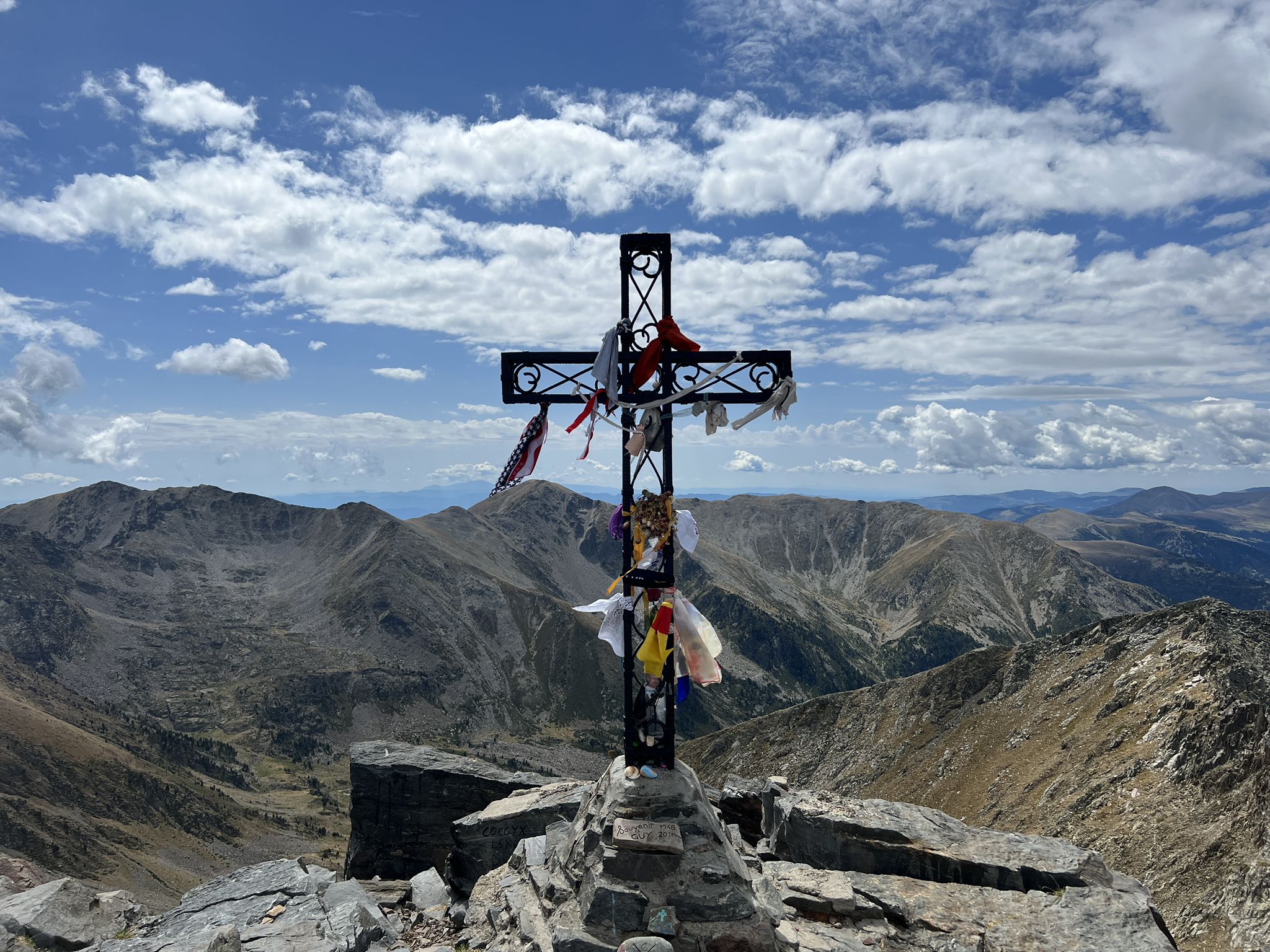
Tour of Canigo — The last great massif of the Pyrenees
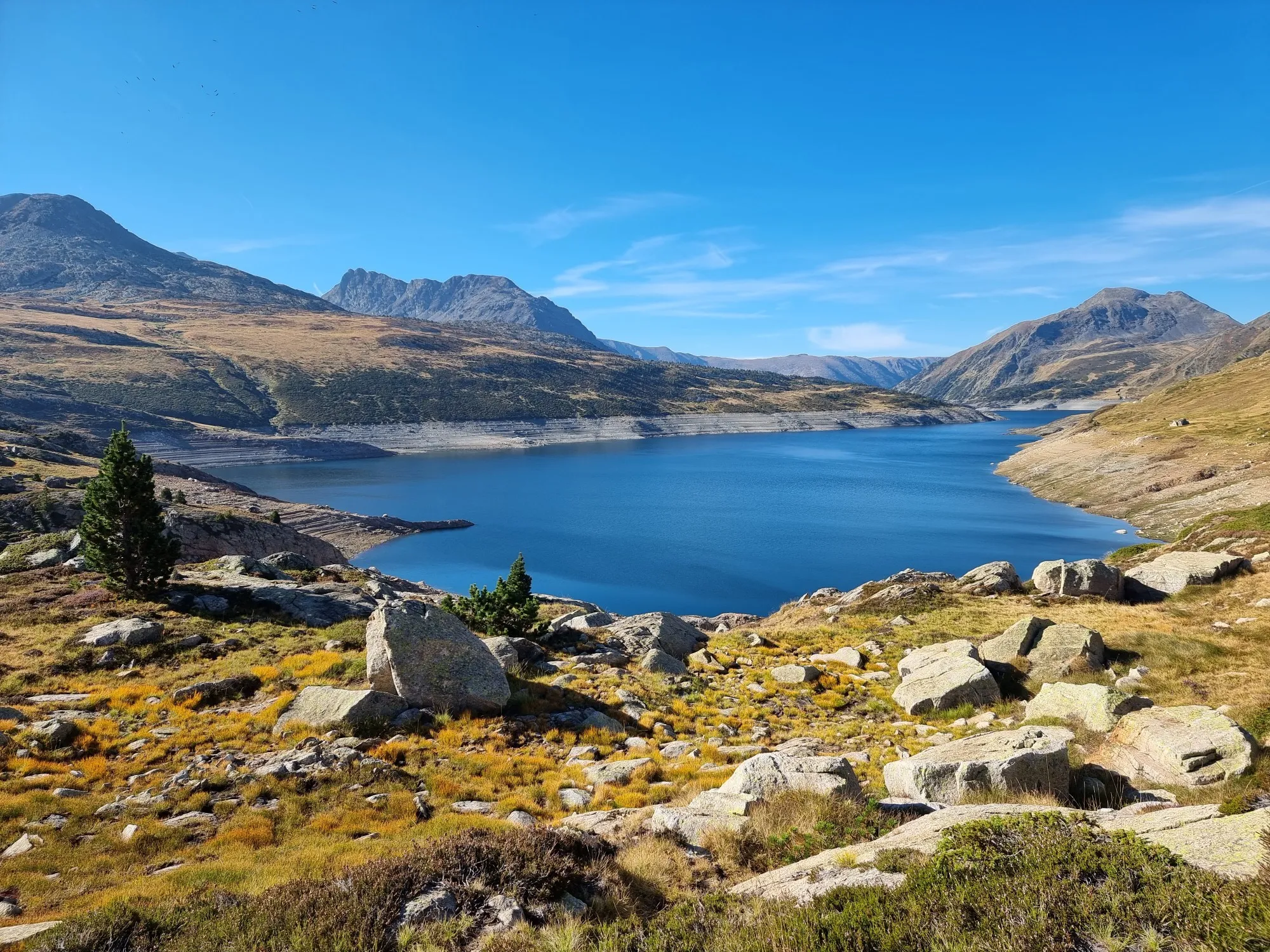
On wild ridges: Catalonia to Ariège – Hexatrek, Eastern Pyrenees
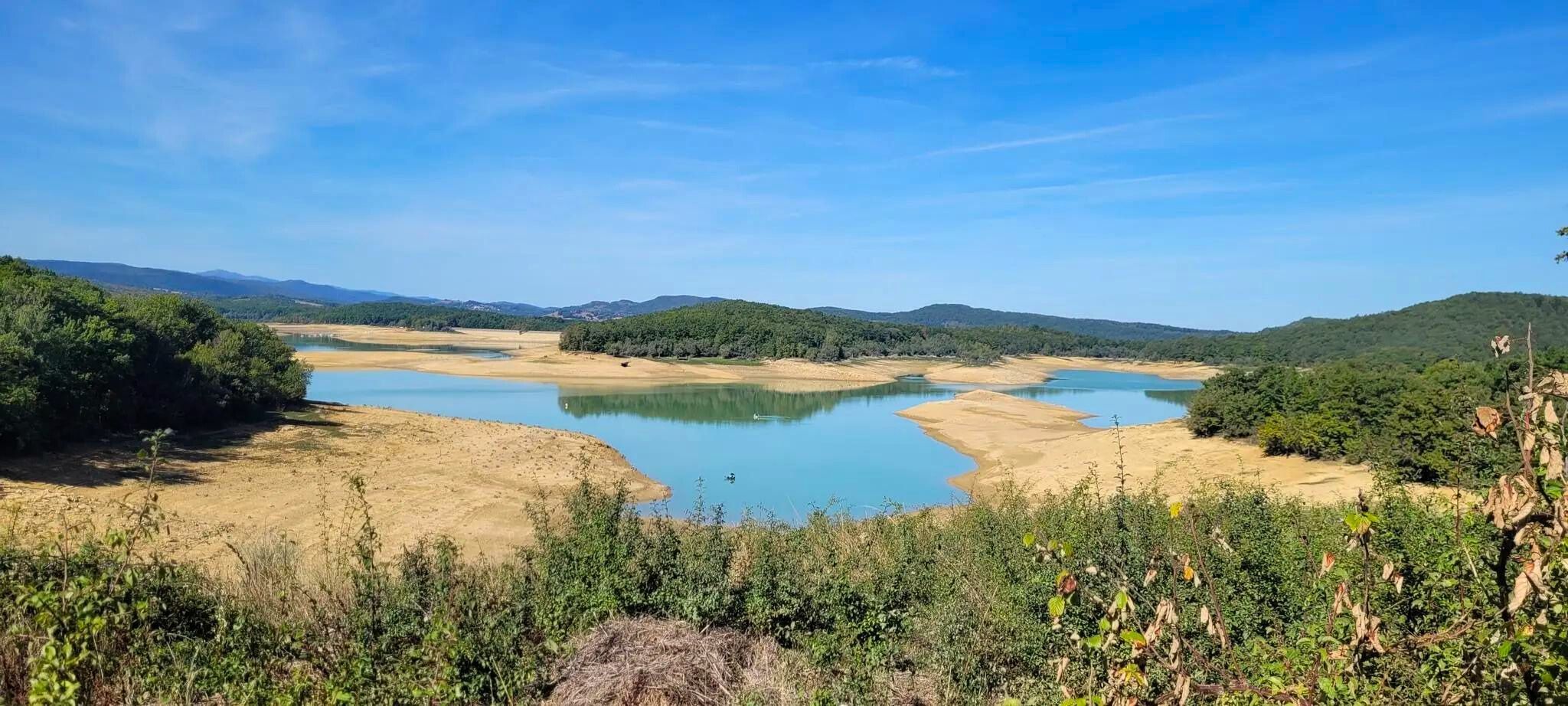
Plains, hills and mountains – GR 7 in the heart of France’s Occitania
Other adventures around Prades


Tips from the Community

There is much to read about this landscape, formed by erosion over 50 million years, but you simply have to see it for yourself, it is so beautiful and unique.
7
0
A unique place in France, a landscape of fairy chimneys with a fragile, ephemeral beauty. It shows the cliffs of sand and clay, patiently chiseled by the rain. Erosion has worked like an artist
9
0
Orgues offers a view of these astonishing natural structures known as "fairy chimneys." It's a unique landscape with colorful reliefs that water has sculpted in clay and sand, torn from the Pyrenees and deposited in the Tet Valley over the course of 5 million years.
9
0

Generally shaded, this loop can be done in hot weather.
0
0


The classic and arguably most-visited peak of the Eastern Pyrenees. Due to its location, this mountain can be seen far into France. The gravel road to the Ras dels Cortalets parking lot requires good shock absorbers (please correct me if it's no longer allowed to drive there). From there, it's only 600 meters of elevation gain via Pic Joffre to the summit. The second ascent from the south is somewhat more challenging, so a traverse is also possible.
2
3

a small Bryce Canyon, very manageable, but worthwhile.
4
0
Frequently Asked Questions
What are some of the most popular natural monuments around Prades?
The region around Prades boasts several highly-rated natural monuments. Among the most popular are Canigou, a majestic peak considered a symbol of Catalonia offering panoramic views, and The Organ Pipes of Ille-sur-Têt, unique geological formations resembling 'fairy chimneys'. Another favorite is the Summit of Pic Carlit, which provides extensive panoramas over the valley and numerous surrounding lakes.
Are there natural monuments suitable for families near Prades?
Yes, several natural monuments are great for families. The Organ Pipes of Ille-sur-Têt offer an accessible and visually stunning landscape that children often find fascinating. The Gorges de la Fou, when open, provide a unique walking experience through narrow canyons with metal footbridges, often considered family-friendly. Additionally, the Salt Gros Waterfall near Catllar is an easily accessible spot for a pleasant walk and a refreshing dip in natural pools.
What kind of unique geological formations can I see in the natural monuments around Prades?
The region is rich in diverse geological formations. The most striking are The Organ Pipes of Ille-sur-Têt, where erosion has sculpted tall, vertical pillars of sandy rock into 'fairy chimneys' up to 12 meters high. The Gorges de Galamus and Gorges de la Fou showcase spectacular narrow canyons carved by rivers through towering limestone cliffs, with the latter being among the narrowest in the world.
Which natural monuments offer the best panoramic views?
For breathtaking panoramic views, the high mountain summits are unparalleled. Canigou offers a 360-degree vista of the Pyrenees, the Mediterranean, and the distant Catalan coast. The Summit of Pic Carlit also provides wide panoramas over the valley and its many lakes. Other peaks like Puigmal d'Er Summit and Pic de la Pena are also known for their magnificent outlooks.
Can I find historical or cultural sites within the natural monuments?
Yes, some natural monuments also hold historical or cultural significance. Within the dramatic Gorges de Galamus, you'll find the Hermitage Saint-Antoine de Galamus, a historic chapel built directly into a natural cavity in the cliffs. Canigou itself is considered a sacred site for Catalans, with an annual tradition of lighting a flame on its summit during St. John's Day celebrations.
What outdoor activities can I do near the natural monuments around Prades?
The natural monuments around Prades are a gateway to various outdoor activities. You can enjoy challenging mountain hikes to summits like Pic Carlit or Puigmal d'Er. The Gorges de Galamus and Gorges de la Pierre-Lys are popular for canyoning, rafting, and kayaking in their clear waters. In winter, Canigou is suitable for cross-country skiing and snowshoeing. For more ideas, explore the Mountain Hikes around Prades, Cycling around Prades, or Gravel biking around Prades guides.
Are there challenging hikes to natural monuments for experienced trekkers?
Absolutely. Experienced trekkers will find plenty of challenging routes. The ascent to Canigou involves well-maintained but strenuous trails, including a 1.5-hour hike from Chalet des Cortalets to the summit. The Summit of Pic Carlit, at 2,921 meters, is another demanding climb offering immense rewards. For a multi-day adventure, the 'Canigó Tour' is a five-day hike staying in guarded refuges.
What is the best time of year to visit the natural monuments around Prades?
The best time to visit largely depends on the activity you plan. For hiking and exploring the geological sites like The Organ Pipes of Ille-sur-Têt or the Gorges, spring and autumn offer pleasant temperatures and fewer crowds. Summer is ideal for higher altitude hikes to summits like Canigou and water activities in the gorges, though some areas like Gorges de Galamus may have regulated access. Winter is best for snow activities on the peaks.
Are there natural monuments where I can spot wildlife?
Yes, the region's diverse ecosystems are home to various wildlife. The Réserve Naturelle Régionale de Nyer, with its wild landscapes, is a haven for fauna such as chamois, wild cats, roe deer, Pyrenean desmans, golden eagles, and bearded vultures. Canigou also boasts rich biodiversity, including chamois, mouflon, and golden eagles. The Gorges de Galamus are known for protected species like the Royal Eagle and Great Horned Owl.
What are the options for accessing these natural monuments, especially regarding parking or public transport?
Access varies by monument. For high-altitude sites like Lac des Bouillouses, access is often regulated in summer, with shuttle buses and chairlifts available to preserve the natural beauty. For the Gorges de Galamus, an alternating traffic system and electric shuttle buses are in place during summer. For many other natural monuments, driving to a nearby trailhead or visitor center and then continuing on foot is common. Always check specific access rules for each site before your visit.
Are there any natural monuments suitable for a refreshing swim?
Yes, the Salt Gros Waterfall near Catllar is a popular local spot for a refreshing swim. It features natural pools where visitors can cool off, especially during warmer weather. While the main pool is quite large, be aware that the water can be very cold and the current strong near the waterfall itself.
What should I bring when visiting natural monuments around Prades?
When visiting natural monuments, it's advisable to bring appropriate gear for the activity. For hiking, sturdy footwear, water, snacks, sun protection, and layers of clothing are essential. If visiting sites like the Gorges de la Fou, safety helmets may be provided or recommended. For swimming spots like Salt Gros Waterfall, bring swimwear and a towel. Always check the weather forecast and specific requirements for each site.
Are dog-friendly options available for visiting natural monuments near Prades?
Many natural areas and trails around Prades are dog-friendly, especially those in the lower altitudes or less sensitive ecological zones. However, specific rules can vary for protected areas or sites with delicate ecosystems. It's always best to keep dogs on a leash and ensure you clean up after them. For high-altitude reserves or specific geological sites, check local regulations before bringing your dog.
Most popular routes around Prades
Most popular attractions around Prades

Get inspired with the komoot mobile app


Didn’t find what you were looking for?
Find even more amazing natural monuments around Prades by checking out the top Highlights region by region:
Explore more
Extend your search for the best caves by checking out these guides of the top ones around Prades:
