Top 7 Natural Monuments around Tours
Best natural monuments around Tours offer a diverse landscape shaped by the Loire River and its tributaries, forming a UNESCO World Heritage site. The region features geological wonders, significant waterways, and preserved green spaces. Visitors can explore a blend of natural beauty and historical significance, from ancient caves to expansive river confluences. This area provides opportunities to experience unique natural formations and cultivated gardens within the Loire Valley.
Best natural monuments around Tours
- The most popular natural monuments is Gardens…
Last updated: August 25, 2026
Gardens of the Château de Villandry
Highlight • Castle
Translated by Google •
Tip by

The petrifying caves of Savonnière
Highlight • Cave
February / March: 10h-12h / 14h-18h
April to June: 10h-19h
July / August: 9h30-19h30
September: 10h-19h
October / November: 10h-12h / 14h-18h
There are guided tours (duration approx. 1 hour).
Translated by Google •
Tip by

Sign up now to discover places like this
Get recommendations on the best single tracks, peaks, & plenty of other exciting outdoor places.
Sign up for free
Prébendes d'Oé Garden
Highlight • Forest
Translated by Google •
Tip by

Le Menhir de Vaujours
Highlight • Monument
Translated by Google •
Tip by

Confluence of the Cher and Loire Rivers
Highlight (Segment) • River
Translated by Google •
Tip by

Botanical Garden
Highlight • Natural
Translated by Google •
Tip by
Île de Quiquengrogne
Highlight • Natural
Translated by Google •
Tip by
Start today with a free account
Your next adventure awaits.
Login or Signup
Popular around Tours
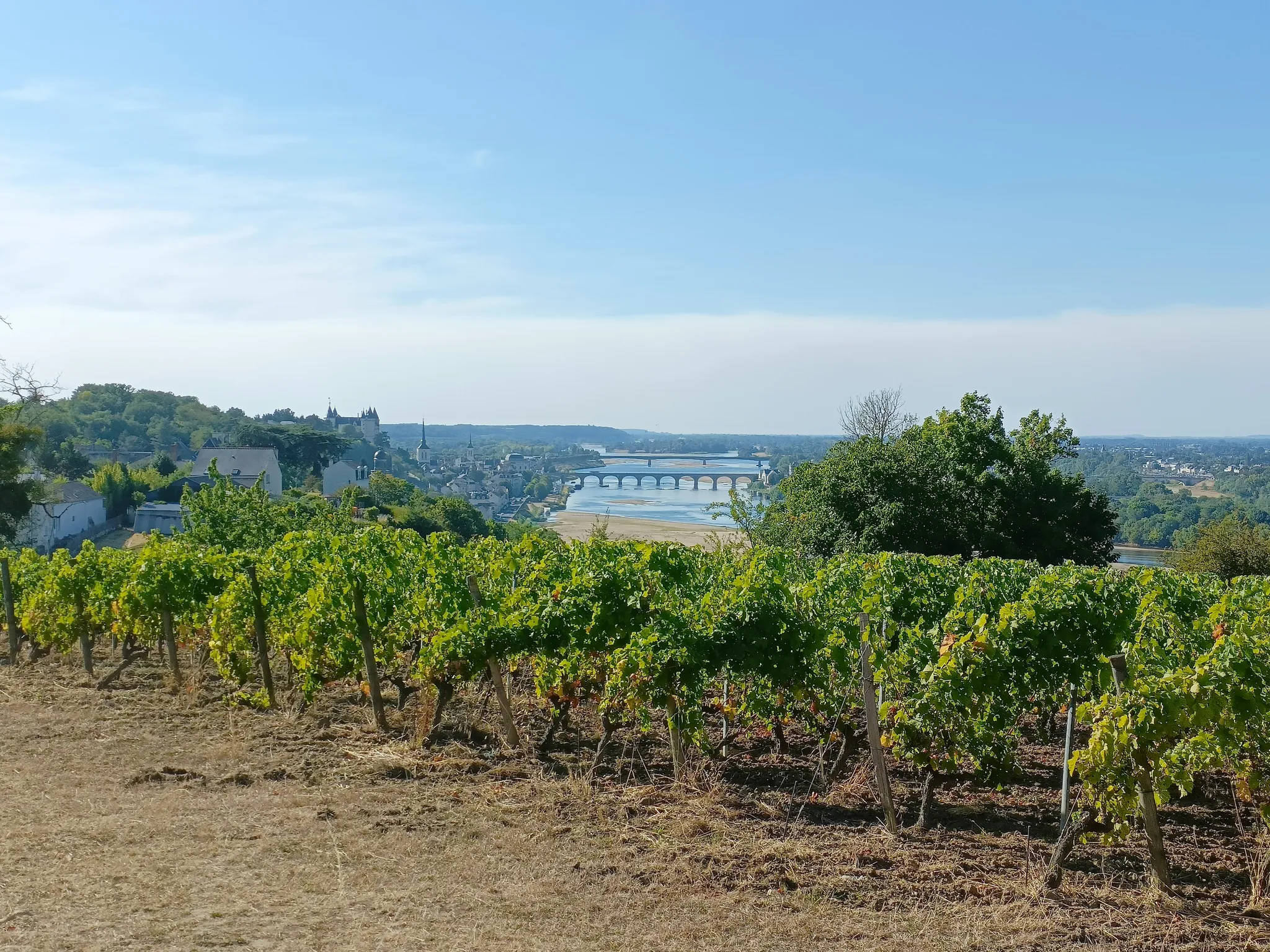
GR3 from the ocean to its source – The Loire, a wild European river
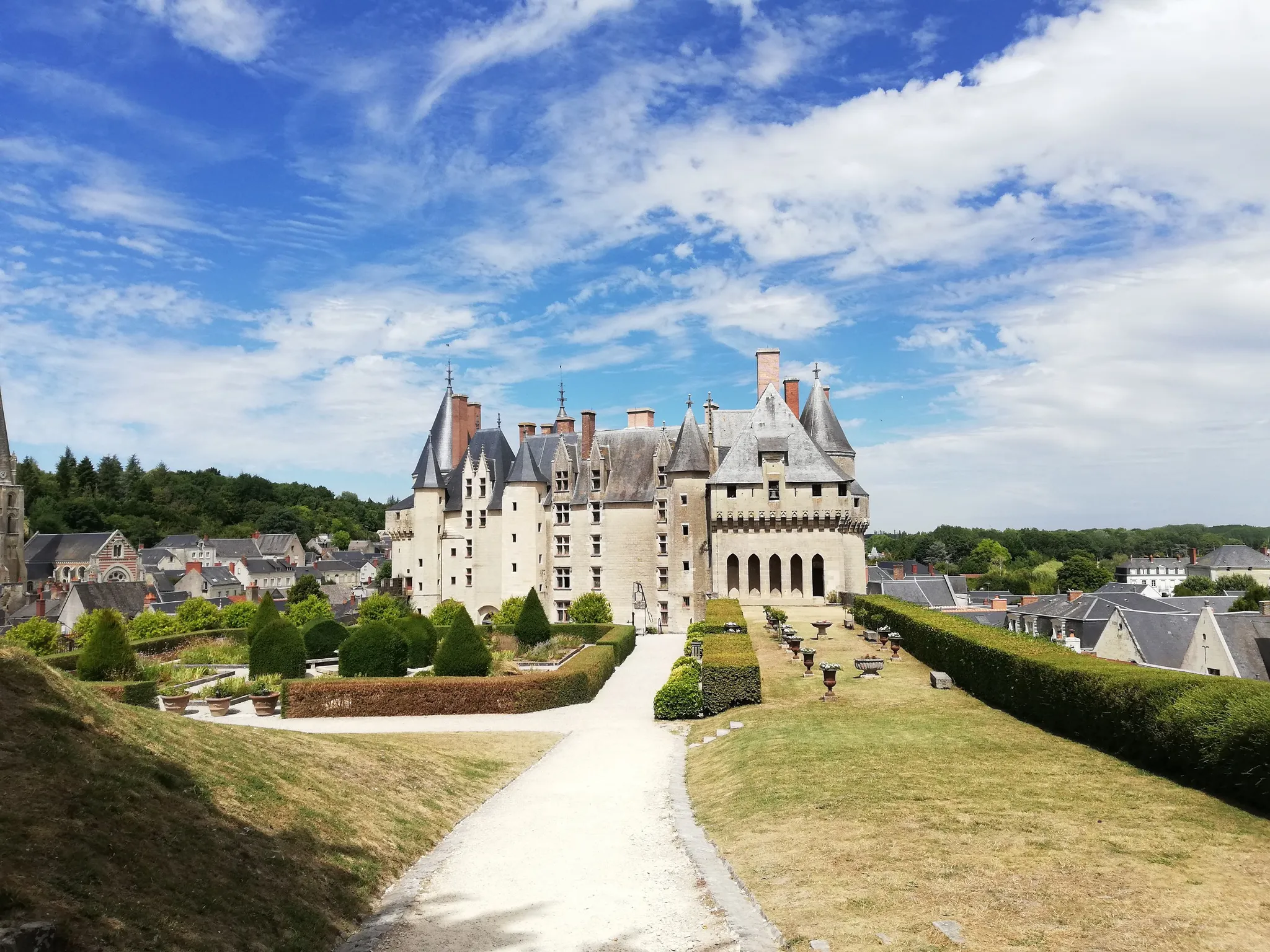
From one Châteaux to another – a long hike in the Loire Valley
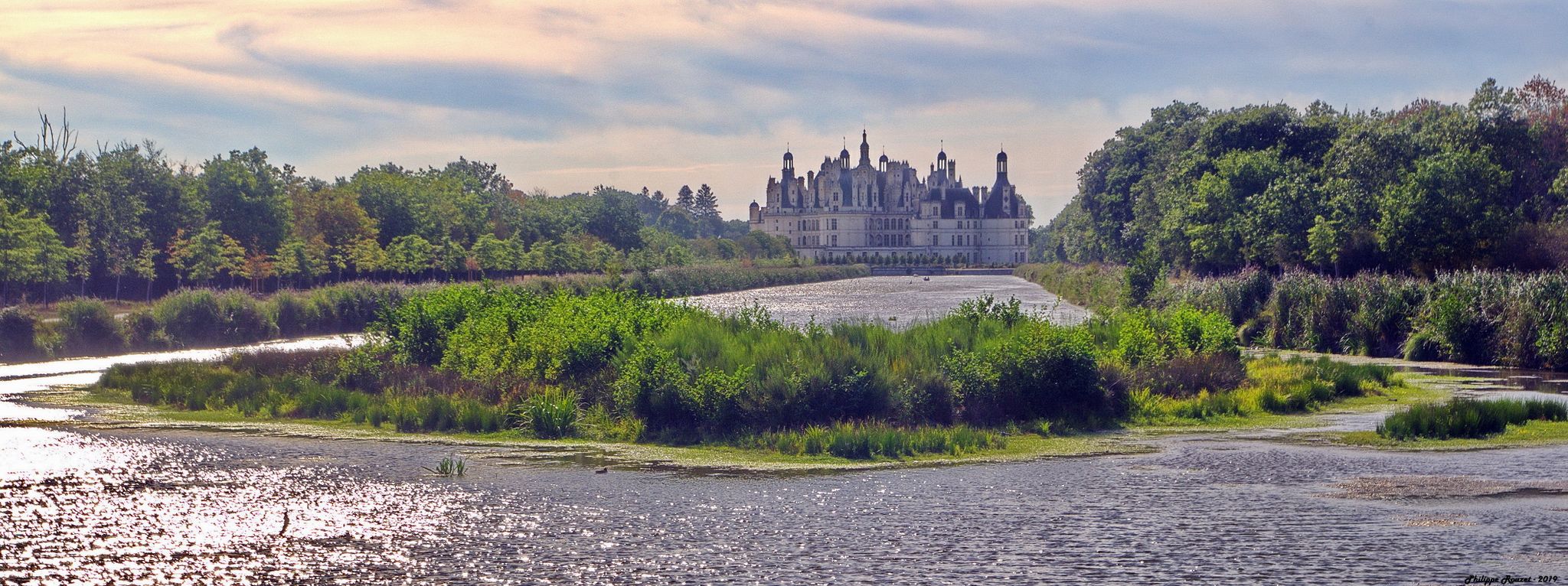
From one castle to another – the Loire to the Cher Valley
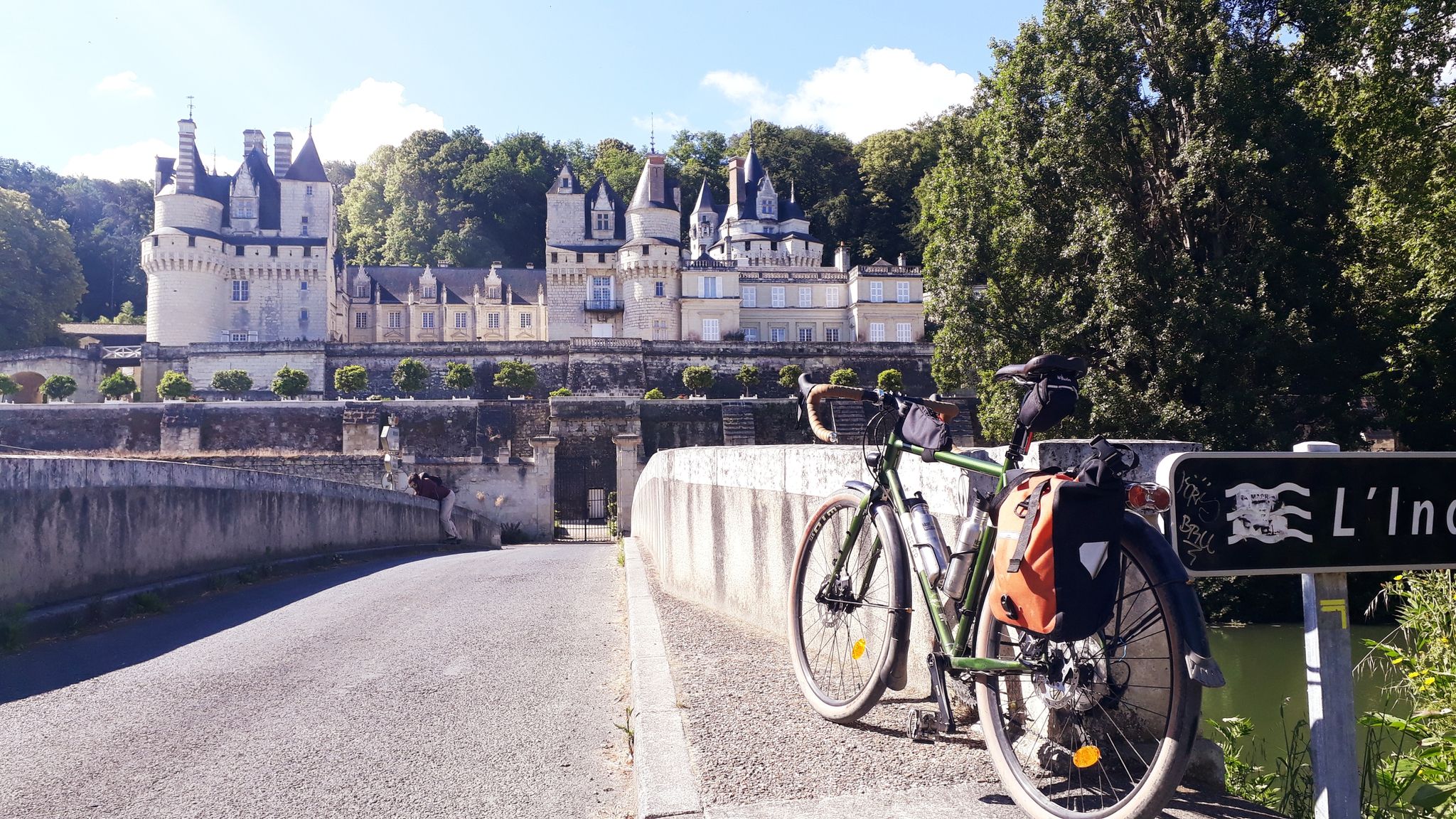
La Loire à vélo – Between nature and castles
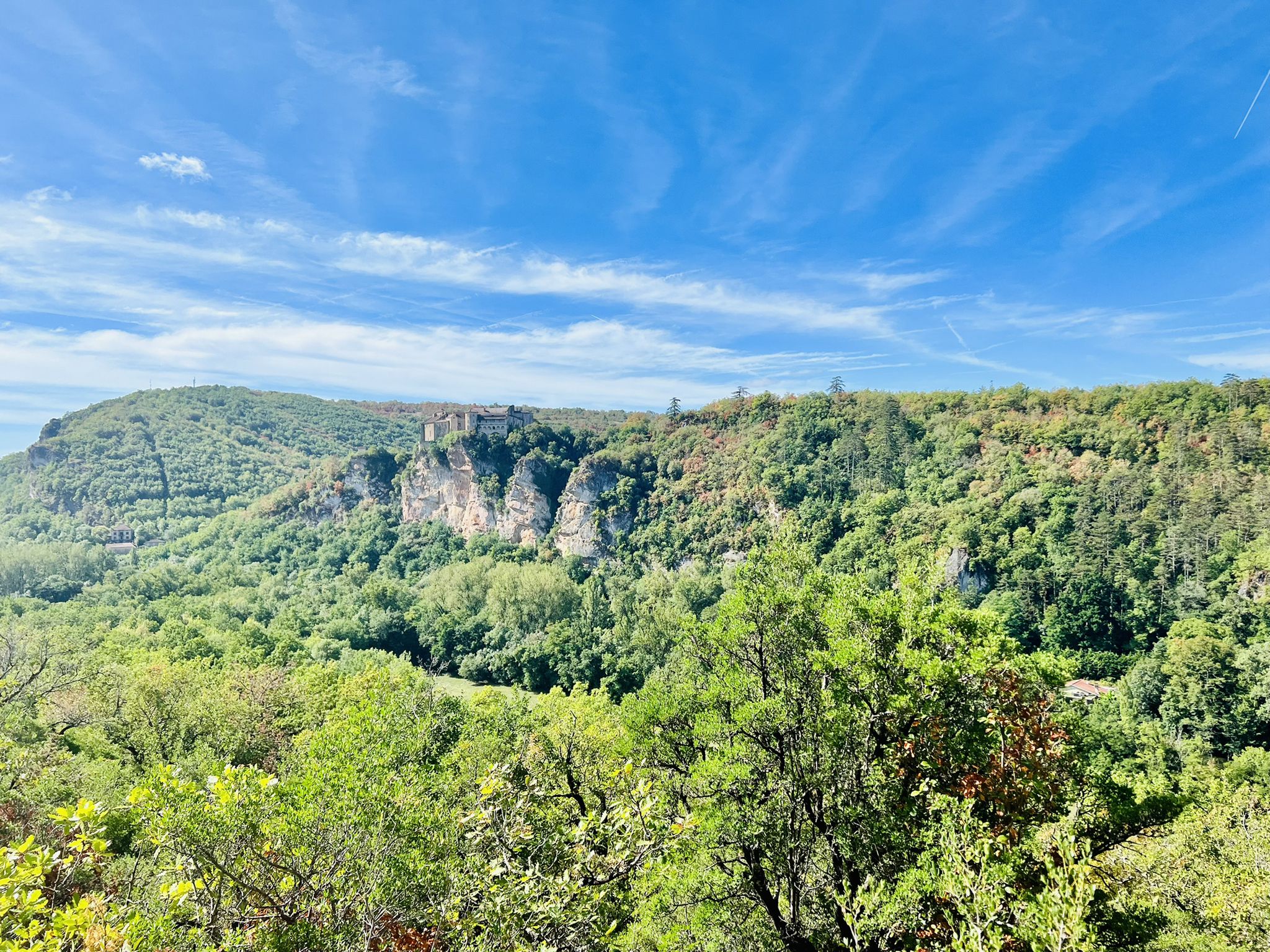
GR 46 — The Truant School
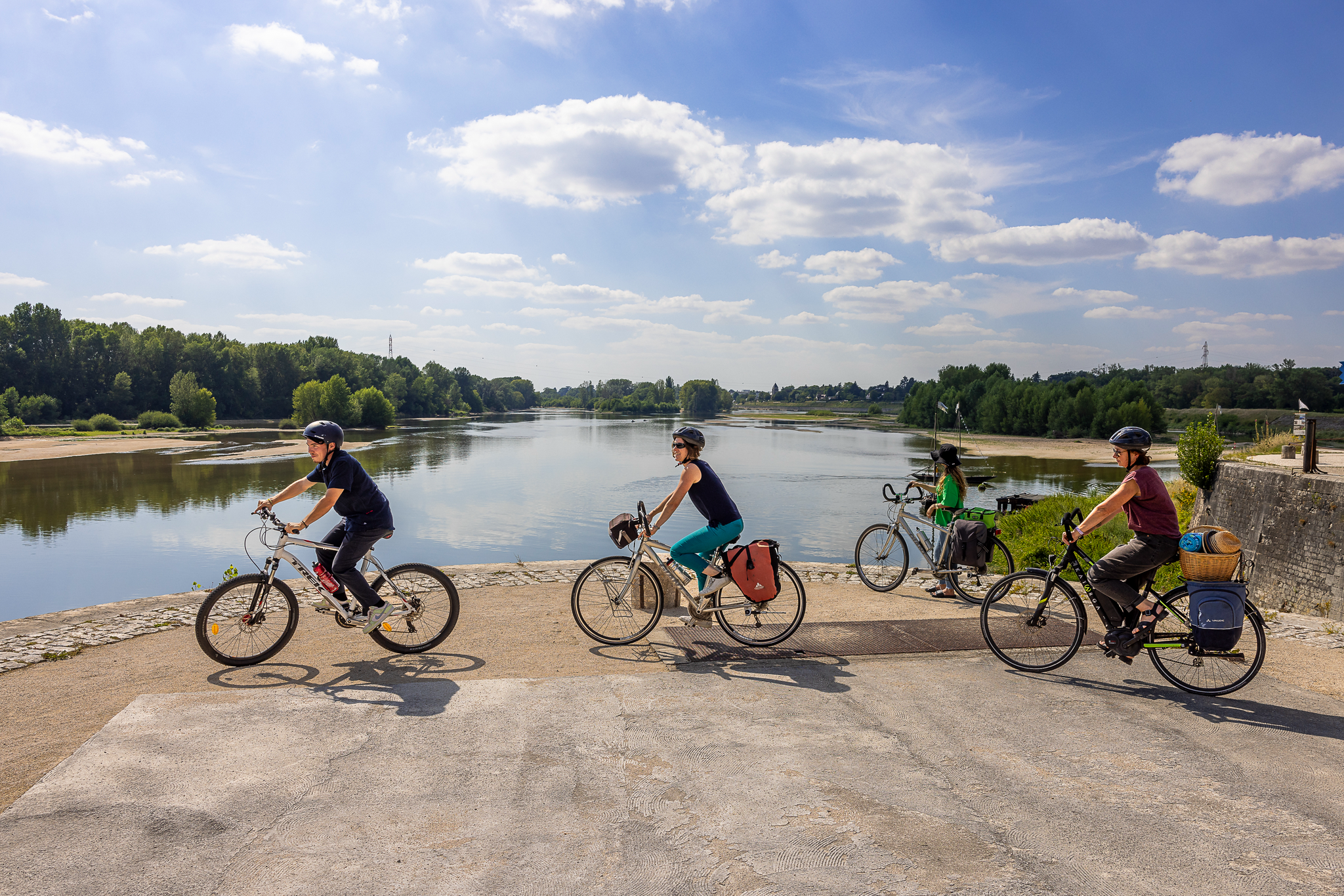
The most beautiful cycling routes in the Loire Valley
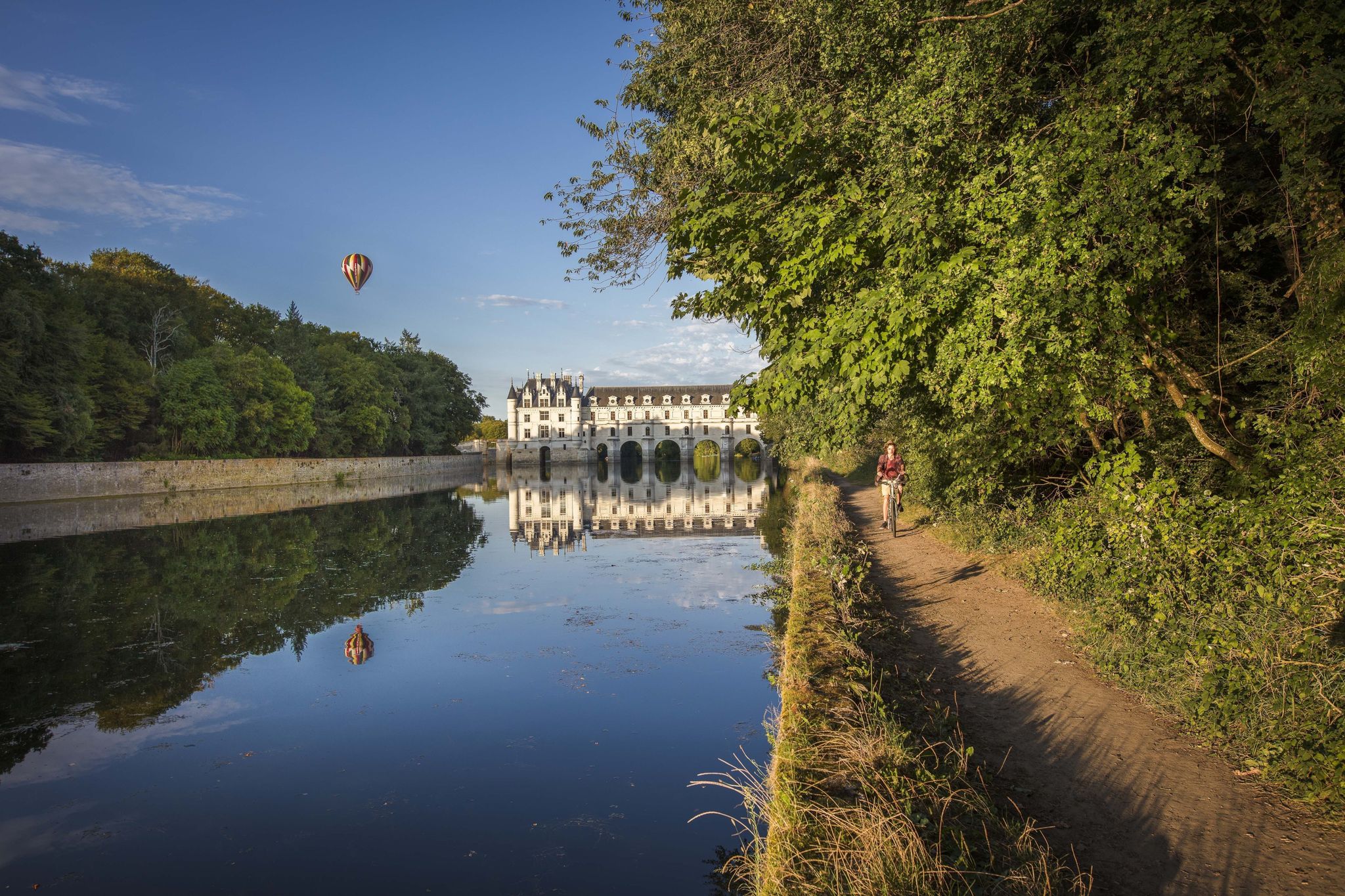
The Loire Valley – escape to the great outdoors
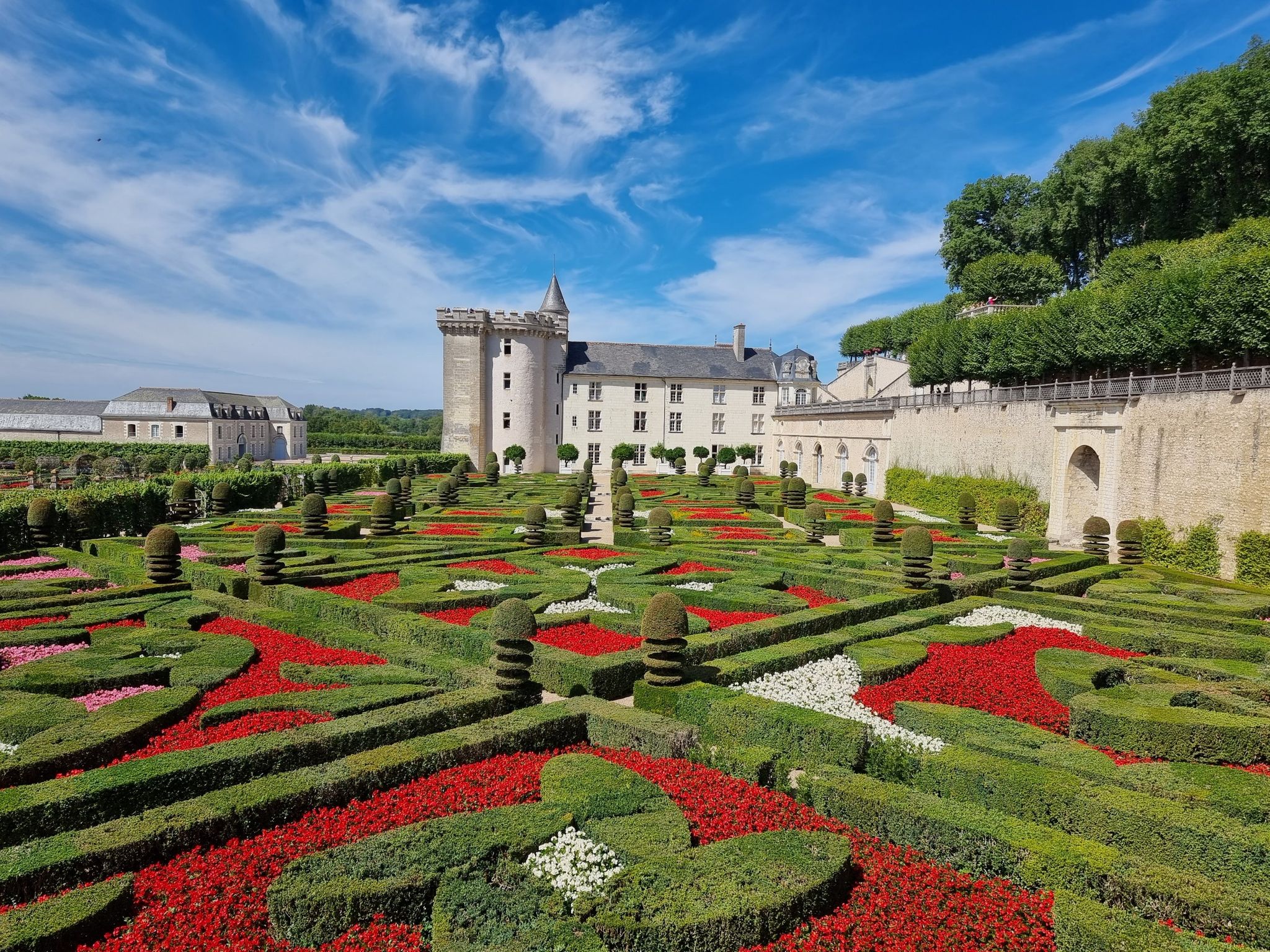
Between Tours and its rivers – Loire walks outside the city
Between Tours and its rivers – short walks along the Loire
Pilgrimage from Rambouillet to Tours – Saint-Jacques by bike (V41)
Other adventures around Tours


Tips from the Community

Open all year round opposite Bretonneau Hospital
0
0

The route directly to the confluence is not really recommended for racing bikes
0
0


quiet and lively garden, beautiful stretch of water in the center
0
0

This preserved space is a paradise for ornithologists. Far from the traffic, the calm is distracted only by the solemn flow of the Loire and the beating of the wings of the herons surprised by your fortuitous appearance.
0
0
Between Loire and Cher, the botanical garden is a must in the city of Tours. The rich diversity of species that makes up its park makes this place the most complete garden in the city. Animal areas as well as a mini-farm open to the public increase its appeal tenfold. Wandering the paths of this green setting is not only a stroll for the body, but also an escape for the mind.
0
0
Built in 1872 on a former marshy area, the Prébendes d’Oé garden is the green lung of the city center of Tours. Designed like an English garden, it invites you to take a bucolic stroll. It also has the “Jardin Remarquable” label, awarded by the Ministry of Culture. On an area of 5 hectares, you travel to the four corners of the world. Poplars from Holland, hazel trees from Byzantium, tulip trees from Virginia and elms from Siberia adorn your route. A catering area, toilets and a water point are available in the park.
0
0

This is the menhir of the Val Joyous lake at Château la Vallière
0
0
Frequently Asked Questions
What are some unique geological natural monuments to explore near Tours?
Near Tours, you can explore the fascinating petrifying caves of Savonnière, known for their active petrification process that forms unique calcified structures. Additionally, the Menhir de Vaujours, a leaning megalithic stone from the Neolithic era, offers a glimpse into ancient geological and human history.
Are there family-friendly natural monuments around Tours?
Yes, many natural monuments around Tours are family-friendly. The Gardens of the Château de Villandry are a must-see, with extensive, beautifully landscaped gardens that children often enjoy exploring. The Botanical Garden in Tours also offers animal areas and a mini-farm, making it a comprehensive and appealing urban oasis for families.
What outdoor activities can I do near the natural monuments in the Tours region?
The Tours region, especially around the Loire River and the Loire-Anjou-Touraine Regional Natural Park, offers numerous outdoor activities. You can enjoy cycling along the famous 'Loire à Vélo' itinerary, canoeing on the rivers, or exploring various hiking trails. For specific routes, you can find options for cycling, MTB trails, and gravel biking around Tours.
Where can I experience the natural beauty of the Loire River near Tours?
The Loire River is central to the region's natural beauty. You can experience its charm from towns like Amboise, Rochecorbon, or Tours itself. A particularly scenic spot is the Confluence of the Cher and Loire Rivers, offering magnificent views where these two significant waterways meet. Cycling along the riverbanks or taking a traditional boat trip are also popular ways to immerse yourself in the landscape.
Are there any significant historical natural sites around Tours?
Yes, the region boasts natural sites with deep historical significance. La Roche-Cotard Cave, located west of Tours, is renowned for unique finger-flutings believed to have been made by Neanderthals over 170,000 years ago, offering a rare connection to ancient human activity. The Menhir de Vaujours also stands as a prehistoric landmark.
What kind of green spaces and gardens can I visit within the city of Tours?
Within Tours, you can visit the Prébendes d'Oé Garden, an English-style garden established on former marshland, known for its diverse collection of trees. The Botanical Garden is another essential green space, featuring a rich diversity of plant species, animal areas, and a mini-farm.
What do visitors enjoy most about the natural monuments around Tours?
Visitors frequently appreciate the blend of natural beauty and historical significance. The tranquil settings of river viewpoints like the Confluence of the Cher and Loire Rivers are highly rated for their peaceful atmosphere. The meticulously maintained Villandry Castle and its Gardens are also celebrated for their lavish landscaping and seasonal beauty.
Can I find natural monuments that are less crowded or considered hidden gems near Tours?
While many sites are popular, exploring areas within the vast Loire-Anjou-Touraine Regional Natural Park can lead to less crowded experiences. The park encompasses diverse landscapes, including forests and river confluences, offering opportunities to discover tranquil spots away from the main tourist hubs. The Île de Quiquengrogne, for example, offers a peaceful natural setting by the river.
What is the best time of year to visit the natural monuments and gardens in the Tours region?
The best time to visit depends on your interests. The gardens, such as those at Château de Villandry and the Botanical Garden, are particularly vibrant during spring and summer when flowers are in full bloom and trees are lush. Autumn also offers beautiful colors in the forests and along the riverbanks. The petrifying caves and historical sites can be visited year-round.
Are there opportunities for wildlife spotting near the natural monuments?
Yes, the Loire River, often called Europe's last wild river, and the Loire-Anjou-Touraine Regional Natural Park are rich in biodiversity. These areas provide habitats for various bird species and other wildlife. Exploring the riverbanks, islands, and sandbanks, or venturing into the forests within the natural park, can offer opportunities for wildlife observation.
What types of landscapes can I expect to see when visiting natural monuments around Tours?
The landscapes around Tours are incredibly diverse, shaped by the Loire River and its tributaries. You can expect to see expansive river views with changing contours, islands, and sandbanks. There are also unique geological formations like caves, lush cultivated gardens, and vast natural parks encompassing vineyards, forests, and river confluences. This blend offers a rich tapestry of natural beauty.
Most popular routes around Tours
Most popular attractions around Tours

Get inspired with the komoot mobile app


Didn’t find what you were looking for?
Find even more amazing natural monuments around Tours by checking out the top Highlights region by region:
Explore more
Extend your search for the best caves by checking out these guides of the top ones around Tours:
