Top 6 Natural Monuments around Straßburg
Best natural monuments around Straßburg offer diverse natural features within and near the city. Straßburg, known for its historical architecture, also provides access to significant natural landscapes, including expansive parks, botanical gardens, and floodplain forests. These areas contribute to the city's "Green Belt" and feature varied flora and fauna, often located near waterways like the Rhine River. The region provides ecological insights and opportunities to explore nature within an urban setting.
Best natural monuments around Straßburg
- The most popular natural…
Last updated: May 4, 2026
Kalbsgiessen Waterfall
Highlight • Waterfall
Translated by Google •
Tip by

War Memorial, Place de la République
Highlight • Monument
The Palais du Rhin: Former imperial palace and manifesto of political power
A special feature of Strasbourg is the former German imperial …
Translated by Google •
Tip by

Sign up now to discover places like this
Get recommendations on the best single tracks, peaks, & plenty of other exciting outdoor places.
Sign up for free
London Plane Tree (Platanus x acerifolia), Grande Île, Strasbourg
Highlight • Natural Monument
Translated by Google •
Tip by

Start today with a free account
Your next adventure awaits.
Login or Signup
Popular around Straßburg

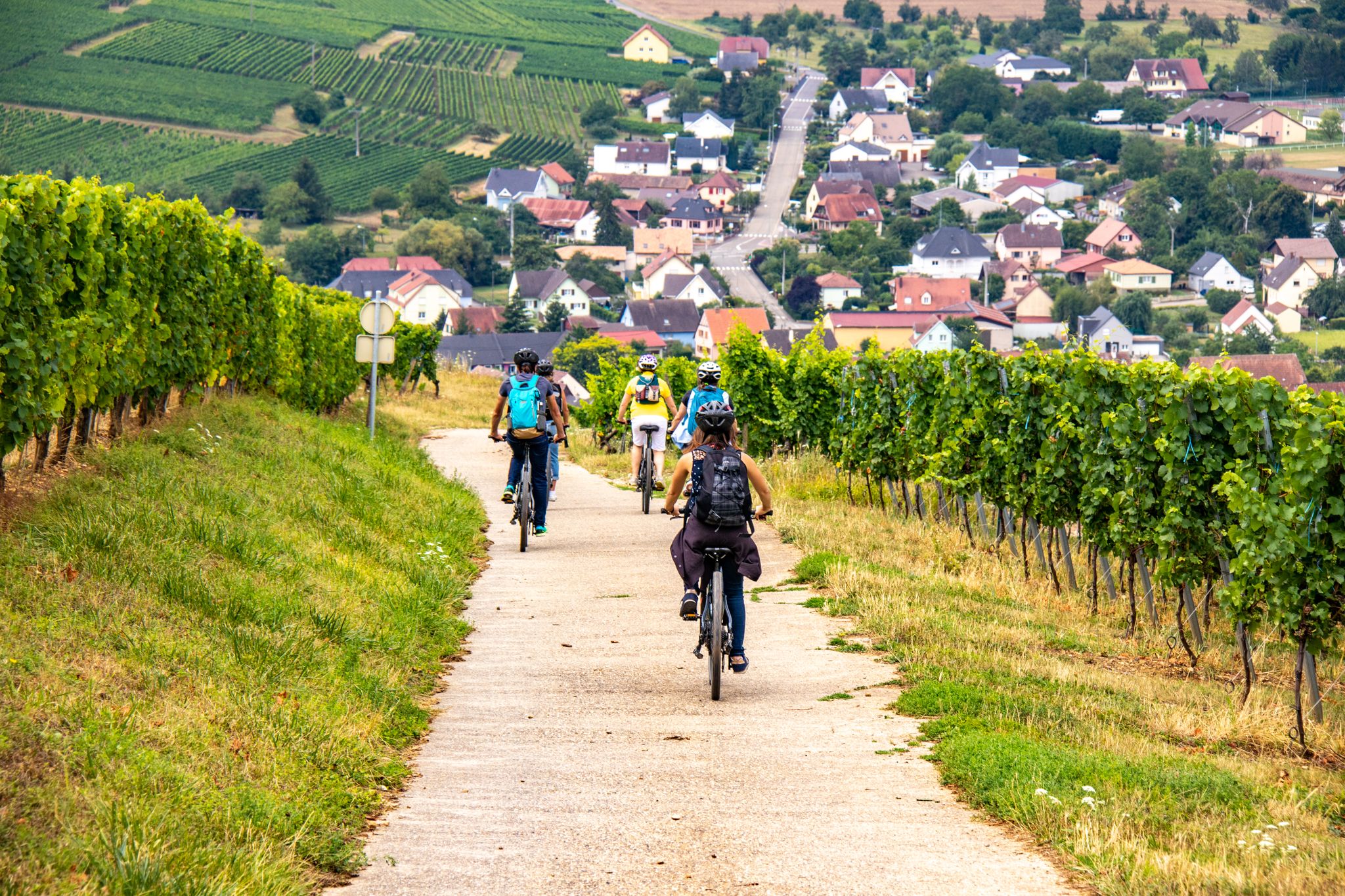
The Grand Est without a car – cycling from station to station
EuroVelo 5 - Via Romea (Moselle - Alsace)
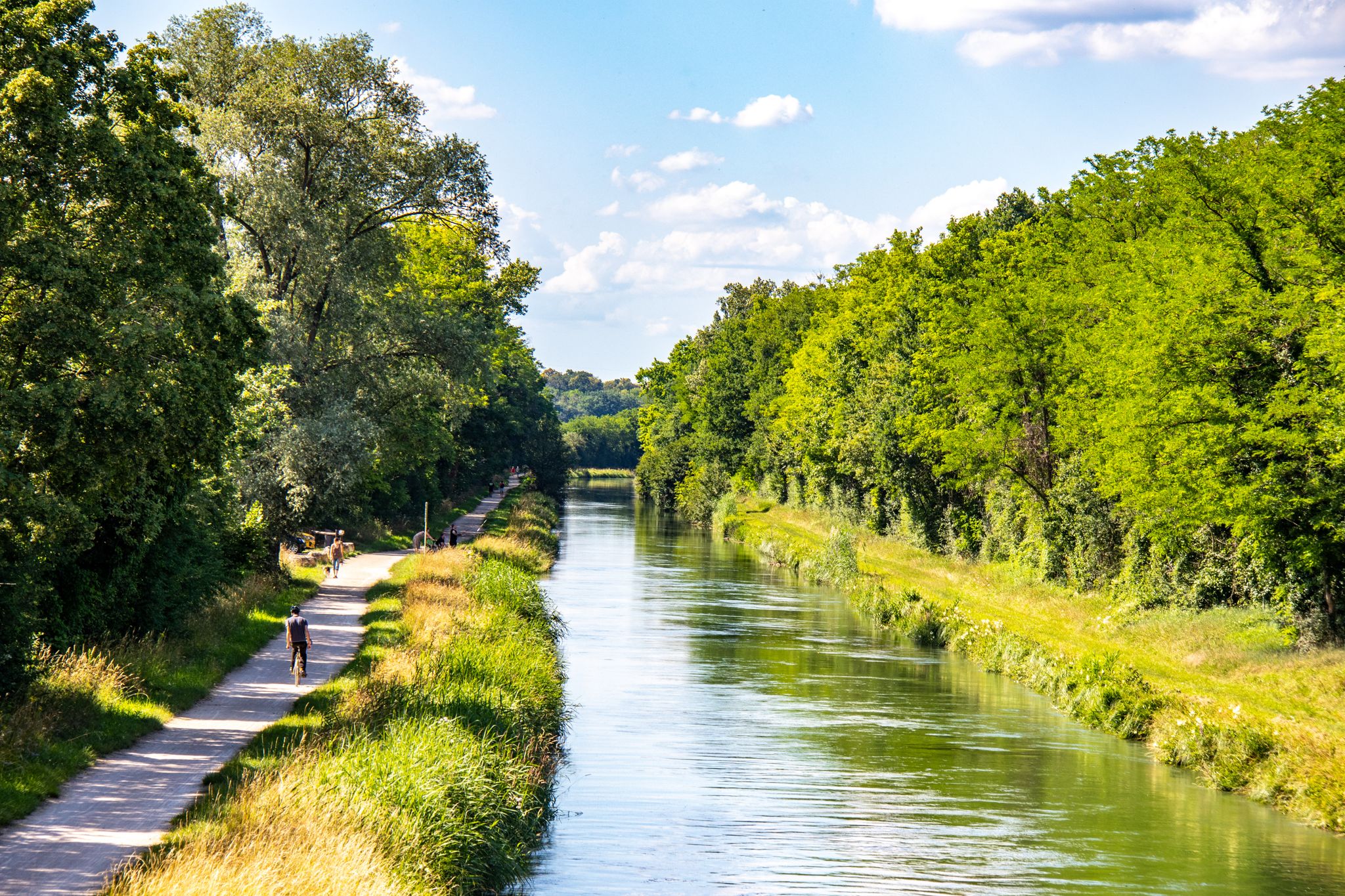
EuroVelo15 - Rhine CYCLE ROUTE (Alsace)
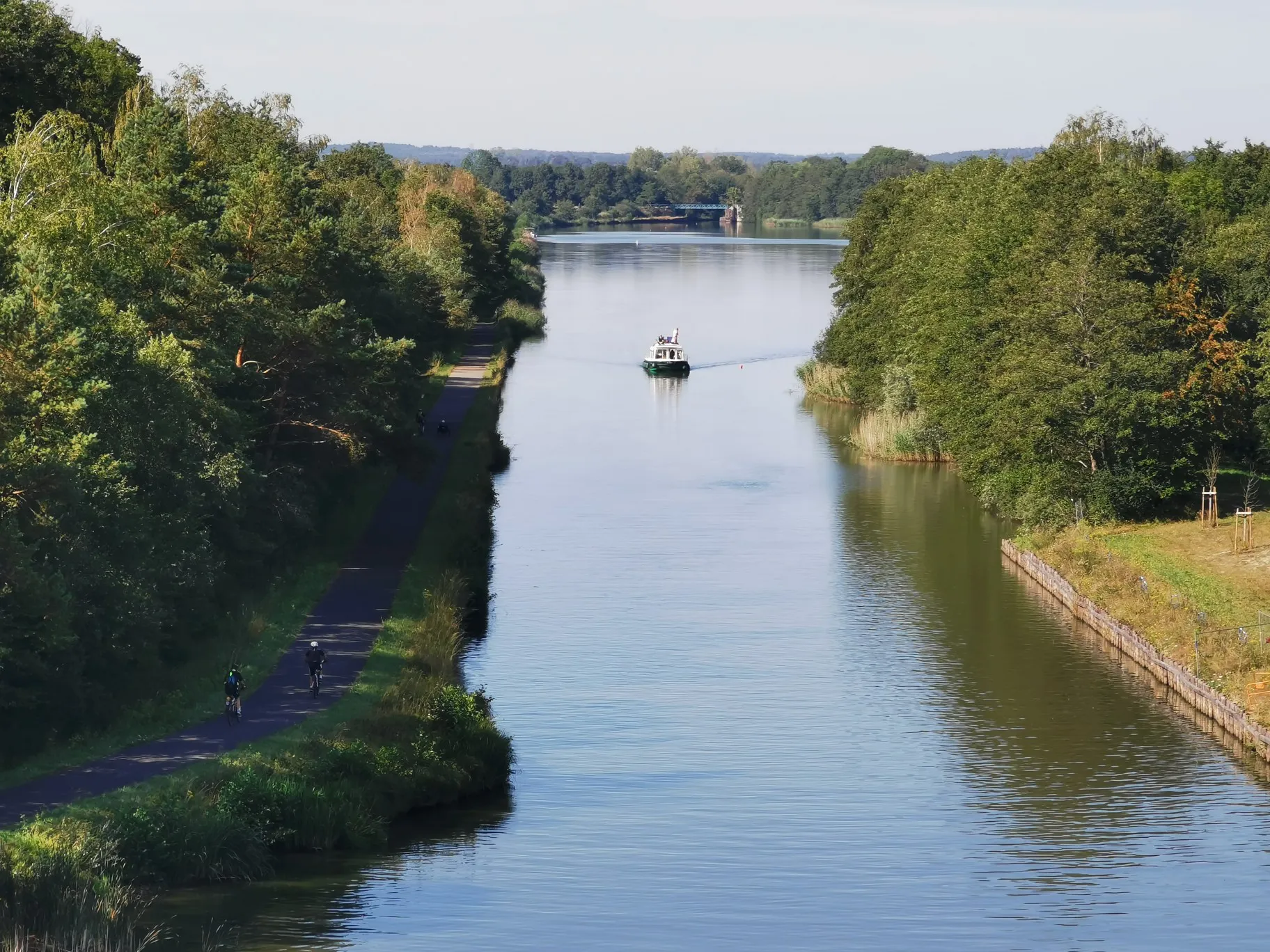
A river getaway – along the Marne-Rhine Canal
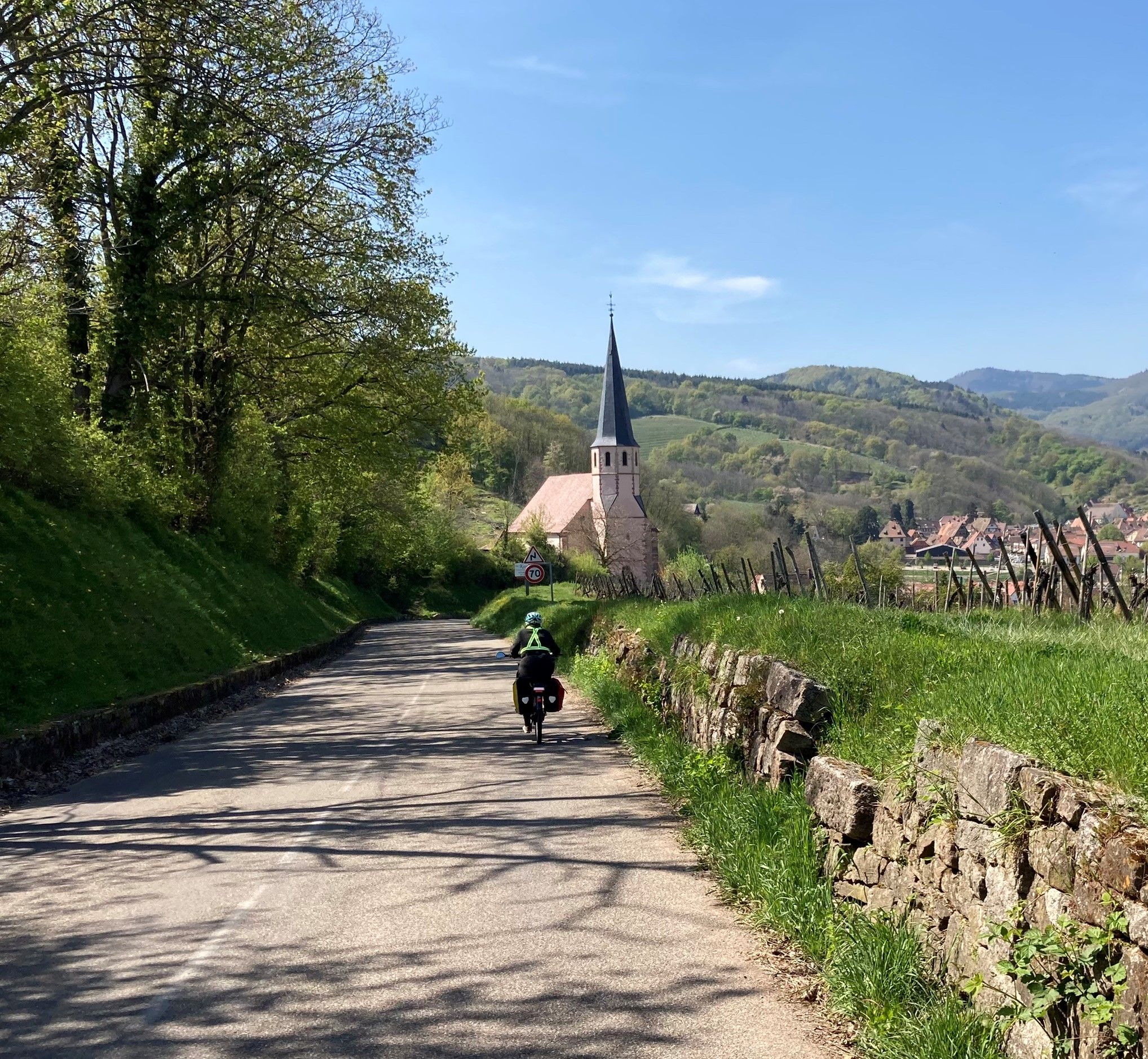
The Via Romea Francigena in Alsace-Moselle – EuroVelo 5
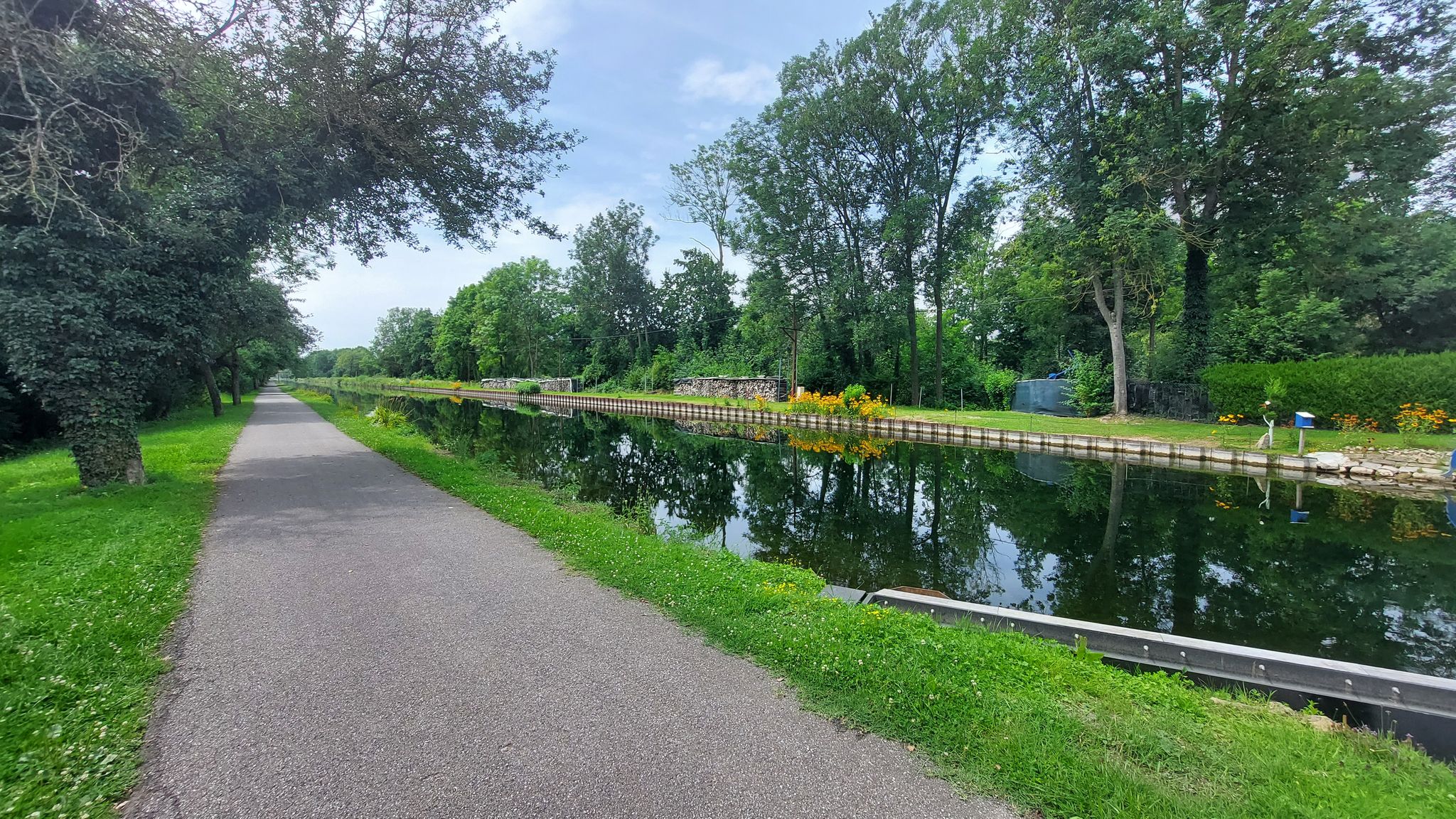
Alsace Along the Water – Rhine Cycle Route (EuroVelo 15)
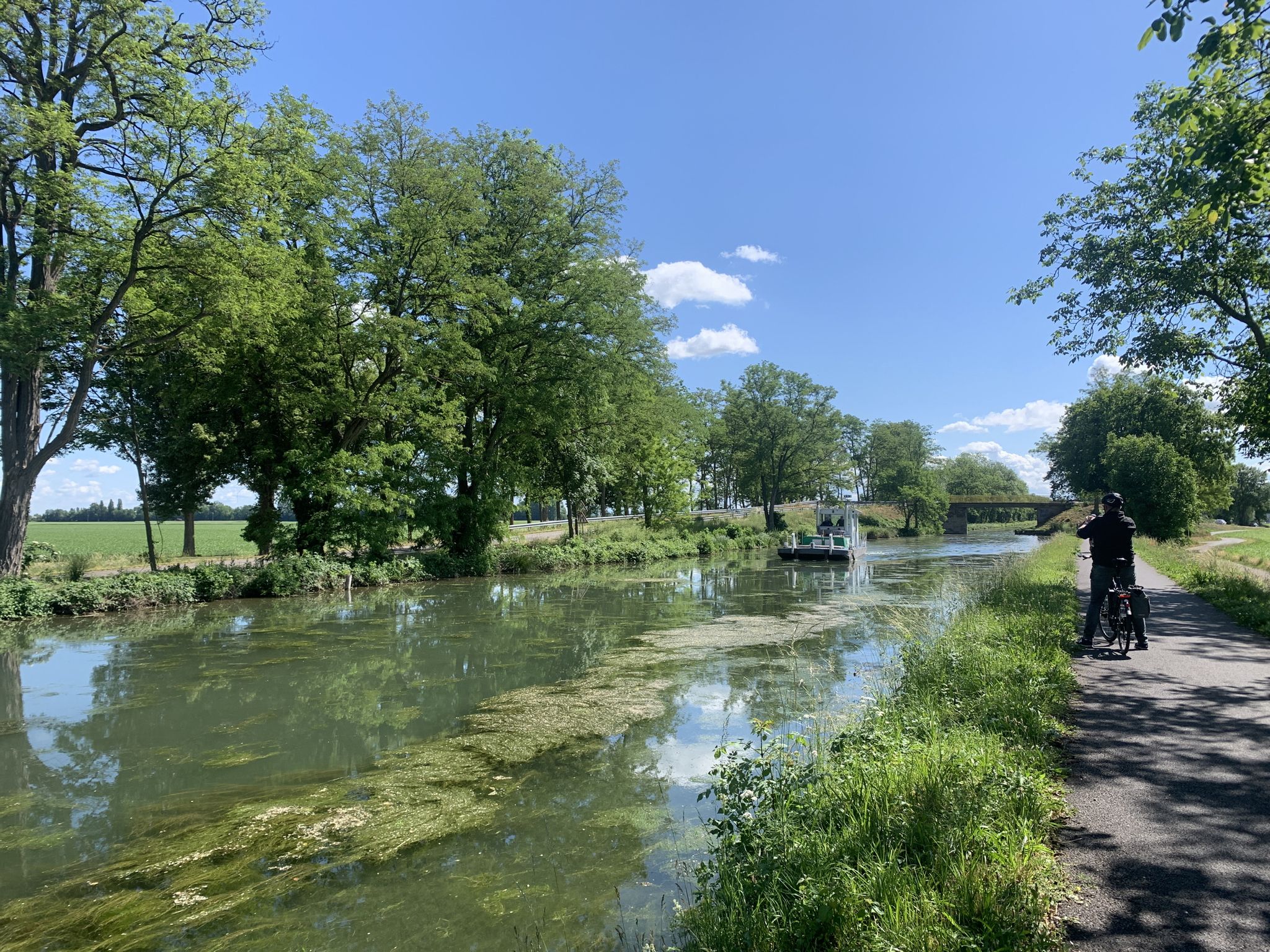
Along the canals and vineyards — Little Tour of Alsace
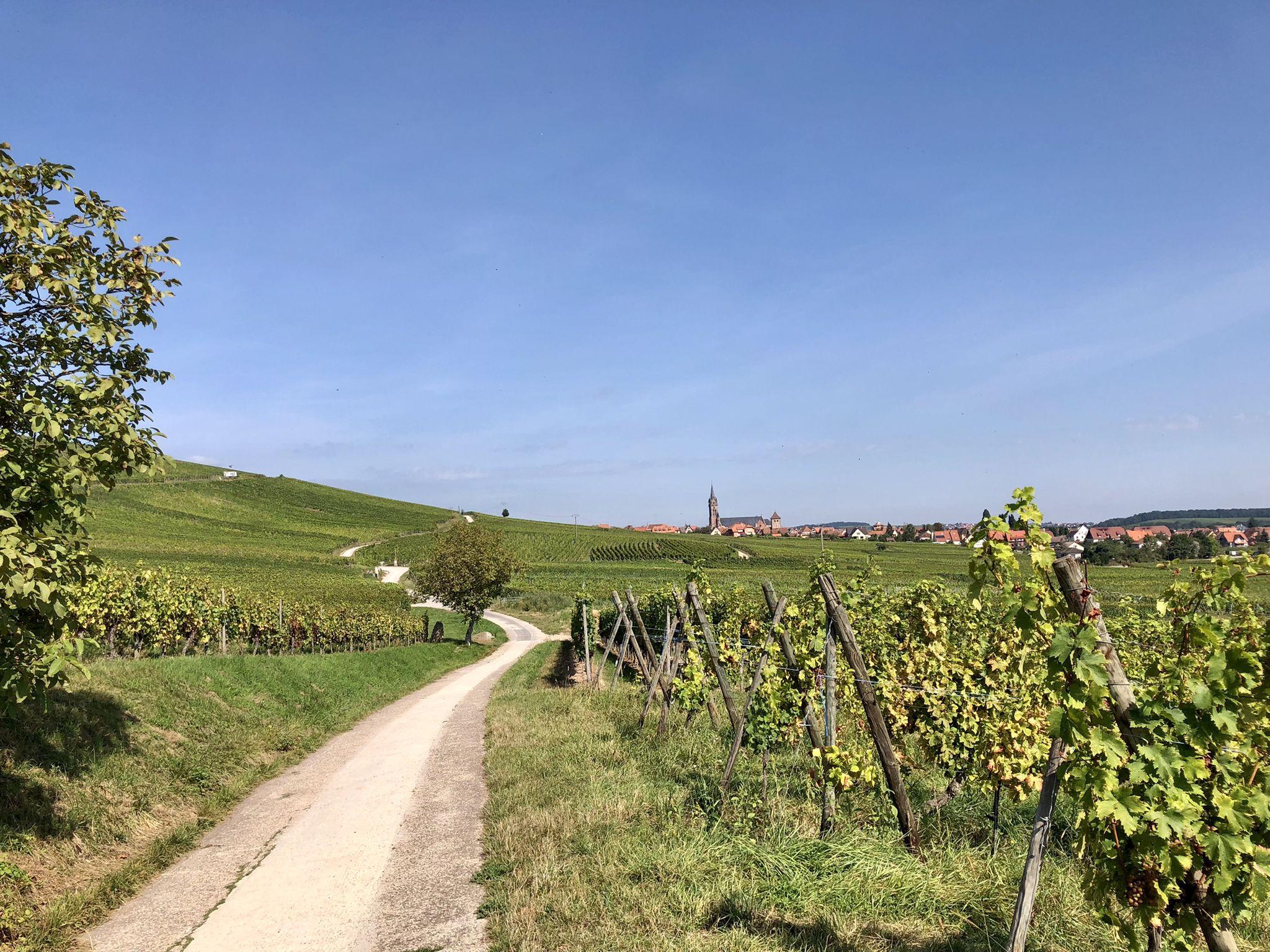
From Strasbourg to Mulhouse — the Alsace Vineyard Cycle Route
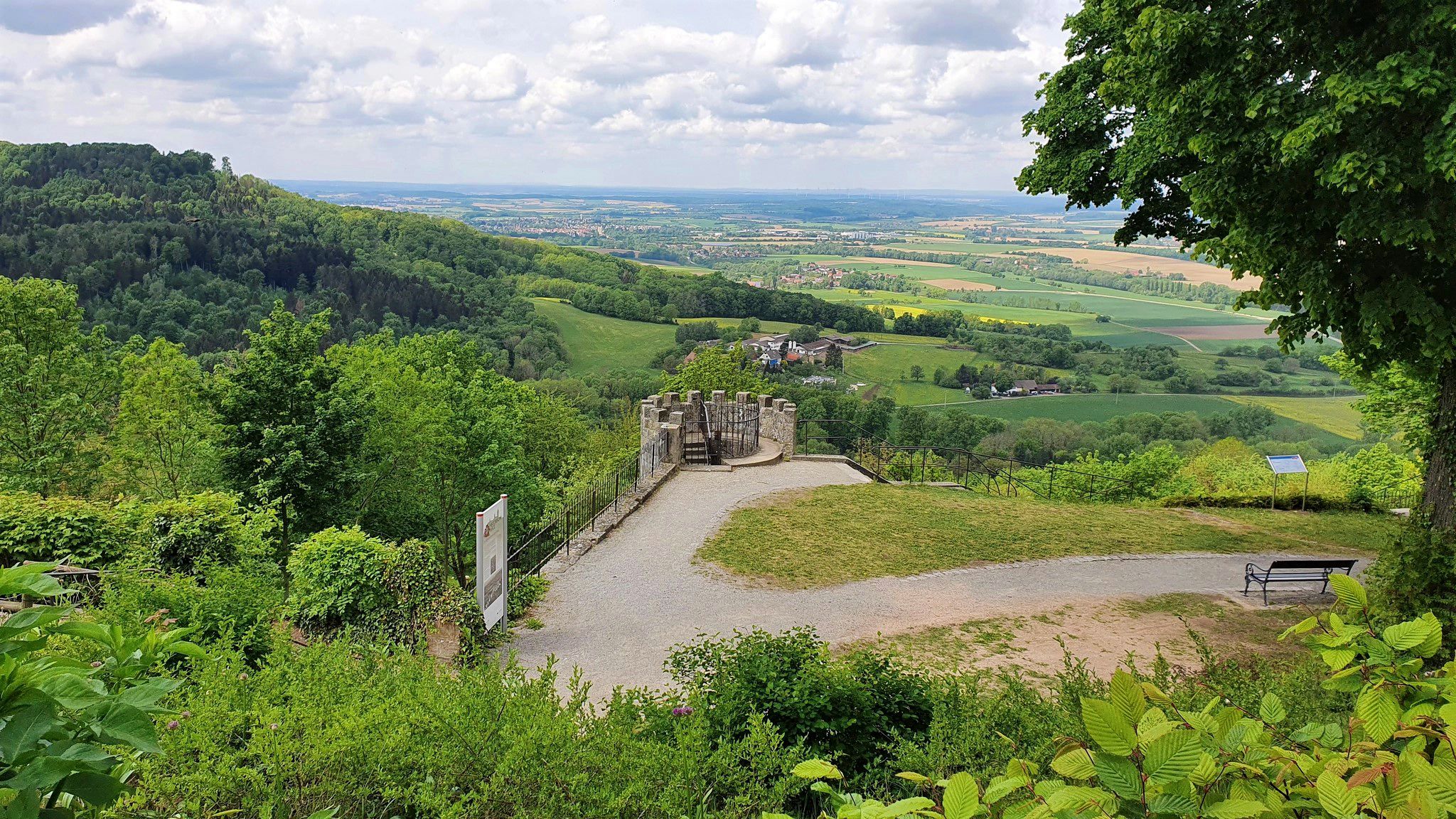
A cycling adventure from Paris to Prague – Pan-European Cycle Route
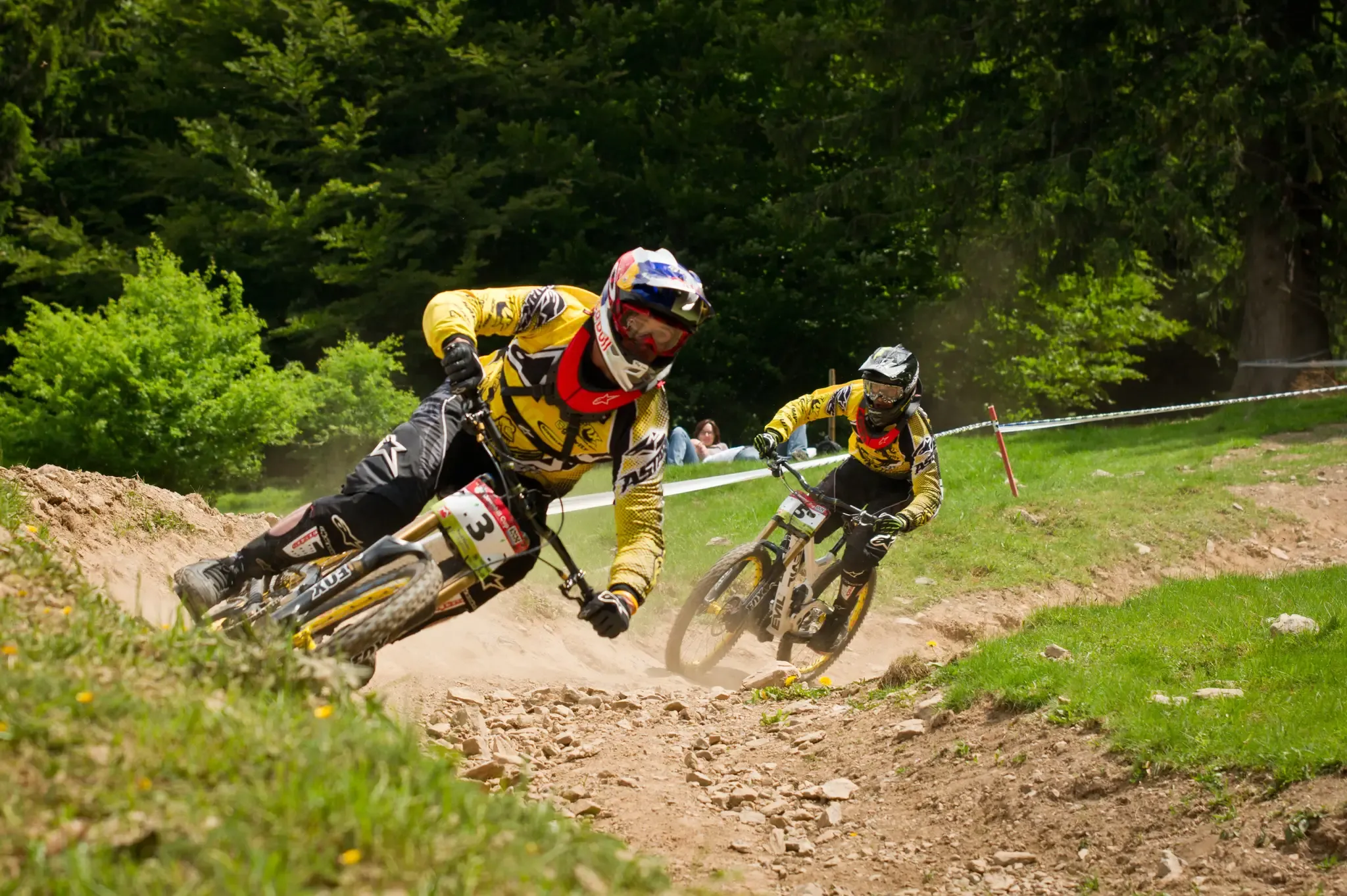
Bike parks around Baden-Württemberg
Other adventures around Straßburg


Tips from the Community

You have to experience it at least once!
0
0

Beautiful park 🤩 👌🏼
1
0

I wouldn't come specifically for the plane tree, but the area is still beautiful
0
0

The tree has had a good time.
1
0

Plane tree planted ca 1667
1
0

Palais du Rhin / Rhine Palace, city tour The Palais du Rhin: Former imperial palace and manifesto of political power A special feature of Strasbourg is the former German imperial palace, which was built by the Hohenzollerns as a political manifesto for the permanent annexation of the state of Alsace-Lorraine to the German Empire. In the plan for the expansion of the city adopted in 1880, the former Imperial Square (now Place de la République) is dominated to the west by the eclectic architecture of the Imperial Palace, a masterpiece of measures in the middle of a garden with many trees. The palace commissioned by Wilhelm I of Hohenzollern is the work of the Prussian architect Hermann Eggert. It was built between 1884 and 1889 and inaugurated by his grandson Wilhelm II. It is more a testament to political power than an imperial residence; the three gentlemen of Hohenzollern only lived here occasionally. Text / Source: CITY AND EUROMETROPOLE STRASBOURG https://int.strasbourg.eu/de/place/-/entity/sig/985_CUL_136
13
0

In the heart of Strasbourg's "German Quarter" lies the Place de la République. The square, formerly known as "Kaiserplatz", was built between 1871 and 1918 in the style of a park. It was part of the transformation of Strasbourg into the capital of the new imperial state of Alsace-Lorraine, after the region had belonged to the German Empire since 1870. This transformation is reflected in the monumental buildings of the new town, which is connected to the old town by the Place de la République. These buildings include the Palais du Rhin (Rhine Palace), the university library and the National Theater. Source: https://www.elsass-geniessen.de/de/themenreisen/Place+de+la+R%E9publique
2
1

a perfect break spot. The small waterfall is particularly pretty, in my opinion. The water is ALWAYS very clear.
5
1
Frequently Asked Questions
What unique natural monuments can I discover in Strasbourg?
Beyond the well-known spots, Strasbourg offers unique natural monuments like the Kalbsgiessen Waterfall, a refreshing spot for a break by a clear stream. You can also find the ancient London Plane Tree (Platanus x acerifolia) on Grande Île, planted around 1667. For a more immersive experience, explore the Wilderness in Réserve Naturelle de la Forêt d'Erstein, which offers a jungle-like environment off the main paths.
Are there family-friendly natural monuments around Strasbourg?
Yes, several natural monuments are great for families. The Parc de l'Orangerie is ideal with its wide-open green spaces, playgrounds, a mini-zoo, and free-roaming storks. The Kalbsgiessen Waterfall is also noted as family-friendly, offering a nice spot for a break. The Botanical Garden of Strasbourg University provides a peaceful and educational experience for all ages, with diverse plant collections.
What outdoor activities can I do near these natural monuments?
The natural monuments around Strasbourg are excellent starting points for various outdoor activities. You can find numerous cycling routes, such as the 'Robertsau Forest and Rhine Cycle Loop' or the 'Vélostras Ring Route 1', which are part of the Cycling around Straßburg guide. For hikers, trails like the 'Kalbsgiessen Waterfall – Château de Pourtalès loop' are available in the Hiking around Straßburg guide. The Forêt de la Robertsau is particularly popular for jogging, biking, and walking.
What kind of wildlife can I expect to see in Strasbourg's natural areas?
Strasbourg's natural monuments are home to diverse wildlife. The Parc de l'Orangerie is famous for its free-roaming storks, especially during breeding season. The Forêt de la Robertsau, a floodplain forest, is rich in biodiversity, offering opportunities to observe various tree species, birds, mammals, and insects, particularly around the Étang du Karpfenloch. The Rohrschollen Island National Nature Reserve is also known for its rare ecosystem and diverse birdlife.
Do any natural monuments in Strasbourg have historical significance?
Yes, several natural monuments in Strasbourg are steeped in history. The Parc de l'Orangerie, designed by Le Nôtre, dates back to the late 1600s and has been recognized as a historical monument since 1993. The Botanical Garden of Strasbourg University, established in 1619, is the second oldest botanical garden in France, functioning as a living museum. Additionally, the London Plane Tree on Grande Île was planted around 1667, making it a living historical landmark.
When is the best time to visit the natural monuments in Strasbourg?
The best time to visit depends on your preferences. Spring is particularly vibrant, with blooming flowers, magnolias, and Japanese cherry blossoms in the Parc de l'Orangerie. During hot summer days, the dense canopy of the Forêt de la Robertsau offers welcome shade, making it ideal for walks and bike rides. The Botanical Garden is a tranquil haven year-round, offering diverse collections in its tropical and cold greenhouses regardless of the season.
Are there natural monuments accessible by public transport in Strasbourg?
Many natural monuments in Strasbourg are well-connected by public transport. The Parc de l'Orangerie and the Botanical Garden of Strasbourg University are both centrally located and easily reachable within the city. The Forêt de la Robertsau is also conveniently located just 20 minutes from the city center, making it accessible for a quick escape into nature.
Can I find easy walking trails near Strasbourg's natural monuments?
Absolutely. The Parc de l'Orangerie offers leisurely strolls through its manicured gardens and along the lake. The Botanical Garden of Strasbourg University is perfect for quiet, meditative walks among its diverse plant collections. For slightly longer but still easy walks, the Forêt de la Robertsau features well-maintained paths suitable for all ages. You can also find easy hiking routes like the 'La Petite France – Strasbourg Cathedral loop' in the Hiking around Straßburg guide.
Are there any natural reserves or protected areas near Strasbourg?
Yes, Strasbourg is surrounded by significant natural reserves. The Forêt de la Robertsau is classified as a National Nature Reserve, recognized for its rich biodiversity as a floodplain forest. Additionally, the Rohrschollen Island National Nature Reserve, an alluvial forest on the banks of the Rhine, protects a rare ecosystem. These areas are crucial for local flora and fauna and offer valuable opportunities for nature observation.
What are some urban green spaces that are considered natural monuments in Strasbourg?
Within the city, the Parc de l'Orangerie stands out as a picturesque park with historical significance and natural beauty. The Botanical Garden of Strasbourg University is another key urban green space, offering a diverse collection of plants. The London Plane Tree on Grande Île is a specific natural monument within the urban fabric. These areas are part of Strasbourg's "Green Belt," integrating natural elements into the city's districts.
Are the natural monuments around Strasbourg dog-friendly?
Many natural areas around Strasbourg are welcoming to dogs, though specific regulations may apply. The Parc de l'Orangerie and the Forêt de la Robertsau are popular spots for dog walkers, offering ample space for exercise. It's always advisable to keep dogs on a leash and clean up after them to preserve the natural environment for everyone. For specific reserves like Rohrschollen Island, checking local signage for dog regulations is recommended.
Where can I find amenities like cafes or restaurants near these natural monuments?
For natural monuments within the city, such as the Parc de l'Orangerie and the Botanical Garden of Strasbourg University, you'll find numerous cafes, restaurants, and picnic spots nearby due to their central location. The Parc de l'Orangerie itself has amenities including picnic spots and exhibitions. For areas like the Forêt de la Robertsau, while more natural, you can typically find dining options in the surrounding neighborhoods of Strasbourg before or after your visit.
Most popular routes around Straßburg
Most popular attractions around Straßburg

Get inspired with the komoot mobile app


Didn’t find what you were looking for?
Find even more amazing natural monuments around Straßburg by checking out the top Highlights region by region:
Explore more
Extend your search for the best caves by checking out these guides of the top ones around Straßburg:
