Top 20 Natural Monuments around Martinique
Best natural monuments around Martinique include a diverse range of landscapes, from volcanic peaks to dense rainforests and unique coastal formations. The island's entire land and sea area was designated a World Biosphere Reserve in 2021, highlighting its ecological significance. In 2023, the volcanoes and forests of Mount Pelée and the Pitons of northern Martinique joined the UNESCO World Heritage list. This Caribbean island offers numerous opportunities to explore its geological wonders and rich biodiversity.
Best natural monuments around Martinique
…Last updated: July 2, 2026
Mount Pelée Trail
Highlight • Trail
Translated by Google •
Tip by

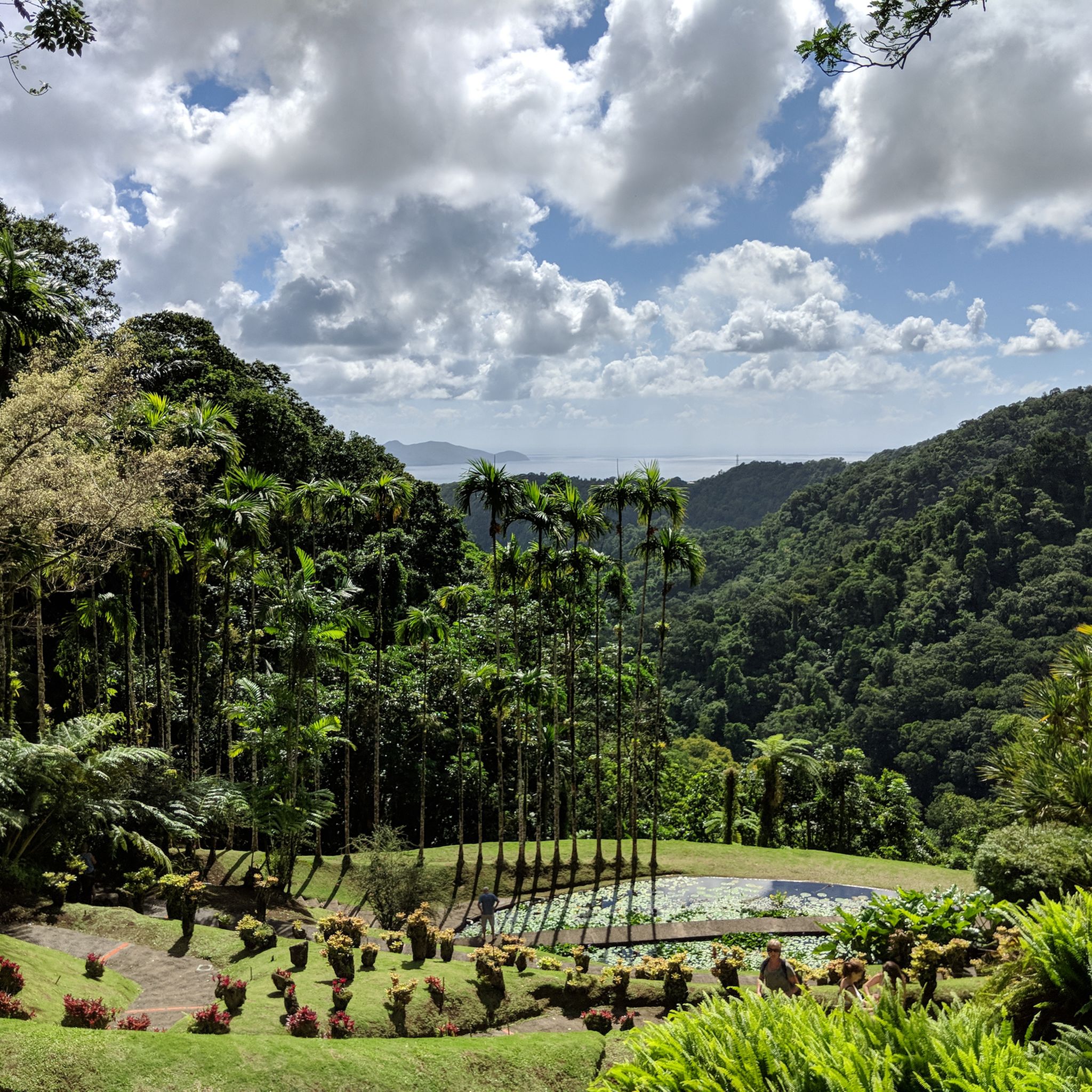
Jardin de Balata
Highlight • Natural Monument
Translated by Google •
Tip by

Sign up now to discover places like this
Get recommendations on the best single tracks, peaks, & plenty of other exciting outdoor places.
Sign up for free
Caravelle Lighthouse
Highlight • Monument
Translated by Google •
Tip by

Ascent to L'Aileron (Montagne Pelée)
Highlight • Climb
Translated by Google •
Tip by

Cliffs of La Trinité
Highlight • Natural Monument
Translated by Google •
Tip by
Le Chinois Summit
Highlight (Segment) • Summit
Rocks can be very slippery and have large gaps between them. Smooth-soled trainers used by many are not suitable. Boots or at …
Tip by

Balata Botanical Garden, Martinique
Highlight • Natural Monument
On an area of about 3 …
Translated by Google •
Tip by

View of Le Carbet from Piton Lacroix
Highlight • Viewpoint
Tip by
View of the Caravelle Peninsula coastline
Highlight • Viewpoint
Translated by Google •
Tip by
View of Baie du Trésor
Highlight • Viewpoint
Translated by Google •
Tip by

Sign up for free to discover even more natural monuments around Martinique.
Sign up for free
Already have an account?
Start today with a free account
Your next adventure awaits.
Login or Signup
Tips from the Community

This is a protected reserve; avoid bringing your animals.
0
0

A very difficult hike; it's astonishing how many people are wearing inadequate footwear. Steep ascents and descents with high steps, often slippery due to the frequent cloud cover. The final section from the third refuge to the summit of "Le Chinois" is only recommended for experienced hikers, as it consists almost entirely of boulders. It's also advisable to wear long trousers, as you'll frequently be scraping along bushes. The detour of about 150 meters to the summit cross to the left of the arrival point on the crater rim is a good path, but unfortunately very overgrown. Nevertheless, it's an absolutely worthwhile detour because the cross offers a fantastic view south across the entire island, and you can also look down into the crater.
0
0
Difficult hike, unmaintained trails, broken steps, lots of climbing and crevasses on the way up. Very cloudy at the summit despite arriving around 7 a.m. But very beautiful view of the Caldera Pass.
0
0

To do again
0
0
Very nice hike. To be avoided if it has rained a lot, some passages can become tricky.
0
0

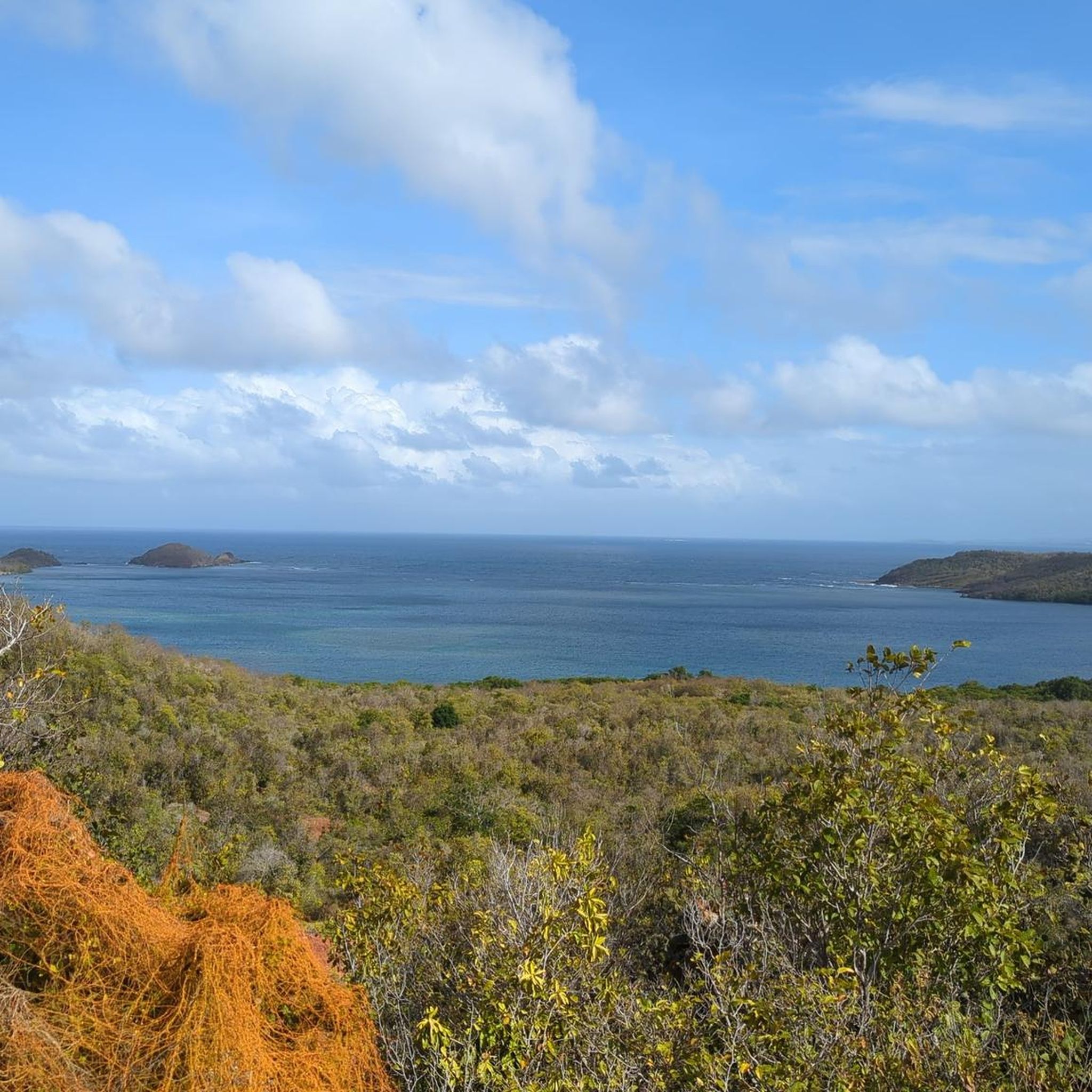
At the end of the Caravelle peninsula, there are magnificent views of the unspoiled coastline of this part of the island.
0
0

take enough water with you so you can enjoy the whole way
0
0
Frequently Asked Questions
What are some of the most popular natural monuments to visit in Martinique?
Martinique offers a diverse range of natural monuments. Highly appreciated by visitors are the Cliffs of La Trinité, which provide breathtaking views of the Atlantic Ocean and a wild coastline. Another favorite is the View of the Caravelle Peninsula coastline, offering magnificent vistas of this protected reserve's unspoiled shores.
Are there family-friendly natural monuments in Martinique?
Yes, Martinique has several natural monuments suitable for families. The Jardin de Balata (also known as Balata Botanical Garden) is an excellent choice, offering an impressive variety of tropical plants and immersive experiences for nature lovers of all ages. Its lush environment and easy paths make it enjoyable for families.
What kind of hiking trails can I find near Martinique's natural monuments?
You'll find a wide range of hiking trails. For example, the majestic Mount Pelée offers challenging ascents like the Mount Pelée Trail and the Ascent to L'Aileron, rewarding hikers with panoramic views. The Caravelle Peninsula also features diverse trails, including those leading to the Caravelle Lighthouse with its stunning ocean vistas. For easier options, you can explore easy hikes around Martinique, such as the Anse Couleuvre Waterfall loop or the Salines Beach loop.
What are the geological highlights of Martinique's natural monuments?
Martinique is a volcanic island, and its natural monuments showcase this geological history. Mount Pelée, a now dormant volcano, is the island's highest point and a prominent feature. The Le Chinois Summit is another challenging volcanic natural monument. The island also features unique coastal formations like the Cliffs of La Trinité and the iconic Diamond Rock, a spectacular volcanic rock rising from the ocean.
When is the best time to visit Martinique's natural monuments?
The dry season, typically from January to April, is generally considered the best time to visit Martinique's natural monuments. During this period, the weather is more stable with less rainfall, making hiking and outdoor activities more enjoyable. This is also when unique phenomena like Le Tombolo in Sainte-Marie, a sand bridge connecting an islet to the mainland, are accessible.
Are there any natural monuments with historical significance?
Yes, the Diamond Rock (Rocher du Diamant) is a natural monument with significant historical importance. This volcanic rock formation played a crucial role in naval battles during the Napoleonic Wars. While not directly featured in the highlights, its presence off the southern coast adds a historical layer to Martinique's natural landscape.
What outdoor activities can I do near these natural monuments?
Beyond hiking, Martinique offers various outdoor activities. You can find numerous running trails, such as the Coastal Trail loops, and diverse cycling routes, including those around Grande Terre des Salines Beach. Many natural monuments, especially coastal ones, are also popular for swimming, sunbathing, and exploring marine life.
What should I bring when visiting Martinique's natural monuments?
When exploring Martinique's natural monuments, especially for hikes, it's essential to bring enough water, particularly for longer or more challenging trails like those on Mount Pelée. Sun protection (hat, sunscreen), insect repellent, comfortable hiking shoes, and a camera to capture the stunning views are also highly recommended. Some areas, like the Caravelle Peninsula, are protected reserves, so be mindful of local regulations.
Where can I find less crowded natural monuments in Martinique?
While popular sites can attract visitors, many natural monuments offer opportunities for solitude. Exploring the vast tropical rainforests, which cover nearly 40% of the island, can lead you to less frequented waterfalls like Couleuvre Waterfall. The Savane des Pétrifications, a unique desert-like former volcanic site, also offers a distinct and often quieter experience compared to more well-known spots.
What kind of views can I expect from Martinique's natural monuments?
The views are incredibly diverse and often breathtaking. From the Ascent to L'Aileron (Montagne Pelée), you can expect panoramic vistas of the island, the caldera, and the Atlantic Ocean. Coastal viewpoints like the View of Baie du Trésor and the View of Le Carbet from Piton Lacroix offer stunning perspectives of the coastline and lush landscapes.
Are there any natural monuments that are particularly unique to Martinique?
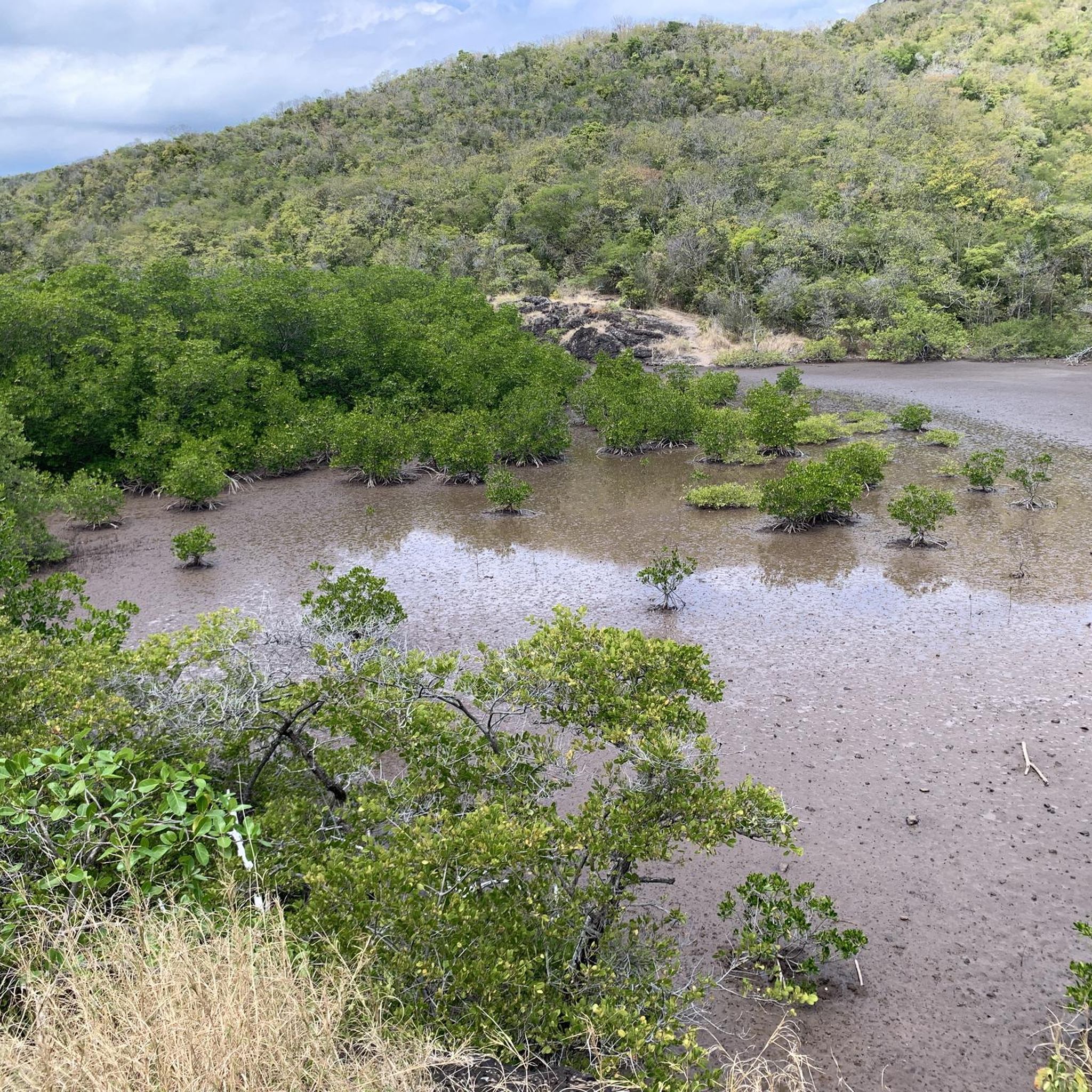
Yes, Martinique boasts several unique natural monuments. The Le Tombolo in Sainte-Marie is a remarkable natural phenomenon where a sand bridge connects an islet to the mainland annually. The extensive mangrove ecosystems, covering nearly 4500 acres, are also distinctive, serving as vital buffer zones and supporting unique vegetation. The Savane des Pétrifications, with its desert-like mineral tones, offers a stark contrast to the island's usual lush greenery.
Most popular routes around Martinique
Most popular attractions around Martinique

Get inspired with the komoot mobile app


Didn’t find what you were looking for?
Find even more amazing natural monuments around Martinique by checking out the top Highlights region by region:
Explore more
Extend your search for the best caves by checking out these guides of the top ones around Martinique:
