Top 20 Natural Monuments around Le Plessis-Robinson
Best natural monuments around Le Plessis-Robinson offer a blend of historical context and diverse natural environments. Le Plessis-Robinson features several natural spaces, including parks, ponds, and woodlands, providing opportunities to connect with nature. The area is characterized by its green natural environment, with a significant portion covered by woods and parks. These sites present a variety of flora and fauna, alongside historical structures.
Best natural monuments around Le Plessis-Robinson
- The most popular natural monuments is Ponds of Parc des Côtes…
Last updated: July 2, 2026
Saint-Michel Bridge
Highlight • Bridge
Source: de.parisinfo.com/transportmittel/73150/Fontaine-Saint-Michel
Translated by Google •
Tip by

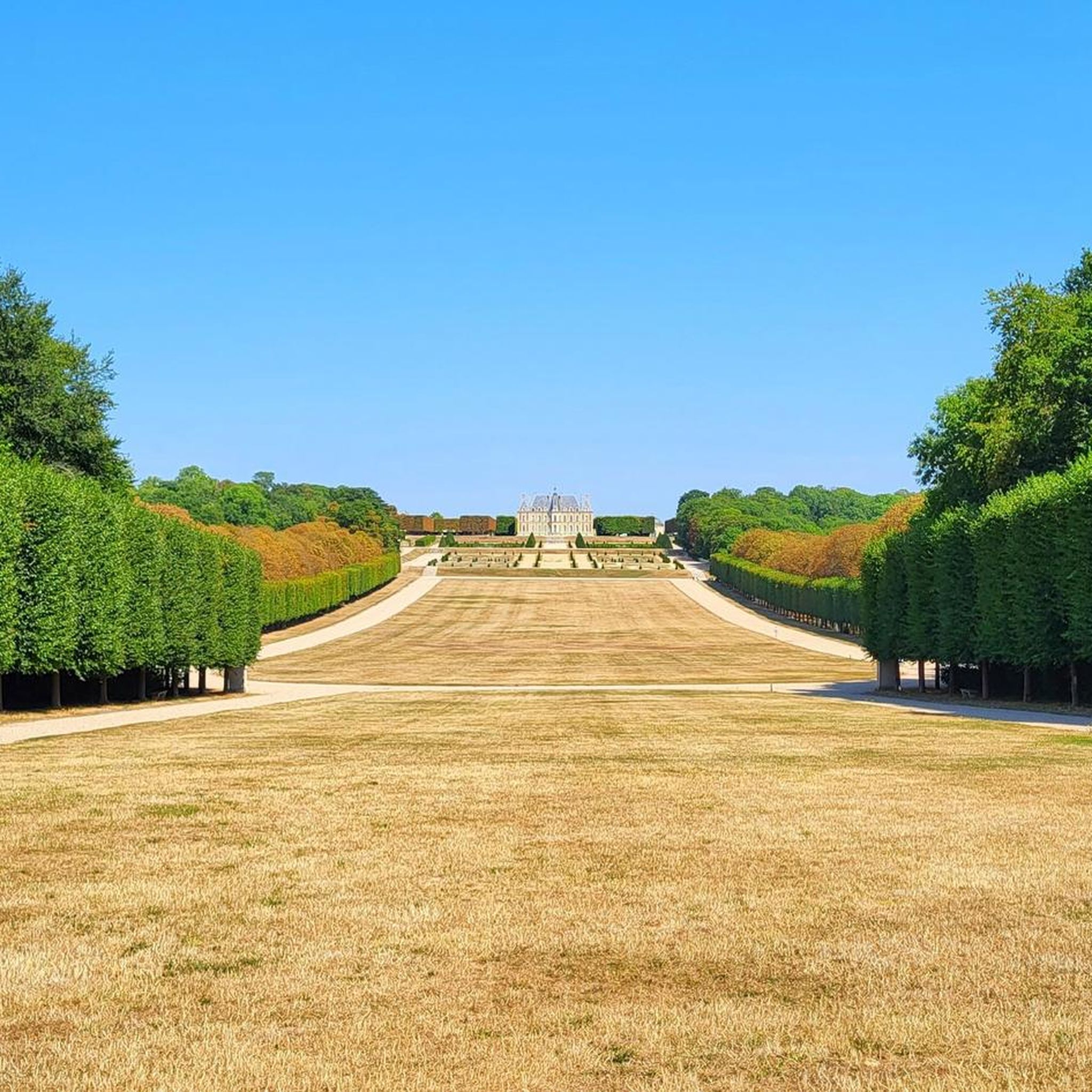
View of the Château de Sceaux
Highlight • Viewpoint
Translated by Google •
Tip by

Sign up now to discover places like this
Get recommendations on the best single tracks, peaks, & plenty of other exciting outdoor places.
Sign up for free
Grande Cascade of Saint-Cloud Park
Highlight • Waterfall
Ducks, swans and nutria everywhere!
Translated by Google •
Tip by

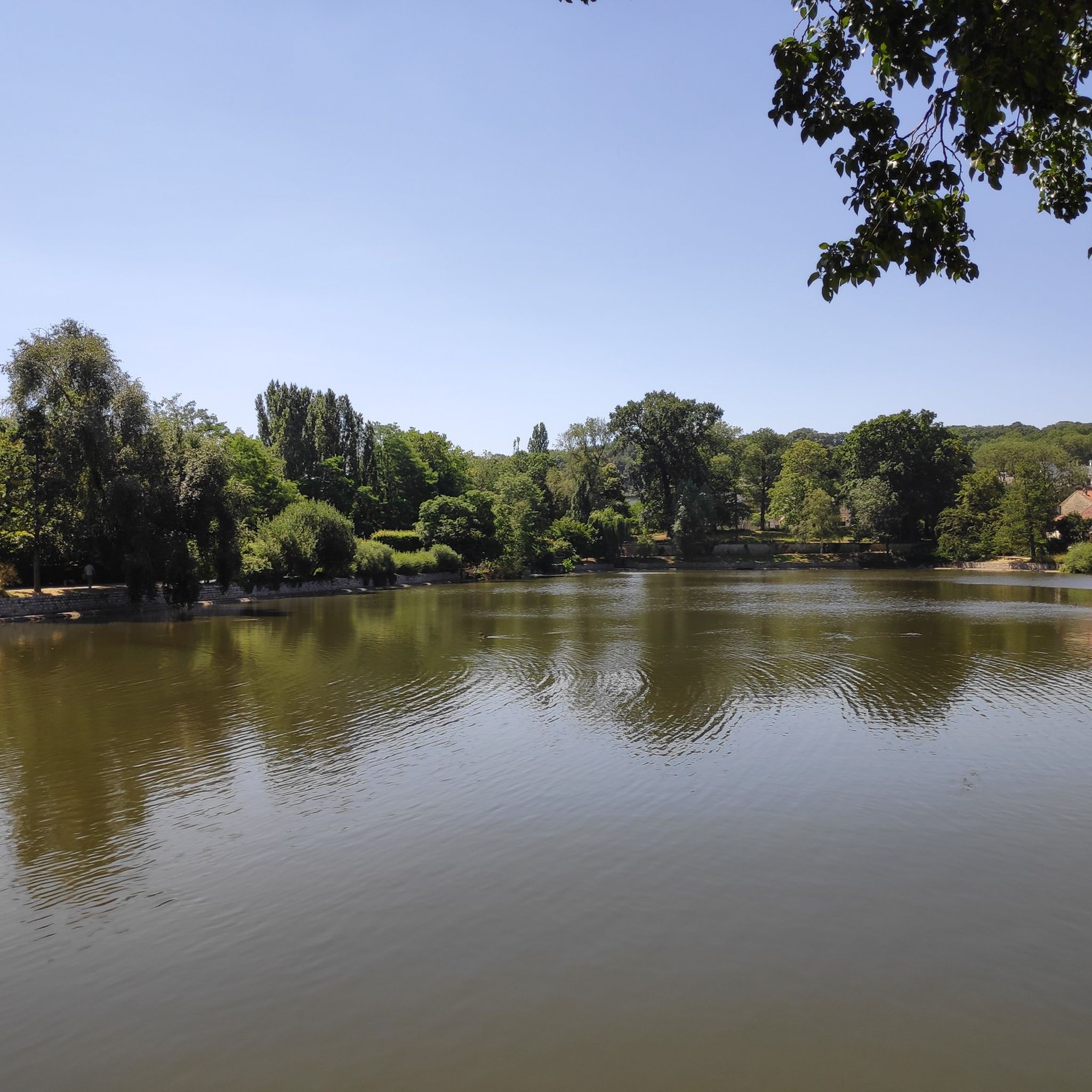
Ponds of Parc des Côtes Montbron
Highlight • Lake
Located in the town of Jouy-en-Josas, the Parc des Côtes Montbron, acquired by the Department for sensitive natural areas, has been …
Translated by Google •
Tip by

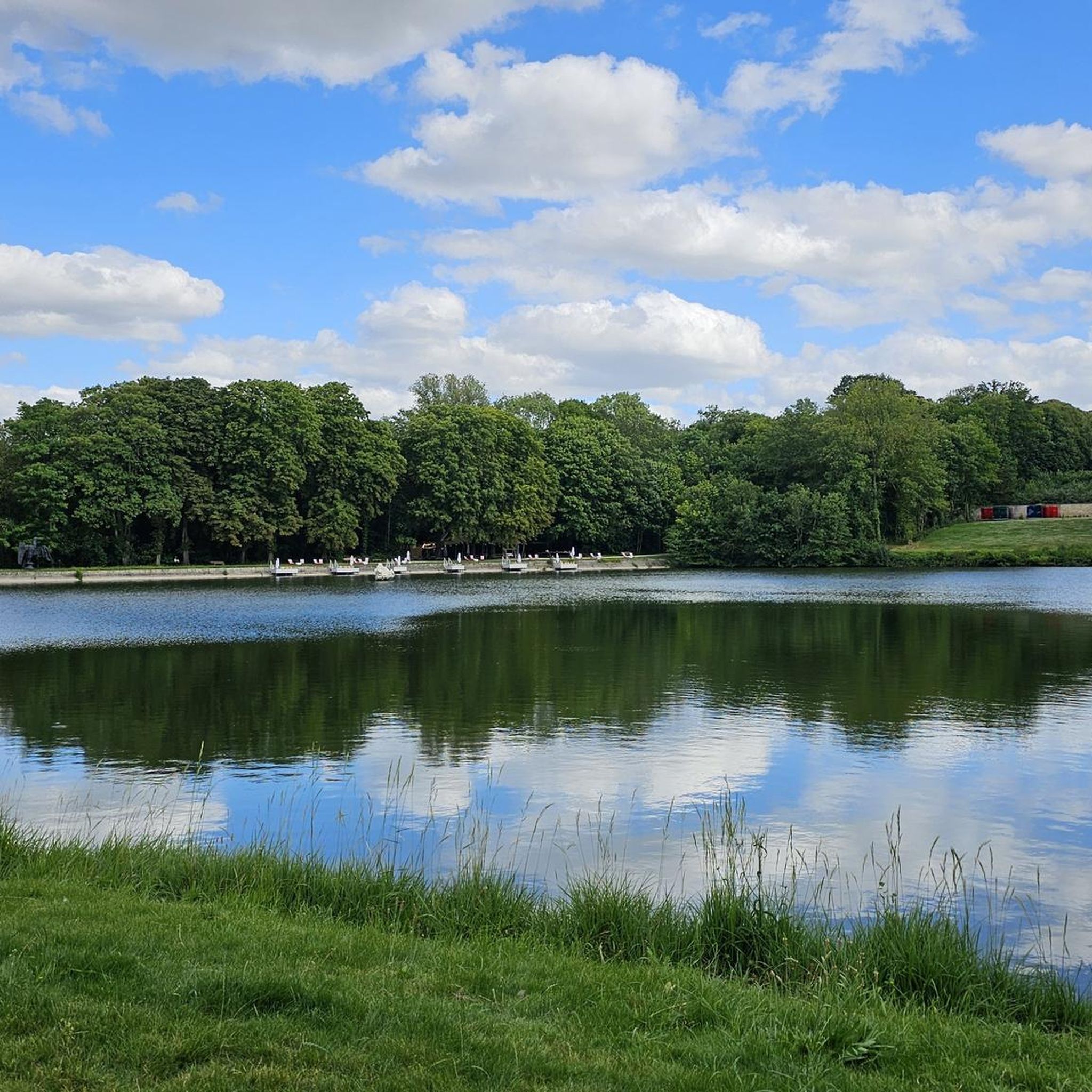
Vallée-aux-Loups Arboretum
Highlight • Forest
Translated by Google •
Tip by

Sign up for free to discover even more natural monuments around Le Plessis-Robinson.
Sign up for free
Already have an account?
Start today with a free account
Your next adventure awaits.
Login or Signup

Tips from the Community

Hello, thank you, Jonathan, for this information. Bicycles are prohibited in the Vallée aux Loups departmental estate; however, the estate and the Maison de Chateaubriand have become Accueil Vélo (Cycle-Friendly). What is the "Accueil Vélo" label? Accueil Vélo is a national label that guarantees a welcome and services adapted to cyclists within 5 km of the Véloscénie (Paris/Mont-Saint-Michel). You benefit from: easy and secure access to park your bike (rings are available at the entrance to the arboretum and at the Maison de Chateaubriand), a water point available, useful equipment such as a bicycle pump, tourist information nearby, and a team sensitive to your needs as a cyclist!
0
0

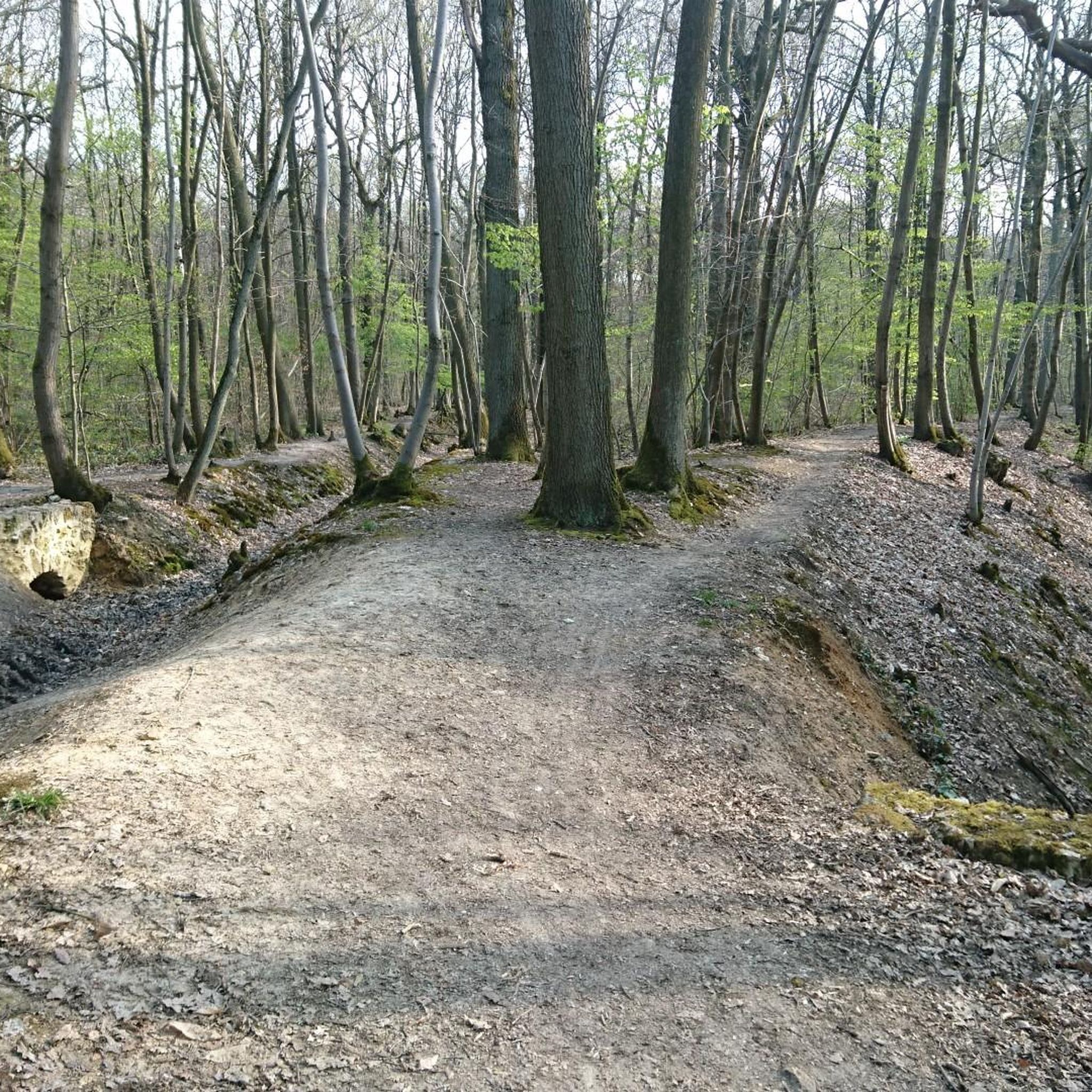
Viltain Farm then the singletrack further west is a little paradise. Landslide (04/2025) on the way back
0
0
Dedicated to botany since its creation in the 18th century, the Arboretum is home to nearly 500 species of trees and shrubs over an area of 12.7 hectares. It was initially designed as an English garden in 1890. The century-old trees constitute a unique landscape and horticultural heritage, the most exceptional of which is the weeping blue cedar with a 680 m² surface area of branches.
0
0

Why Visit Pont Saint-Michel? Architecture and History: Admire the bridge’s classical architecture and learn about its history through its various reconstructions. Spectacular Views: Enjoy breathtaking views of the Seine, Île de la Cité, and Notre-Dame Cathedral, perfect for memorable photos. Central Location: Use the bridge as a base to explore Paris’s major attractions nearby. Parisian Vibe: Soak up the lively and historic ambiance of the surrounding neighborhood, with its cafés, restaurants, and boutiques. Pont Saint-Michel is a vital part of Parisian heritage, providing both practical functionality and aesthetic appeal in one of the city’s most picturesque and historic neighborhoods.
4
0
The Pont Saint-Michel is a historic bridge that crosses the Seine in Paris, connecting the Île de la Cité, where the famous Notre-Dame de Paris is located, to the Latin Quarter on the left bank. It is an iconic bridge, both for its history and its central location in the city. Features of the Pont Saint-Michel: Architecture: The Pont Saint-Michel is a stone bridge, built in a classical style. It features an arched structure and sculpted ornaments that add to its historical charm. It is characterized by its elegant arches and architectural details, reflecting the style of Parisian urban architecture of the early 20th century. History: The current bridge was built between 1857 and 1859, replacing an older version dating from the Middle Ages. The original medieval bridge had been rebuilt several times over the centuries before being replaced by the current structure. The Pont Saint-Michel is thus the result of a series of reconstructions that resulted in its current form. Location: Pont Saint-Michel is located in a strategic location in Paris, connecting the Île de la Cité to the Latin Quarter. This location is in the heart of Paris, offering magnificent views of the Seine River, the surrounding historic buildings, and the Notre-Dame de Paris. Function: The bridge plays a key role in the connectivity between the two banks of the Seine. It is used by pedestrians, cyclists, and vehicles, facilitating access to many important tourist sites and neighborhoods on both sides of the river. Visibility: Due to its central location and elegant architecture, Pont Saint-Michel is a popular spot for photographers and visitors. It offers picturesque views of the Seine River, Notre-Dame Cathedral, and the historic buildings of the Latin Quarter. Proximity to Attractions: The bridge is close to several major Paris attractions, including Notre-Dame Cathedral, the Palais de Justice, and the Latin Quarter. It is also close to many cafes, restaurants, and shops, making it a convenient place to explore the city.
4
0

One of the many ways to cross the Seine.
9
0

Built in the middle of the 19th century, the castle is located in a vast park. There is the museum of the Domaine Départemental de Sceaux. Created in 1973, it offers collections in its four main sites: the castle, the orangery, its gardens and the old renovated stables. All information on visiting the estate: https://parisjetaime.com/culture/domaine-departemental-de-sceaux-p1064.
2
0

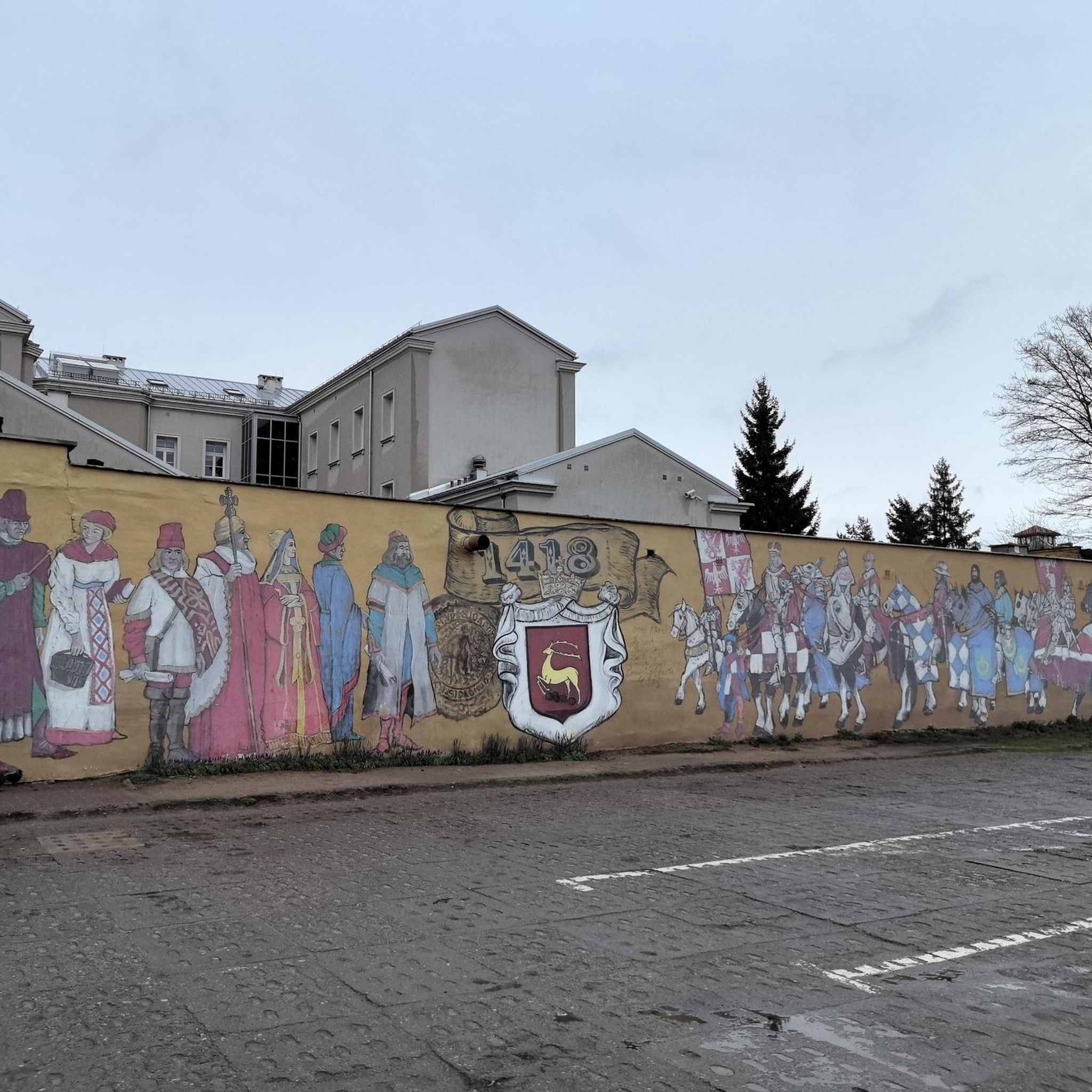
This monumental, historic fountain complex is located in the middle of the Latin Quarter.
7
0
Frequently Asked Questions
What natural features can I explore in Le Plessis-Robinson?
Le Plessis-Robinson offers a variety of natural features, from expansive parks to tranquil ponds and woodlands. You can discover the diverse ecosystems of Parc Henri Sellier, known for its ancient oaks and a giant sequoia, or the historical Étang Colbert, a pond originally created to supply water to the Château de Sceaux. The Bois de la Garenne provides a natural retreat with historical connections, and the Parc de la Vallée aux Loups offers extensive green spaces. Additionally, the Ponds of Parc des Côtes Montbron feature a stream and three ponds bordered by meadows and woods, creating a rich mosaic of natural environments.
Are there natural monuments with historical significance in Le Plessis-Robinson?
Yes, several natural monuments in Le Plessis-Robinson are steeped in history. Parc Henri Sellier is a legacy of a former seigneurial domain, featuring a 17th-century terrace with views of the Bièvre valley. The Étang Colbert was excavated in 1682 by Jean-Baptiste Colbert himself. The Saint-Michel Bridge, though man-made, is a historical monument originally built in 1378. You can also find historical context at the View of the Château de Sceaux and the Latona Fountain, both connected to significant historical estates.
Which natural monuments are suitable for families with children?
Many natural monuments around Le Plessis-Robinson are family-friendly. The Ponds of Parc des Côtes Montbron offer easy trails and a pleasant setting for all ages. The View of the Château de Sceaux provides open spaces for children to explore, and the Grande Cascade of Saint-Cloud Park is particularly popular with children who enjoy exploring behind the waterfall. The historical Latona Fountain and Saint-Michel Bridge are also accessible and interesting for families.
What kind of wildlife can I observe in the natural monuments?
The natural monuments in Le Plessis-Robinson are home to diverse wildlife. Parc Henri Sellier is particularly rich, supporting 32 species of nesting birds and 11 species of mammals. The Étang Colbert is a pleasant spot for bird observation. In the Bois de la Solitude, part of the Bois de la Garenne, you might even spot a small colony of wild orchids, such as *Epipactis helleborine*, adding to the ecological value of the area.
Are there opportunities for hiking or walking near these natural monuments?
Yes, the area around Le Plessis-Robinson offers numerous opportunities for hiking and walking. You can find various trails that connect to or pass by these natural monuments. For detailed routes and options, explore the Hiking around Le Plessis-Robinson guide, which includes routes like the 'Les Trois Mares – Carrefour de l'obélisque loop from Châtenay-Malabry' and the 'Chateaubriand Castle – Weeping Blue Atlas Cedar loop from Antony'.
Can I go mountain biking near the natural monuments?
Absolutely. The region provides excellent mountain biking opportunities. The MTB Trails around Le Plessis-Robinson guide features routes such as the 'Trou aux Gants Pond – Descent into the undergrowth loop from Robinson' and the 'Sceaux Castle loop from Robinson', allowing you to combine your ride with visits to nearby natural and historical sites.
What are the best times to visit the natural monuments in Le Plessis-Robinson?
The natural monuments are enjoyable year-round, but spring and autumn often offer the most pleasant conditions for exploring. In spring, you can witness the blooming flora, such as the hyacinths at the Ponds of Parc des Côtes Montbron, and the cherry blossoms near the Château de Sceaux. Autumn brings vibrant foliage, particularly in parks like Parc Henri Sellier with its many oaks, chestnuts, and beeches. Summer is also great for longer days, while winter walks can offer a serene experience.
Are there any 'remarkable trees' to see in Le Plessis-Robinson?
Yes, Le Plessis-Robinson is known for its green environment, and individual remarkable trees are indeed recognized. Parc Henri Sellier is home to notable examples, including a majestic cedar of Lebanon and a giant sequoia, both planted around 1860. These trees, distinguished by their age, size, and species, offer unique aesthetic and ecological value, providing significant botanical interest for visitors.
What do visitors enjoy most about the natural monuments in this area?
Visitors frequently appreciate the blend of natural beauty and historical context. The tranquility of places like the Ponds of Parc des Côtes Montbron, the panoramic views from the terrace in Parc Henri Sellier, and the historical grandeur associated with sites like the Château de Sceaux are often highlighted. The opportunity for peaceful walks, observing wildlife, and discovering ancient trees also contributes to a highly valued experience.
Are there running trails available near the natural monuments?
Yes, if you enjoy running, there are several trails in the vicinity of Le Plessis-Robinson's natural monuments. The Running Trails around Le Plessis-Robinson guide offers routes such as the 'Clamart wood – Garenne Pond loop from Antony' and the 'Obelisk Crossroads – Carrefour de l'obélisque loop from Le Plessis-Robinson', providing scenic options for your run.
Is public transport available to reach these natural monuments?
Many natural monuments in and around Le Plessis-Robinson are accessible by public transport. For instance, the Ponds of Parc des Côtes Montbron are accessible via the Petit Jouy station on RER line C. Specific routes and accessibility details can vary for each location, so it's advisable to check local transport information for your chosen destination.
Most popular routes around Le Plessis-Robinson
Most popular attractions around Le Plessis-Robinson

Get inspired with the komoot mobile app


Explore more
Extend your search for the best caves by checking out these guides of the top ones around Le Plessis-Robinson:
