Top 7 Natural Monuments around Villeneuve-Lès-Maguelone
Best natural monuments around Villeneuve-Lès-Maguelone are characterized by a diverse natural landscape, including extensive lagoon systems and protected reserves. This area in the Hérault department of France is known for its rich biodiversity, particularly for migratory birds. The region features a mosaic of freshwater and saltwater environments, offering varied habitats for numerous species. It serves as a significant ecological zone, providing opportunities for nature observation and exploration.
Best natural monuments around Villeneuve-Lès-Maguelone
- The most popular natural monument is Wooden boardwalk…
Last updated: May 4, 2026
Salines de Villeneuve Nature Reserve
Highlight (Segment) • Natural Monument
Translated by Google •
Tip by

Wooden boardwalk at the Méjean Nature Reserve
Highlight (Segment) • Bridge
Translated by Google •
Tip by

Sign up now to discover places like this
Get recommendations on the best single tracks, peaks, & plenty of other exciting outdoor places.
Sign up for free
Montpellier Botanical Garden
Highlight (Segment) • Forest
Translated by Google •
Tip by

Salins de Frontignan
Highlight (Segment) • Natural Monument
Translated by Google •
Tip by

Valadière Spring
Highlight • Natural Monument
Translated by Google •
Tip by

Sign up for free to discover even more natural monuments around Villeneuve-Lès-Maguelone.
Sign up for free
Already have an account?
Start today with a free account
Your next adventure awaits.
Login or Signup
Popular around Villeneuve-Lès-Maguelone
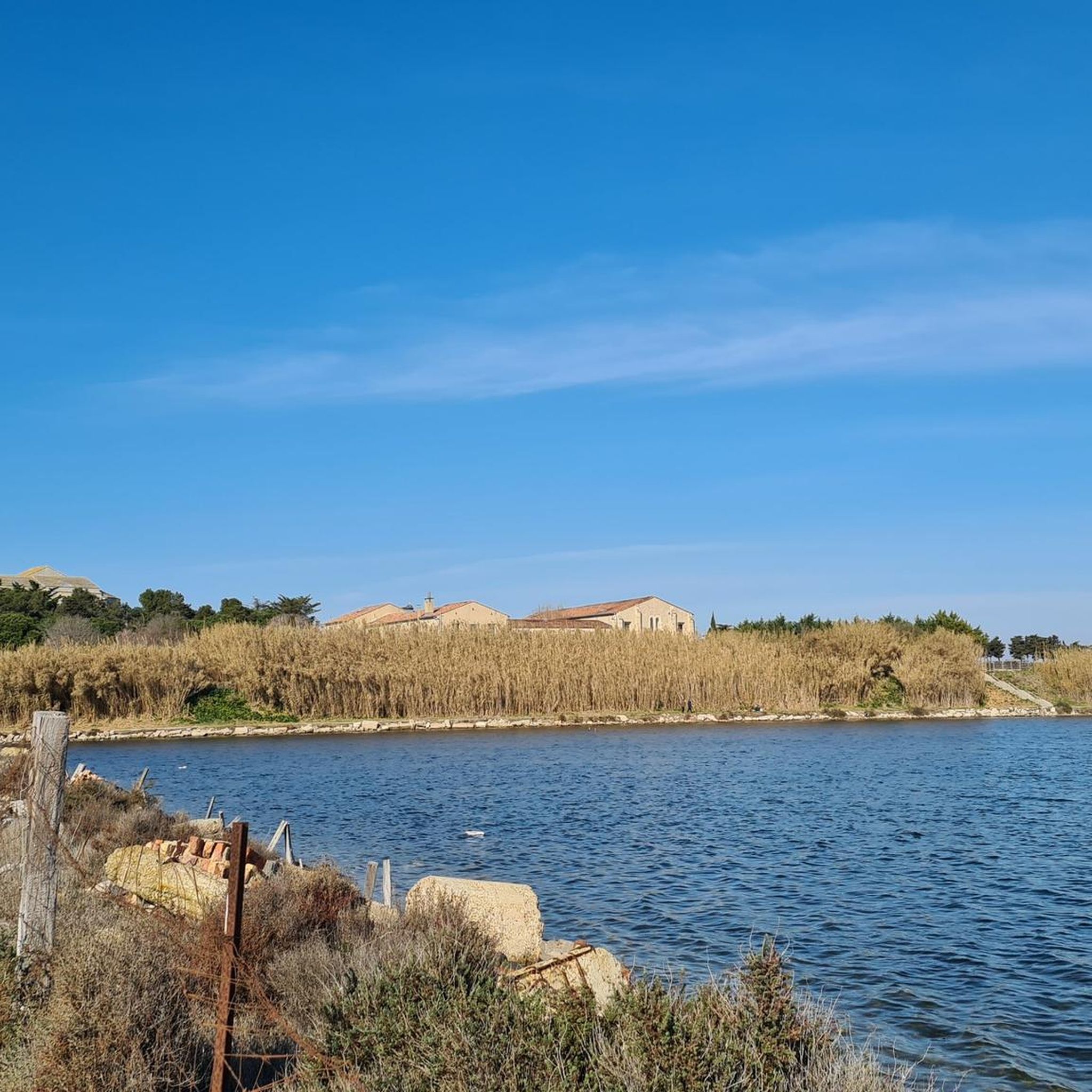
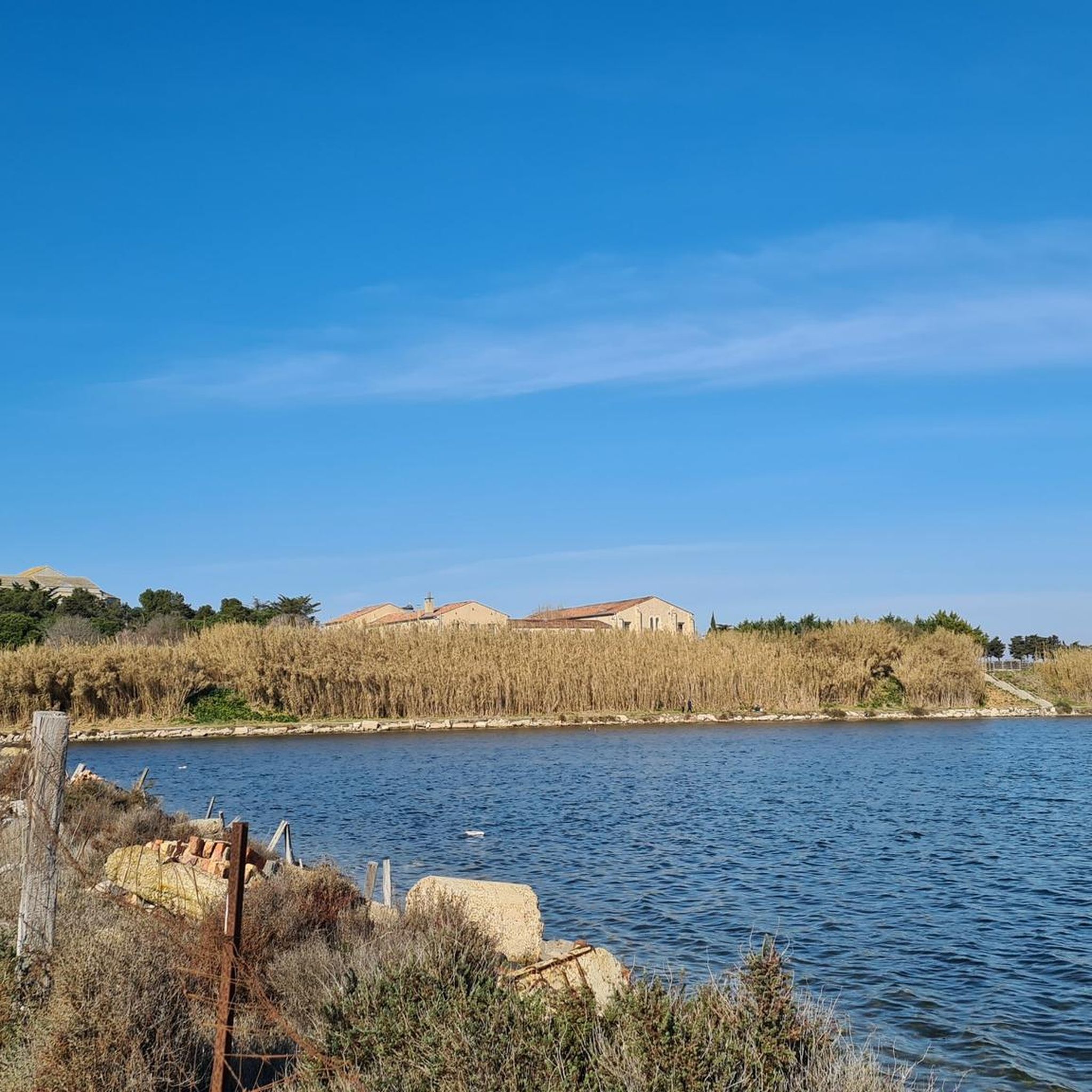
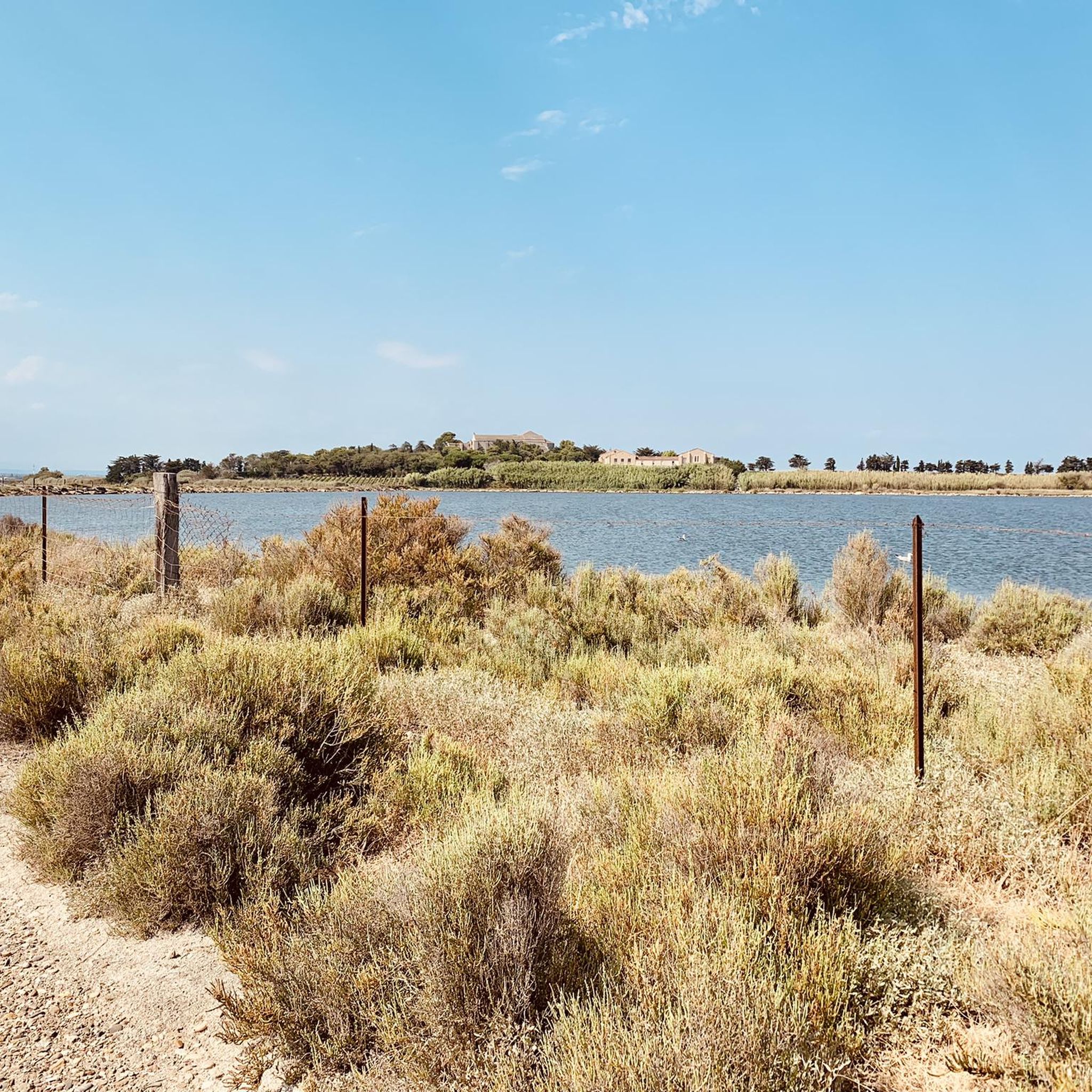
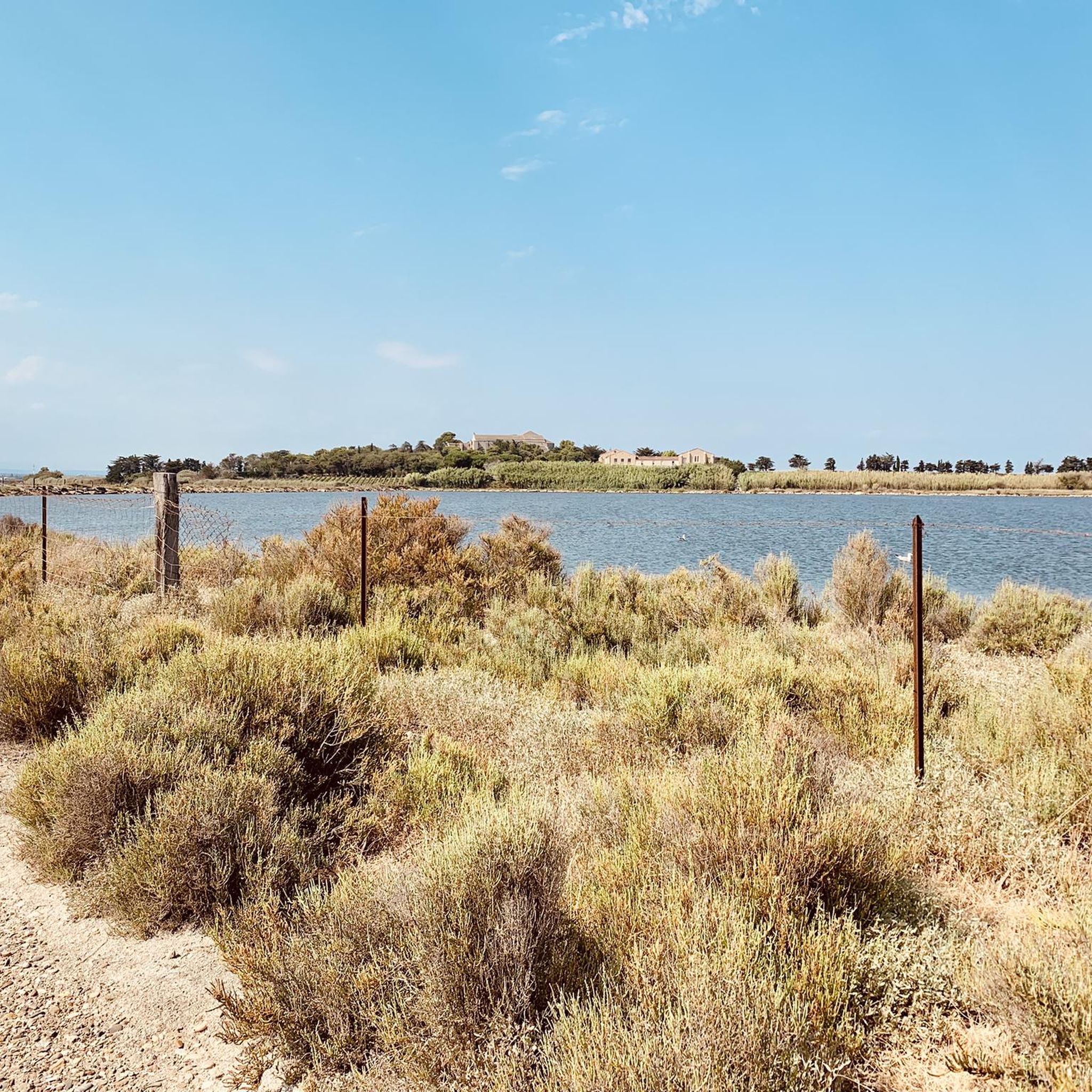
Tips from the Community


A beautiful natural space
0
0

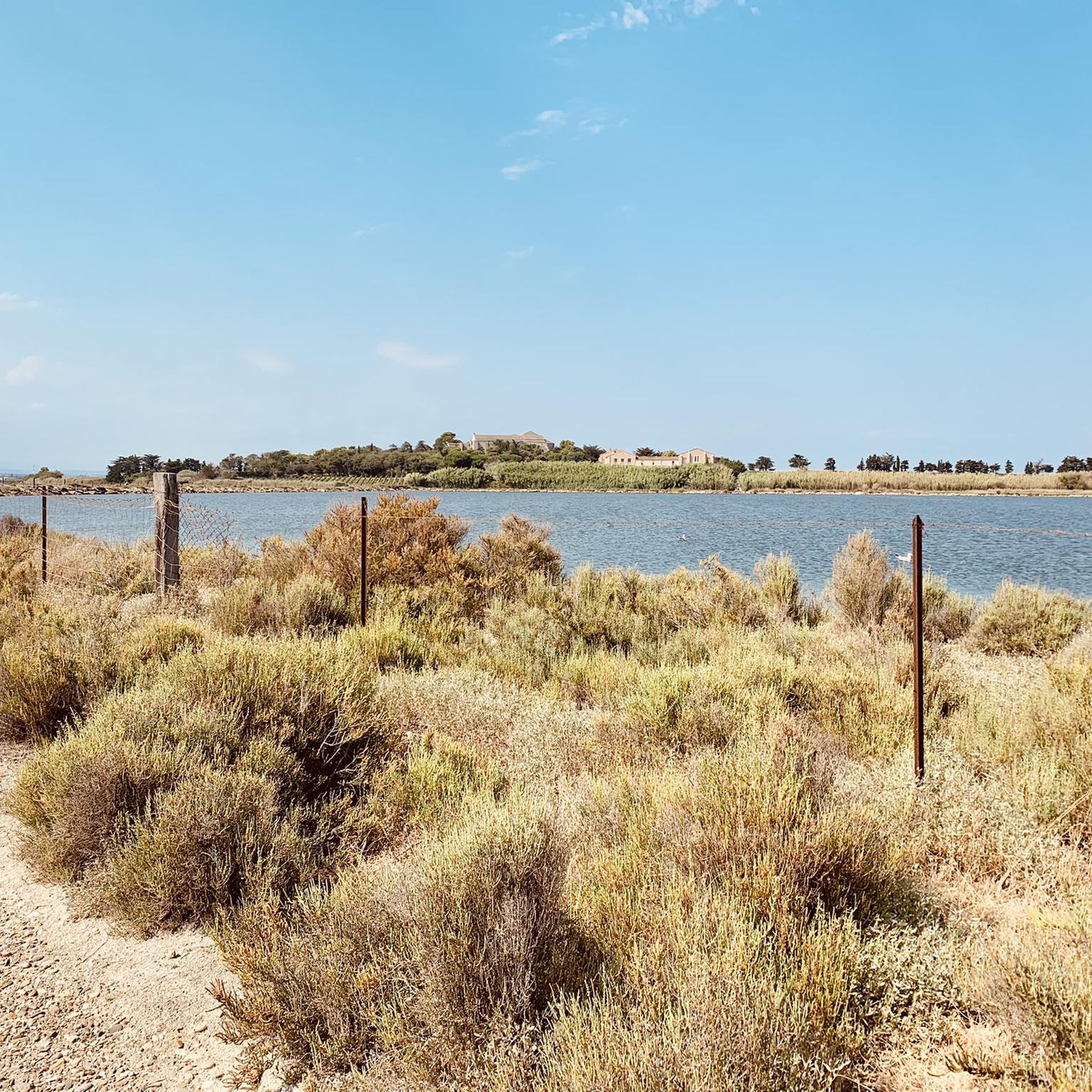
🌅 It's true that Les Salines de Villeneuve, near Montpellier, is a little natural gem. Between the pink hues of its salty waters and the flights of pink flamingos, it's a spectacle that borders on magical!
0
0
An iconic passageway that plunges directly into the heart of the marsh. The wooden walkway winds over the wetlands, offering a complete immersion in this peaceful environment. It's the perfect place to discreetly observe birds without disturbing their habitat 🦆. The wood is well-maintained and non-slip, perfect even after a downpour.
1
0

Beautiful place, ideal for families.
0
0

Oldest botanical garden in France (1593). The oldest in the world is in Padua (1545).
1
0
Nice crossing point when you go along the Mosson. The place is shady, but be careful, however, the "crowdedness" of this place is not always great.
1
0

Pavilion located at the Thermes de Fontcaude park, shady and quiet place.
0
1
Frequently Asked Questions
What natural features can I explore around Villeneuve-Lès-Maguelone?
The region is rich in diverse natural features, primarily extensive lagoon systems and protected reserves. You can find a mosaic of freshwater and saltwater environments, including the historic Salines de Villeneuve Nature Reserve, which are former salt marshes, and the vast Étangs Palavasiens. These areas are crucial for biodiversity and offer unique landscapes.
Are there family-friendly natural monuments in Villeneuve-Lès-Maguelone?
Yes, several natural monuments are suitable for families. The Wooden boardwalk at the Méjean Nature Reserve is particularly popular, offering an immersive and safe experience into the marsh. The Salines de Villeneuve Nature Reserve is also family-friendly, providing opportunities for nature observation. Additionally, the Montpellier Botanical Garden, while not strictly within Villeneuve-Lès-Maguelone, is a nearby natural monument that offers a serene environment for all ages.
What outdoor activities can I do near these natural monuments?
The area around Villeneuve-Lès-Maguelone is excellent for various outdoor activities. You can find numerous routes for hiking, running, and gravel biking. For example, there are moderate hiking loops like 'Villeneuve saltworks loop' and 'Maguelone Beach – Prévost Pond loop'. Running enthusiasts can tackle challenging routes like 'Les Salines Trail', while gravel bikers have options such as 'Descent to Vignogoul – Remarkable Oak Tree loop'. You can find more details on these activities in the hiking, running, and gravel biking guides for the region.
Where can I go birdwatching in Villeneuve-Lès-Maguelone?
Villeneuve-Lès-Maguelone is a prime location for birdwatching, especially due to its extensive lagoon systems and protected reserves. The Salines de Villeneuve Nature Reserve is a significant breeding and feeding ground for various waterfowl, including flamingos, avocets, terns, and gulls. The Étangs Palavasiens, particularly the Étang de l'Arnel, are also considered a paradise for ornithologists, offering diverse bird species. The Réserve Naturelle Nationale de l'Estagnol, while not publicly accessible, has observation posts on its periphery for viewing migratory birds.
Do any of the natural monuments have historical significance?
Yes, the Salines de Villeneuve Nature Reserve holds significant historical importance. Salt exploitation at this site dates back to the 12th century, with salt mines reaching up to 180 hectares. Although salt extraction ceased in 1969, remnants like grassy dikes and chestnut stakes are still visible, structuring the landscape and telling the story of its past.
What is the best time to visit the natural monuments in Villeneuve-Lès-Maguelone?
The best time to visit often depends on your interests. For birdwatching, spring and autumn are ideal as the area serves as a vital stopover for migratory birds. The mild Mediterranean climate makes most seasons pleasant for exploration. During warmer months, the wetlands offer a refreshing escape, while cooler seasons provide comfortable conditions for longer walks and observing the landscape.
Are there accessible natural monuments for visitors with limited mobility?
The Wooden boardwalk at the Méjean Nature Reserve is designed to be well-maintained and non-slip, making it suitable for a wider range of visitors to experience the marsh environment. While the Réserve Naturelle Nationale de l'Estagnol itself is closed to the public, it offers specially designed observation posts on its periphery, allowing visitors to appreciate its rich fauna and flora without disturbing the sensitive ecosystem.
Can I bring my dog to the natural monuments?
While specific regulations can vary, many natural areas in France, especially protected reserves, often require dogs to be kept on a leash to protect wildlife. It's always best to check local signage or official websites for each specific natural monument, such as the Salines de Villeneuve, before your visit to ensure compliance.
What do visitors enjoy most about the natural monuments here?
Visitors frequently praise the serene and peaceful environment, especially for birdwatching and nature observation. The unique landscapes, such as the pink hues of the salty waters at the Salines de Villeneuve Nature Reserve and the flights of flamingos, are often described as magical. The well-maintained paths, like the Wooden boardwalk at the Méjean Nature Reserve, are also appreciated for offering immersive experiences into the wetlands.
Are there any natural monuments that are less known but worth visiting?
Beyond the more prominent sites, the Salins de Frontignan, though slightly further afield, offers a unique experience. This former salt production site, closed in 1968, can now be explored on foot or by bike. It's home to numerous protected plant species due to its special living conditions. Another quiet spot is the Valadière Spring, a shady and peaceful crossing point along the Mosson river.
Can I find trails for cycling around the natural monuments?
Yes, the region offers several routes suitable for cycling, including gravel biking. The former Salins de Frontignan, for instance, can be crossed by bike. You can explore various gravel biking routes around Villeneuve-Lès-Maguelone, with options ranging from moderate to difficult, such as the 'Vignogoul trail – Sentier de l'Oppidum loop'. More detailed cycling routes can be found in the gravel biking guide for the area.
Most popular routes around Villeneuve-Lès-Maguelone
Most popular attractions around Villeneuve-Lès-Maguelone

Get inspired with the komoot mobile app


Explore more
Extend your search for the best caves by checking out these guides of the top ones around Villeneuve-Lès-Maguelone:
