Top 20 Natural Monuments around Bièvres
Natural Monuments around Bièvres are primarily located within the Île-de-France region, featuring the Bièvre River and the Parc de la Martinière. These areas offer diverse ecosystems, including wooded sections, wetlands, and meadows, contributing to urban biodiversity. The region is recognized for its efforts in preserving natural spaces, providing tranquil landscapes for exploration. Visitors can experience a green haven with opportunities for Bièvres nature walks and observing local wildlife.
Best natural monuments around Bièvres
- The most popular natural monuments is Ponds…
Last updated: July 2, 2026
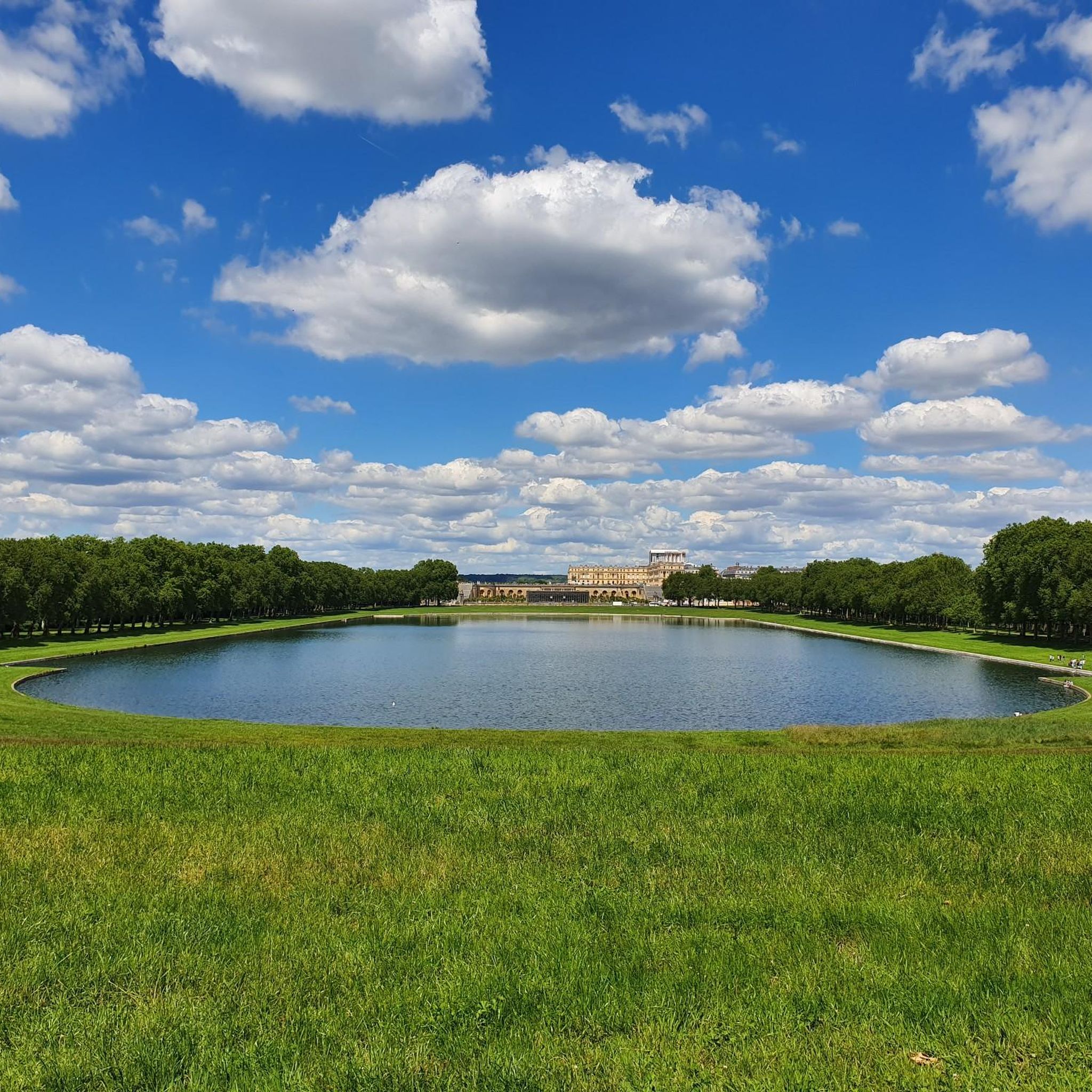
View of the Château de Sceaux
Highlight • Viewpoint
Translated by Google •
Tip by

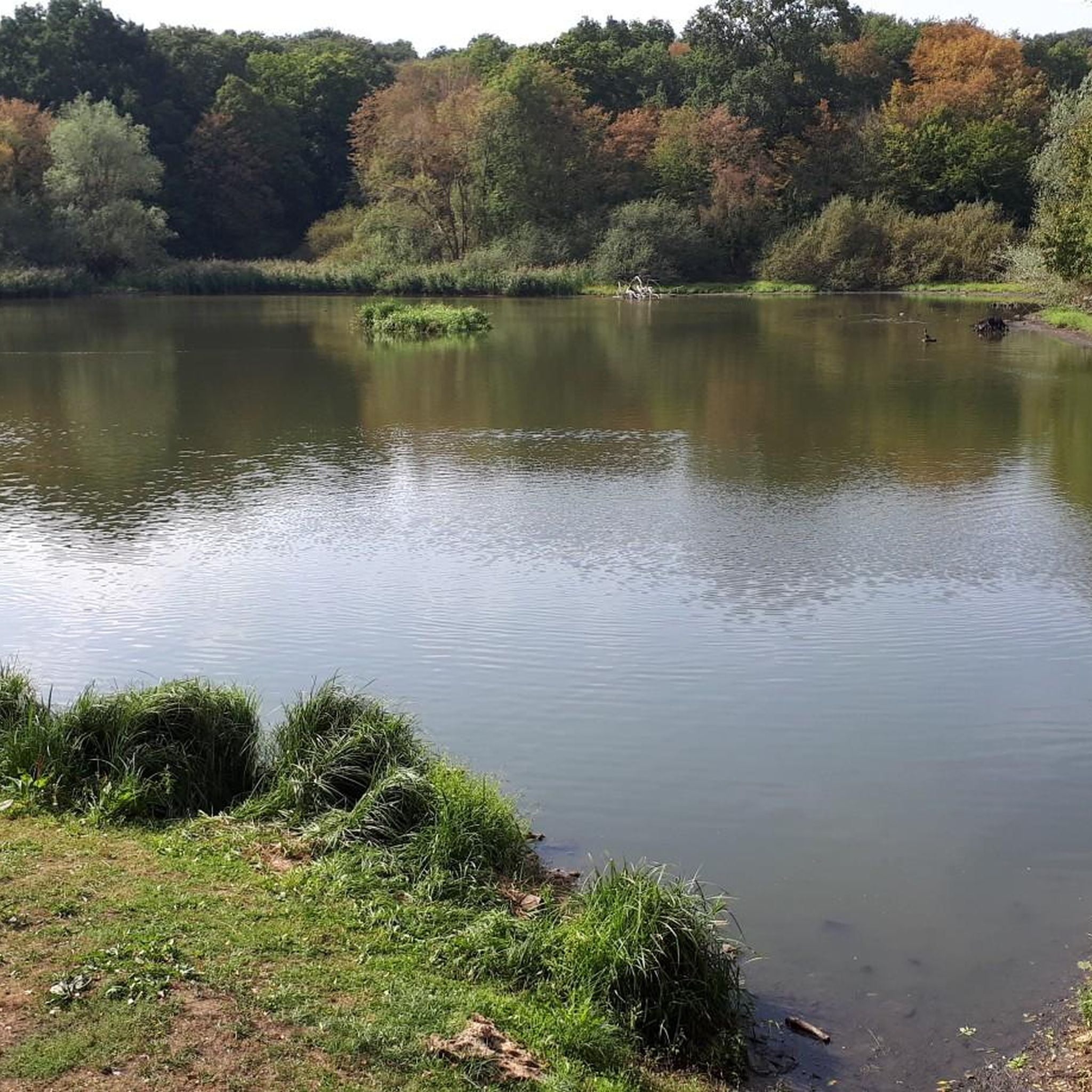
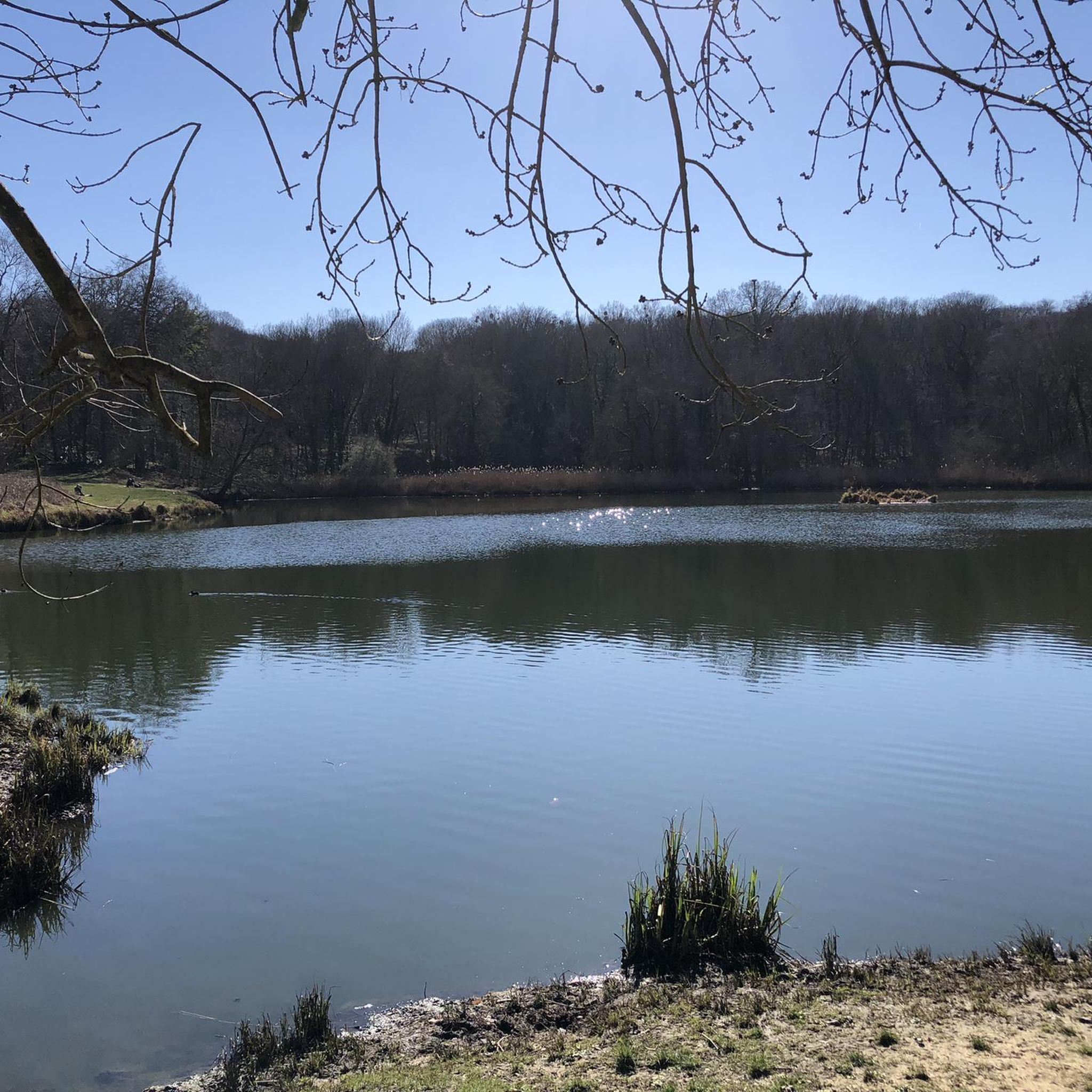
Ponds of Parc des Côtes Montbron
Highlight • Lake
Located in the town of Jouy-en-Josas, the Parc des Côtes Montbron, acquired by the Department for sensitive natural areas, has been …
Translated by Google •
Tip by

Sign up now to discover places like this
Get recommendations on the best single tracks, peaks, & plenty of other exciting outdoor places.
Sign up for free
Vallée-aux-Loups Arboretum
Highlight • Forest
Translated by Google •
Tip by

Latona Fountain
Highlight • Monument
Translated by Google •
Tip by

La Troche Quarry
Highlight • Climb
This is an old sandstone quarry, traces …
Translated by Google •
Tip by

Sign up for free to discover even more natural monuments around Bièvres.
Sign up for free
Already have an account?
Start today with a free account
Your next adventure awaits.
Login or Signup
Tips from the Community

Hello, thank you, Jonathan, for this information. Bicycles are prohibited in the Vallée aux Loups departmental estate; however, the estate and the Maison de Chateaubriand have become Accueil Vélo (Cycle-Friendly). What is the "Accueil Vélo" label? Accueil Vélo is a national label that guarantees a welcome and services adapted to cyclists within 5 km of the Véloscénie (Paris/Mont-Saint-Michel). You benefit from: easy and secure access to park your bike (rings are available at the entrance to the arboretum and at the Maison de Chateaubriand), a water point available, useful equipment such as a bicycle pump, tourist information nearby, and a team sensitive to your needs as a cyclist!
0
0

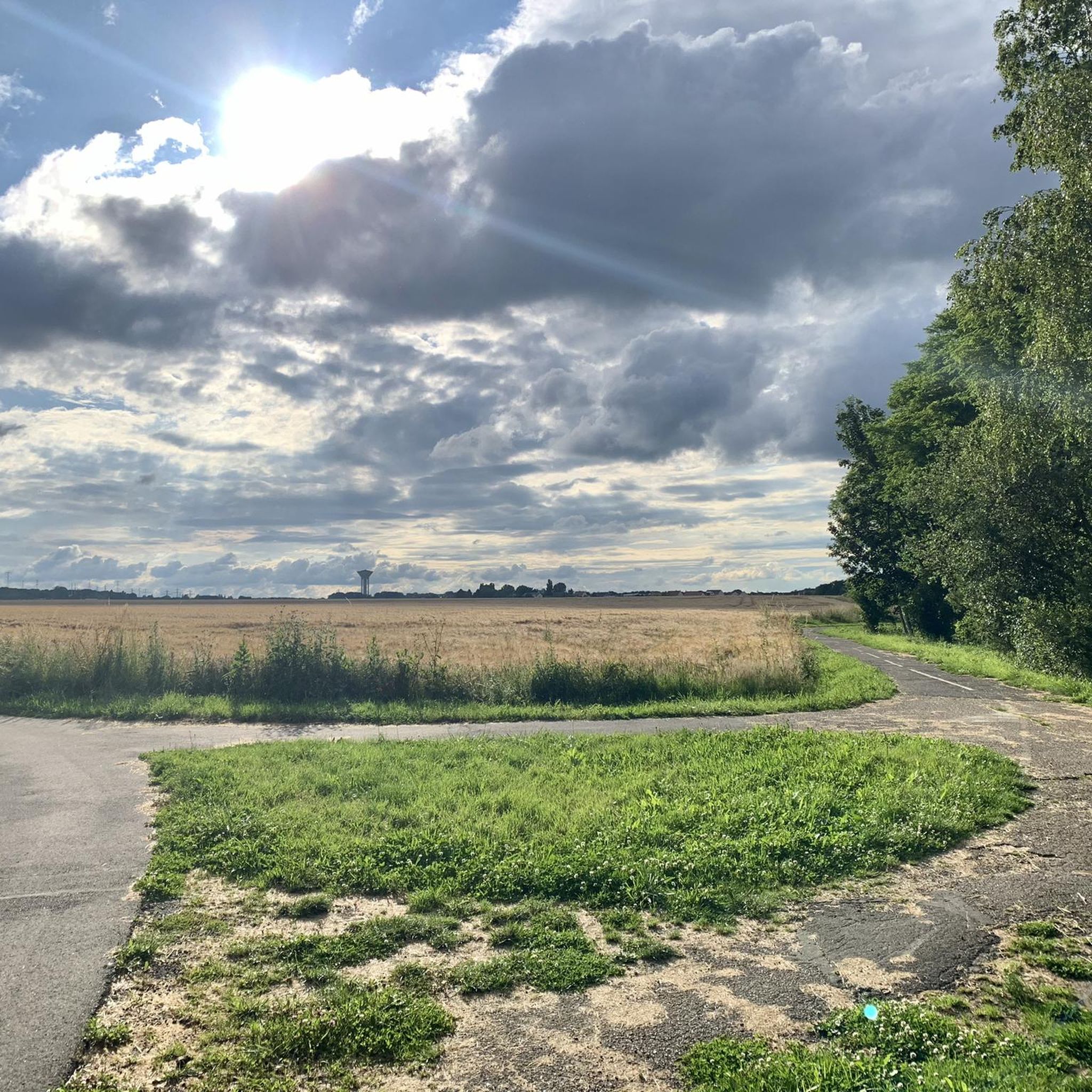
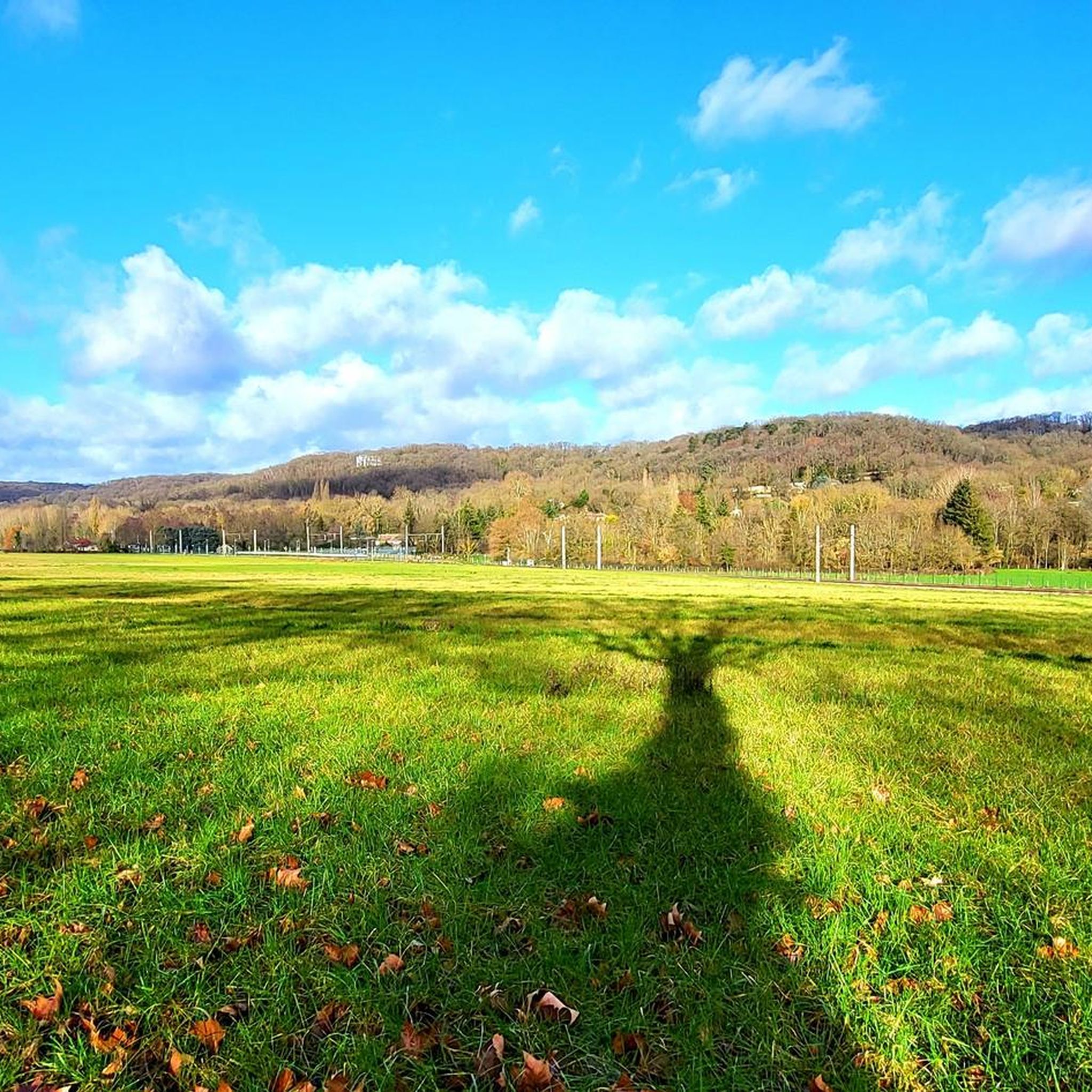
Viltain Farm then the singletrack further west is a little paradise. Landslide (04/2025) on the way back
0
0
Dedicated to botany since its creation in the 18th century, the Arboretum is home to nearly 500 species of trees and shrubs over an area of 12.7 hectares. It was initially designed as an English garden in 1890. The century-old trees constitute a unique landscape and horticultural heritage, the most exceptional of which is the weeping blue cedar with a 680 m² surface area of branches.
0
0

Built in the middle of the 19th century, the castle is located in a vast park. There is the museum of the Domaine Départemental de Sceaux. Created in 1973, it offers collections in its four main sites: the castle, the orangery, its gardens and the old renovated stables. All information on visiting the estate: https://parisjetaime.com/culture/domaine-departemental-de-sceaux-p1064.
2
0

In the morning, the rocks show blue reflections.
0
0

Beautiful view of the park and the Château de Sceaux
2
0

From here, there is a superb view of the Château de Sceaux, located at the end of the alley in the park. You can stroll through the gardens or visit the castle (entrance is charged).
1
0

look to the sides at this point, you have the front view of the castle.
1
0
Frequently Asked Questions
What are some notable natural landmarks to visit around Bièvres?
Beyond the well-known Bièvre River and Parc de la Martinière, you can explore the Ponds of Parc des Côtes Montbron in Jouy-en-Josas, which features a stream, three ponds, and diverse natural environments. Another unique spot is La Troche Quarry, an old sandstone quarry now part of the Eugène Chanlon Municipal Park, popular with rock climbing enthusiasts.
Are there family-friendly natural attractions in the Bièvres area?
Yes, several natural monuments are suitable for families. The Ponds of Parc des Côtes Montbron offers an idyllic setting for walks and nature observation. The View of the Château de Sceaux provides a lovely park for strolls, and the La Troche Quarry, located within a municipal park, is also family-friendly.
What kind of wildlife can be spotted along the Bièvre River?
The Bièvre River and its banks are a haven for various wildlife. You might encounter frogs, different fish species, and birds such as kingfishers and herons. Dragonflies are also present, and deer have been observed in nearby parks, indicating a healthy local ecosystem.
What outdoor activities can I do near the natural monuments in Bièvres?
The area around Bièvres offers a variety of outdoor activities. You can enjoy road cycling on routes like the 'Côte des Loges – Côte de Bièvre loop' or mountain biking on trails such as the 'Bois des Gonards – Geneste Pond loop'. For more options, explore the Road Cycling Routes around Bièvres, MTB Trails around Bièvres, and Cycling around Bièvres guides.
Are there any historical natural sites or landmarks in the Bièvres area?
Yes, the region has several sites with historical significance. La Troche Quarry is an old sandstone quarry with a documented history dating back to 1720, mentioned in Napoleon's land registers. The Parc de la Martinière also has a historical background, being part of a former domain with a château.
What is the best season to visit the natural monuments around Bièvres?
While the natural monuments can be enjoyed year-round, late April to early May is particularly special for visiting the View of the Château de Sceaux, as it's when the cherry trees in the park are in full bloom. Autumn also offers beautiful colors for walks along the Bièvre River and in wooded areas.
How can I access the Ponds of Parc des Côtes Montbron by public transport?
The Ponds of Parc des Côtes Montbron is accessible by public transport. You can reach it via the Petit Jouy station, which is served by line C of the RER.
What makes the Parc de la Martinière significant?
The Parc de la Martinière is recognized as a 'Sensitive Natural Space' and serves as a pilot site for the 'Nature en Ville' convention, focusing on urban biodiversity preservation. It features diverse ecosystems, including wooded areas, wetlands, and meadows, and undergoes ecological management to protect its flora and fauna.
Can I find viewpoints with scenic vistas of the area?
Yes, the View of the Château de Sceaux offers a superb, wide perspective of the Château de Sceaux and its extensive park, providing a picturesque vista.
Are there any unique natural features or geological sites in Bièvres?
The La Troche Quarry is a unique geological site. It's an old sandstone quarry where the stone extracted is Fontainebleau sandstone, formed around 30 million years ago. It's listed among major geological sites and features a 5-meter high, 200-meter long working face.
What is the 'Old Chestnut Tree at Place Audran' and why is it notable?
The Old Chestnut Tree at Place Audran is an estimated 330-year-old chestnut tree, planted during the reign of Louis XIV. It won the Public Prize at the 'Tree of the Year' competition and is notable for its age, size (18 meters wide, 12 meters high), and its symbolic resistance to urban development, standing as a witness to centuries of history.
What efforts are being made to preserve the Bièvre River?
Significant efforts are underway to restore the Bièvre River's natural course and ecological value. This includes initiatives to revitalize the river and uncover sections that were historically buried, highlighting its importance as a 'green haven' and a vital part of the local ecosystem.
Most popular routes around Bièvres
Most popular attractions around Bièvres

Get inspired with the komoot mobile app


Explore more
Extend your search for the best caves by checking out these guides of the top ones around Bièvres:
