Top 15 Natural Monuments around Le Chesnay
Best natural monuments around Le Chesnay include a variety of natural areas and well-maintained parks. This region, situated near Paris, offers green spaces for tranquility and recreational activities. The landscape provides diverse experiences, from forest walks to botanical exploration, contributing to the area's natural appeal. These sites are valued for their biodiversity and historical connections.
Best natural monuments around Le Chesnay
- The most popular natural monuments is Ponds of Parc des Côtes Montbron, a lake located in Jouy-en-Josas. This…
Last updated: July 2, 2026
Grande Cascade of Saint-Cloud Park
Highlight • Waterfall
Ducks, swans and nutria everywhere!
Translated by Google •
Tip by

Ponds of Parc des Côtes Montbron
Highlight • Lake
Located in the town of Jouy-en-Josas, the Parc des Côtes Montbron, acquired by the Department for sensitive natural areas, has been …
Translated by Google •
Tip by

Sign up now to discover places like this
Get recommendations on the best single tracks, peaks, & plenty of other exciting outdoor places.
Sign up for free
Latona Fountain
Highlight • Monument
Translated by Google •
Tip by

Old Chestnut Tree at Place Audran
Highlight • Natural Monument
Translated by Google •
Tip by

Menhirs of the Chêne des Missions
Highlight • Monument
Translated by Google •
Tip by

Sign up for free to discover even more natural monuments around Le Chesnay.
Sign up for free
Already have an account?
Start today with a free account
Your next adventure awaits.
Login or Signup

Tips from the Community

Added to the collection: komoot.com/de-de/collection/3600632/-naturdenkmaeler-besondere-baeume-und-weitere-schaetze-der-natur
0
0

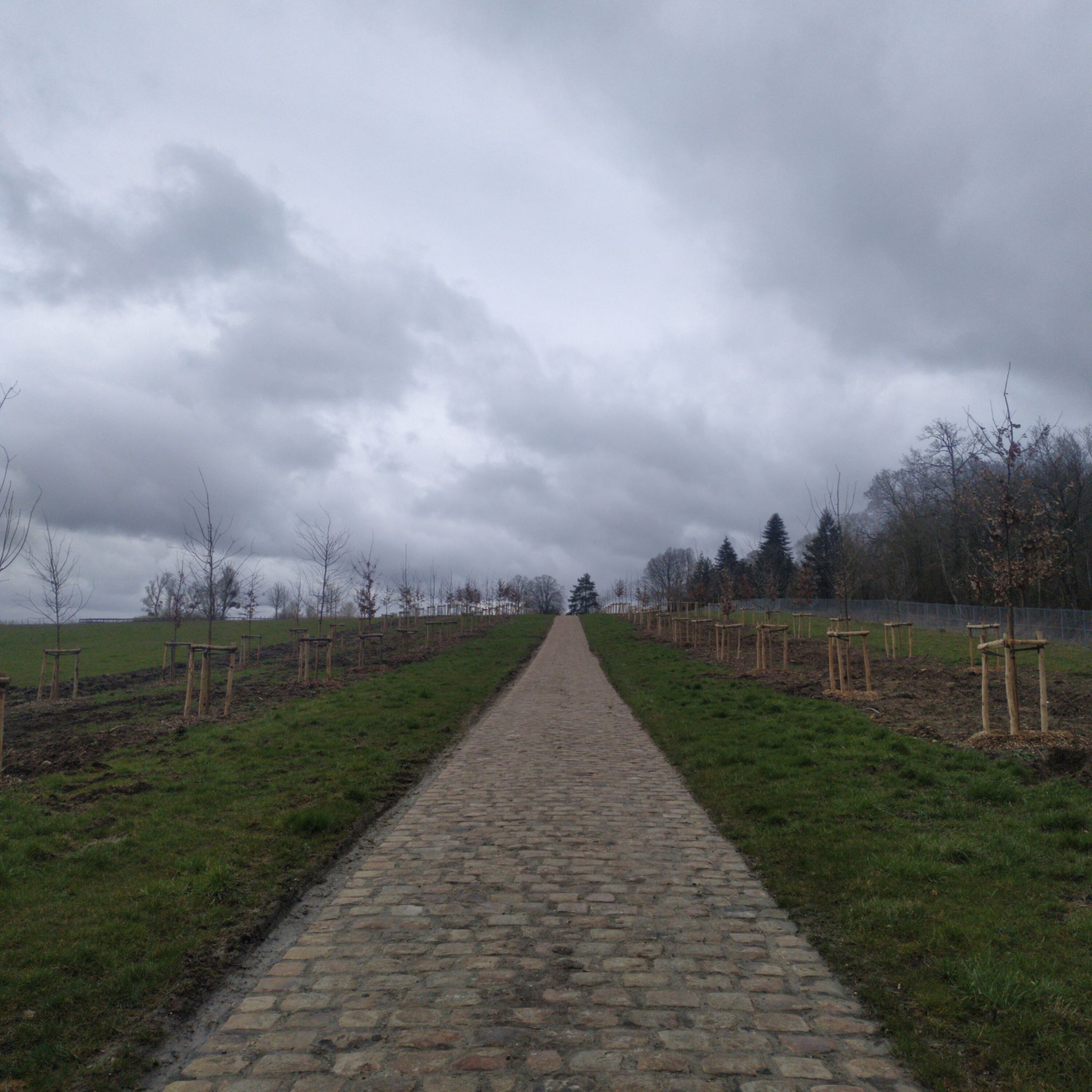
Viltain Farm then the singletrack further west is a little paradise. Landslide (04/2025) on the way back
0
0

This oak was discovered by Breton missionaries in 1895. It is surrounded by 4 dolmens and a large menhir. The oak is 32m high. It is one of the most beautiful passages in the Meudon Forest.
1
0

The Grande Cascade (1856) is a 14-metre-high artificial waterfall made of Fontainebleau rocks. The waterfall is fed by the Etang de reservoir.
0
0

The children are delighted to go under the waterfall
0
0

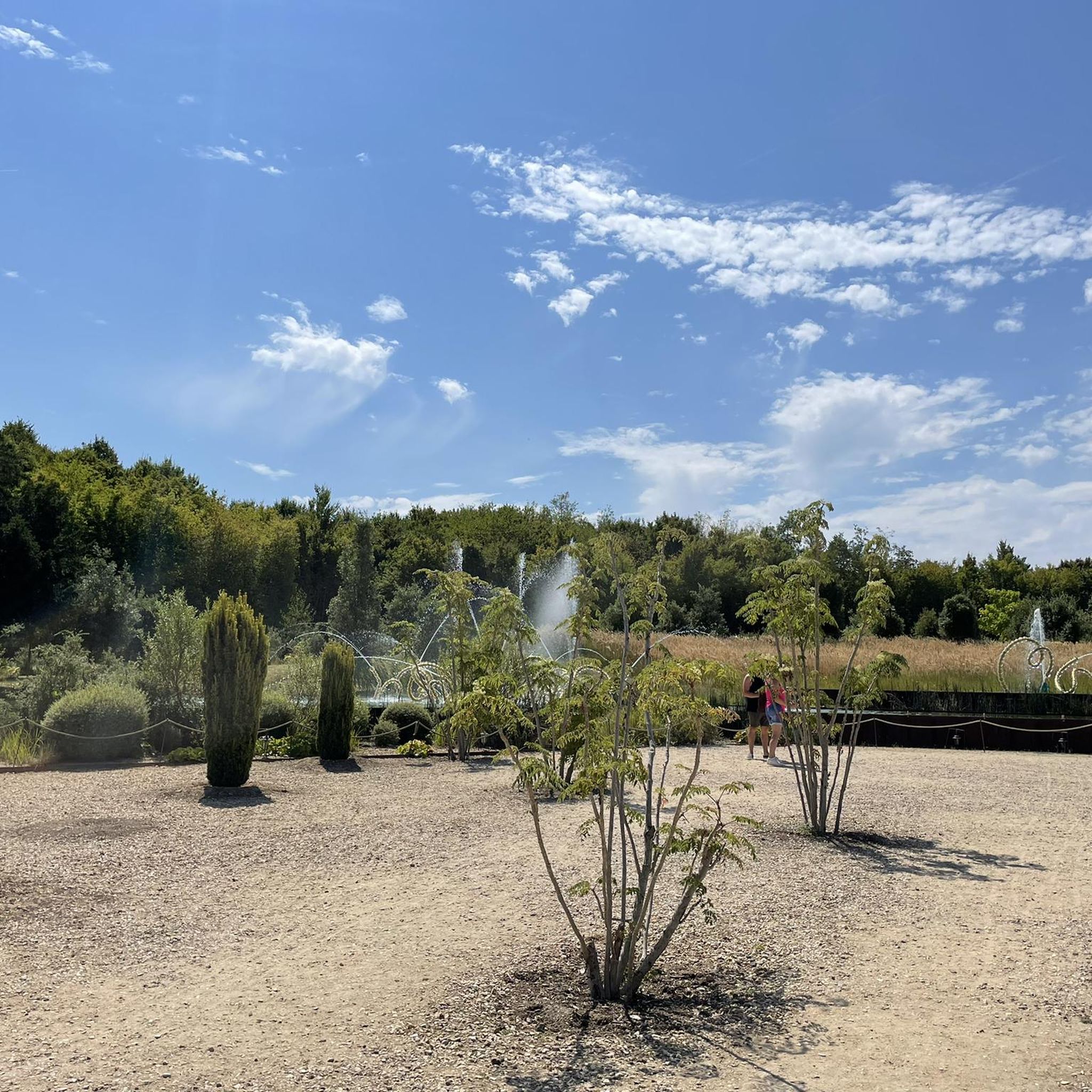
The Latona basin results from the desire of Louis XIV to create, in the center of his Garden, a fountain which recounts the childhood of Apollo, the sun god he chose as his emblem. To create this fountain, Louis XIV transformed a pool dug by Louis XIII by gradually installing water features and decorations sculpted by the Marsy brothers. The Latona basin went through several states before adopting its current form. In 1667, it was the Toad Fountain. From 1668 to 1670, a first Latona basin appeared; Latona is then at the same level as the other figures and turned towards the Castle. From 1687 to 1689, Jules Hardouin-Mansart created the current pool, by making Latona turn around and hoisting her to the top of a marble pyramid. http://latone.chateauversailles.fr/page/le-bassin-de-latone/histoire-du-bassin
11
0


An article if you are interested in the subject: https://france3-regions.francetvinfo.fr/paris-ile-de-france/paris/grand-paris/un-chataignier-des-yvelines-elu-plus-bel-arbre- of-the-year-2424739.html
1
0
Frequently Asked Questions
What are some unique natural sites to explore around Le Chesnay?
Beyond the well-known spots, you can discover the Ponds of Parc des Côtes Montbron, a tranquil area with a stream and three ponds bordered by meadows and woods. Another unique site is the Menhirs of the Chêne des Missions, a pseudo-megalithic site nestled under a large oak tree in the Meudon Forest, offering a peaceful escape.
Are there any historical natural monuments in the area?
Yes, several natural sites around Le Chesnay have historical significance. The Old Chestnut Tree at Place Audran, estimated to be 330 years old, was planted during the reign of Louis XIV. The Bois de Fausses-Reposes is a remnant of ancient woodlands and a former hunting ground for King Louis XIV. Additionally, the Latona Fountain in the Gardens of Versailles, though a man-made monument, is an integral part of a historically significant natural landscape.
What kind of natural features can I expect to see?
The region offers a diverse range of natural features. You can find serene lakes and ponds, such as the Ponds of Parc des Côtes Montbron, and majestic waterfalls like the Grande Cascade of Saint-Cloud Park. There are also extensive forests like the Bois de Fausses-Reposes, and the unique Arboretum of Versailles-Chèvreloup, which is a living museum of trees with nearly 2,000 woody species.
Are there family-friendly natural sites around Le Chesnay?
Absolutely! Many natural sites are suitable for families. The Grande Cascade of Saint-Cloud Park is very child-friendly, allowing exploration of passages and wildlife spotting. The Ponds of Parc des Côtes Montbron offer an idyllic setting for walks. Parc de Diane features manicured lawns and children's play areas, while the Menhirs of the Chêne des Missions provides an interesting historical and natural spot for all ages.
Can I bring my dog to the natural monuments?
Many parks and natural areas in the region are dog-friendly, especially those with trails like the Bois de Fausses-Reposes. However, it's always best to check specific regulations for each site, as some managed gardens or protected areas might have restrictions or require dogs to be on a leash. For instance, the Arboretum of Versailles-Chèvreloup generally welcomes dogs on a leash.
What is the best time of year to visit the natural monuments?
The natural monuments around Le Chesnay are beautiful year-round. Spring brings blooming flowers and lush greenery, while autumn offers stunning foliage, particularly in forested areas like the Bois de Fausses-Reposes and around the Old Chestnut Tree at Place Audran. Summer is ideal for picnics and longer strolls, and even winter can offer serene, crisp walks, especially in the arboretum.
Are the natural monuments around Le Chesnay accessible by public transport?
Yes, several sites are accessible by public transport. The Ponds of Parc des Côtes Montbron are accessible via the Petit Jouy station on RER C. The Arboretum of Versailles-Chèvreloup and the Gardens of the Palace of Versailles are also well-connected by public transport from Paris and surrounding areas.
What outdoor activities can I do near these natural monuments?
The area around Le Chesnay offers various outdoor activities. You can enjoy cycling on routes like the 'Castle Park – Grand Canal at Versailles loop' or 'Route Forestière Royale – Marnes-la-Coquette loop'. For mountain biking, consider trails such as 'Corot Ponds – View of the Valley loop'. Gravel biking options include the 'Aqueduc de Buc – Lavoir de Chevreuse loop'. You can find more details on these and other routes in the Cycling around Le Chesnay, MTB Trails around Le Chesnay, and Gravel biking around Le Chesnay guides.
Are there opportunities for wildlife spotting?
Yes, the diverse habitats in the region support various wildlife. The Arboretum of Versailles-Chèvreloup is a prime location for observing hundreds of insect species, dozens of birds, wild boars, roe deer, and hedgehogs. The Ponds of Parc des Côtes Montbron and the Grande Cascade of Saint-Cloud Park are also good spots to see ducks, swans, and other aquatic birds.
What do visitors enjoy most about the natural monuments in Le Chesnay?
Visitors particularly appreciate the tranquility and natural beauty. Many enjoy the peaceful strolls through forests like Bois de Fausses-Reposes, the unique botanical experience at the Arboretum of Versailles-Chèvreloup, and the scenic views from spots like the Latona Fountain. The family-friendly atmosphere at places like the Grande Cascade of Saint-Cloud Park and the historical significance of sites like the Old Chestnut Tree at Place Audran are also highly valued.
How long should I plan for a visit to these natural sites?
The duration of your visit can vary greatly depending on the site. For smaller parks like Parc Aubert or Parc de Diane, an hour or two might suffice. Exploring the Ponds of Parc des Côtes Montbron or the Menhirs of the Chêne des Missions could take 1-3 hours. For larger areas like the Bois de Fausses-Reposes, the Arboretum of Versailles-Chèvreloup, or the Gardens of the Palace of Versailles, you could easily spend half a day or even a full day exploring.
Are there any hidden natural gems around Le Chesnay?
While not entirely hidden, the Arboretum of Versailles-Chèvreloup is often considered a lesser-known treasure compared to the main Palace gardens. It offers a vast and diverse collection of trees and is a true living museum. The Ponds of Parc des Côtes Montbron also provide a bucolic setting that feels like a hidden valley, despite being close to urban areas.
Most popular routes around Le Chesnay
Most popular attractions around Le Chesnay

Get inspired with the komoot mobile app


Explore more
Extend your search for the best caves by checking out these guides of the top ones around Le Chesnay:
