Top 5 Natural Monuments around Zillisheim
Best natural monuments around Zillisheim are situated within the diverse landscapes of the Parc naturel régional des Ballons des Vosges. This region features high stubble fields, peat bogs, and extensive forests, offering varied natural environments. Visitors can explore glacial cirques, deep valleys, and numerous rivers and lakes. The area provides a rich natural environment with a wide array of plant and animal species.
Best natural monuments around Zillisheim
- The most popular natural monuments is The Great Oak, a natural…
Last updated: November 1, 2026
Steinbach Square
Highlight • Natural Monument
Translated by Google •
Tip by

Source Hagendorn
Highlight • Natural Monument
Showing Translation
Tip by

Sign up now to discover places like this
Get recommendations on the best single tracks, peaks, & plenty of other exciting outdoor places.
Ziehlbrunnen Spring
Highlight • Natural Monument
Translated by Google •
Tip by

Motte Castrale de Willer
Highlight • Historical Site
Translated by Google •
Tip by

Liberty Lime Tree (1792)
Highlight • Natural Monument
Translated by Google •
Tip by

Sign up for free to discover even more natural monuments around Zillisheim.
Already have an account?
Start today with a free account
Your next adventure awaits.

Tips from the Community

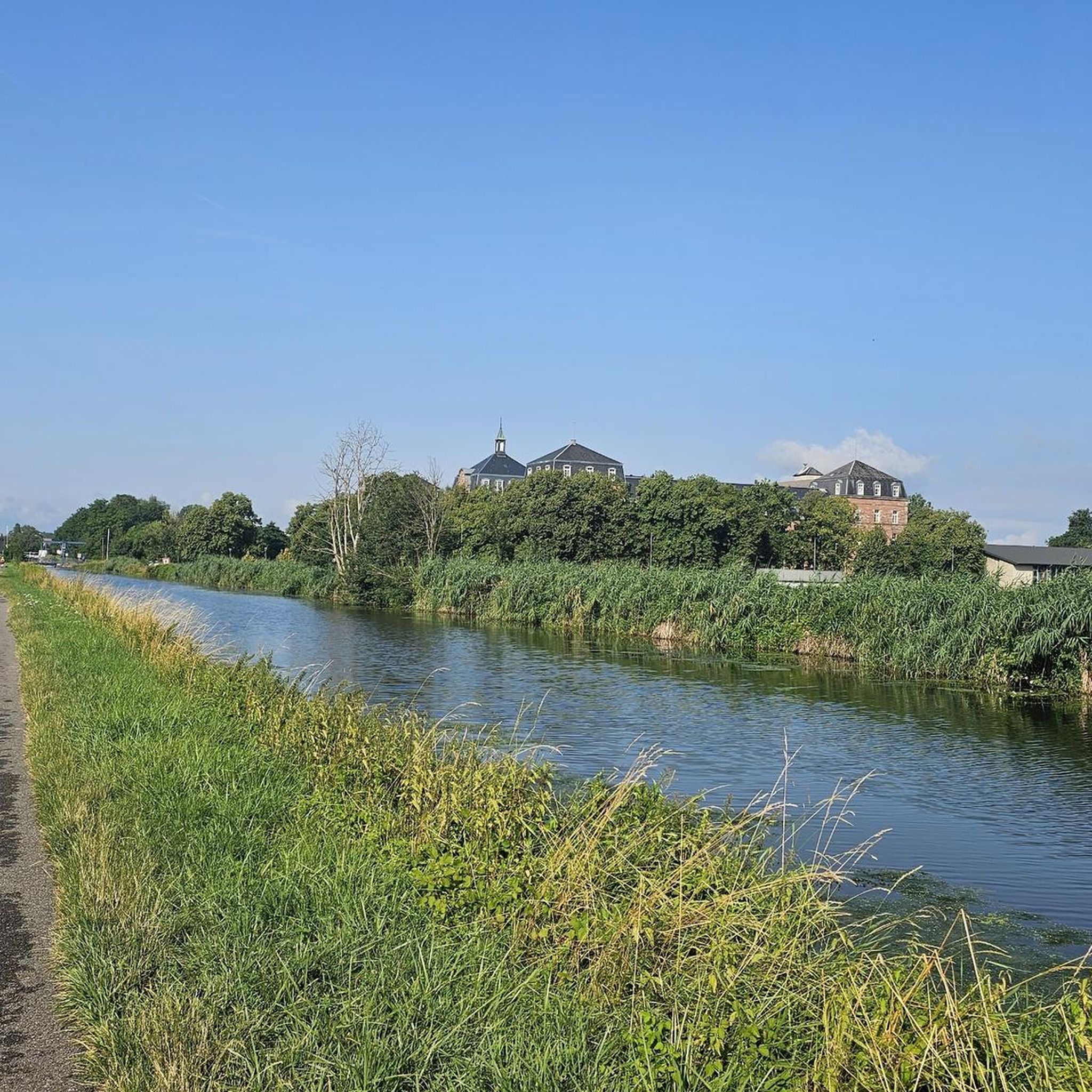
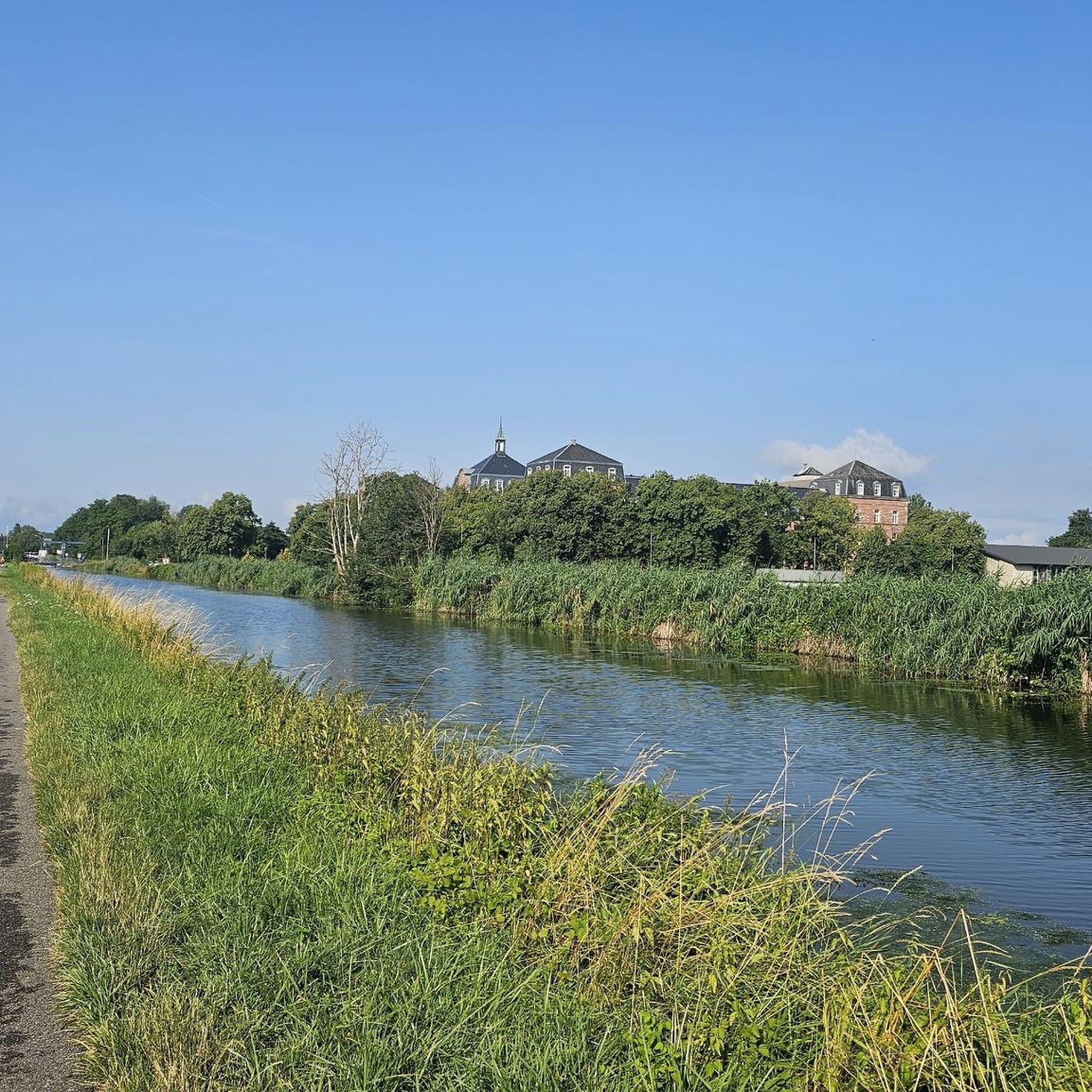
During the First World War, this spring was part of the German fortifications. It was redeveloped in 1931, recalling the town's military past and how water was supplied there. It is one of the points of interest on the Bunker Trail.
1
0

Magnificent multi-stemmed, centuries-old lime tree
0
0

Hagendorn Spring The Hagendorn spring near Burnhaupt-le-Bas is a very old and particularly abundant spring. Its name has been documented as a field name since 1412. The name „Hagendorn“ probably refers to a place overgrown with hawthorn. The place name Burnhaupt is also likely connected to the old word for „spring“ or „well“. The spring gained particular significance for the history of the place during the First World War. After the stabilization of the front in Upper Alsace, the German-French front ran approximately along the line Cernay – Pont d’Aspach – Ammerzwiller. East of or in the vicinity of this front line, German troops erected numerous concrete shelters, observation posts, and artillery positions. German fortifications were also built at the Hagendorn spring. Traces of the fortification from that time can still be recognized there today, including concrete components. The spring was thus part of a larger military system of positions that the German troops used during trench warfare. Numerous other shelters and observation posts from that period can be discovered along the current Sentier des Bunkers. The spring itself was rebuilt or redesigned in 1931. The current structure partially covers the preserved remains of the wartime fortification underneath. Thus, the Hagendorn spring connects two very different aspects of the place's history: a centuries-old water supply and the military landscape of the First World War. Today, the spring is station 18 of the Sentier des Bunkers, an approximately nine-kilometer-long historical circular trail through the former front landscape of Burnhaupt-le-Bas. https://burnhaupt-le-bas.fr/sentier-des-bunkers/?utm_source=chatgpt.com
0
1


Near Mulhouse, in the countryside, this tree is worth the detour during a bike ride!
0
0

The source is not flowing today. Trees block bike access on the last few meters.
0
0

This is where families gather and picnic on the lawn.
13
1

A green oasis in the middle of the city. Great for just pausing. The playground is a great change for the kids
6
0
Frequently Asked Questions
What types of natural monuments can I explore around Zillisheim?
Around Zillisheim, you can discover a variety of natural monuments, from ancient trees like The Great Oak to historical sites with natural significance such as Motte Castrale de Willer. The area also features green urban oases like Steinbach Square and natural springs like Ziehlbrunnen Spring and Kehlenbrunnen Spring. These are all situated within the broader Parc naturel régional des Ballons des Vosges, offering diverse landscapes.
Are there any historical natural monuments in the area?
Yes, Motte Castrale de Willer is a notable historical site and natural monument. This mound is surrounded by a ditch on three sides and protected by a slope on the fourth, suggesting it was once a medieval castle motte.
Are the natural monuments around Zillisheim suitable for families?
Many natural monuments around Zillisheim are family-friendly. For instance, The Great Oak is an impressive ancient tree that children often enjoy. Steinbach Square is a park restructured to be a green oasis, perfect for families to gather and picnic on the lawn.
What kind of natural features can I expect to see?
Beyond specific monuments, the region around Zillisheim, particularly within the Parc naturel régional des Ballons des Vosges, offers diverse natural features. You can expect to see high stubble fields, peat bogs, extensive beech and fir forests, glacial cirques, deep valleys, and numerous rivers and lakes. There are also natural springs like Ziehlbrunnen Spring and Kehlenbrunnen Spring.
What outdoor activities can I do near these natural monuments?
The area around Zillisheim and the Parc naturel régional des Ballons des Vosges provides extensive opportunities for outdoor activities. You can find numerous routes for running, road cycling, and general cycling. For example, you can explore various running trails, scenic road cycling routes, or leisurely cycling tours.
When is the best time to visit the natural monuments around Zillisheim?
The Parc naturel régional des Ballons des Vosges, which encompasses the natural monuments near Zillisheim, is beautiful year-round. Spring and summer are ideal for hiking and enjoying the lush greenery and blooming flora. Autumn offers stunning fall foliage, while winter transforms the higher elevations into a destination for winter sports like skiing and snowshoeing, especially around peaks like the Grand Ballon.
Can I find viewpoints with panoramic views?
Yes, the region offers several excellent viewpoints. While Motte Castrale de Willer offers a local vantage point, the broader Parc naturel régional des Ballons des Vosges features iconic peaks like the Grand Ballon and the Hohneck, which provide exceptional panoramic views of the Alsace plain, the Black Forest, and even the Alps on clear days.
What unique flora and fauna might I encounter?
The Parc naturel régional des Ballons des Vosges is a biodiversity hotspot. You might spot chamois, roe deer, red deer, wild boar, badgers, and foxes. Birdwatchers can look for Eurasian eagle-owls, peregrine falcons, and capercaillies. The park is also home to rare species like the grey wolf, Eurasian lynx, and European beaver. Botanically, nearly 2,500 plant species thrive here, including the Vosges pansy, superb carnation, cranberry, and sundew.
What do visitors particularly enjoy about the natural monuments here?
Visitors appreciate the tranquility and natural beauty. For example, Steinbach Square is loved for its green oasis and being a great spot for families to picnic. The natural springs, such as Ziehlbrunnen Spring, are valued as refreshing break points. The ancient The Great Oak impresses with its age and size.
Are there options for easy walks or beginner hikes?
Yes, the region offers various options suitable for easy walks. Parks like Steinbach Square provide gentle paths. Many of the natural monuments are accessible via relatively flat terrain, and within the Parc naturel régional des Ballons des Vosges, you can find numerous trails catering to different fitness levels, including those suitable for beginners and families.
How can I access the natural monuments around Zillisheim?
Access to the natural monuments around Zillisheim typically involves a combination of driving and walking. Many sites have nearby parking. For broader exploration within the Parc naturel régional des Ballons des Vosges, a car is often recommended to reach various trailheads and viewpoints. Public transport options may be limited for direct access to all natural monuments, so planning ahead is advisable.
Are the natural monuments dog-friendly?
Generally, natural areas and trails in the Parc naturel régional des Ballons des Vosges are dog-friendly, provided dogs are kept on a leash and owners clean up after them. Specific rules may apply to certain protected areas or urban parks like Steinbach Square, so it's always best to check local signage.
Where can I find more information about the Parc naturel régional des Ballons des Vosges?
For more detailed information about the Parc naturel régional des Ballons des Vosges, including its diverse landscapes, activities, and conservation efforts, you can visit the official tourism website for Alsace: visit.alsace. Additional context can also be found on visitgrandest.com.
Most popular routes around Zillisheim
Most popular attractions around Zillisheim

Get inspired with the komoot mobile app


Explore more
Extend your search for the best caves by checking out these guides of the top ones around Zillisheim:
