Top 4 Natural Monuments around Maxéville
Best natural monuments around Maxéville include a variety of natural spaces and walking paths that contribute to the region's ecological significance. Maxéville actively preserves these areas, integrating nature within its urban landscape. The municipality maintains trails and green spaces, enhancing the overall ecological value of its natural sites. These features offer opportunities for nature observation and outdoor exploration.
Best natural monuments around Maxéville
- The most popular natural monuments is Plateau de Malzéville, an other natural site that is a…
Last updated: July 2, 2026
Confluence of the Moselle and Meurthe rivers
Highlight • River
Translated by Google •
Tip by

Fountain of Place d'Alliance
Highlight • Monument
Showing Translation
Tip by

Sign up now to discover places like this
Get recommendations on the best single tracks, peaks, & plenty of other exciting outdoor places.
Sign up for free
Plateau de Malzéville
Highlight • Natural
Translated by Google •
Tip by

Translated by Google •
Tip by

Church of Amance and Its Centenarian Cedar
Highlight • Religious Site
Translated by Google •
Tip by

Start today with a free account
Your next adventure awaits.
Login or Signup
Tips from the Community

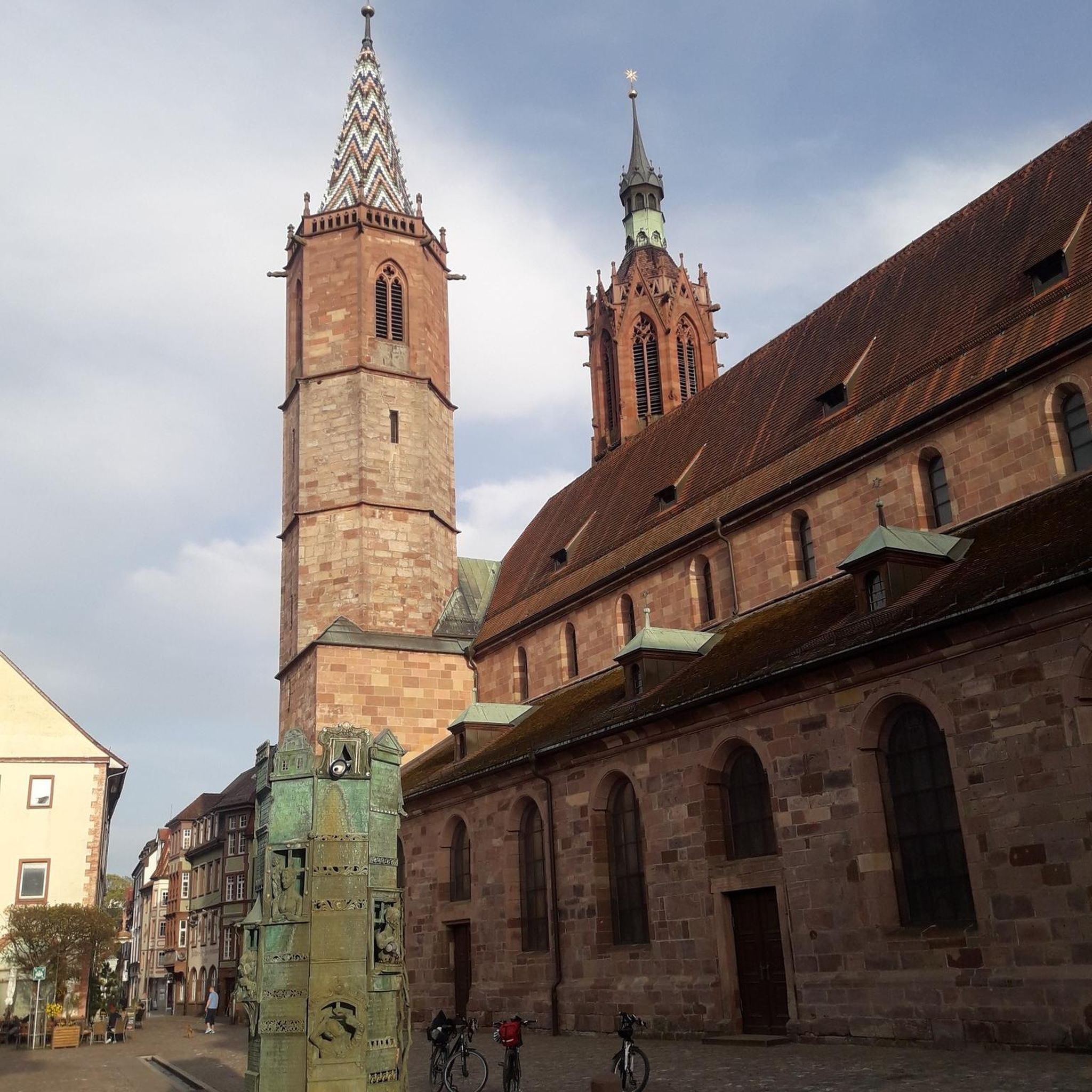
This large baroque fountain is the opulent centerpiece in the middle of the otherwise classically and rather strictly designed square.
6
0

You can access the mound of the old castle when the sheep are not there.
0
0

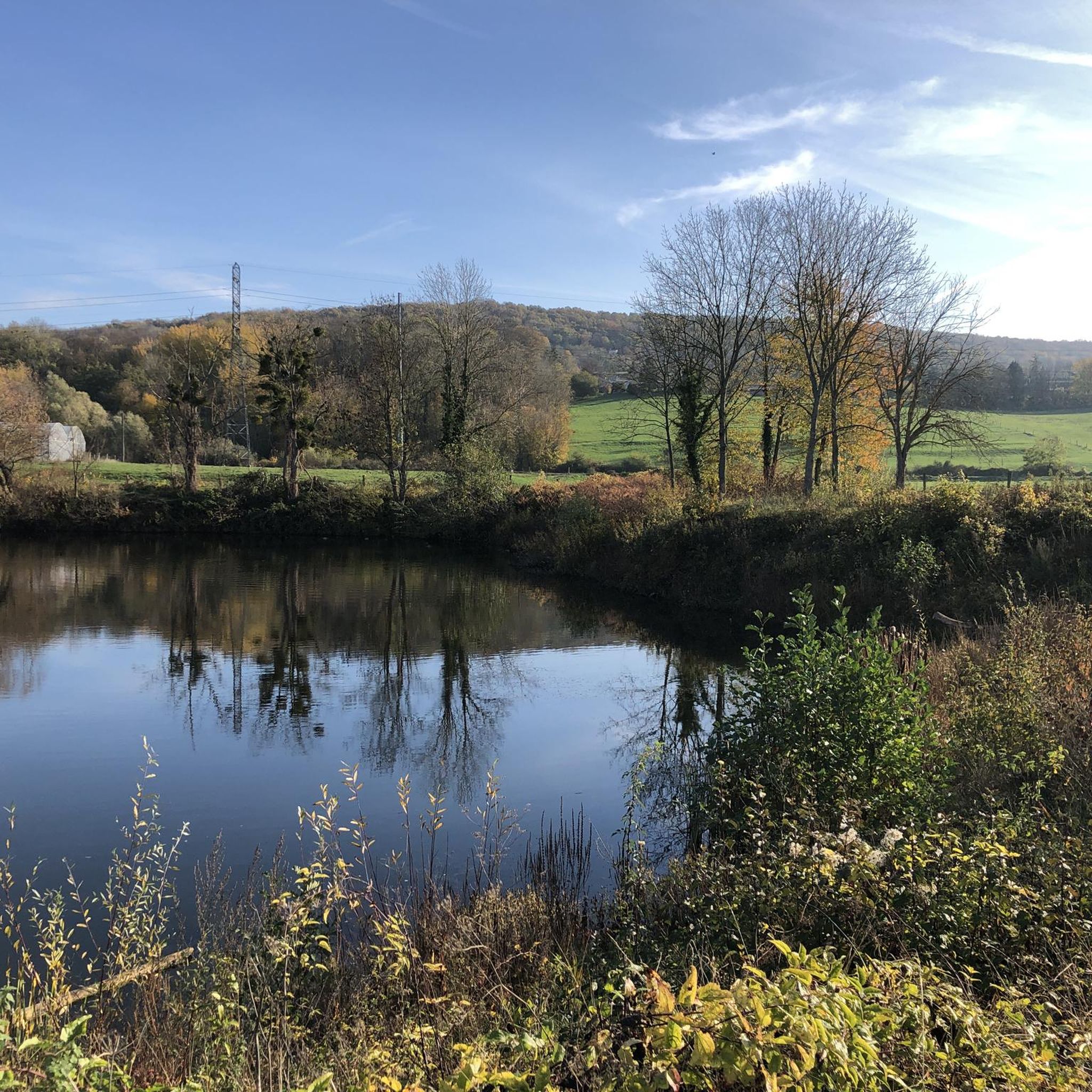
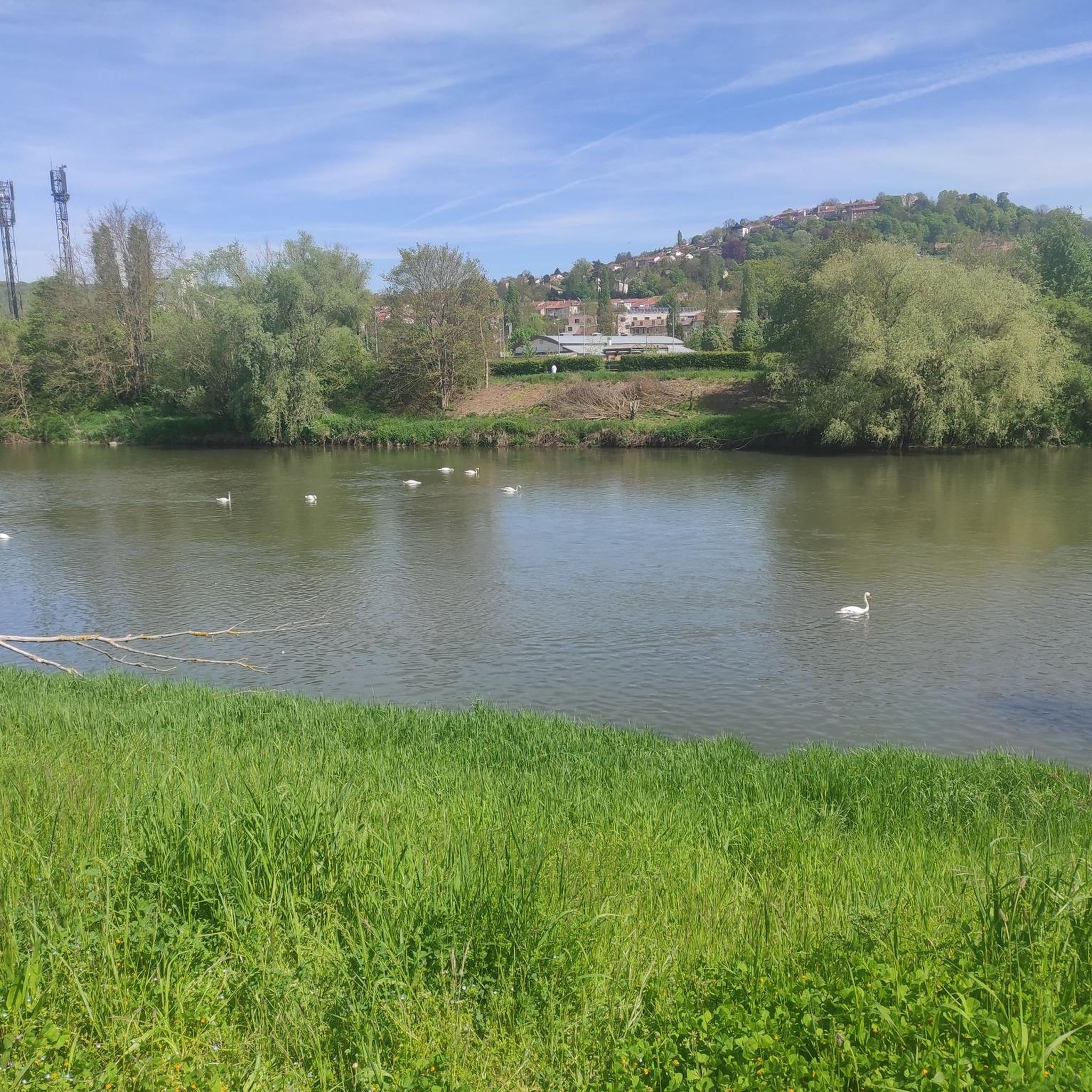
You live in Meurthe et Moselle, do you know where the two rivers meet?
2
0

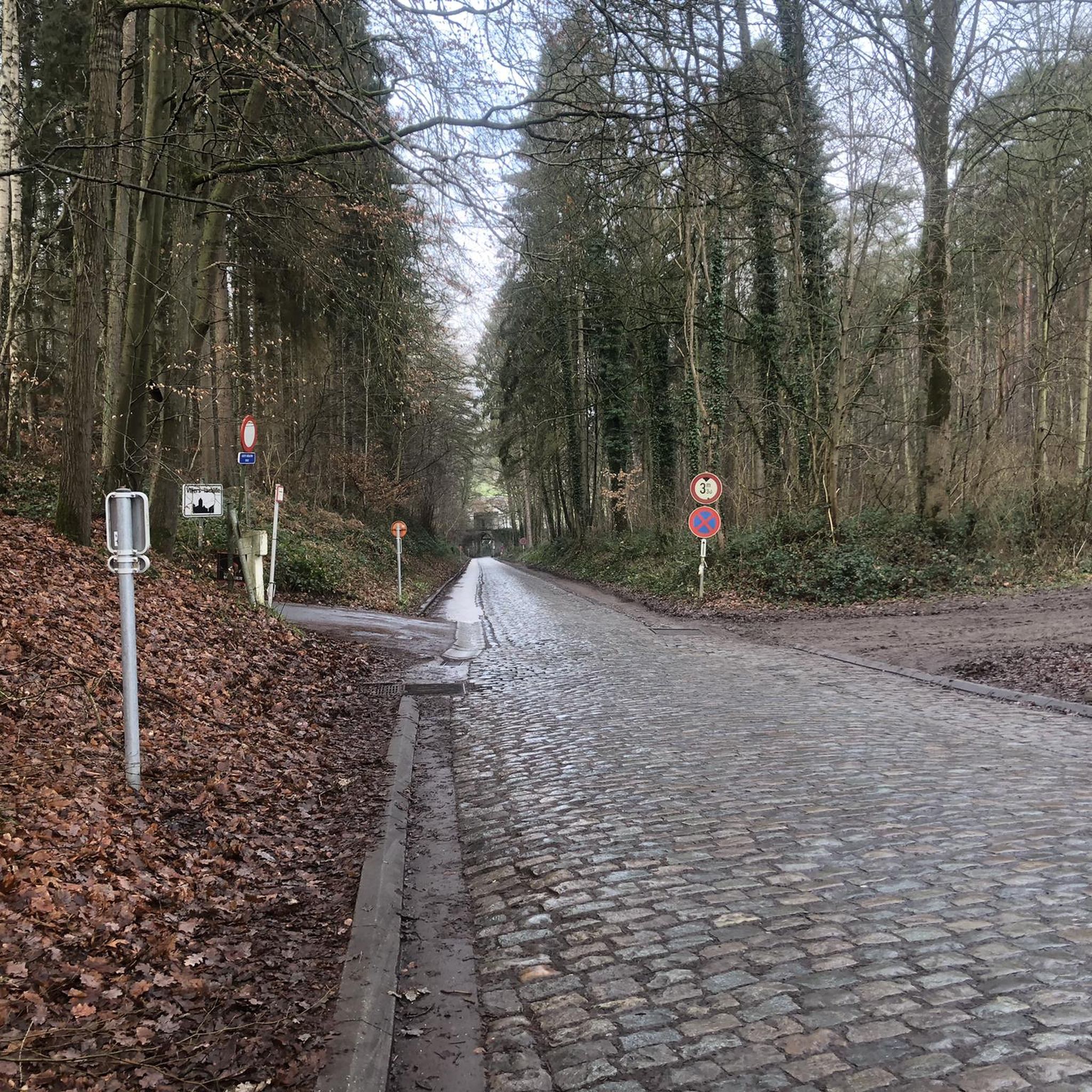
The Plateau de Malzéville, located at the gates of Nancy, offers an exceptional panoramic view of the Meurthe valley and the city below. This natural site, surrounded by meadows and forests, is a popular place for walks, with paths winding through green landscapes. At the top of the plateau, the calm and serenity allow you to fully enjoy nature while admiring the unobstructed view.
0
1

Beautiful and surrounded by trees.
1
0

Historic monument! The Place de l'Alliance is part of the 18th-century monumental ensemble inscribed as a UNESCO World Heritage site in 1983. The works were directed by the king's first architect, Emmanuel Héré, who deployed for the ensemble of famous squares in Nancy the quintessence of his building art by materializing the link between the two existing cities, the medieval city and the city of Charles III (built in the 17th century). The fountain placed in its center is composed of a stone basin on which three old men representing rivers are leaning. Their shoulders support an entablature on which stands a triangular marble obelisk. Originally commissioned for the hemicycle of the Carrière, it was moved in 1756 and transformed in honor of the new alliance between the Bourbons and the Habsburg-Lorraines. On this occasion, a shield was added, inscribed with "perenne foedus, anno 1756" (perpetual alliance), to the genius crowning the obelisk.
2
0

A wonderful and historic place
2
0
Frequently Asked Questions
What are some of the most popular natural monuments around Maxéville?
Visitors frequently appreciate the Plateau de Malzéville, a Natura 2000 classified site known for its rich flora, fauna, and panoramic views. Another highly regarded spot is the Confluence of the Moselle and Meurthe rivers, offering a unique perspective on where these two historically significant waterways meet.
Are there natural monuments around Maxéville that are suitable for families?
Yes, several natural monuments are family-friendly. Both the Plateau de Malzéville and the Confluence of the Moselle and Meurthe rivers are great options for families. Additionally, the Fountain of Place d'Alliance, with its trimmed trees, offers a pleasant and accessible setting for all ages.
What unique natural features can I discover in Maxéville's natural spaces?
Maxéville's natural spaces boast diverse features. You can find remarkable old-growth trees, such as the Chêne du Bon Dieu (Oak of the Good God) along the Sentier à travers bois. The Sentier entre Meurthe et Canal is known for its varied flora and fauna, including opportunities for birdwatching, with kingfishers often spotted, and bat spotting in the evenings.
Are there specific walking paths or trails to explore Maxéville's natural monuments?
Yes, Maxéville offers dedicated paths. The Sentier à travers bois is a 3 km loop traversing the Forêt Songeur and Forêt du Chêne du Bon Dieu, perfect for a peaceful escape. Another option is the Sentier entre Meurthe et Canal, a 4 km path connecting natural spaces within the urban environment, ideal for leisurely strolls and nature observation.
What kind of outdoor activities can I do near these natural monuments?
The area around Maxéville is excellent for various outdoor activities. You can find numerous hiking trails, including moderate routes like the 'Stanislas Square – Nancy City Hall loop'. For cyclists, there are extensive road cycling routes and gravel biking paths, such as the 'Moselle Riverside Path' loops.
Are there any historical or cultural sites integrated with the natural monuments?
Yes, the Fountain of Place d'Alliance in Nancy is a man-made monument considered a natural monument due to its integration with trimmed trees, offering both historical significance and natural beauty. Additionally, the Church of Amance and Its Centenarian Cedar provides a historical setting with a magnificent view and a cedar tree brought from Lebanon in 1865.
What is the best time of year to visit Maxéville's natural monuments?
While specific seasonal tips are not available for all sites, spring and autumn generally offer pleasant weather for exploring the walking paths and natural spaces. These seasons provide comfortable temperatures for hiking and cycling, and the changing foliage can enhance the scenic beauty of areas like the Forêt Songeur and Forêt du Chêne du Bon Dieu.
Are there any viewpoints offering scenic panoramas of the region?
Absolutely. The Plateau de Malzéville is well-known for its panoramic views from its summit. Another excellent spot is the View of the Moselle Valley and the village of Maron from the Dent de la Roche viewpoint, where you can enjoy an exceptional panorama from the top of a cliff.
Can I bring my dog to the natural monuments and trails around Maxéville?
While specific dog policies for each individual natural monument are not detailed, many outdoor trails and natural spaces in France are generally dog-friendly, especially if dogs are kept on a leash. It's always advisable to check local signage or specific park regulations upon arrival to ensure compliance.
What efforts does Maxéville make to preserve its natural heritage?
Maxéville is committed to preserving its natural heritage, having received a '3 libellules' label for its environmental protection efforts. The municipality actively maintains trails and green spaces, works to enhance biodiversity along routes like the Sentier entre Meurthe et Canal, creates pedagogical gardens, and eliminates pesticides from communal green areas.
What do visitors enjoy most about the natural monuments in Maxéville?
Visitors particularly enjoy the rich and varied flora and fauna found at sites like the Plateau de Malzéville, as well as the beautiful panoramas from its summit. The historical significance and unique meeting point of the Confluence of the Moselle and Meurthe rivers are also highly appreciated. The overall appeal lies in the peaceful escape into nature and the integration of green spaces within the urban landscape.
Are there any natural monuments that are particularly significant for their trees?
Yes, the Sentier à travers bois is notable for traversing forests with remarkable trees such as beeches, hornbeams, and conifers, including the explicitly mentioned Chêne du Bon Dieu (Oak of the Good God), which is considered a true Maxévillois monument. The Church of Amance also features a centenarian cedar brought from Lebanon.
Most popular routes around Maxéville
Most popular attractions around Maxéville

Get inspired with the komoot mobile app


Explore more
Extend your search for the best caves by checking out these guides of the top ones around Maxéville:
