Top 6 Natural Monuments around Curgies
Best natural monuments around Curgies offer opportunities to explore the natural features of the region. While Curgies itself is characterized by agricultural land and urbanized areas, the surrounding landscape includes rivers like the Wult and Saméon. The area provides access to a variety of natural sites, including geological formations and forests, suitable for outdoor activities. This guide details 6 natural monuments located near Curgies.
Best natural monuments around Curgies
- The most popular natural monuments is Le Caillou-qui-Bique, a natural…
Last updated: July 2, 2026
Le Caillou-qui-Bique
Highlight • Natural Monument
A little step back in time... …
Translated by Google •
Tip by

Bois d'Angre
Highlight • Forest
Translated by Google •
Tip by

Sign up now to discover places like this
Get recommendations on the best single tracks, peaks, & plenty of other exciting outdoor places.
Sign up for free
Trees with mistletoe
Highlight • Forest
The white, berry-like fruit is spread by birds. …
Translated by Google •
Tip by

Menhir known as Le Gros Caillou or Grès Montfort
Highlight • Historical Site
The place allows you to take a short break and enjoy a very beautiful view.
The paths are very rolling and very well maintained.
Translated by Google •
Tip by

Quélipont Waterfall
Highlight • Waterfall
Translated by Google •
Tip by
Sign up for free to discover even more natural monuments around Curgies.
Sign up for free
Already have an account?
Start today with a free account
Your next adventure awaits.
Login or Signup


Tips from the Community

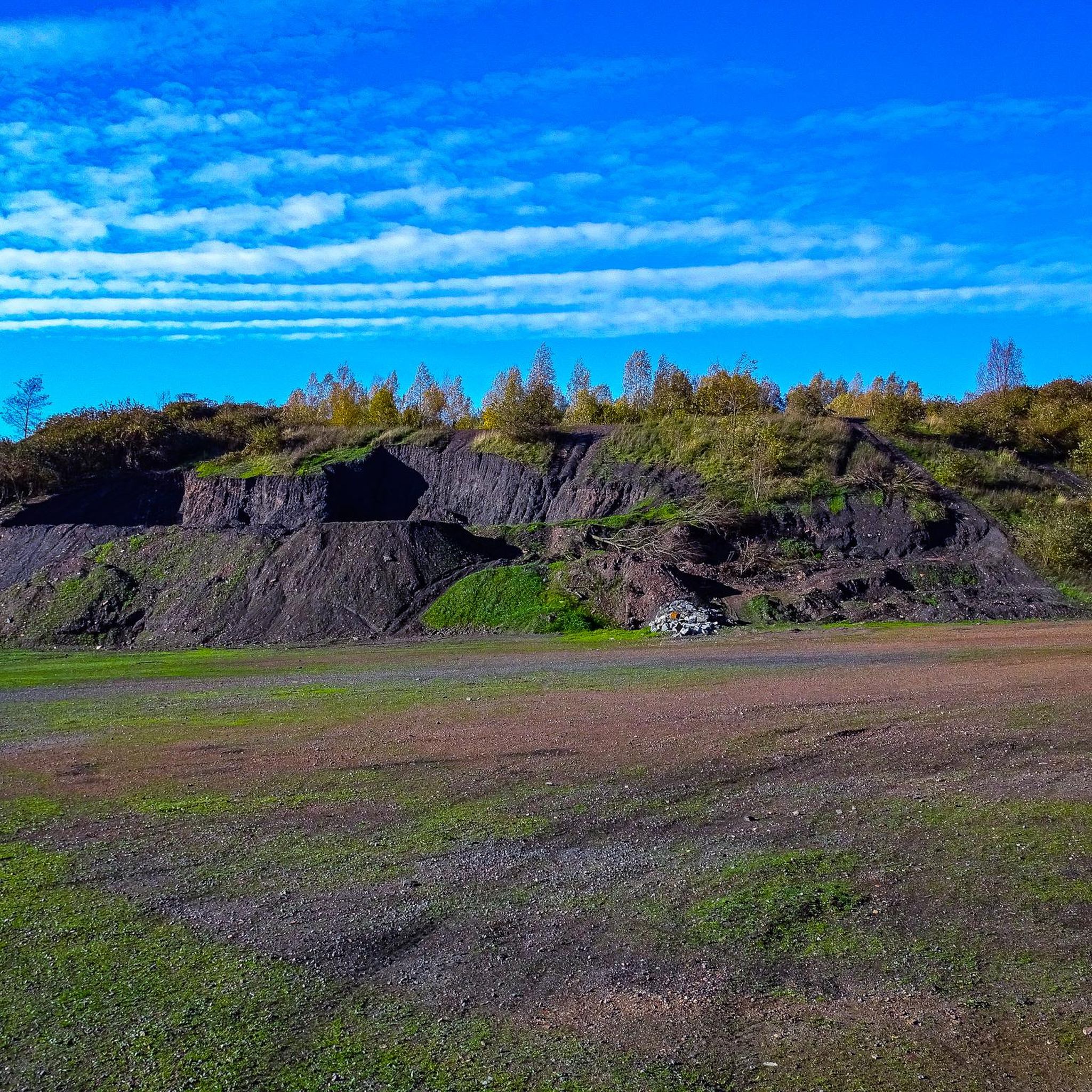
a beautiful place to rest
0
0

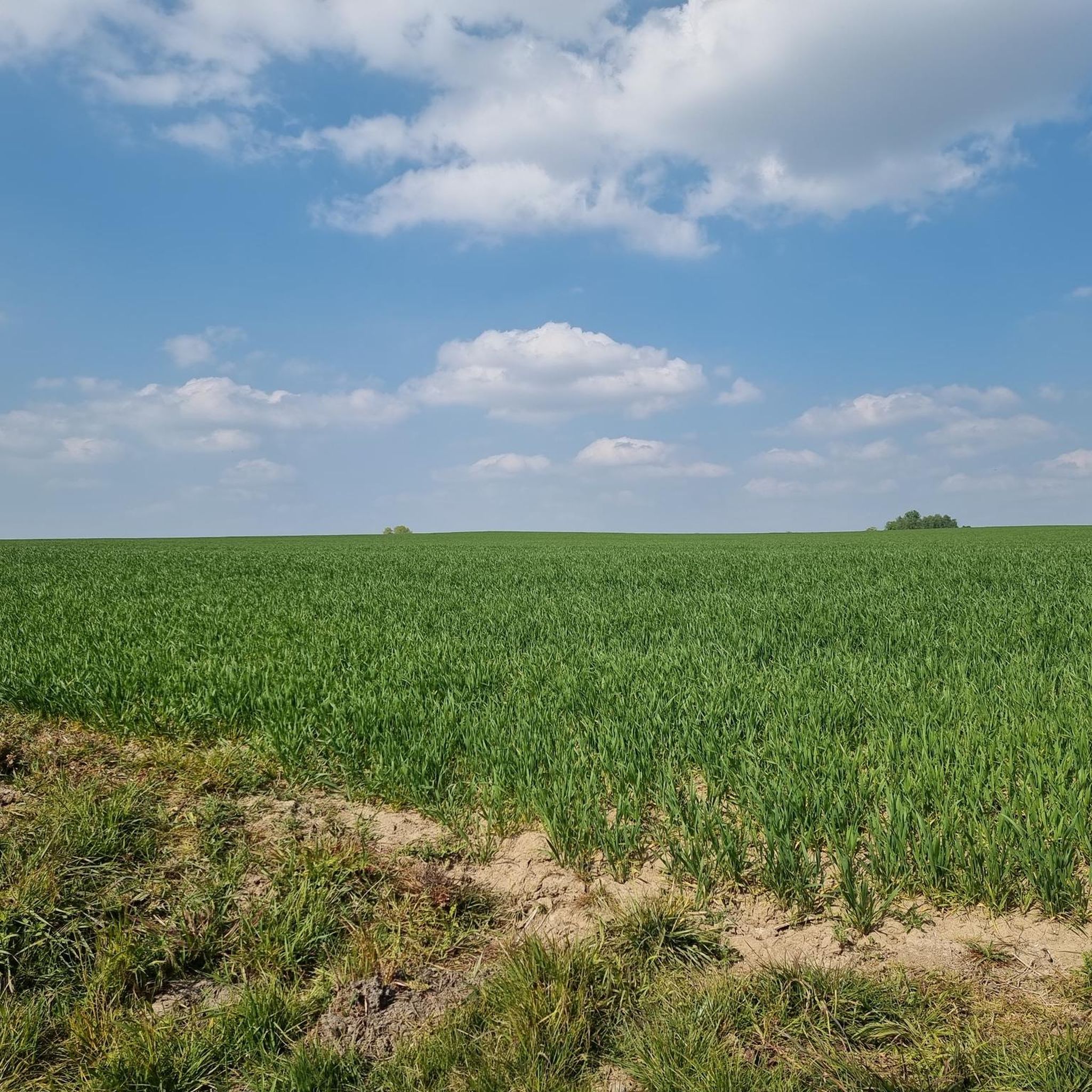
Beautiful walk between countryside and village. Pretty paths and alleys. To discover
0
0

Very nice little spot at the bend of a jogging
1
0

The Bois d'Angre, located in Honnelles, is a forest renowned for the Caillou-qui-Bique, a 370 million year old pudding rock. This forest is home to rich biodiversity with oaks, ash trees and various rare species. A place of legends and hikes, the Angre woods is a precious natural site in Wallonia, managed by Natagora and other organizations to preserve its unique fauna and flora.
2
0

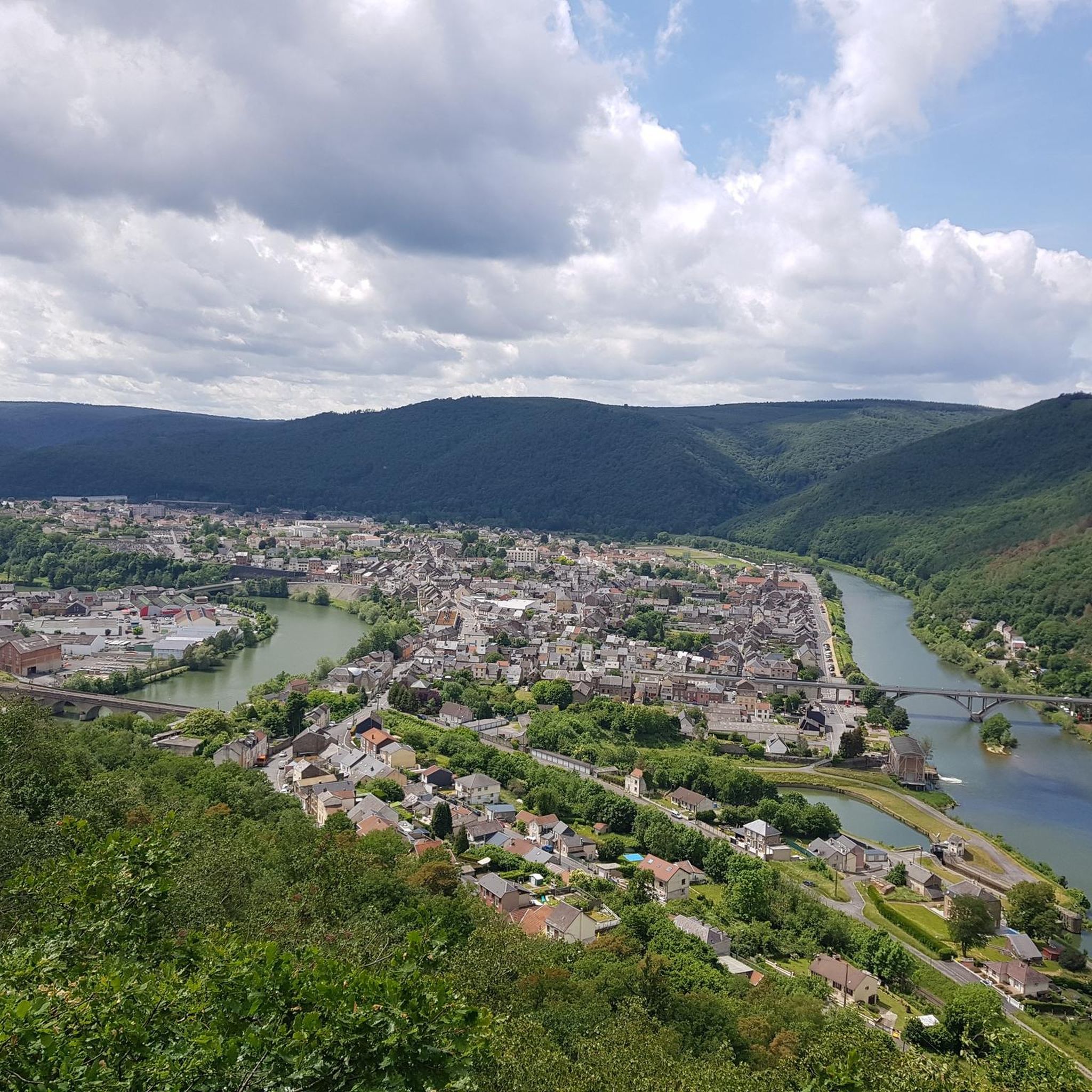
magnificent view of the Ecaillon valley
0
0
Nice place in good weather. Easy access. Families, athletes... nothing bad and a small bench to take a break before going back to the countryside :-)
0
0

This rock formation is very special in the forest!
2
0
Frequently Asked Questions
What types of natural monuments can I explore around Curgies?
Around Curgies, you can discover a variety of natural monuments, including unique geological formations like Le Caillou-qui-Bique and the Menhir known as Le Gros Caillou or Grès Montfort. There are also beautiful forests such as Bois d'Angre, and scenic spots like the Quélipont Waterfall.
Are there any family-friendly natural monuments near Curgies?
Yes, several natural monuments around Curgies are suitable for families. Bois d'Angre is a great option for walks, and the Menhir known as Le Gros Caillou or Grès Montfort offers an easy-to-access historical site with nice views. The Quélipont Waterfall is also a refreshing spot for a family break.
What makes Le Caillou-qui-Bique a significant natural monument?
Le Caillou-qui-Bique is a remarkable 25-meter high stone, composed of fragments of various natural elements, perched on a ridge. It's not only a geological wonder but also steeped in local legend, adding a mythical dimension to its natural appeal. It's located within the Bois d'Angre.
Can I go hiking or cycling near these natural monuments?
Absolutely! The area around Curgies offers various routes for outdoor activities. For cycling, you can explore options like the "Bois d’Angre – Caillou-qui-Bique Rock loop from Eth" or the "Maison rouge – Sebourg Waterfall loop from Sebourg." Road cyclists might enjoy the "Quelipont Waterfall – Côte de la Cascade loop from Curgies." You can find more details on these and other routes in the Cycling around Curgies and Road Cycling Routes around Curgies guides.
What is special about Bois d'Angre?
Bois d'Angre is a forest renowned for its rich biodiversity, featuring oaks, ash trees, and various rare species. It's also home to the famous Caillou-qui-Bique, a 370-million-year-old pudding rock. The forest offers numerous trails for discovery and is a precious natural site in Wallonia, managed for its unique fauna and flora.
Are there any historical natural monuments in the region?
Yes, the Menhir known as Le Gros Caillou or Grès Montfort is a significant historical site. This ancient megalith offers a glimpse into the past and provides beautiful views of the Ecaillon valley, making it a great spot for a short break.
What can I expect to see at the Quélipont Waterfall?
The Quélipont Waterfall is a charming and refreshing natural spot, especially pleasant during warmer months. It's nestled within a forest, offering a tranquil setting ideal for a pause during your outdoor adventures.
Is there wildlife to spot around the natural monuments?
While specific wildlife sightings aren't guaranteed, areas like Bois d'Angre are known for their rich biodiversity. This forest is home to various species of flora and fauna, making it a good place for nature observation, particularly for birds and smaller woodland creatures.
What do visitors enjoy most about the natural monuments around Curgies?
Visitors frequently appreciate the unique geological features, the tranquility of the forests, and the historical significance of sites like the Menhir. The blend of natural beauty, local legends, and opportunities for outdoor activities like hiking and cycling are often highlighted as key attractions.
Are there any unique plant features to look out for?
Yes, you might encounter Trees with mistletoe. Mistletoe is an evergreen semi-parasite that grows on trees, known for its leathery leaves and white, berry-like fruit. It holds cultural significance as a symbol of fertility and love in various traditions.
What is the best time of year to visit the natural monuments around Curgies?
The natural monuments around Curgies can be enjoyed throughout the year. Spring brings lush greenery and blooming flora, while autumn offers beautiful foliage. Summer is ideal for enjoying refreshing spots like the Quélipont Waterfall, and even winter walks can be picturesque, especially in forests like Bois d'Angre.
Are there gravel biking routes available near these natural monuments?
Yes, gravel biking is a popular activity in the wider region. You can find routes such as the "Terril de Condé-Macou – Étang Chabaud-Latour loop from Valenciennes" or the "Towpath of the Scarpe – Marchiennes State Forest loop from Valenciennes." More options are detailed in the Gravel biking around Curgies guide.
Most popular attractions around Curgies

Get inspired with the komoot mobile app


Explore more
Extend your search for the best caves by checking out these guides of the top ones around Curgies:
