Top 9 Natural Monuments around Los Masos
Best natural monuments around Los Masos, a commune in the Pyrénées-Orientales department of France, are characterized by unique geological formations and diverse landscapes. The region is part of the Catalan Pyrenees, offering a blend of mountainous terrain, valleys, and significant natural sites. This area provides opportunities to explore various natural features, from high peaks to underground cave systems. Visitors can find most popular hiking trails Los Masos France within this varied terrain.
Best natural monuments around Los Masos
- The most…
Last updated: October 18, 2026
Canigou
Highlight • Summit
Showing Translation
Tip by

Pic de la Pena
Highlight • Summit
Tour to the highlight: komoot.de/tour/340851629?ref=itd
Translated by Google •
Tip by

Sign up now to discover places like this
Get recommendations on the best single tracks, peaks, & plenty of other exciting outdoor places.
The Estanyol
Highlight • Lake
Translated by Google •
Tip by

Refuge de Bonne-Aigue
Highlight • Mountain Hut
It is open all year round to hikers.
Translated by Google •
Tip by
Waterfall on Chemin des Rochers
Highlight • Waterfall
Showing Translation
Tip by

Sign up for free to discover even more natural monuments around Los Masos.
Already have an account?
Start today with a free account
Your next adventure awaits.

Other adventures around Los Masos

Tips from the Community

On a stony path, as its name suggests, lies this particular waterfall. Crossing the bridge is fascinating and refreshing.
0
0

Generally shaded, this loop can be done in hot weather.
0
0

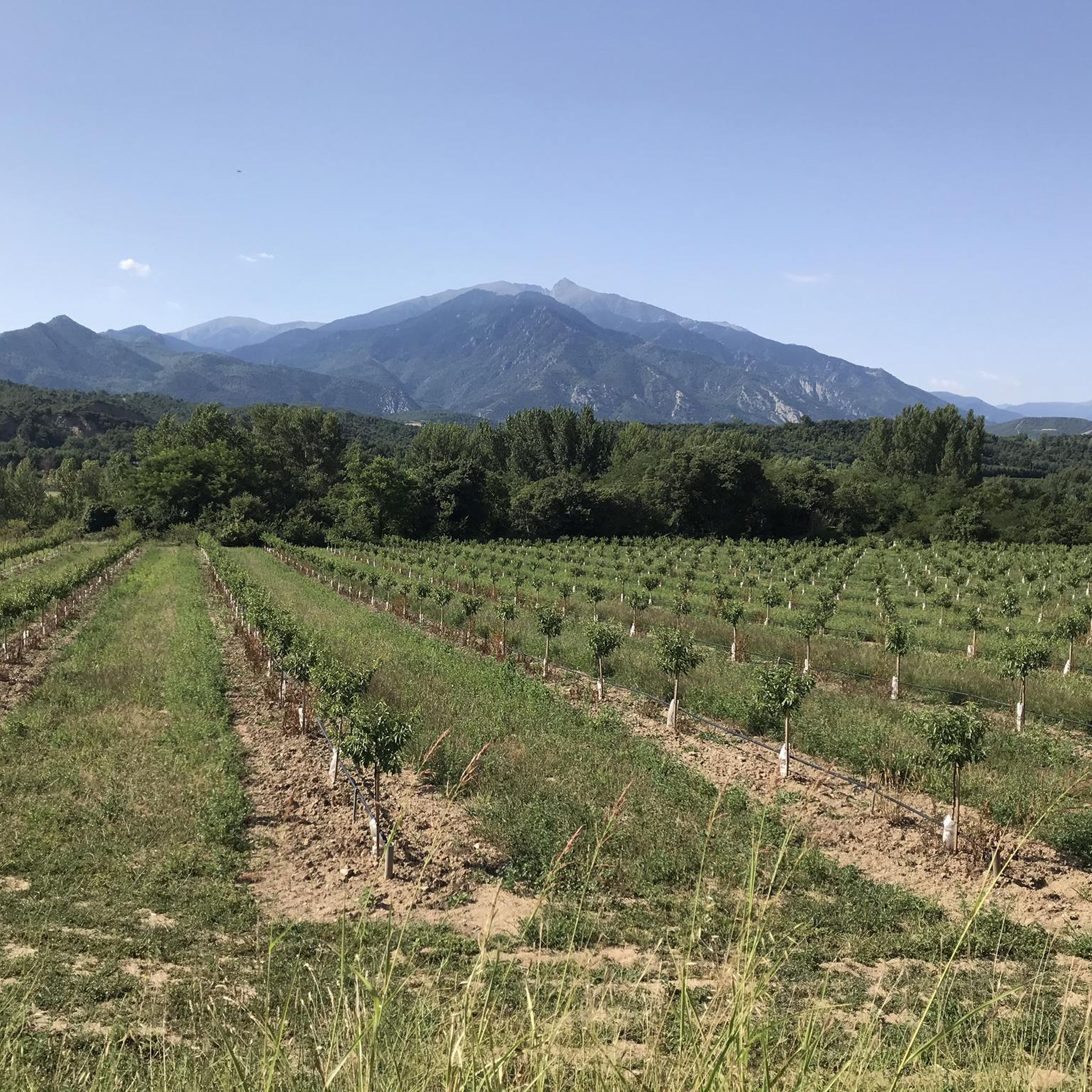
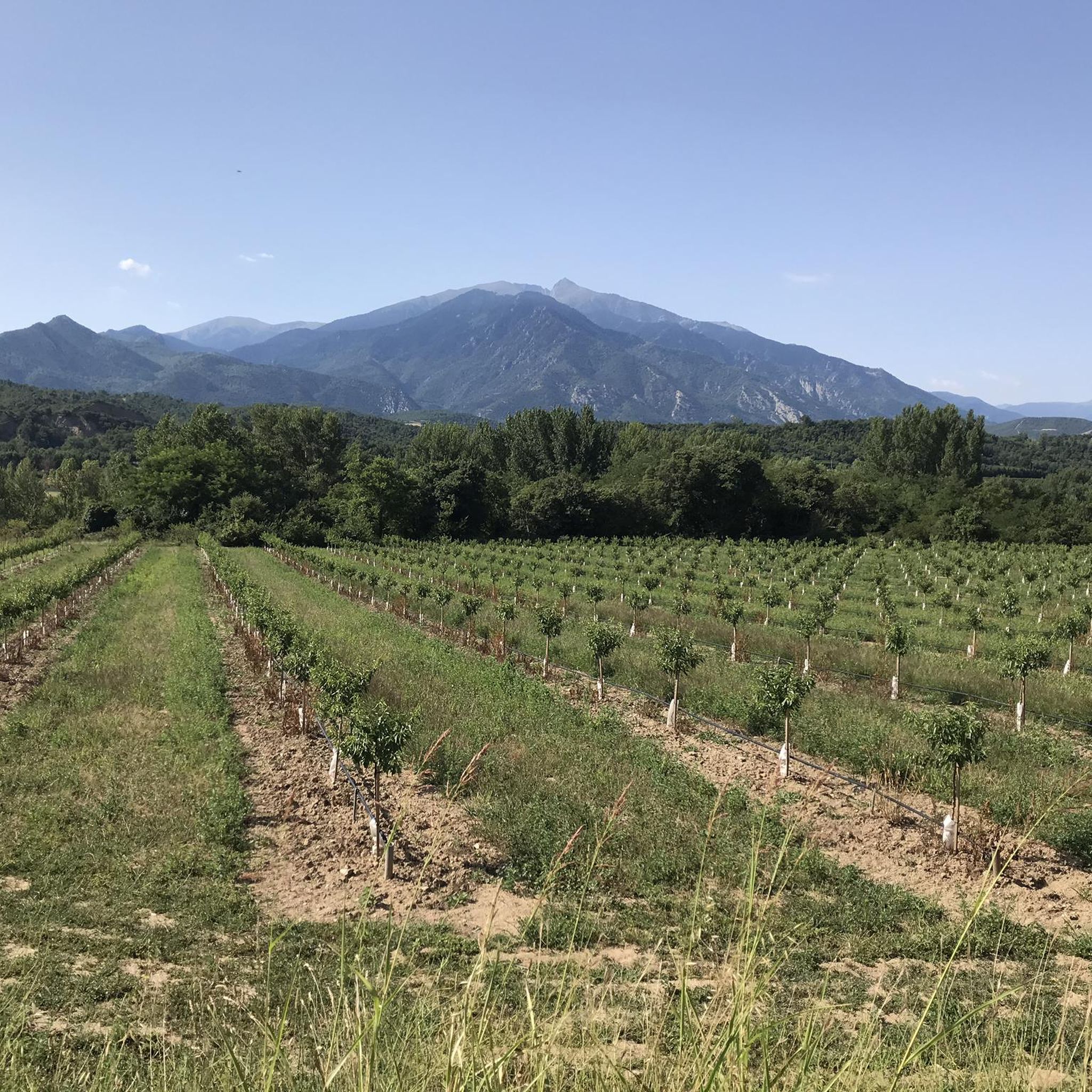
The classic and probably most visited peak in the eastern Pyrenees. Due to its location, this mountain can be seen far into France. The gravel road to the Ras dels Cortalets parking lot requires good shock absorbers (please correct if driving there is no longer permitted). From there, it's only another 600 meters in altitude via Pic Joffre to the summit. The second ascent from the south is a bit more demanding - which also makes a traverse possible.
2
3

Magnificent summit, one of the emblems of Catalonia, the ascent and descent made by the famous chimney more impressive than difficult
0
0

Unmanned shelter with fresh spring water
3
0

This small pond is one of the corners of paradise hidden here and there in the mountains. Come closer, sit down and take the time to observe the wildlife and the landscape. It is ideally located for a break before starting the ascent to the Canigou peak.
0
0
This old, unguarded refuge is still in good condition. It is perched on a privileged location, on a balcony, offering superb panoramas of Vernet-les-Bains on the north-west slope of Canigou. It is open all year round to hikers.
1
0

The Pic du Canigou is a summit in the Pyrénées-Orientales in the south of France. Reaching an altitude of 2,784 meters, it is located in the Parc Naturel Régional des Pyrénées Catalanes, about 50 kilometers from the city of Perpignan. The Pic du Canigou is considered a symbol of Catalonia, with a legend that the mountain is the throne of the King of Catalonia. It is also considered a sacred place for Catalans, with a local tradition of climbing the mountain to watch the sunrise on the summer solstice. The mountain is a popular hiking destination, with several hiking trails leading to the summit. Hikers can also spend the night in mountain refuges located along the trails. In winter, the Canigou is also a place for cross-country skiing and snowshoeing. The summit of the Canigou offers a panoramic view of the Pyrenees and the Mediterranean Sea, as well as the city of Perpignan and the Roussillon plain. The region is also rich in flora and fauna, with species such as the Pyrenean chamois, the mouflon, and the golden eagle. The Pic du Canigou is an important pilgrimage site for Catalans, as well as a place for hiking and exploration for visitors to the region.
5
5
Frequently Asked Questions
What are some of the most notable natural monuments to explore near Los Masos?
The region around Los Masos offers several remarkable natural monuments. The most popular is Canigou, a sacred mountain offering panoramic views. Another must-see is Pic de la Pena, which provides a magnificent panorama at 1062 meters. For a tranquil spot, visit The Estanyol, a small lake ideal for wildlife observation before ascending Canigou.
Are there any family-friendly natural sites around Los Masos?
While many sites involve hiking, some offer more relaxed experiences. The Estanyol lake is a peaceful spot where families can observe wildlife. The Lac des Bouillouses, the highest mountain lake in the Pyrenees, also offers stunning landscapes and opportunities for relaxation, though access might be regulated with shuttle buses during peak seasons. For a unique geological experience, the Orgues d'Ille-sur-Têt, with their 'fairy chimneys,' are a fascinating spectacle for all ages.
What kind of geological features can I expect to see in the natural monuments near Los Masos?
The area is rich in diverse geological formations. You can witness the dramatic eroded sandstone columns known as the Orgues d'Ille-sur-Têt, often called 'fairy chimneys,' which create an otherworldly landscape. The majestic Pic du Canigou and Pic de la Pena are prominent mountain peaks, showcasing the rugged beauty of the Pyrenees. Additionally, the region features underground cave systems like the Grotte des Canalettes, offering intricate rock formations, stalactites, and stalagmites.
What are the best times of year to visit the natural monuments around Los Masos?
The best time to visit largely depends on your desired activity. Spring and autumn offer pleasant temperatures for hiking and exploring the mountain peaks and lakes. Summer is ideal for enjoying the refreshing waters of waterfalls like the Saint-Vincent Waterfall and for higher altitude hikes. In winter, areas around Canigou transform into a locale for cross-country skiing and snowshoeing, but some trails may be challenging due to snow.
Are there hiking trails near these natural monuments, and where can I find more information?
Yes, the region is a haven for hikers. The Canigou peak, for instance, has several trails leading to its summit, with mountain huts available for overnight stays. You can find various hiking options, including easy, moderate, and difficult routes, in the nearby guide for Hiking around Los Masos. This guide includes trails like the 'Coma loop from Eus' and 'Saint-Michel de Cuxa Abbey loop from Prades'.
What outdoor activities, besides hiking, can I do near the natural monuments?
Beyond hiking, the area around Los Masos offers diverse outdoor activities. You can find numerous running trails, such as the 'Dolmen de la Font de l'Orri loop from Eus,' detailed in the Running Trails around Los Masos guide. For cyclists, there are challenging road cycling routes, including 'Loop between Lac de Vinça and Eus,' available in the Road Cycling Routes around Los Masos guide.
Are there any natural monuments that are particularly challenging for experienced hikers?
Absolutely. The ascent to the summit of Canigou is considered challenging, with steep climbs and sections requiring surefootedness and a head for heights. Similarly, the climb to Pic de la Pena is also rated as challenging, offering a rewarding experience for seasoned hikers.
Where can I find accommodation or places to rest near the natural monuments?
For those exploring the higher altitudes, mountain huts like the Refuge de Bonne-Aigue offer basic accommodation. This particular refuge is unguarded but in good condition, providing superb panoramas. Near The Estanyol lake, close to the Cortalets refuge, you can even pitch a tent in designated areas. In the broader Los Masos region, you'll find various cafes, restaurants, and accommodation options in nearby towns.
What should I bring for hiking to the natural monuments in this region?
For most trails, especially those leading to summits like Canigou or Pic de la Pena, sturdy shoes are highly recommended due to steep and rocky terrain. For waterfalls like Saut Grand de Castlar Waterfall, sturdy shoes are also advised. Always carry enough water, snacks, appropriate clothing layers for changing mountain weather, and navigation tools. If planning an overnight stay, consider booking mountain huts in advance.
Are there any hidden natural gems or less-known spots worth discovering?
While not extensively detailed, the Grotte des Canalettes offers a unique underground experience away from the more popular mountain trails. Additionally, the Saint-Vincent Waterfall, with its refreshing pool, and the nearby Cascade des Anglais, provide picturesque scenery and a tranquil escape. These spots offer a different perspective on the region's natural beauty beyond the prominent peaks.
Can I bring my dog to the natural monuments and trails around Los Masos?
Many natural areas and trails in the Pyrénées-Orientales are generally dog-friendly, especially if dogs are kept on a leash. However, specific regulations can vary, particularly within protected areas like the Regional Natural Park of the Catalan Pyrenees or near wildlife habitats. It's always best to check local signage or park guidelines for the specific natural monument you plan to visit to ensure a pleasant and responsible visit with your dog.
Is public transport available to reach the natural monuments near Los Masos?
While Los Masos is situated in a region with stunning natural beauty, direct public transport to all remote natural monuments can be limited. For some popular sites like Lac des Bouillouses, access during peak seasons might involve regulated shuttle buses or chairlifts from designated parking areas. For other locations, a combination of local buses to nearby towns followed by hiking or private transport might be necessary. Planning ahead is advisable.
Most popular routes around Los Masos
Most popular attractions around Los Masos

Get inspired with the komoot mobile app


Explore more
Extend your search for the best caves by checking out these guides of the top ones around Los Masos:
