Top 6 Natural Monuments around Bettrechies
Best natural monuments around Bettrechies showcase the region's notable geological heritage, primarily centered around the Carrière de Bettrechies-Bellignies. This area provides an opportunity to observe Givetian blue limestone, a formation dating back to the Paleozoic Era, and features evidence of geological processes and fossils. The landscape, sometimes referred to as the "Petite Suisse du Nord," offers verdant, undulating terrain along the Hogneau stream. These sites offer insights into Earth's history and the region's historical economic activities.
Best natural monuments around…
Last updated: July 2, 2026
Le Caillou-qui-Bique
Highlight • Natural Monument
A little step back in time... …
Translated by Google •
Tip by

Bois d'Angre
Highlight • Forest
Translated by Google •
Tip by

Sign up now to discover places like this
Get recommendations on the best single tracks, peaks, & plenty of other exciting outdoor places.
Sign up for free
Terril Saint-Antoine
Highlight • Structure
Translated by Google •
Tip by

Trees with mistletoe
Highlight • Forest
The white, berry-like fruit is spread by birds. …
Translated by Google •
Tip by

Former Frédéric coal mine (Machine à feu)
Highlight • Historical Site
Translated by Google •
Tip by
Sign up for free to discover even more natural monuments around Bettrechies.
Sign up for free
Already have an account?
Start today with a free account
Your next adventure awaits.
Login or Signup

Tips from the Community

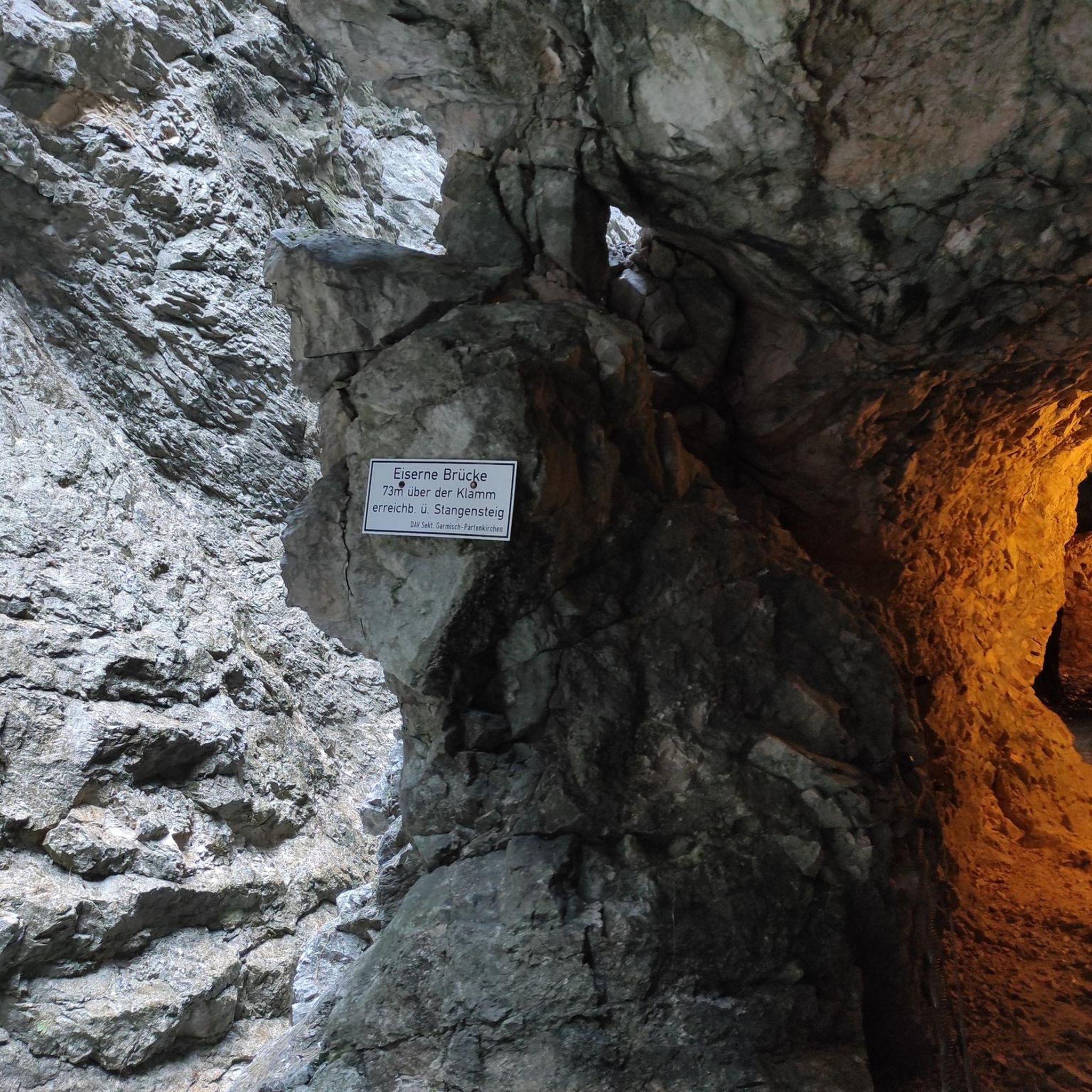
like a little trip to the moon...
0
0

The Bois d'Angre, located in Honnelles, is a forest renowned for the Caillou-qui-Bique, a 370 million year old pudding rock. This forest is home to rich biodiversity with oaks, ash trees and various rare species. A place of legends and hikes, the Angre woods is a precious natural site in Wallonia, managed by Natagora and other organizations to preserve its unique fauna and flora.
2
0

This rock formation is very special in the forest!
2
0

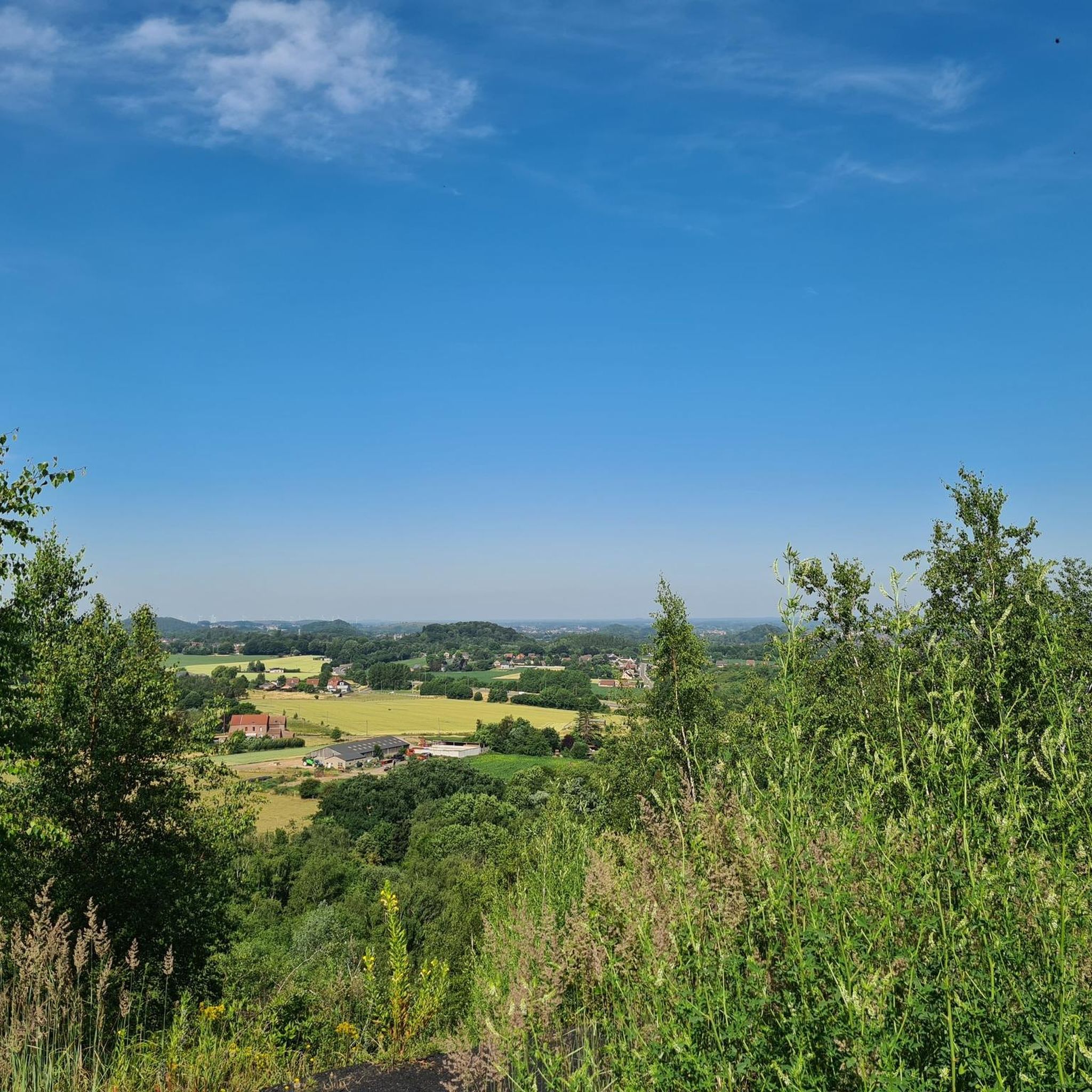
Puits N° 1 de la SA du Charbonnage de la Grande Machine à Feu de Dour In 1891 an explosion took place here in the underground. 21 miners lost their lives. Around that time, coke ovens were also built near the mine. The shafts had a depth of 970 meters. In 1913, the company had 1067 employees divided between the N°1 and the mine "Frédéric" (N°2). During that year, 148070 tons of coal was extracted. Frédéric closed on January 6, 1932. The N°1 closed on November 30, 1954. A company is located on the mine site. A few small buildings survived. The slag heap is still partly (flattened) present. In May 2021, it was decided to demarcate three zones. A first (terril) will become a nature reserve, a second zone will become an athletics track with grandstands (Dour Sports) and a third zone will be filled with solar panels, as is the case in neighboring Vedette. https://www.belgischesteenkoolmijnen.be/borinage/grande-machine-%C3%A0-feu/
4
0
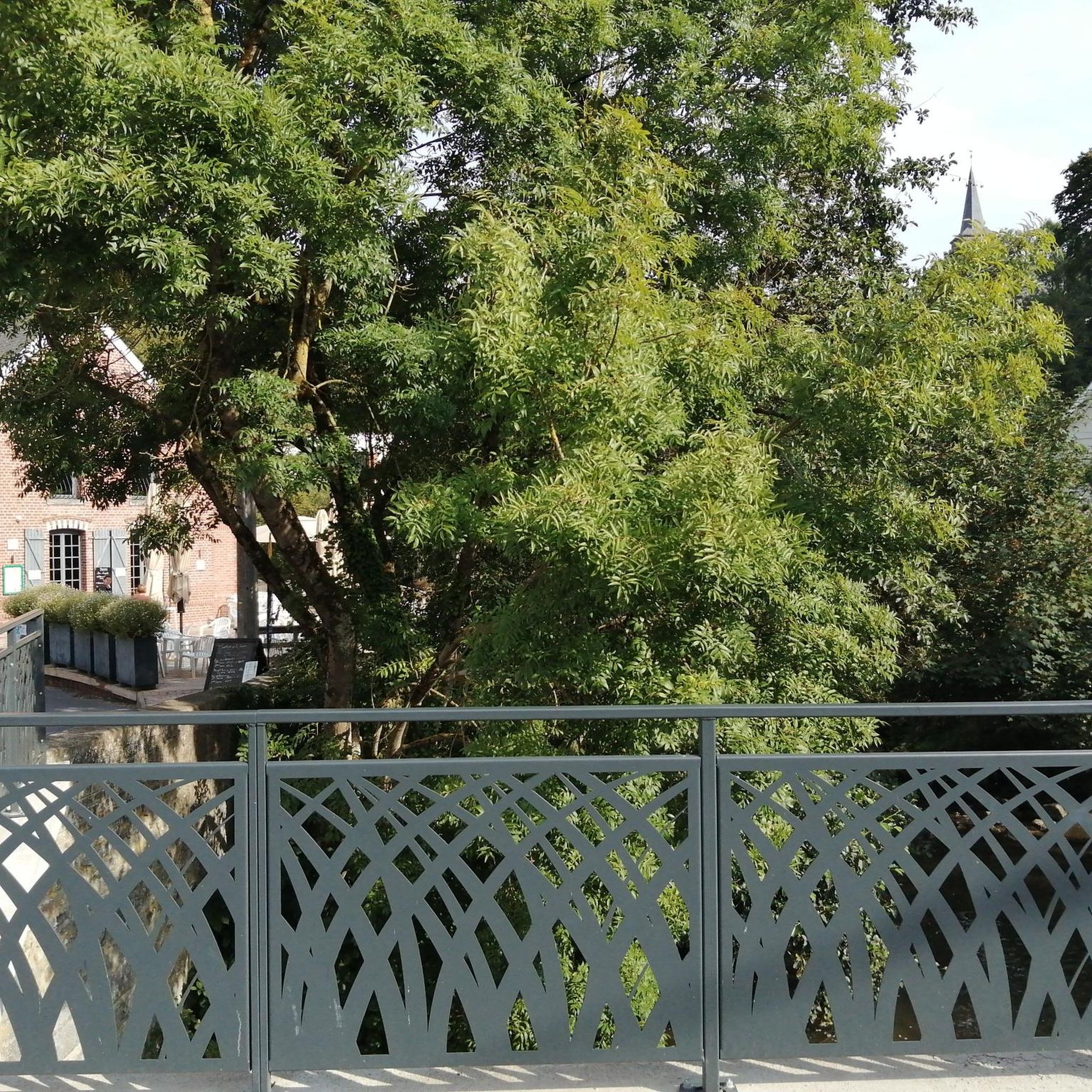
Behind the wall, the old pit of the Great Fire Engine.
4
0
Behind the wall, the old pit of the Great Fire Engine
3
0
A legend has been perpetuated for generations on this 25 meter high stone planted on a ridge (in patois we say that it rocks). A little step back in time... Saint-Ghislain completes the construction of its abbey. The devil decides that he will take advantage of the inauguration day to destroy the abbey and its occupants, by throwing an enormous stone found in the Pyrenees at the community. An angel warns Saint-Ghislain of the imminent danger weighing on the abbey. He gathers as many pairs of worn shoes as possible, which he slips into a huge bag and takes to the road to meet the evil one. Coming across a poor fellow in rags with holes in his shoes at this place, the devil, quite exhausted by the heavy load, questions him: “Is the abbey of Saint-Ghislain still far away? ". - “I’m coming from there, if it’s far!” » replies the old man while emptying his bag, filled with threadbare shoes, in front of the devil. Discouraged and disappointed, Satan preferred to give up, dropping his heavy stone on the ground and walking away blaspheming, fooled by the subterfuge. An hour and a half. N.B.: some historians say that this is the legend of Saint Remacle, during the construction of Stavelot Abbey. You are therefore free to substitute Remacle for Saint-Ghislain since this substitution does not modify the spirit of the story. In both cases, the devil is defeated. Cfr de informatiesteen ter hoogte van Le Chalet de Garde.
10
1
The Bois d'Angre or Bois du Caillou-qui-bique is a Belgian forest located in Angre in the commune of Honnelles in the Walloon region, on a private plot. It is particularly known for its "poudingue" (hard rock sediment), 370 million years old, 25 meters high, whose shape is reminiscent of a human face. He is also said to have inspired the poet Émile Verhaeren. https://fr.wikipedia.org/wiki/Bois_d%27Angre
6
0
Frequently Asked Questions
What unique geological features can I explore around Bettrechies?
The region around Bettrechies is renowned for its geological heritage. You can explore the **Carrière de Bettrechies-Bellignies**, which showcases the distinctive "calcaire bleu givétien" (Givetian blue limestone) and offers insights into geological formations and fossils from the Paleozoic Era. Another notable site is Le Caillou-qui-Bique, a 20 to 25 meter high rock with a unique composition, and the Bois d'Angre, home to a 370-million-year-old pudding rock.
Are there any family-friendly natural monuments or activities in the area?
Yes, the Bois d'Angre is considered family-friendly, offering various walks to discover its rich biodiversity. Additionally, the area where you can observe Trees with mistletoe can be an interesting and educational stop for families, especially given the plant's unique characteristics and symbolism.
What kind of historical or industrial sites are considered natural monuments in Bettrechies?
The region features sites that blend natural evolution with industrial history. The **Carrière de Bettrechies-Bellignies** itself, while a quarry, exposes millions of years of geological history and reflects the area's past in limestone exploitation. You can also visit Terril Saint-Antoine, a former coal slag heap that now offers panoramic views and is partly managed as a nature reserve, providing a unique perspective on industrial heritage reclaiming nature. Another site is the Former Frédéric coal mine (Machine à feu), which, despite its industrial past, is transitioning into a nature reserve.
What are the best ways to explore the natural monuments around Bettrechies?
The best way to explore is often on foot or by bike. The region offers a variety of trails suitable for walking and cycling. For instance, the Bois d'Angre has several walks to discover its natural riches. You can find numerous routes for different sports, including road cycling, touring cycling, and gravel biking, which often pass by or near these natural sites. Check out the Road Cycling Routes around Bettrechies, Cycling around Bettrechies, and Gravel biking around Bettrechies guides for detailed route information.
Are there opportunities for hiking or walking near these natural monuments?
Absolutely. The undulating landscapes, sometimes referred to as the "Petite Suisse du Nord," provide excellent opportunities for hiking and walking. Many routes are available that allow you to explore the natural monuments. For example, the Bois d'Angre offers various walking paths. You can find detailed walking and hiking routes in the Cycling around Bettrechies guide, which includes routes like the 'Chemin du Caillou-qui-Bique – RAVeL Line 98 loop from Gussignies' that are suitable for walking.
What is the 'Petite Suisse du Nord' and where can I experience it?
The 'Petite Suisse du Nord' (Little Switzerland of the North) refers to the picturesque, verdant, and undulating landscapes found in the region around Bettrechies, particularly along the steep slopes of the Hogneau stream. This designation highlights the area's natural charm and offers a scenic backdrop for exploring the geological sites and forests.
What kind of biodiversity can I expect to see in the natural areas?
The natural areas, such as the Bois d'Angre, are known for their rich biodiversity. This forest is home to various species of trees, including oaks and ash trees, and other rare plant species. The area's management by organizations like Natagora helps preserve its unique fauna and flora, offering opportunities for nature observation.
Can I learn about the local geology and history at these sites?
Yes, the natural monuments around Bettrechies are excellent for learning about both geology and local history. The **Carrière de Bettrechies-Bellignies** provides a direct view of ancient geological formations and fossils. Sites like Terril Saint-Antoine and the Former Frédéric coal mine (Machine à feu) offer tangible connections to the region's industrial past and its impact on the landscape.
What is the significance of the 'blue limestone' in the Bettrechies area?
The 'calcaire bleu givétien' (Givetian blue limestone), often called "blue gold," is a significant geological formation in the Bettrechies area. It dates back to the Givetian age of the Paleozoic Era and has historical economic importance due to its exploitation for marble and blue stone. The **Carrière de Bettrechies-Bellignies** is the primary site where you can observe this distinctive limestone. For more detailed information on this specific type of stone, you can refer to its Wikipedia page: Pierre bleue de Givet.
What do visitors particularly enjoy about the natural monuments around Bettrechies?
Visitors appreciate the unique blend of natural beauty and historical significance. The geological formations, like Le Caillou-qui-Bique with its local legends, and the rich biodiversity of places like the Bois d'Angre, are highly valued. The transformation of industrial sites such as Terril Saint-Antoine into natural reserves also offers unique panoramic views and insights into the region's past.
Are there any specific trails for mountain biking near these natural monuments?
Yes, for mountain biking enthusiasts, Terril Saint-Antoine is known as a place for mountain biking. Additionally, the Gravel biking around Bettrechies guide lists routes like 'Trails of Bois d'Angres – Bois d’Angre loop from Bellignies' and 'RAVeL Line 98 – Terril Saint-Antoine loop from Dour', which offer varied terrain suitable for gravel biking and some mountain biking experiences.
What is the best time of year to visit the natural monuments in Bettrechies?
While specific seasonal tips are not available for all sites, the verdant, undulating landscapes of the 'Petite Suisse du Nord' suggest that spring and autumn would be particularly pleasant for exploring, with mild weather and vibrant foliage. Summer also offers good conditions for outdoor activities, while winter walks can provide a different, serene experience, especially in forested areas like the Bois d'Angre.
Most popular routes around Bettrechies
Most popular attractions around Bettrechies

Get inspired with the komoot mobile app


Explore more
Extend your search for the best caves by checking out these guides of the top ones around Bettrechies:
