Attractions and Places To See around Uzwil - Top 20
Best attractions and places to see around Uzwil, a municipality in the canton of St. Gallen, Switzerland, offers a blend of historical sites, natural beauty, and cultural experiences. The region is characterized by the Thur River and its floodplains, providing picturesque landscapes for outdoor activities. Uzwil serves as a starting point for exploring various natural and cultural landmarks in its immediate surroundings.
Best attractions and places to see around Uzwil
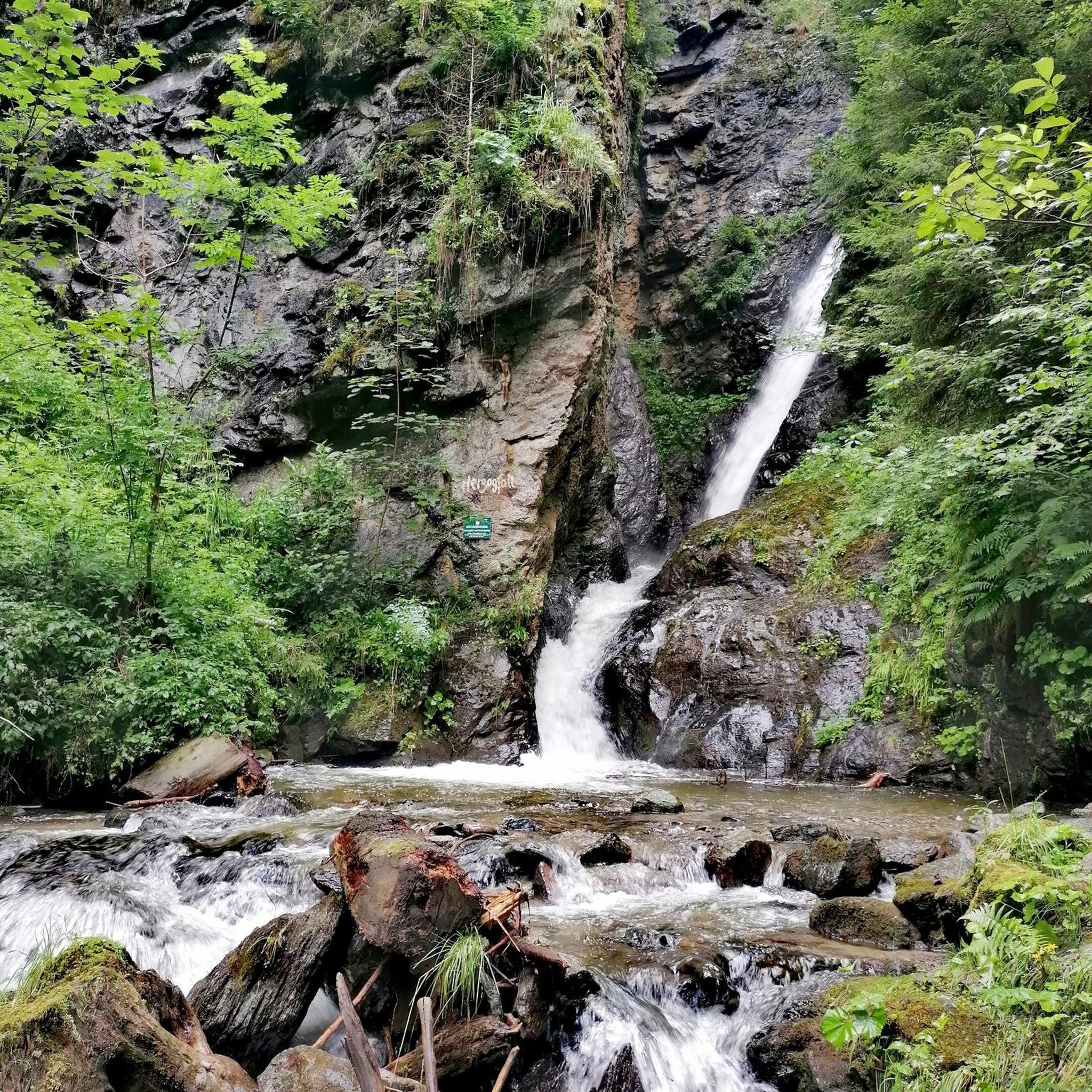
- The most popular attractions is Wissbach Gorge Trail, a gorge that is a wildly romantic side valley of the Glatt. A covered wooden walkway leads hikers safely through the gorge, making it suitable for families.
- Another must-see spot is Wissbach Gorge and Historic Power Plant, a gorge featuring a covered wooden walkway and numerous barbecue and rest stops along the river. Visitors can explore the narrow forest trails and the historic power plant.
- Visitors also love Old Town Bischofszell, a historical site known for its well-preserved town hall built between 1747 and 1750. This area is noted for its historical significance and architecture.
- Uzwil is known for its historical sites, natural gorges, and extensive hiking and cycling routes. Visitors can explore well-preserved old towns, river landscapes, and cultural landmarks.
- The attractions around Uzwil are appreciated by the komoot community, with more than 600 upvotes and over 200 photos shared by visitors.
Last updated: July 6, 2026
Old Town Bischofszell
Highlight • Historical Site
The town hall was built between 1747 and 1750 by Johann Caspar Bagnato (Marktgasse 11)
Text/Source: Wikipedia
de.wikipedia.org/wiki/Bischofszell#:~:text=The%20town hall%20was%20built between%201747%20%20the%20city fire%20%201419%20.
Translated by Google •
Tip by

Thur Suspension Bridge near Thurau
Highlight • Bridge
Translated by Google •
Tip by

Sign up now to discover places like this
Get recommendations on the best single tracks, peaks, & plenty of other exciting outdoor places.
Sign up for free
Wissbach Gorge Trail
Highlight (Segment) • Gorge
The Wissbach Gorge is a wildly romantic side valley of the Glatt between Gossau, Flawil and Degersheim. A covered wooden walkway leads hikers safely through the gorge. A paradise for families with children.
Text / Source: Outdooractive
outdooractive.com/de/route/wandern/ostschweiz-liechtenstein/gossau-wissbachschlucht-flawil/23425302
Translated by Google •
Tip by
Wissbach Gorge and Historic Power Plant
Highlight • Gorge
Translated by Google •
Tip by

Fischingen Abbey
Highlight • Religious Site
You can find more information at klosterfischingen.ch.
Translated by Google •
Tip by

Sign up for free to discover even more attractions around Uzwil.
Sign up for free
Already have an account?
Start today with a free account
Your next adventure awaits.
Login or Signup
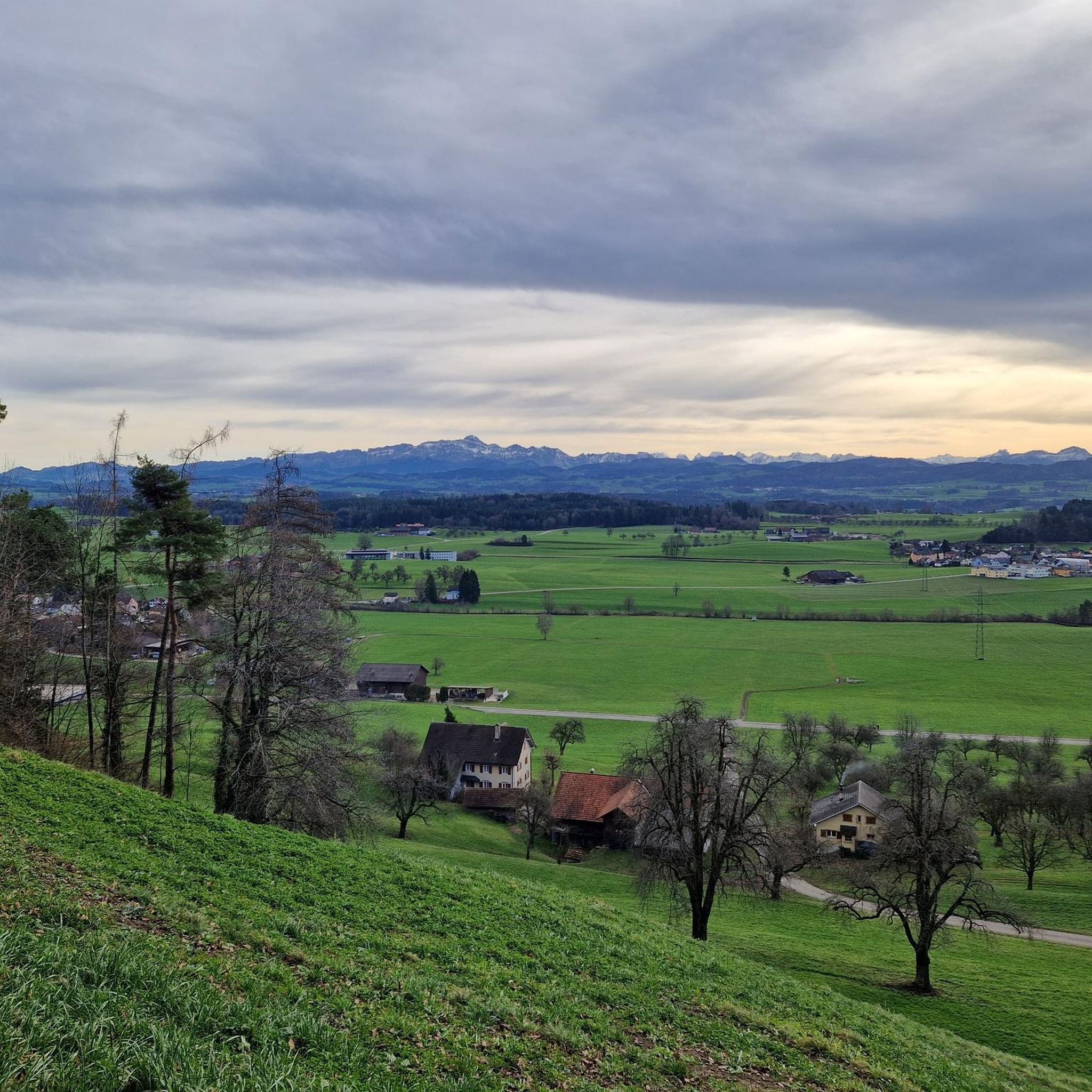
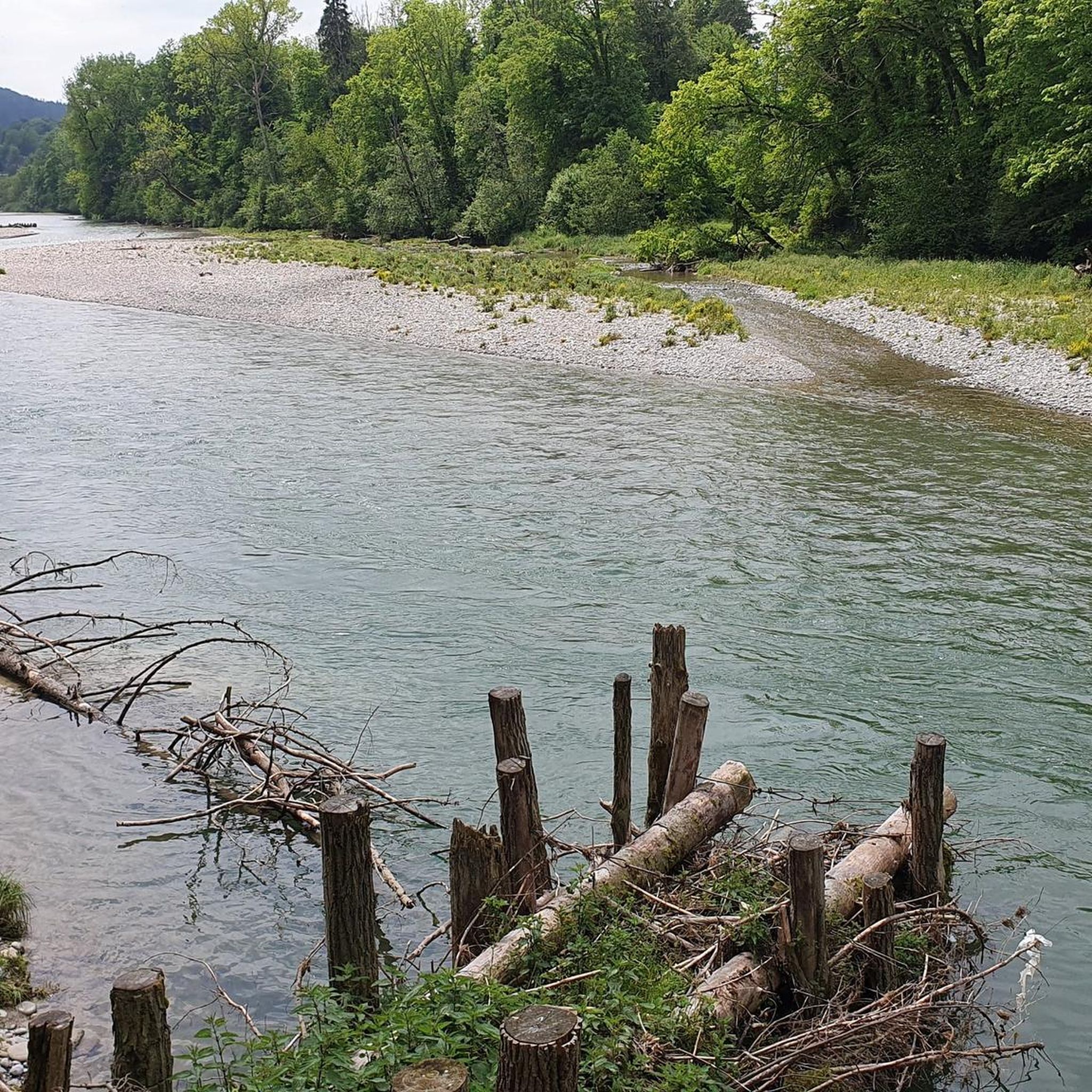
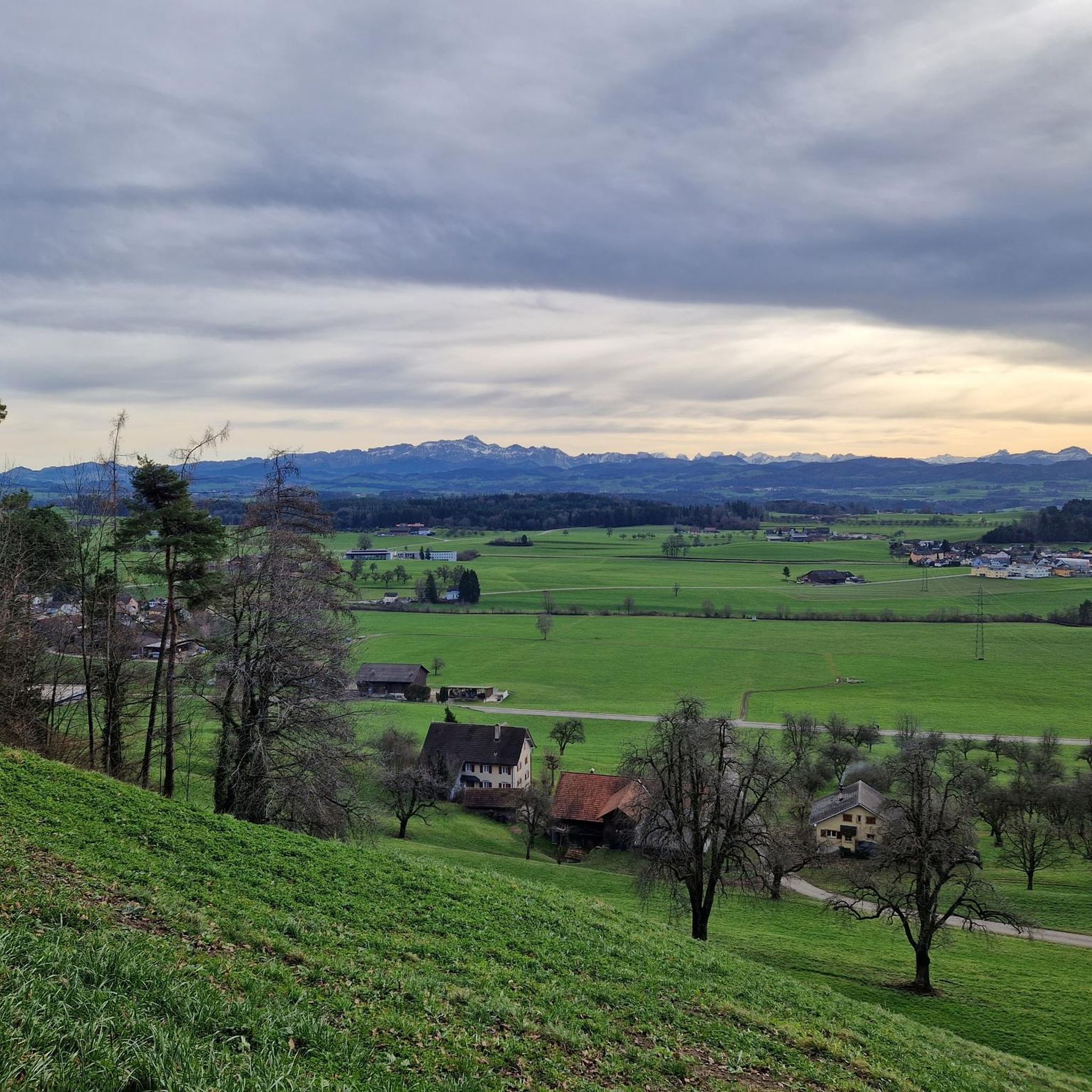
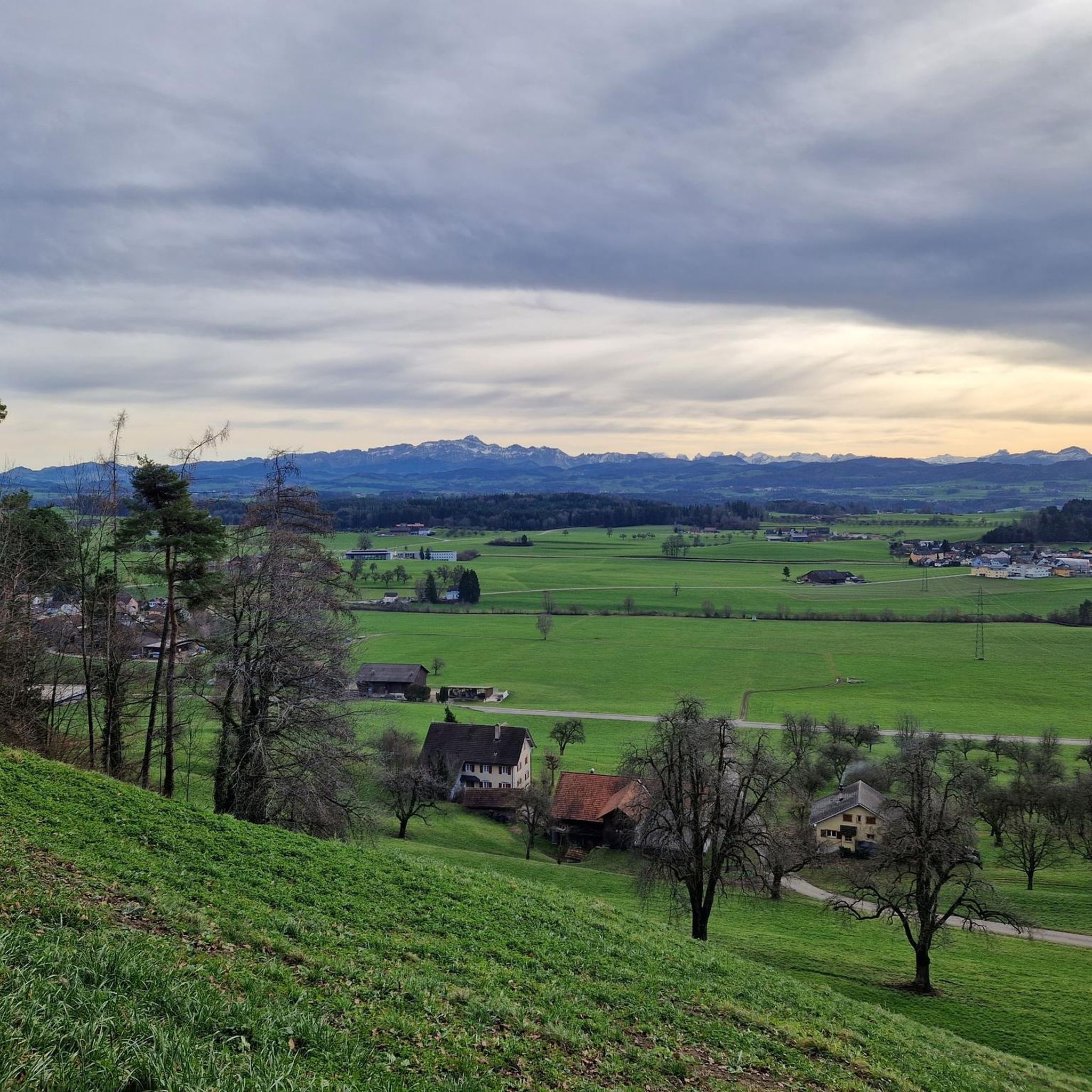
Tips from the Community

Very long, covered stairs, a bit strenuous uphill with a bike.
0
0

Baroque Church of St. John the Baptist & St. John the Evangelist - Fischingen Monastery History and Architecture According to sources from around 1200, Abbot Waltram had the first church and monastery complex built between 1138 and 1144. This Romanesque church was followed by the Gothic church, probably after a monastery fire dated 1440. Before the convent chapter decided to begin construction of a new church in 1685, Abbot Joachim summoned the Einsiedeln architect Brother Kaspar Moosbrugger, whose contribution to the planning, however, is difficult to estimate. The northern nave underwent its first alteration in connection with the Idda Chapel, built from 1704 onwards. The arcades opening onto the chapel were decorated with stucco. The extension of the church to the east and the construction of the cheerful organ choir in 1753 onwards had a more dramatic effect. which forms the transition to the spacious Baroque convent buildings from the same period. Somewhat later, the chancel was remodeled in the emerging style of early classicism. The Fischingen monastery church underwent extensive renovations between 2000 and 2008. The parish could not possibly cover the high costs of this renovation, approximately CHF 8 million, alone. Text / Source: Catholic Parish of St. Idda Fischingen, Kurhausstr. 29a, 8374 Dussnang https://www.kath-fischingen.ch/de/unser-pastoralraum-0/unsere-kirchen/st-johannes-der-taeufer-st-johannes-der-evangelist
14
0
Kloster Fischingen / A foray through history In 1138, Bishop Ulrich II of Constance founded a private episcopal monastery in his territory on the upper reaches of the Murg river and settled it with Benedictine monks from the Petershausen monastery in Constance. After an initial period of prosperity, the Fischingen convent numbered barely more than 10 monks until the 17th century. In addition to tending to monastic life, they were responsible for pastoral care in the incorporated parishes of Dussnang (with Au), Bichelsee, Sirnach, and Bettwiesen, as well as in Fischingen. The Reformation led to the extinction of monastic life in Fischingen for several years. Abbot Heinrich Stoll from Zurich converted to the new doctrine in 1526 and married; the remaining four monks soon followed his example. It was the Catholic cantons of the Imperial Diet who brought about the re-establishment of the monastery by postulating P. Markus Schenkli, the vicar of the Abbot of St. Gallen, as the new Abbot of Fischingen in July 1540 at the Diet in Baden. After initial personnel and financial difficulties, the spirit of reform prevailed in Fischingen, and the monastery experienced its long flourishing period throughout the Baroque era with an average of 30 monks. Under the pious Abbot Joachim Seiler of Wil (1672–1688), a prolific spiritual writer and sought-after preacher, monastic spirituality reached such a peak that it was praised in a visitation report with the words "more to be recommended than to be improved". The construction of the new monastery church (1685–1687) also falls within Abbot Joachim's time. Abbot Nikolaus Degen of Lachen (1747–1776) is considered Fischingen's great Baroque building abbot. He extended the church with the Upper Choir in the ornate Rococo style and had the symmetrically designed, beautifully shaped monastery buildings erected to the east and south of the quadrangle. To the west, due to the monastery's high debt burden, the earlier buildings from 1577 and 1635 remained. Abbot Augustin Bloch of Oberbuchsiten (1776–1815) skillfully guided the monastery through the turmoil of the French Revolution and had the Lower Choir of the church remodeled in the early Classical style. Text / Source: Verein Kloster Fischingen, old website https://www.benediktiner-fischingen.ch/unsere-geschichte/
14
0
Brauerei Kloster Fischingen AG Enjoy beers in the only Swiss monastery brewery The Brauerei Kloster Fischingen AG is the first and only Swiss monastery brewery. It brews a range of high-quality beers in the Ökonomiegebäude under the PILGRIM brand – a reference to the countless pilgrims who came to Fischingen over the centuries on the Way of St. James. Text / Source: Kloster Fischingen, 8376 Fischingen https://klosterfischingen.ch/
14
0
St. Katharinakapelle - Kloster Fischingen Built in 1635 - Restored from 1998 - 2000 and placed under federal protection. Behind this door lies a true gem. Step inside and let yourself be enchanted by the atmosphere. Meditations, evening prayers, or early masses regularly take place there. Text / Source: Kath. Pfarrei St. Idda Fischingen, Kurhausstr. 29a, 8374 Dussnang https://www.kath-fischingen.ch/de/unsere-kirchen-4/st-katharinakapelle-fischingen-kloster
16
0
Baroque Church of St. John the Baptist & St. John the Evangelist - Fischingen Monastery History and architecture According to sources from around 1200, Abbot Waltram had the first church and monastery complex built between 1138 and 1144. This Romanesque house of God was followed, probably after a monastery fire dated 1440, by the Gothic church construction. Before the convent chapter decided in 1685 to begin construction work on a new church, Abbot Joachim brought in the hermit architect Brother Kaspar Moosbrugger, whose contribution to the planning is difficult to assess. A first modification was made to the northern nave in connection with the St. Id a Chapel, built from 1704 onwards. The arcades opening to the chapel were adorned with stucco. The extension of the church to the east and the construction of the cheerful organ choir in 1753 onwards had a more decisive effect, forming the transition to the spacious Baroque convent buildings of the same period. Somewhat later, the chancel was reshaped in the emerging style of early Classicism. The Fischingen monastery church had to undergo a comprehensive renovation between 2000 and 2008. The high costs of this conversion, around 8 million Swiss francs, could not possibly be borne by the parish alone. Text / Source: Kath. Pfarrei St. Idda Fischingen, Kurhausstr. 29a, 8374 Dussnang https://www.kath-fischingen.ch/de/unser-pastoralraum-0/unsere-kirchen/st-johannes-der-taeufer-st-johannes-der-evangelist
15
0
Kloster Fischingen History / 900 Years of Monastery History Since 1879, the monastery properties have been owned by the Kloster Fischingen Association. The monastery is home to a small Benedictine community, which is a tenant. Furthermore, the association ensures that the national monument is accessible to a wide audience. Thus, for more than one hundred and forty years, it has been responsible for the maintenance and revitalization of the historic complex. Before 1138, Bishop Ulrich II of Constance founded Fischingen Monastery. It experienced its heyday in the Baroque period and was dissolved by the Thurgau government in 1848. In 1879, the St. Iddazell Association acquired the monastery complex, and an educational center was established there in 1982. It remains in their possession to this day. From 1943 onwards, monks from Engelberg came to Fischingen to look after the children's home. In 1977, they were able to re-establish the old Benedictine abbey. Text / Source: Kloster Fischingen https://www.pilgerinfischingen.ch/im-kloster/lageplan-kloster/
15
0
Fischingen Monastery / A journey through history In 1138, Bishop Ulrich II of Constance founded a proprietary monastery in his territory on the upper reaches of the Murg River and settled it with Benedictine monks from the Petershausen Monastery in Constance. After an initial period of prosperity, the Fischingen convent numbered hardly more than 10 monks until the 17th century. In addition to tending to monastic life, they were responsible for pastoral care in the incorporated parishes of Dussnang (with Au), Bichelsee, Sirnach, and Bettwiesen, as well as in Fischingen. The Reformation led to the monastic life in Fischingen being extinguished for several years. Abbot Heinrich Stoll from Zurich converted to the new doctrine in 1526 and married; the remaining four monks soon followed his example. It was the Catholic cantons of the Swiss Diet that brought about the re-establishment of the monastery by postulating P. Markus Schenkli, the vicar of the Abbot of St. Gallen, as the new Abbot of Fischingen in July 1540 at the Diet in Baden. After initial personnel and financial difficulties, the spirit of reform prevailed in Fischingen, and the monastery experienced its long period of prosperity throughout the entire Baroque era with an average of 30 monks. Under the saintly Abbot Joachim Seiler of Wil (1672–1688), a prolific spiritual writer and sought-after preacher, monastic spirituality reached such a peak that it was praised in a visitation report with the words "rather to be recommended than to be improved." The construction of the new monastery church (1685–1687) also falls within Abbot Joachim's time. Text / Source: Verein Kloster Fischingen, old internet presence https://www.benediktiner-fischingen.ch/unsere-geschichte/
15
0
Frequently Asked Questions
What natural attractions can I explore around Uzwil?
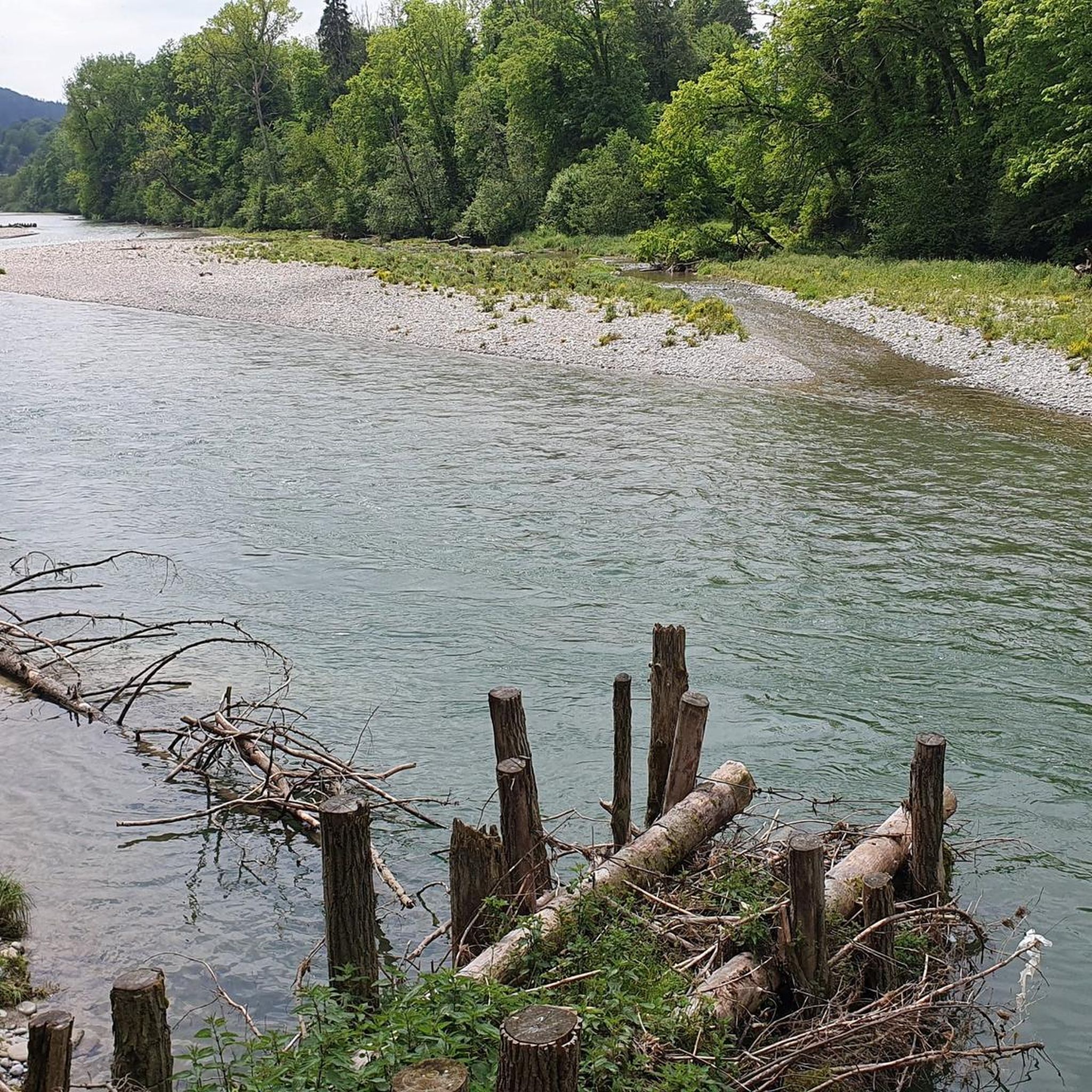
The Uzwil region is rich in natural beauty. A must-visit is the Wissbach Gorge Trail, a wildly romantic side valley of the Glatt River, featuring a covered wooden walkway and numerous barbecue spots. The Thur River and its floodplains also offer picturesque landscapes, ideal for hiking and cycling. You can also find the Thur Suspension Bridge near Thurau, which is part of many scenic trails.
Are there historical sites to visit in and around Uzwil?
Yes, Uzwil and its surroundings boast several historical sites. The Old Town Bischofszell is a well-preserved historical site known for its 18th-century town hall. Further afield, the nearby town of Wil features one of Eastern Switzerland's best-preserved old towns with half-timbered houses. You can also visit Fischingen Abbey, a historic Benedictine monastery.
What outdoor activities are popular near Uzwil?
Uzwil is an excellent starting point for various outdoor activities. Hiking and cycling are particularly popular, with routes along the Thur River and through areas like the Nieselbergwald. You can find numerous hiking trails around Uzwil, as well as MTB trails and running routes for all skill levels.
Are there family-friendly attractions in the Uzwil area?
Absolutely! The Wissbach Gorge Trail is considered a paradise for families, offering a safe covered wooden walkway and plenty of barbecue and rest stops. The Thur Suspension Bridge near Thurau is also part of family-friendly trails. Additionally, the nearby Walter Zoo in Gossau and MutaWorld in Flawil offer unique experiences for children.
What is the best way to explore the Wissbach Gorge?
The Wissbach Gorge is best explored on foot. A covered wooden walkway guides hikers safely through the gorge, allowing you to enjoy the wild and romantic scenery. There are also numerous barbecue and rest stops along the river, making it ideal for a leisurely day out. You can also visit the Wissbach Gorge and Historic Power Plant to see the narrow forest trails and the historic power plant.
Can I find easy hiking trails around Uzwil?
Yes, Uzwil offers several easy hiking options. For instance, the 'Sonnentaler Footbridge – Henau Fire Pit loop from Hauser & Wirth Collection' is an easy 4.8 km route. Another easy option is the 'Trail along the Thur – View of the River Thur loop from Uzwil', which is just over 5 km. You can find more easy trails in the Hiking around Uzwil guide.
What cultural experiences can I have near Uzwil?
Beyond the historical sites, you can immerse yourself in culture by visiting the Ortsmuseum Oberuzwil, a local museum. The nearby city of St. Gallen is home to the UNESCO World Heritage site of the Abbey of Saint Gall and its magnificent Abbey Library, offering a profound cultural experience.
Are there any unique architectural landmarks in Uzwil?
Uzwil is home to the remarkable Villa Waldbühl, an Arts and Crafts Movement country house built by English architect Mackay Hugh Baillie Scott. It's a Swiss heritage site of national significance, known for its Jugendstil interior and blend of Tudor and Swiss Heimatstil architecture. While public access may be limited, its architectural importance is notable.
What are some popular cycling routes in the Uzwil region?
The Uzwil region is excellent for cycling. Popular routes include those along the Thur River, such as the 'Along the Thur River – Huserfelsen Pass loop from Uzwil' (56.8 km) or the 'View of the River Thur – Thur Riverside Trail loop from Uzwil' (35.4 km). There are also various MTB trails around Uzwil suitable for different skill levels.
What is the Hauser & Wirth Collection Henau?
The Hauser & Wirth Collection Henau, located in the Uzwil municipality, is recognized as a Swiss heritage site of national significance. While Hauser & Wirth is an international art gallery, this specific location is identified as an institution rather than a publicly accessible gallery with regular opening hours. It holds cultural importance within the region.
Are there any viewpoints or scenic spots around Uzwil?
Yes, the region offers several scenic spots. The Thur Suspension Bridge near Thurau provides great views over the river and surrounding landscape. The Thur River floodplains themselves offer picturesque vistas, especially along the various hiking and cycling routes. Additionally, the nearby Nieselbergwald provides elevated perspectives.
Can I find places to eat or stay overnight near the attractions?
Yes, for instance, Fischingen Abbey offers a restaurant and the unique experience of spending a night in a former monk's cell. The nearby towns like Wil and Bischofszell also provide various dining options and accommodations.
Most popular attractions around Uzwil

Get inspired with the komoot mobile app


Explore more
Still not found the Highlight you’re looking for? See guides of the top attractions in other regions:
