Top 11 Natural Monuments around Boulc
Best natural monuments around Boulc are found in the Drôme department of southeastern France, nestled within the Diois region. This area is characterized by its diverse natural beauty, featuring unique geological formations and varied landscapes. Visitors can explore a range of natural attractions, from towering limestone cliffs to distinctive mountain peaks and pristine river sources. The region offers opportunities to experience its rich natural heritage.
Best natural monuments around Boulc
- The most popular natural monument is Saut de la Drôme…
Last updated: July 2, 2026
Saut de la Drôme and the Claps
Highlight • River
Translated by Google •
Tip by

Pié Ferré (Le Dôme) – 2,041 m
Highlight • Summit
Translated by Google •
Tip by

Sign up now to discover places like this
Get recommendations on the best single tracks, peaks, & plenty of other exciting outdoor places.
Sign up for free
Gorges des Gâts
Highlight (Segment) • Gorge
Translated by Google •
Tip by

Baume Rousse Spring
Highlight • Natural Monument
Translated by Google •
Tip by

Archiane Cirque
Highlight • Natural Monument
It is protected by the status of biological reserve which makes it a wild natural …
Translated by Google •
Tip by

Sign up for free to discover even more natural monuments around Boulc.
Sign up for free
Already have an account?
Start today with a free account
Your next adventure awaits.
Login or Signup
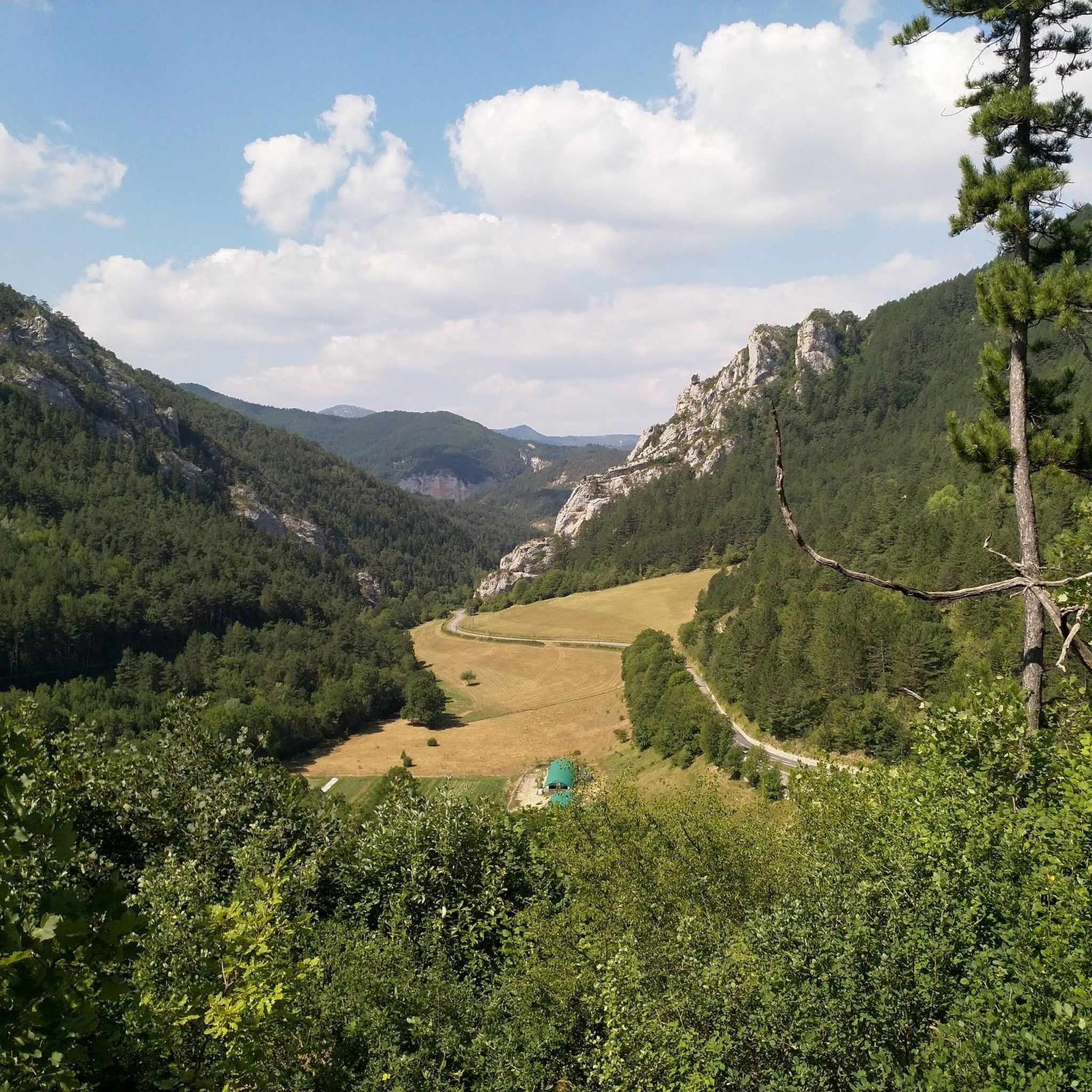
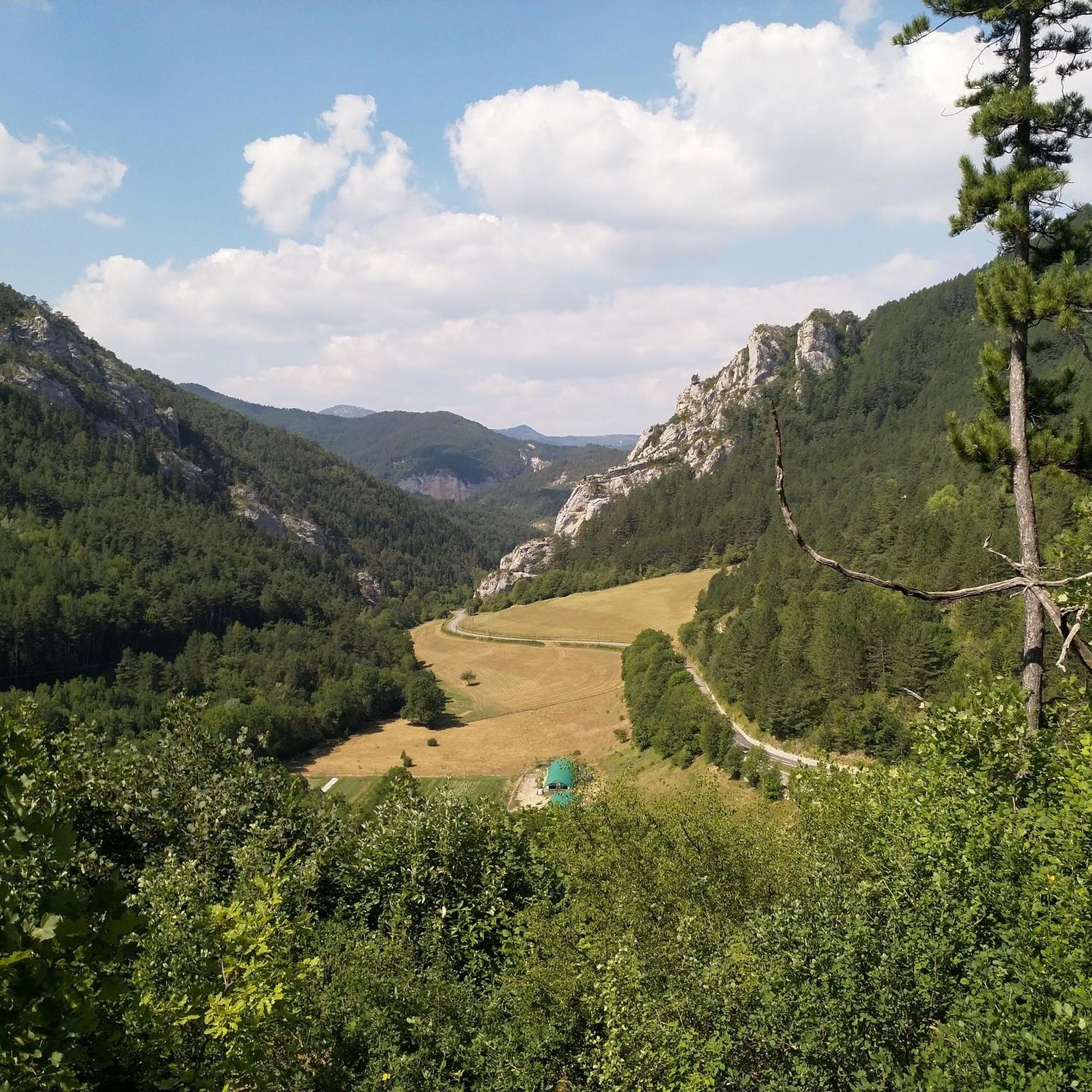
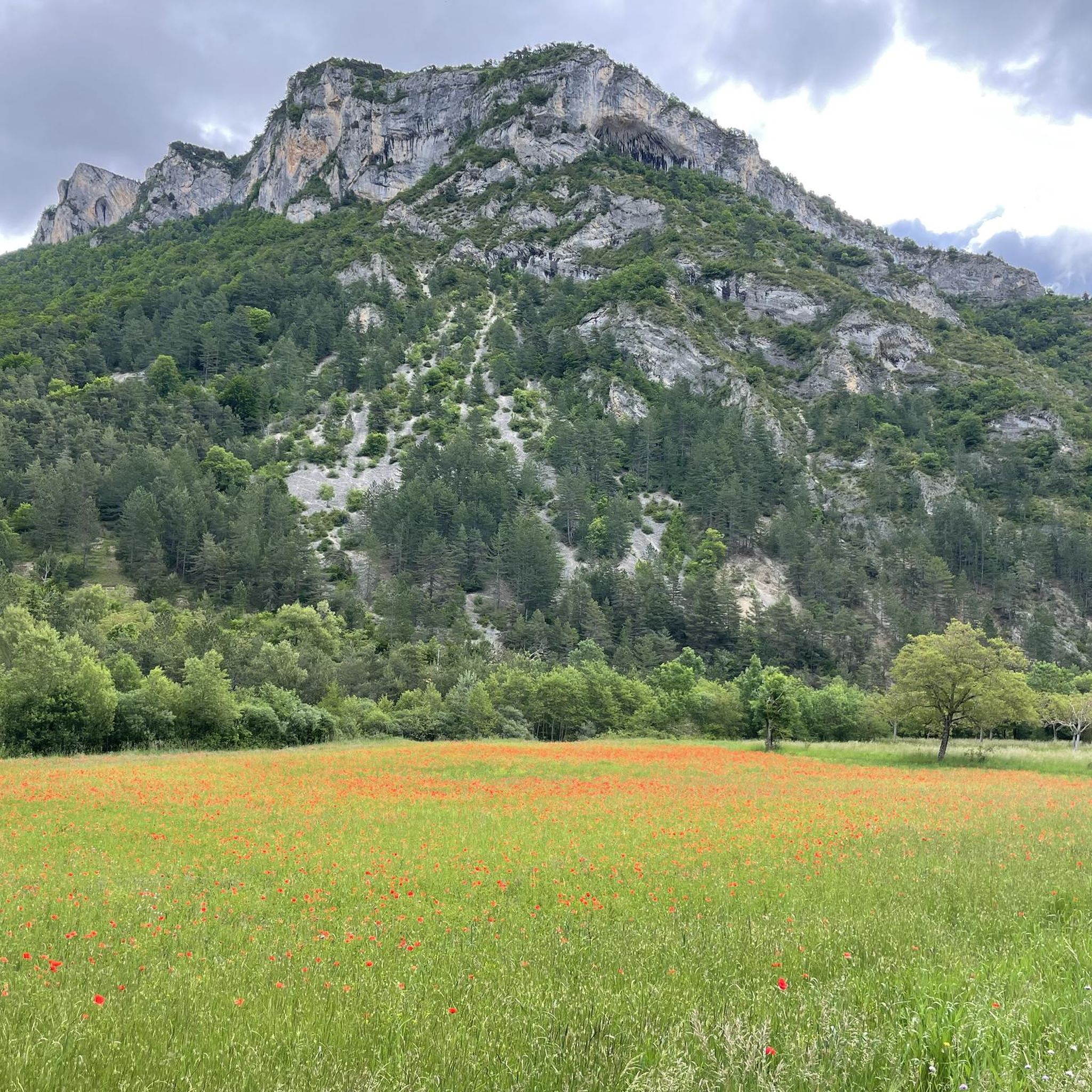
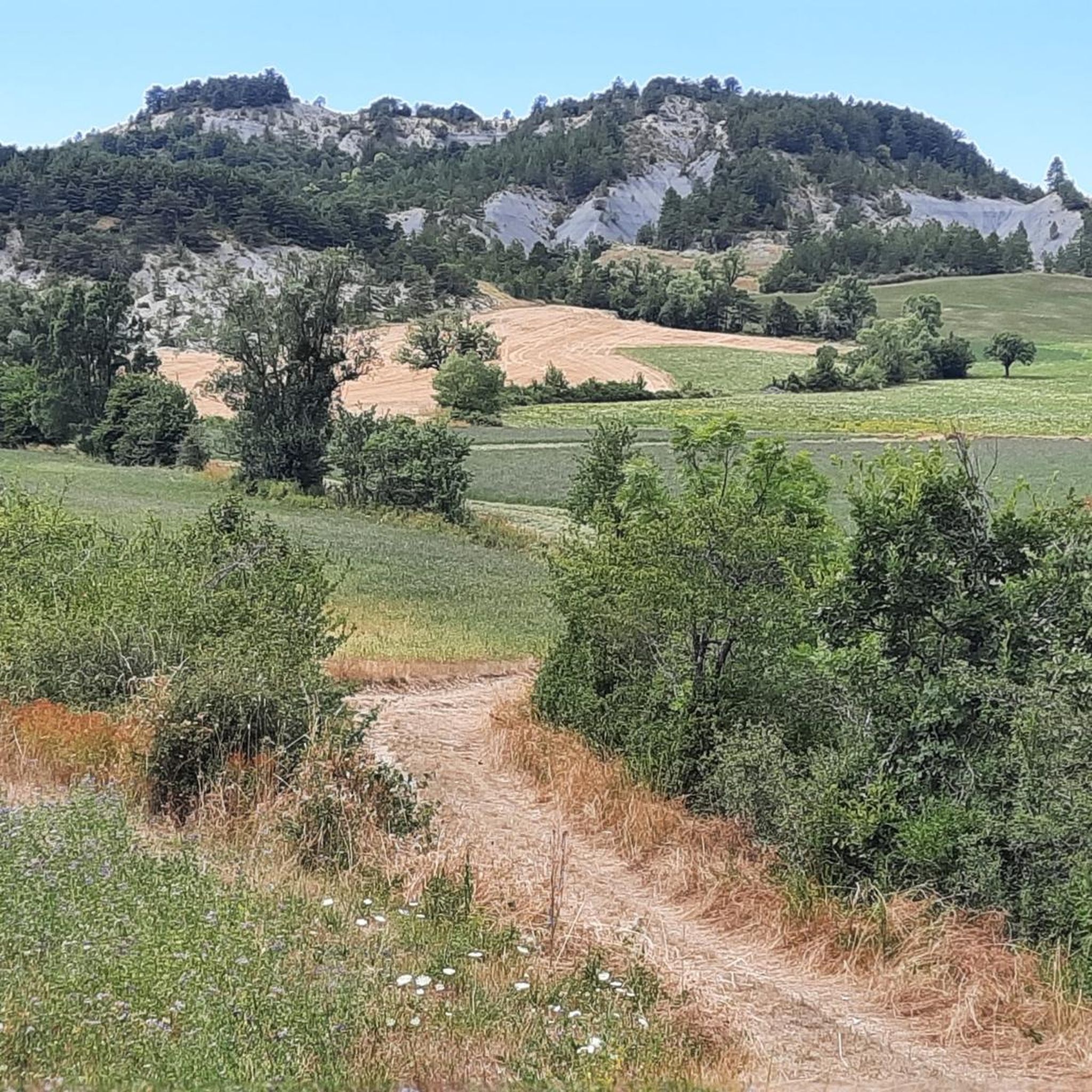

Tips from the Community

At the end of this little path you will find this spring! (Be careful, it is not drinkable so don't count on it for hiking/trail running) otherwise beautiful viewpoint and beautiful story 👌
0
0
Very pretty viewpoint, very rolling, and you will surely be lucky enough to see some marmots and chamois! Quite a few passages under the trees, possibility to do it even if it's hot! 👌
0
0
Very pretty, not technical trail for a hike, however plan to do the route in the opposite direction (start with the small climb) if you want a more rolling trail route. Very beautiful landscapes (no dangerous areas / climbing and as a bonus the possibility of seeing animals!
0
0
Water source with sometimes low or even non-existent flow in summer, make sure you have something to filter it if necessary
0
0
Fountain: 1L in less than 5 minutes
0
0

It all began in 1442 when a foundation broke away from the southern flank of Pic de Luc. As it slid, it hit a limestone spur, divided, broke into enormous blocks and blocked the Drôme at two points... thus two lakes were formed: the Petit downstream and the Grand upstream. The “Grand Lac” is 5 km long and arouses envy because it is full of fish. In 1561 it thus became the property of the Carthusians of Durban, monks to whom meat was forbidden. It was only in 1804 that a huge block, the “dad”, was pierced to let the water flow at the location of the current Saut de la Drôme. This vast dry body of water now gives way to an agricultural plain (ruined Bouligons farm and its formerly cultivated terraces) and the Bouligons marsh, the last vestige of the disappeared lake. The need to avoid the Claps during the construction of the “Briançonnais” railway line at the beginning of the 20th century also gave the site a magnificent viaduct, 244 m long and 44 m high.
1
0
panoramic view, Vercors (Mt Aiguille/ Grand Veymont)/ Écrins / Dévoluy (Obiou)
0
0

The access to this source is quite impressive. A small hatch has been fitted and provides access to the source which has a low flow and does not always seem supplied.
0
0
Frequently Asked Questions
What are some of the most impressive natural monuments to visit around Boulc?
The region around Boulc offers several impressive natural monuments. The Saut de la Drôme and the Claps features an impressive waterfall and a spectacular collapse of part of the mountain, with a rich geological history. Another must-see is Pié Ferré (Le Dôme) – 2,041 m, a summit offering an exceptional 360-degree panorama of the Diois valley, Mont Aiguille, and the Grand Veymont. Additionally, the Gorges des Gâts presents magnificent landscapes with steep, grandiose canyons and tunnels dug into the mountainside.
What unique geological features can I explore in the Boulc region?
Beyond the dramatic Claps, the region boasts the spectacular Cirque d'Archiane, a natural amphitheater of towering limestone cliffs. Mont Aiguille, about 22 kilometers from Boulc, is another distinctive landmark known for its unique flat-topped appearance. The Vallon de la Jarjatte also offers an unusual layered landscape with cliffs and rock pinnacles emerging from pine forests.
Are there any historical or cultural sites integrated with the natural landscape near Boulc?
Yes, the Tune de la Varaime, locally known as "La Tune," is an ornamented cave near Boulc. It's considered one of the most interesting rock art ensembles in the Alps, featuring thousands of schematic linear signs. This site offers a glimpse into six millennia of human history, from the Neolithic period to the Bronze Age, within a natural mountainous setting.
What outdoor activities can I do near the natural monuments around Boulc?
The area around Boulc is excellent for various outdoor activities. You can find numerous routes for hiking, cycling, and mountain biking. For example, there are challenging cycling routes like the "Col de Premol – Luc-en-Diois loop" and mountain biking trails such as the "Bénevise – Archiane Cirque loop." Hikers can explore paths leading to viewpoints like Pié Ferré (Le Dôme). You can find more details on these activities in the hiking, cycling, and MTB guides for Boulc.
Where can I observe wildlife or unique ecosystems near Boulc?
The Cirque d'Archiane is a haven for biodiversity, particularly known for the reintroduction of vultures by the Vercors Regional Natural Park, offering chances to observe these majestic birds. The Marais des Bouligons, the largest wetland in the Drôme, is another excellent spot for nature lovers, with a raised decking path allowing observation of dragonflies, butterflies, amphibians, and birds. The Source of the Drôme River is also home to beavers.
Are there family-friendly natural monuments around Boulc?
While many natural monuments involve hiking, some offer more accessible experiences. The Source of the Drôme River at La Bâtie des Fonds features a well-interpreted route, making it an engaging and educational visit for families. The Marais des Bouligons also has a raised decking path, allowing families to explore the wetland environment safely and easily.
What is the best time of year to visit the natural monuments around Boulc?
The best time to visit the natural monuments around Boulc is generally from spring to autumn. During these seasons, the weather is more favorable for hiking and outdoor activities. Summer offers opportunities to cool off in places like the Saut de la Drôme and the Claps, while spring and autumn provide pleasant temperatures and vibrant natural colors.
Are the natural monuments around Boulc dog-friendly?
Many natural areas in the Boulc region, including hiking trails and open spaces, are generally dog-friendly, especially if dogs are kept on a leash. However, specific rules may apply in protected areas like the Vercors Regional Natural Park, which encompasses sites like the Cirque d'Archiane and Vallon de la Jarjatte. It's always best to check local regulations for each specific site you plan to visit with your dog.
Where can I find water sources or refreshments near the natural monuments?
You can find water at the Baume Rousse Spring, which is located at the foot of a cliff and provides a low flow. Near the Saut de la Drôme and the Claps, there is often a small snack available, especially during the summer months, where you can cool off.
How can I reach the natural monuments around Boulc by public transport or find parking?
While specific public transport options directly to all natural monuments may be limited due to the rural mountain setting, many sites are accessible by car. Parking is generally available near popular spots like the Cirque d'Archiane and Mont Aiguille. It's advisable to plan your route in advance and check for specific parking areas or access restrictions for each monument.
What should I wear when visiting the natural monuments in the Boulc area?
Given the mountainous terrain and varied activities, it's recommended to wear appropriate outdoor clothing. This includes sturdy hiking shoes, layers of clothing to adapt to changing weather conditions, and protection from the sun. If you plan to hike or climb, ensure you have suitable gear for the difficulty of your chosen route.
Most popular attractions around Boulc

Get inspired with the komoot mobile app


Explore more
Extend your search for the best caves by checking out these guides of the top ones around Boulc:
