Top 4 Natural Monuments around Port-Saint-Louis-Du-Rhône
Best natural monuments around Port-Saint-Louis-Du-Rhône are situated at the mouth of the Grand Rhône, serving as a gateway to the Camargue Regional Nature Park. This area features diverse landscapes, including extensive sandy beaches and unique ecological formations. The region offers a variety of natural attractions for exploration.
Best natural monuments around Port-Saint-Louis-Du-Rhône
- The most popular natural monuments is Piémanson Beach, a beach known for its wild character and vast fine sand. This extensive beach stretches for 10 kilometers between…
Last updated: May 4, 2026
Piémanson Beach
Highlight • Beach
Translated by Google •
Tip by

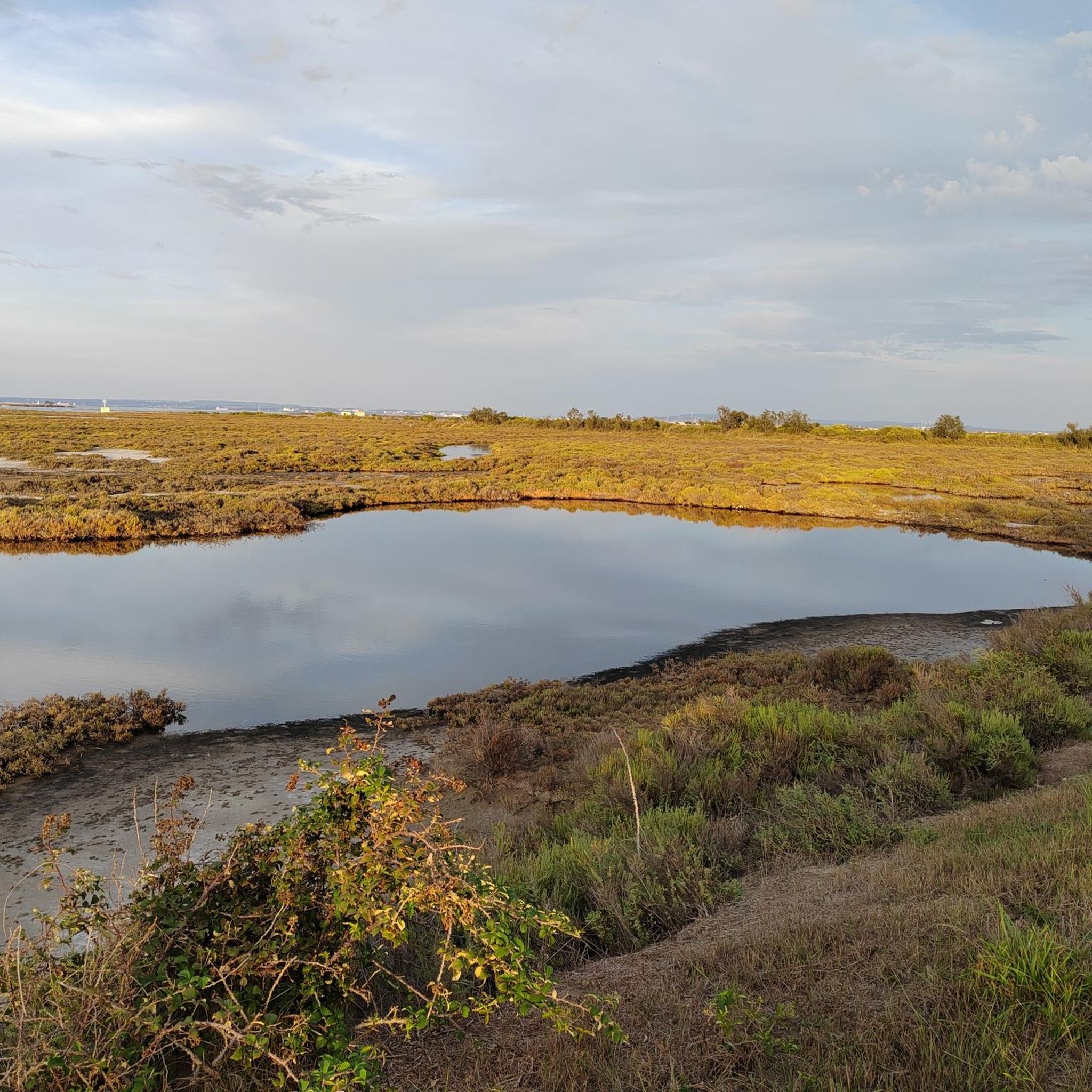
Engrenier Pond
Highlight • Lake
Translated by Google •
Tip by

Sign up now to discover places like this
Get recommendations on the best single tracks, peaks, & plenty of other exciting outdoor places.
Sign up for free
Flamingos at Étang de Vaccarès
Highlight • Lake
Translated by Google •
Tip by

Étang du Fournelet – Tour du Valat Nature Reserve
Highlight • Lake
Translated by Google •
Tip by

Start today with a free account
Your next adventure awaits.
Login or Signup
Popular around Port-Saint-Louis-Du-Rhône
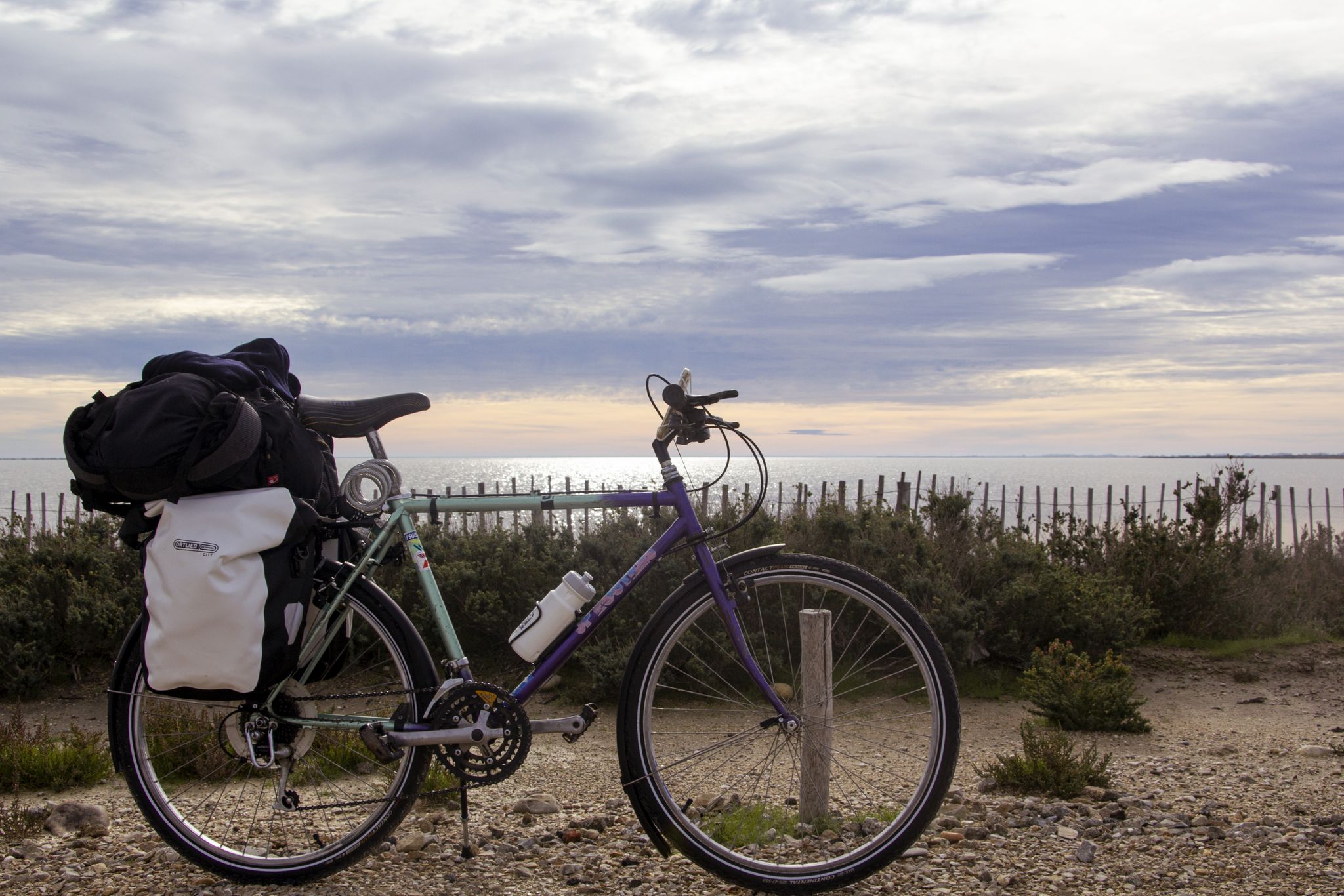
From Marseille to Montpellier — France's south coast by bike
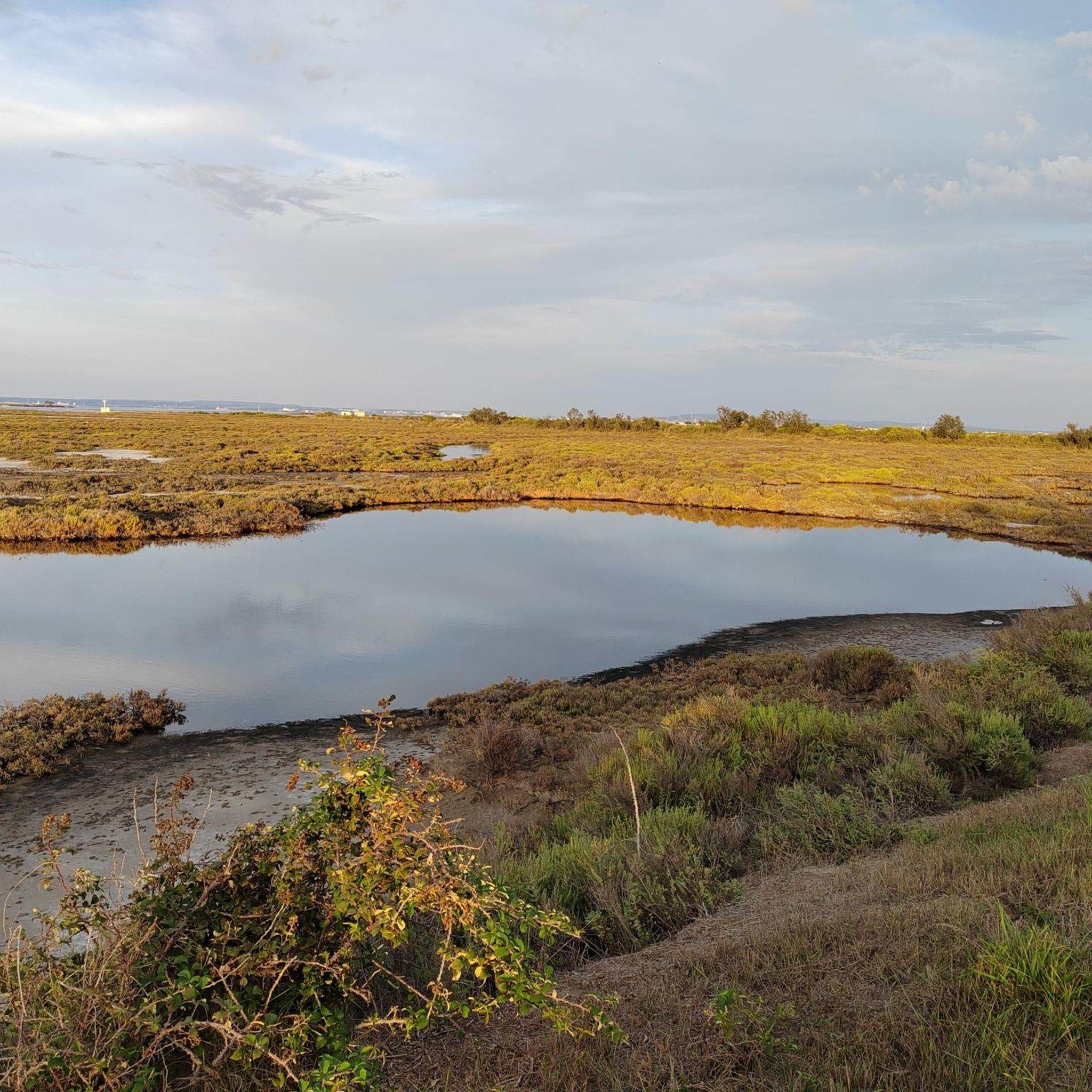
Cycling around Port-Saint-Louis-Du-Rhône
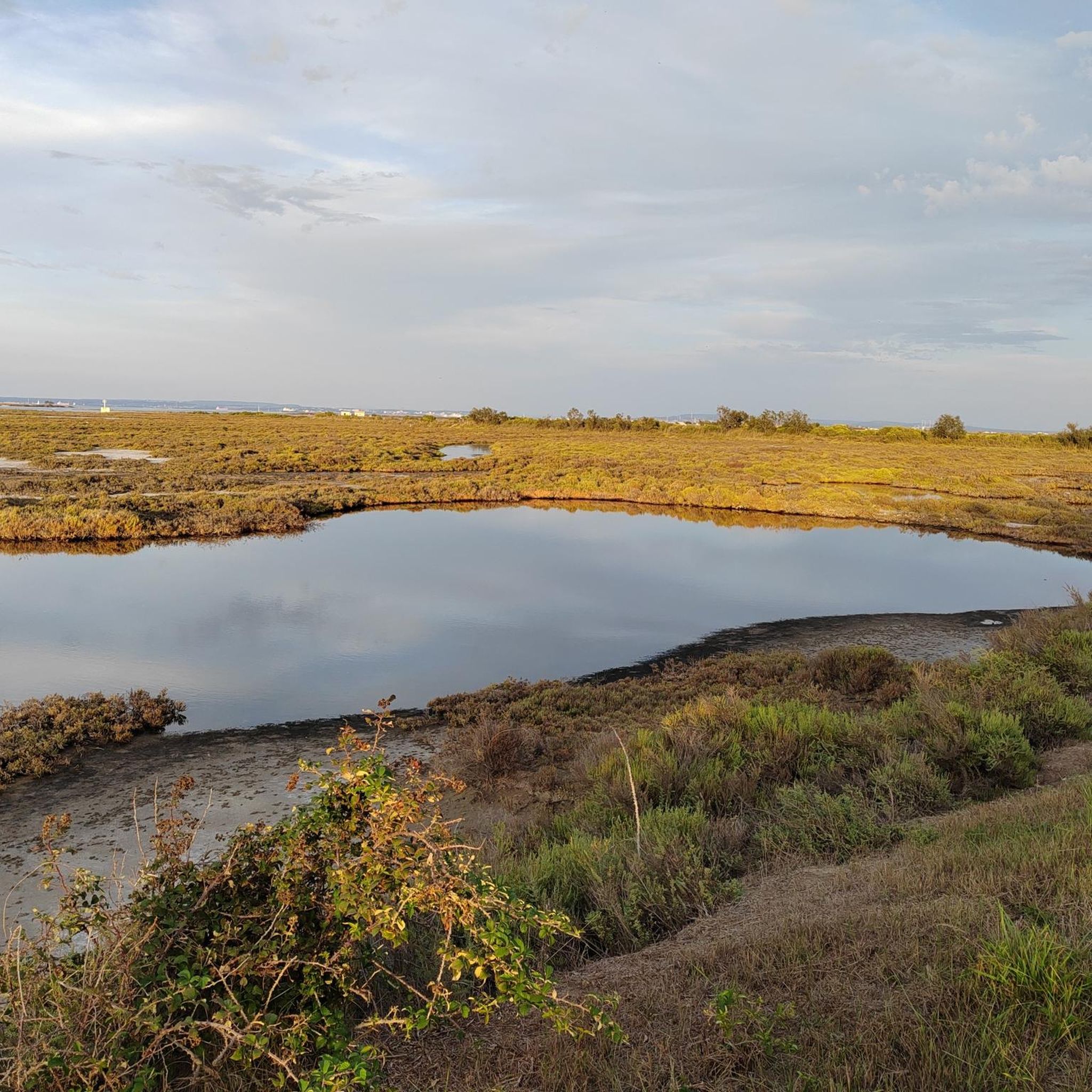
MTB Trails around Port-Saint-Louis-Du-Rhône
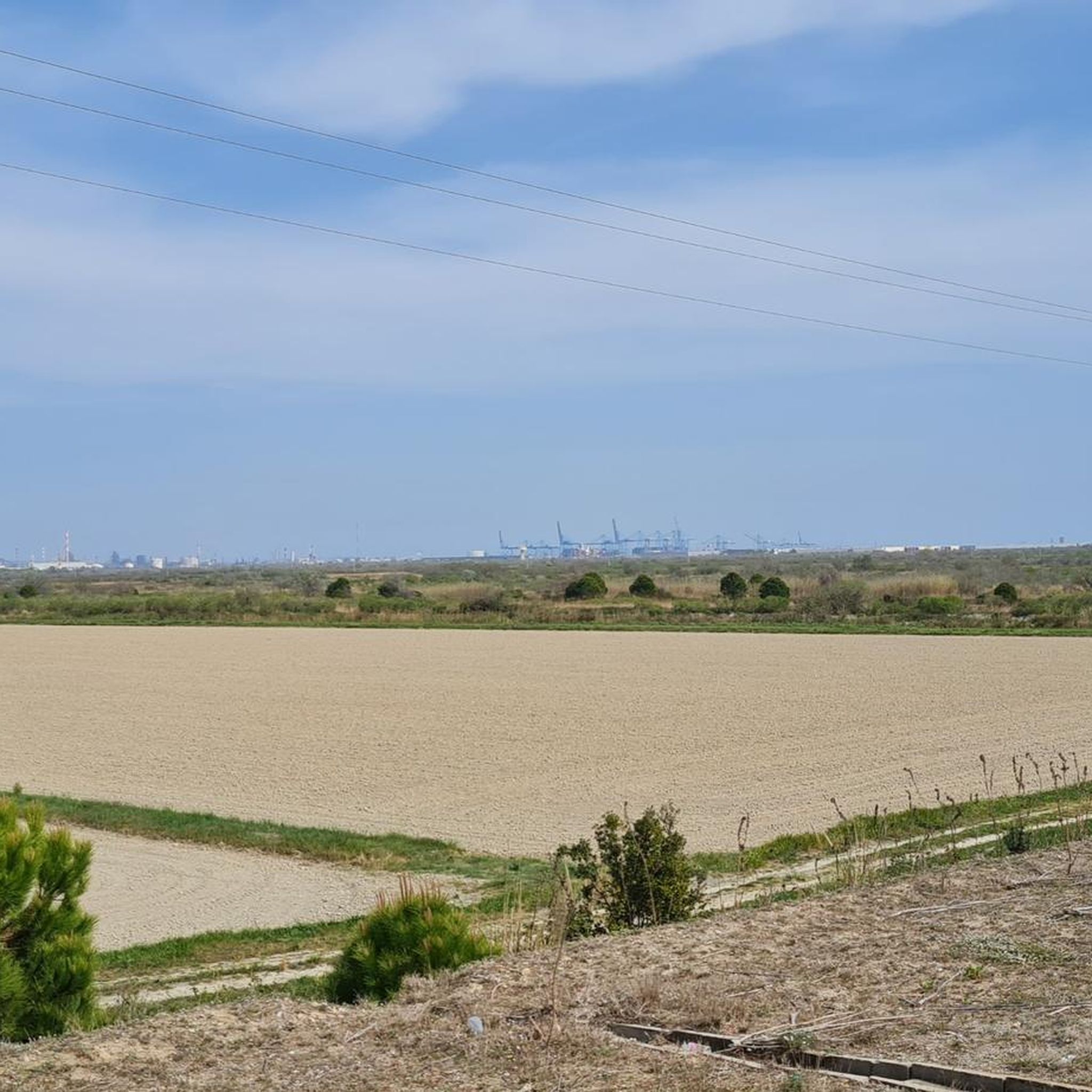
Hiking around Port-Saint-Louis-Du-Rhône
Road Cycling Routes around Port-Saint-Louis-Du-Rhône
Running Trails around Port-Saint-Louis-Du-Rhône
Gravel biking around Port-Saint-Louis-Du-Rhône
Other adventures around Port-Saint-Louis-Du-Rhône

Tips from the Community

Here we saw flamingos up close. The asphalt is poor, but still rideable on a racing bike. The landscape and the animals are the real goal.
1
0

greenway from Fos to the train station - unfortunately no signs
1
0

An impressive rock. One of the last rock formations that you can see before you continue west and you only see the flat Camargue.
1
0

Nowhere else in southern Europe live more flamingos. Together with the wild horses and the black bulls, they characterize the landscape of the Carmargue. The pink waterfowl, otherwise only known from zoos, can be observed in the wild at one of the numerous etangs. For example at the Etang de Vaccares in the heart of the Camargue, which has been a nature reserve since 1970. You can cycle around the Etang on a day tour (approx. 70 kilometres) or you can take a half-hour walk from the La Capelliere information center (on the D 36b) through swamps, reeds, reeds and salt marshes. The D 36b on the east bank of the salt lake takes you very close to the Etang, so that you can observe lemming colonies from the side of the road.
0
0

The first part of the road from Fos is dangerous and unpleasant, you have to arrive at the Salins de Giraud to find a safe and quiet route, and to be able to enjoy the beautiful landscapes of the Camargue.
1
0

scenic bike path on the isthmus between the two etangs. Stupid locks at the beginning and end. Hard to get through with luggage.
1
0

Above all, the way higher through the salt pans is worth the trip - due to the rather long route, it is more likely to be by car than on foot, but there is enough space here to stretch your feet.
5
0

The beach Plage de Piemanson should be familiar to most fans of the south of France. Until 2015, wild camping was tolerated there directly on the beach. Since the beach now looked like a shabby, overcrowded and, above all, full of garbage, the main municipality of Arles took action and had the beach cleared. After consultation with the municipality of Salin-De-Giraud, the beach was then released again as a parking area at least between 6 a.m. and 10 p.m. The business people reportedly had around 60% sales losses in the months of May to September 2015 compared to 2016. Salin-De-Giraud created a larger free accommodation area and a supply / disposal station.
6
1
Frequently Asked Questions
What are some of the most popular natural monuments to visit around Port-Saint-Louis-Du-Rhône?
Visitors frequently enjoy Piémanson Beach, known for its wild character and vast fine sand. Another favorite is Engrenier Pond, which offers a scenic bike path and an impressive rock formation. Many also appreciate Étang du Fournelet – Tour du Valat Nature Reserve for its close-up flamingo observations.
What kind of wildlife can I expect to see at the natural monuments in Port-Saint-Louis-Du-Rhône?
The region is rich in birdlife, especially flamingos. You can observe them up close at sites like Étang du Fournelet – Tour du Valat Nature Reserve and Flamingos at Étang de Vaccarès. The wider Camargue Regional Nature Park, accessible from Port-Saint-Louis-Du-Rhône, is also famous for wild horses, bulls, and various other bird species like mallards, coots, egrets, and teals.
Are there family-friendly natural monuments in Port-Saint-Louis-Du-Rhône?
Yes, several natural monuments are suitable for families. Piémanson Beach is a great option for its expansive sandy shores, offering space for swimming and relaxation. The Étang de Vaccarès area is also family-friendly, providing opportunities to observe flamingos in their natural habitat.
What outdoor activities can I do near these natural monuments?
The area around Port-Saint-Louis-Du-Rhône is ideal for various outdoor activities. You can find numerous road cycling routes, such as the "Napoleon Beach loop from Port-Saint-Louis-du-Rhône," which is an easy 18 km ride. There are also mountain biking trails, like the "Magical Camargue! – Gacholle Lighthouse loop," a moderate 38 km route. For runners, options include the "Napoleon Beach loop from Port-Saint-Louis-du-Rhône." You can explore more routes in the Road Cycling, Running, and MTB Trails guides for the region.
When is the best time to visit the natural monuments in Port-Saint-Louis-Du-Rhône?
The Camargue region, including Port-Saint-Louis-Du-Rhône, is generally pleasant to visit in spring (April-May) and autumn (September-October) when temperatures are milder and wildlife is active. Summer can be very hot, but it's popular for beach activities. Winter offers a quieter experience, though some facilities might have reduced hours.
Is parking available at the natural monuments in Port-Saint-Louis-Du-Rhône?
Yes, parking is generally available, especially at popular beach areas like Piémanson Beach. Historically, Piémanson Beach has offered ample space for parking, though regulations have evolved. Other sites within the Camargue Regional Nature Park often have designated parking areas for visitors.
What unique natural features can I find in this region?
The region is characterized by its dynamic delta landscape where the Rhône River meets the Mediterranean. You'll find extensive sandy beaches like Piémanson Beach, unique sand formations like They du Mazet, and numerous étangs (ponds) and marshes. The area is also known for its salt pans and the distinctive rock formations, such as the one near Engrenier Pond, which are rare in the otherwise flat Camargue.
Are there any specific regulations or permits required to visit natural sites in the Camargue Regional Nature Park?
While general access to many parts of the Camargue Regional Nature Park is open, specific reserves or protected areas within it might have regulations regarding access, dog policies, or require permits for certain activities. For example, the They du Mazet has a trail for exploration. It's always advisable to check local signage or official park information for any specific site you plan to visit.
What do visitors enjoy most about the natural monuments around Port-Saint-Louis-Du-Rhône?
Visitors particularly enjoy the wild and unspoiled character of the beaches, the tranquility, and the opportunities for wildlife observation, especially flamingos. The scenic routes leading to these sites, often passing through salt pans and marshes, are also highly appreciated. The blend of natural beauty and the unique Camargue landscape makes for a memorable experience.
Can I go sand yachting, kitesurfing, or windsurfing at the beaches?
Yes, the extensive and often windy beaches around Port-Saint-Louis-Du-Rhône are excellent for these activities. Piémanson Beach is renowned for sand yachting, kitesurfing, and windsurfing, with championships sometimes held there. Carteau Beach is also particularly popular among kitesurfers and windsurfers due to favorable conditions.
Are there any natural monuments that are less crowded or considered 'hidden gems'?
While the main beaches are popular, areas like They du Mazet offer a unique and often quieter experience. This sand formation, shaped by the sea and river, is a crucial feeding and breeding ground for birds. Exploring its trail provides an ecological marvel away from the more frequented spots, offering a chance for nature walks and birdwatching in a serene environment.
What kind of terrain can I expect on trails around Port-Saint-Louis-Du-Rhône's natural monuments?
The terrain around Port-Saint-Louis-Du-Rhône is predominantly flat, characteristic of the Camargue delta. You'll encounter sandy paths along beaches, asphalted or gravel paths along ponds and marshes, and sometimes unpaved tracks through salt pans. While generally easy, some paths, like those near Étang du Fournelet, might have poor asphalt but are still rideable, offering a unique landscape experience.
Most popular routes around Port-Saint-Louis-Du-Rhône
Most popular attractions around Port-Saint-Louis-Du-Rhône

Get inspired with the komoot mobile app


Explore more
Extend your search for the best caves by checking out these guides of the top ones around Port-Saint-Louis-Du-Rhône:
