Top 10 Natural Monuments around Entremont
Best natural monuments around Entremont are found in a district nestled within the alpine setting of the Valais canton in Switzerland. This region is known for its geological significance and recreational opportunities. Entremont features diverse landscapes, from high alpine passes to picturesque lakes and marshlands. The area offers a range of natural features for visitors to explore.
Best natural monuments around Entremont
- The most popular natural monuments is Fly Hole, a summit that is a must-do in the Aravis…
Last updated: July 2, 2026
Fly Hole
Highlight • Summit
Tip by

Pas du Roc viewpoint
Highlight • Viewpoint
Translated by Google •
Tip by

Sign up now to discover places like this
Get recommendations on the best single tracks, peaks, & plenty of other exciting outdoor places.
Sign up for free
Pic de Jallouvre
Highlight • Summit
Translated by Google •
Tip by

Daney Cross
Highlight • Summit
Translated by Google •
Tip by

Croix de l'Aiguille
Highlight • Summit
Translated by Google •
Tip by

Sign up for free to discover even more natural monuments around Entremont.
Sign up for free
Already have an account?
Start today with a free account
Your next adventure awaits.
Login or Signup
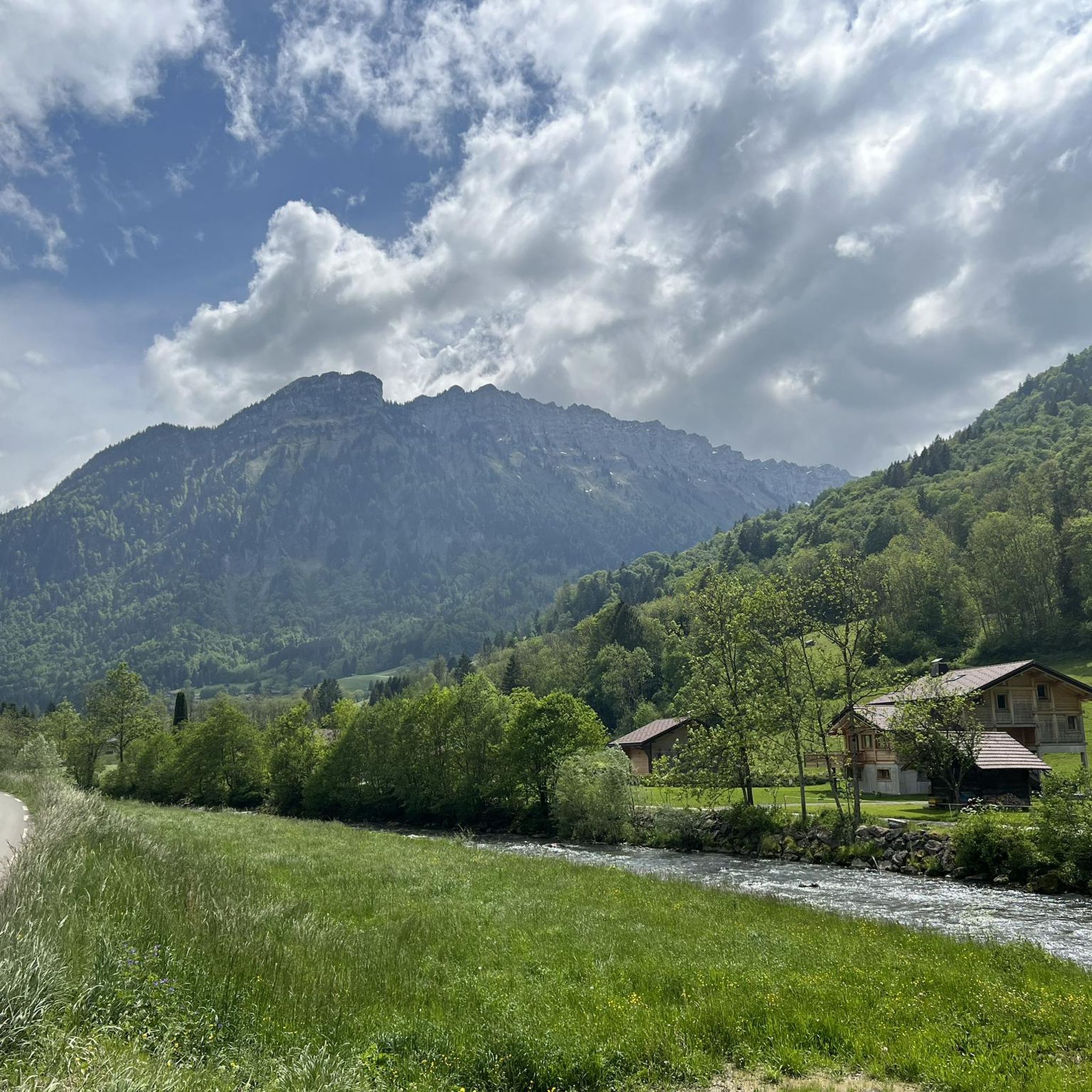

Tips from the Community

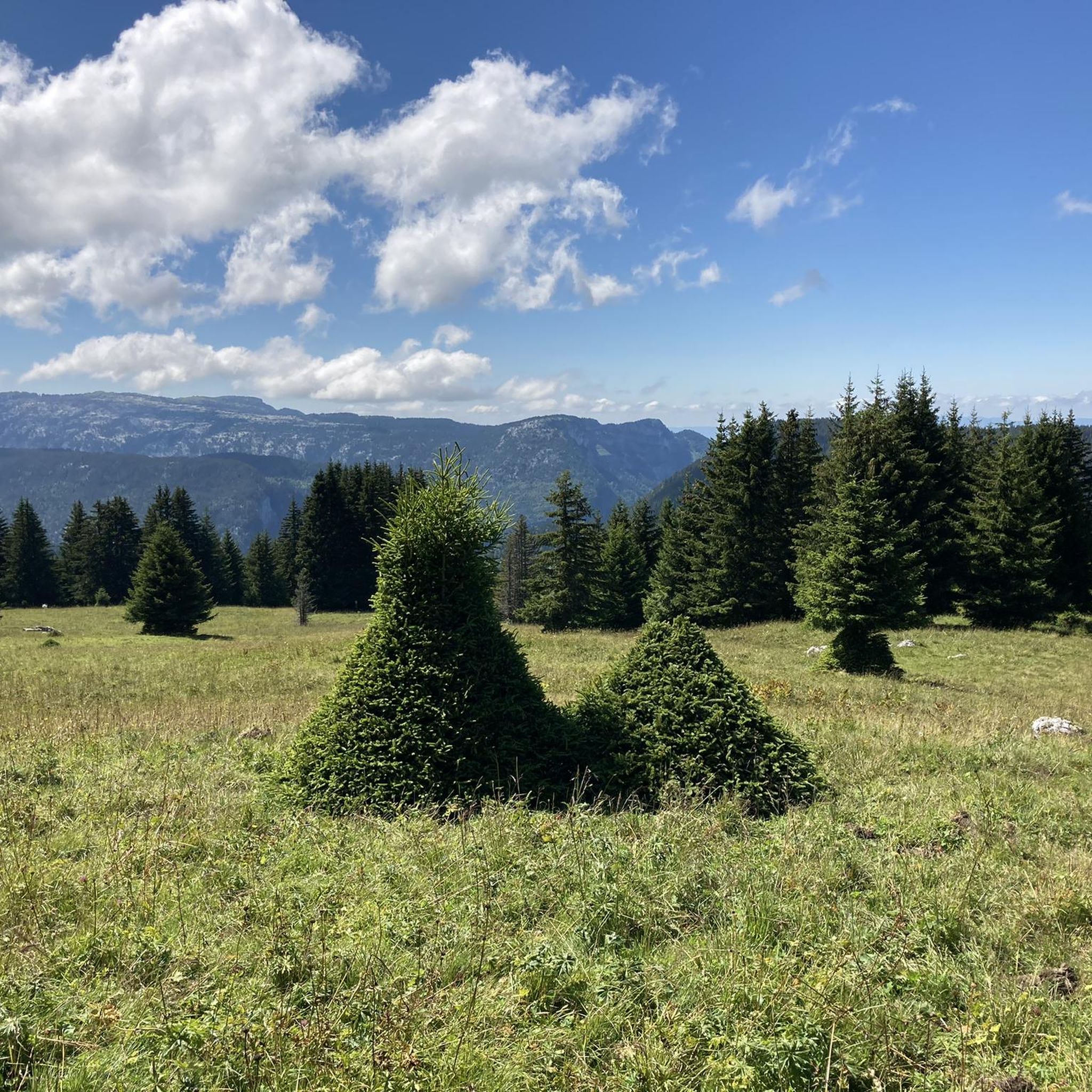
We were there at the end of September 2024, and there was already a lot of snow. Be sure to check the weather conditions beforehand. The snow made the hike significantly more challenging. Many people weren't well prepared.
1
0

Superb rocky hole at the top of the mountain. Difficult to access (bike on your back) on the way up and 150m unrideable at the start of the descent on either side. Prefer to go up via Grand Crêt and go down via Paccaly. Very technical, steep and exposed trail. Reserved for excellent descenders.
0
0

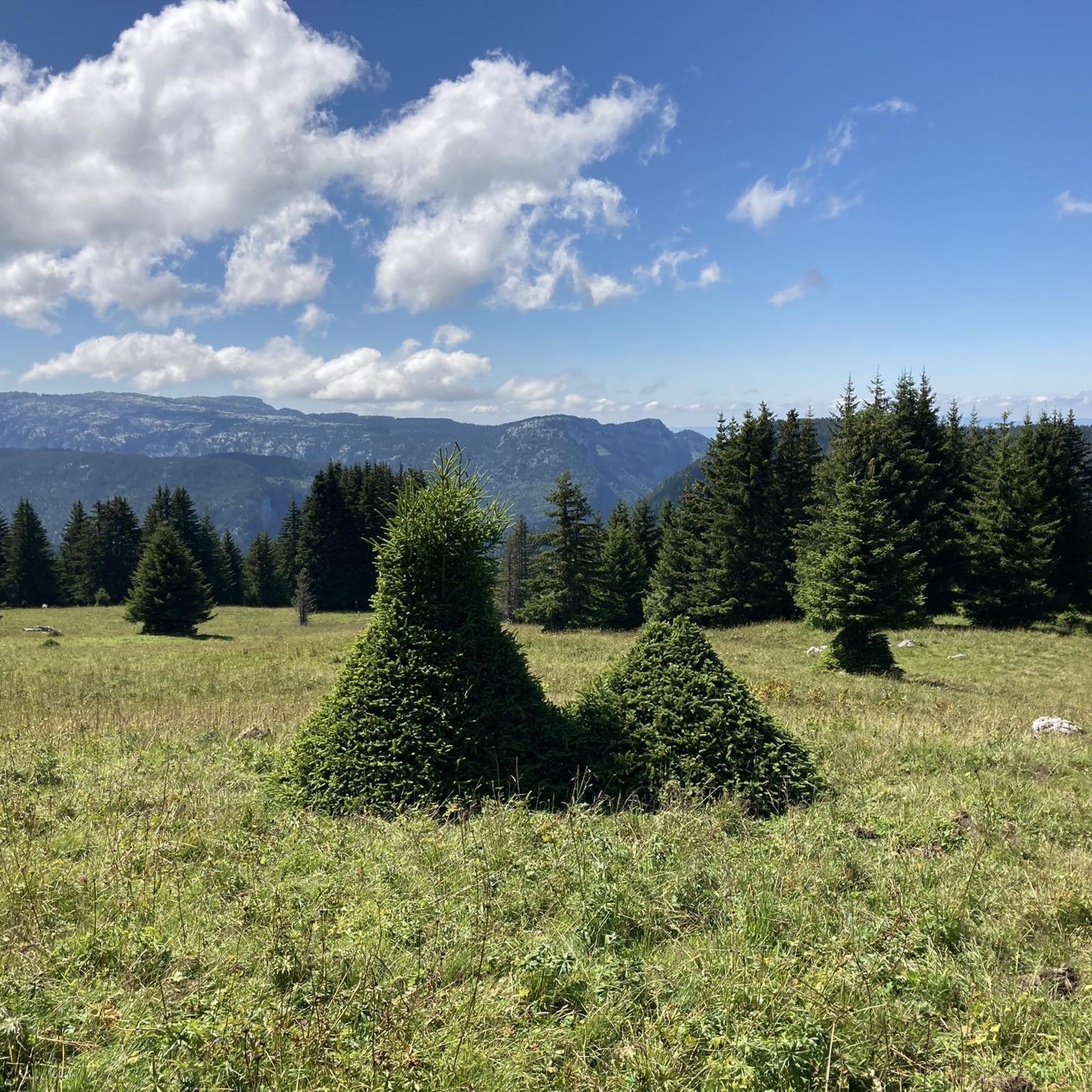
As you climb the challenging trail to the top of Tête du Danay, you’ll be rewarded with breathtaking panoramic views of the surrounding mountains and valleys. Once you reach the top, you’ll come across the iconic Croix du Danay, an imposing cross that marks the highest point in the region. From this vantage point, you can admire the picturesque villages, winding rivers and lush forests that characterize the landscape.
0
0
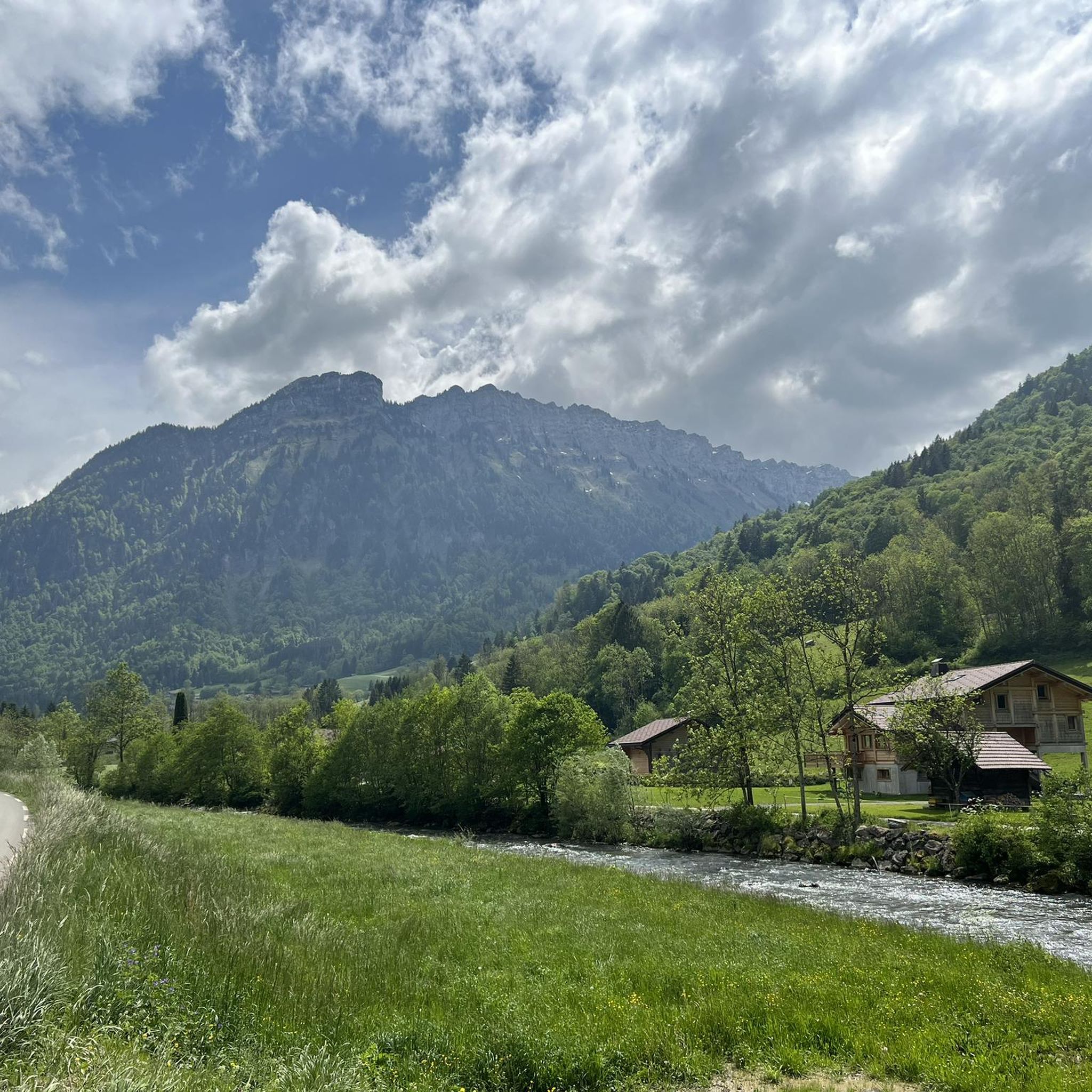
The view from the Belvédère du Pas du Roc is breathtaking, offering a panoramic view of the valley below. From this vantage point, you can admire the vast landscape, where rolling hills, dense forests and meandering rivers create a picturesque scene. The dramatic cliffs and rugged terrain add to the grandeur of the view.
0
0

Breathtaking viewpoint over the Pertuis valley and the Diau cave, and the rocky bar with the Plan de l'Aigle and the Tête de Bunant. Be very careful on the steps of the Sentier des Espagnols. It's slippery, even in dry weather.
0
0

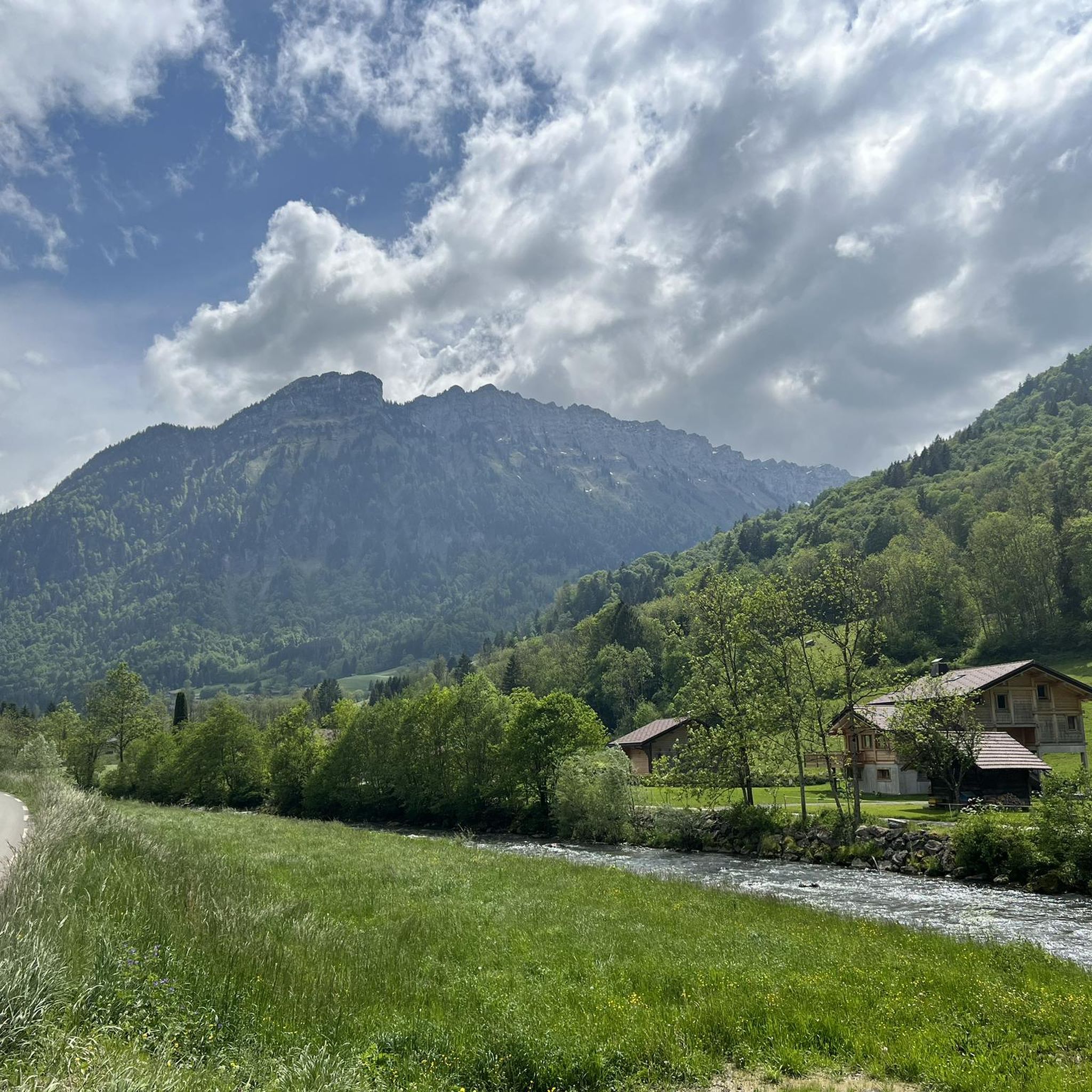
A majestic summit resembling a pyramid from the Cenise side, the Jallouvre - or Jalouvre - is a mythical summit whose ascent, although not difficult compared to its neighbor Pointe Blanche overhanging it by 30m, remains in the memory like that of a almost epic adventure between grueling scree (on both sides), the mythical Col du Razoir (the aptly named) and the Passage de la Cravate which, in the end, poses no more problem than that when the residual snowfields have disappeared, unless that we are subject to vertigo. In summary, one of the most beautiful hikes in the area in my opinion, for which you still need to be sure-footed and in good shape, but which can be tamed quite easily. Do not miss !
1
0

After a nice climb, we find ourselves straddling two very different valleys under this natural limestone arch, all in all impressive.
3
2

Beautiful cable climb Slippery even in dry weather Alpine plateaus after Nice for a picnic
0
0
Frequently Asked Questions
What kind of natural features can I expect to see in Entremont?
Entremont, nestled in the Valais canton of Switzerland, offers a diverse range of natural features. You can explore high alpine passes like Grand Col Ferret with panoramic views of the Mont Blanc Massif, picturesque alpine lakes such as Champex-Lac, and unique marshlands with rare flora and fauna. The region also features dramatic cliffs, dense forests, and impressive natural rock formations like the Fly Hole.
Are there challenging hikes to natural monuments in Entremont?
Yes, Entremont is known for its challenging terrain. For instance, the Fly Hole is a summit that is a must-do for those comfortable with exposed trails. Another challenging option is the ascent to Pic de Jallouvre, which involves grueling scree and passages like the mythical Col du Razoir. The Pas du Roc viewpoint also involves a beautiful cable climb that can be slippery.
What outdoor activities are available near Entremont's natural monuments?
Beyond exploring the natural monuments themselves, Entremont offers a variety of outdoor activities. You can find numerous mountain hikes, including challenging via ferratas and scenic loops. For cyclists, there are routes like the Tour of the Aravis or the Croix Fry Pass – Col des Aravis loop. Gravel biking enthusiasts can also enjoy trails such as the Lake Maroly loop. For more details on these activities, you can check out the Mountain Hikes around Entremont, Cycling around Entremont, and Gravel biking around Entremont guides.
What is the best time of year to visit Entremont's natural monuments?
The best time to visit Entremont's natural monuments largely depends on the activity. For hiking and exploring high alpine passes like Grand Col Ferret, late spring to early autumn (June to September) is ideal, as snow conditions can make trails significantly more challenging earlier or later in the season. For example, visitors noted significant snow at the Fly Hole in late September. Lower elevation areas and lake strolls might be enjoyable from late spring through autumn.
What wildlife might I encounter around Entremont's natural monuments?
The diverse ecosystems of Entremont support various wildlife. Around high alpine passes like Grand Col Ferret, sightings of marmots and ibex are common. The marshland area of Champex-Lac is particularly rich in specialized and rare fauna, including the bloody cricket and various species of dragonflies, making it a unique spot for nature observation.
What do visitors particularly enjoy about the natural monuments in Entremont?
Visitors frequently praise the breathtaking panoramic views from summits and viewpoints, such as the Pas du Roc viewpoint and Daney Cross. The sense of achievement after challenging climbs, the unique geological formations like the Fly Hole, and the serene beauty of places like Champex-Lac are also highly appreciated. The ecological diversity and the opportunity to spot alpine wildlife add to the rewarding experience.
Are there natural rock formations to explore in Entremont?
Yes, Entremont is home to impressive natural rock formations. A notable example is the Fly Hole, a natural limestone arch that straddles two distinct valleys. This unique geological feature offers an impressive sight for hikers.
Are there any natural monuments that are part of a larger protected area?
Yes, Champex-Lac and its marshland are part of a protected setting. The marshland itself is considered nationally significant and is included within a larger protected area that encompasses the Val d'Arpette nature reserve and a forest reserve. This area is vital for its ecological evolution, hosting unique peat bogs and rare plant species.
What are some of the highest natural points or passes in Entremont?
Entremont features several high-altitude natural points. Grand Col Ferret stands at an elevation of 2,537 meters (8,323 ft), marking an iconic mountain pass with extensive views. Col de la Croix de Cœur is another significant pass at 2,173 meters (7,130 ft), offering spectacular vistas over the Val de Bagnes landscape.
Can I find places to eat or stay near Entremont's natural monuments?
While specific cafes, pubs, or accommodations are not detailed for every single natural monument, areas like Champex-Lac are well-equipped for visitors. Champex-Lac is a popular spot for hikers and mountaineers, suggesting that amenities like cafes and accommodation would be available in the village surrounding the lake. For other, more remote natural monuments, it's advisable to check local resources for nearby services.
Are there any natural monuments that are particularly significant for their geological features?
Grand Col Ferret is particularly significant geologically. The area reveals distinct units, with the internal Alps on the Italian side showing significant deformation and metamorphism from Alpine formation. This makes it an interesting site for those interested in geological insights into the Mont Blanc Massif.
What should I know about visiting the <a href="https://www.komoot.com/highlight/3397894" target="_blank" rel="noopener">Pas du Roc viewpoint</a>?
The Pas du Roc viewpoint offers breathtaking panoramic views over the Pertuis valley and the Diau cave. It involves a cable climb on the Sentier des Espagnols, which can be slippery even in dry weather, so caution is advised. The reward is a vast landscape of rolling hills, dense forests, and dramatic cliffs.
Most popular routes around Entremont
Most popular attractions around Entremont

Get inspired with the komoot mobile app


Explore more
Extend your search for the best caves by checking out these guides of the top ones around Entremont:
