Top 5 Natural Monuments around Montredon-Des-Corbières
Best natural monuments around Montredon-Des-Corbières are found in the Aude department of France's Occitanie region, within the broader Corbières area. This region is characterized by its diverse natural heritage, including protected ecological zones and unique geological features. The landscape offers varied terrain, from Mediterranean garrigue to vineyards and dramatic gorges. It is a destination for exploring natural sites and observing local ecosystems.
Best natural monuments around Montredon-Des-Corbières
- The most popular natural monuments is Bridge Between the Ponds in Parc Naturel…
Last updated: July 15, 2026
Translated by Google •
Tip by

Étang du Doul
Highlight • Lake
Translated by Google •
Tip by

Sign up now to discover places like this
Get recommendations on the best single tracks, peaks, & plenty of other exciting outdoor places.
Sign up for free
View of the Étang de Bages-Sigean
Highlight • Viewpoint
Translated by Google •
Tip by

Balcony View Over the Étangs de Bages via Peyriac-de-Mer
Highlight • Viewpoint
Translated by Google •
Tip by
Start today with a free account
Your next adventure awaits.
Login or Signup
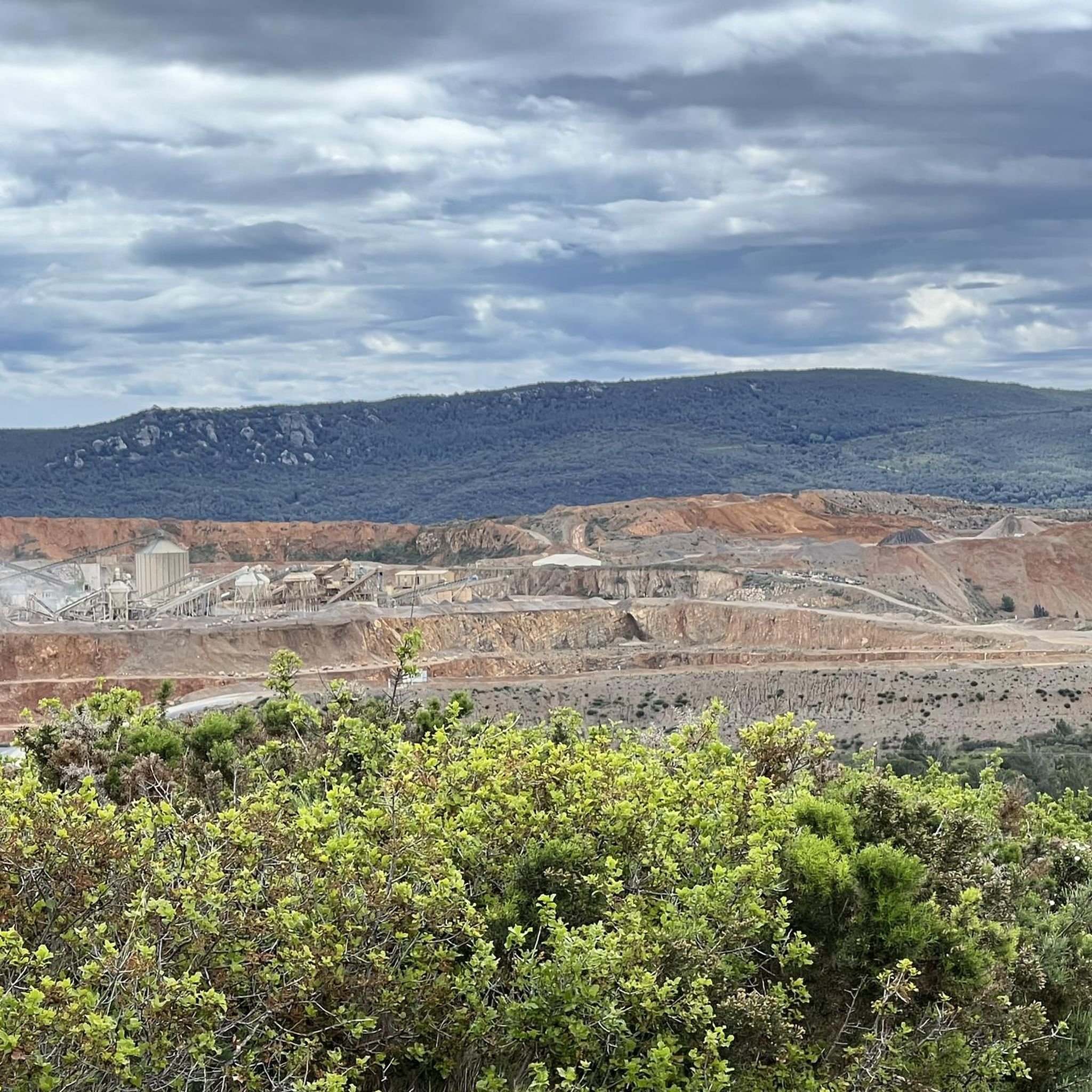
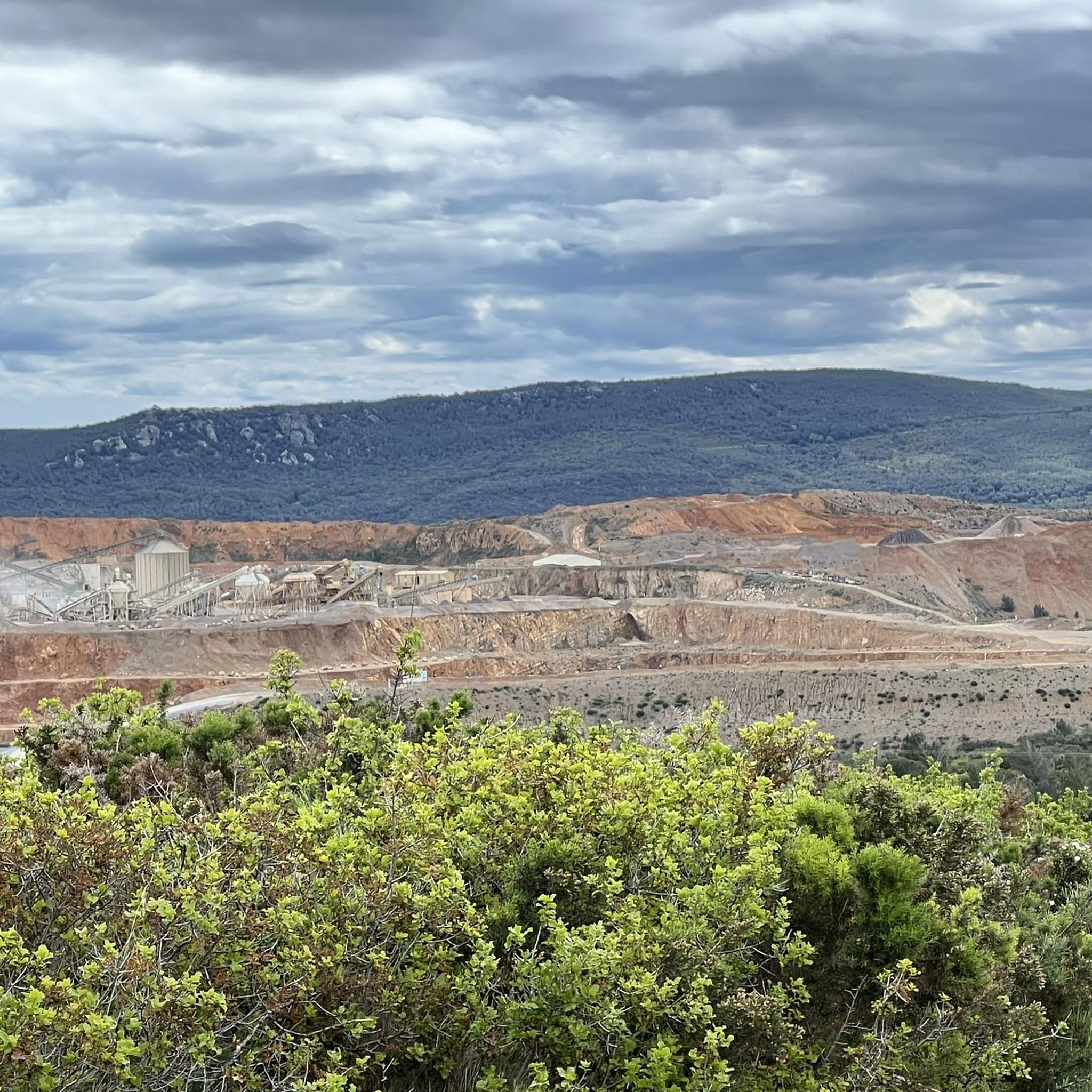
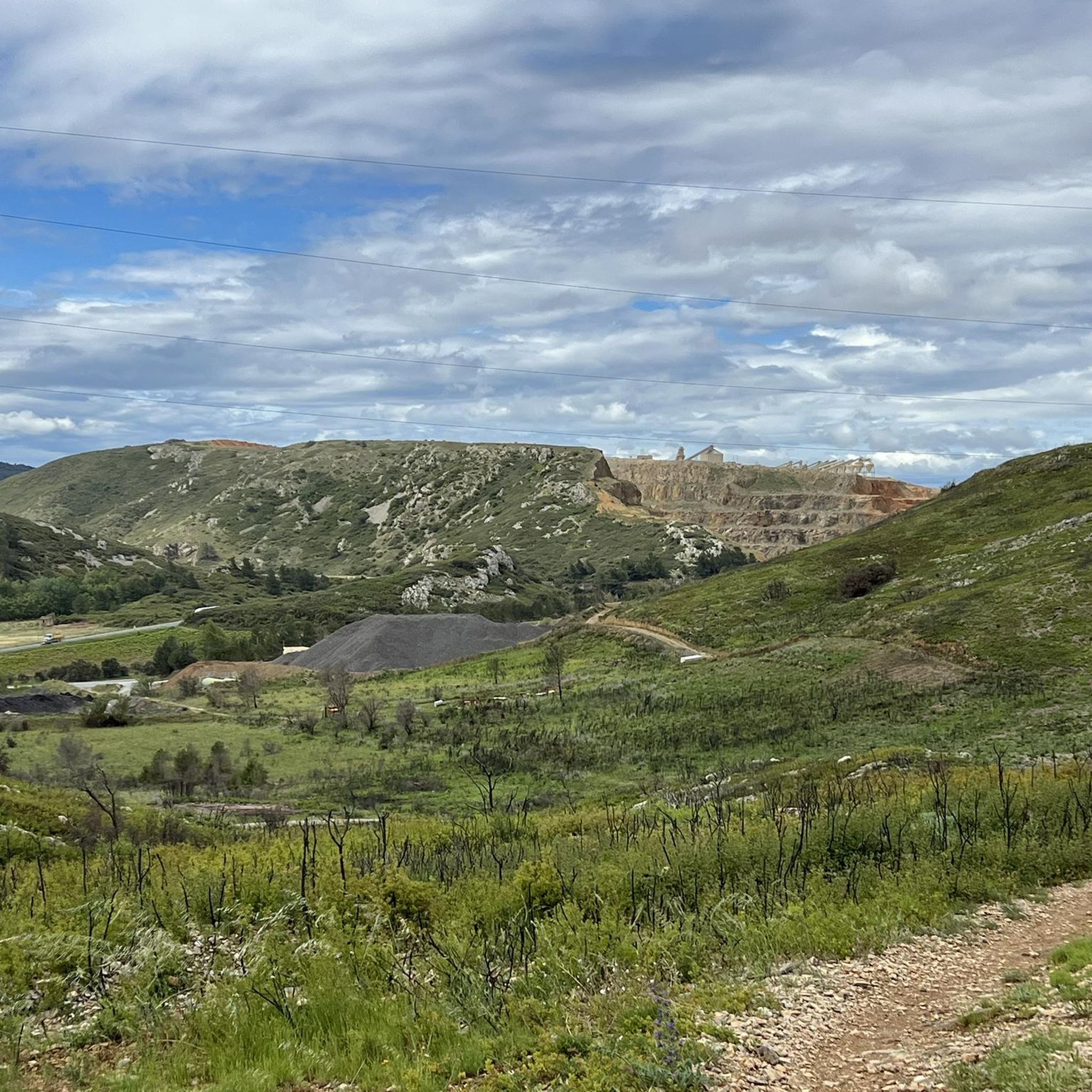
Tips from the Community

A strong headwind is guaranteed, but it's worth it; wild white flamingos, oystercatchers, avocets, terns, various species of gulls and other rare seabirds can almost always be seen.
0
0

Magnificent views of the ponds and villages. Single tracks in the middle of the scrubland without major difficulties and a fairly smooth path. Not forgetting the giraffes of Sigean in the loop. A feast for the eyes.
0
0

Interesting elevation that rises above the Doul pond. From the top you have an open and very beautiful view of the lagoon system that goes from Gruissan to the cliffs of Cap Leucate
1
1


The Doul pond is a magnificent 37-hectare body of water of tectonic origin. It is the saltiest of the French Mediterranean ponds, which is why an old saltworks is attached to it.
0
0
Circuit adapted for a VTC with assistance, respecting the prohibitions on the pontoons of Peyriac.
0
0

If you can still enjoy the landscape while running, you've come to the right place 👌🏼 Invites you to linger 😊. Greetings Marcus
1
0

Wonderful views of the Étang de Bages, which invite you to stroll and linger
1
1
Frequently Asked Questions
What unique geological features can I explore around Montredon-des-Corbières?
The region offers diverse geological features. The Étang du Doul is a significant lake of tectonic origin, known as the saltiest of the French Mediterranean ponds. The wider Corbières-Fenouillèdes Regional Natural Park, which includes areas around Montredon-des-Corbières, is renowned for its complex geology, including dramatic gorges, cliffs, and ridges, resulting from its location at the cusp of the Iberian and Eurasian Plates.
Are there family-friendly natural monuments to visit?
Yes, several natural monuments are suitable for families. The Étang du Doul is a great spot for a family outing, offering a unique natural setting. Additionally, the View of the Étang de Bages-Sigean provides a panoramic perspective that can be enjoyed by all ages.
What kind of wildlife can I expect to see?
The area is rich in biodiversity. At the Bridge Between the Ponds in Parc Naturel Régional de la Narbonnaise en Méditerranée, you can often spot migrating birds like flamingos, oystercatchers, avocets, and various seabirds. The ZNIEFFs (Zones Naturelles d'Intérêt Écologique, Faunistique et Floristique) and the Corbières-Fenouillèdes Regional Natural Park are vital habitats for diverse plant and animal species, including rare birds of prey like Bonelli's eagle, and a variety of Mediterranean flora.
What outdoor activities are available near these natural monuments?
The region provides extensive opportunities for outdoor activities. You can enjoy hiking, cycling, and running on various trails. For instance, there are numerous hiking routes, road cycling routes, and running trails that allow you to explore the natural beauty of the Corbières landscape.
Where can I find panoramic views of the landscape?
For stunning panoramic views, visit the View of the Étang de Bages-Sigean, which offers an extensive perspective over the lagoon and surrounding natural landscape. Within the Corbières-Fenouillèdes Regional Natural Park, elevated points like the Leucate Cliff provide 360° views of the Mediterranean Sea, the Corbières, and even the Pyrenees.
What is the best season to visit the natural monuments in this region?
The Corbières region, including Montredon-des-Corbières, is generally pleasant for visiting natural monuments during spring and autumn. These seasons offer milder temperatures, ideal for hiking and cycling, and provide opportunities to observe migratory birds. Summer can be hot, but the Mediterranean climate still allows for enjoyment, especially near water features. Winter offers a different, often quieter, experience of the landscape.
Are there any historical natural monuments or features?
While not strictly natural, the 'Les Montjoies' are ancient, dome-shaped stone structures integrated into the natural surroundings. These are remnants of an aqueduct system that supplied water to Narbonne, offering a unique blend of natural landscape and historical engineering. The Étang du Doul also has historical significance, having featured an old saltworks due to its high salinity.
Are there any protected natural areas around Montredon-des-Corbières?
Yes, the area is rich in protected natural zones. The Grotte de la Ratapanade is a designated Natura 2000 site, highlighting its ecological importance. Montredon-des-Corbières also hosts two ZNIEFFs (Zones Naturelles d'Intérêt Écologique, Faunistique et Floristique), which are inventories of natural areas remarkable for their ecological interest. A significant portion of the wider region is part of the Corbières-Fenouillèdes Regional Natural Park, established to protect its exceptional biodiversity and varied landscapes.
Are there opportunities for birdwatching near the natural monuments?
Absolutely. The Bridge Between the Ponds in Parc Naturel Régional de la Narbonnaise en Méditerranée is an excellent spot for birdwatching, where you can observe various seabirds, including flamingos, oystercatchers, and avocets. The protected ecological zones and the Regional Natural Park also provide habitats for a wide array of bird species, making them ideal for enthusiasts.
What should I bring when visiting the natural monuments?
When exploring the natural monuments, it's advisable to bring appropriate footwear for walking or hiking, especially if you plan to venture onto trails. Sun protection (hat, sunscreen), sufficient water, and snacks are recommended. Binoculars can enhance wildlife viewing, particularly for birdwatching. A camera is also great for capturing the scenic views.
How long should I plan for a visit to the natural monuments?
The duration of your visit can vary depending on the specific sites you wish to explore. A quick stop at a viewpoint like the View of the Étang de Bages-Sigean might take 30 minutes, while exploring the Étang du Doul or cycling the circuit near the Bridge Between the Ponds could take a few hours. If you plan to hike or cycle extensively within the Corbières-Fenouillèdes Regional Natural Park, you could easily spend a full day or more.
Are there any specific natural monuments known for their water features?
Yes, the region is known for its water features. The Étang du Doul is a prominent lake, notable for being the saltiest of the French Mediterranean ponds. The Bridge Between the Ponds offers views of various ponds and is part of a cycling circuit around them. The ancient 'Les Montjoies' also relate to water, marking the path of an ancient aqueduct.
Most popular routes around Montredon-Des-Corbières
Most popular attractions around Montredon-Des-Corbières

Get inspired with the komoot mobile app


Explore more
Extend your search for the best caves by checking out these guides of the top ones around Montredon-Des-Corbières:
