Top 19 Natural Monuments around Westhalten
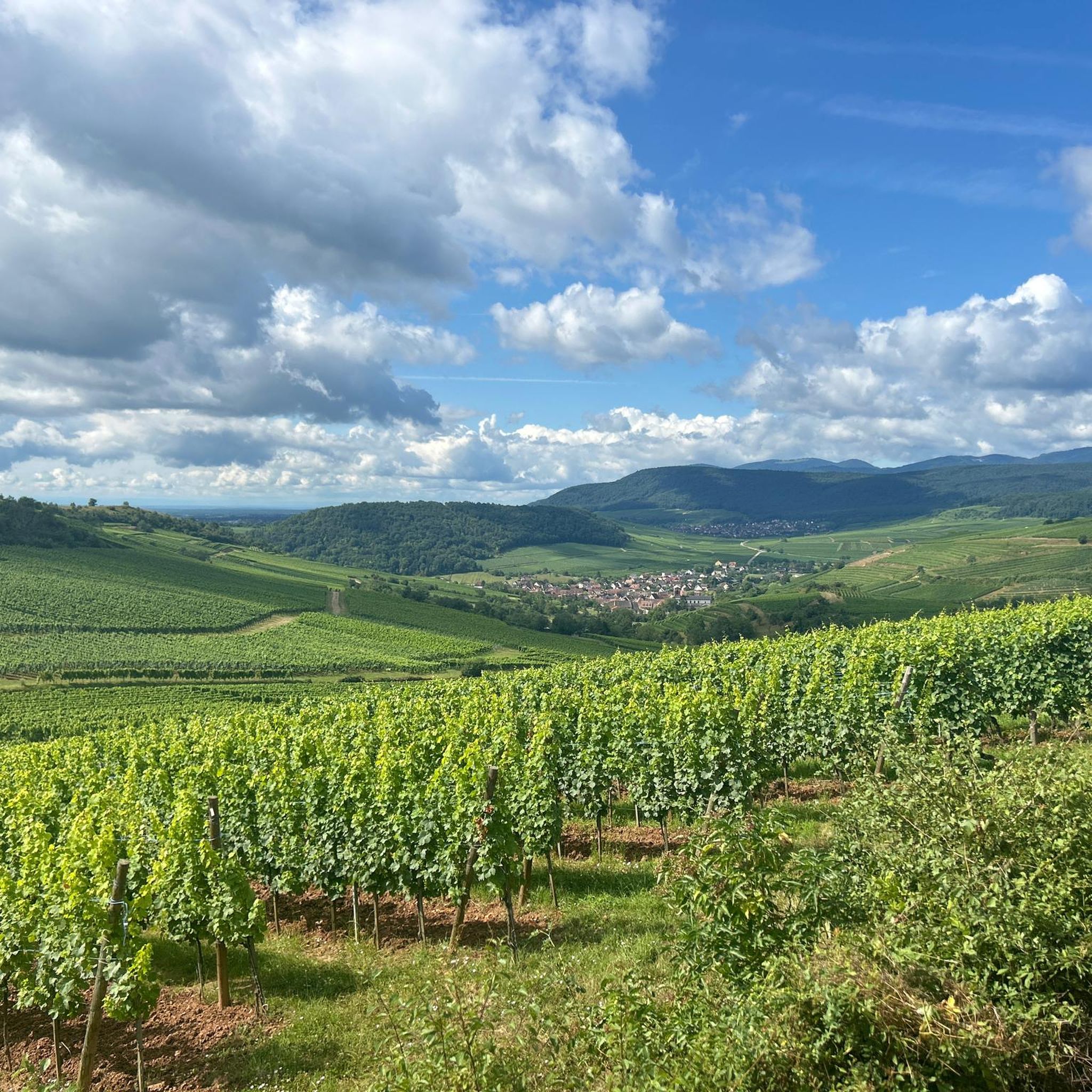
Natural monuments around Westhalten include a diverse landscape of hills and passes, situated within the Alsace Wine Route. The region is characterized by unique geological formations, distinct microclimates, and rich biodiversity. These features contribute to a varied natural environment, offering opportunities for exploration and appreciation of the local ecology. The area's natural sites provide insights into the geological and climatic factors that shape the celebrated wines of Alsace.
Best natural monuments around Westhalten
- The most popular natural monuments is Petit…
Last updated: July 2, 2026
Petit Ballon
Highlight • Summit
Translated by Google •
Tip by

Petit Ballon Pass (1,163 m)
Highlight • Mountain Pass
Translated by Google •
Tip by
Sign up now to discover places like this
Get recommendations on the best single tracks, peaks, & plenty of other exciting outdoor places.
Sign up for free
Langenstein Menhir
Highlight • Monument
Translated by Google •
Tip by

Wolf Pit Pass (Wolfsgrube)
Highlight • Mountain Pass
Translated by Google •
Tip by

Fontaine de la Dame
Highlight • Natural Monument
No view and therefore not very exciting.
Translated by Google •
Tip by

Sign up for free to discover even more natural monuments around Westhalten.
Sign up for free
Already have an account?
Start today with a free account
Your next adventure awaits.
Login or Signup
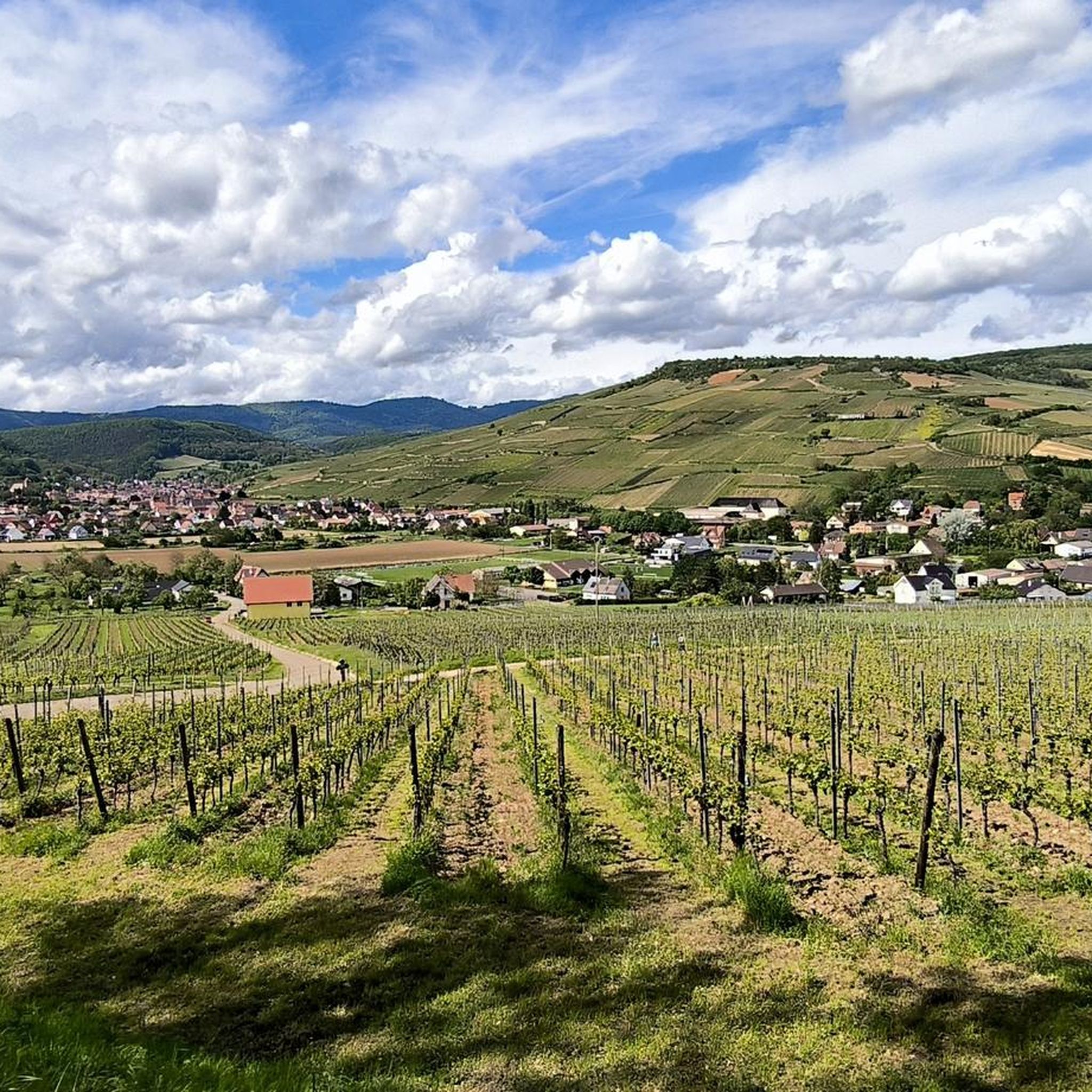
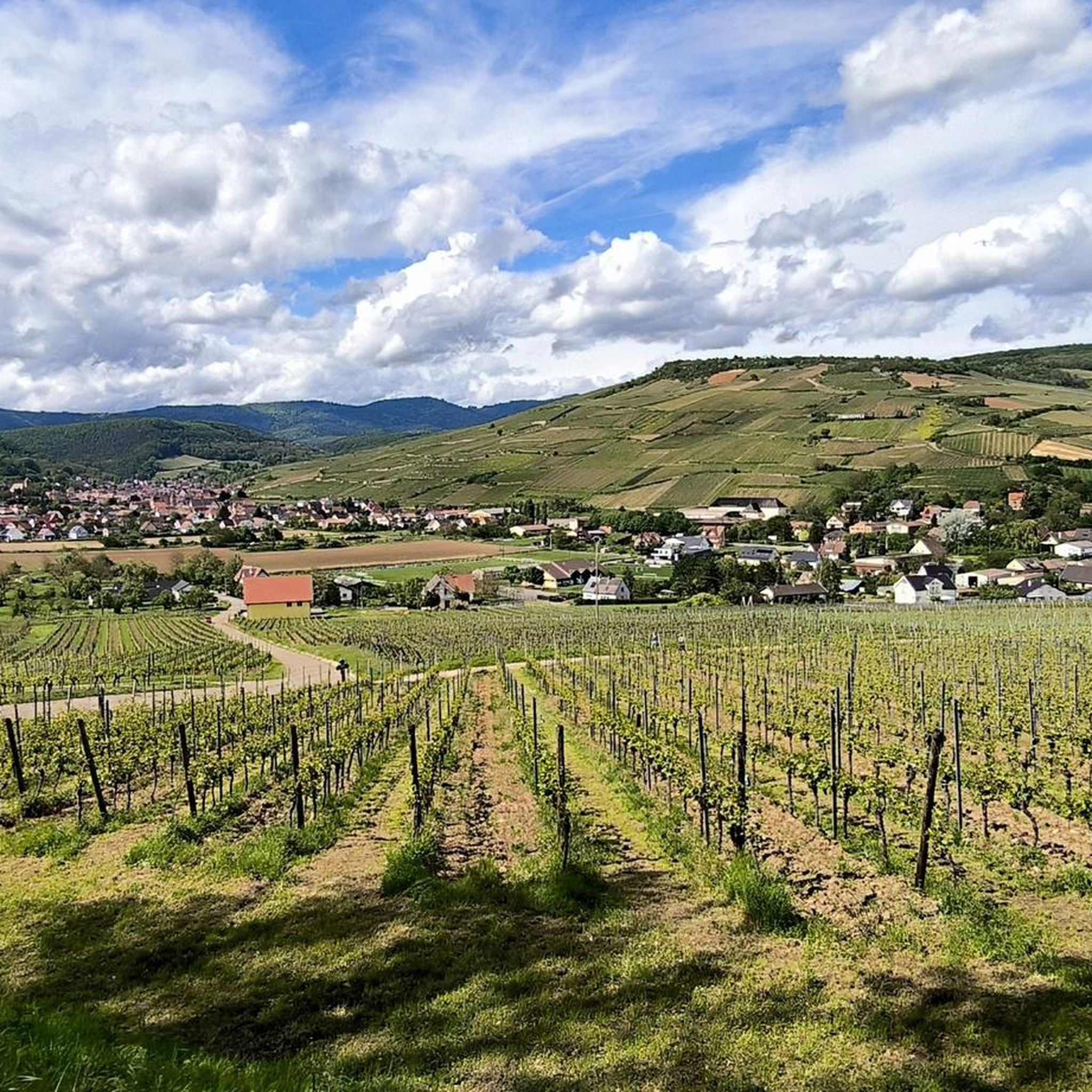
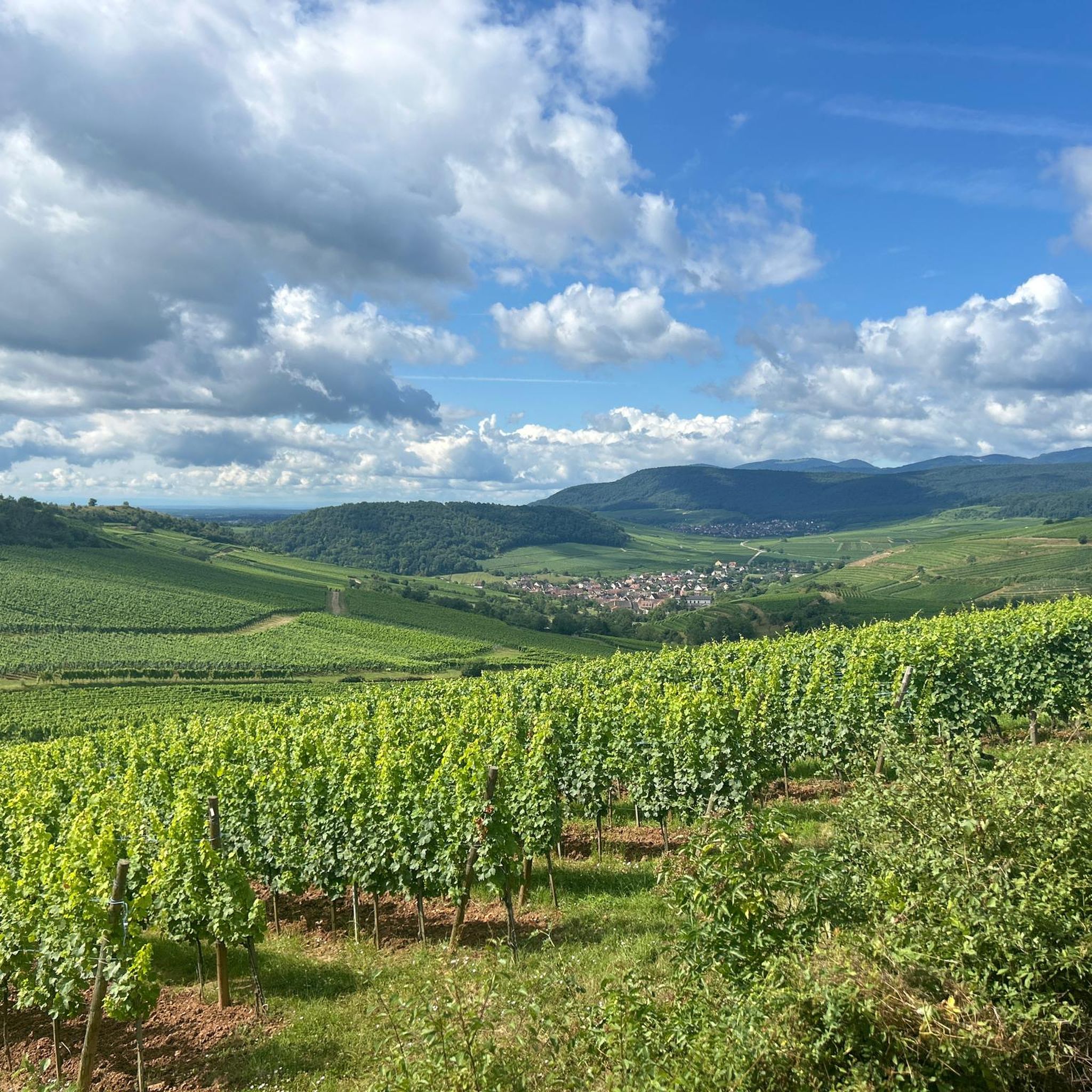
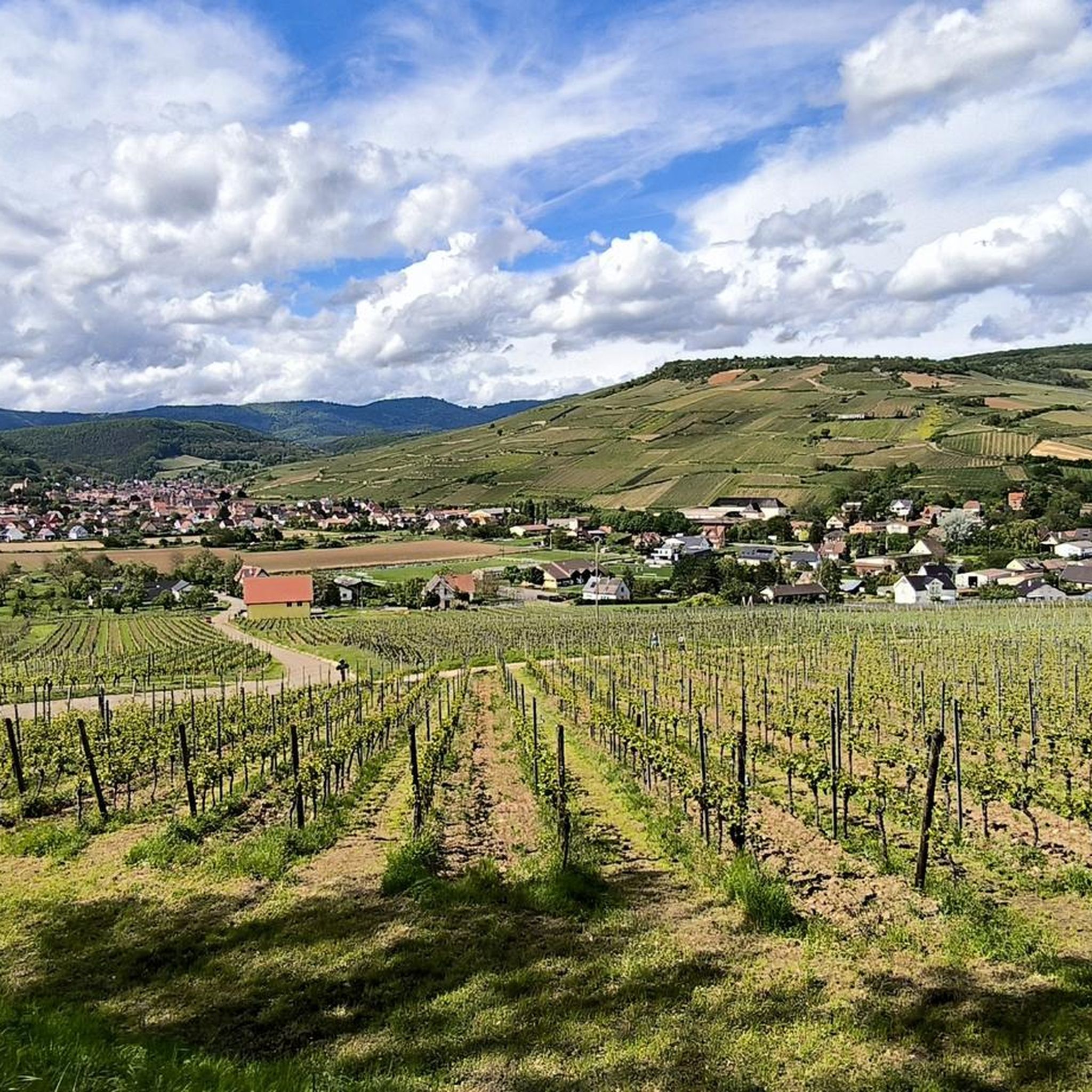

Tips from the Community

A challenge on a mountain bike without a motor. But the downhill trails are great. It's worth it 👍🏻
2
0

The Langenstein menhir (a 4-meter-high long stone) was erected in 1904 by a Soultzmatt industrialist, who recognized this block as an overturned menhir. Legend tells that on full moon nights, fairies, or White Ladies, come to dance around the Langenstein. During this ceremony, the stone is said to begin spinning!
0
0

At this location you will find a shelter, picnic table and water tap
0
0

Perfect outing at the start of the season to get back into shape
0
0

The way up is full of street paintings from the last Tour de France stages that went up there. It's a special feeling even without all the extras and I can recommend everyone to try the climb. Once you're at the top, you have the choice between different descents. I opted for the gravel descent, which was an additional physical challenge as it was very steep and rocky. There is a lovely mountain pasture on the way down where you can recharge your batteries with blueberry cake, coffee and non-alcoholic beer (Ferme Auberge Strohberg). It's also a good place to go if you've "forgotten" your bars and gel.
3
0

A worthwhile destination by bike and a nice starting point for hikes.
3
0

Very windy but great view
3
1

Langstein means long stone. According to scientists, the block was extracted approximately 1km from its location. Its erection dates from the Celtic period, around 560 BC. It was rediscovered in 1904 lying on the ground by Fritz Keller, an industrialist from the region. It was straightened in 1906. A host of legends are linked to this Menhir. Listing them here would be too long.
0
0
Frequently Asked Questions
What are some of the most highly-rated natural monuments around Westhalten?
Visitors frequently praise the Petit Ballon, a summit offering panoramic 360° views of the Vosges massif and the Alsace plain. The Petit Ballon Pass (1,163 m) is also highly regarded for its magnificent mountain atmosphere and views of surrounding valleys. Another popular spot is the Wolf Pit Pass (Wolfsgrube), known for its historical significance and amenities like benches and a shelter.
What unique natural features can I expect to see around Westhalten?
The region is characterized by diverse geological formations and distinct microclimates. You'll find hills like Zinnkoepflé with its lime-rich sandstone, and Strangenberg with a blend of sandstone and limestone. These conditions foster Mediterranean-type fauna and flora, offering surprising ecological diversity, including steppic moorlands and unique bulbous plants.
Are there any natural monuments with historical significance near Westhalten?
Yes, the Wolf Pit Pass (Wolfsgrube) is a notable historical site, featuring an information board explaining the historical significance of wolf pits. Additionally, the Langenstein Menhir, though a man-made monument, is an ancient megalith dating back to the Celtic period, surrounded by local legends.
What kind of views can I expect from the natural monuments in Westhalten?
Many natural monuments offer breathtaking vistas. From the summit of Petit Ballon, you can enjoy 360° panoramic views of the Vosges massif, the Alsace plain, and even the Black Forest in the background. The Petit Ballon Pass (1,163 m) also provides magnificent views of the surrounding valleys and mountain pastures.
Are there good hiking opportunities near Westhalten's natural monuments?
Absolutely. The area around Westhalten offers numerous hiking trails. For mountain hikes, you can explore routes like the 'Petit Ballon – Col du Hilsenfirst loop' or the 'Petit Ballon Pass (1,163 m) – Petit Ballon loop'. You can find more details and routes on the Mountain Hikes around Westhalten guide.
Can I go cycling near the natural monuments around Westhalten?
Yes, Westhalten is excellent for cycling. There are various routes for touring bicycles and road cycling. Examples include the 'Col du Bannstein – Panoramic view from the vineyards loop' for touring, or the 'Firstplan Pass – Pinot Bend loop' for road cycling. Explore more options on the Cycling around Westhalten guide or the Road Cycling Routes around Westhalten guide.
Are there specific trails to explore the unique flora and fauna?
Yes, the Bollenberg hill, a protected site, has a marked trail allowing visitors to explore its exceptional fauna and flora. Westhalten also features a botanical and viticultural trail that highlights the unique plant life and the region's renowned vineyards, offering a chance to see the Mediterranean-type species thriving in the area's microclimates.
Are there family-friendly natural monuments around Westhalten?
Several natural monuments are suitable for families. The Wolf Pit Pass (Wolfsgrube) offers facilities like benches and a shelter, making it a good resting spot. The Langenstein Menhir and Fontaine de la Dame are also categorized as family-friendly, providing accessible natural experiences.
What kind of wildlife can be spotted at the natural monuments?
The Bollenberg hill is particularly rich in wildlife. It's a haven for various bird species, including the Yellowhammer, Linnet, Skylark, Wood Lark, Stonechat, and Cirl Bunting. Reptiles like the wall lizard, sand lizard, and green lizard inhabit its scree slopes and thickets. A small snail, *Bulime radié*, indicative of dry zones, is also found here.
What makes the flora around Westhalten's natural monuments unique?
The unique microclimates and limestone soils of hills like Zinnkoepflé, Strangenberg, and Bollenberg support a diverse and often drought-adapted flora. You can find steppic moorlands with short grass on Strangenberg's hilltops, and Bollenberg's warm, dry environment is home to a unique and varied flora, including numerous bulbous plants in its vineyards.
Where can I find more information about specific natural monuments like Strangenberg or Bollenberg?
For more detailed information on the Strangenberg hill, you can visit the Colmar Tourism website. Similarly, for the Bollenberg hill and its exceptional fauna and flora, you can find more details on the Colmar Tourism website.
What is the best time of year to visit the natural monuments around Westhalten?
Given the region's distinct microclimates and focus on flora and fauna, spring and early summer are ideal for experiencing the vibrant plant life and spotting wildlife. Autumn also offers beautiful scenery, especially with the vineyards in full color. The south-facing slopes receive intense sun exposure, making them pleasant during milder seasons.
Most popular routes around Westhalten
Most popular attractions around Westhalten

Get inspired with the komoot mobile app


Explore more
Extend your search for the best caves by checking out these guides of the top ones around Westhalten:
