Top 4 Natural Monuments around Bréhémont
Best natural monuments around Bréhémont are situated within the Loire-Anjou-Touraine Regional Natural Park and the UNESCO World Heritage Loire area. This region is defined by its diverse landscapes, shaped by the Loire and Indre rivers, offering opportunities to experience its rich natural heritage. The area features significant natural sites, including riverbanks, forests, and preserved ecological zones. These locations provide settings for exploration and observation of local flora and fauna.
Best natural monuments around Bréhémont
- The most popular natural monuments is…
Last updated: July 2, 2026
Gardens of the Château de Villandry
Highlight • Castle
Translated by Google •
Tip by

Confluence of the Cher and Loire Rivers
Highlight (Segment) • River
Translated by Google •
Tip by

Sign up now to discover places like this
Get recommendations on the best single tracks, peaks, & plenty of other exciting outdoor places.
Sign up for free
Chinon State Forest
Highlight (Segment) • Forest
Translated by Google •
Tip by

Start today with a free account
Your next adventure awaits.
Login or Signup

Other adventures around Bréhémont

Tips from the Community

The route directly to the confluence is not really recommended for racing bikes
0
0

One thing is for sure: don't worry, you can cycle in the Chinon forest without the risk of encountering a single wolf. The last wolf was shot in Cheillé in 1789. Although this poor animal is no longer there, the forest is still home to numerous species of large and small wild animals (deer, roe deer, wild boar, foxes, etc.) and, exceptionally, also rare protected species of birds, amphibians and insects, such as the natterjack toad, the alpine rose-ball toad and even the middle spotted woodpecker (cousin of the great spotted woodpecker) and the sparrowhawk. The 5,140 hectare forest massif has a rich and varied flora, in which winter oaks, Scots pine, maritime pine and beech predominate.
1
0

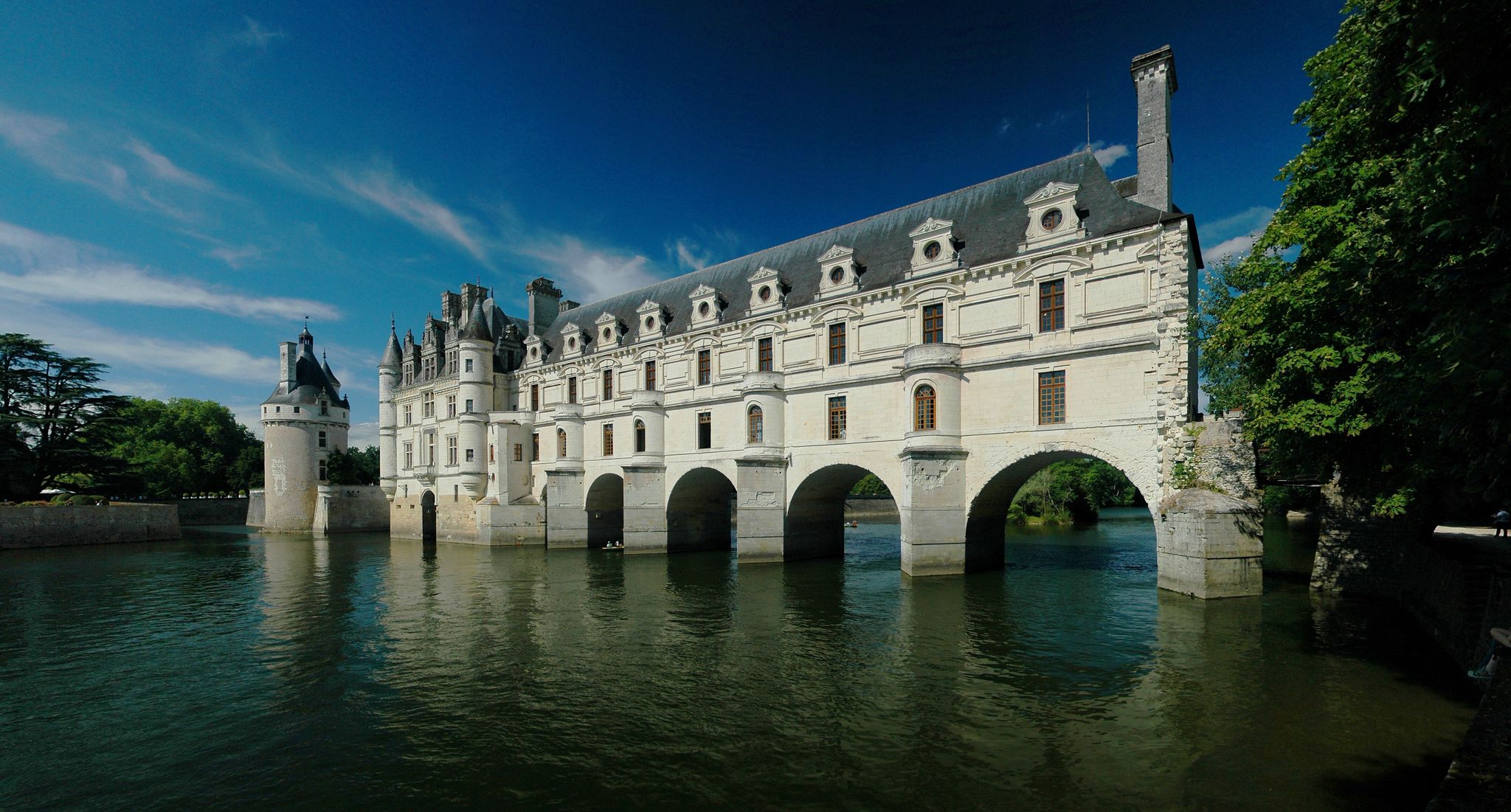
Villandry Castle is one of the Loire Valley castles renowned for the beauty of its gardens. During the beautiful seasons, trees, shrubs and flowers color the decor with iridescent hues. Built between the 16th and 18th centuries, the castle is today a private property open to the public. It is possible to visit its interior which houses occasional and permanent exhibitions. The entire castle and its gardens were included in the list of historic monuments in 1927.
0
0


The Château de Villandry, whose construction began in the 16th century, is particularly known for its gardens, which cover more than six hectares spread over four levels. The castle is perfectly maintained and can be visited year-round, but it is for its gardens that Villandry is a must-see.
1
0

The castle tower provides a breathtaking view of the gardens.
2
0
The castle is not incredible, but the garden is the point of the visit.
2
0
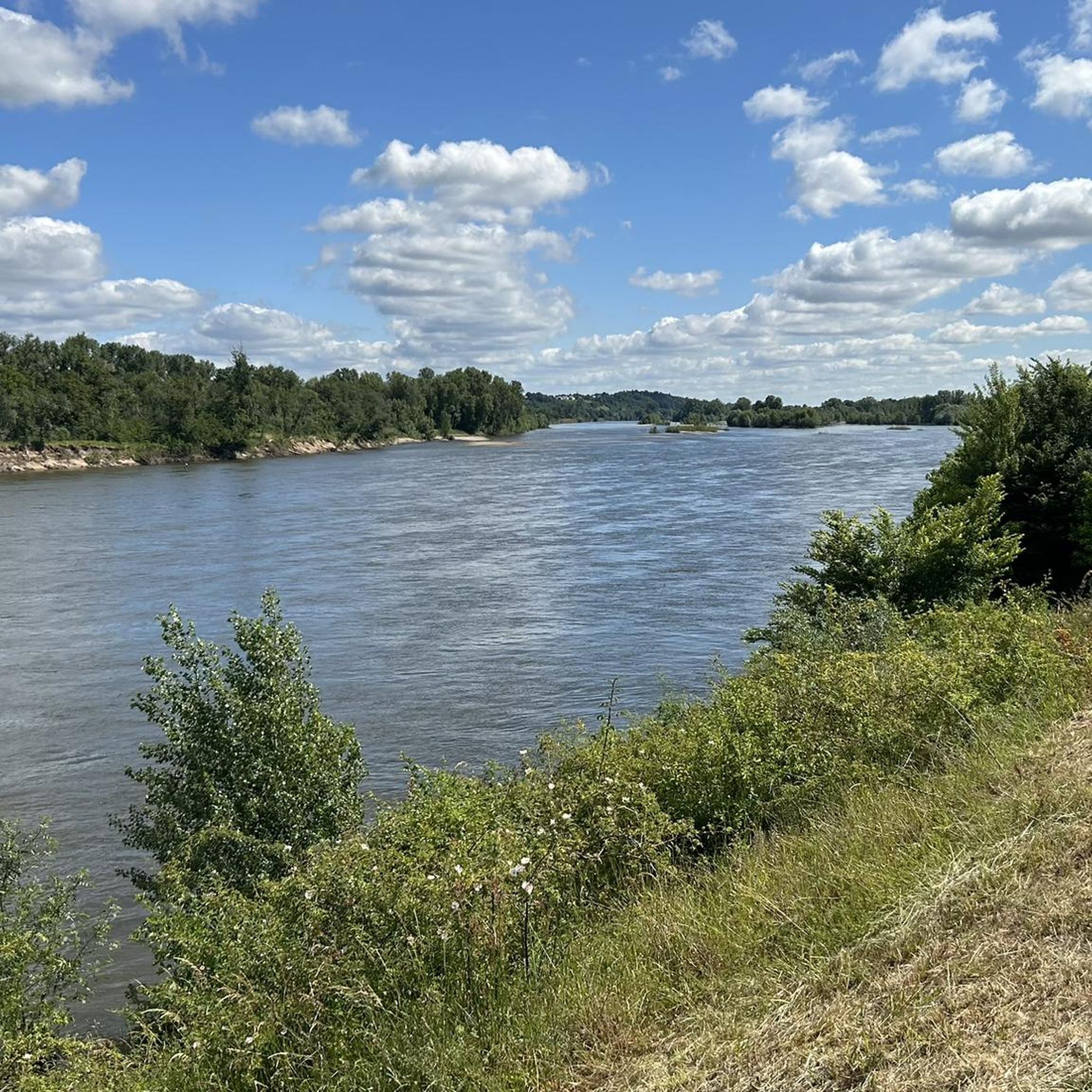
An essential circuit to stretch your legs while enjoying a magnificent setting on the Cher or the Loire.
2
0
Frequently Asked Questions
What natural features can I explore around Bréhémont?
The Bréhémont area, situated within the Loire-Anjou-Touraine Regional Natural Park, offers diverse natural landscapes shaped by the Loire and Indre rivers. You can explore the picturesque riverbanks, visit the significant ecological area of Les Bardeaux de l'Indre, or discover the expansive Chinon State Forest, known for its varied flora and wildlife.
Are there any historical natural sites near Bréhémont?
Yes, the region has natural sites with historical relevance. The 'Balade du Vieux Cher' (Walk of the Old Cher) allows you to follow the historical course of the former Cher river, passing through landscapes that showcase the region's agricultural past, including areas historically used for hemp cultivation. You can see ancient retting ditches and stones near the hamlet of Rupuanne.
Where can I find scenic viewpoints in the Bréhémont area?
For scenic views, the Confluence of the Cher and Loire Rivers offers a peaceful setting where the two rivers meet. The riverbanks themselves provide picturesque vistas, especially along the 'Loire by bike' route. Additionally, the Gardens of the Château de Villandry, while man-made, offer stunning, meticulously designed landscapes that are a visual delight.
What makes the natural sites around Bréhémont unique?
The natural sites around Bréhémont are unique due to their blend of ecological significance, historical relevance, and scenic beauty. The interplay of the Loire and Indre rivers creates diverse ecosystems and wooded islands. The area's connection to the UNESCO World Heritage Loire region and its past, such as hemp cultivation along the Old Cher, adds a rich cultural layer to its natural environment.
Are there family-friendly natural monuments around Bréhémont?
Absolutely. Many natural sites are suitable for families. The Gardens of the Château de Villandry are a popular choice, offering expansive, engaging landscapes. The Confluence of the Cher and Loire Rivers provides a calm setting for a family outing, and the Chinon State Forest has trails suitable for various ages to explore nature.
Can I bring my dog to the natural sites in Bréhémont?
Many outdoor areas in the Bréhémont region are dog-friendly, especially trails within natural parks and forests like the Chinon State Forest. However, it's always recommended to keep dogs on a leash and check specific regulations for sensitive natural areas or private properties like the Gardens of the Château de Villandry, which may have specific rules for pets.
Are there easy walks or trails for beginners around Bréhémont's natural monuments?
Yes, there are several easy walks. The riverbanks of the Loire and Indre offer gentle paths, perfect for leisurely strolls. The 'Balade du Vieux Cher' is also generally an accessible trail. For specific routes, you can find easy hiking options in the area, such as the 'View of Ussé Castle – Ussé Castle loop from Rigny-Ussé', which is an easy 6.7 km hike. You can explore more options on the Hiking around Bréhémont guide.
What outdoor activities can I do near Bréhémont's natural monuments?
The region around Bréhémont is excellent for various outdoor activities. You can enjoy cycling along the 'Loire by bike' route, which offers stunning scenery along the riverbanks. Hiking and running are also popular, with numerous trails through forests and along rivers. For more detailed routes, check out the Road Cycling Routes around Bréhémont, Hiking around Bréhémont, and Running Trails around Bréhémont guides.
Are there specific hiking trails to explore the natural beauty?
Yes, there are several hiking trails that allow you to immerse yourself in the natural beauty of Bréhémont. A notable one is 'The Old Cher Trail', a moderate 12.5 km route that follows the historical course of the river. Other options include loops around Ussé Castle or along the Indre. You can find more hiking routes and their difficulties in the Hiking around Bréhémont guide.
What is the best time to visit the natural monuments around Bréhémont?
The best time to visit is generally during the spring (April-June) and autumn (September-October) when the weather is pleasant for outdoor activities and the landscapes are vibrant with seasonal colors. Summer (July-August) is also popular, though it can be warmer. Winter offers a quieter experience, but some facilities might have reduced hours.
How long should I plan for visiting the natural sites?
The duration of your visit depends on the specific site and your activity. For places like the Gardens of the Château de Villandry, you might spend half a day or more exploring the extensive grounds. Shorter walks along the riverbanks or to the Confluence of the Cher and Loire Rivers could take an hour or two. For longer hikes in the Chinon State Forest, plan for several hours.
What kind of wildlife can I expect to see in the natural areas?
The natural areas around Bréhémont, especially the Chinon State Forest and the riverine ecosystems, are home to diverse wildlife. You might spot various bird species, including rare protected ones like the middle spotted woodpecker and sparrowhawk. Larger animals such as deer, roe deer, wild boar, and foxes inhabit the forests. The sensitive natural areas also protect amphibians like the natterjack toad.
Are there cafes or pubs near the natural monuments in Bréhémont?
While Bréhémont itself offers local amenities, specific cafes or pubs might not be directly adjacent to every natural monument, especially those in more secluded forest or river areas. It's advisable to check for options in nearby villages or towns like Bréhémont, Langeais, or Villandry, which are typically a short drive or cycle away from the main natural attractions.
Most popular routes around Bréhémont
Most popular attractions around Bréhémont

Get inspired with the komoot mobile app


Explore more
Extend your search for the best caves by checking out these guides of the top ones around Bréhémont:
