Top 12 Natural Monuments around Véronne
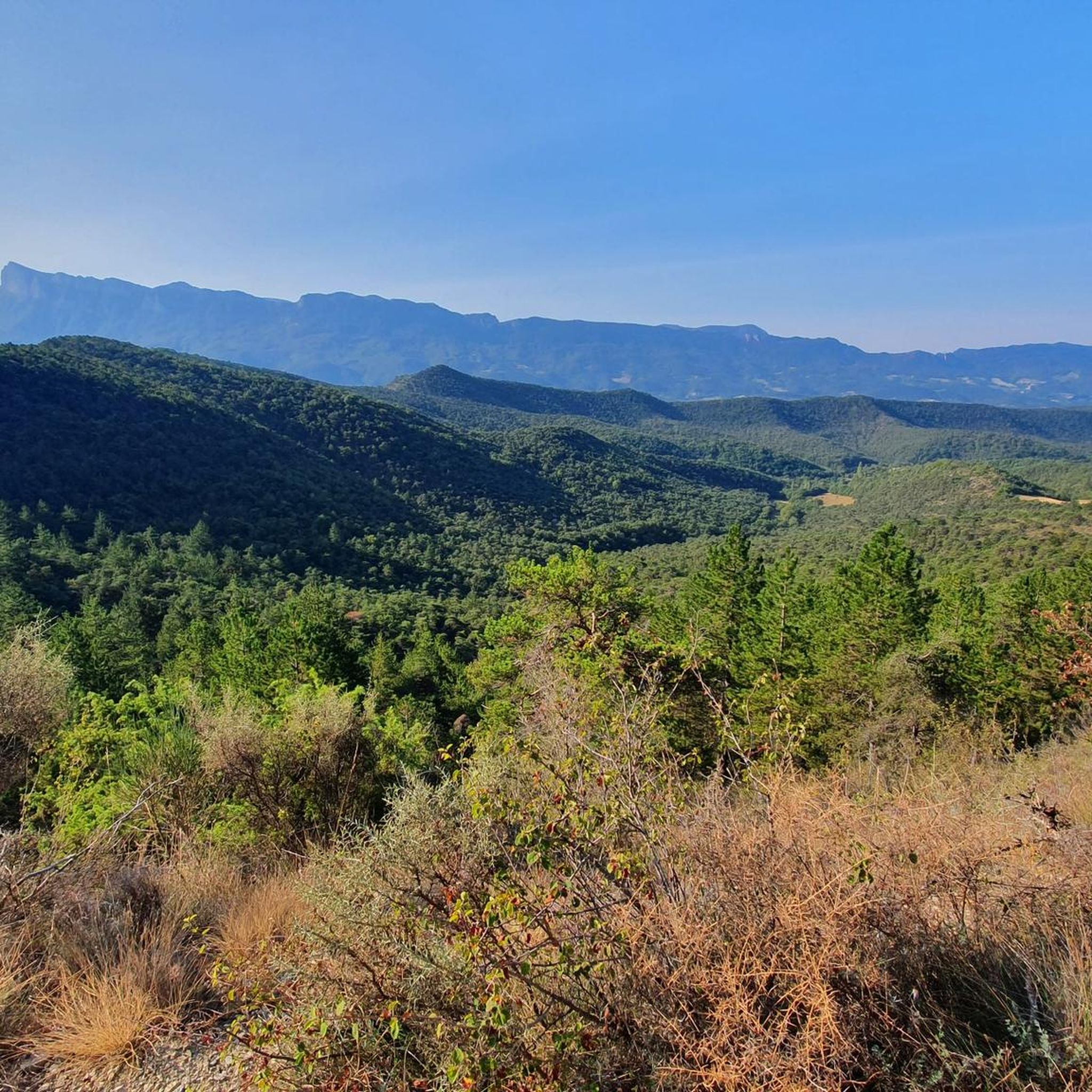
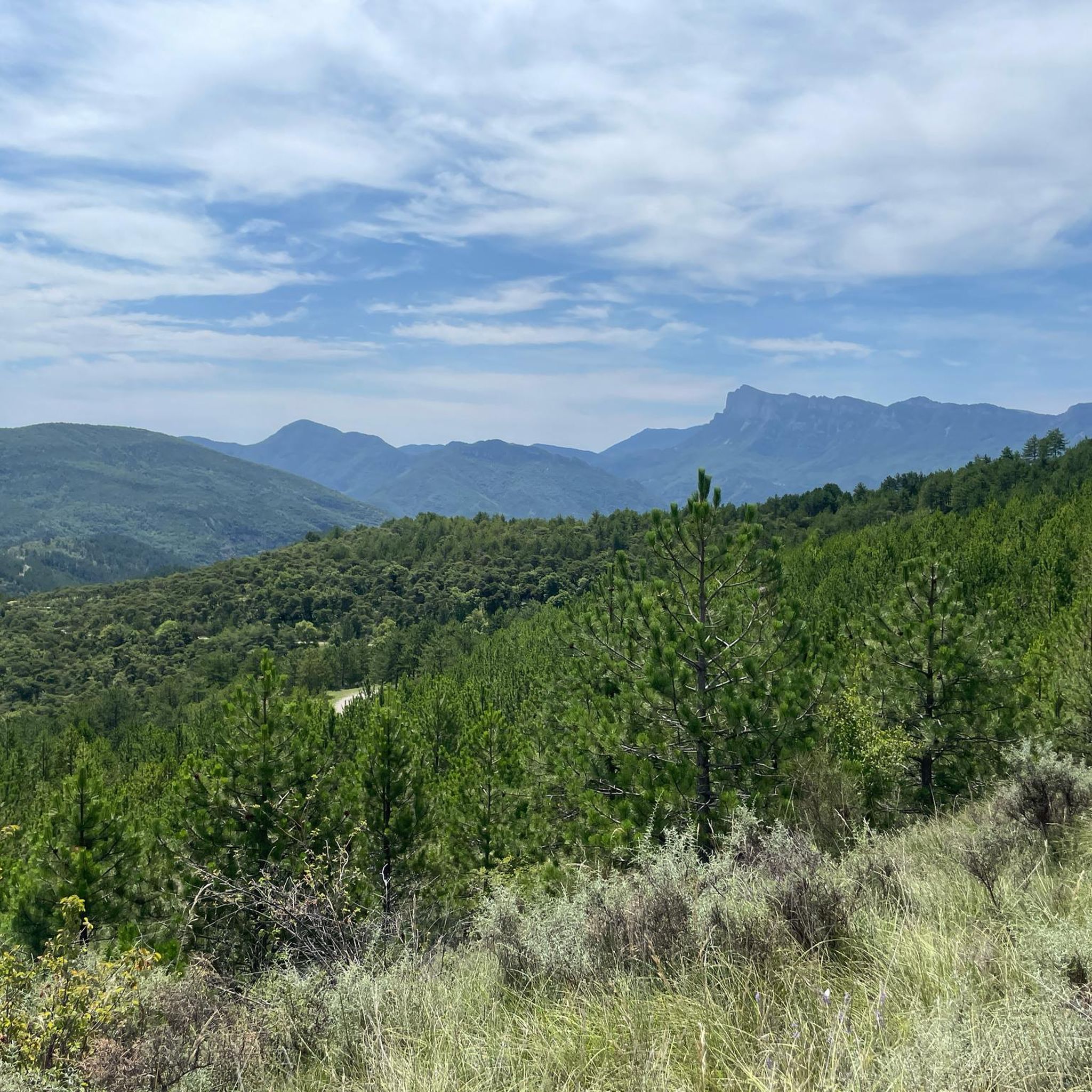
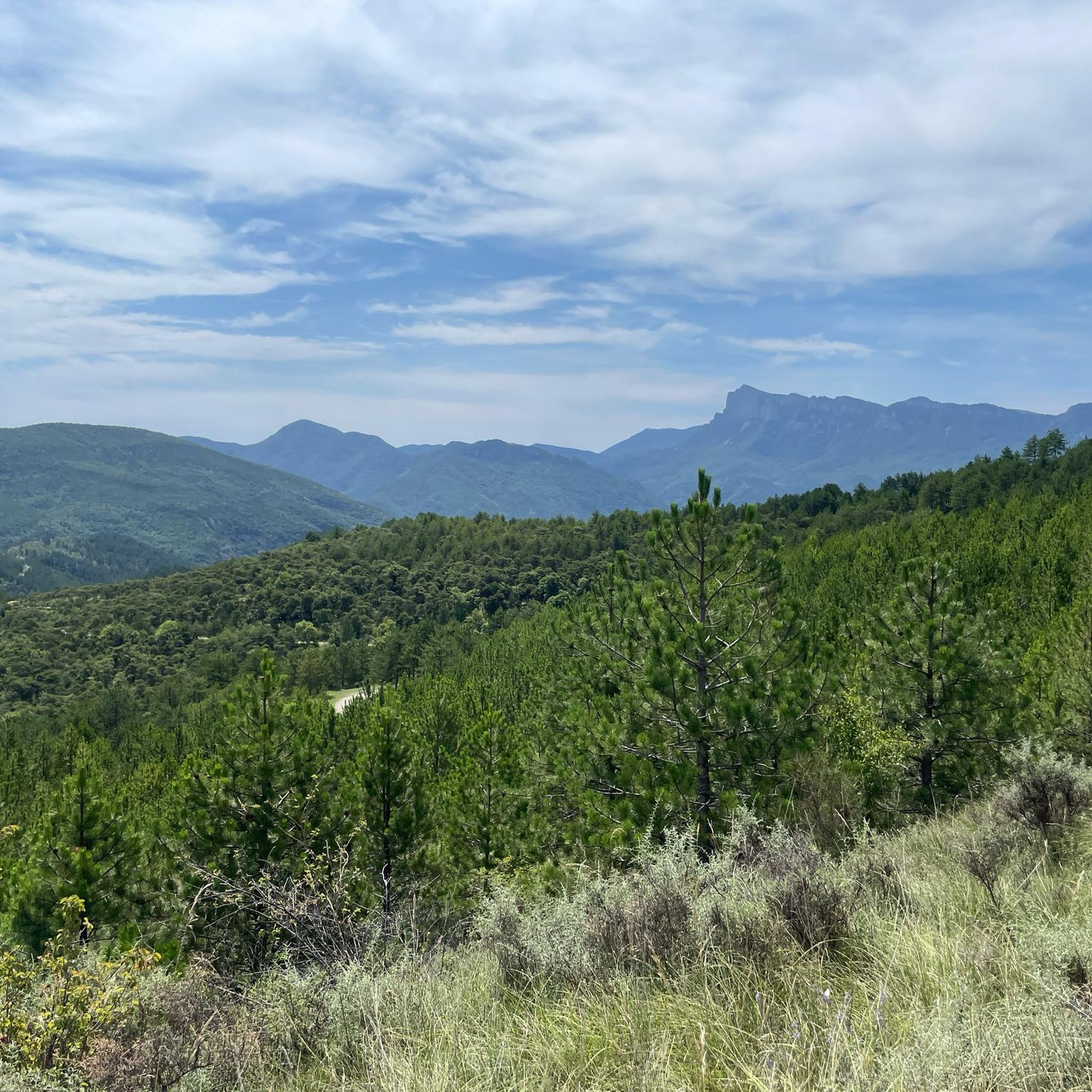
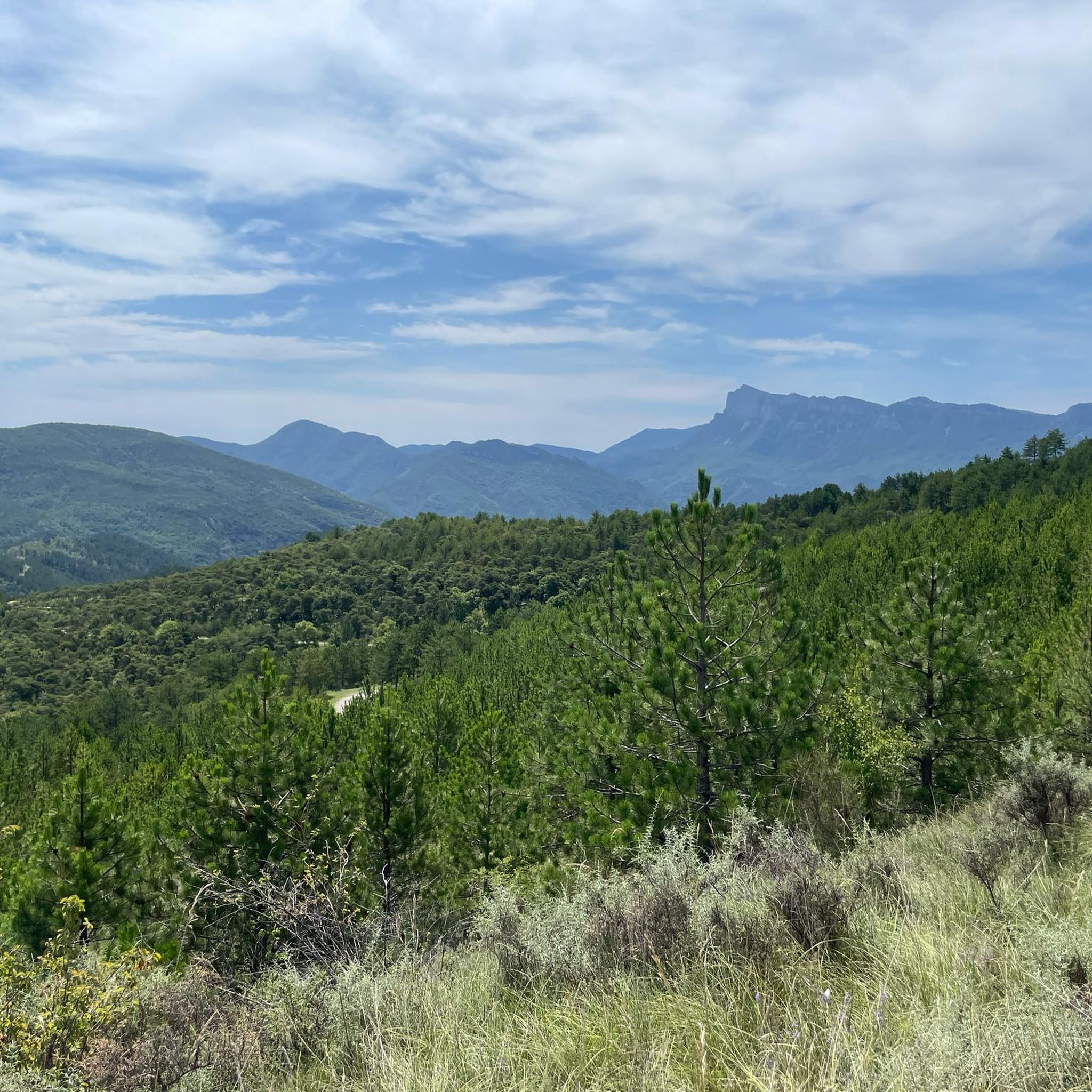
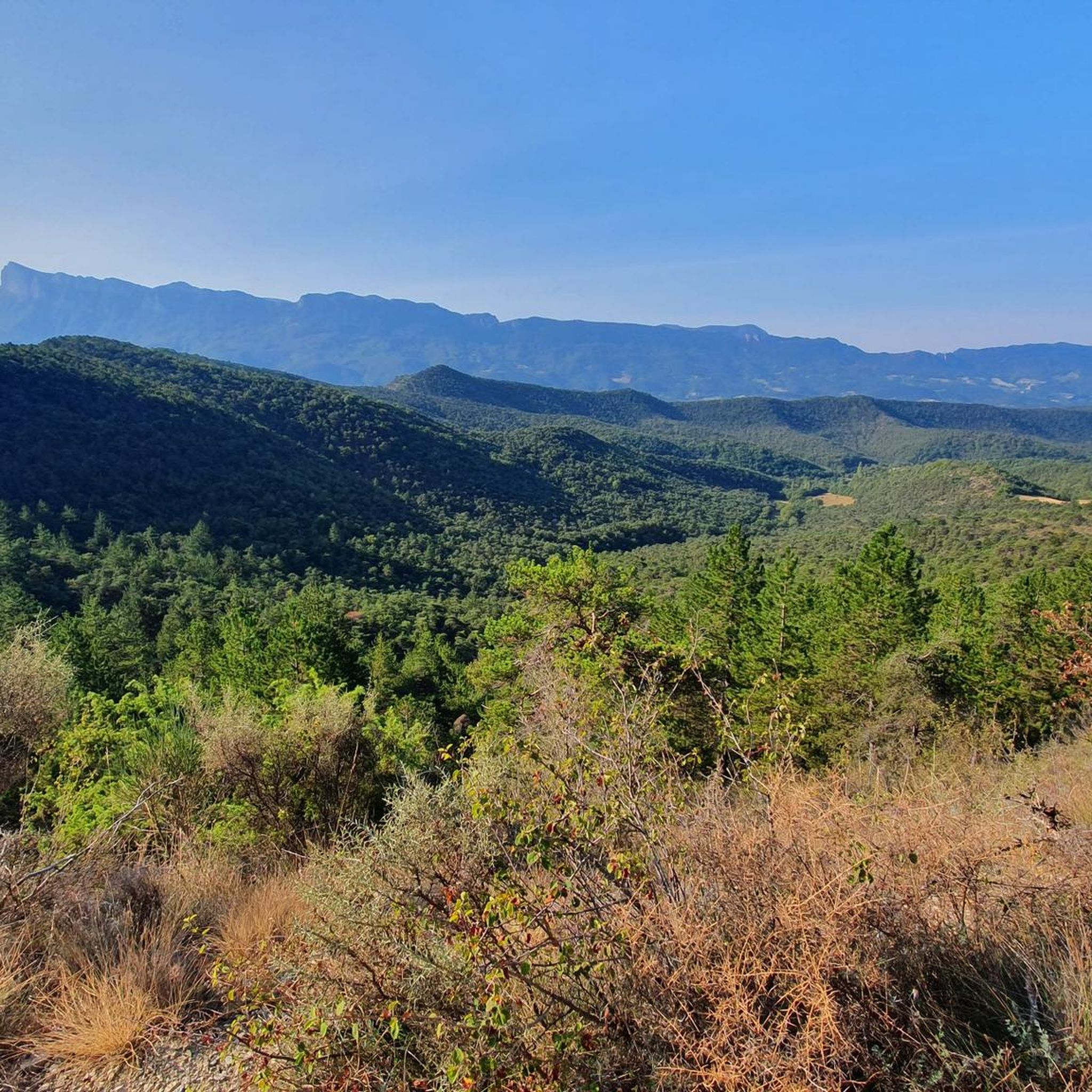
Best natural monuments around Véronne are found within a landscape characterized by diverse geological features and natural beauty. The region, part of the Drôme massif, offers a variety of natural formations including summits, gorges, and waterfalls. These natural features provide opportunities for exploration and offer expansive views of the surrounding green mountains. The area's terrain is shaped by its mountainous environment, making it a destination for those seeking natural landmarks.
Best natural monuments around Véronne
- The most popular natural monuments…
Last updated: July 2, 2026
Druise Waterfall
Highlight • Natural Monument
Translated by Google •
Tip by

Rocher de la Laveuse
Highlight • Natural Monument
Translated by Google •
Tip by

Sign up now to discover places like this
Get recommendations on the best single tracks, peaks, & plenty of other exciting outdoor places.
Sign up for free
Le Veyou
Highlight • Summit
Translated by Google •
Tip by
Above the Omblèze gorges
Highlight • Natural Monument
Translated by Google •
Tip by
Les Trois Becs
Highlight • Summit
Translated by Google •
Tip by

Sign up for free to discover even more natural monuments around Véronne.
Sign up for free
Already have an account?
Start today with a free account
Your next adventure awaits.
Login or Signup

Tips from the Community

The Chute de la Druise is a large waterfall on the Gervanne River in the Drôme department in the Auvergne-Rhône-Alpes region. It is located on the border between the municipalities of Omblèze and Plan-de-Baix in the southern Vercors massif, at the mouth of the Omblèze Gorge. With a height of 72 meters, it is one of the most impressive waterfalls in the southern Vercors. The waterfall is accessible after a 30-minute hike along a steep path.
0
0


Beautiful tour over the 3 peaks. Not always very lonely on sunny weekends.
4
0
Beautiful rock formation near the Trois Becs
5
0

huge waterfall, ice cold water but it's worth it
1
0
take water shoes with you otherwise you will not get to the waterfall, you have to go through water
2
1

The Cascades de la Druise are a series of spectacular waterfalls located in Vercors, France. Nestled in a preserved natural setting, these waterfalls offer a magnificent landscape and are accessible by a short hike. They attract visitors with their natural beauty and peaceful ambiance, making the Cascades de la Druise a popular place to recharge your batteries and enjoy nature.
1
0

A good pair of shoes and off you go, some slippery and steep places
1
0
Frequently Asked Questions
What are some of the most notable natural monuments to visit around Véronne?
Véronne, located in the Drôme massif, offers several impressive natural monuments. Among them are Le Veyou, the highest peak of the Trois Becs at 1,589 meters, offering grandiose views of the Diois. Another must-see is Druise Waterfall, a spectacular 72-meter high waterfall accessible via a walk along the Gervanne. You can also explore Rocher de la Laveuse, a unique rock formation providing a natural window onto the surrounding green mountains.
What kind of natural features can I expect to see in the Véronne area?
The Véronne area is characterized by diverse geological features. You'll find impressive summits like Le Veyou and Les Trois Becs, dramatic gorges such as the Omblèze gorges with their limestone walls, and scenic waterfalls like the Druise Waterfall. The region also features unique rock formations and expansive viewpoints.
Are there challenging hikes to natural monuments around Véronne?
Yes, several natural monuments around Véronne involve challenging hikes. For instance, reaching Le Veyou, the highest peak of the Trois Becs, involves a significant elevation gain. The path to Druise Waterfall is also considered challenging, often requiring you to cross the river, so water shoes are recommended.
What outdoor activities can I do near these natural monuments?
Beyond visiting the natural monuments themselves, the Véronne area offers a variety of outdoor activities. You can find numerous hiking trails, MTB trails, and running routes. Popular options include moderate to difficult routes around Saillans, such as the 'Along the Drôme' hike or various MTB loops through the Drôme Forest.
Are there family-friendly natural monuments or trails suitable for children?
While some natural monuments like Le Veyou and Druise Waterfall are more challenging, there are generally easier sections and trails around Véronne. For specific family-friendly options, it's best to check individual route descriptions on komoot, as difficulty can vary. Look for routes categorized as 'easy' or 'moderate' in the hiking guide for the area.
What is the best time of year to visit the natural monuments around Véronne?
The best time to visit the natural monuments around Véronne is typically during spring, summer, and early autumn. These seasons offer pleasant weather for hiking and exploring. Spring brings lush greenery and flowing waterfalls, while summer is ideal for longer days outdoors. Autumn provides beautiful foliage and cooler temperatures, perfect for more strenuous activities.
Can I bring my dog to the natural monuments and trails in Véronne?
Many outdoor areas and trails in the Véronne region are generally dog-friendly, especially in natural settings like the Drôme massif. However, it's always advisable to keep your dog on a leash, especially in protected areas or near wildlife. Specific rules might apply to certain natural monuments or private lands, so check local signage or specific highlight details if available.
Are there any viewpoints offering panoramic scenery of the region?
Absolutely. The Véronne area is known for its stunning viewpoints. Rocher de la Laveuse offers a natural window onto the green mountains surrounding the Trois Becs. Additionally, the summit of Le Veyou provides grandiose landscapes of the Diois, and Above the Omblèze gorges gives impressive perspectives of the canyon's limestone walls.
What do visitors enjoy most about the natural monuments in Véronne?
Visitors frequently praise the breathtaking views and the sense of immersion in nature. Highlights like Le Veyou are loved for their 'grandiose landscapes,' while the Druise Waterfall is described as 'gorgeous' after a scenic walk. The unique rock formations of Rocher de la Laveuse and the impressive Omblèze gorges also receive high acclaim for their natural beauty.
Where can I find information about parking or public transport to these natural monuments?
Information regarding parking and public transport options for specific natural monuments can vary. For many trailheads, especially in natural areas like the Drôme massif, parking is often available but may be limited. Public transport might not reach all remote locations directly. It's recommended to check detailed route descriptions on komoot or local tourist information for specific access details for each monument.
Are there any hidden natural spots worth discovering near Véronne?
While the main natural monuments are well-known, the Drôme massif surrounding Véronne is vast and full of less-traveled paths. Exploring the numerous hiking and MTB trails in the area can lead you to secluded viewpoints, quiet forest clearings, and smaller waterfalls not explicitly listed as major monuments. The region's diverse terrain ensures there are always new natural wonders to uncover.
What is the typical terrain like for hiking to natural monuments in Véronne?
The terrain around Véronne is varied, reflecting its location in the Drôme massif. You can expect a mix of forest paths, rocky ascents, and sometimes river crossings, especially when heading to waterfalls like Druise Waterfall. Trails can range from moderate to challenging, with significant elevation changes, particularly when climbing to summits like Le Veyou. Sturdy footwear is highly recommended.
Most popular routes around Véronne
Most popular attractions around Véronne

Get inspired with the komoot mobile app


Explore more
Extend your search for the best caves by checking out these guides of the top ones around Véronne:
