Top 18 Natural Monuments around Fontanil-Cornillon
Best natural monuments around Fontanil-Cornillon are situated at the foot of the Chartreuse Massif, providing access to diverse natural attractions. This region in the Isère Valley is characterized by limestone formations, dense forests, and alpine pastures. It offers a blend of geological interest and opportunities for outdoor activities. The area serves as a gateway to the Chartreuse Regional Natural Park, a protected area known for its biodiversity.
Best natural monuments around Fontanil-Cornillon
- The most popular natural monuments is La Molière…
Last updated: October 5, 2026
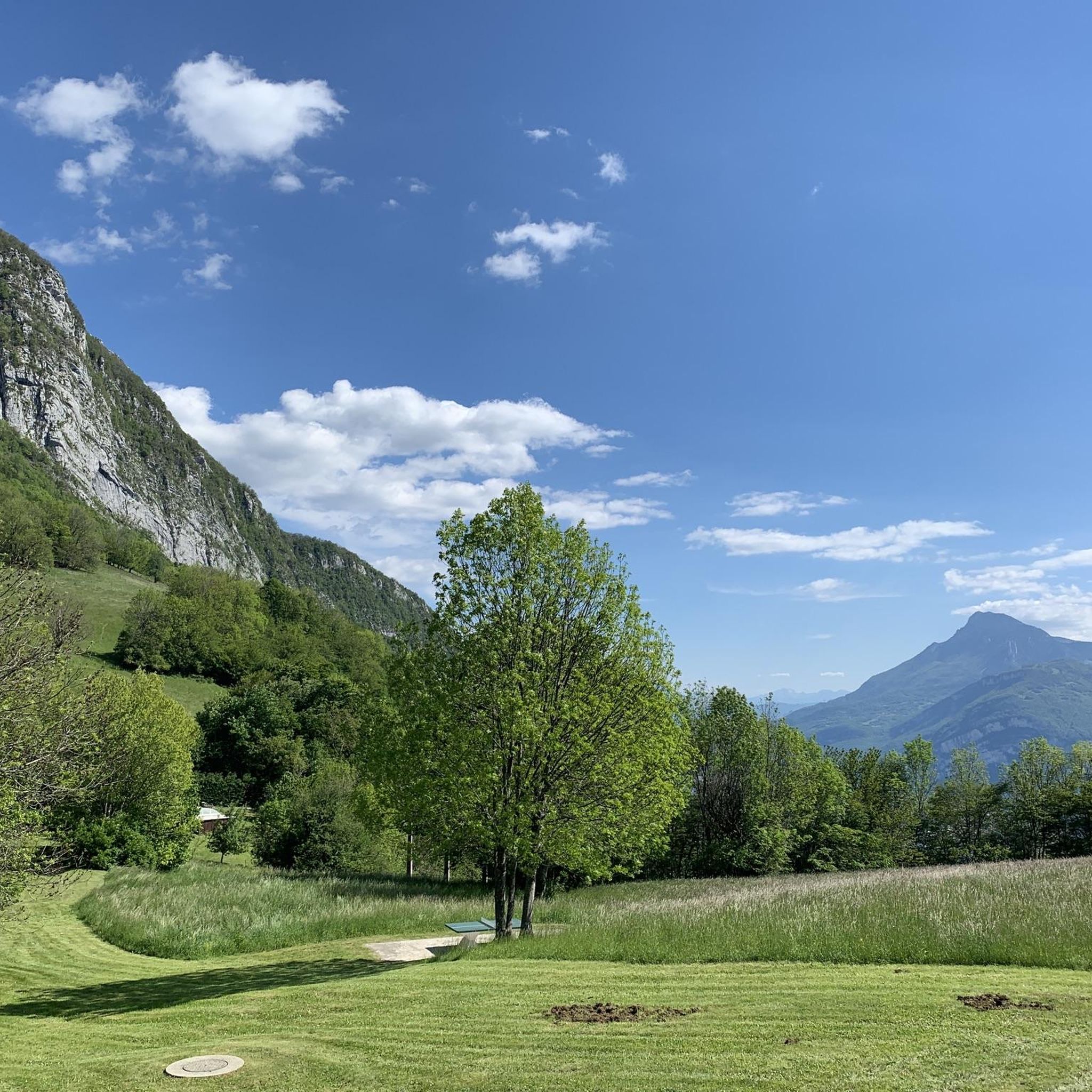
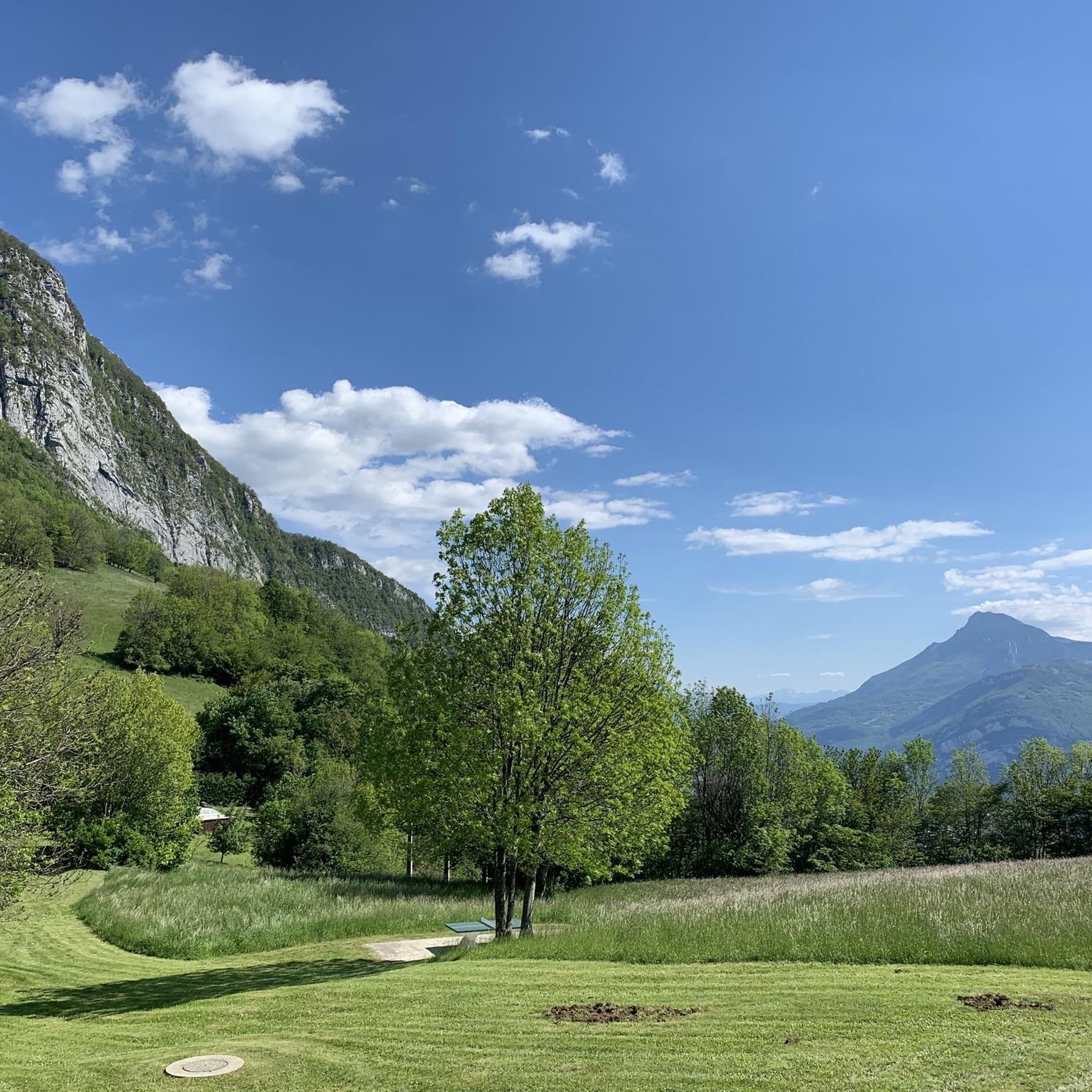
La Molière Alpine Pasture and Panoramic View
Highlight • Viewpoint
Hundreds of cows graze there every summer and enjoy a superb panoramic view of the Alps!
Translated by Google •
Tip by

Charande Summit
Highlight • Summit
From up there, you'll enjoy a breathtaking view of the Molière alpine pasture.
Translated by Google •
Tip by
Sign up now to discover places like this
Get recommendations on the best single tracks, peaks, & plenty of other exciting outdoor places.
Charmant Som summit
Highlight • Summit
Translated by Google •
Tip by

La Pinéa
Highlight • Summit
Translated by Google •
Tip by

Izon Cross
Highlight • Summit
Translated by Google •
Tip by

Sign up for free to discover even more natural monuments around Fontanil-Cornillon.
Already have an account?
Start today with a free account
Your next adventure awaits.


Tips from the Community

The Molière alpine pasture (probably meaning 'millstone' as an old millstone quarry exists nearby) is a traditional grazing area for the 280 heifers belonging to 25 different owners.
0
0


Easy and very pretty, a 360° as we like them in Chartreuse
0
0

Great viewpoint, and great path on the ridges.
0
0

La Pinéa is a pretty rocky summit which is located in the middle of the Chartreuse at 1,771 meters above sea level. It offers numerous views of the highest mountains of the massif.
1
0
Located at an altitude of 1,349 meters, the Croix de l'Izon offers a number of incredible views of the Vercors massif, the Grenoble metropolitan area and the rest of the Alps.
1
0
Charande is located at an altitude of 1,709 meters on the ridges which dominate the Molière plateau. It offers a panoramic view of the city of Grenoble and the surrounding peaks.
0
0
Frequently Asked Questions
What are some prominent natural monuments in Fontanil-Cornillon and its surroundings?
Fontanil-Cornillon offers access to several notable natural monuments. Directly within the commune is the Rocher du Cornillon, an impressive limestone formation with historical significance. Nearby, you can explore the high-altitude La Molière Alpine Pasture and Panoramic View, offering superb views of the Alps, and the Charande Summit, popular for its vistas over the Molière alpine pasture and Vercors.
What natural features can I expect to see in the Fontanil-Cornillon area?
The region is characterized by diverse natural features, including prominent limestone cliffs, dense forests, and alpine pastures. You'll find high summits like the Charmant Som summit, unique geological formations such as the perched syncline of the Rocher du Cornillon, and vast protected areas like the Chartreuse Regional Natural Park with its varied landscapes and clear waterways.
Are there any historical aspects associated with these natural monuments?
Yes, several natural monuments have historical significance. The Rocher du Cornillon, for instance, has been recognized as a classified natural site since 1911 and once hosted a fortified castle dating back to the Bronze Age and medieval times. Further afield, the Grottes de Saint-Christophe include an ancient Roman road, the 'Voie Sarde,' and have been occupied since prehistoric times, serving as a strategic passage.
What outdoor activities can I do near these natural monuments?
The area around Fontanil-Cornillon is ideal for various outdoor activities. You can find numerous hiking trails, from leisurely walks to challenging mountaineering routes, especially within the Chartreuse Regional Natural Park. There are also options for mountain biking and paragliding. For detailed routes, check out the hiking guide, mountain hikes guide, and MTB trails guide for the region.
Are there family-friendly natural monuments or activities in the area?
While specific 'family-friendly' categories aren't always listed, many natural monuments offer accessible trails suitable for families. The Chartreuse Regional Natural Park has over 1,500 km of marked trails, including leisurely walks. The Grottes de Saint-Christophe offer guided tours and various activities like walks and hikes, making it an engaging destination for families interested in geology and history.
What are the best viewpoints around Fontanil-Cornillon?
For stunning panoramic views, consider visiting La Molière Alpine Pasture and Panoramic View, which offers a superb panorama of the Alps. The Charande Summit provides breathtaking views of the Molière alpine pasture and the Vercors. Additionally, the Charmant Som summit is an emblematic peak offering a spectacular panorama of the Chartreuse massif.
Can I see wildlife in the Chartreuse Regional Natural Park?
Yes, the Chartreuse Regional Natural Park is known for its rich biodiversity. It boasts 3,777 species of animals and plants, including over a thousand butterfly species. Visitors have good opportunities to observe diverse flora and fauna while exploring the park's trails and natural areas.
When is the best time to visit the natural monuments in Fontanil-Cornillon?
The best time to visit largely depends on the activities you plan. Spring and summer offer lush landscapes and ideal conditions for hiking and outdoor exploration. In summer, hundreds of cows graze at La Molière Alpine Pasture. Autumn brings beautiful foliage. Some high-altitude areas may have snow in winter, offering different scenic experiences, but access might be limited.
Are there unique geological formations to explore?
Absolutely. The Rocher du Cornillon is a prime example, featuring a unique perched syncline geological structure. The Grottes de Saint-Christophe also showcase impressive geological formations, carved by natural erosion of limestone over millions of years, offering a fascinating underground experience.
What do visitors enjoy most about the natural monuments in this region?
Visitors frequently highlight the spectacular panoramic views from summits like Charmant Som and Charande. The tranquility and natural beauty of the alpine pastures, such as La Molière, are also highly appreciated. The blend of geological wonders, historical intrigue, and diverse outdoor recreation opportunities makes the area a popular destination.
Is the Rocher du Cornillon accessible for visitors?
The Rocher du Cornillon offers walking trails that provide exceptional panoramic views of the Isère Valley. While the summit itself is currently closed for safety reasons, the surrounding trails allow visitors to appreciate its natural beauty and historical significance. You can find more detailed information on its classification as a natural site here.
What is 'The Cyclone' natural monument?
The Cyclone refers to a forest area near Fontanil-Cornillon that was devastated by a hurricane in 1915. This event almost completely destroyed the Ture sector, uprooting and tangling trees. The area was then left to regenerate naturally until 1939, offering a unique example of natural forest recovery and resilience.
Most popular routes around Fontanil-Cornillon
Most popular attractions around Fontanil-Cornillon

Get inspired with the komoot mobile app


Explore more
Extend your search for the best caves by checking out these guides of the top ones around Fontanil-Cornillon:
