Top 15 Natural Monuments around Ban-De-Sapt
Best natural monuments around Ban-De-Sapt are found within the Vosges Mountains, a region characterized by its mountainous landscape and dense forests. The area offers numerous hiking opportunities and is influenced by the Ballons des Vosges Regional Nature Park. This natural setting provides diverse ecosystems and scenic landscapes for outdoor exploration.
Best natural monuments around Ban-De-Sapt
- The most popular natural monuments is Dry Fir Rock, a viewpoint that offers a panoramic view of the region. This Vosges sandstone rock is…
Last updated: July 15, 2026
La Bure Celtic Camp
Highlight • Historical Site
Translated by Google •
Tip by

Dry Fir Rock
Highlight • Viewpoint
Translated by Google •
Tip by

Sign up now to discover places like this
Get recommendations on the best single tracks, peaks, & plenty of other exciting outdoor places.
Sign up for free
La Roche Saint-Martin and View of Saint-Dié
Highlight • Viewpoint
Translated by Google •
Tip by

Roche des Abris
Highlight • Natural Monument
Translated by Google •
Tip by

Roche d'Anozel
Highlight • Viewpoint
Translated by Google •
Tip by
Sign up for free to discover even more natural monuments around Ban-De-Sapt.
Sign up for free
Already have an account?
Start today with a free account
Your next adventure awaits.
Login or Signup
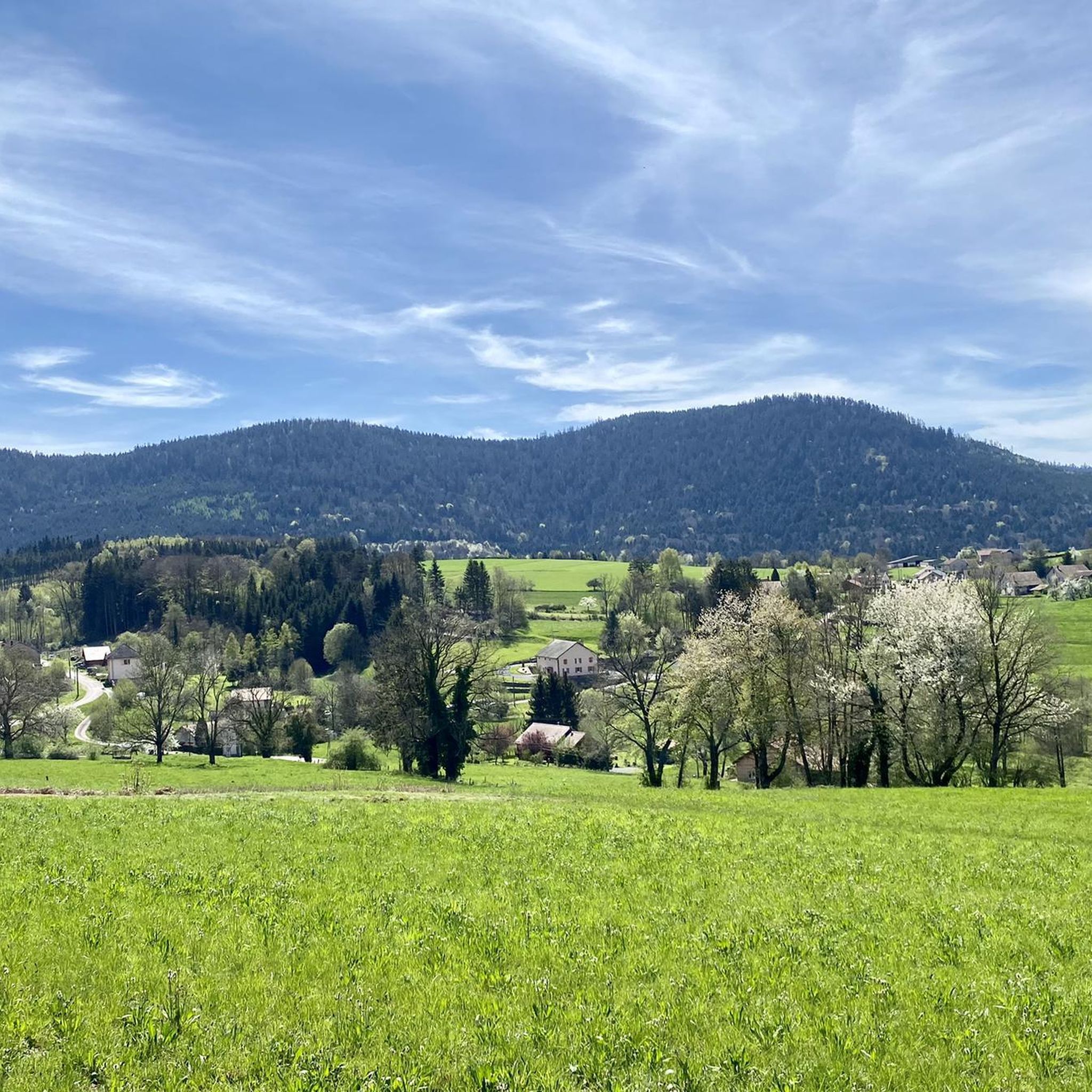
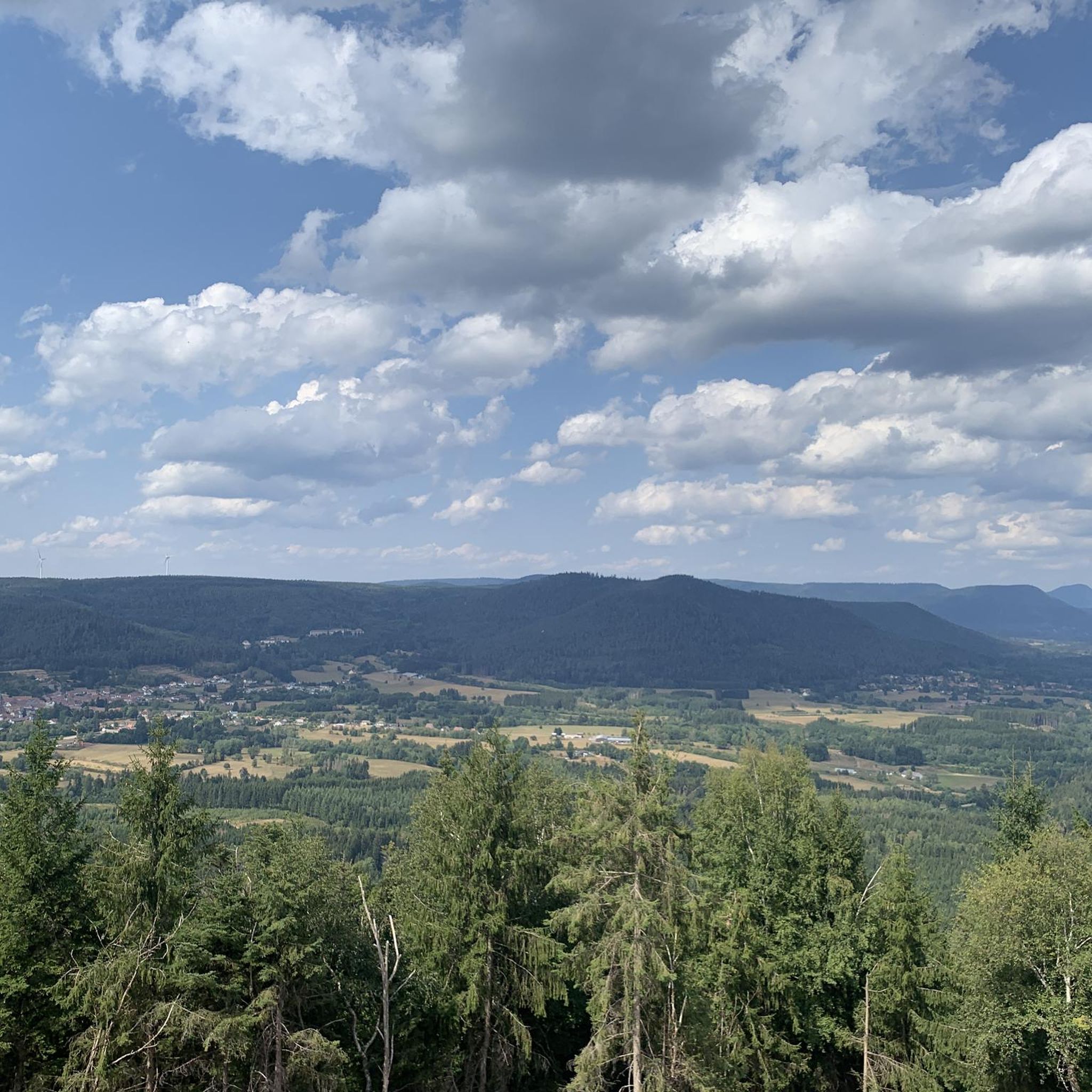
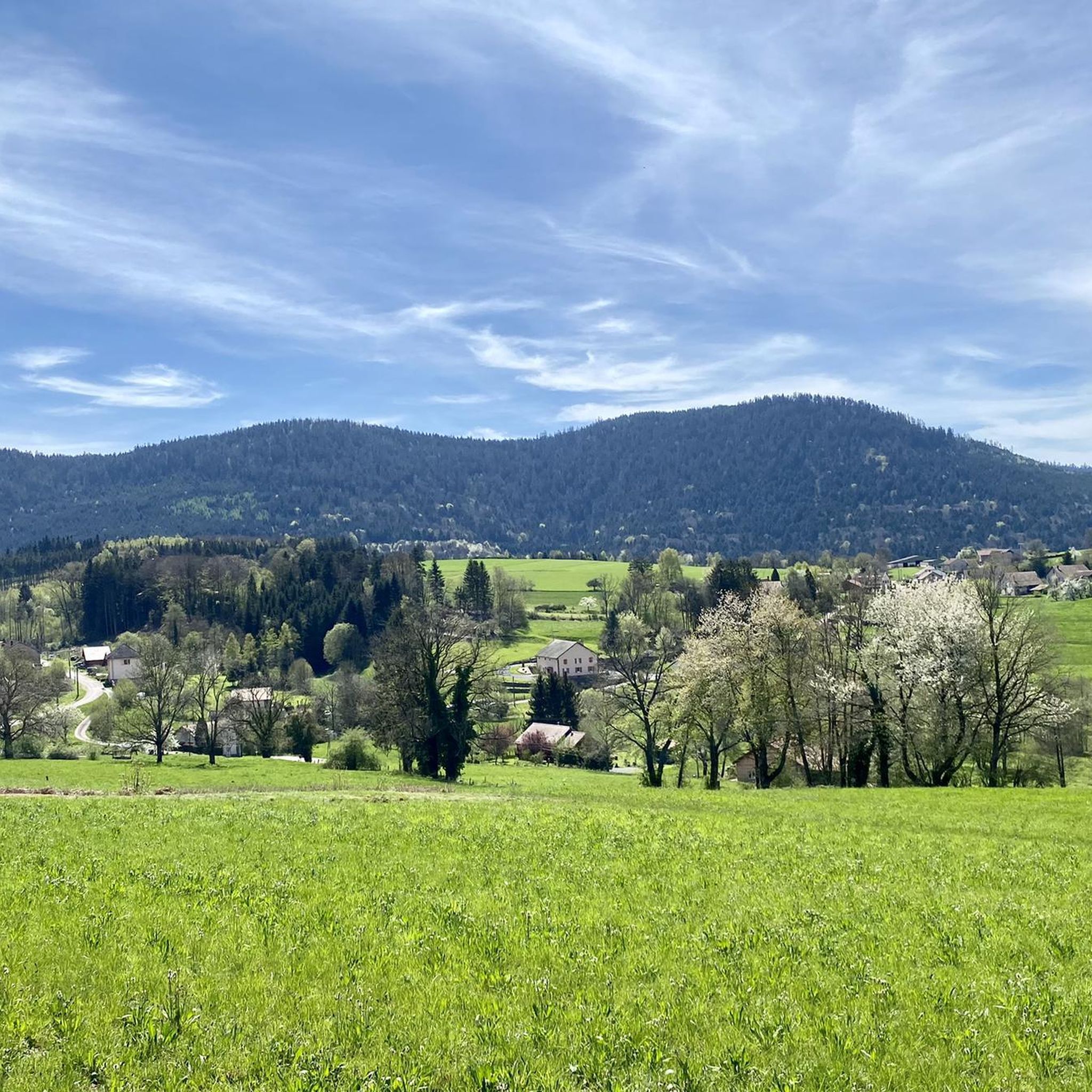
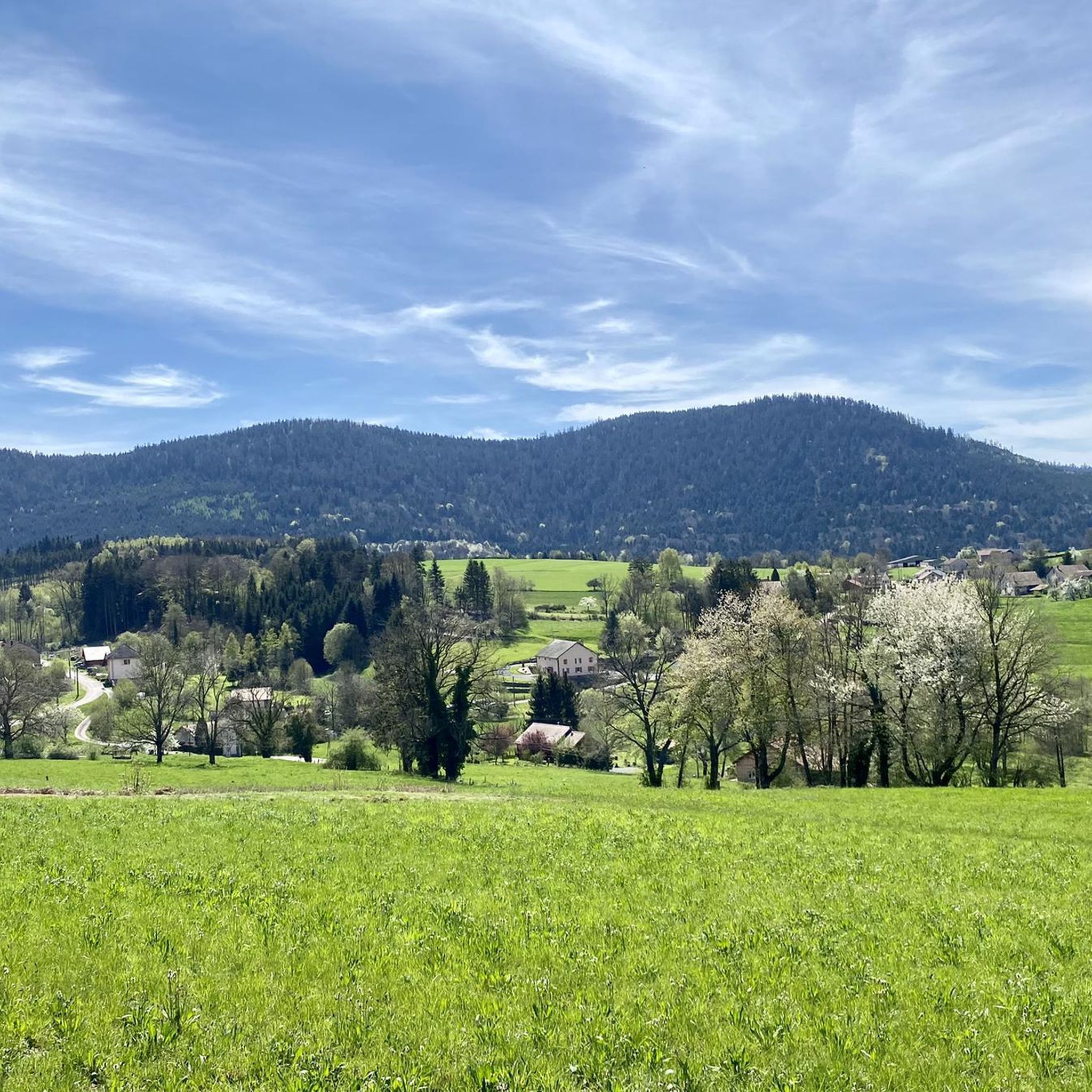
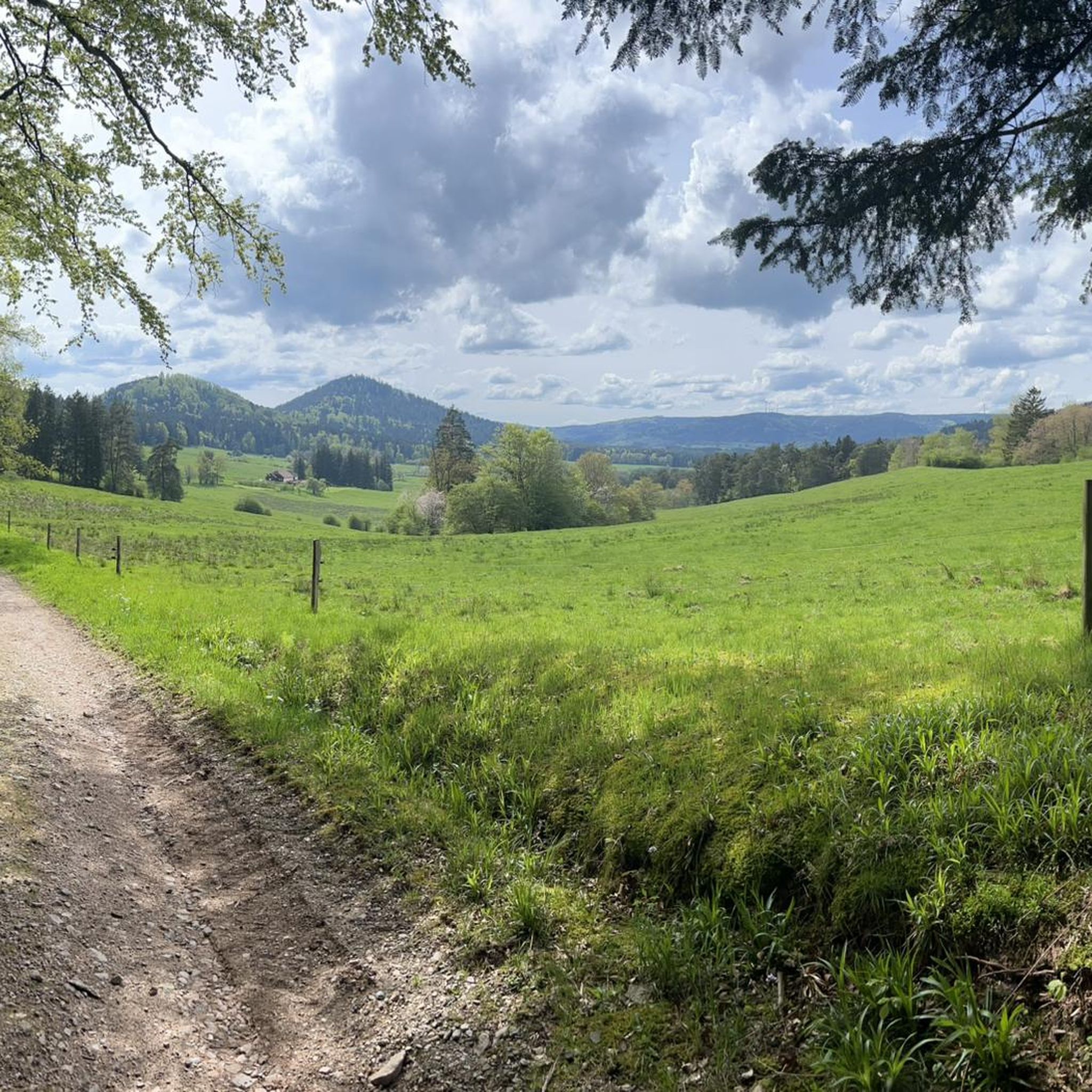

Tips from the Community

Camp accessible to mountain bikes but next to the bike
0
0


This rock shelter linked to a fort is that of the commander of the cartographic section. Inside there is a table, a stove, a bed, a telephone and electricity. This is where all the information obtained by the observers on the massif arrives.
0
0


Emblematic rock of the Kemberg massif, from which the view of the Vosges is clear.
0
0

Large steep rock with south-facing viewing platform.
1
0
Frequently Asked Questions
What types of natural monuments can I explore around Ban-de-Sapt?
The region around Ban-de-Sapt, nestled within the Vosges Mountains, offers a variety of natural monuments. You can find numerous viewpoints with panoramic vistas, distinctive rock formations, and sites with historical significance. The area is characterized by its mountainous landscape, dense forests, and the influence of the Ballons des Vosges Regional Nature Park.
Are there any natural monuments with historical significance in the area?
Yes, the region features natural monuments that also hold historical importance. For instance, La Bure Celtic Camp is a fortified plateau known for extensive archaeological research, revealing its use since the Neolithic period by Celts and Romans. It's now a wooded site classified as a Historical Monument.
Where can I find the best panoramic views of the Vosges Mountains?
For breathtaking panoramic views, consider visiting Dry Fir Rock, which offers a wide vista of the region, including Nayemont, Saint-Jean d'Ormont, and Saint-Dié-des-Vosges. Another excellent spot is Roche d'Anozel, an emblematic rock of the Kemberg massif with a south-facing viewing platform providing clear views of the Vosges.
What are some unique rock formations to see near Ban-de-Sapt?
The area is home to impressive rock formations. La Roche Saint-Martin and View of Saint-Dié features several imposing sandstone columns, two of which are connected by a bridge, offering a magnificent view of Saint-Dié. The Kemberg Massif itself, near Saint-Dié-des-Vosges, is known for its striking pink sandstone rocks.
What kind of outdoor activities can I do near these natural monuments?
The natural monuments around Ban-de-Sapt are excellent starting points for various outdoor activities. You can find numerous hiking trails, including easy, moderate, and difficult options. The region is also popular for running and gravel biking. For more detailed routes, you can explore the hiking trails, running trails, and gravel biking routes around Ban-de-Sapt.
Are there family-friendly natural attractions around Ban-de-Sapt?
While specific 'family-friendly' categories aren't always assigned, many natural sites in the Vosges Mountains, including viewpoints and forest trails, can be enjoyed by families. The region's extensive hiking trails offer options of varying difficulty, allowing families to choose routes suitable for their children. The general accessibility of trails like those leading to the Balcon du Ban-de-Sapt makes them suitable for a family outing.
What is the best time of year to visit the natural monuments in this region?
The Vosges Mountains offer distinct experiences throughout the year. Spring and autumn provide pleasant temperatures for hiking and enjoying the vibrant foliage. Summer is ideal for longer hikes and water activities at nearby lakes. In winter, the Ballons des Vosges Regional Nature Park transforms into a snowy landscape, offering opportunities for cross-country skiing and snowshoeing.
What are the terrain characteristics of hikes around Ban-de-Sapt's natural monuments?
The terrain around Ban-de-Sapt is primarily mountainous, featuring dense forests, sandstone rock formations, and varied elevations. Hikes can range from easy forest paths to more challenging routes involving steep ascents and descents, sometimes equipped with features like iron ladders, as seen at Dry Fir Rock.
Can I find accessible trails or viewpoints near Ban-de-Sapt?
Many trails and viewpoints in the region, such as those around the Balcon du Ban-de-Sapt and Kemberg Massif, are generally accessible. Some sites, like La Roche du Kiosque and La Roche de Saint-Martin, are equipped with footbridges and protective railings to enhance visitor safety and access to magnificent views.
What kind of wildlife can I expect to see in the natural areas around Ban-de-Sapt?
The Ballons des Vosges Regional Nature Park, which influences the Ban-de-Sapt area, is rich in biodiversity. You might spot rare species such as lynx, peregrine falcons, and capercaillie. The deep forests also host a variety of common woodland animals and birds, making it a great area for wildlife observation.
Are there any circular walks around the natural monuments?
Yes, there are several circular walks available. For example, you can find routes like the 'View from La Fontenelle loop from Ban-de-Sapt' or the 'Tête de Raves – Roche des Abris loop from La Petite-Fosse' which allow you to experience multiple natural features in a single outing. You can find more options on the hiking guide for Ban-de-Sapt.
What do visitors enjoy most about the natural monuments in Ban-de-Sapt?
Visitors frequently praise the stunning panoramic views and the tranquility of the natural surroundings. Highlights like Dry Fir Rock and La Roche Saint-Martin and View of Saint-Dié are particularly appreciated for their vistas. The unique rock formations and the opportunity to explore historical sites within a natural setting also receive positive feedback.
Most popular routes around Ban-De-Sapt
Most popular attractions around Ban-De-Sapt

Get inspired with the komoot mobile app


Explore more
Extend your search for the best caves by checking out these guides of the top ones around Ban-De-Sapt:
