Top 13 Natural Monuments around Menglon
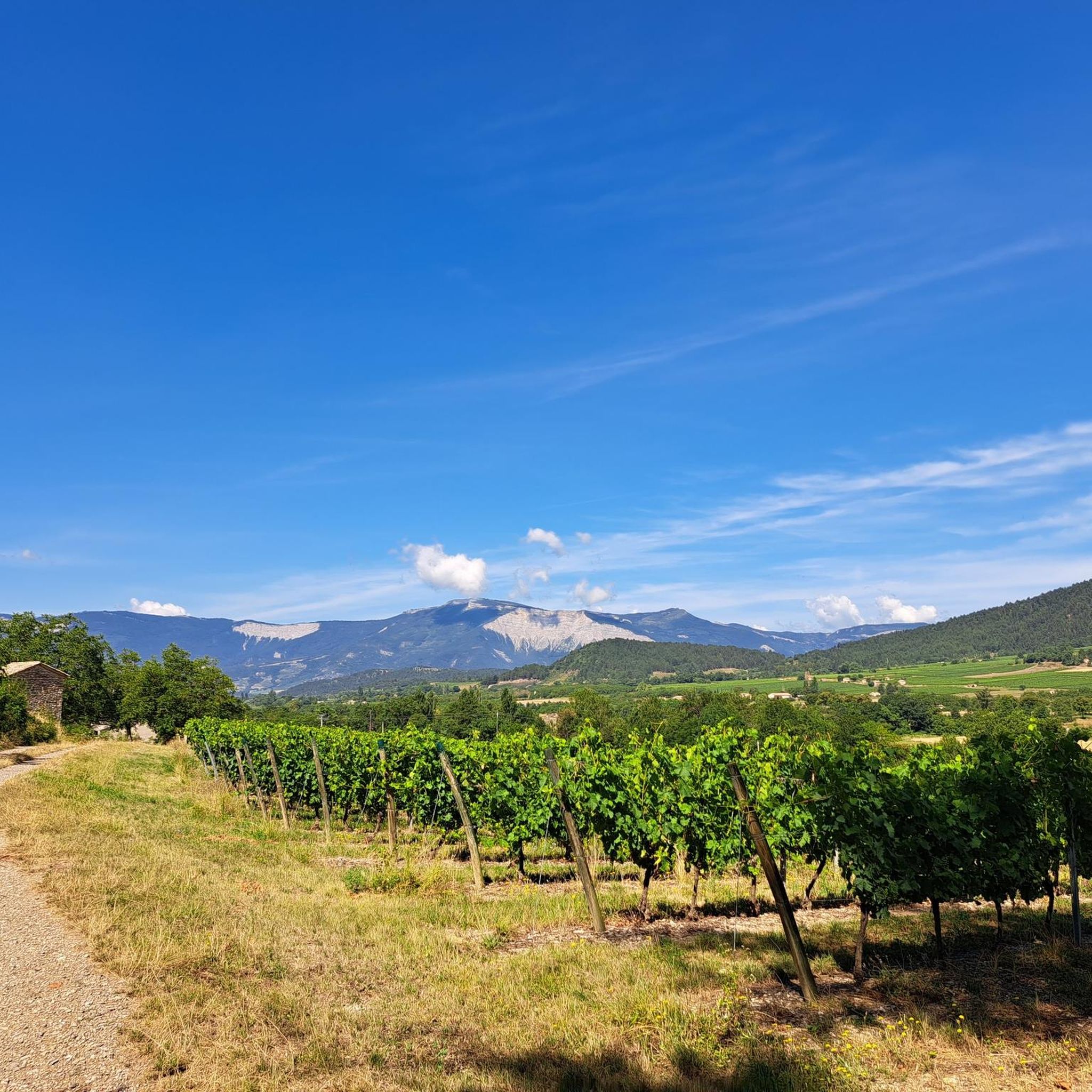
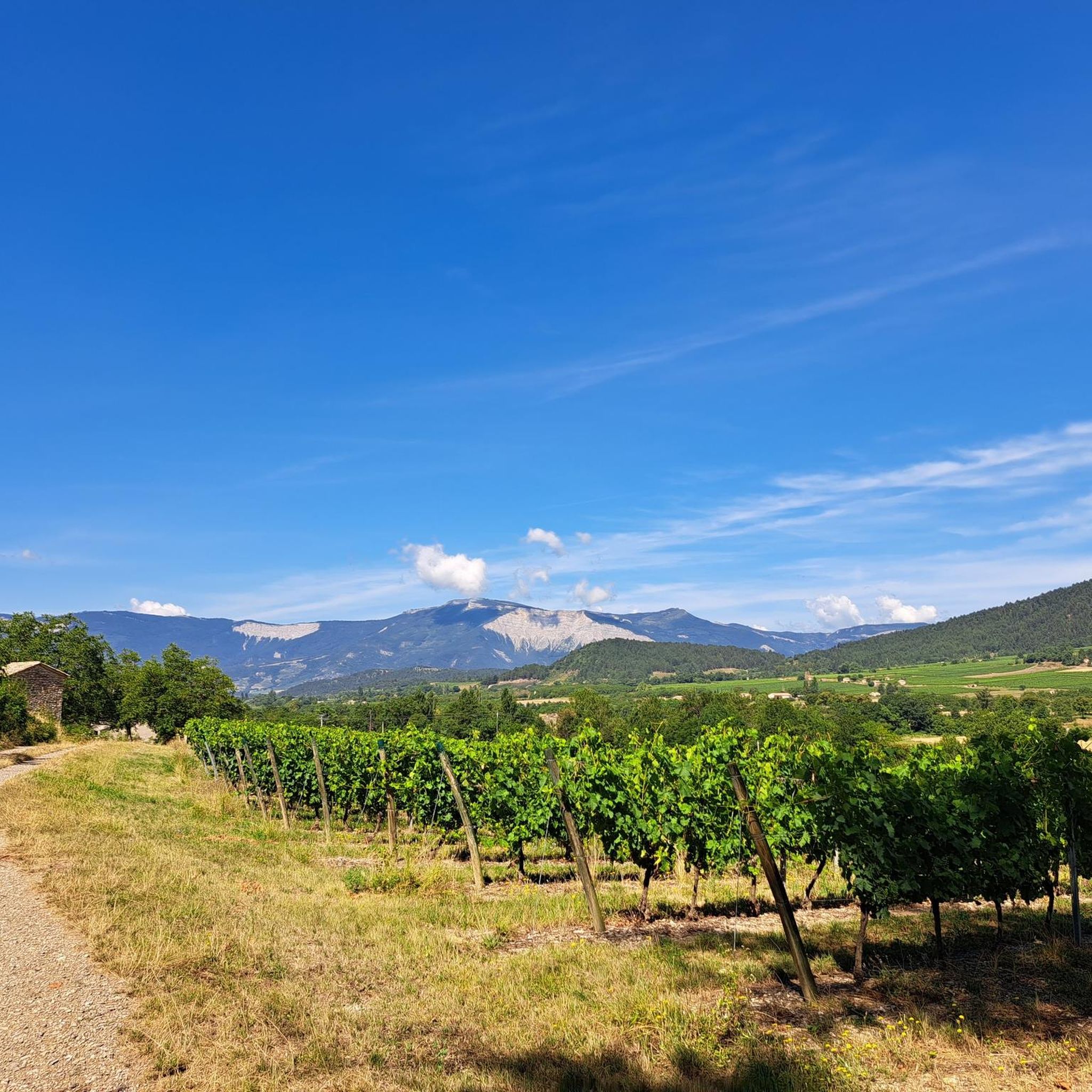
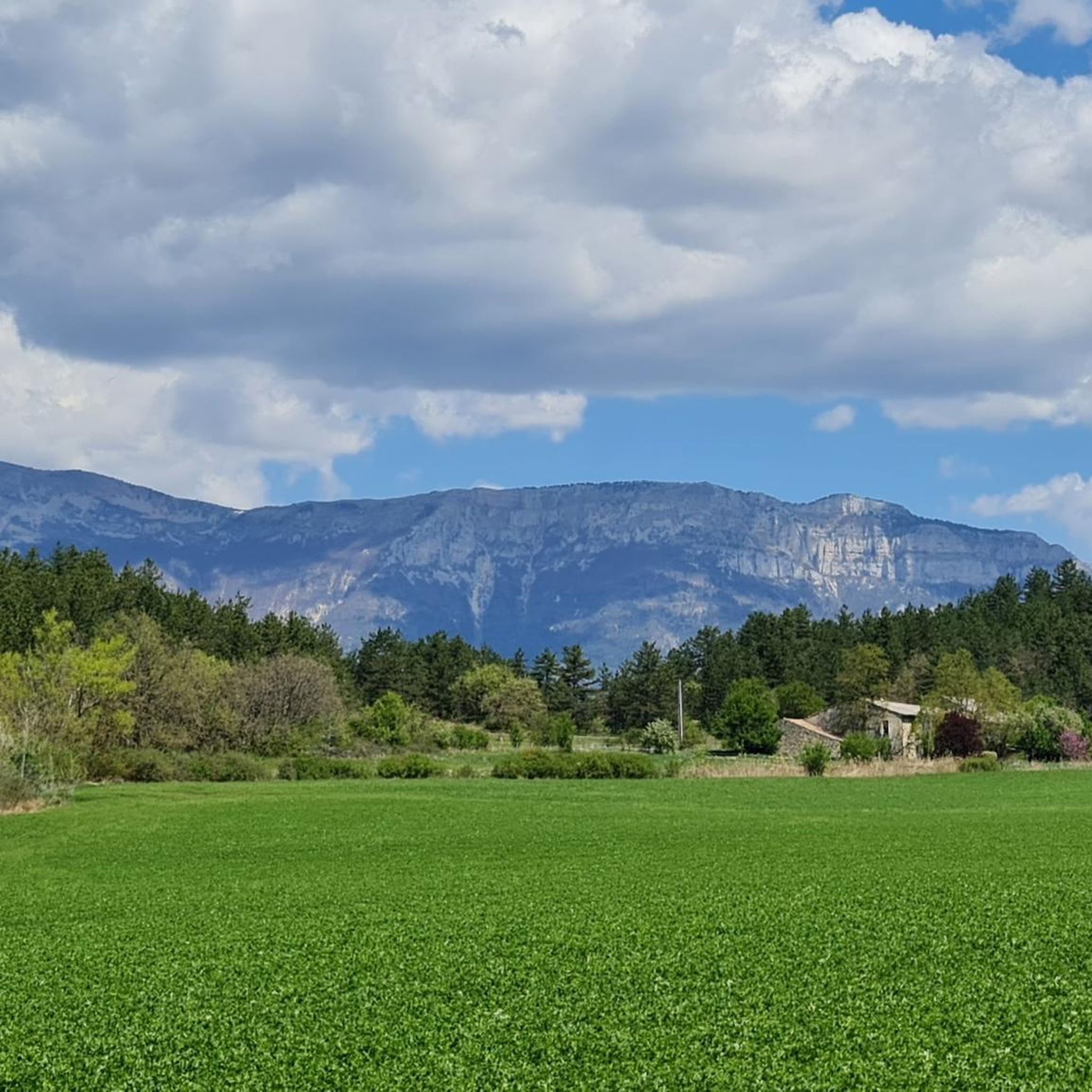
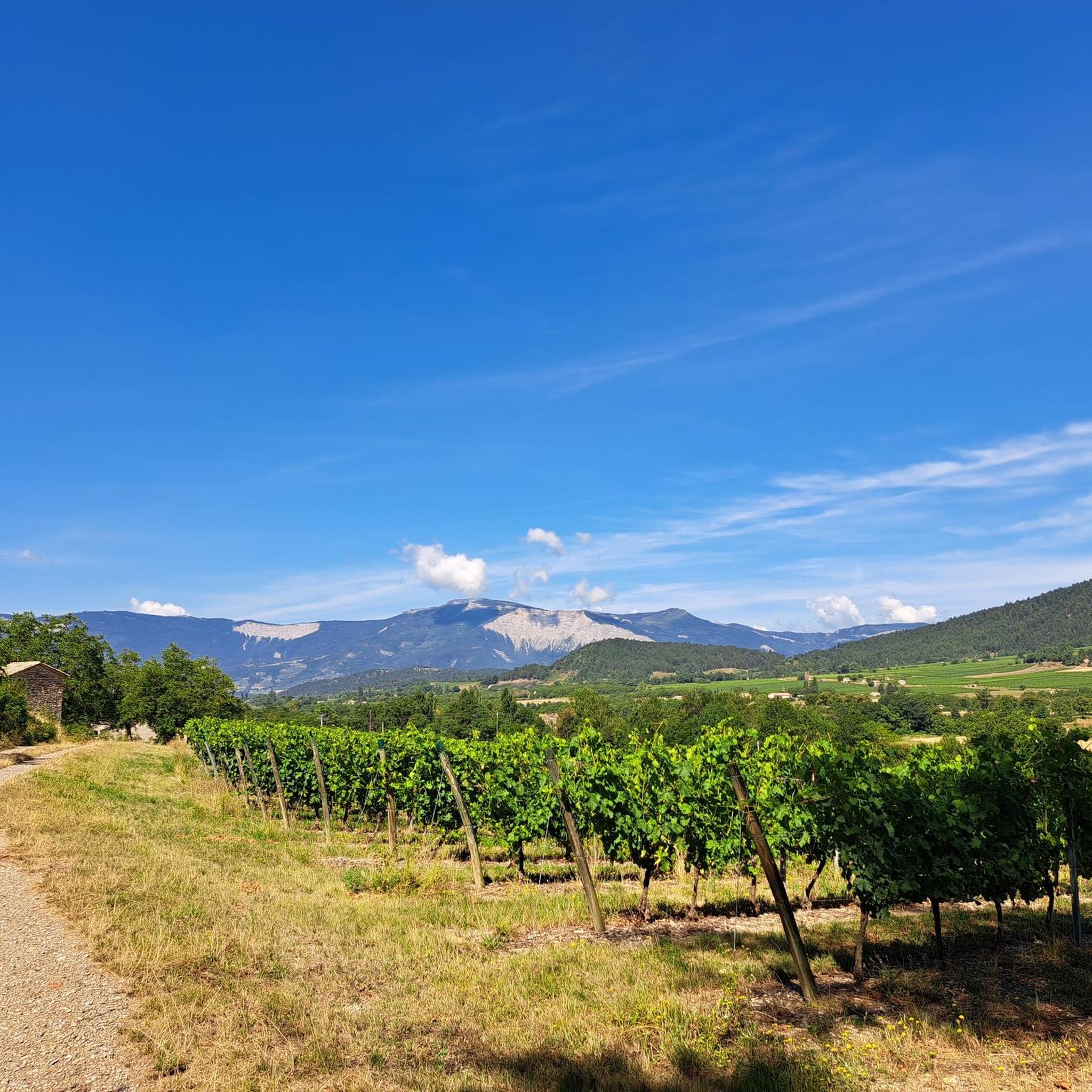
Best natural monuments around Menglon are located in the Drôme department of France, an area known for its dramatic landscapes and unique geological formations. This region, part of the Vercors massif, features towering limestone cliffs, deep gorges, and significant natural reserves. These natural features provide diverse opportunities for outdoor activities and exploration. The area is recognized for its rich biodiversity and historical significance in mountaineering.
Best natural monuments around Menglon
- The most popular natural monuments is Saut de la Drôme…
Last updated: July 2, 2026
Saut de la Drôme and the Claps
Highlight • River
Translated by Google •
Tip by

Pié Ferré (Le Dôme) – 2,041 m
Highlight • Summit
Translated by Google •
Tip by

Sign up now to discover places like this
Get recommendations on the best single tracks, peaks, & plenty of other exciting outdoor places.
Sign up for free
Gorges des Gâts
Highlight (Segment) • Gorge
Translated by Google •
Tip by

Baume Rousse Spring
Highlight • Natural Monument
Translated by Google •
Tip by

Archiane Cirque
Highlight • Natural Monument
It is protected by the status of biological reserve which makes it a wild natural …
Translated by Google •
Tip by

Sign up for free to discover even more natural monuments around Menglon.
Sign up for free
Already have an account?
Start today with a free account
Your next adventure awaits.
Login or Signup

Tips from the Community

At the end of this little path you will find this spring! (Be careful, it is not drinkable so don't count on it for hiking/trail running) otherwise beautiful viewpoint and beautiful story 👌
0
0
Very pretty viewpoint, very rolling, and you will surely be lucky enough to see some marmots and chamois! Quite a few passages under the trees, possibility to do it even if it's hot! 👌
0
0
Very pretty, not technical trail for a hike, however plan to do the route in the opposite direction (start with the small climb) if you want a more rolling trail route. Very beautiful landscapes (no dangerous areas / climbing and as a bonus the possibility of seeing animals!
0
0
Water source with sometimes low or even non-existent flow in summer, make sure you have something to filter it if necessary
0
0
Fountain: 1L in less than 5 minutes
0
0

It all began in 1442 when a foundation broke away from the southern flank of Pic de Luc. As it slid, it hit a limestone spur, divided, broke into enormous blocks and blocked the Drôme at two points... thus two lakes were formed: the Petit downstream and the Grand upstream. The “Grand Lac” is 5 km long and arouses envy because it is full of fish. In 1561 it thus became the property of the Carthusians of Durban, monks to whom meat was forbidden. It was only in 1804 that a huge block, the “dad”, was pierced to let the water flow at the location of the current Saut de la Drôme. This vast dry body of water now gives way to an agricultural plain (ruined Bouligons farm and its formerly cultivated terraces) and the Bouligons marsh, the last vestige of the disappeared lake. The need to avoid the Claps during the construction of the “Briançonnais” railway line at the beginning of the 20th century also gave the site a magnificent viaduct, 244 m long and 44 m high.
1
0
panoramic view, Vercors (Mt Aiguille/ Grand Veymont)/ Écrins / Dévoluy (Obiou)
0
0

The access to this source is quite impressive. A small hatch has been fitted and provides access to the source which has a low flow and does not always seem supplied.
0
0
Frequently Asked Questions
What are some of the most impressive natural monuments to visit near Menglon?
The region around Menglon boasts several spectacular natural monuments. Don't miss the dramatic Archiane Cirque, known for its towering limestone cliffs and abundant wildlife like ibex and vultures. Another striking site is Saut de la Drôme and the Claps, a unique landscape formed by a massive rockslide, featuring a waterfall and gigantic boulders. For breathtaking panoramic views, consider visiting Pié Ferré (Le Dôme) – 2,041 m, which offers a 360-degree vista of the Diois valley and surrounding peaks.
Are there natural monuments suitable for families with children around Menglon?
Yes, several natural monuments offer family-friendly experiences. The Saut de la Drôme and the Claps is a great option, where families can enjoy picnics, cool off in the Drôme River's water holes in summer, and marvel at the unique rock formations. The hamlet of Archiane, serving as a starting point for exploring the Archiane Cirque, offers marked paths like the 'Vulture Trail' which can be enjoyed by families looking for wildlife observation.
What kind of outdoor activities can I do near these natural monuments?
The natural monuments around Menglon are perfect for a variety of outdoor activities. You can find excellent opportunities for hiking, rock climbing, and caving in the Gorges de la Bourne area. The Saut de la Drôme and the Claps offers over 120 climbing routes and a via ferrata. For hiking, explore trails around the Archiane Cirque to observe wildlife. In winter, the Col de Rousset transforms into a ski resort, while in summer it's ideal for mountain biking and downhill scooters. For more detailed route information, check out the guides for hiking around Menglon, cycling around Menglon, or gravel biking around Menglon.
Are there any natural monuments with historical significance in the area?
Yes, Mont Aiguille holds significant historical importance as the birthplace of mountaineering, with its first recorded ascent dating back to 1492. Its unique pyramid shape and flat summit are a result of glacial erosion. Additionally, the Saut de la Drôme and the Claps site is a direct result of a massive rockslide in 1442, which dramatically altered the landscape and the course of the Drôme River, with further engineering work done in 1804.
What kind of wildlife can I expect to see at these natural monuments?
The natural monuments around Menglon are rich in biodiversity. The Archiane Cirque is a significant site for the reintroduction of mountain wildlife, including the Alpine ibex and various vulture species like the griffon vulture and bearded vulture. Mont Aiguille, located within the Hauts Plateaux du Vercors Nature Reserve, is home to chamois, marmots, and diverse birds of prey. Binoculars are recommended for optimal wildlife observation.
Are there scenic drives through any of the natural monuments?
Absolutely. The Gorges de la Bourne offers a dramatic and highly scenic drive along road D531, which winds through towering cliffs and unique geological formations. This road, built between 1861 and 1872, is a remarkable feat of engineering and includes narrow sections and unlit tunnels, providing breathtaking views and a sense of adventure.
What are the best viewpoints to experience the natural beauty of the region?
For unparalleled panoramic views, the summit of Pié Ferré (Le Dôme) – 2,041 m offers an exceptional 360-degree vista, including the Diois valley, Mont Aiguille, and the Grand Veymont. The Col de Rousset also provides magnificent panoramic views over the Vercors plateaus and the Diois valley, accessible via a chairlift in summer for 360-degree vistas.
Can I find any unique geological formations around Menglon?
The region is renowned for its unique geology. The Saut de la Drôme and the Claps is a prime example, showcasing a chaotic heap of gigantic limestone boulders resulting from a massive rockslide. The Archiane Cirque and Mont Aiguille are impressive limestone formations, with Mont Aiguille's distinctive pyramid shape being a result of glacial erosion. The Gorges de la Bourne also features towering cliffs and unique geological structures carved by the river.
What is the best time of year to visit the natural monuments near Menglon?
The best time to visit largely depends on your preferred activities. Summer (June to September) is ideal for hiking, climbing, swimming in the Drôme River, and enjoying the chairlift and other activities at Col de Rousset. Winter (December to March) transforms Col de Rousset into a ski resort, offering alpine and Nordic skiing, snowshoeing, and dog sledding. Wildlife observation, particularly for ibex, is excellent in December during their rut in the Archiane Cirque.
Are there any natural monuments that involve water features?
Yes, several natural monuments feature water. The Saut de la Drôme and the Claps is famous for its waterfall where the Drôme River gushes through a drilled channel, and offers water holes for cooling off in summer. The Gorges de la Bourne is carved by the Bourne River and leads to the beautiful Cascade du Moulin-Marquis. The area also features numerous caves, such as the Grottes de Choranche, with stunning underground rivers.
What do visitors enjoy most about the natural monuments around Menglon?
Visitors consistently praise the spectacular and untouched landscapes, especially the dramatic cliffs of the Archiane Cirque and the unique geological formations of the Saut de la Drôme and the Claps. The breathtaking panoramic views from summits like Pié Ferré (Le Dôme) – 2,041 m are also highly rated. Many appreciate the diverse opportunities for outdoor activities, from hiking and climbing to scenic drives through areas like the Gorges des Gâts, and the chance to observe rare wildlife.
Are there any less-known or 'hidden gem' natural monuments worth exploring?
While not entirely hidden, the Baume Rousse Spring offers a unique and somewhat off-the-beaten-path experience. Located at the foot of a cliff in a rock shelter, accessing this source can be quite impressive. It provides a tranquil spot for those looking to explore a natural monument with a more secluded feel.
Most popular routes around Menglon
Most popular attractions around Menglon

Get inspired with the komoot mobile app


Explore more
Extend your search for the best caves by checking out these guides of the top ones around Menglon:
